
Obstacle Avoidance Sensor Module for Arduino
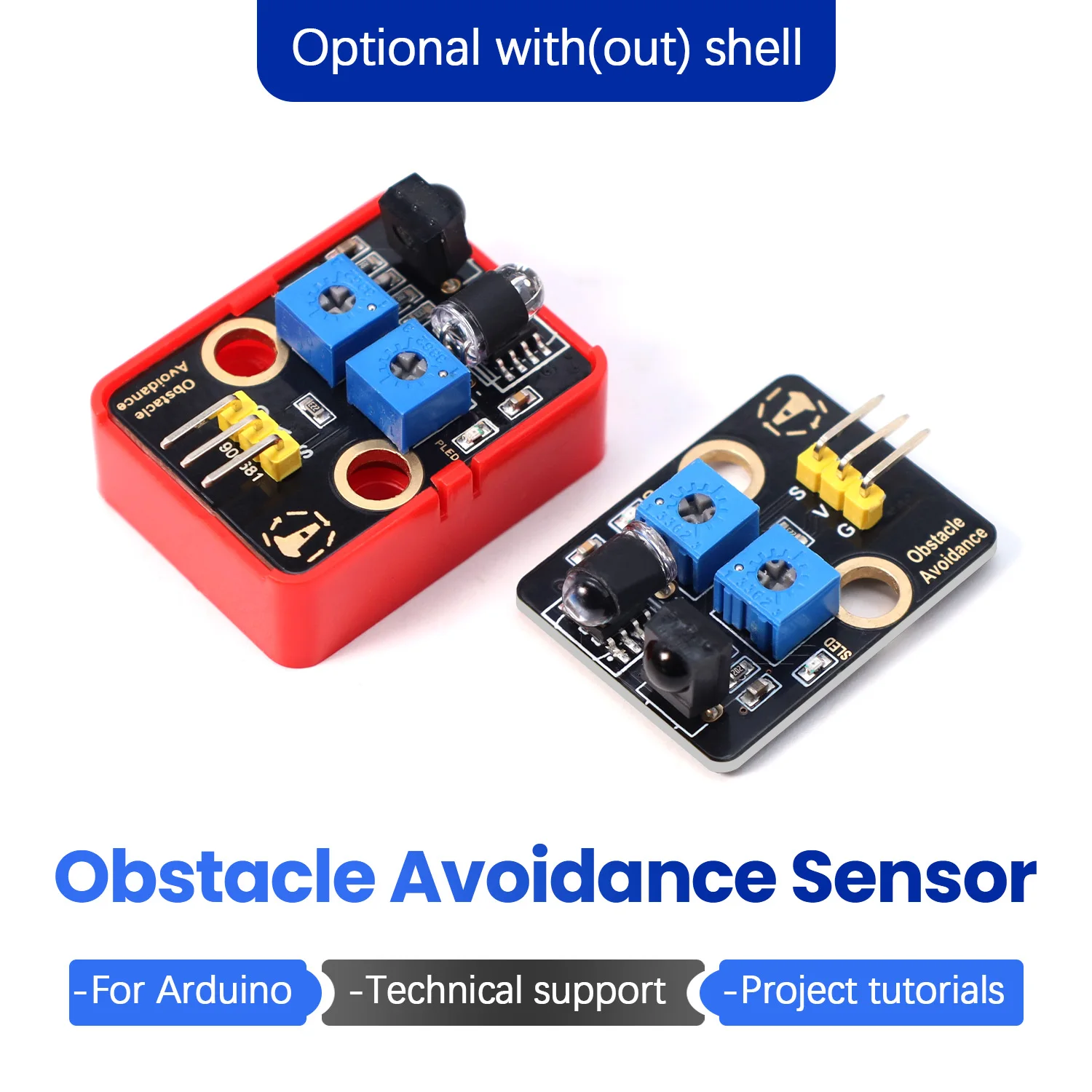
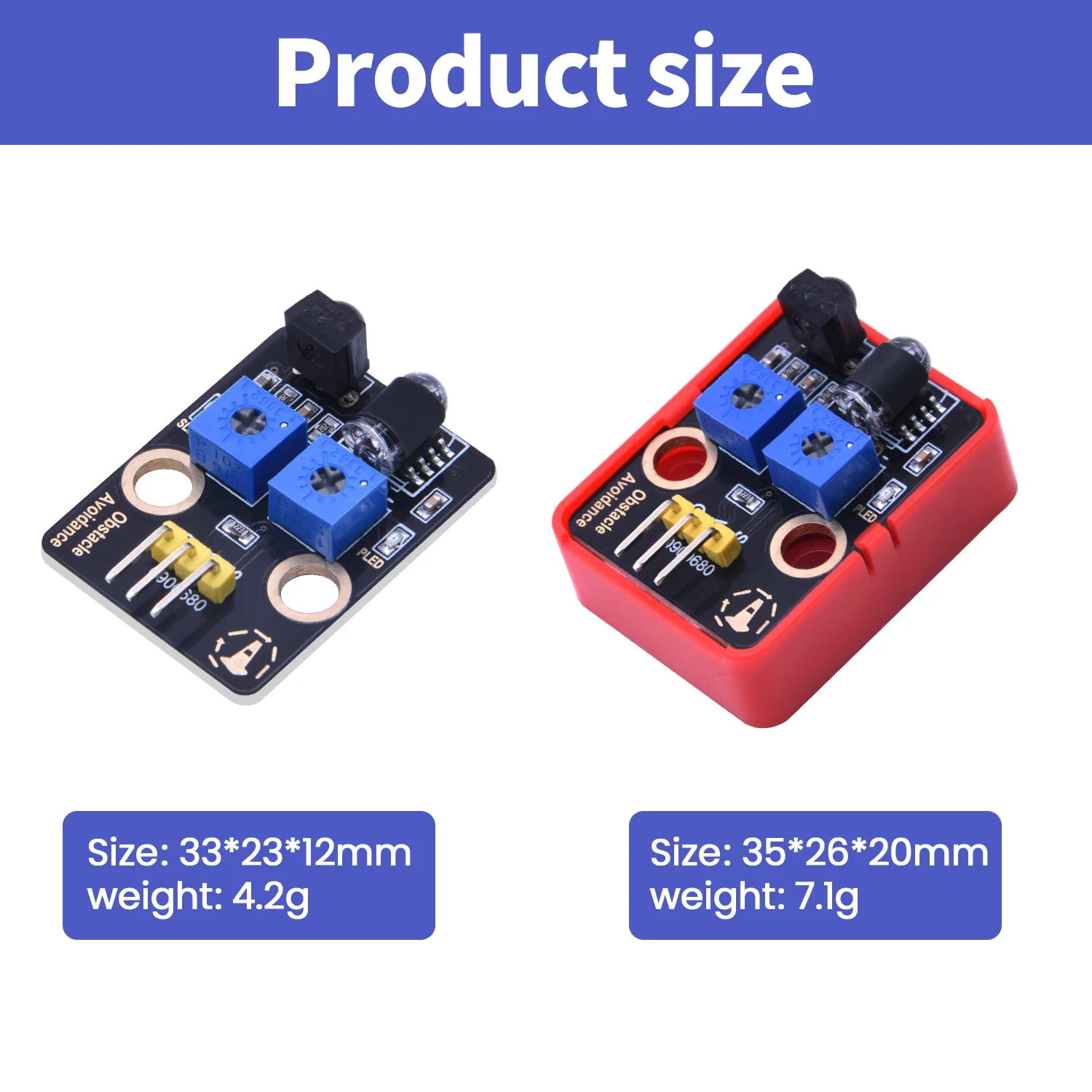
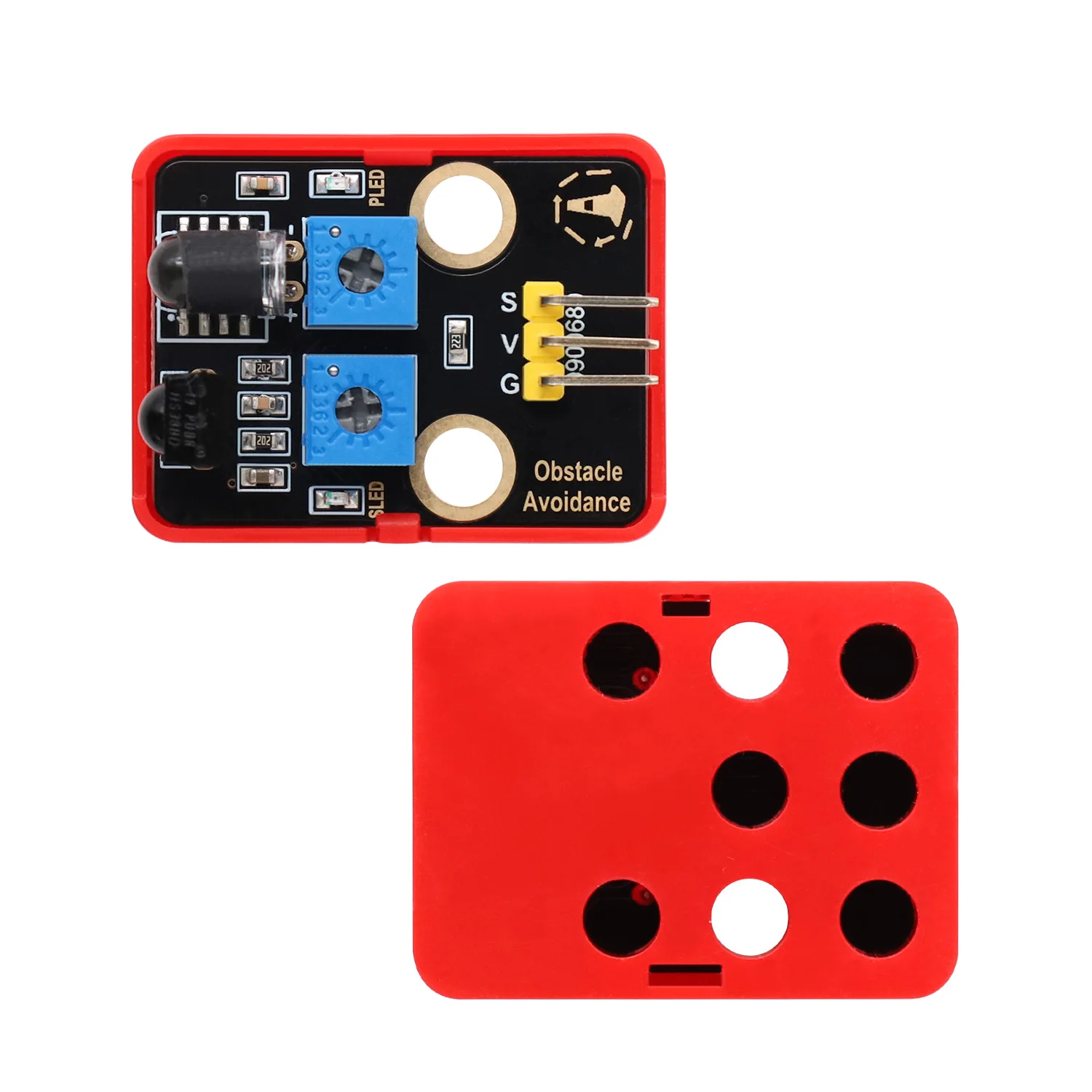
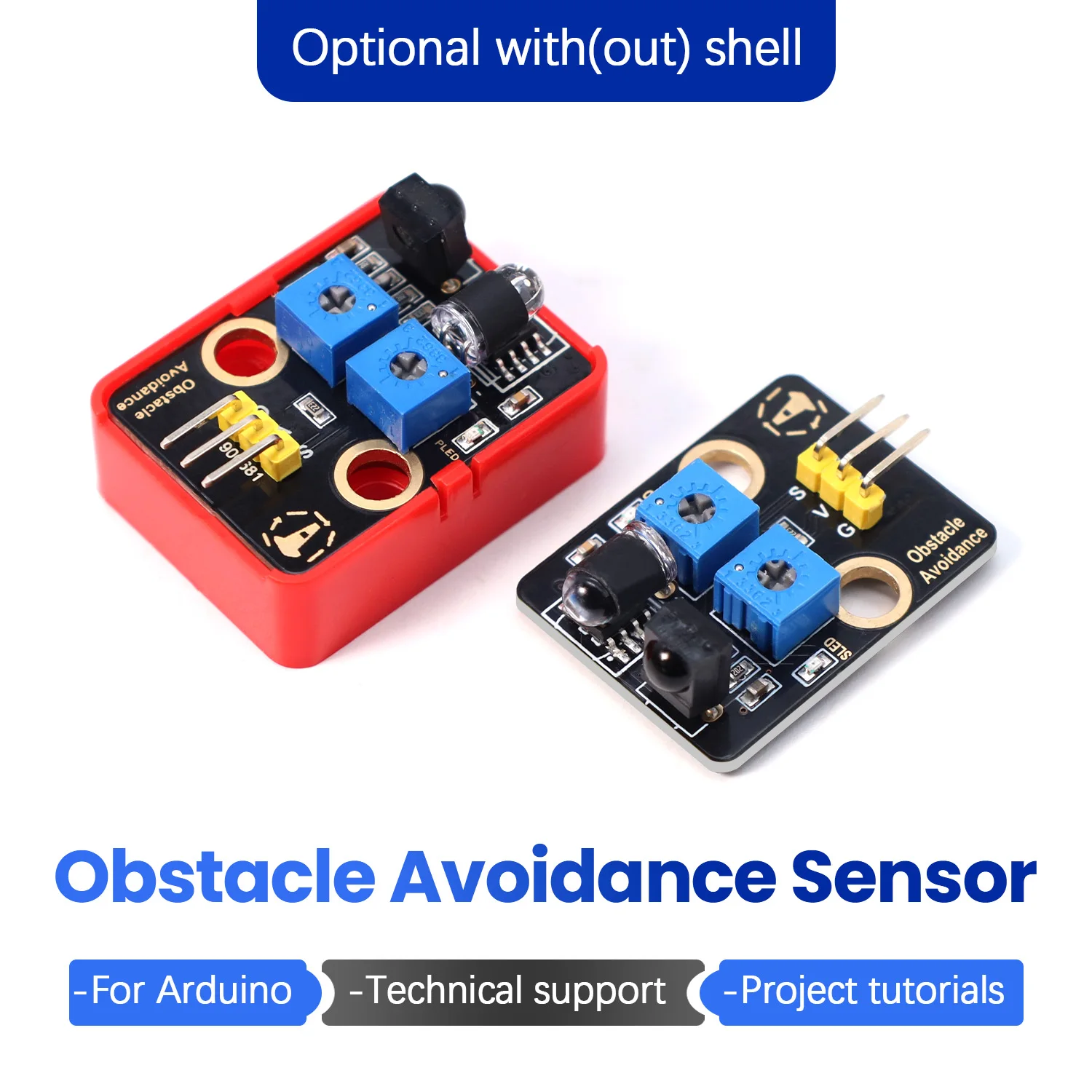
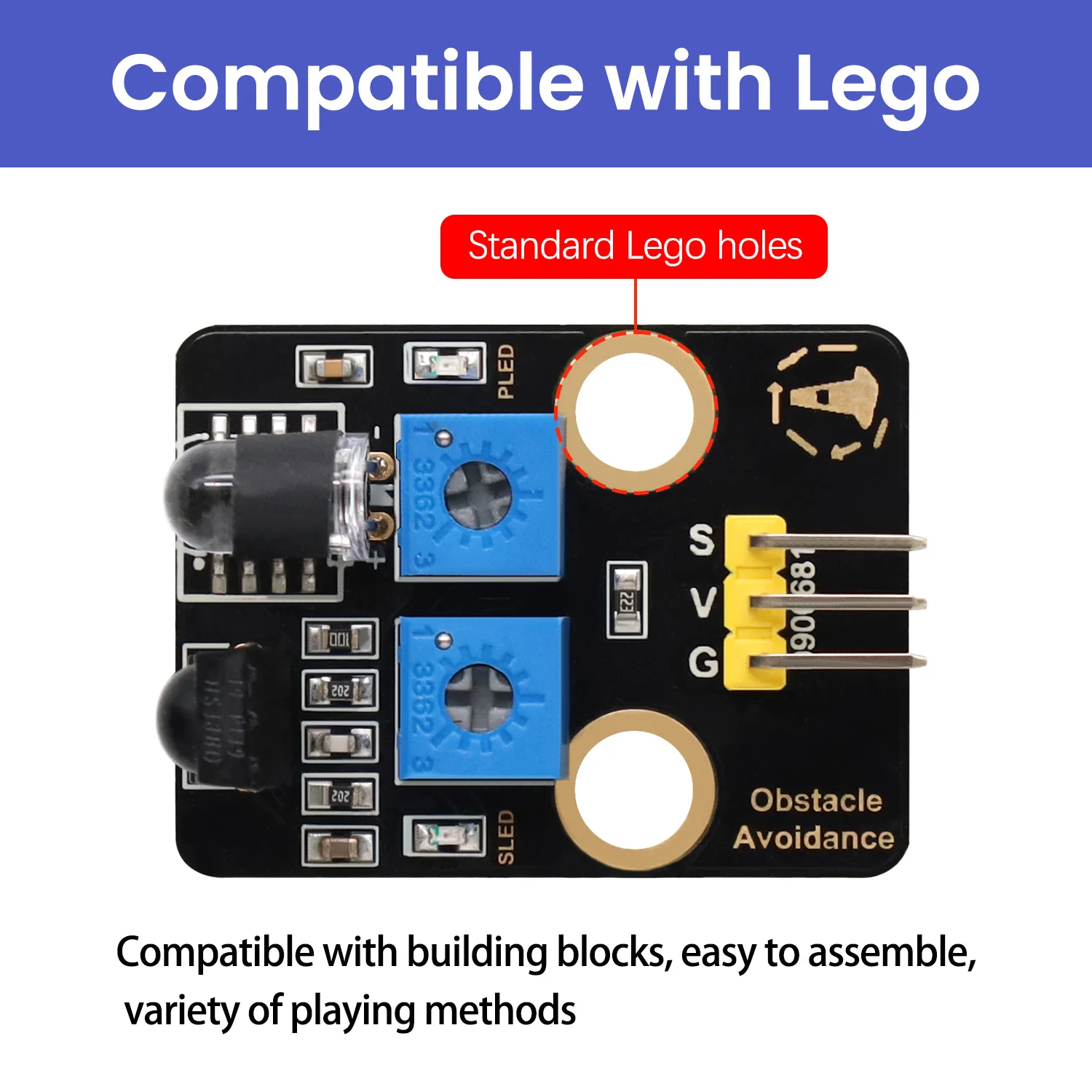
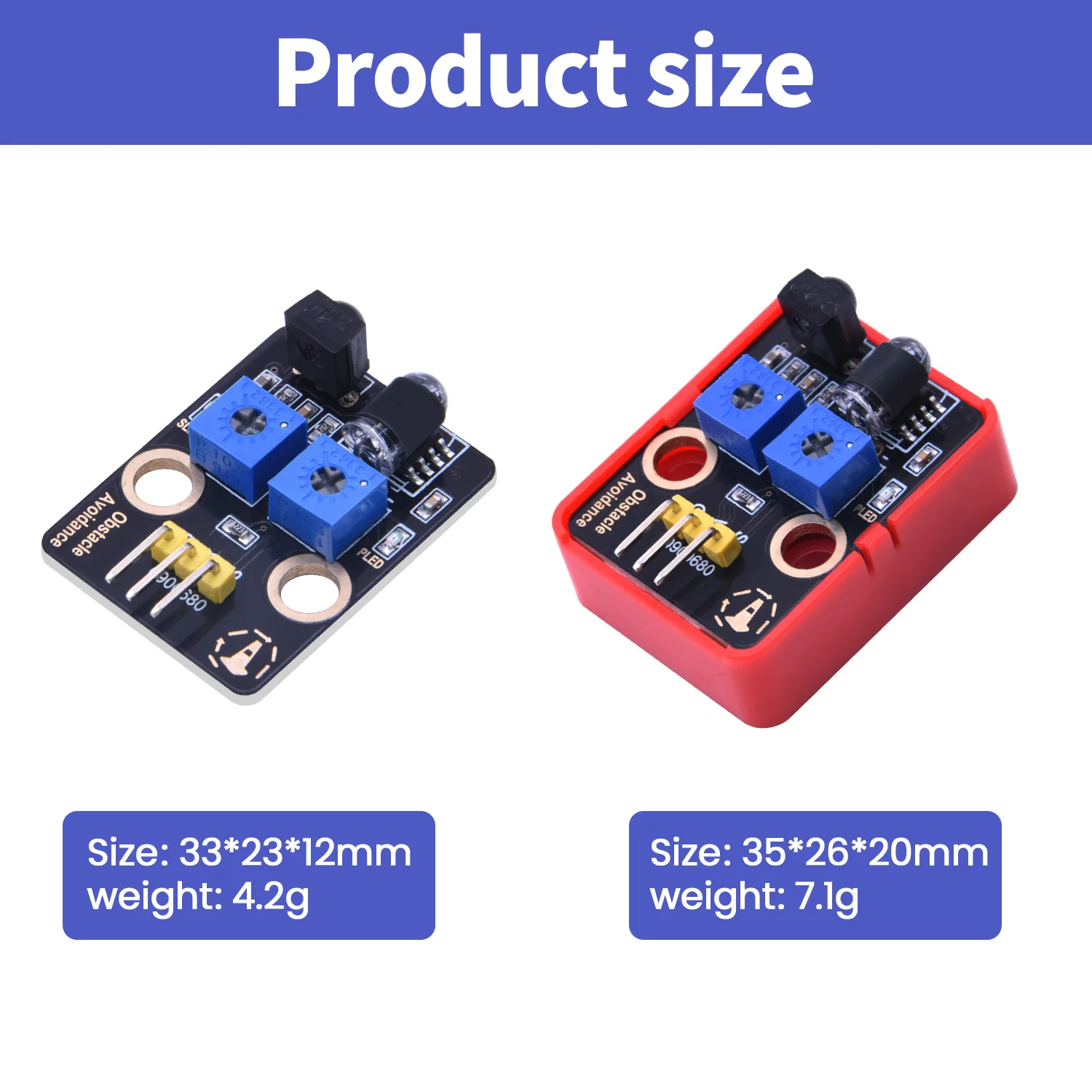
Obstacle Avoidance Sensor Module for arduino is an infrared-based detection device designed to identify nearby objects and enable responsive behavior in electronic systems.
This module uses infrared (IR) transmission and reception to detect obstacles within a short range. When an object is detected, the sensor outputs a digital signal that can be processed by microcontrollers such as Arduino, ESP32, or Raspberry Pi.
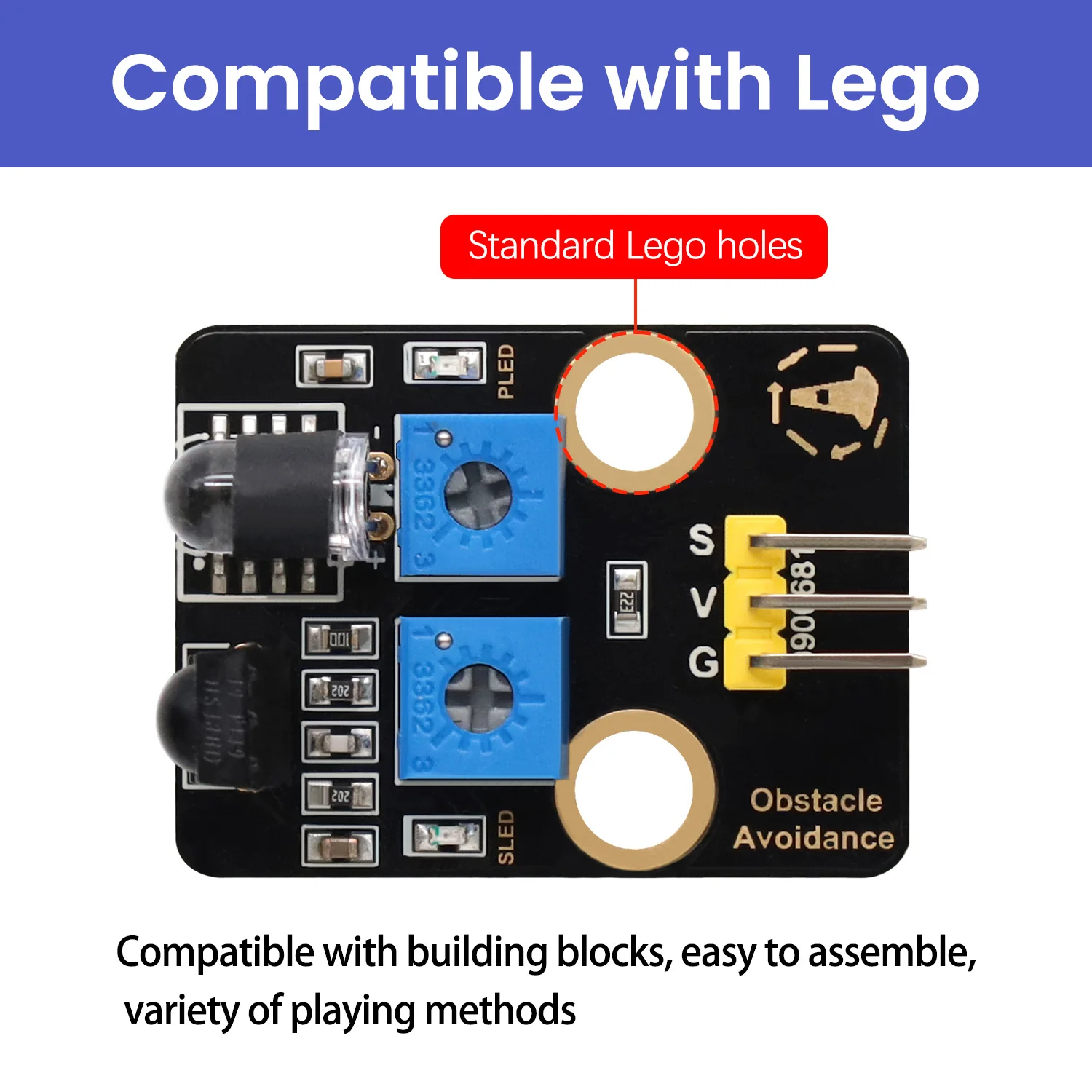
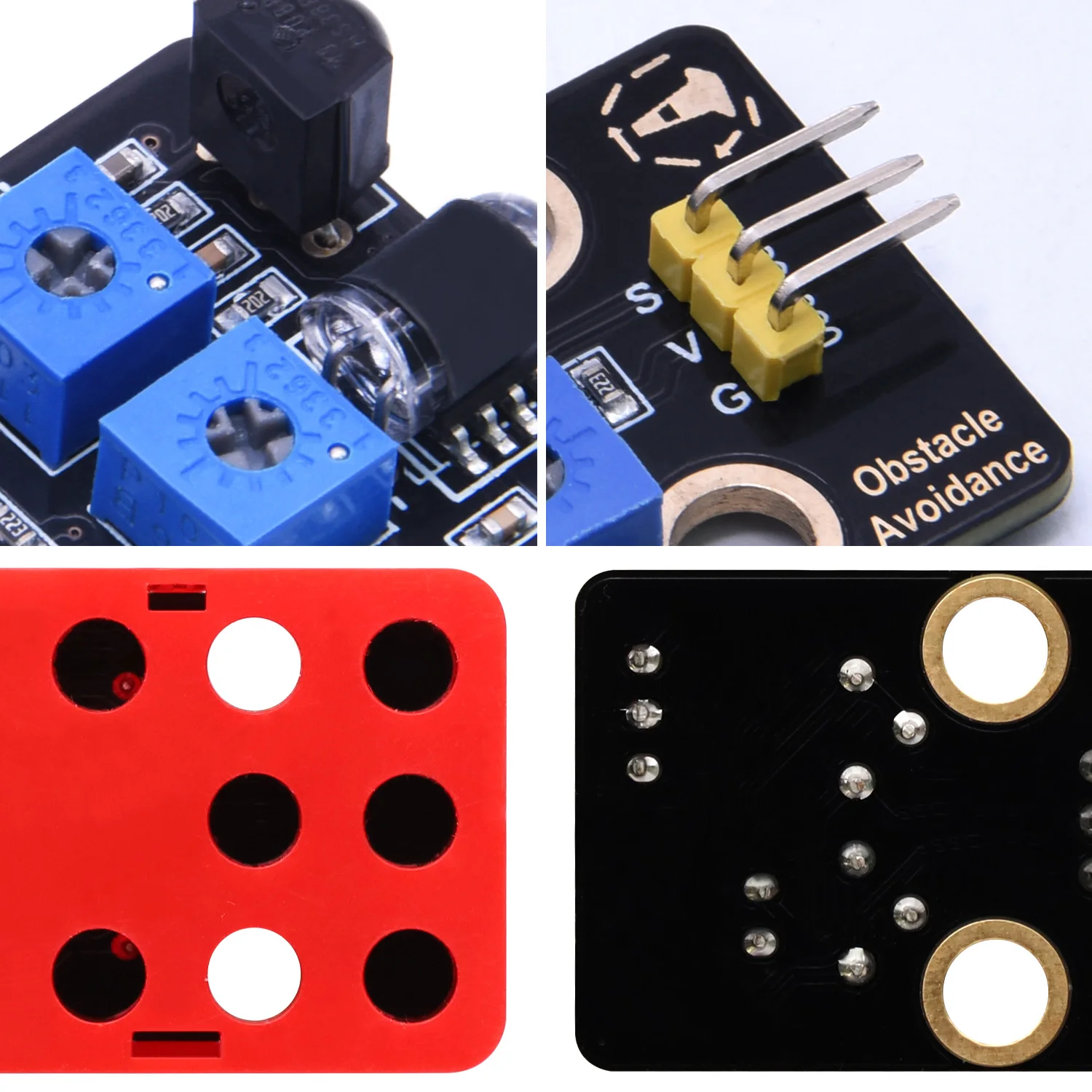
The module features an adjustable sensitivity potentiometer, allowing users to control detection distance and optimize performance for different environments. It is commonly used in robotics, automation, and embedded system projects where object detection is required.
🎓 Subjects Covered
1. Electronics
- Infrared signal transmission and reception
- Digital input/output signals
- Sensor calibration and tuning
2. Programming
- Reading digital sensor input
- Conditional logic (if/else)
- Event-driven programming
3. Robotics
- Obstacle detection systems
- Autonomous navigation basics
- Sensor-based decision making
4. Embedded Systems
- Microcontroller interfacing
- Real-time response systems
- Hardware-software interaction
🧠 Activities That Can Be Performed
🟢 Beginner Level
- Detect presence of an object
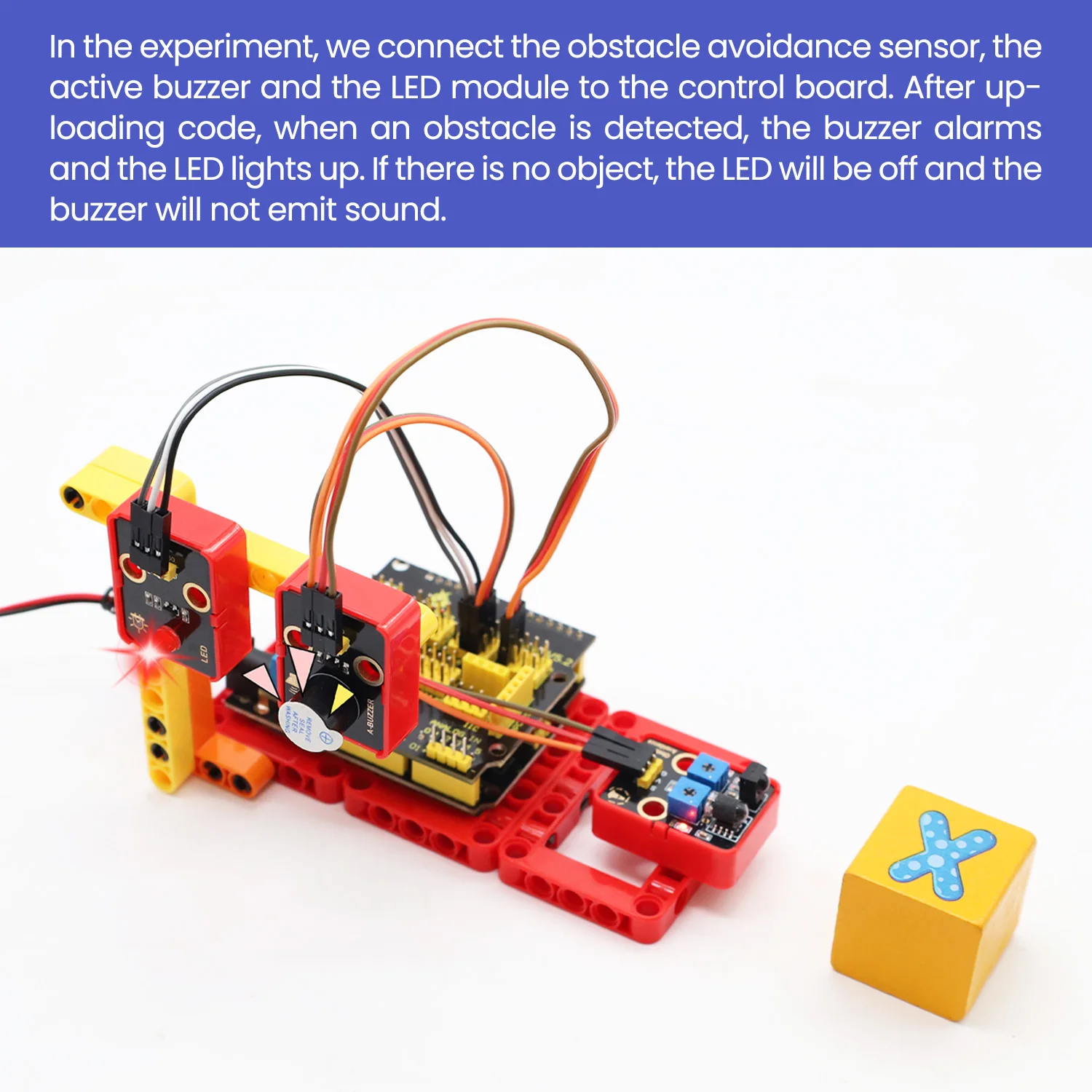
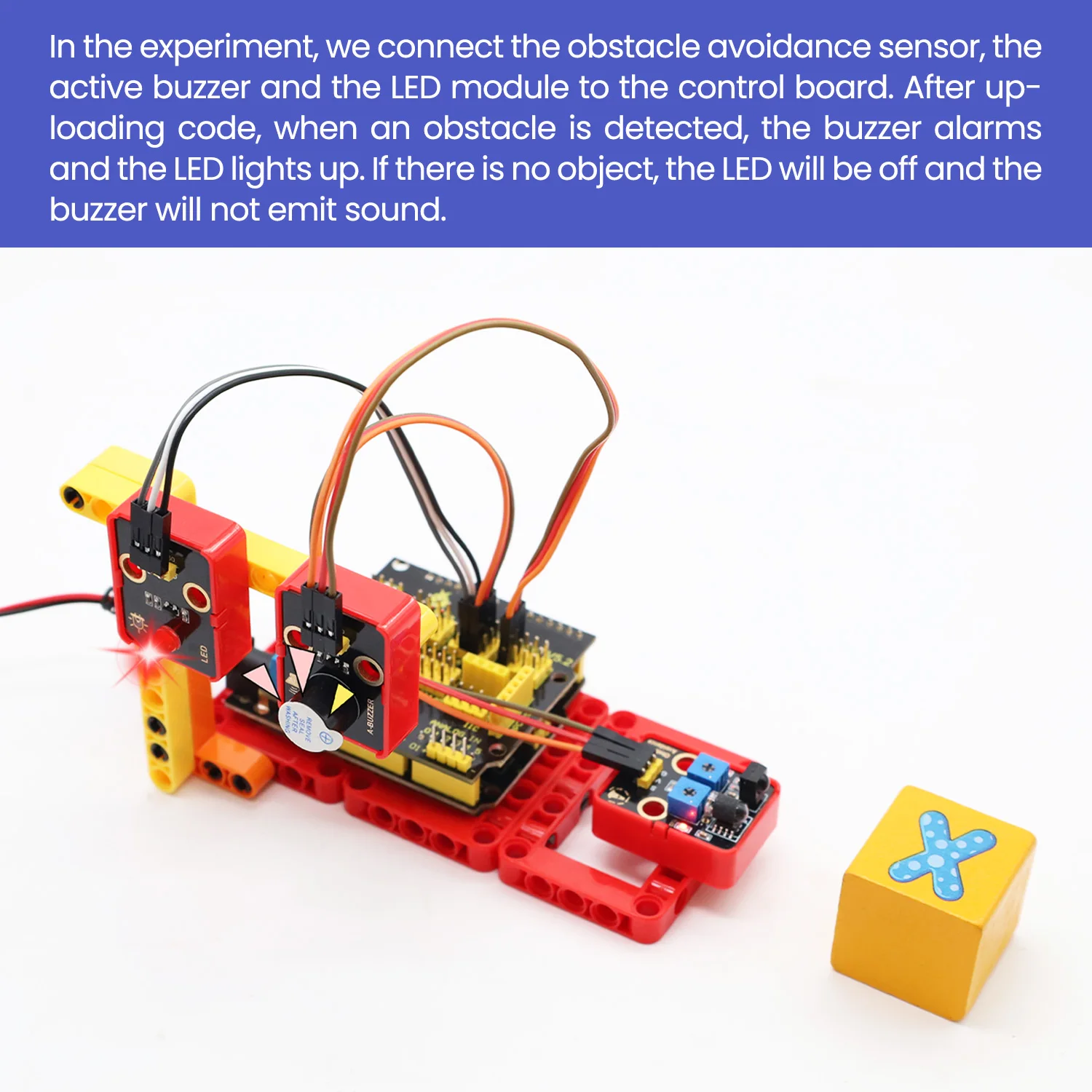
- Turn LED on/off based on detection
- Read sensor output using Arduino
🟡 Intermediate Level
- Build a simple obstacle alert system
- Control a motor when an object is detected
- Adjust detection sensitivity
🔴 Advanced Level
- Integrate into robot car for obstacle avoidance
- Build autonomous navigation logic
- Combine with multiple sensors for smart behavior
🎯 Usefulness for Teachers
✔ Demonstrates Real Sensor Behavior
Helps explain how sensors interact with the physical environment
✔ Supports Practical Learning
Students can directly observe detection and response systems
✔ Ideal for Robotics Lessons
Used in teaching:
- Obstacle avoidance
- Automation logic
- Sensor integration
✔ Low-Cost Teaching Tool
Affordable component for classroom experiments
🎓 Usefulness for Students
✔ Hands-On Understanding
Students learn how sensors work in real systems
✔ Develops Programming Logic
Helps understand condition-based responses
✔ Entry Point to Robotics
Simple way to start building autonomous systems
✔ Encourages Experimentation
Students can test distance, sensitivity, and behavior
⚠️ Objective Note
- Short detection range (typically a few centimeters)
- Accuracy affected by surface type and lighting conditions
- Requires calibration using onboard potentiometer
- Not suitable for precise distance measurement
- Best used as part of a larger system (not standalone)