Mini Meteorological Station Kit
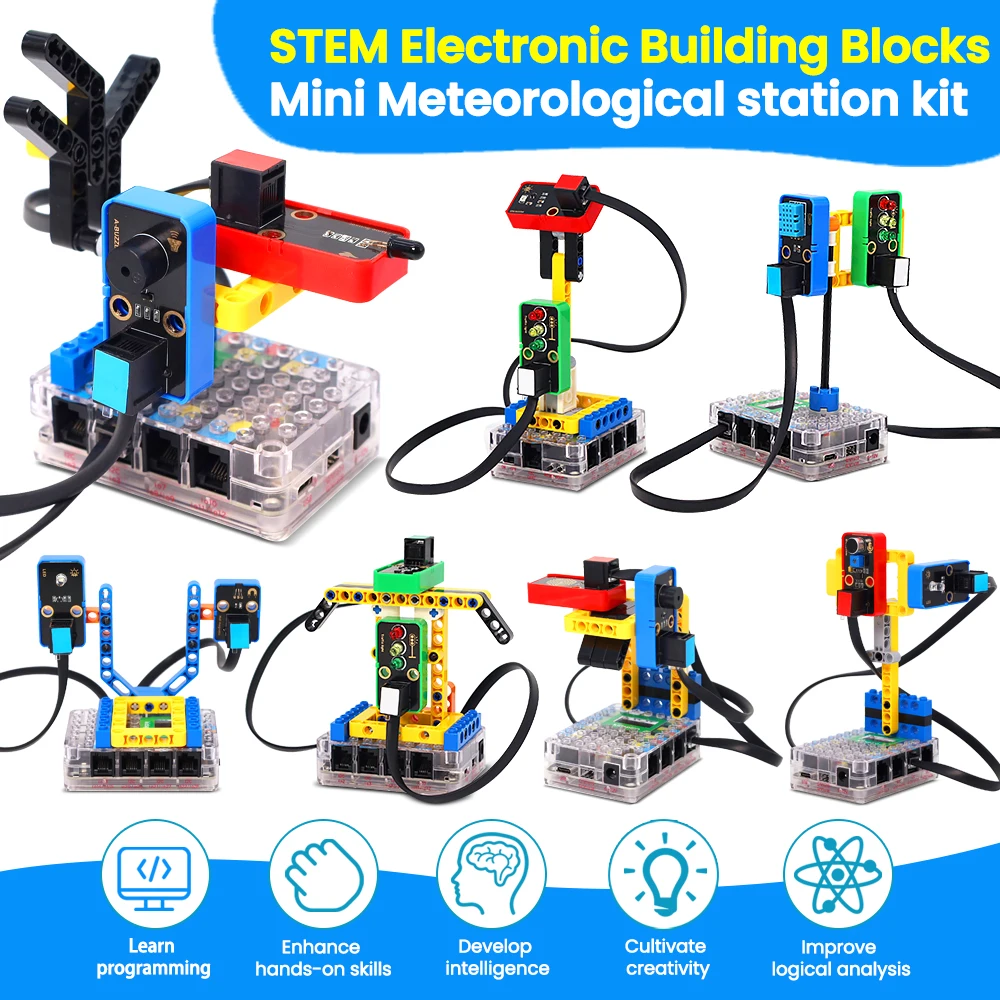
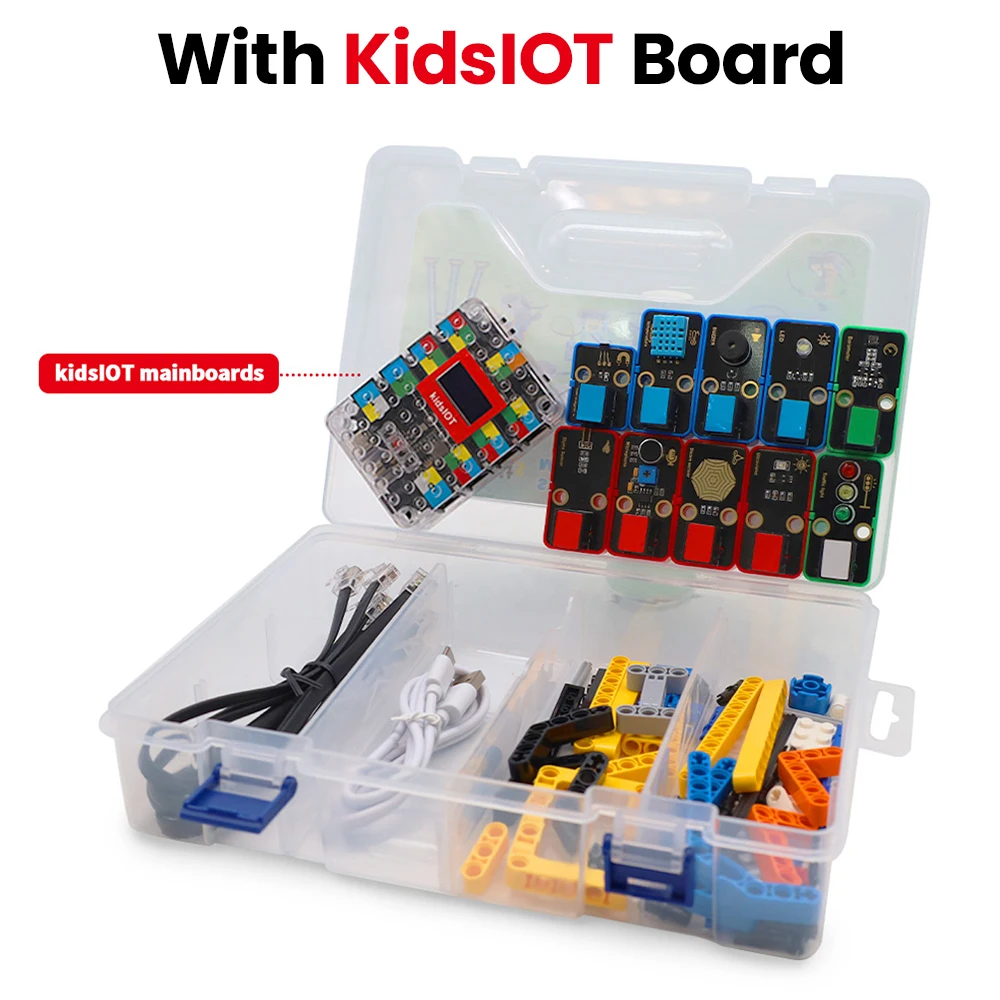
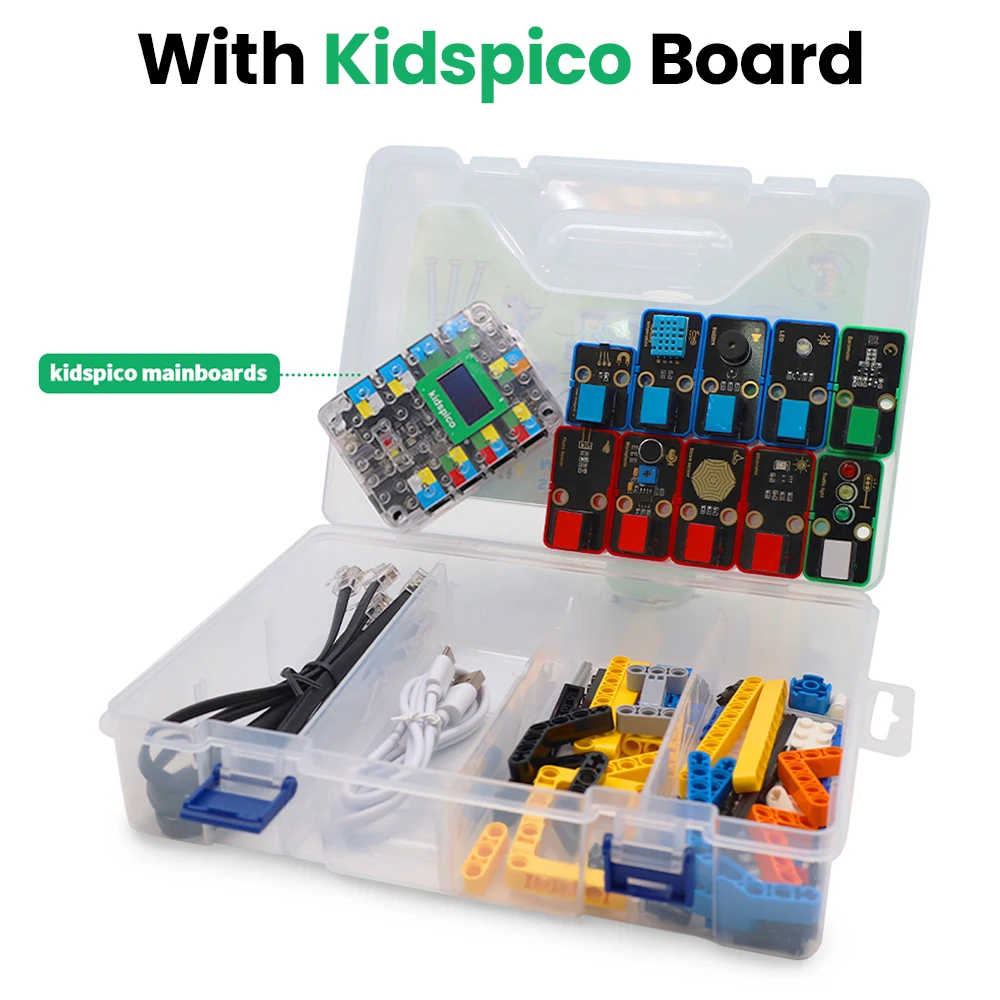
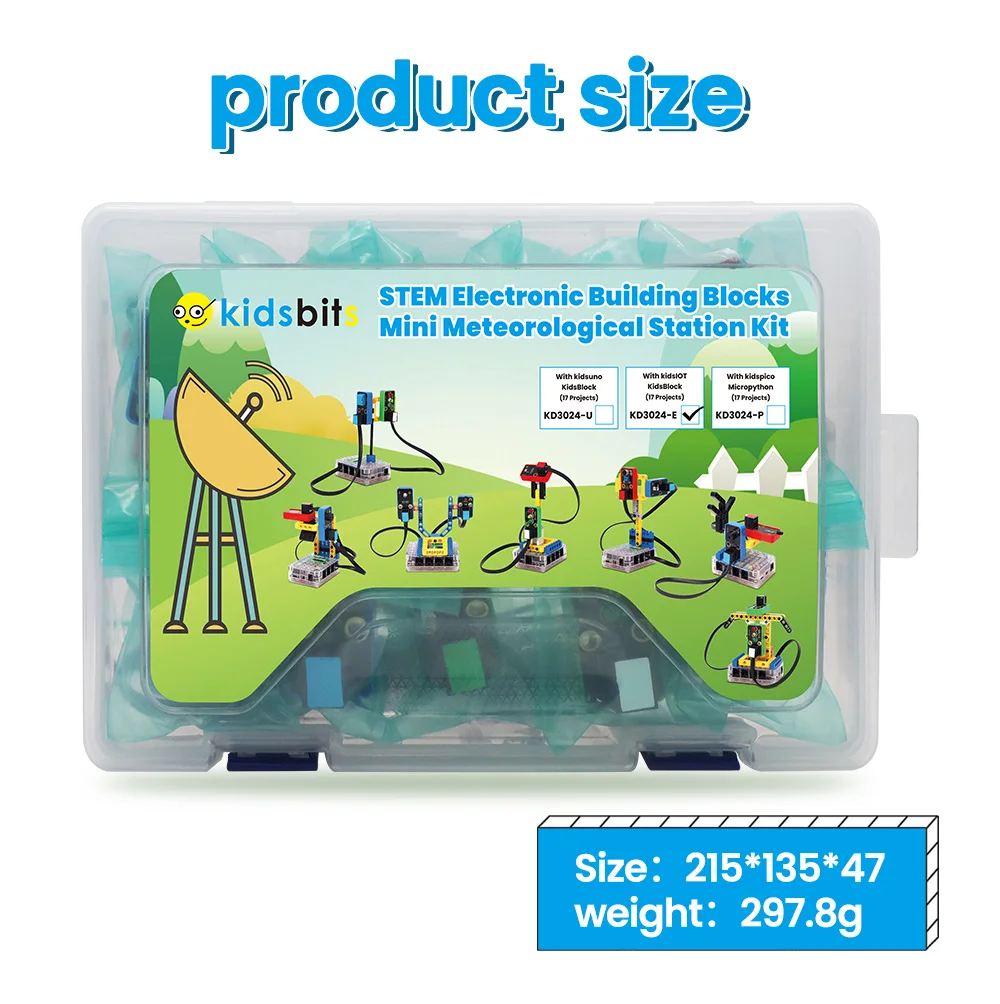
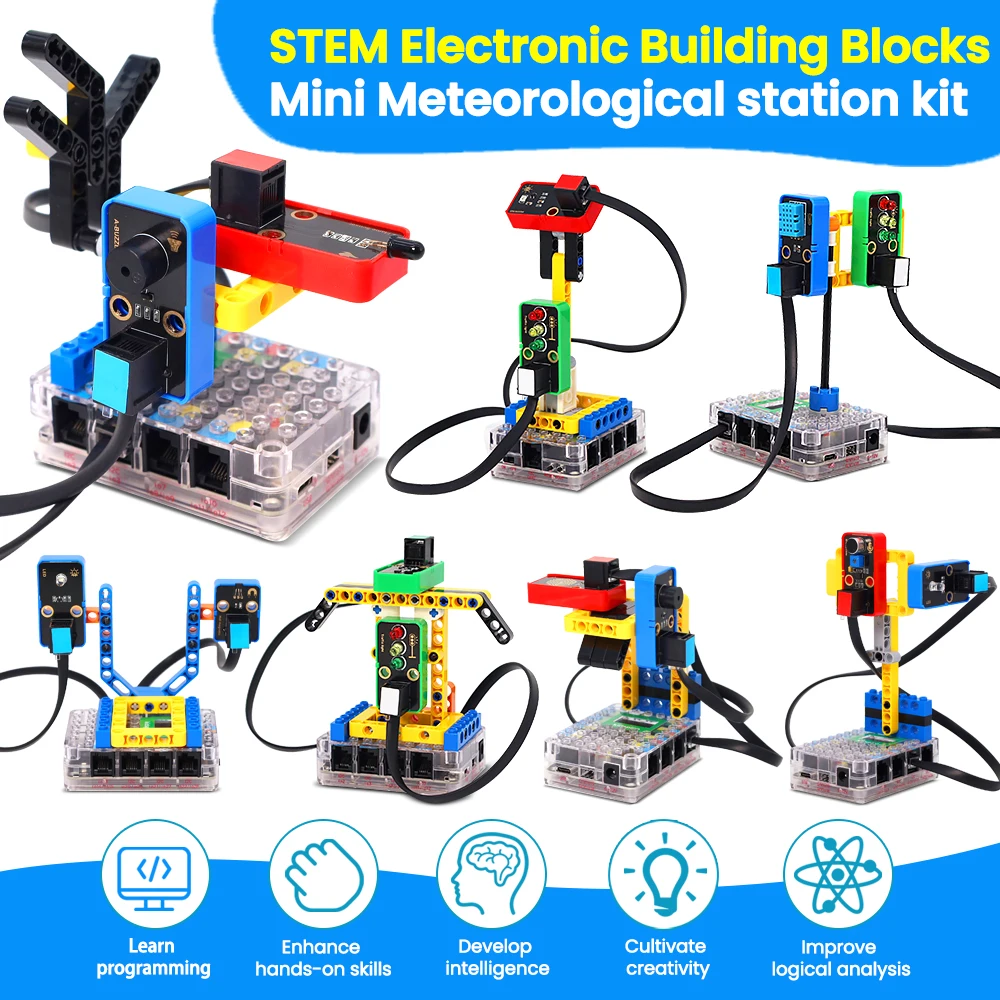
The Mini Meteorological Station Kit hands-on STEM solution designed to make coding and electronics both engaging and practical.
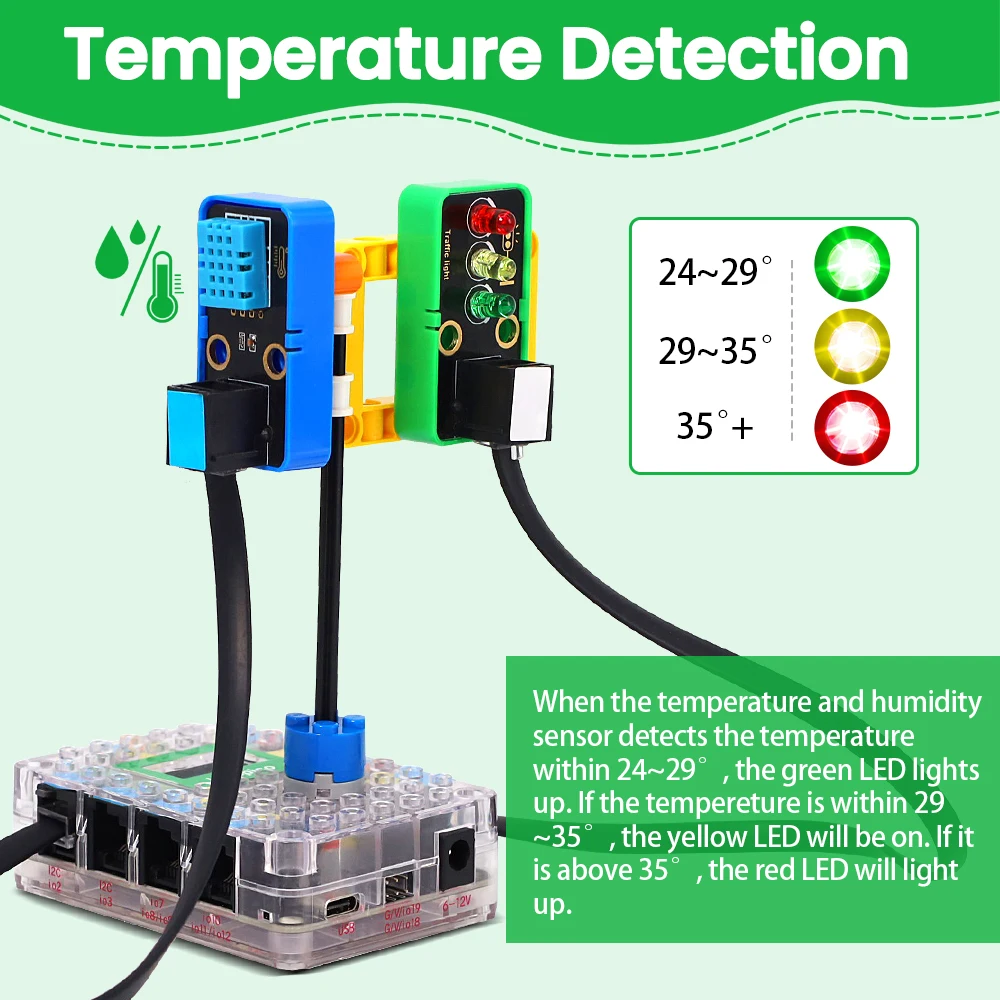
This innovative kit allows learners to build a functional mini weather station, combining multiple sensors to measure environmental conditions such as temperature, humidity, air pressure, and light. As a result, students gain real-world insights into how modern meteorological systems operate.
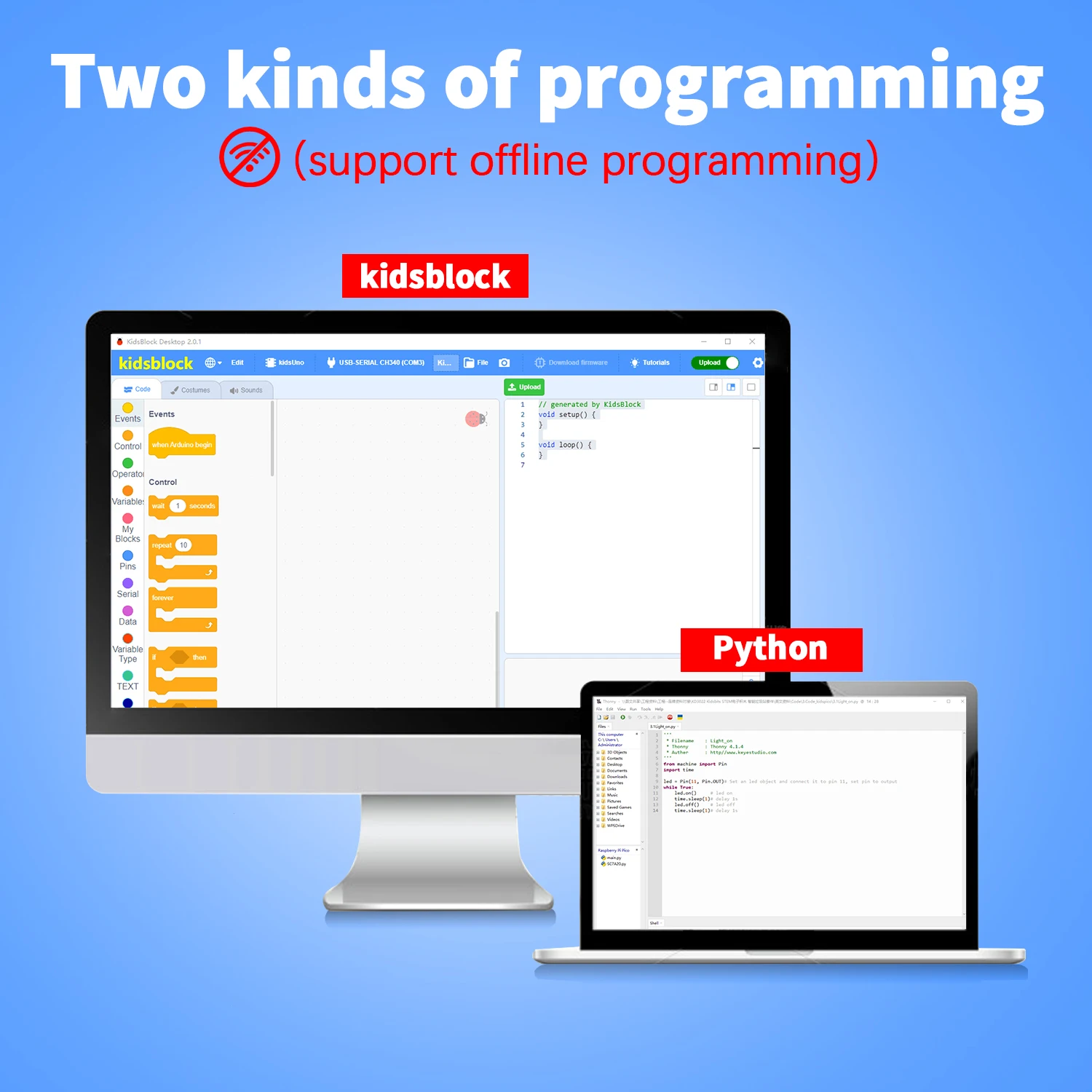
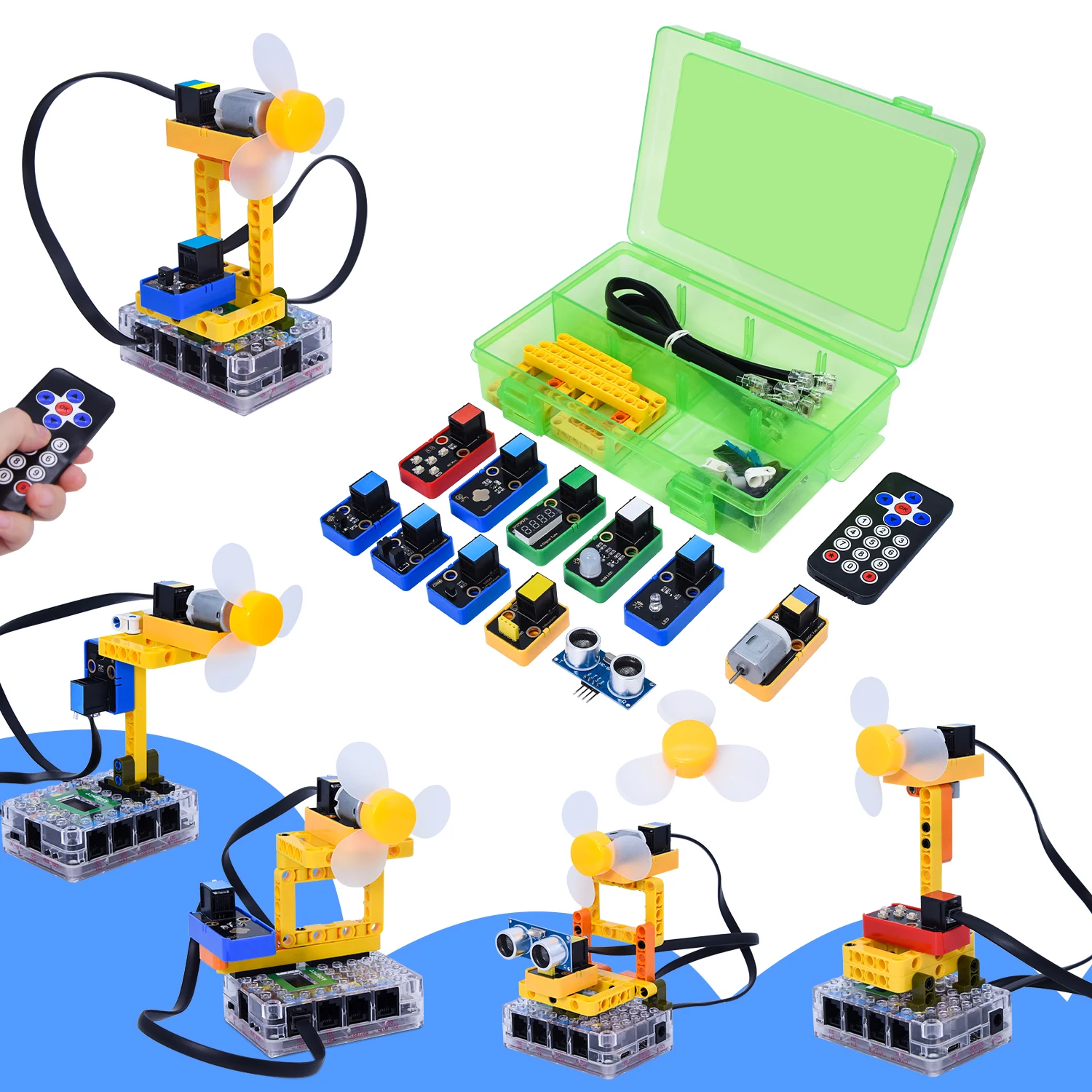
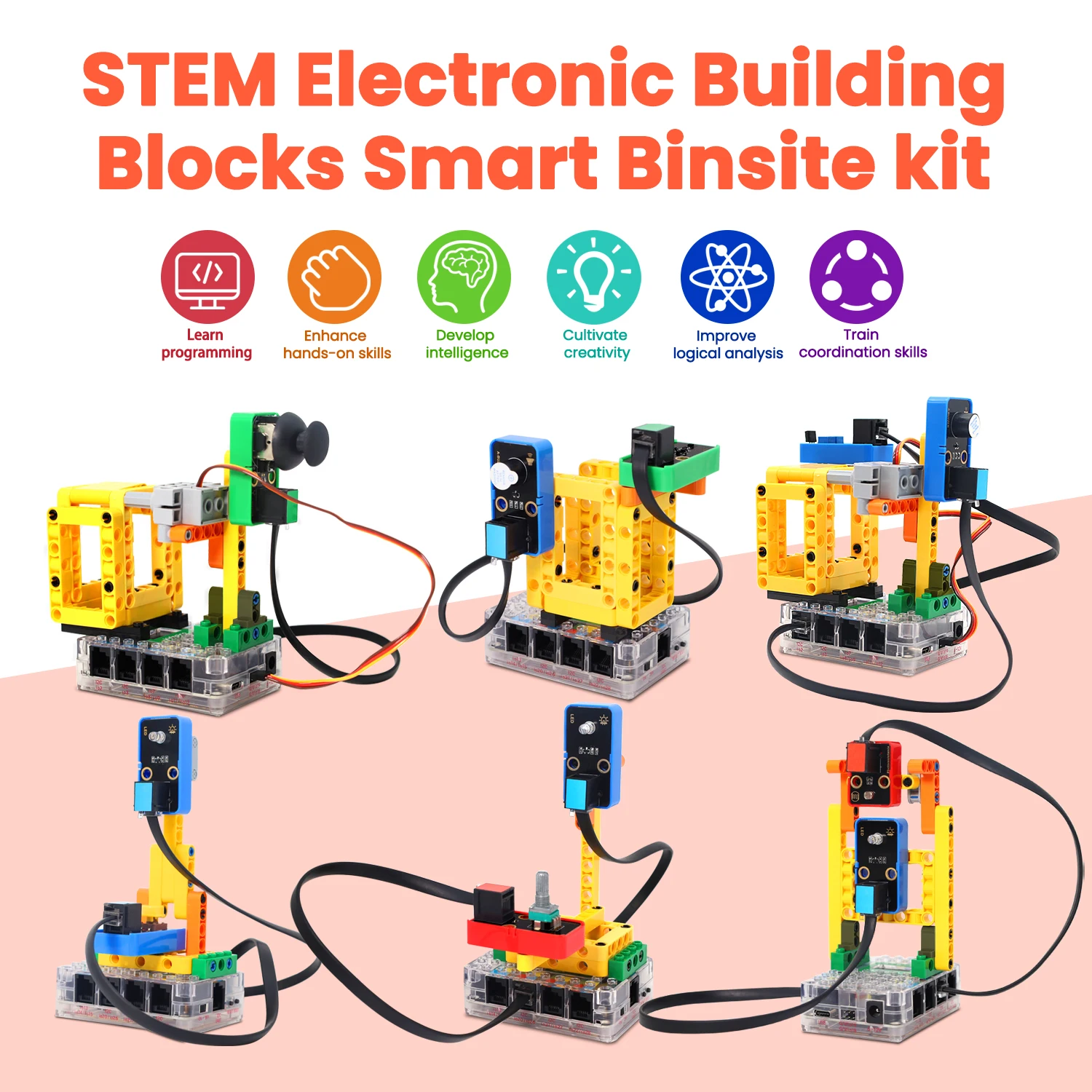
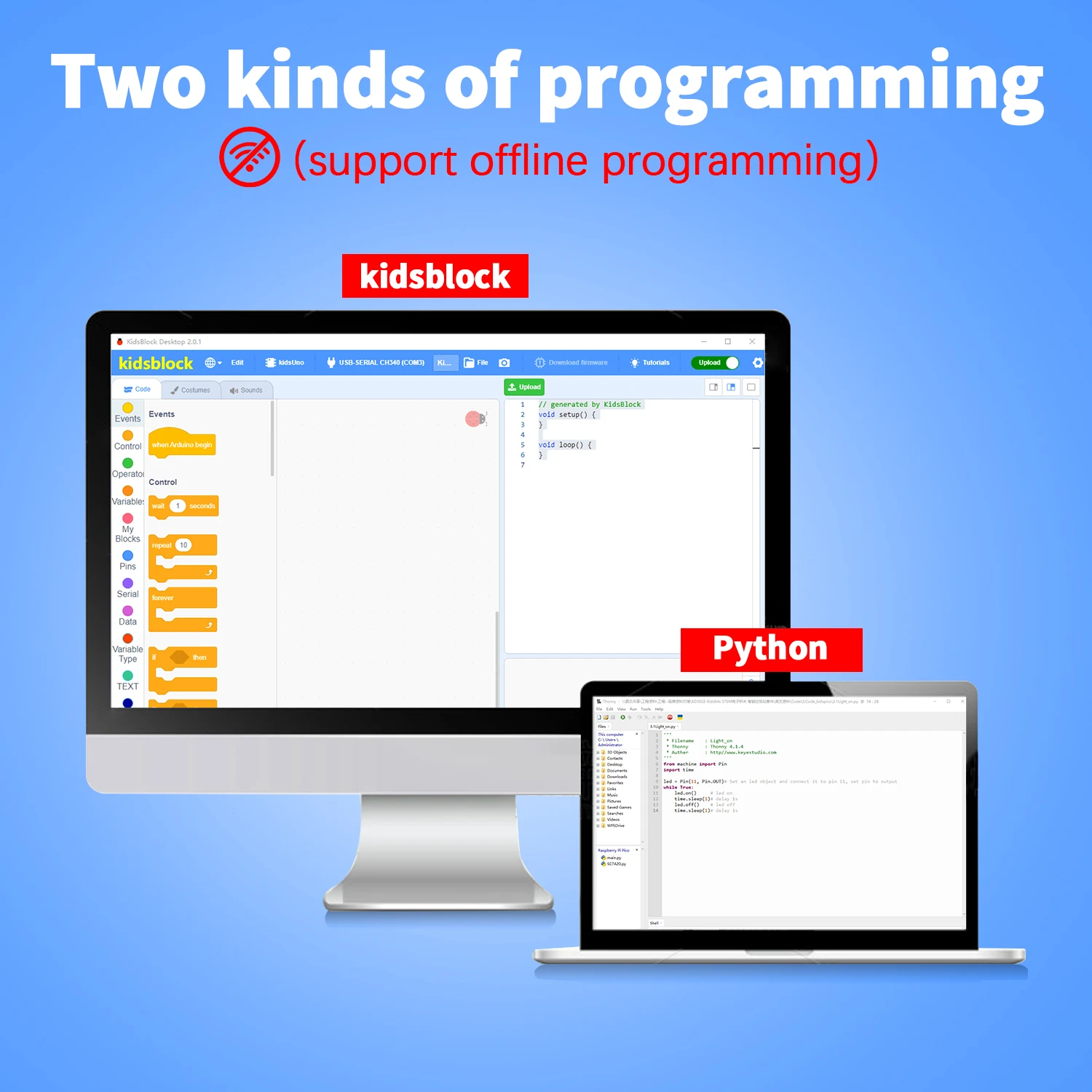
Moreover, the LEGO-compatible design enables creative construction, allowing users to customize their station while understanding system integration. In addition, support for Arduino, KidsBlock, and Python programming makes it suitable for beginners while still offering advanced learning opportunities.
Because of its project-based approach, learners can experiment with real data collection and analysis, transforming abstract scientific concepts into interactive experiences.
Specifications
- Brand: Keyestudio
- Product Type: Mini Meteorological Station STEM Kit
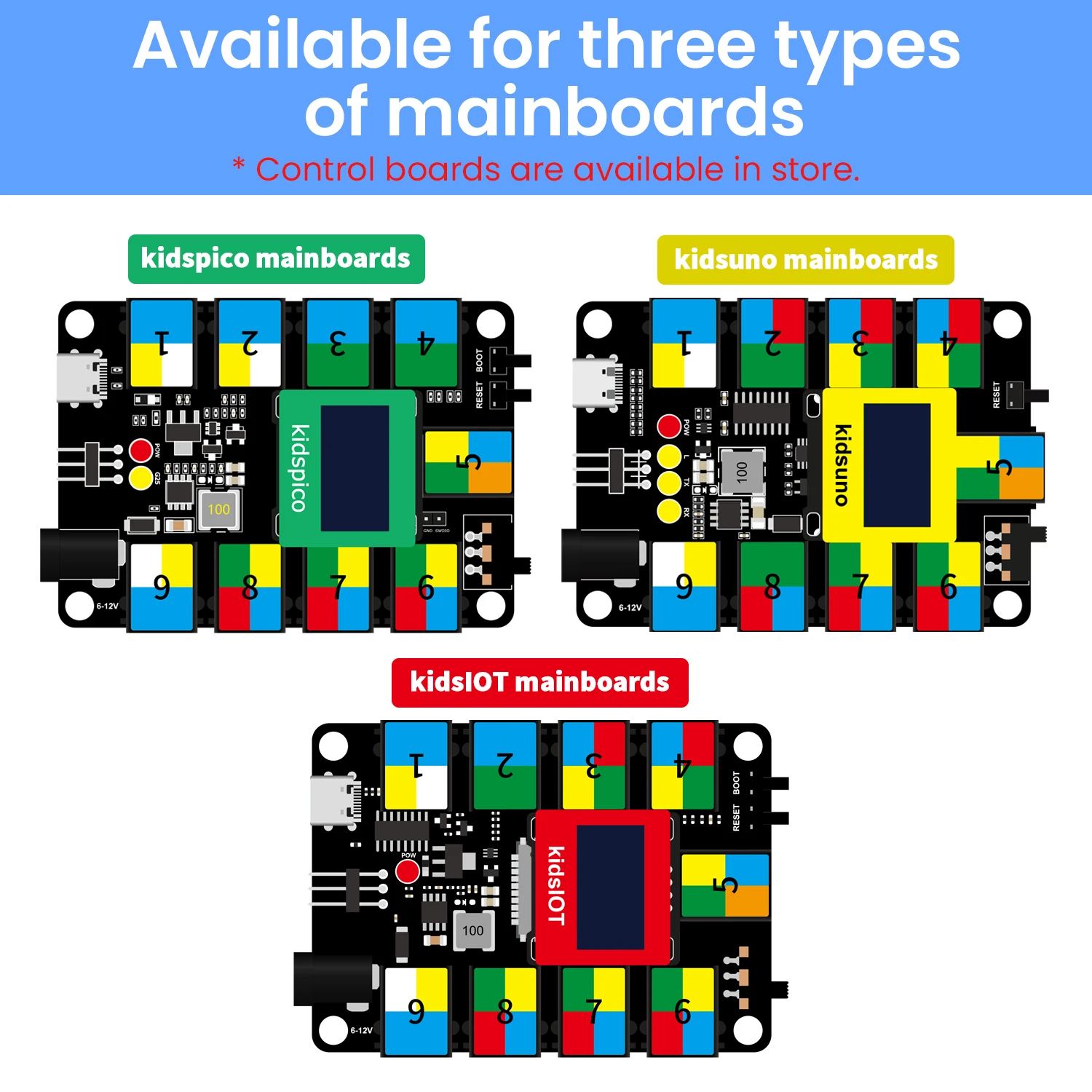
- Controller: Arduino UNO / Kidsbits boards compatible
- Programming: Arduino IDE (C/C++), KidsBlock, Python
- Compatibility: LEGO-style building blocks
- Main Features:
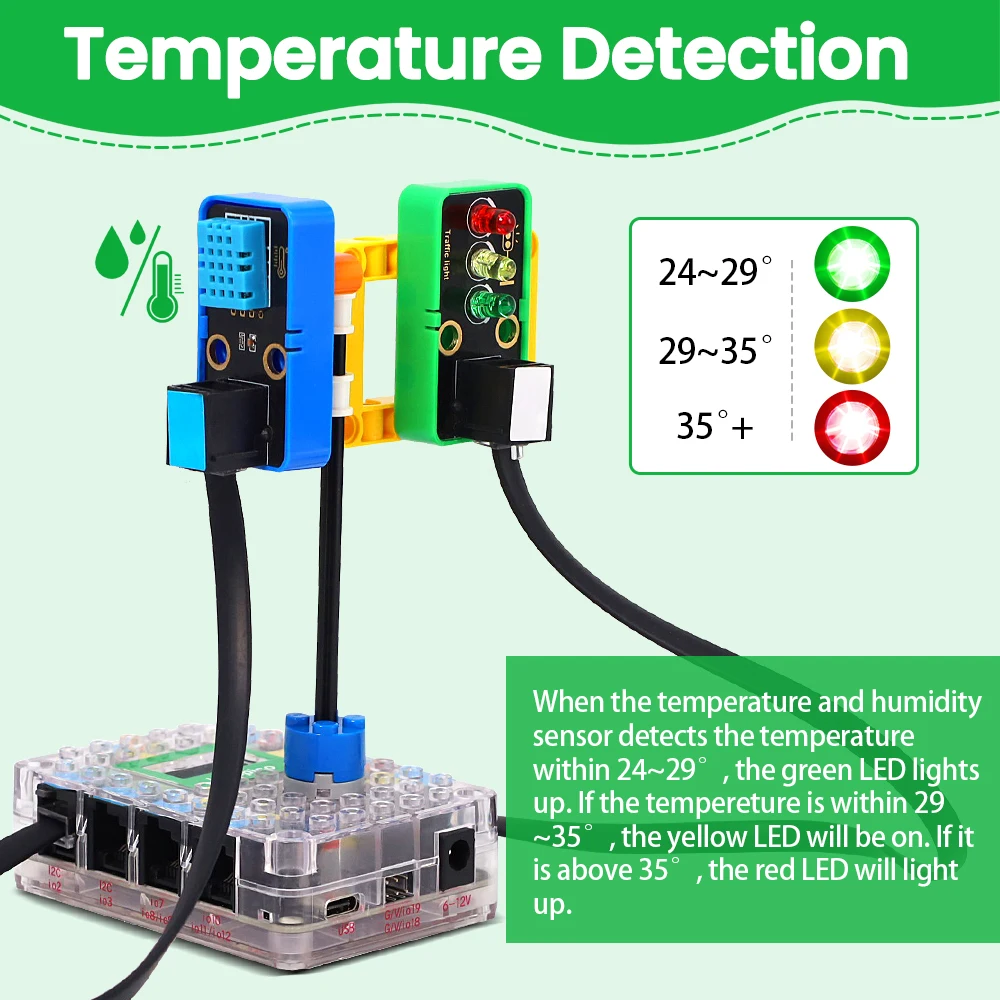
- Temperature & humidity detection
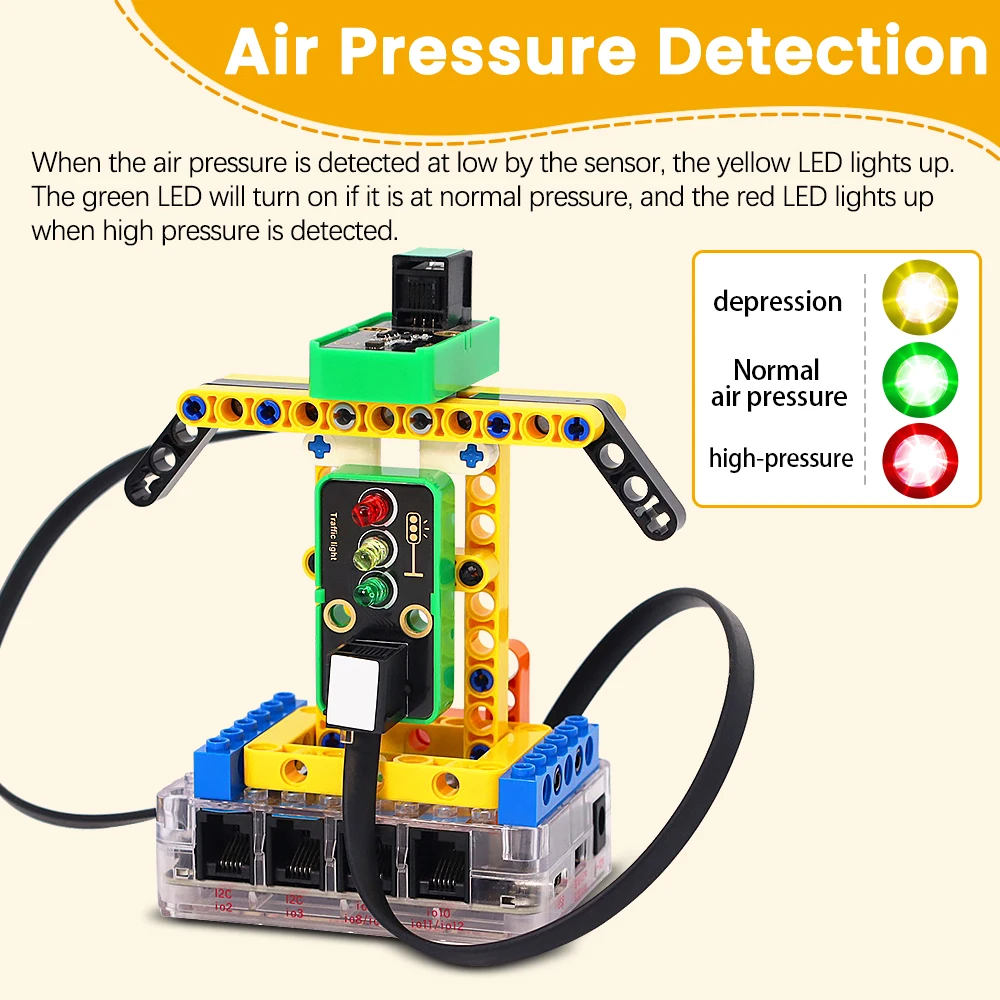
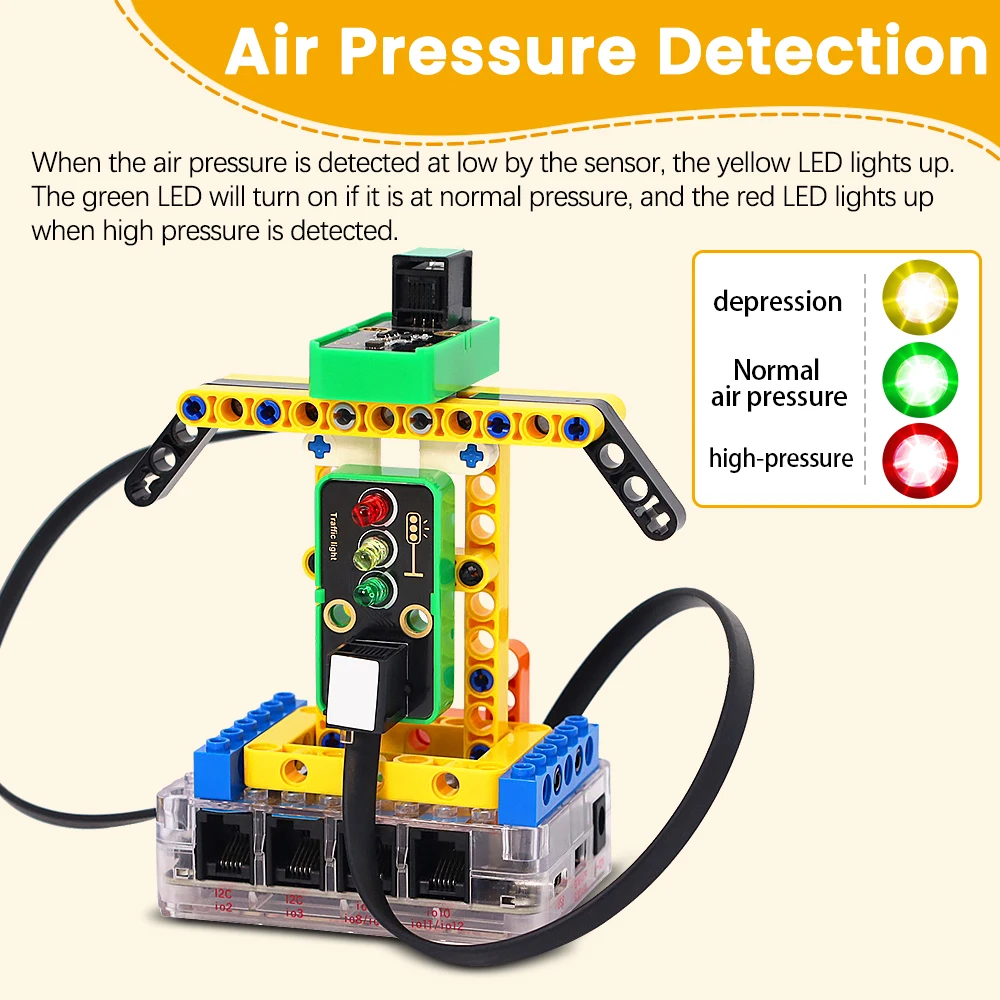
- Air pressure monitoring
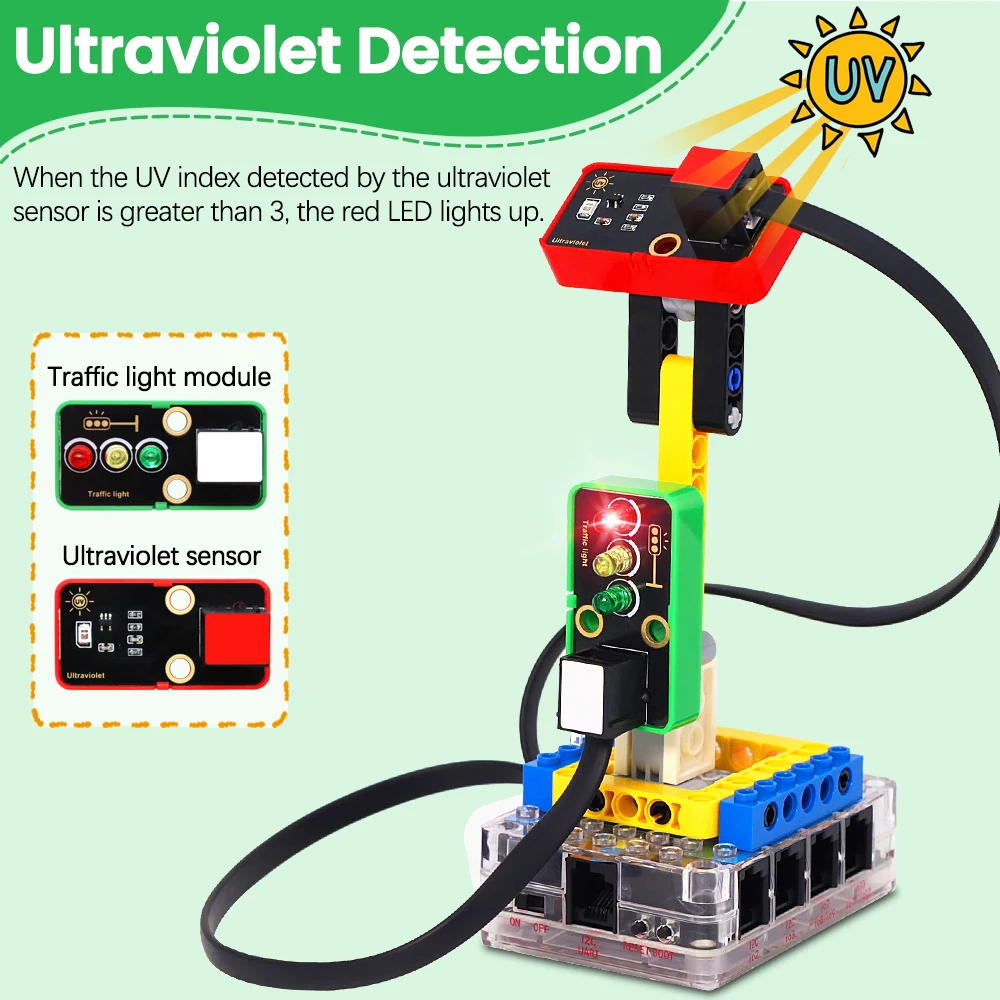
- Light and UV sensing
- Environmental data collection
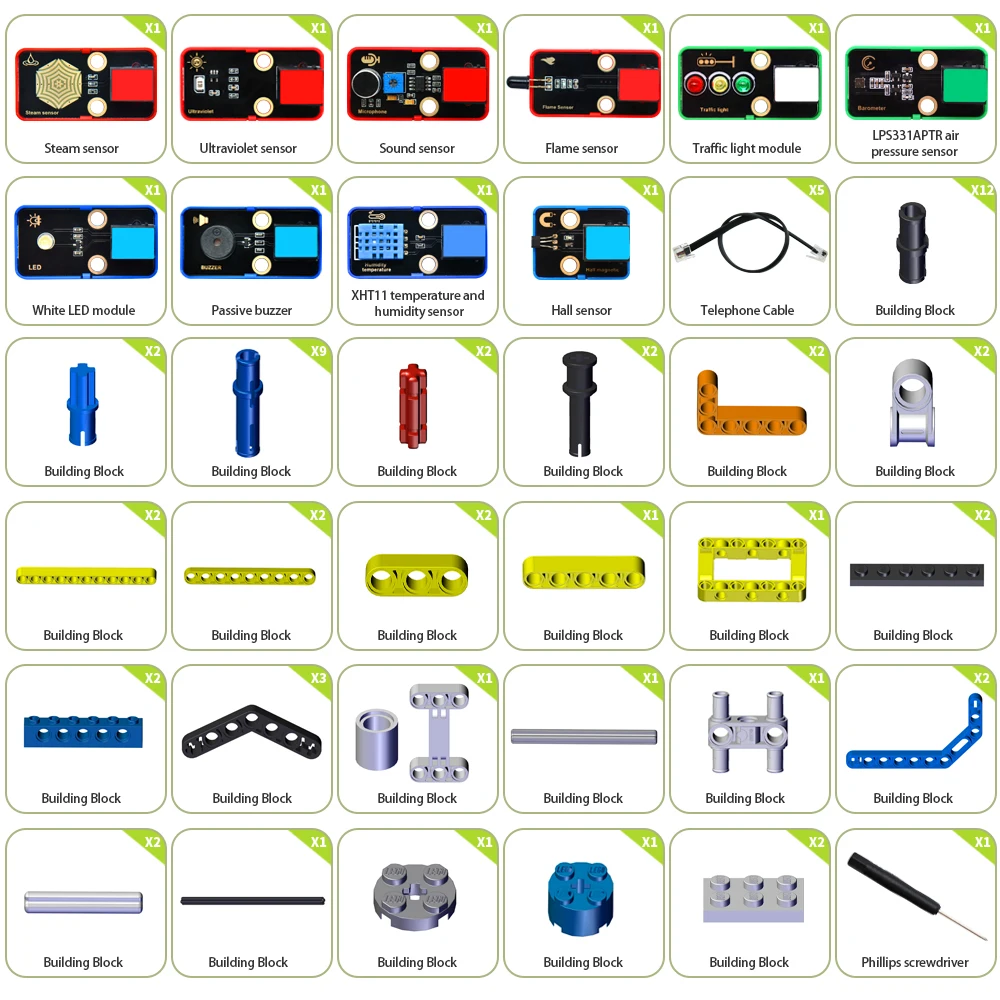
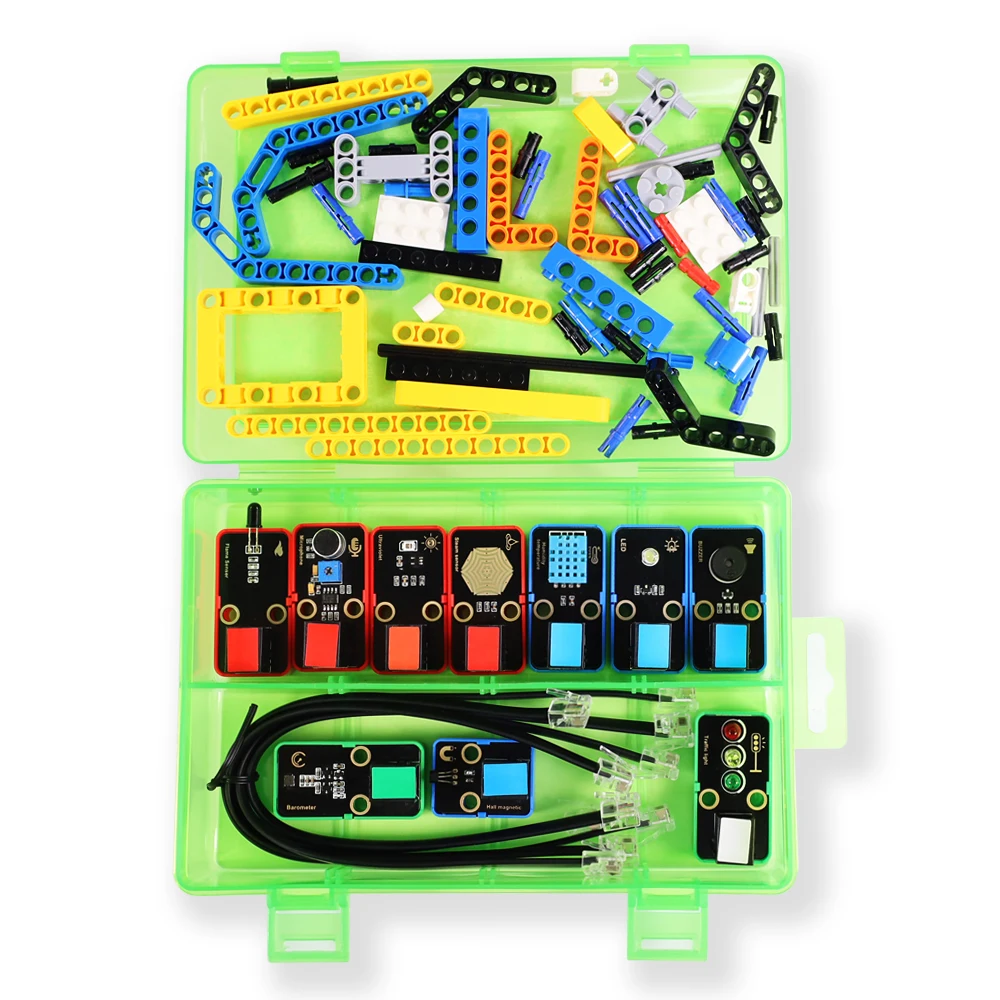
- Sensors Included:
- Temperature & humidity sensor
- UV sensor
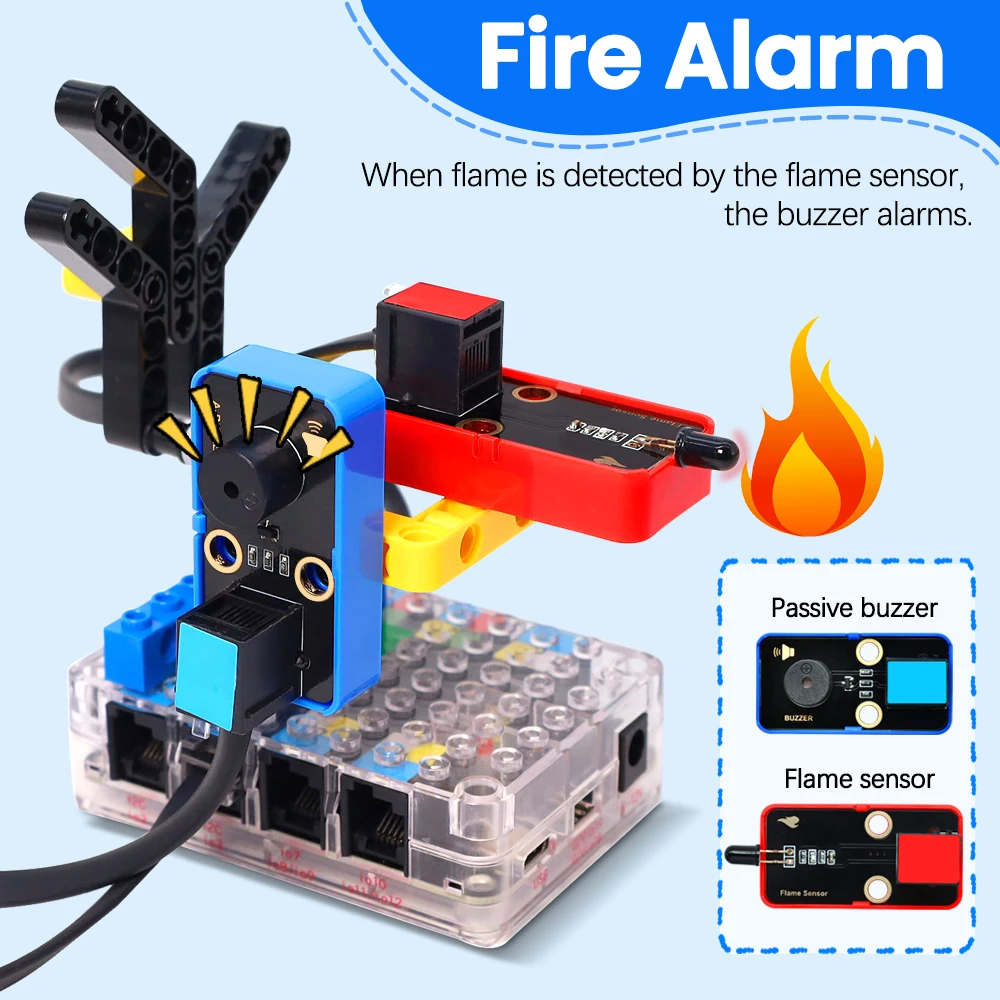
- Flame sensor
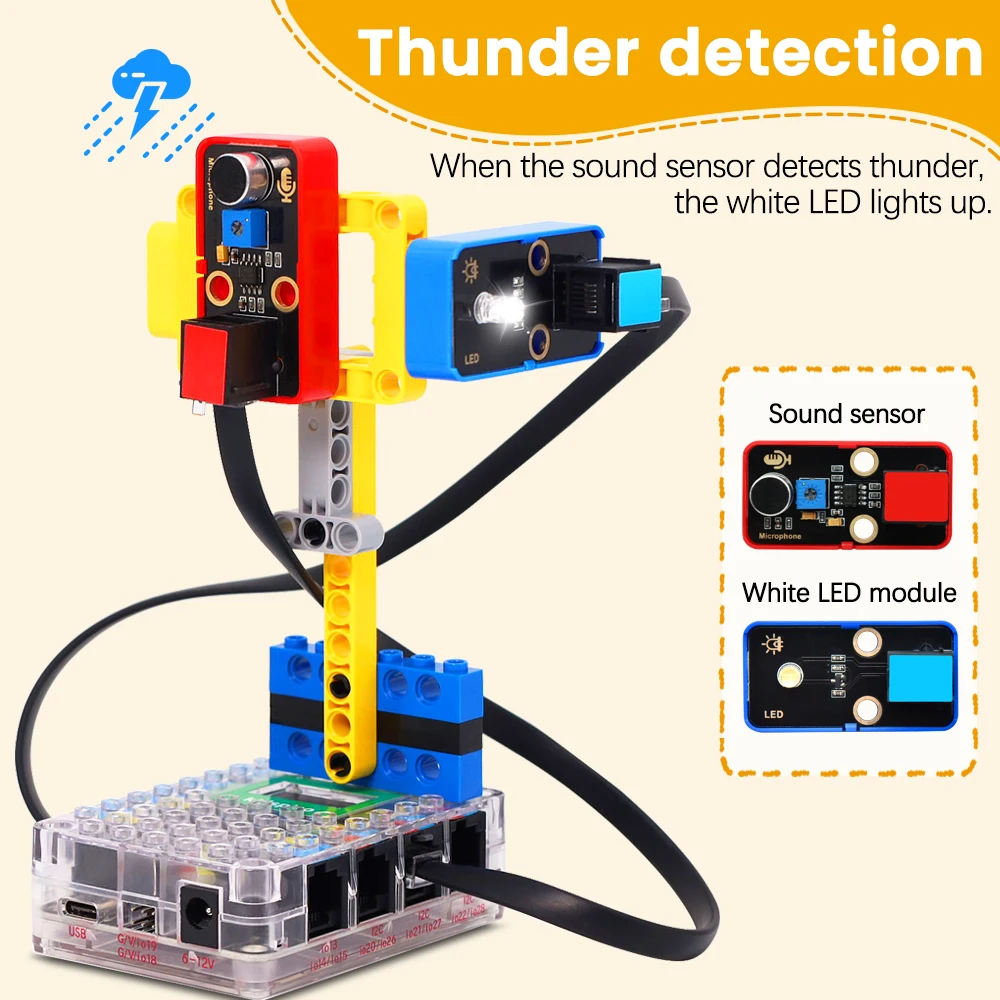
- Sound sensor
- Air pressure sensor
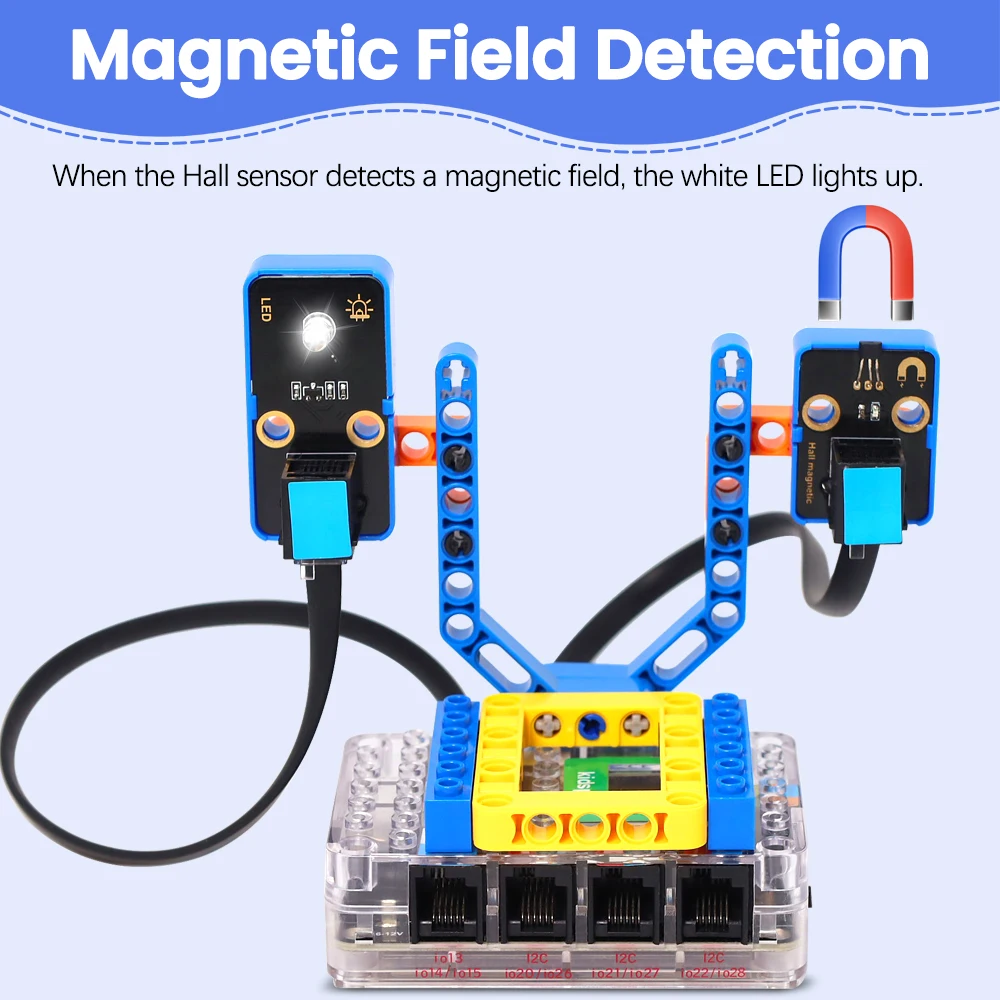
- Magnetic/Hall sensor
- Experiments Included: 7 weather-related projects
- Learning Level: Beginner to Intermediate (ages 9–12)
- Use Case: STEM education, environmental science learning
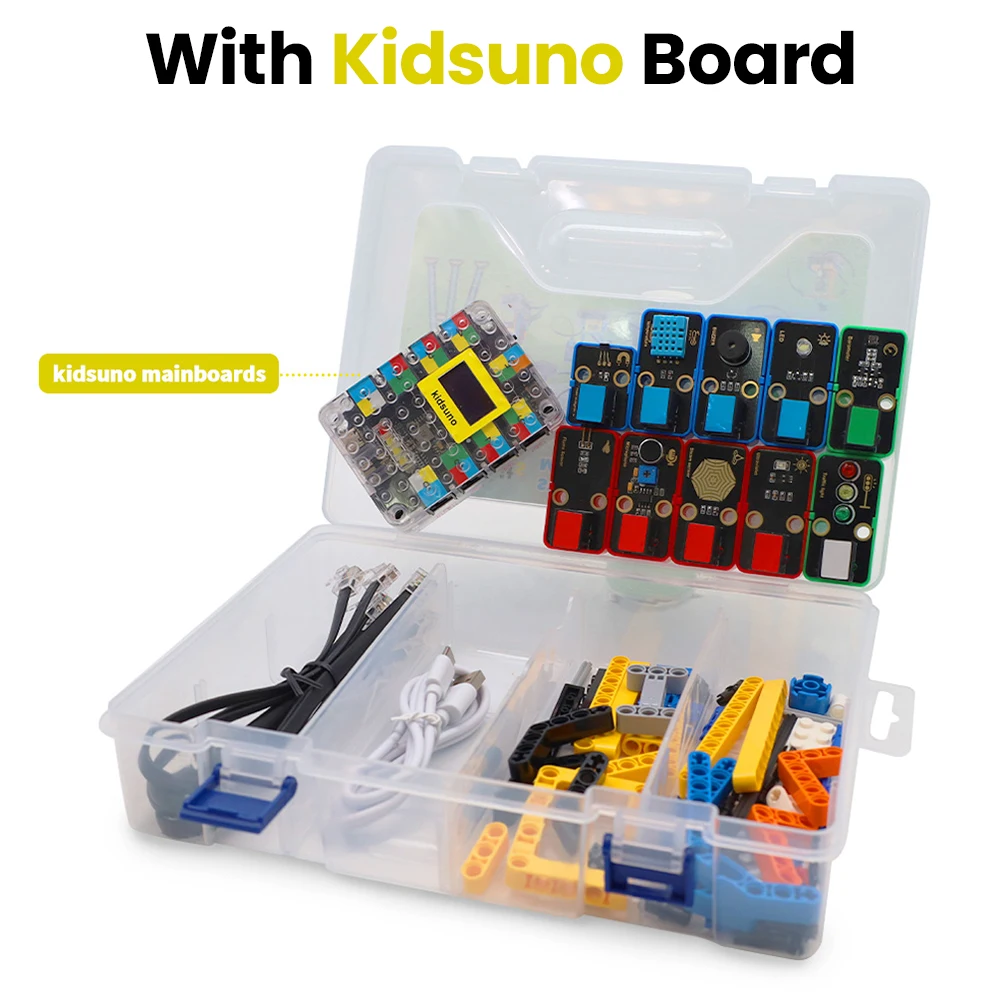
👉 The kit includes multiple sensors such as temperature, UV, sound, and air pressure modules, enabling real weather monitoring experiments
📚 3. Subjects Covered (Detailed)
🌦️ Environmental Science & Meteorology
Learners explore how weather systems are monitored and analyzed. Additionally, they study real environmental factors such as temperature, humidity, and atmospheric pressure.
🧠 Programming & Computational Thinking
Students learn coding using Arduino and graphical programming tools. As a result, they understand logic structures, data processing, and automation systems.
🔌 Electronics & Sensor Technology
The kit introduces how different sensors collect environmental data. Moreover, learners understand how signals are processed and converted into usable information.
🌐 Data Collection & Analysis
Students gather real-time environmental data and analyze results. Therefore, they gain insight into scientific measurement and data interpretation.
⚙️ Automation & Smart Monitoring Systems
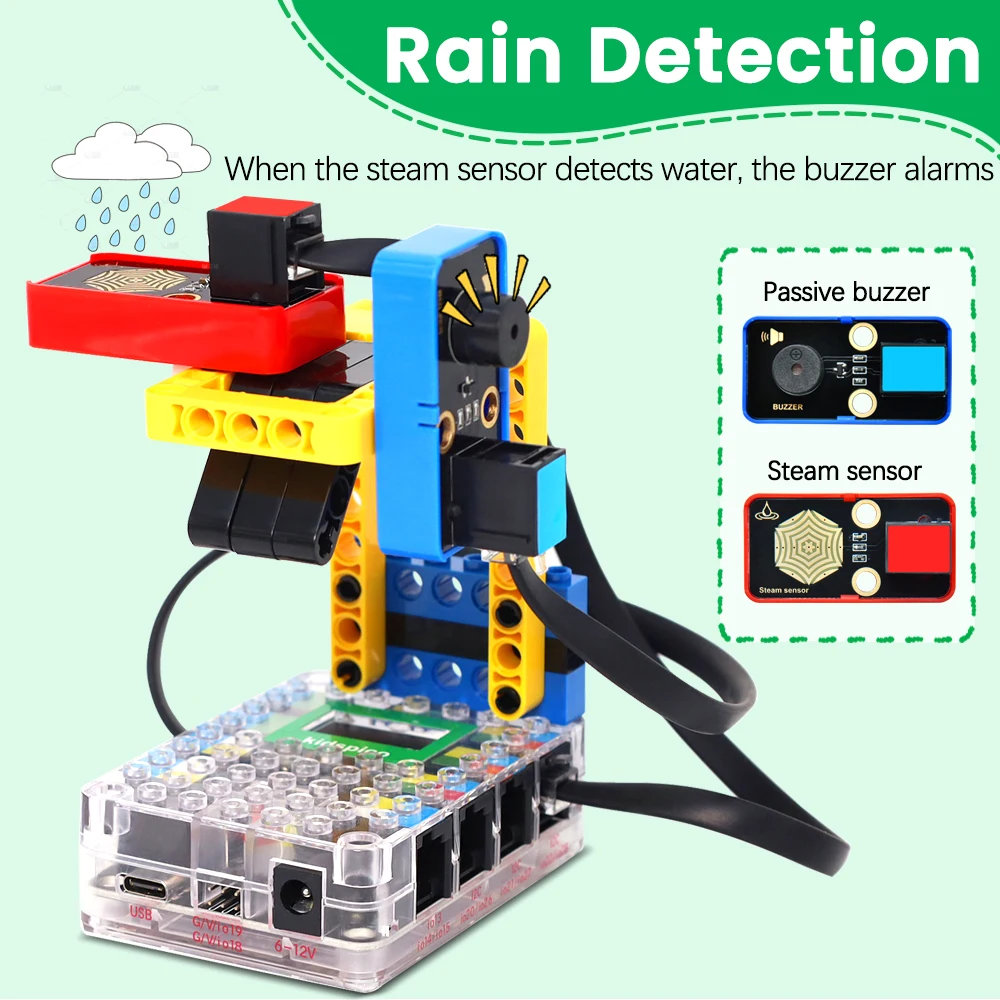
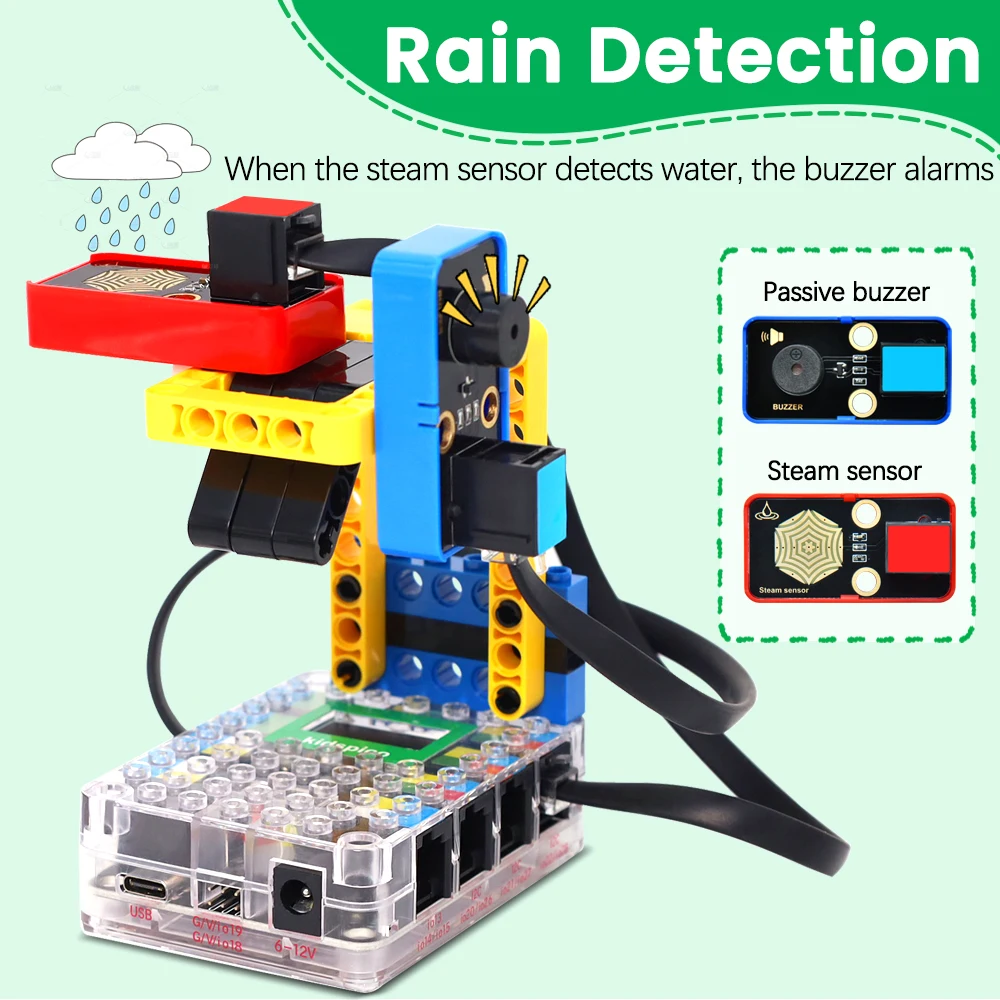
Learners design systems that automatically respond to environmental changes. For example, alarms or indicators can activate based on sensor readings.
🎓 STEM & Engineering Design
Through hands-on building, students develop creativity and problem-solving skills. In addition, they learn how to design and improve technical systems.
🔧 4. Activities Performed (Detailed)
🌡️ Weather Monitoring Projects
Students build systems to measure temperature, humidity, and air pressure. As a result, they understand how real meteorological stations function.
📊 Environmental Data Collection
Users collect and display environmental data using sensors. Additionally, they learn how to interpret and analyze this data.
🚨 Alert & Detection Systems
Learners create systems that detect fire, sound, or environmental changes. Moreover, these systems can trigger alarms or visual indicators.
💡 Smart Indicator Systems
Students program LEDs and displays to show environmental conditions. Consequently, they understand visual feedback systems.
🧪 Multi-Sensor Experiments
Users combine multiple sensors into one system. Therefore, they experience how complex monitoring systems are built.
🎮 Interactive STEM Projects
Learners create interactive setups using sensors and modules. For example, they can simulate real-world weather conditions.
⚙️ Coding & System Optimization
Students modify and improve their programs. In addition, they debug and enhance system performance.
🎓 5. Benefits for Students & Teachers
👨🎓 For Students
Students learn environmental science and coding through real-world projects. As a result, they better understand how weather monitoring systems work.
Moreover, the kit develops analytical thinking, creativity, and problem-solving skills.
In addition, hands-on experiments build confidence and encourage curiosity in science and technology.
👩🏫 For Teachers
Teachers can use this kit to explain complex scientific concepts in a simple way. Therefore, lessons become more engaging and practical.
Additionally, it supports project-based learning, improving student participation.
Furthermore, it provides a complete STEM solution that integrates science, coding, and engineering in one platform.