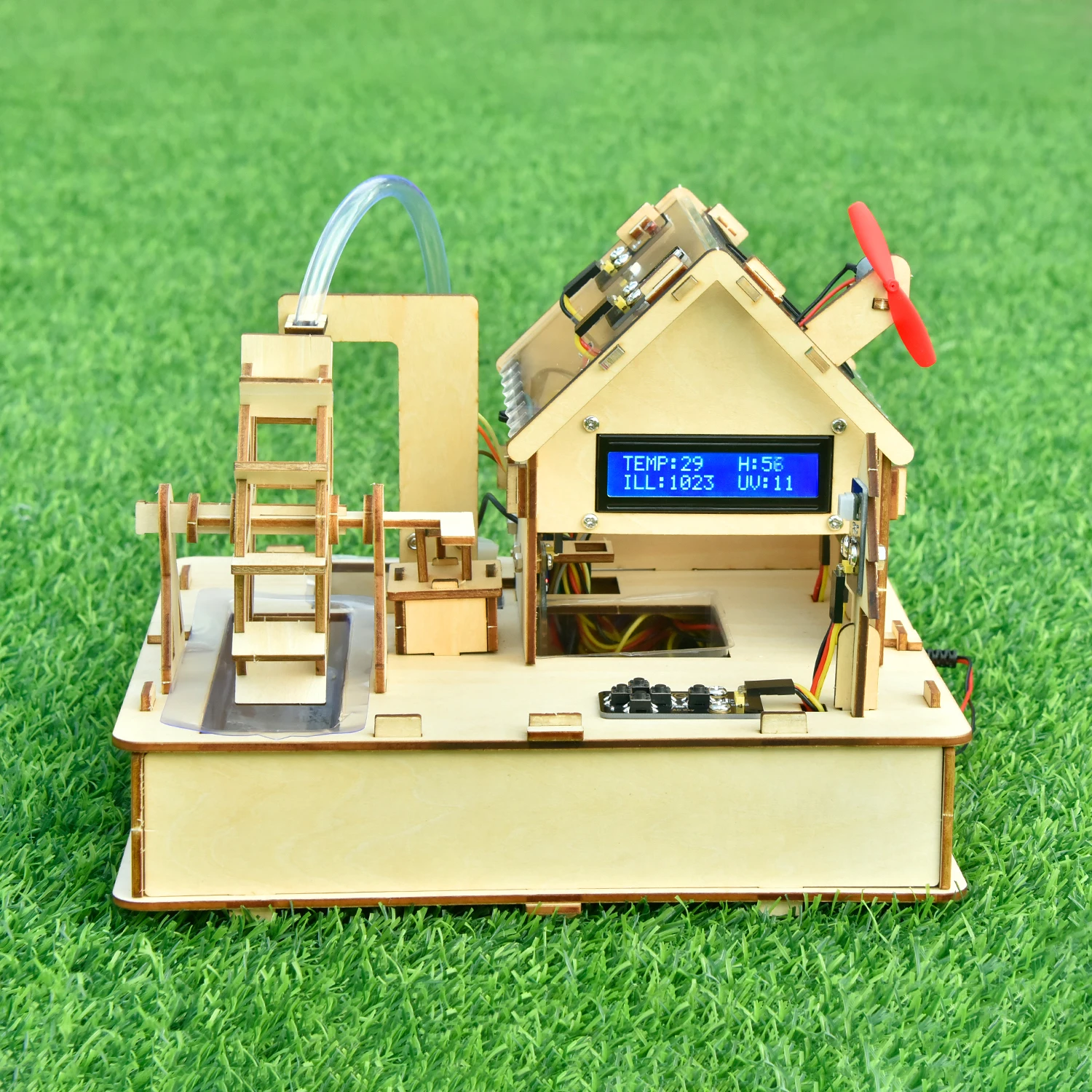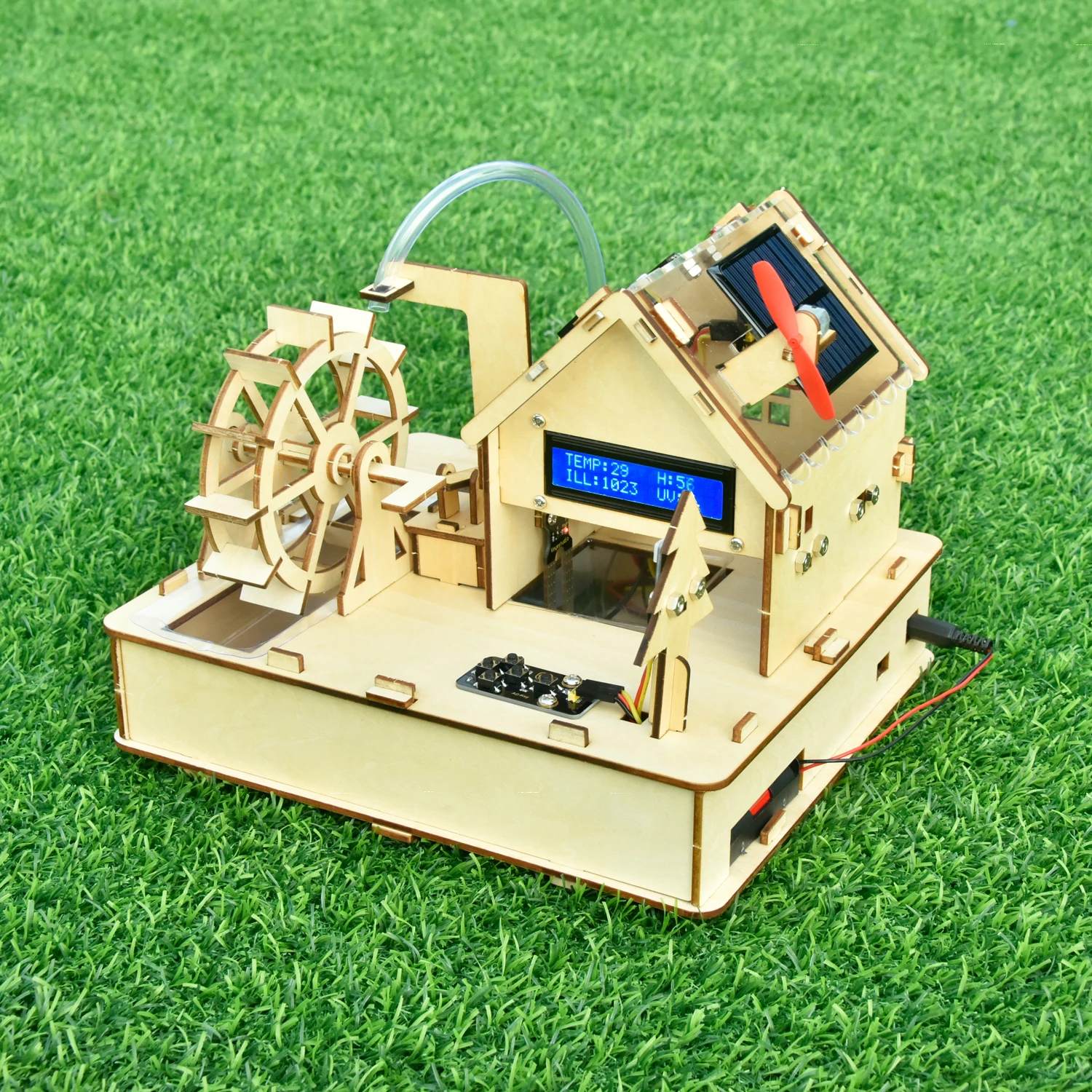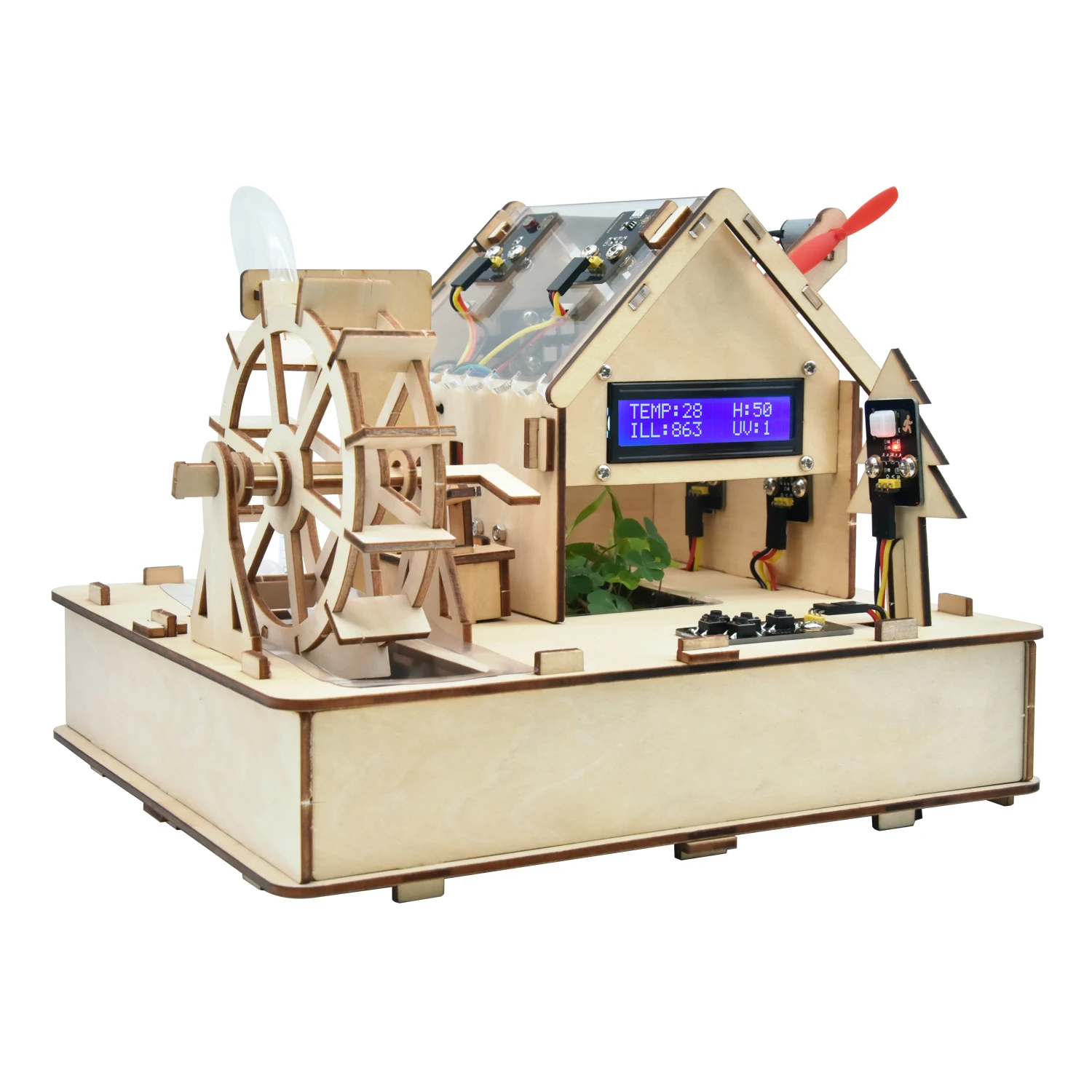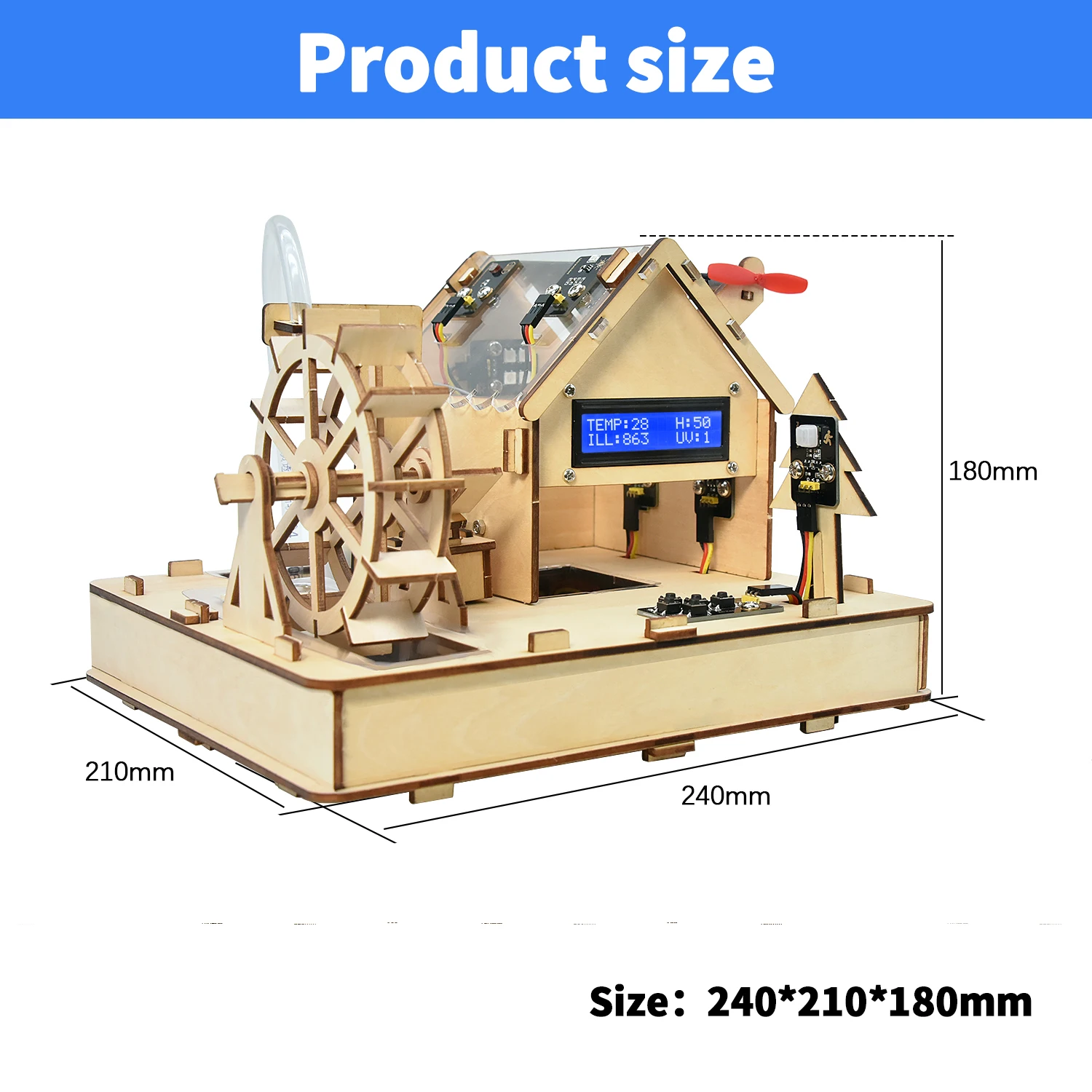
Smart Eco-Friendly House Kit
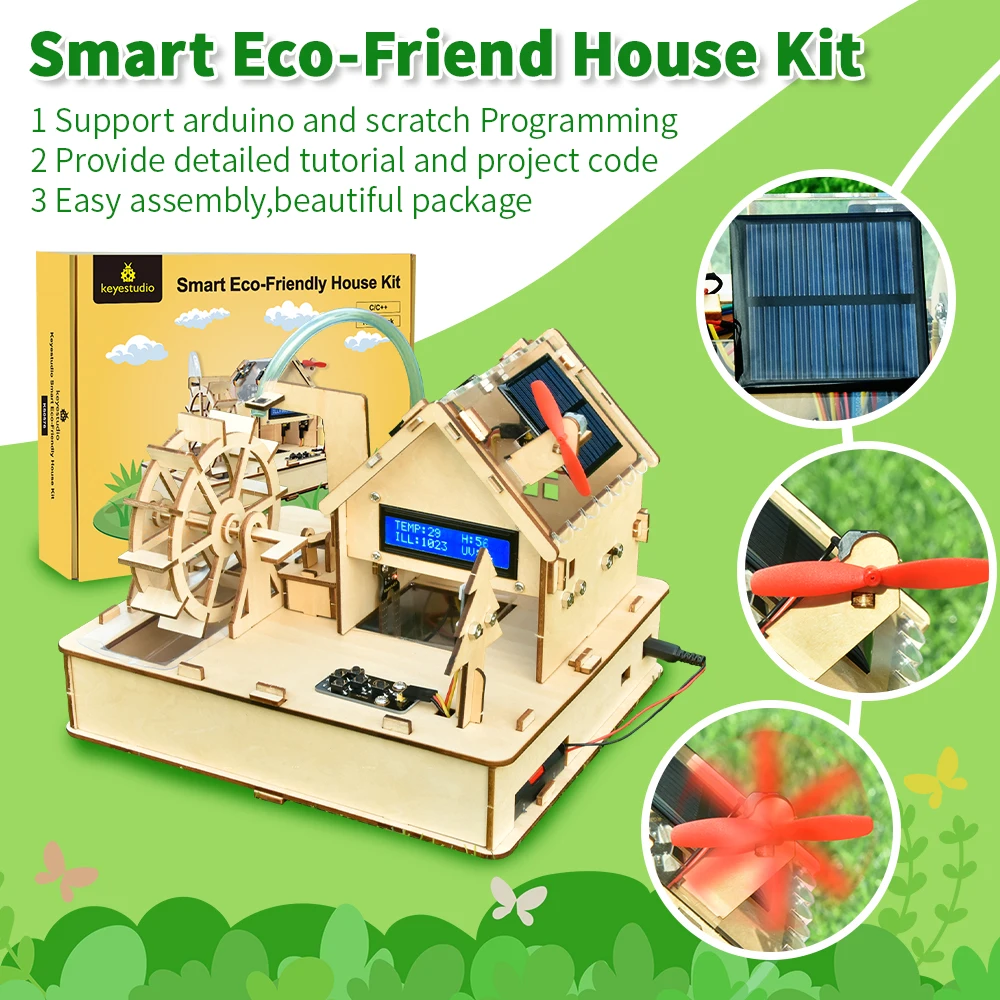
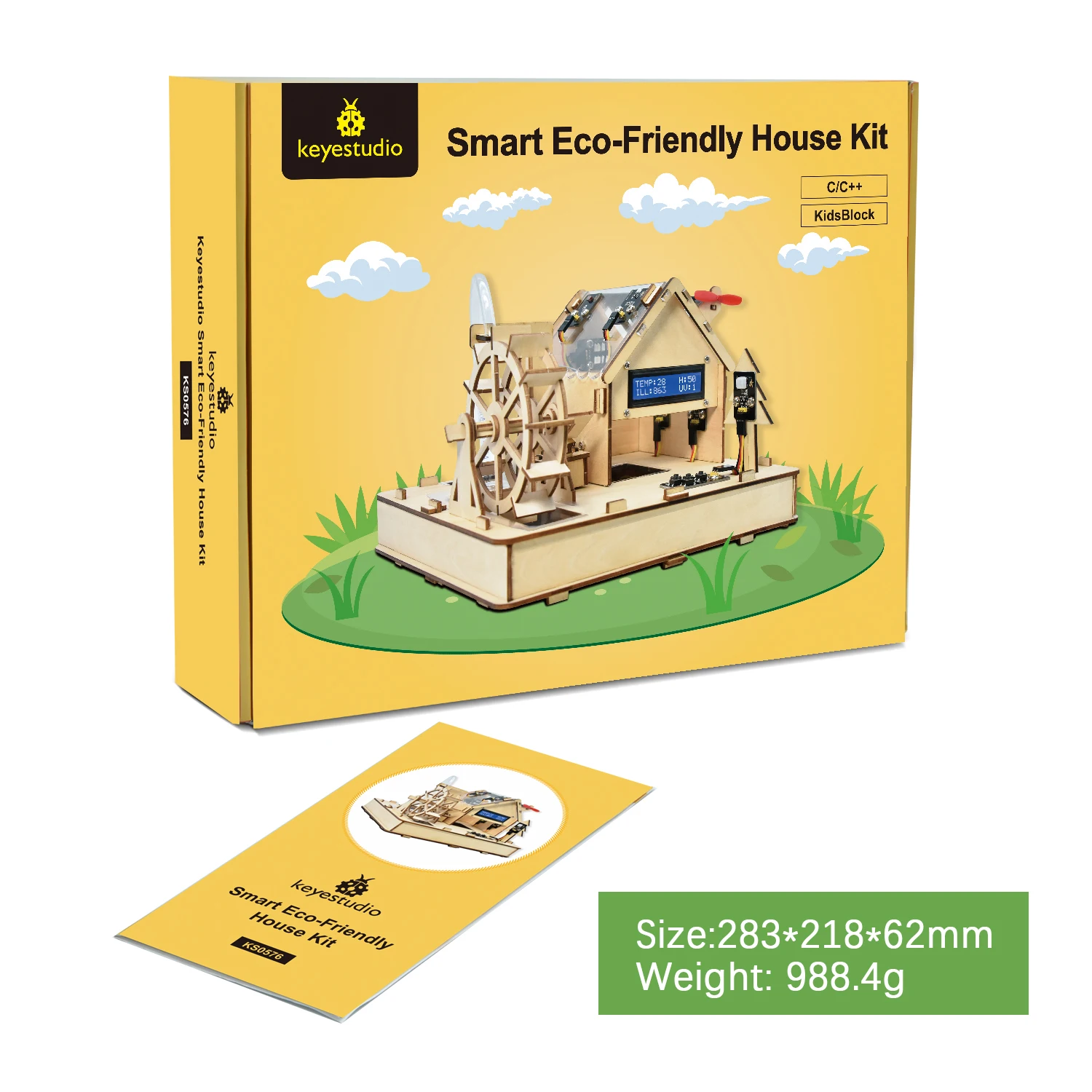
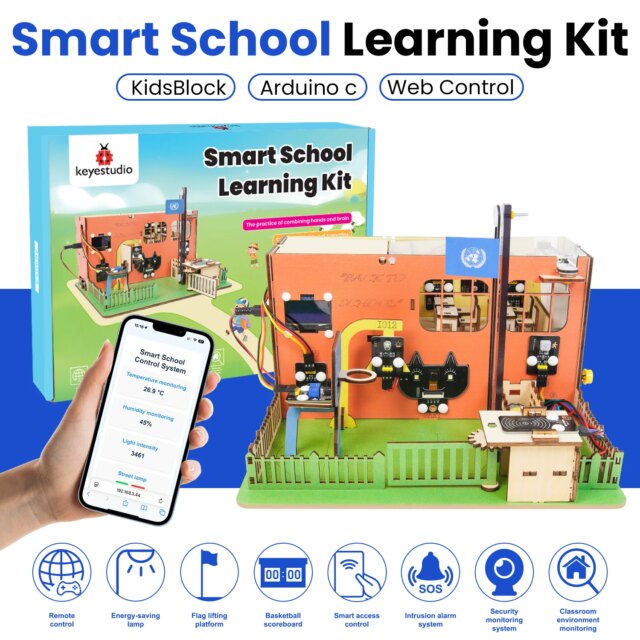
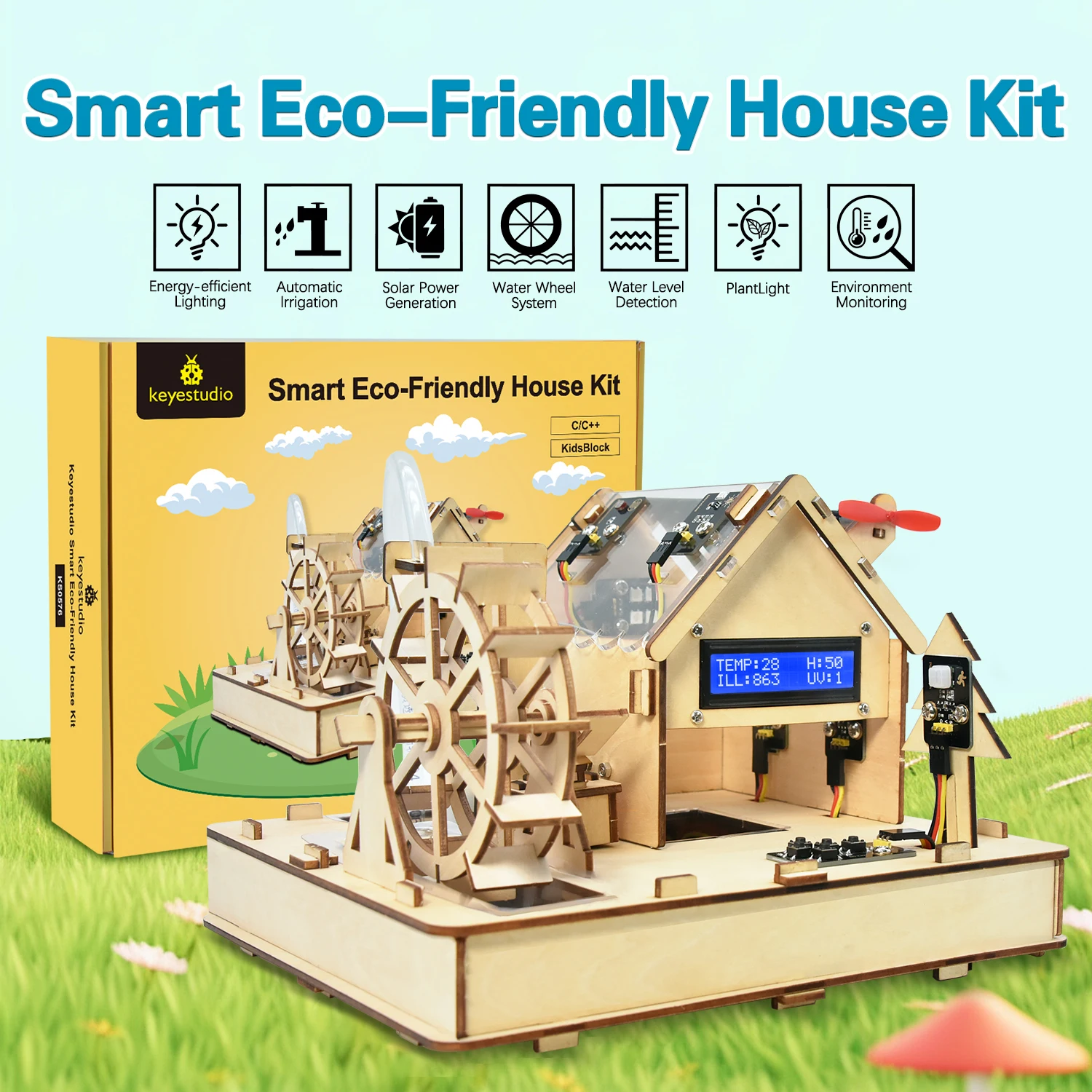
The Smart Eco-Friendly House Kit an innovative STEM learning solution that combines coding, electronics, and renewable energy concepts in one interactive project.
This hands-on kit allows learners to build a smart eco-house system powered by simulated renewable energy sources such as wind and solar. As a result, users can explore how modern homes use energy efficiently while integrating smart automation features.
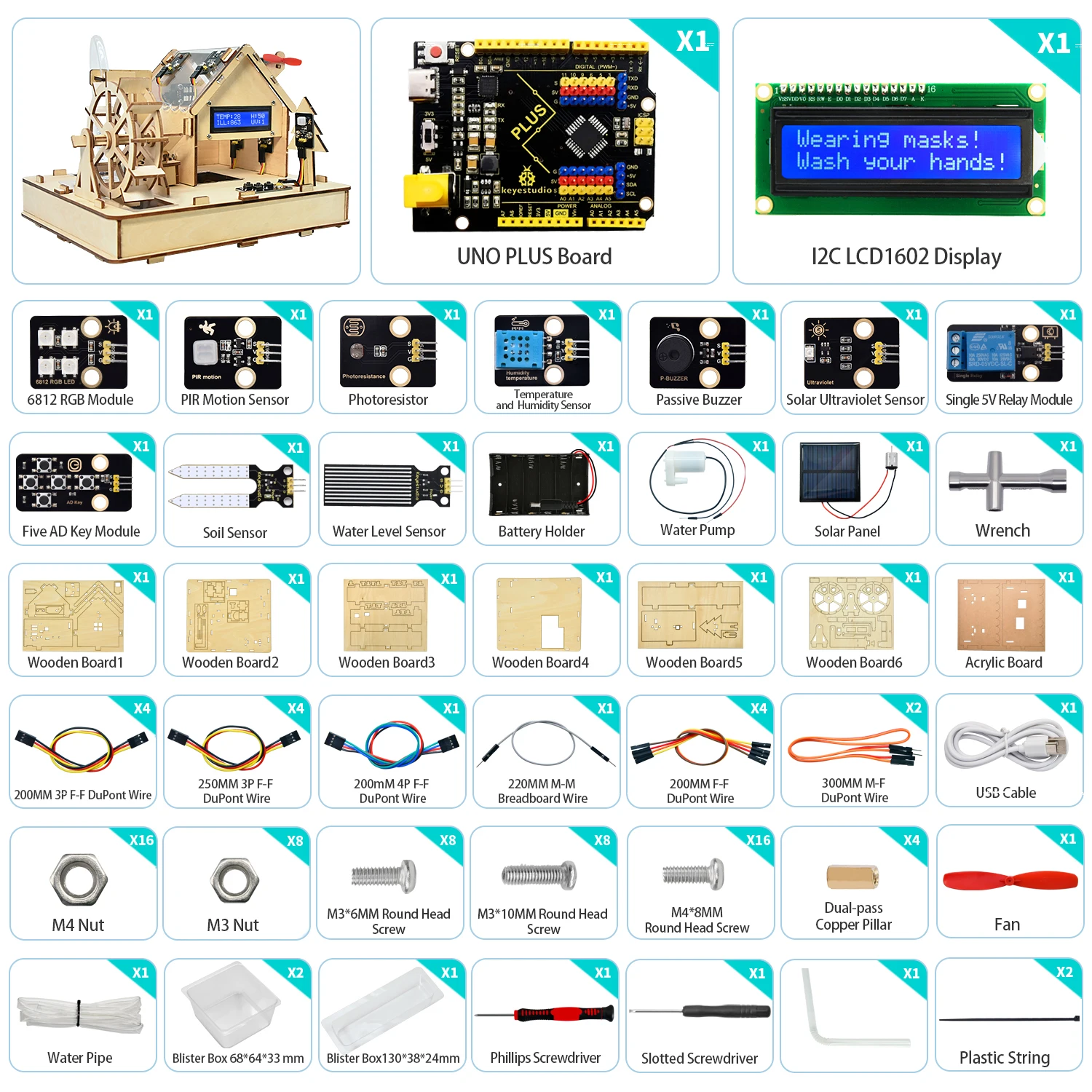
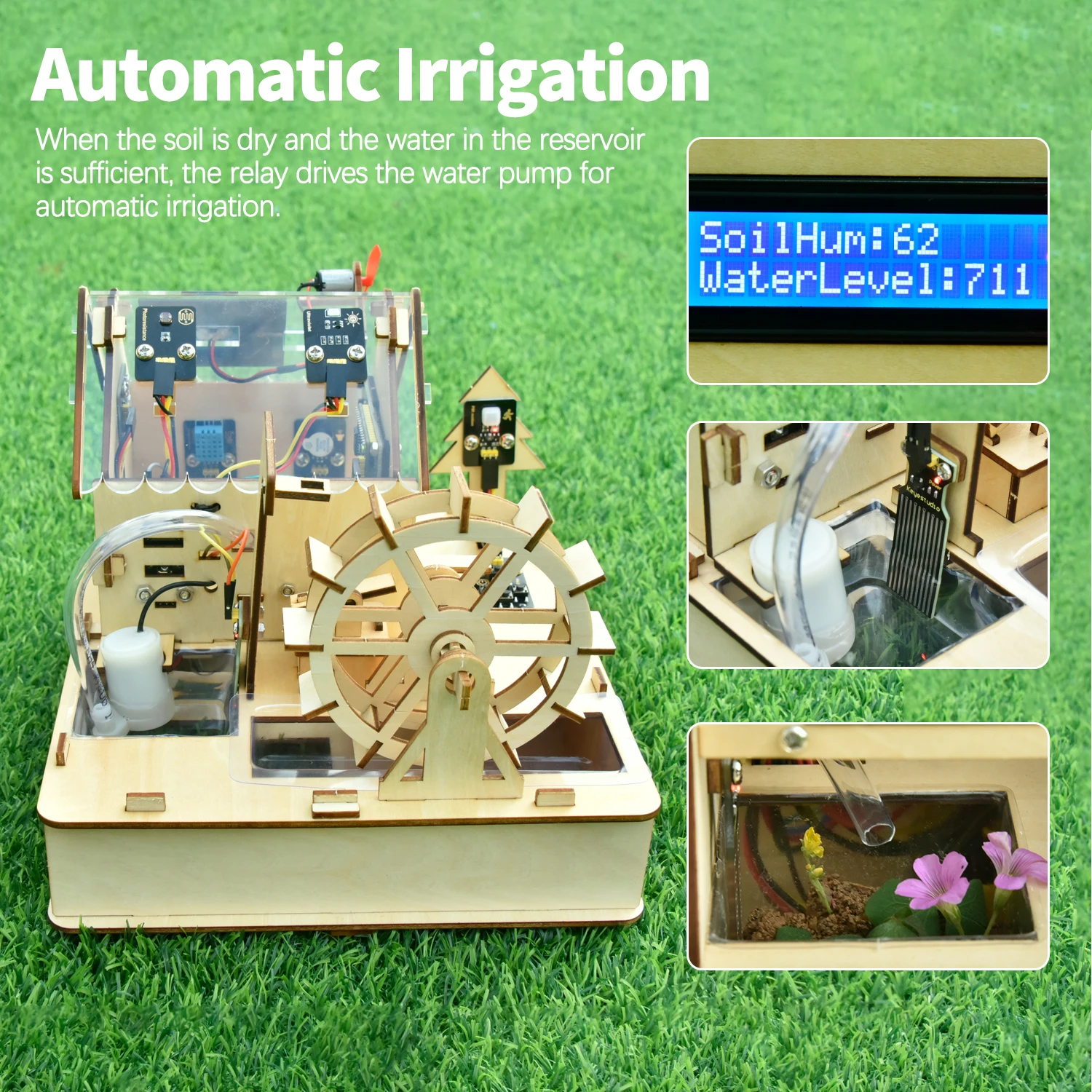
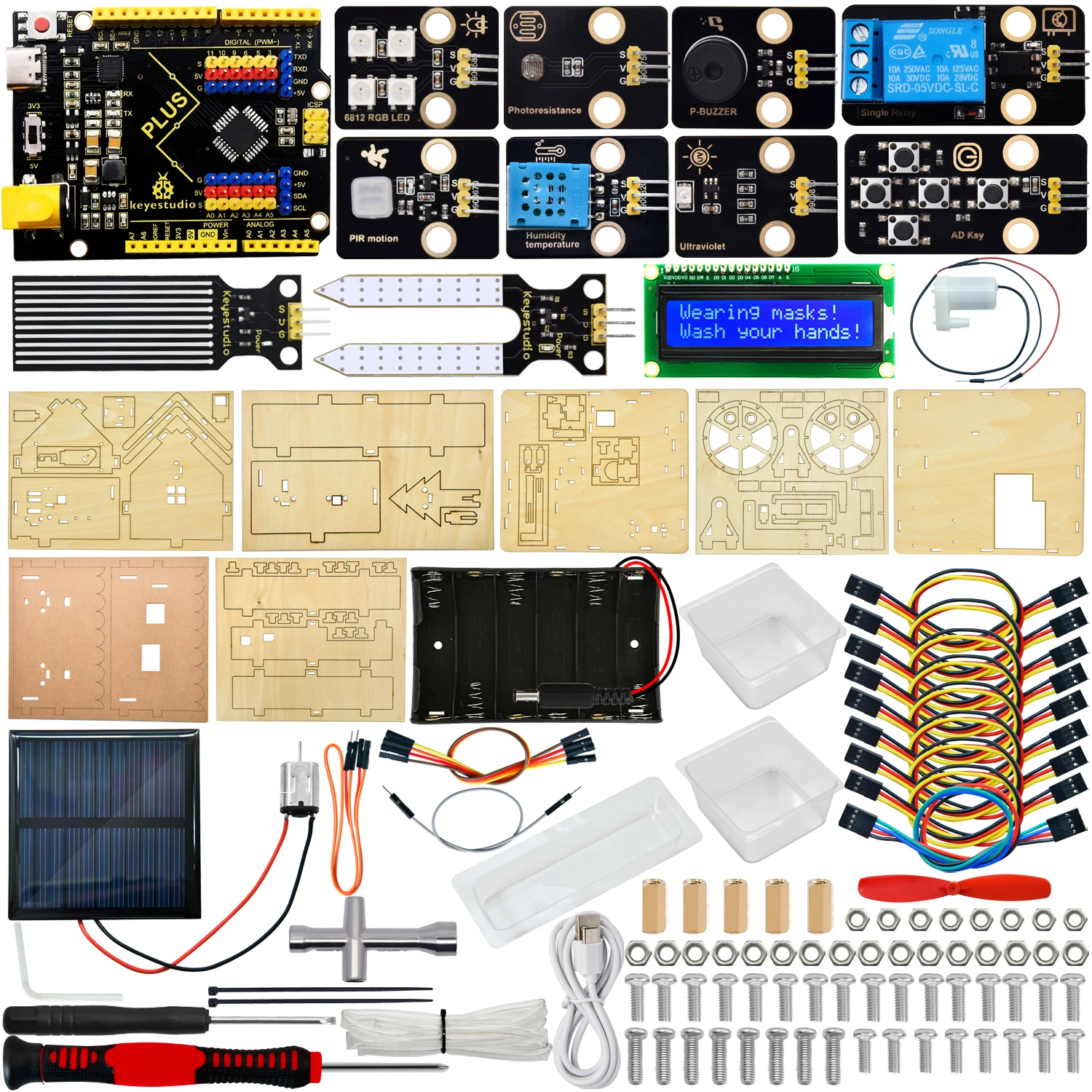
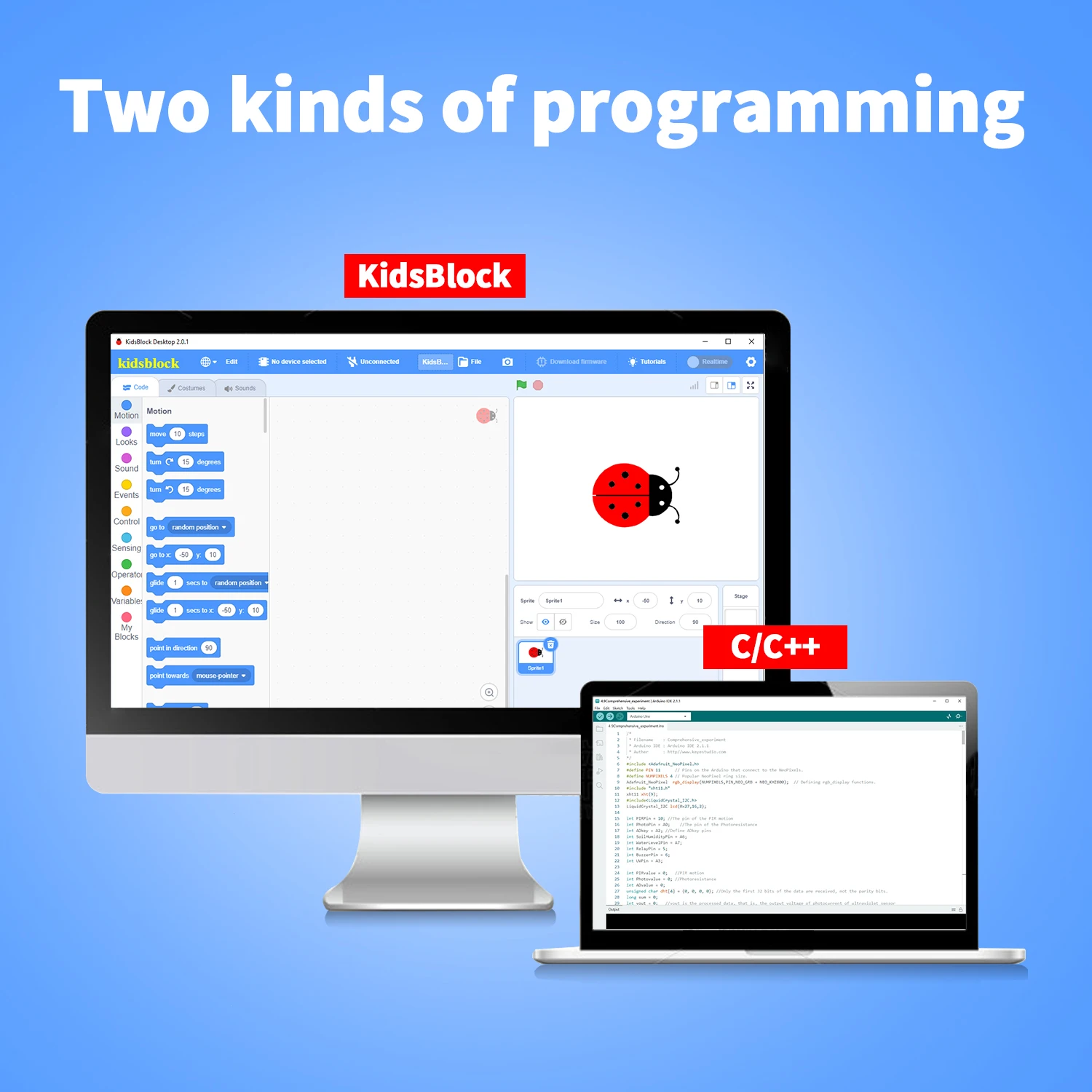
Moreover, the kit includes multiple sensors and modules that enable automatic control systems, such as lighting, environmental monitoring, and energy management. In addition, it supports both Arduino (C/C++) and graphical programming, making it accessible for beginners while still offering depth for advanced learners.
Because of its real-world focus, this kit helps learners understand sustainability, smart technology, and engineering design in a practical and engaging way.
Specifications
- Brand: Keyestudio
- Model: Smart Eco-Friendly House Kit (KS0576)
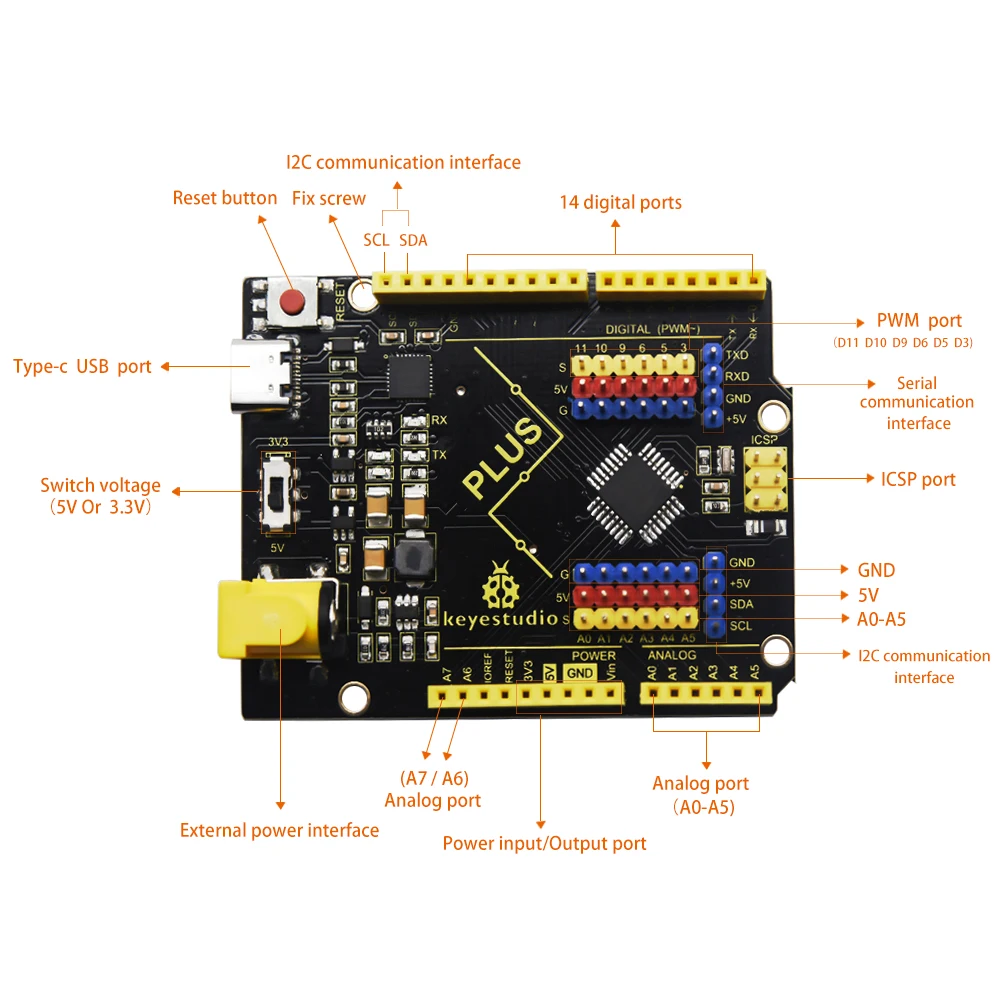
- Controller: ATMEGA328P-based Arduino-compatible board
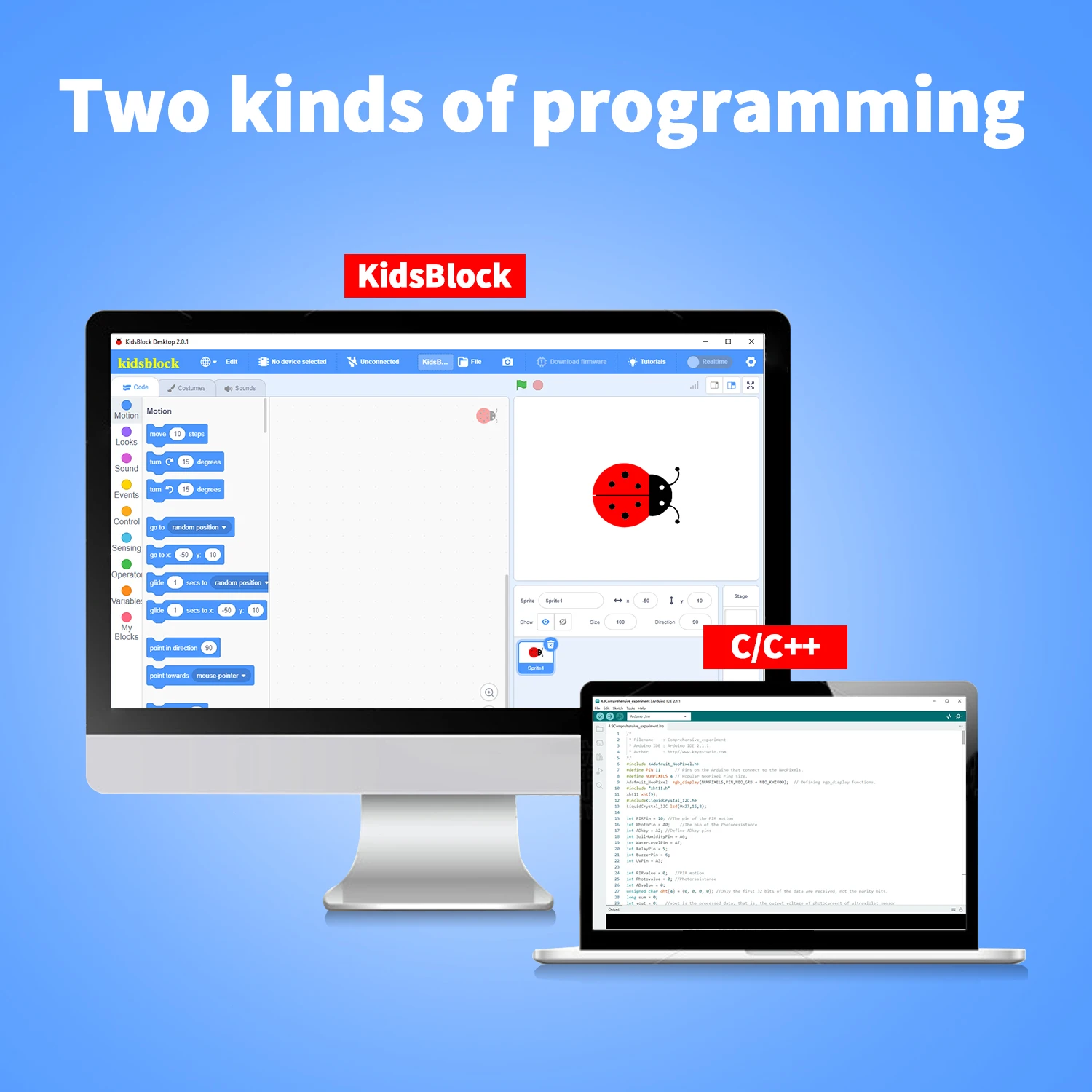
- Programming: Arduino IDE (C/C++), KidsBlock graphical programming
- Operating Voltage: 5V / 3.3V
- Power Supply: DC 6–15V (recommended 9V)
- Clock Speed: 16 MHz
- Memory:
- Flash: 32KB
- SRAM: 2KB
- EEPROM: 1KB
- Main Features:
- Renewable energy simulation (wind/solar concepts)
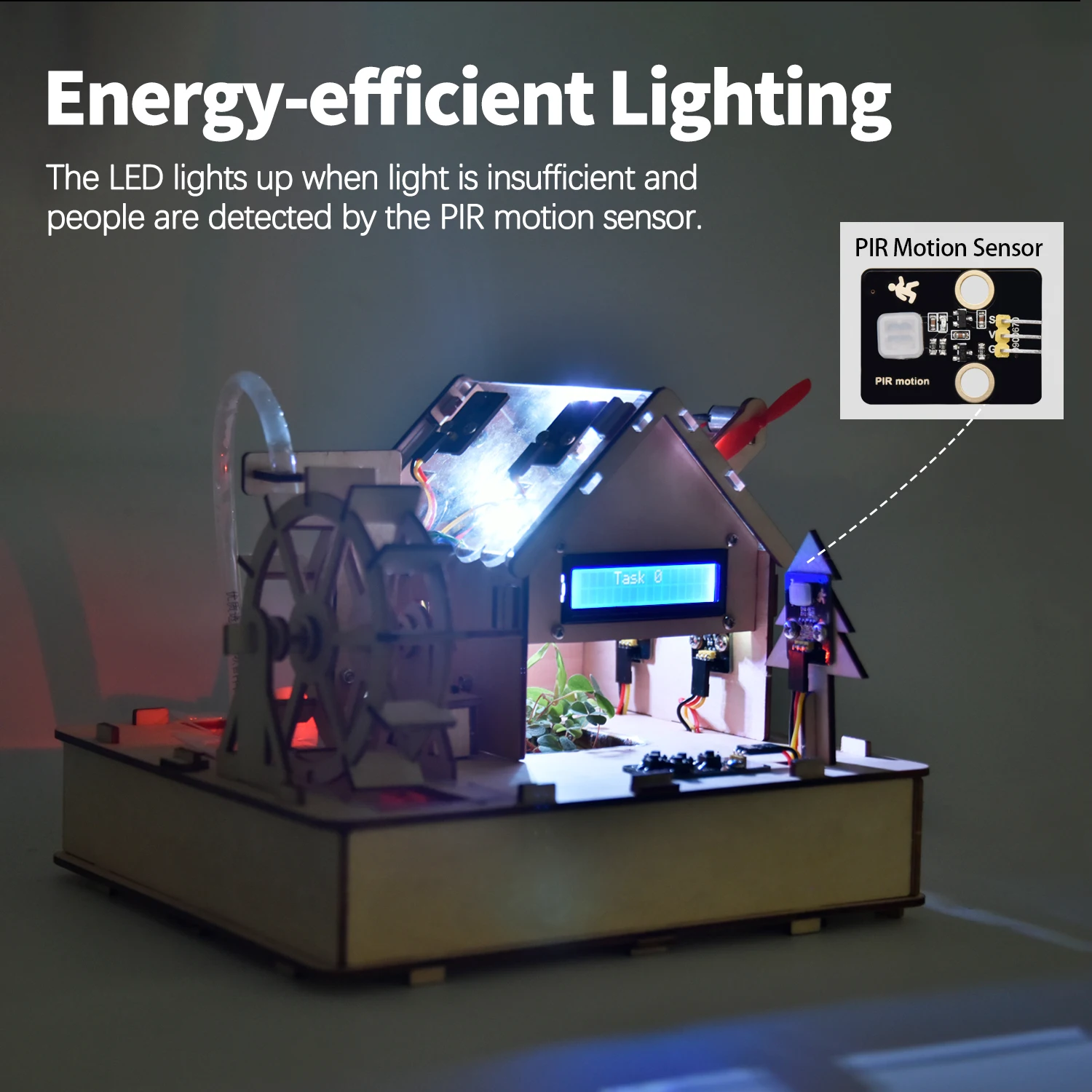
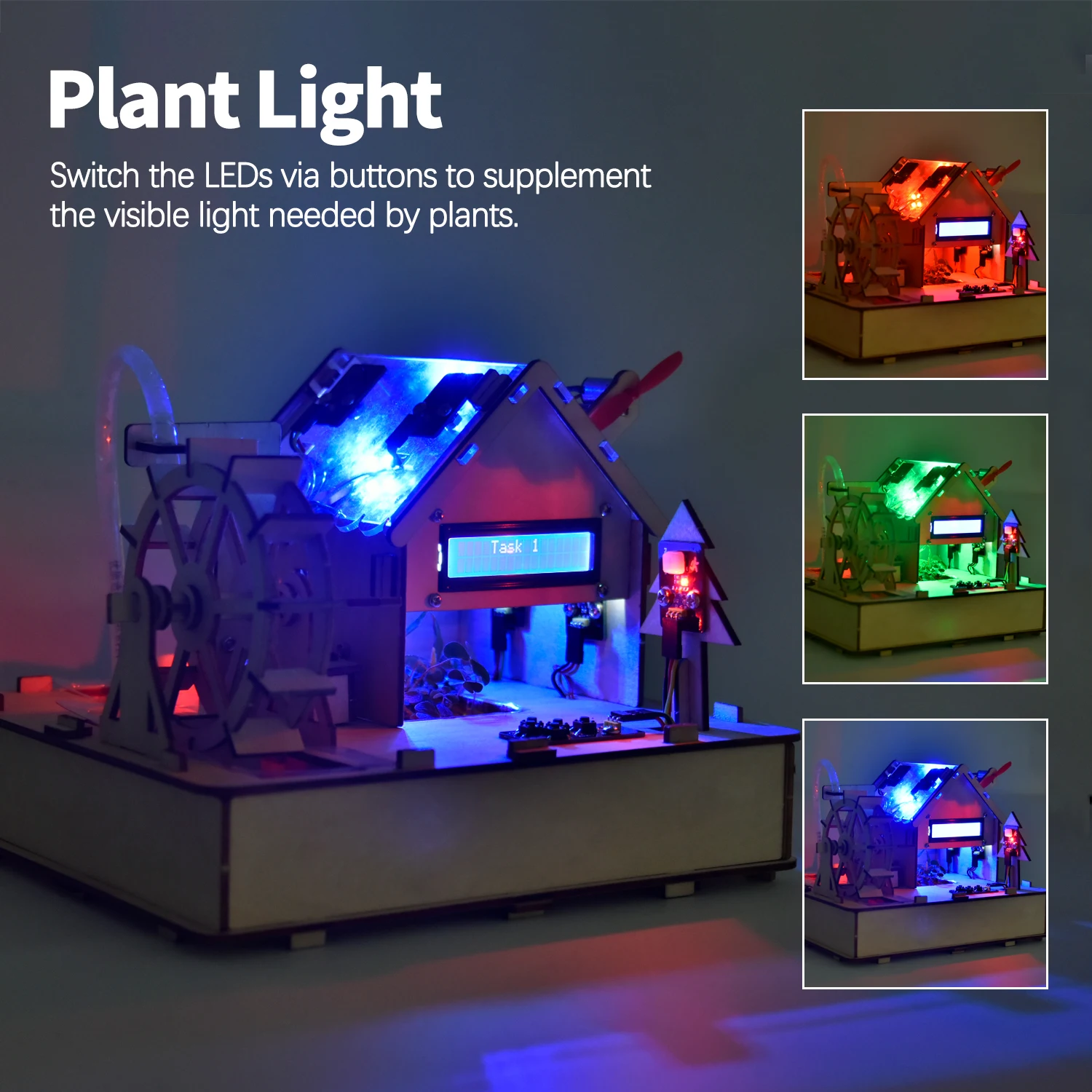
- Smart lighting and automation
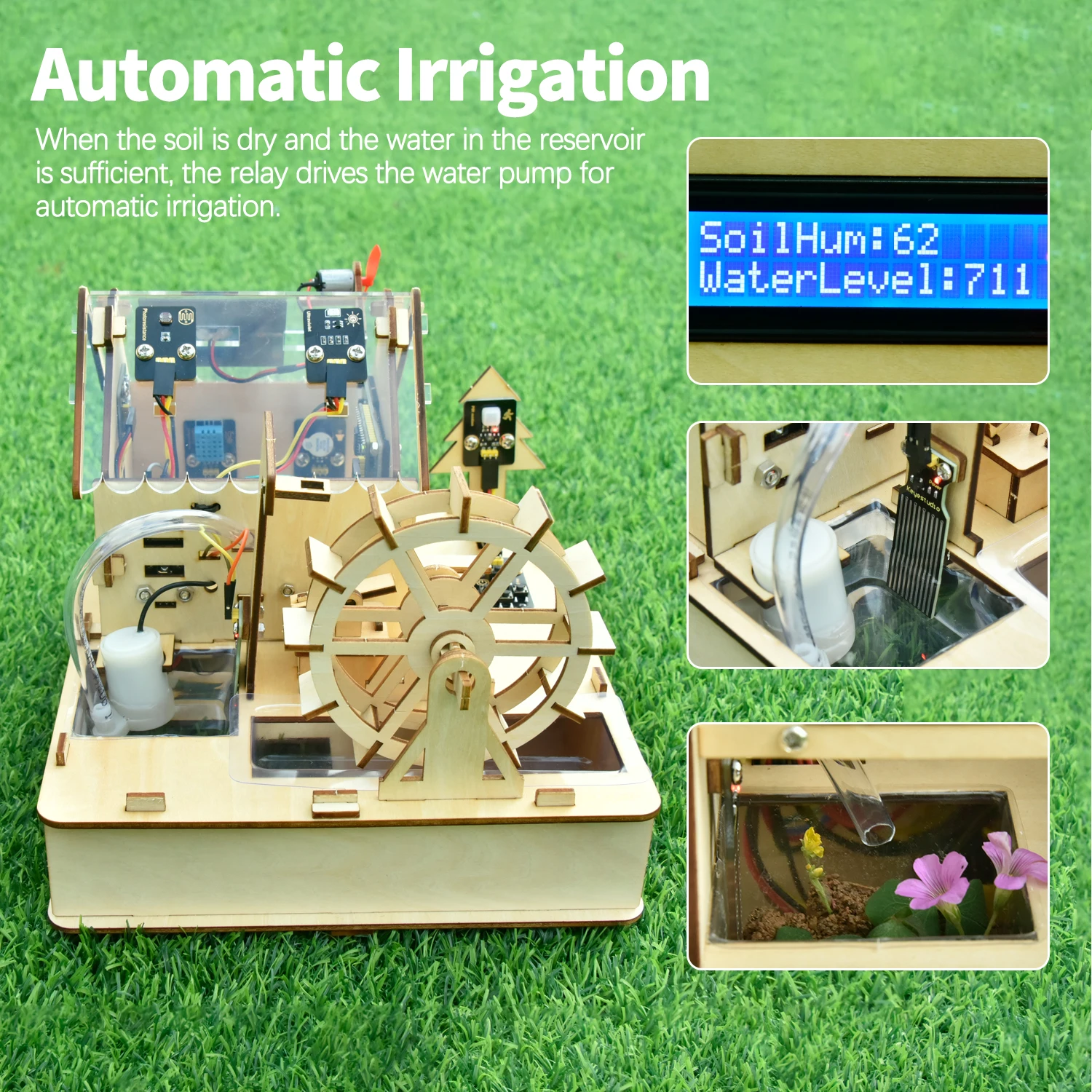
- Environmental monitoring
- Sensor-based control systems
- Components Included:
- Multiple sensors and modules
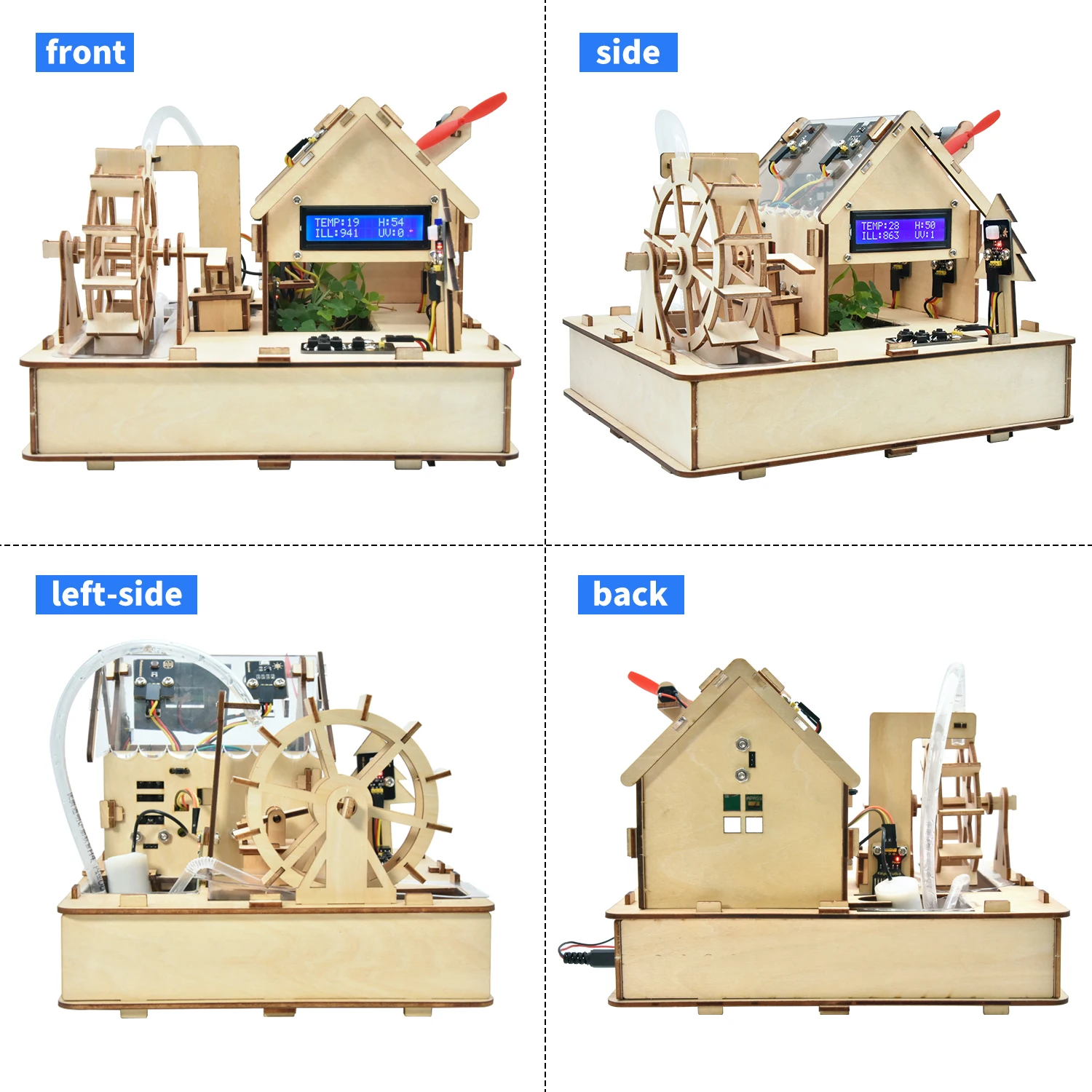
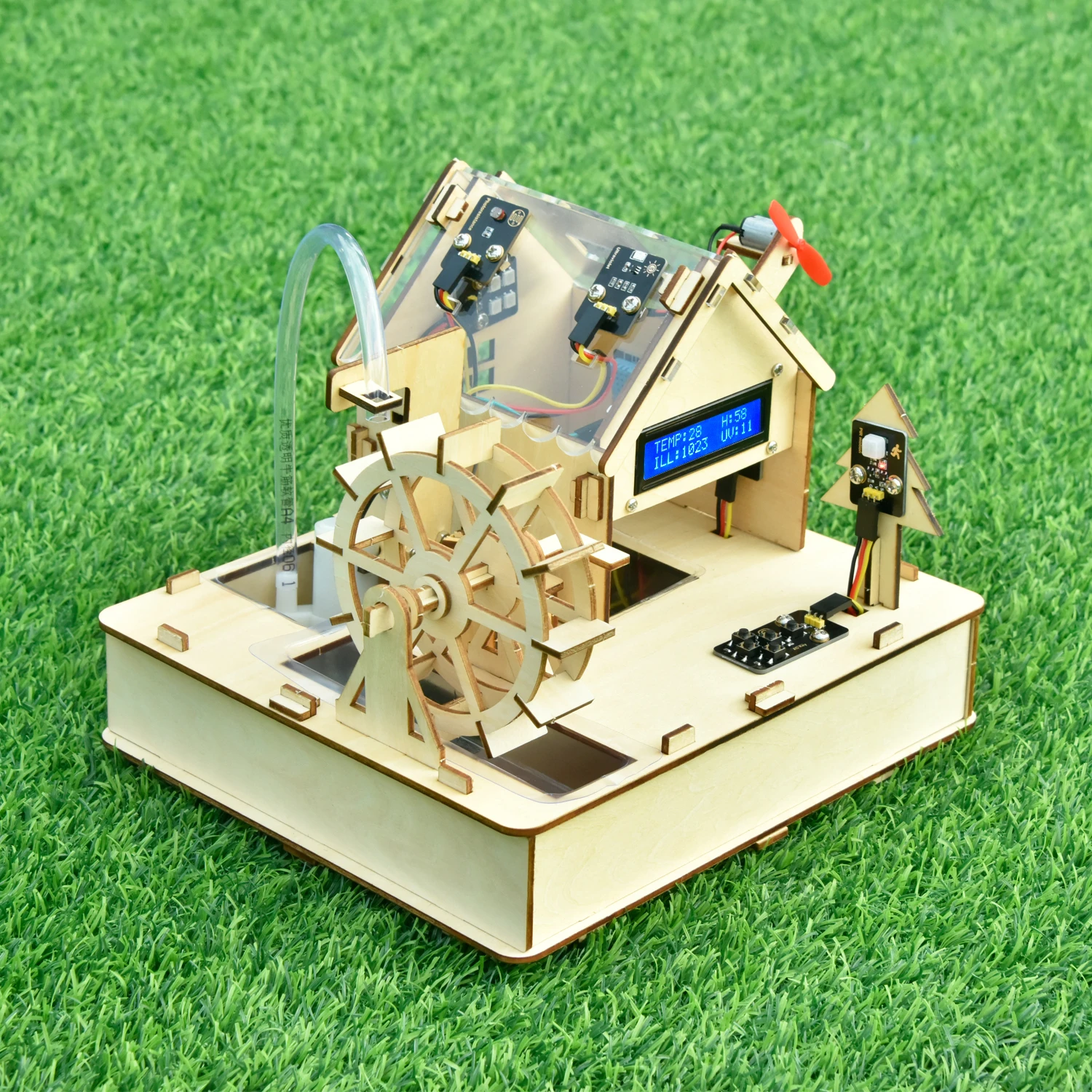
- Wooden eco-house model
- Motor and control elements
- Learning Level: Beginner to Intermediate
- Use Case: STEM education, sustainability learning, smart home simulation
👉 The kit uses multiple sensors and modules to create automated systems while teaching programming and electronics in a hands-on way.
📚 3. Subjects Covered (Detailed)
🌱 Renewable Energy & Sustainability
Learners explore eco-friendly technologies such as solar and wind energy systems. Additionally, they understand how sustainable solutions reduce energy consumption in modern homes.
🌐 Smart Home & IoT Concepts
Students learn how smart systems control lighting, energy, and environmental conditions. As a result, they gain insight into how intelligent homes operate.
🧠 Programming & Computational Thinking
Learners develop coding skills using Arduino and graphical programming tools. Moreover, they understand logic structures such as loops and conditions.
🔌 Electronics & Circuit Design
Students explore how electronic components and sensors interact. Therefore, they gain a solid understanding of circuits and system integration.
⚙️ Automation & Control Systems
Learners design systems that respond automatically to environmental inputs. For example, lights or systems activate based on sensor data.
🎓 STEM & Engineering Design
Through hands-on construction, students develop creativity and problem-solving skills. In addition, they learn how to design and optimize real systems.
🔧 4. Activities Performed (Detailed)
🏗️ Eco-House Construction
Students build a smart house model using modular parts. As a result, they understand structural design and system integration.
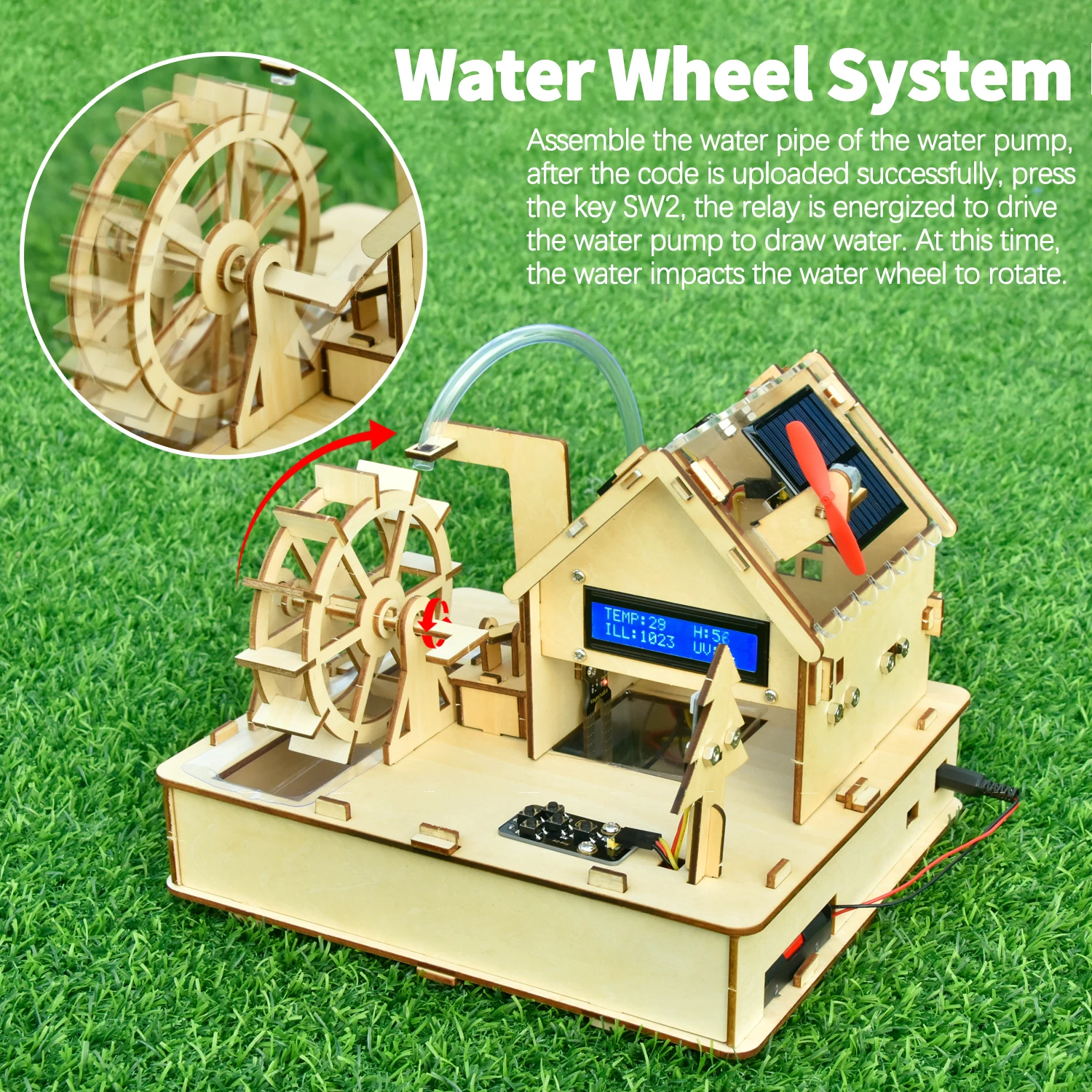
🌬️ Renewable Energy Simulation
Users simulate wind and solar energy systems. Additionally, they learn how energy is generated and used efficiently.
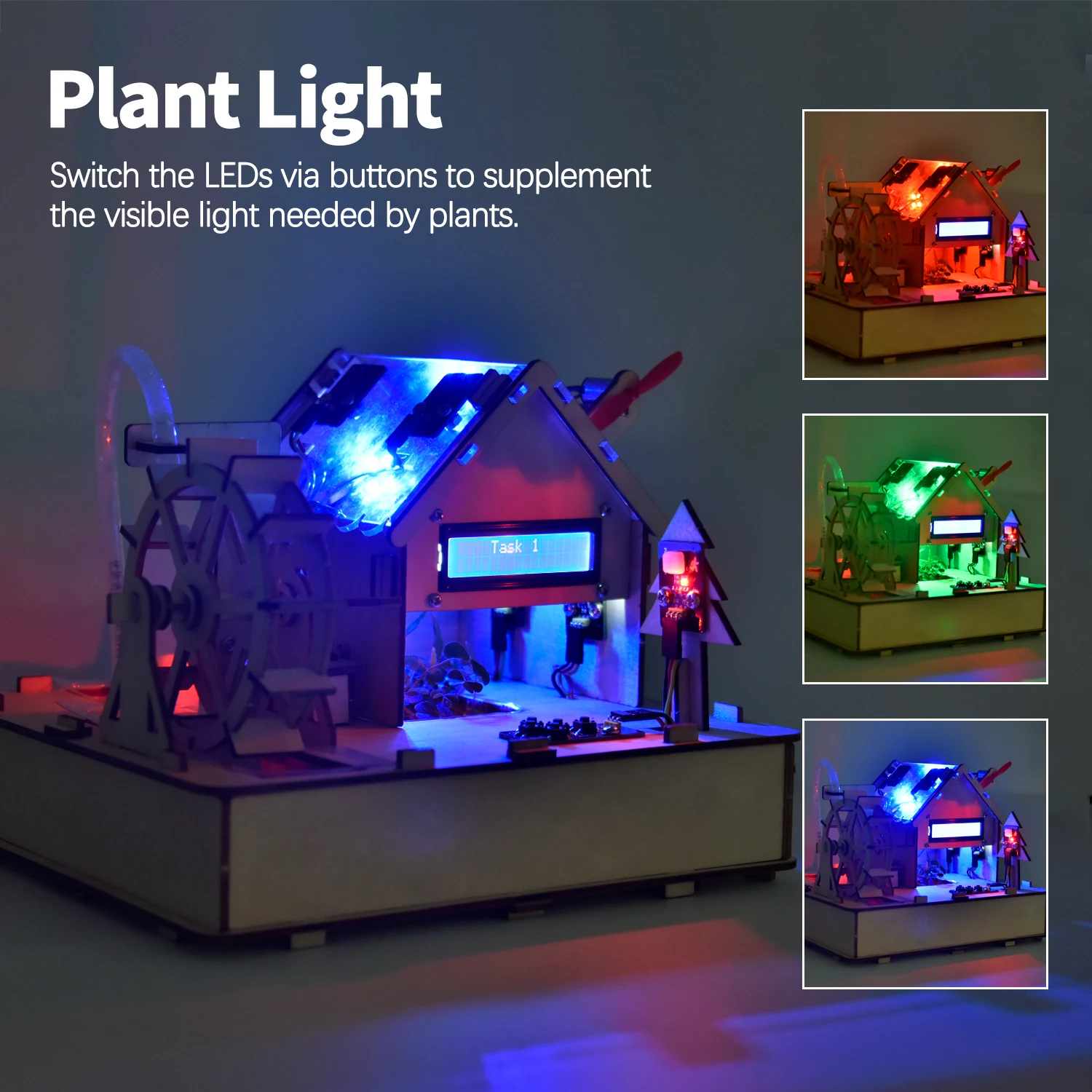
💡 Smart Lighting Projects
Learners create automated lighting systems. Moreover, these systems respond to environmental conditions or user input.
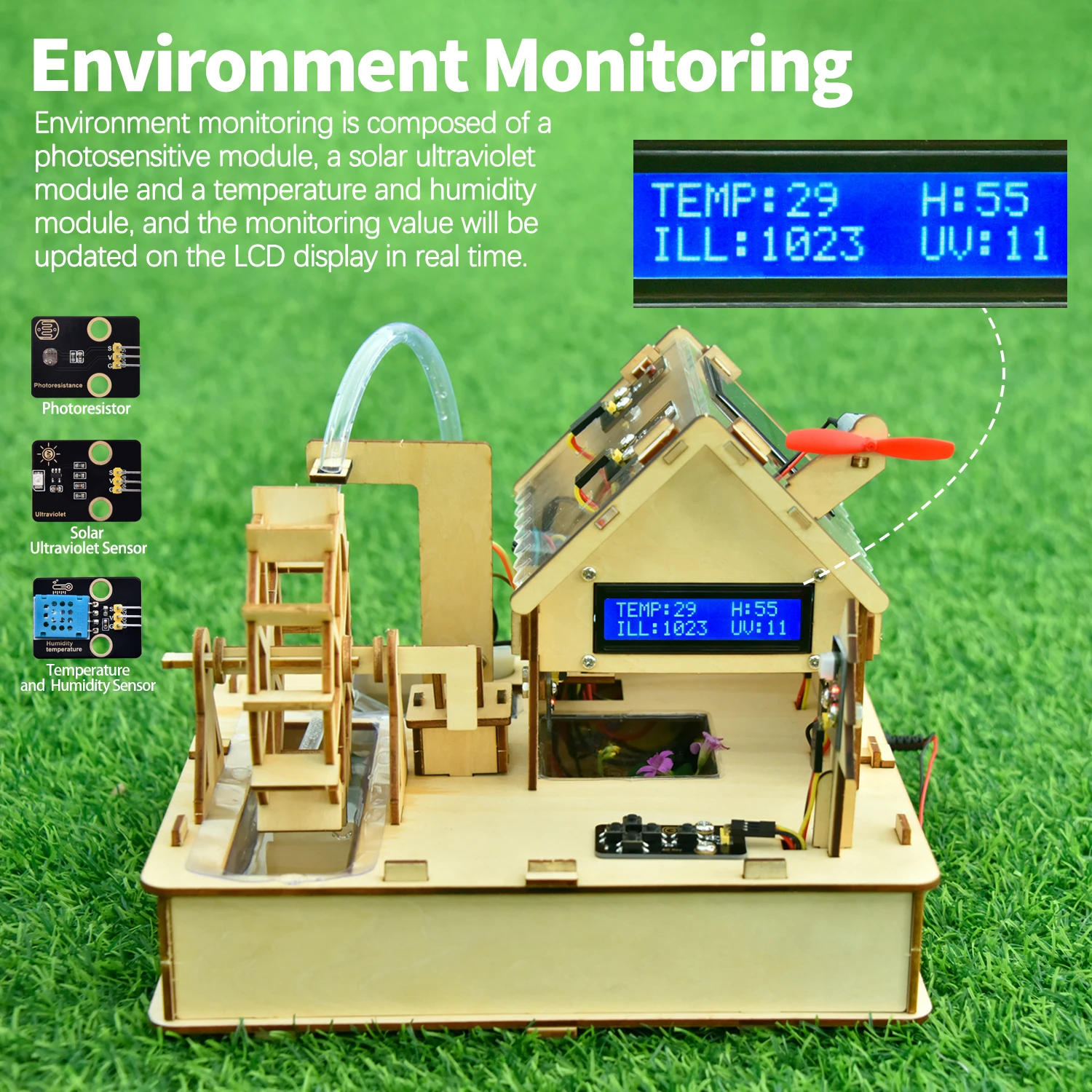
📊 Environmental Monitoring
Students collect data such as light or environmental conditions. Consequently, they understand how monitoring systems work in real homes.
⚙️ Automation & Smart Control
Users program systems to operate automatically. Therefore, devices respond intelligently without manual input.
🎮 Interactive Smart Systems
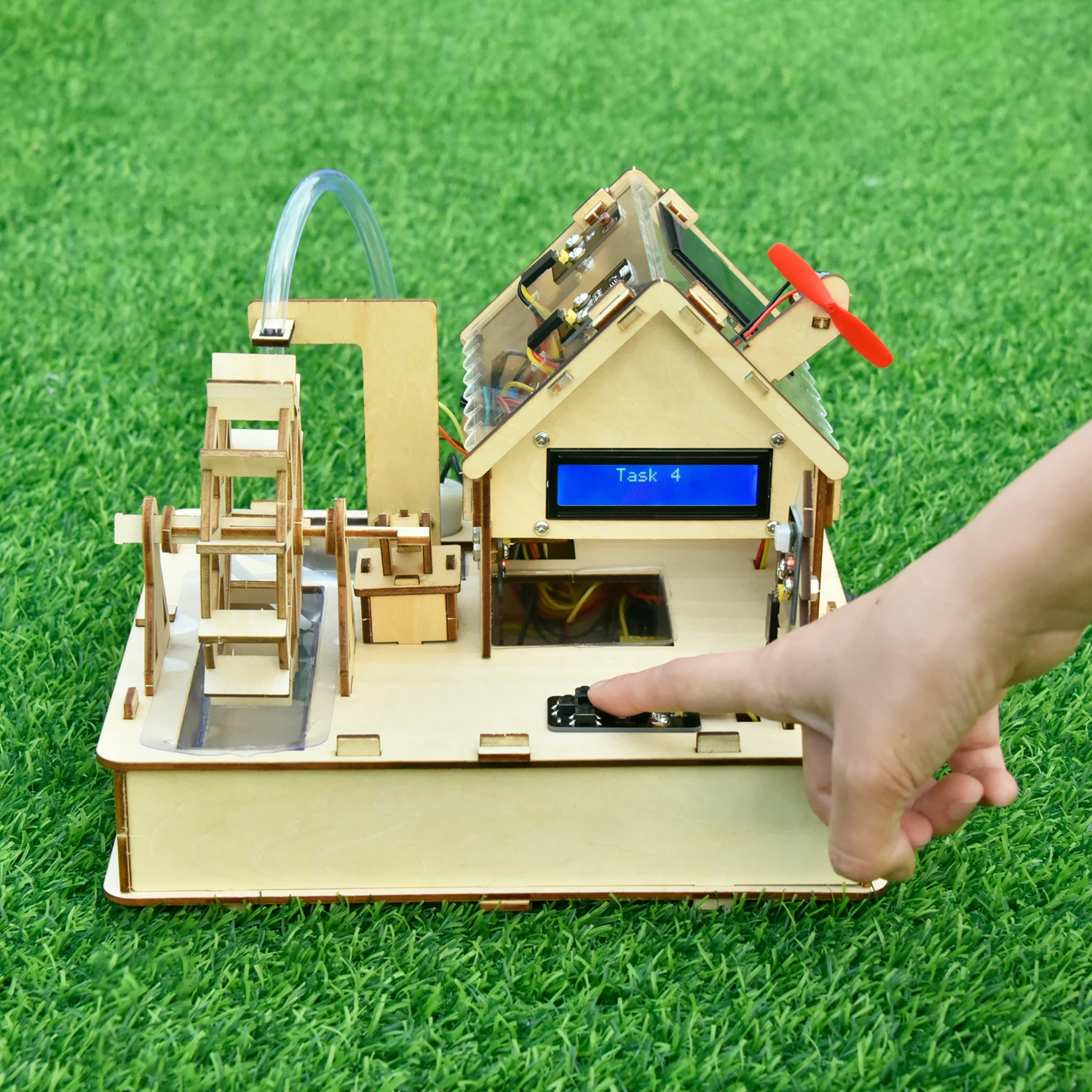
Learners design systems that respond to user actions. For example, pressing a button can trigger multiple automated responses.
🧪 Experimentation & Innovation
Students modify and expand projects. In addition, they test and improve system performance, strengthening analytical skills.
🎓 5. Benefits for Students & Teachers
👨🎓 For Students
Students learn sustainability and technology through hands-on projects. As a result, they understand how eco-friendly systems work in real life.
Moreover, the kit develops creativity, logical thinking, and problem-solving skills.
In addition, it builds confidence by allowing learners to create real working systems.
👩🏫 For Teachers
Teachers can explain complex concepts like renewable energy and automation in a practical way. Therefore, lessons become more engaging and effective.
Additionally, it supports project-based learning, improving student participation.
Furthermore, it provides a complete STEM solution that integrates science, engineering, and coding.