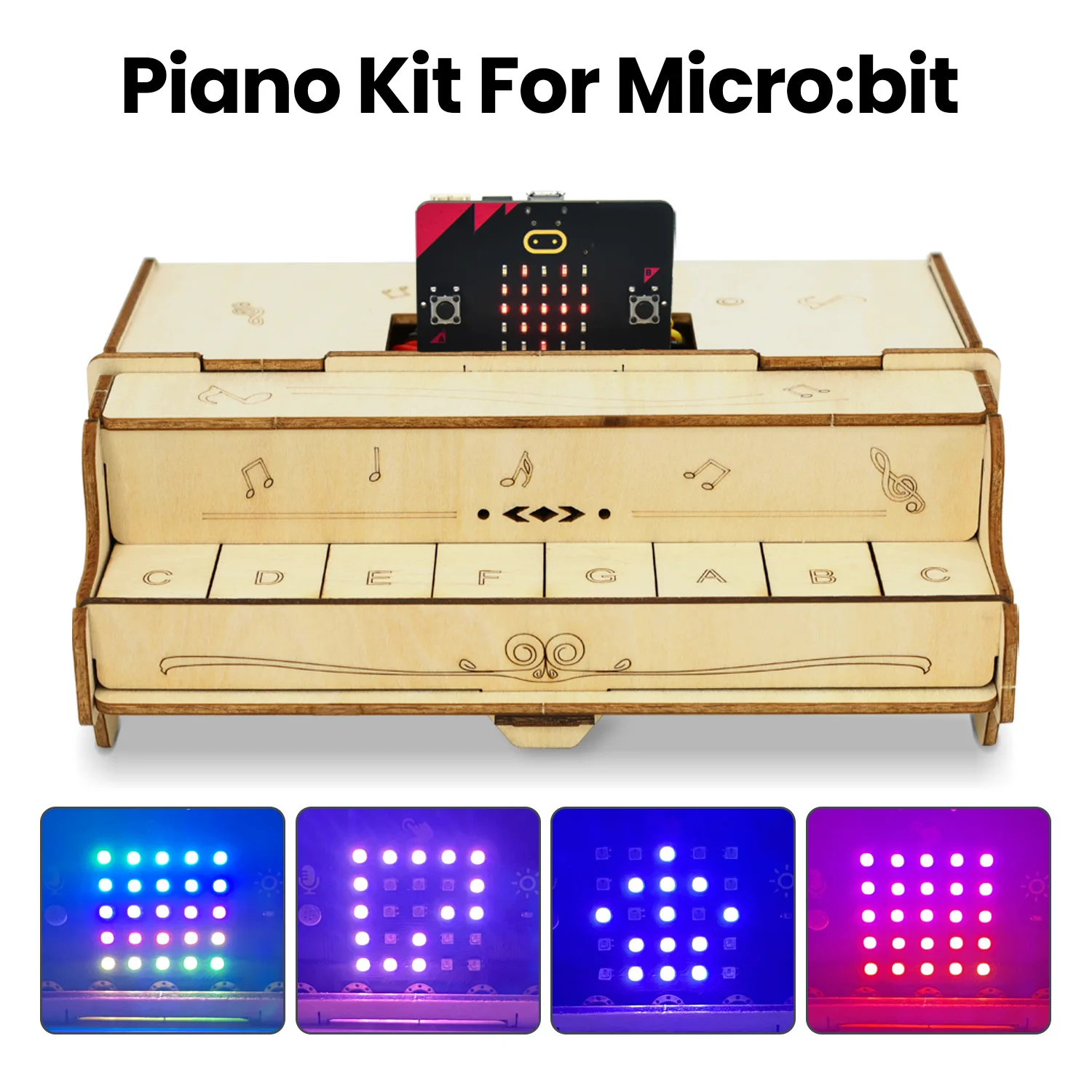
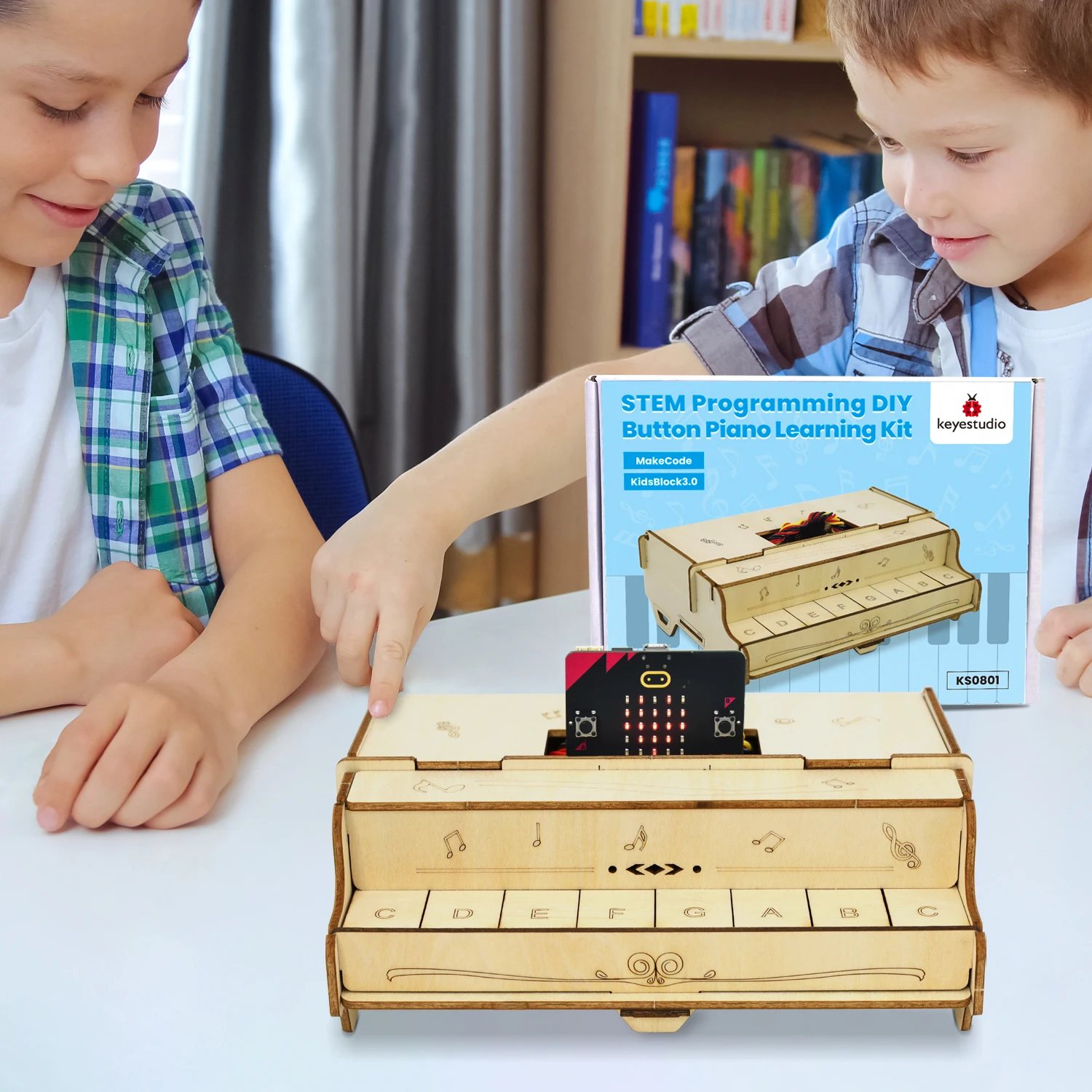
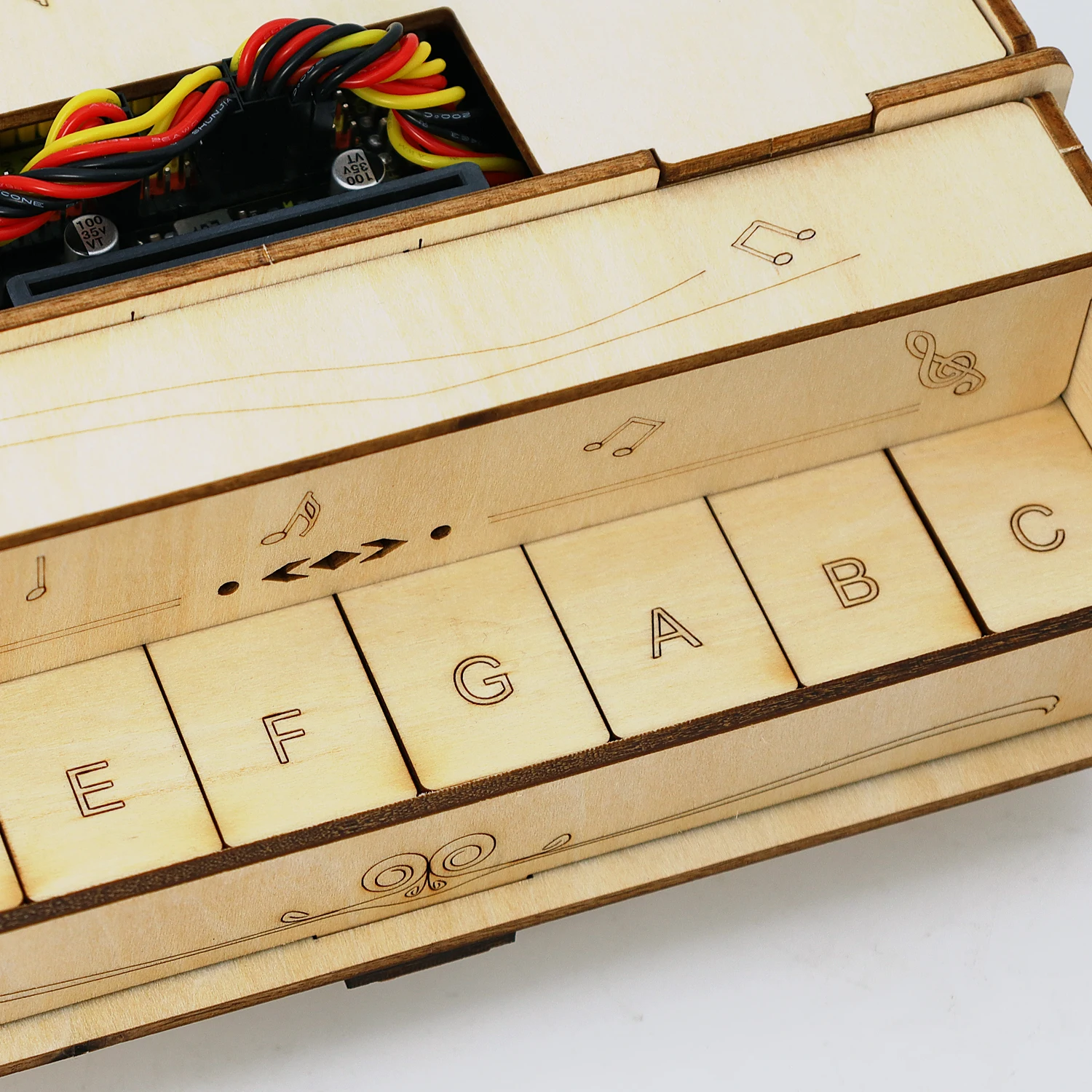
ESP32 Smart Piano Kit
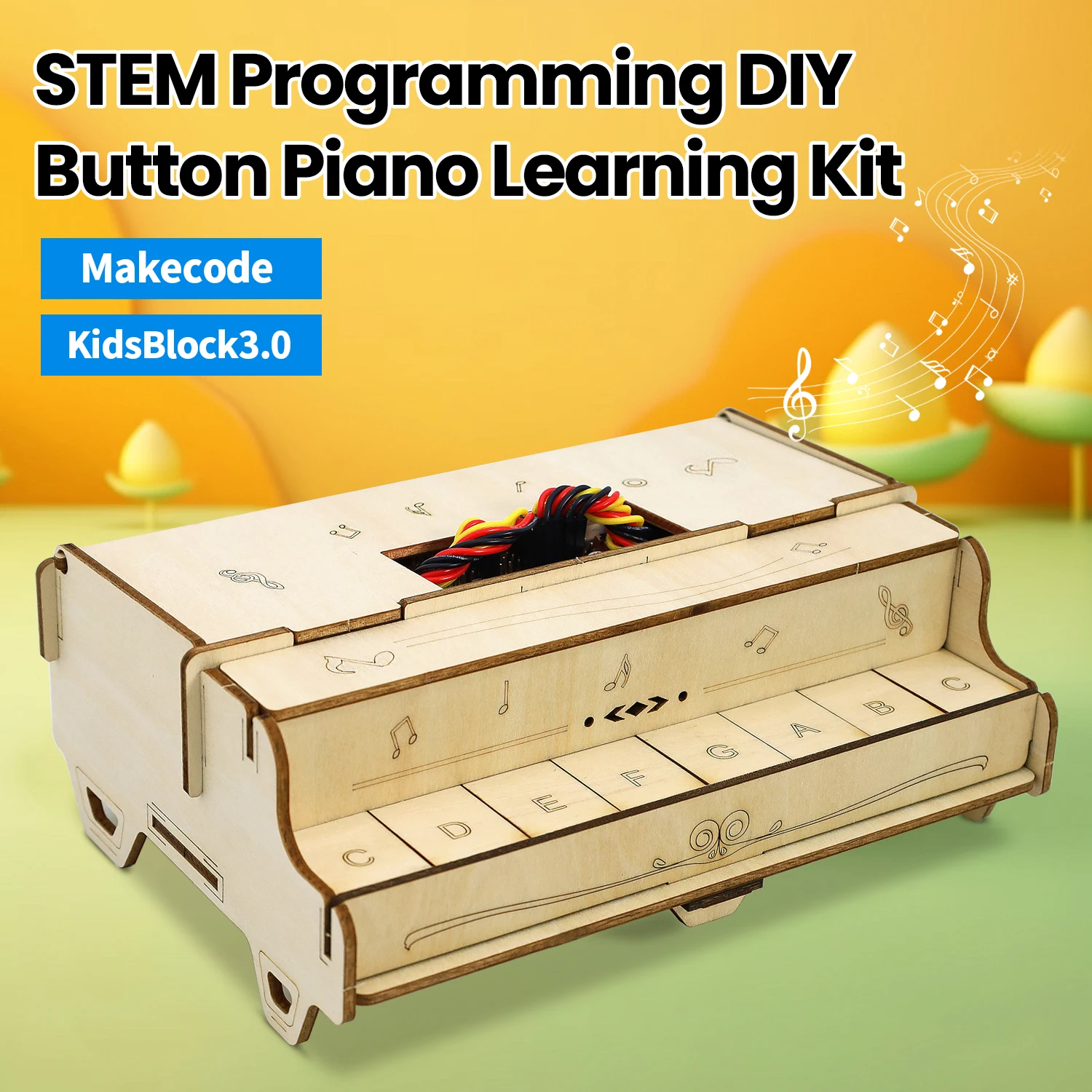
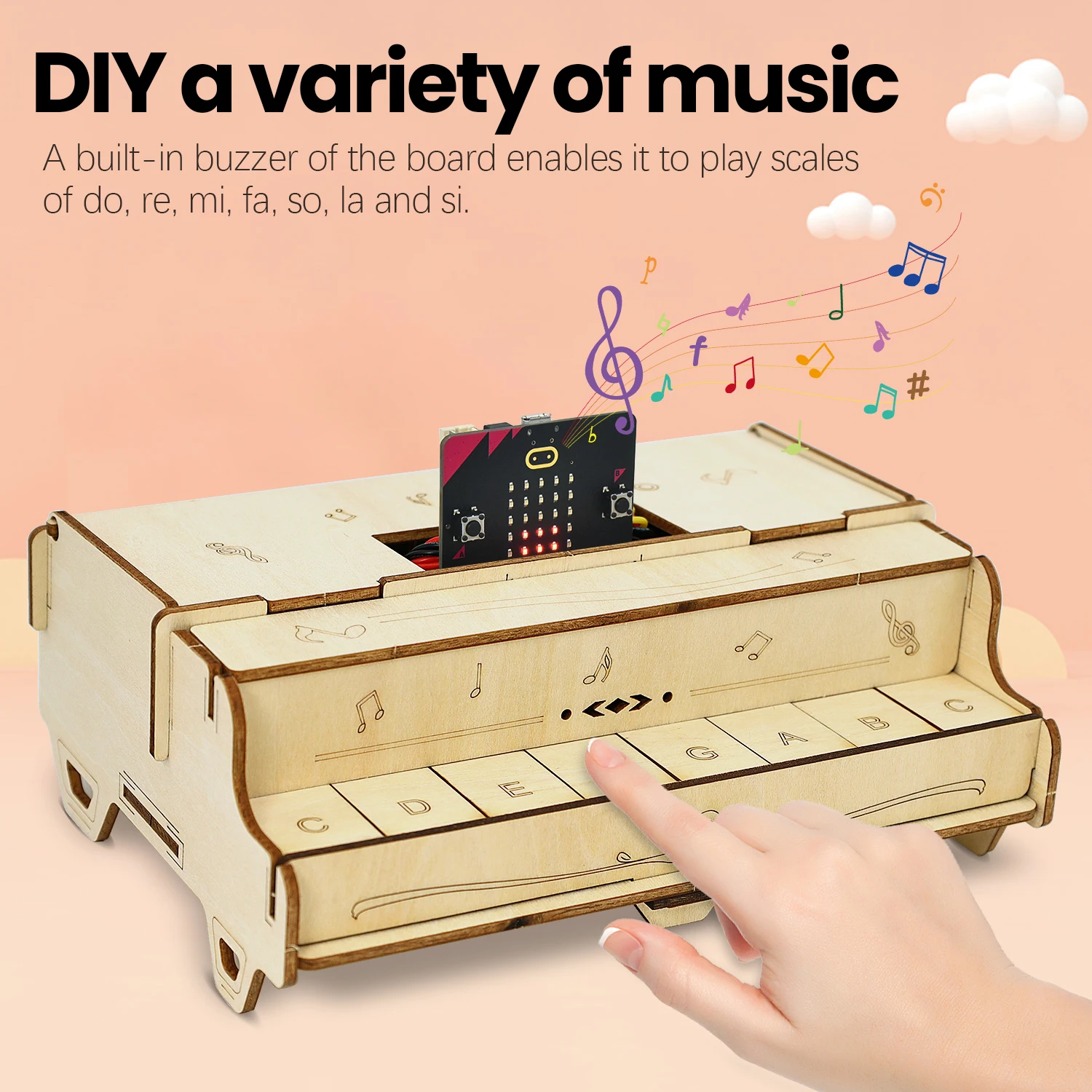
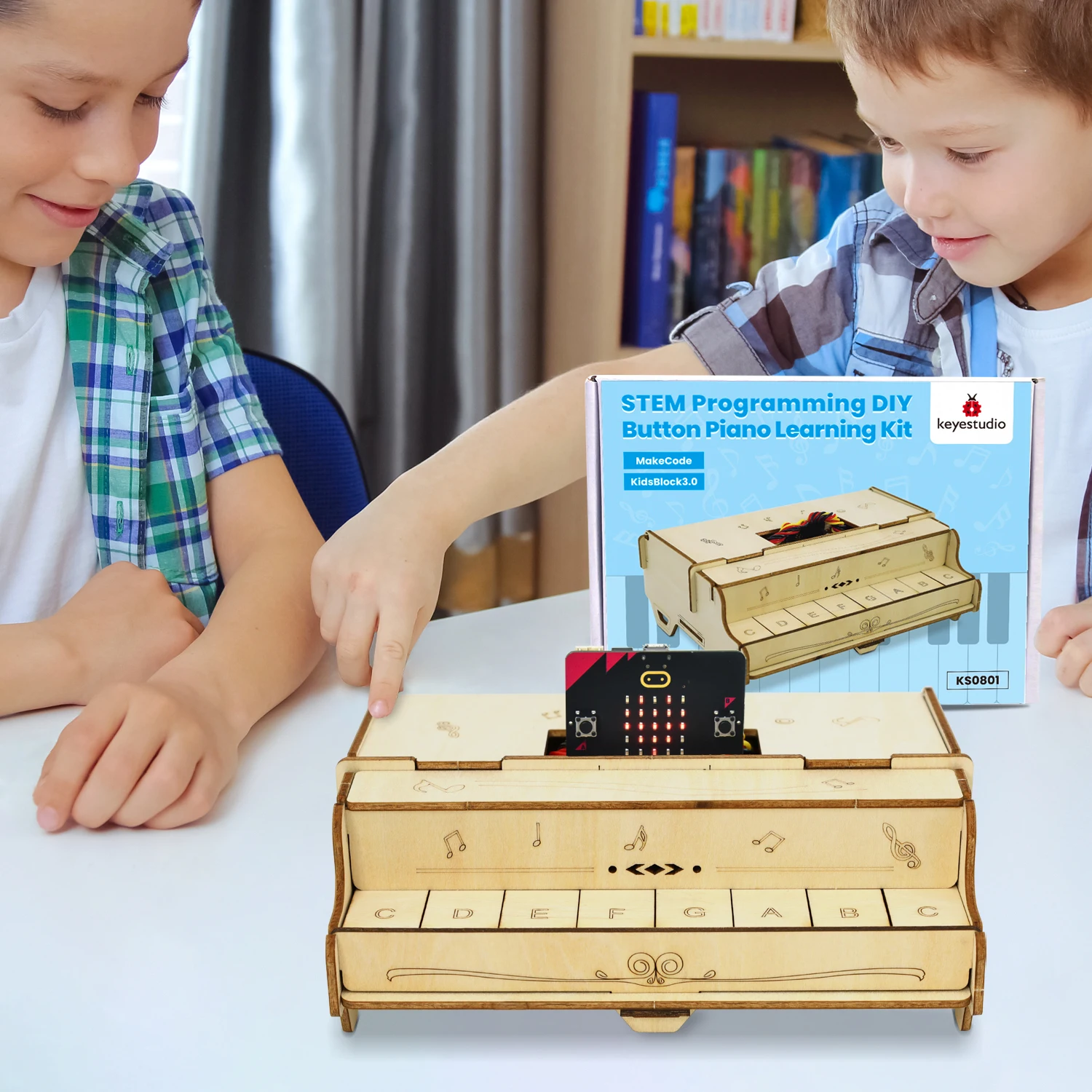
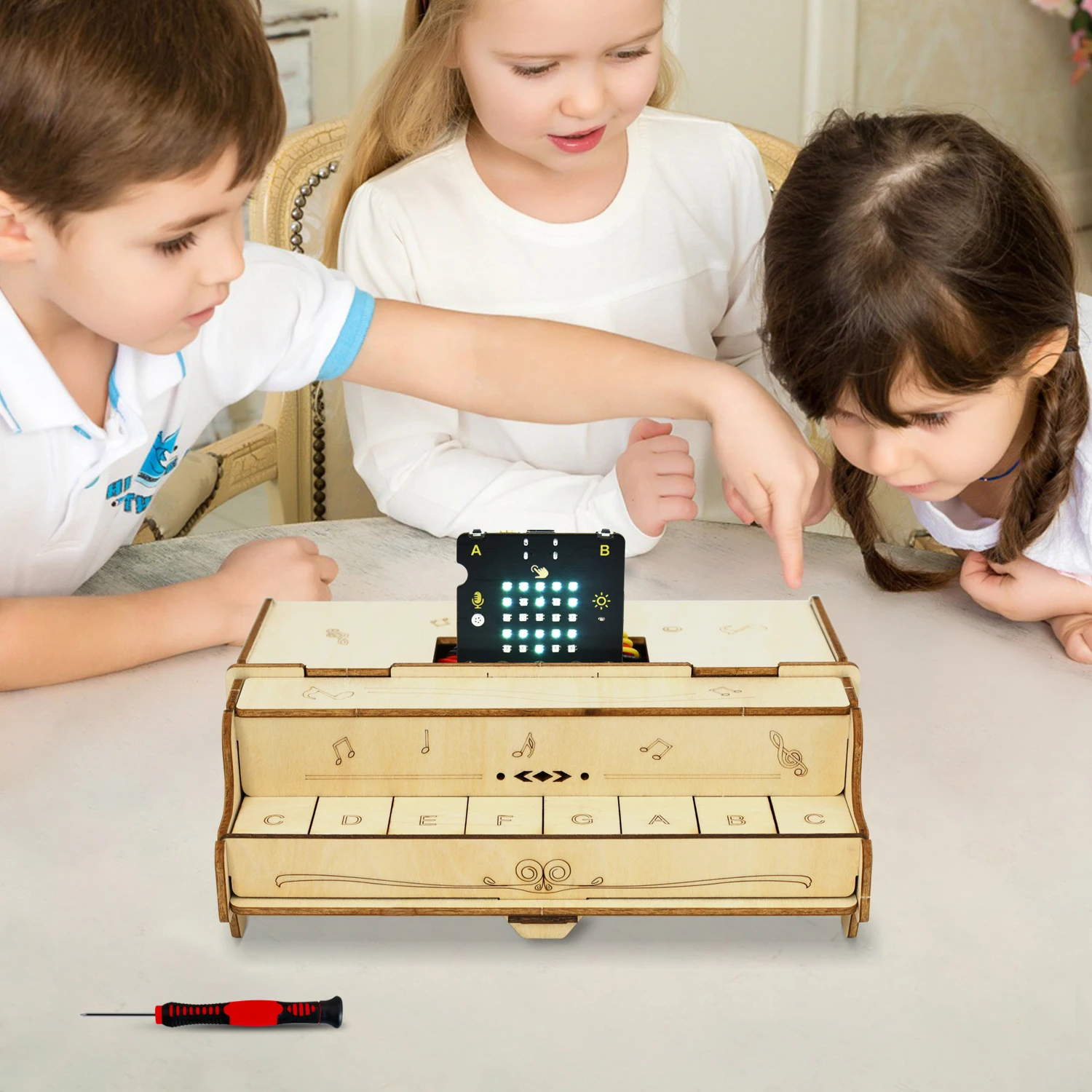
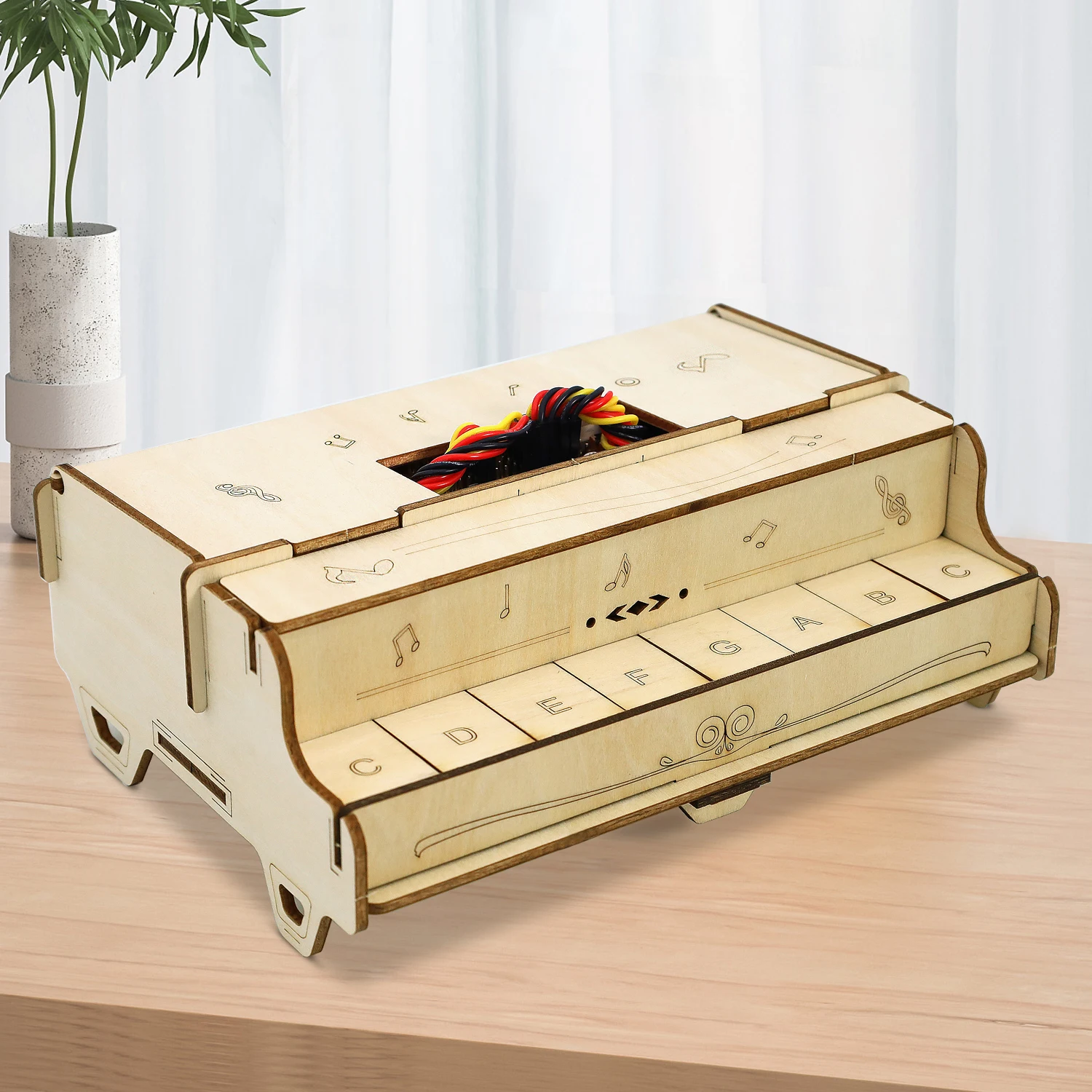
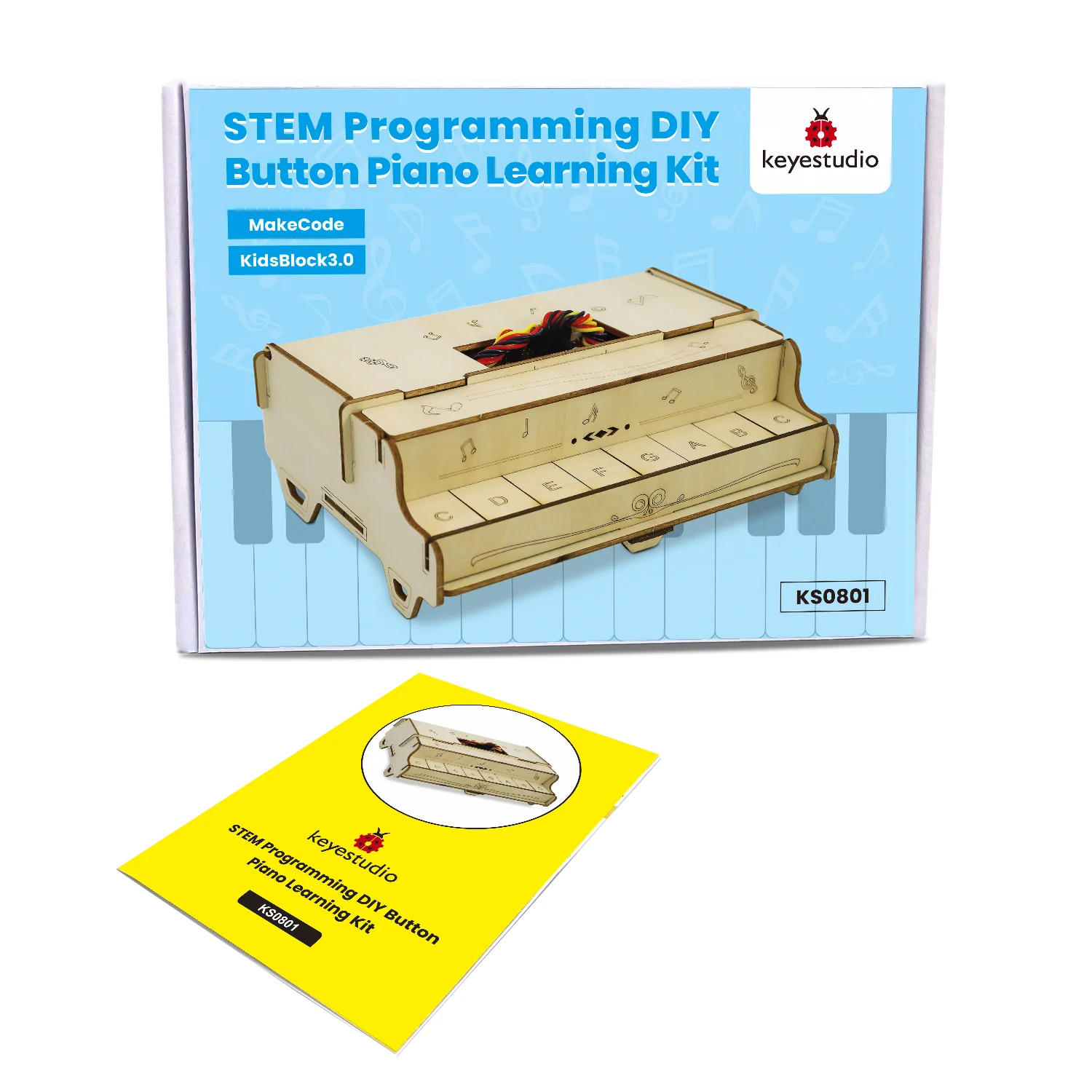
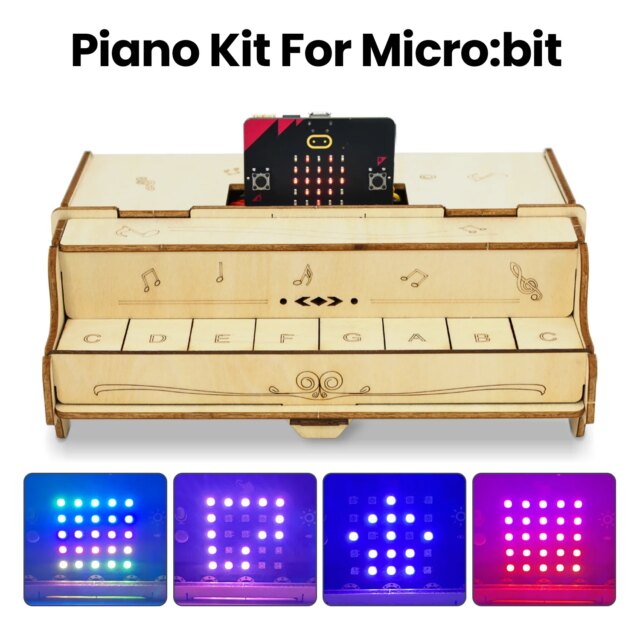
The ESP32 Smart Piano Kit an engaging STEM learning solution designed to teach electronics, programming, and sound engineering in a fun and interactive way.
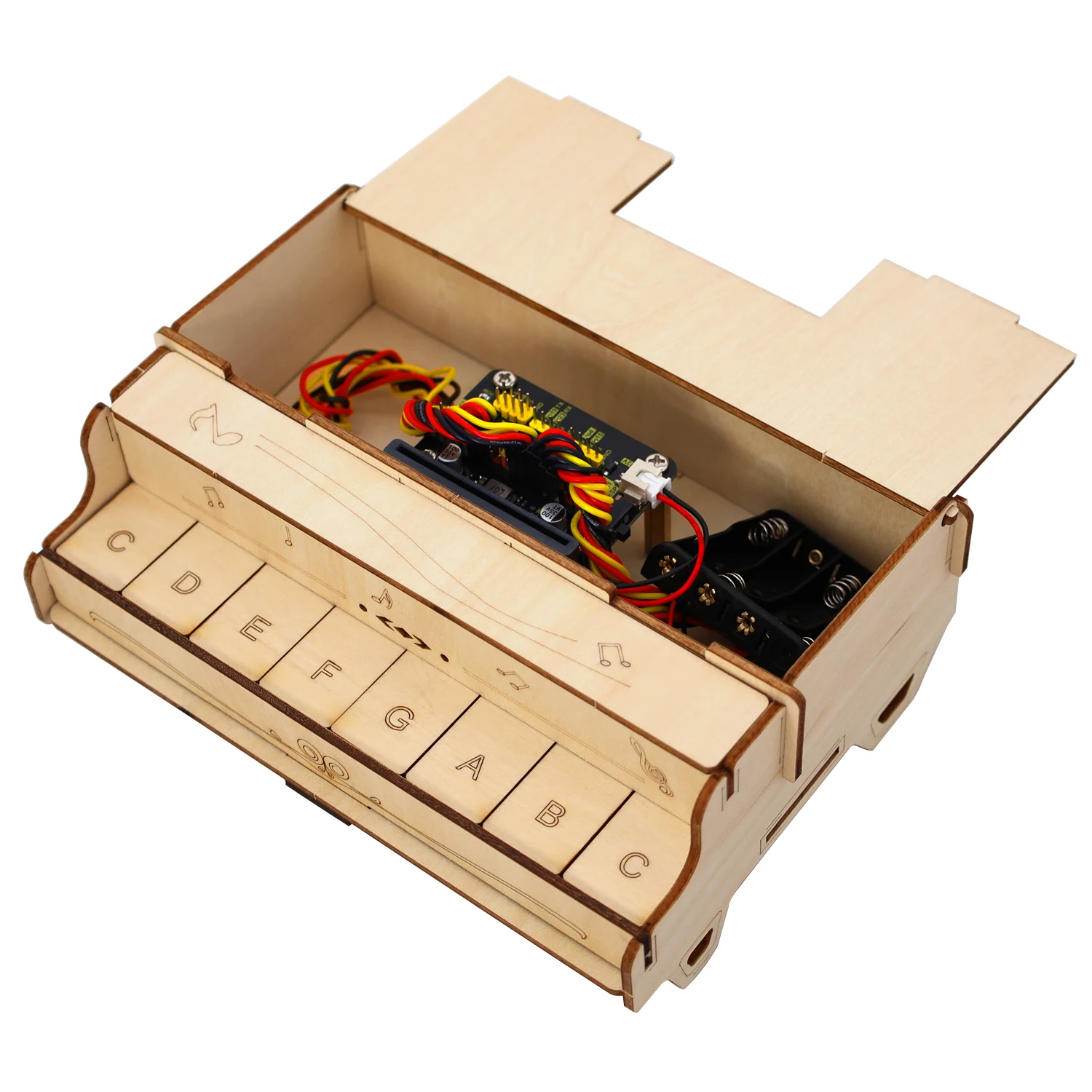
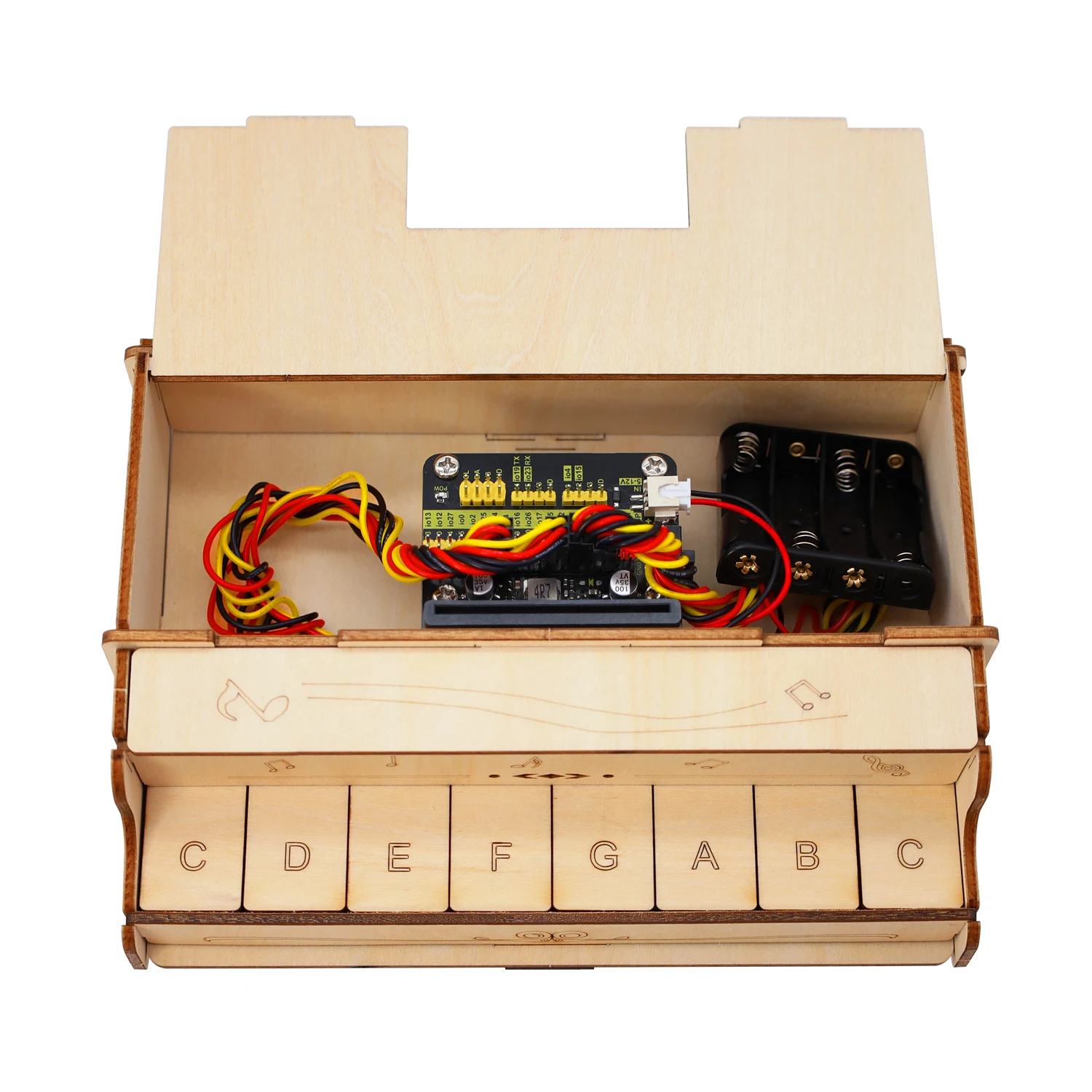
This hands-on kit allows learners to build a functional electronic piano using buttons, sensors, and a microcontroller. As a result, users can explore how digital signals create sound while developing programming skills through real-world applications.
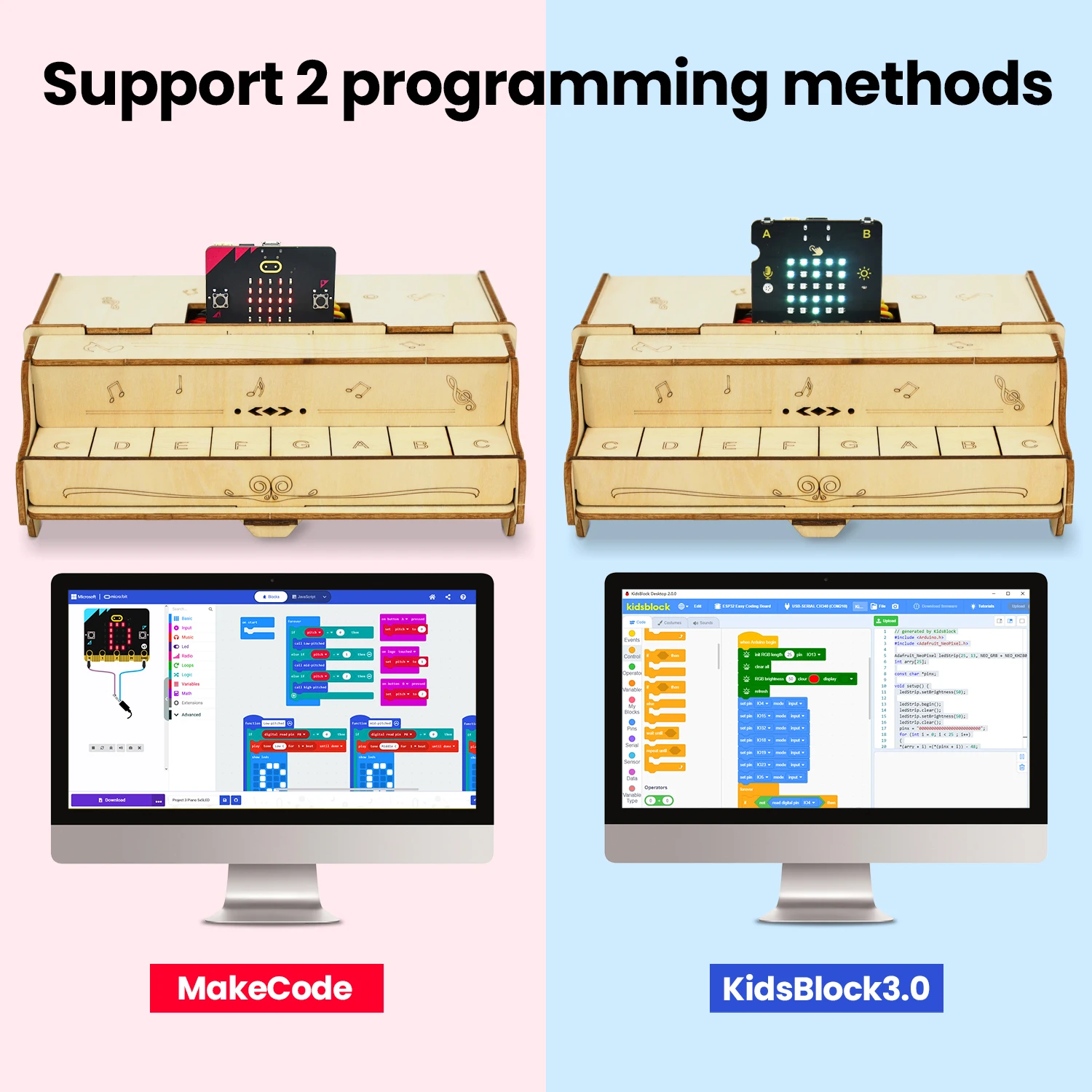
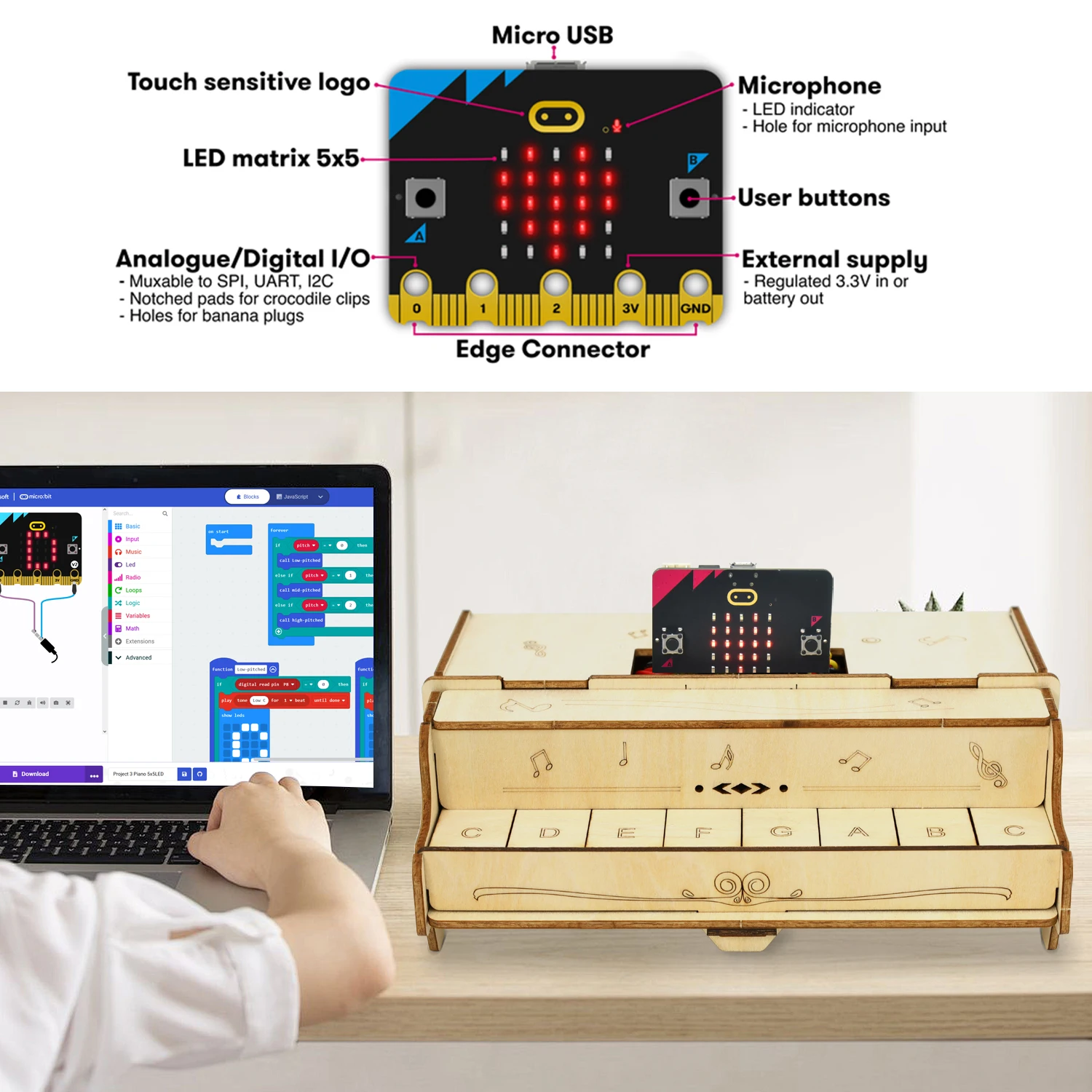
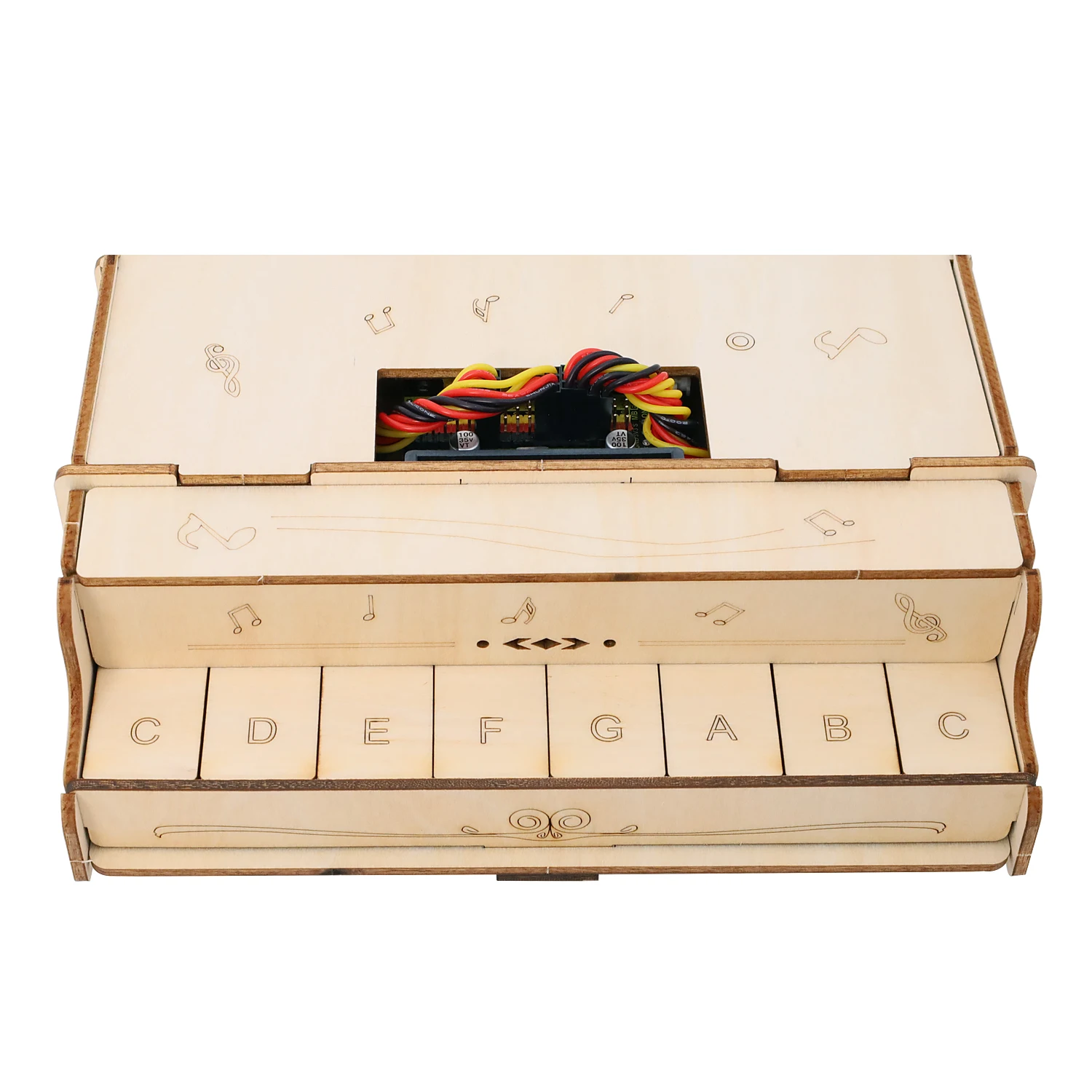
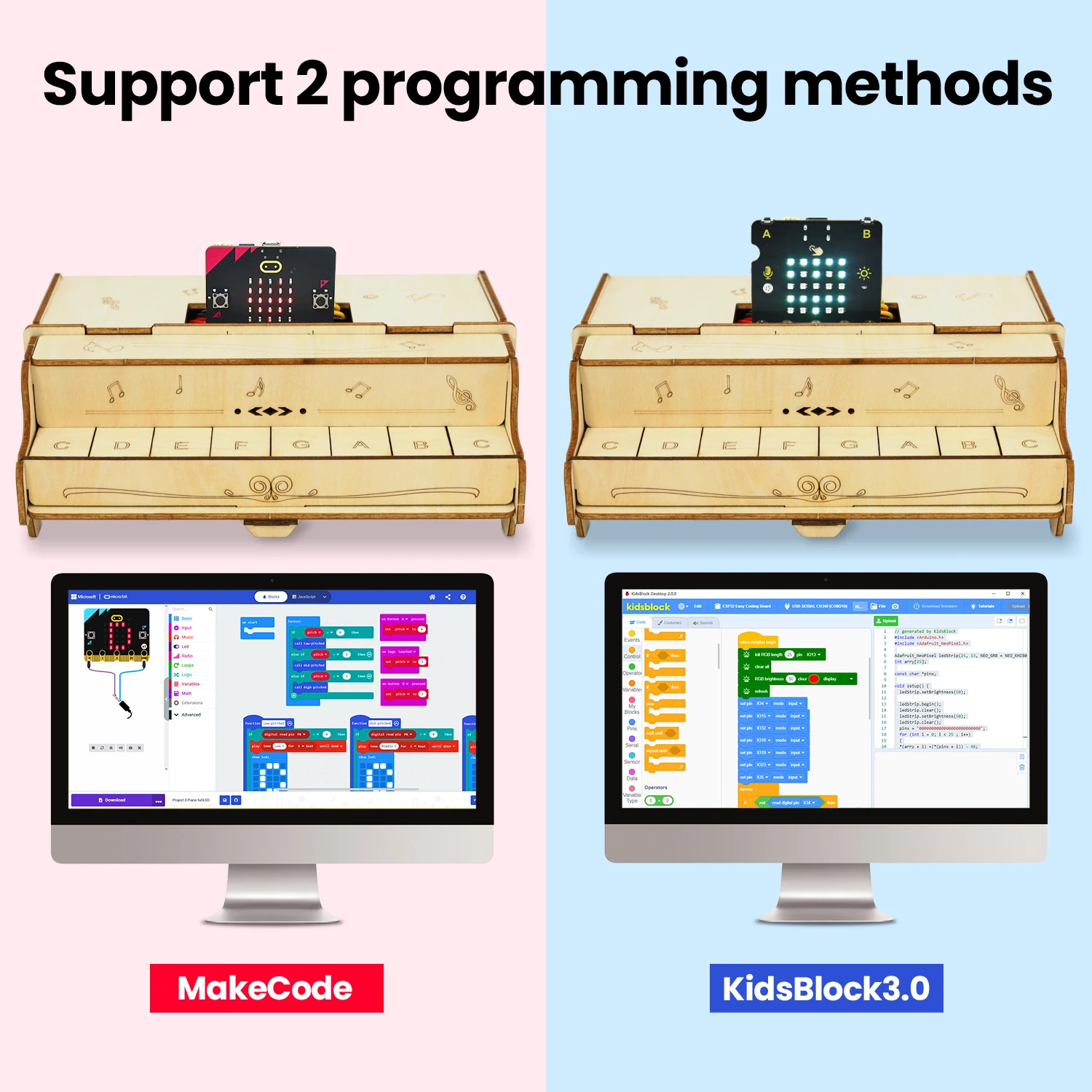
Moreover, the kit supports Arduino, MicroPython, and graphical coding platforms, making it accessible for beginners while still offering advanced possibilities. In addition, the wooden DIY structure encourages creativity and hands-on assembly, helping learners understand both hardware and software integration.
Because of its interactive design, this kit transforms abstract coding concepts into practical projects, allowing users to create, modify, and experiment with their own digital musical instruments. ESP32-based kits like this are widely used in education to combine coding with real electronics projects and experiments
Specifications
- Brand: Keyestudio
- Product Type: Smart Piano STEM Kit
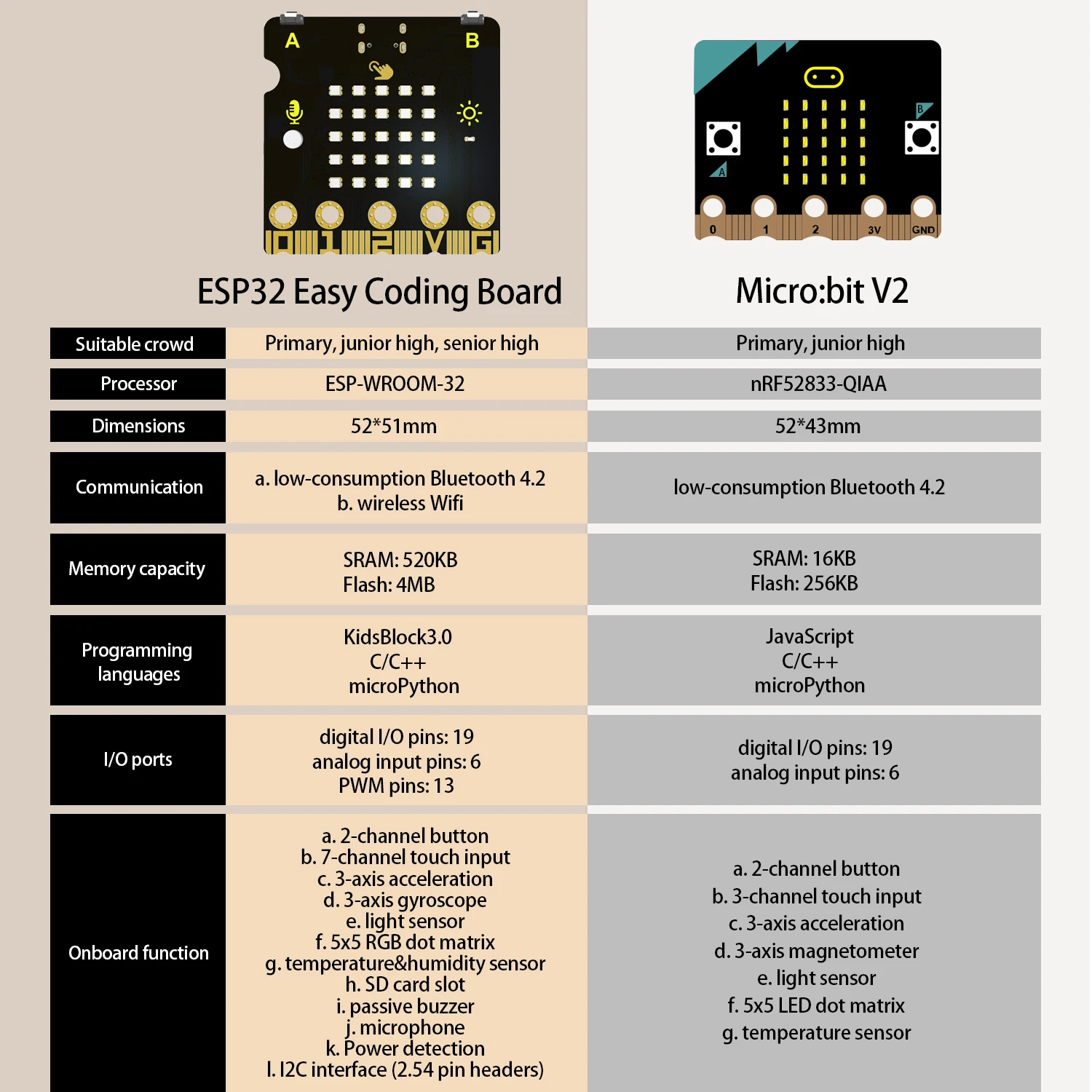
- Controller: ESP32 / Arduino compatible
- Programming: Arduino IDE (C/C++), MicroPython, KidsBlock / MakeCode
- Connectivity: USB / optional wireless support
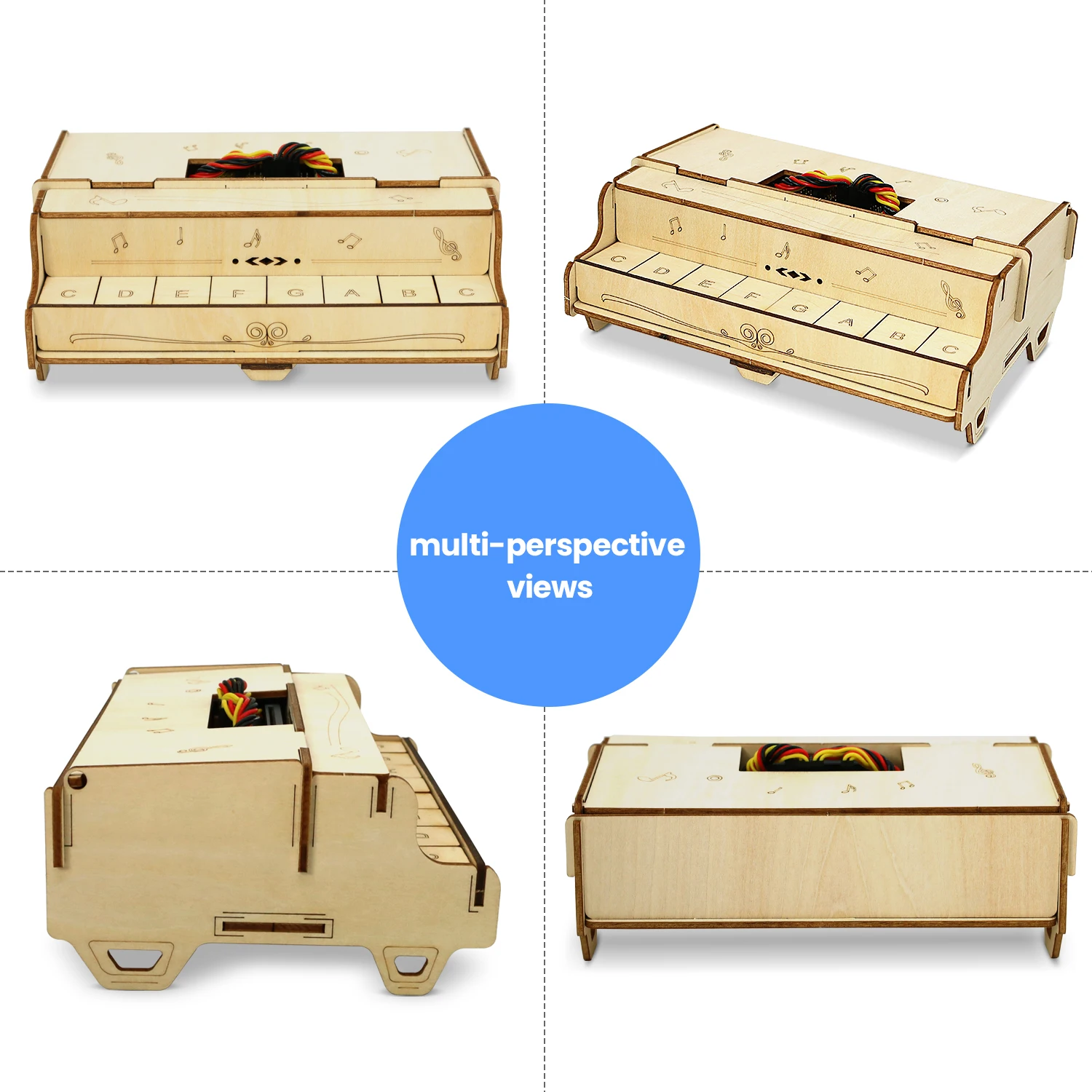
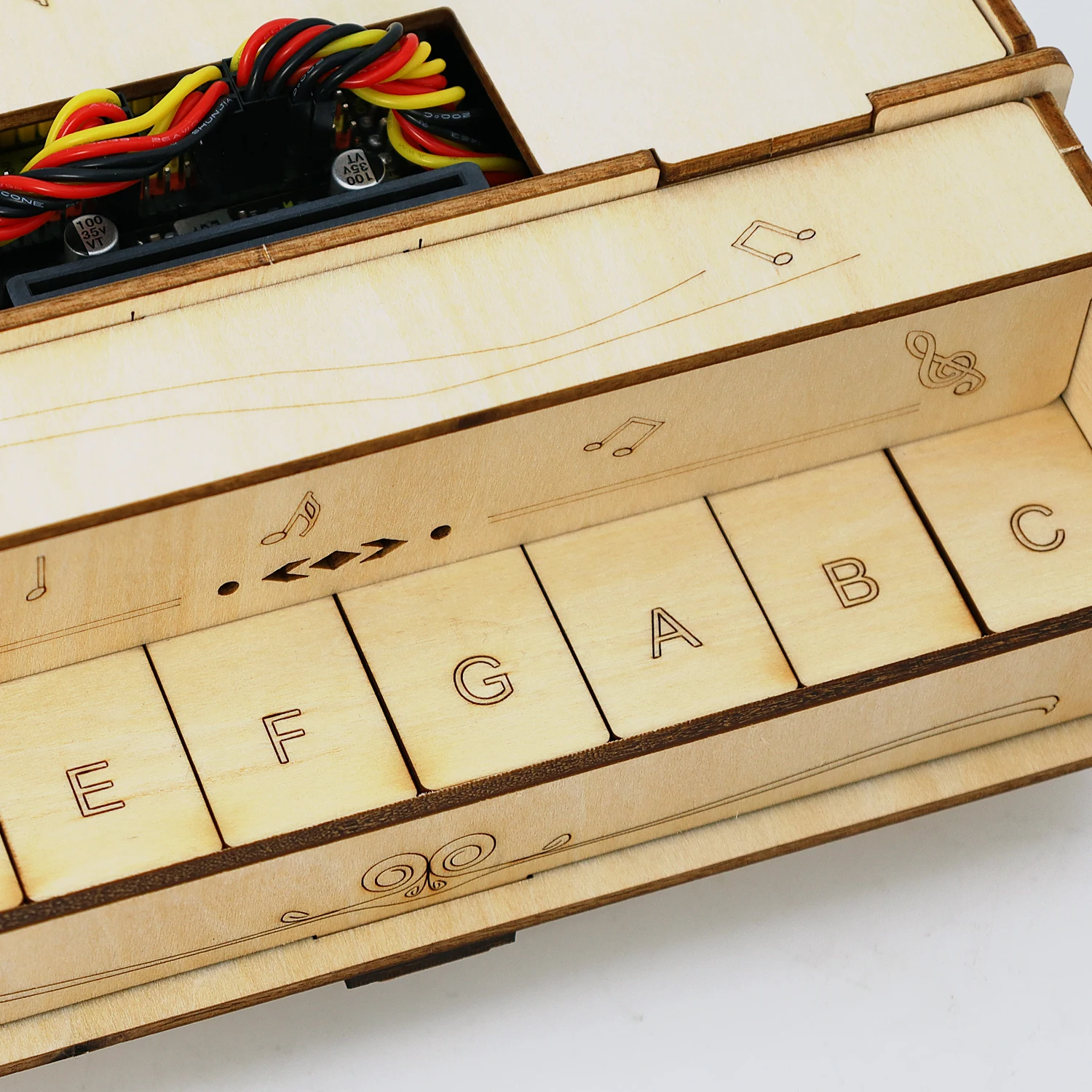
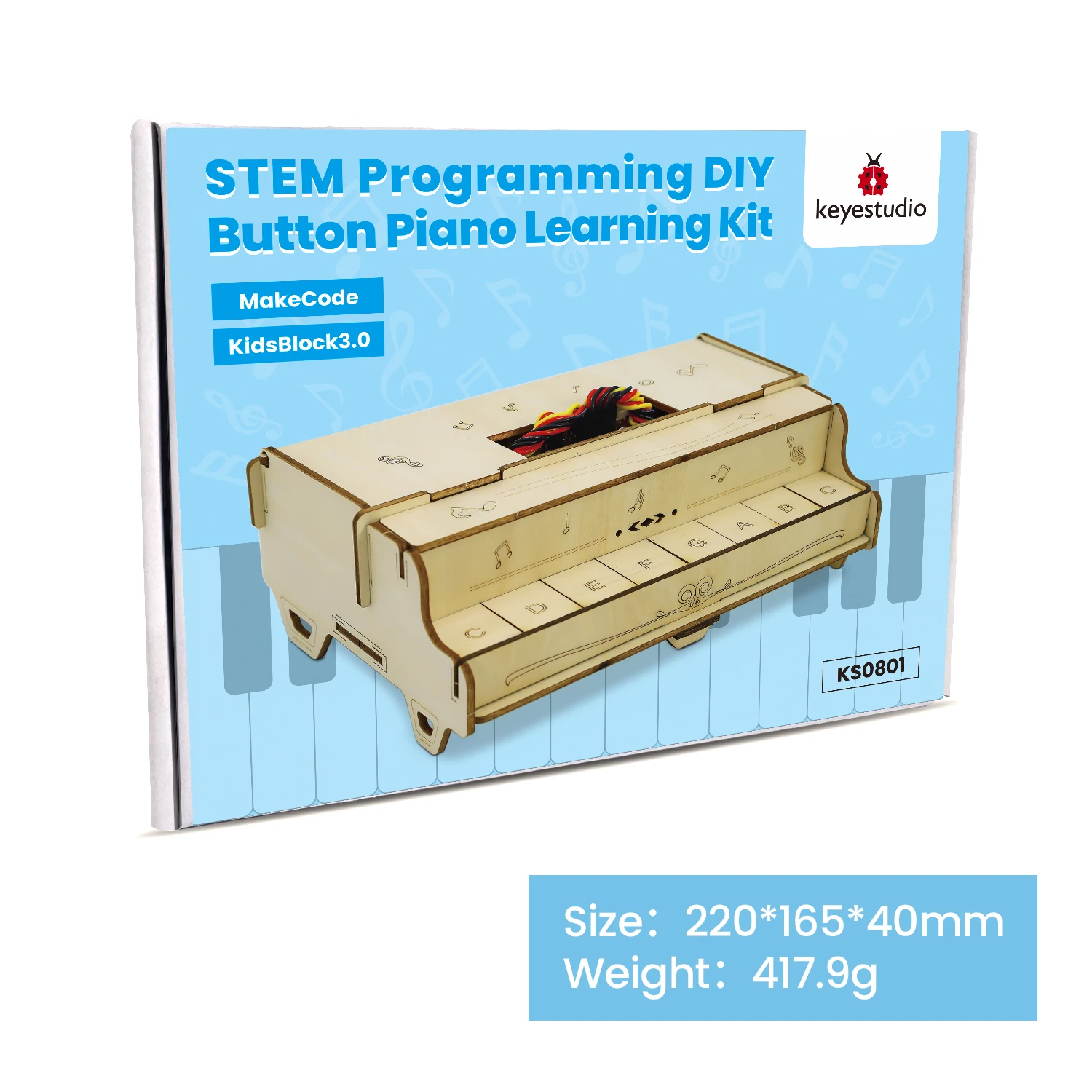
- Design: Wooden DIY piano structure
- Main Features:
- Button-based piano keys
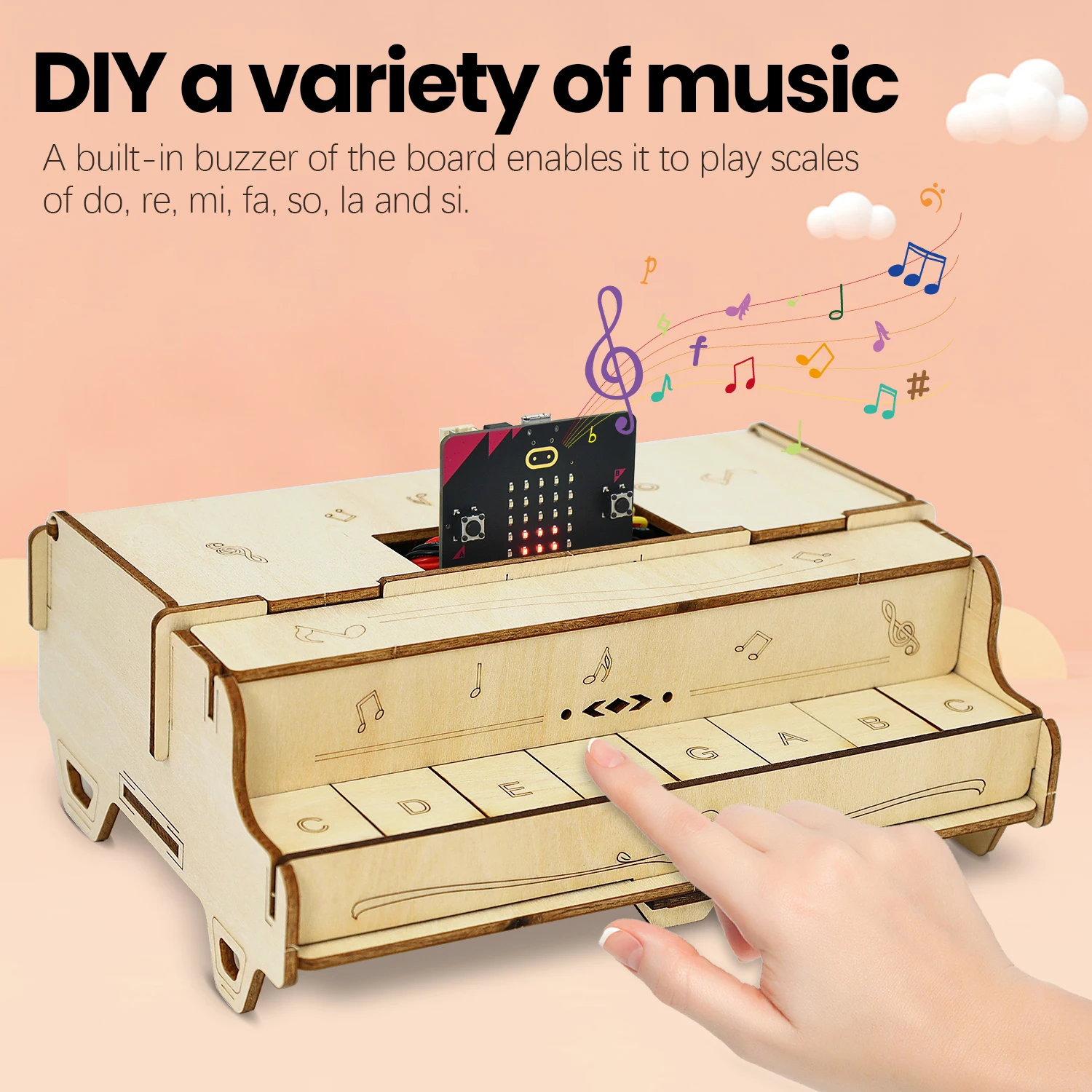
- Sound generation via buzzer/speaker
- LED matrix or display feedback
- Interactive music control
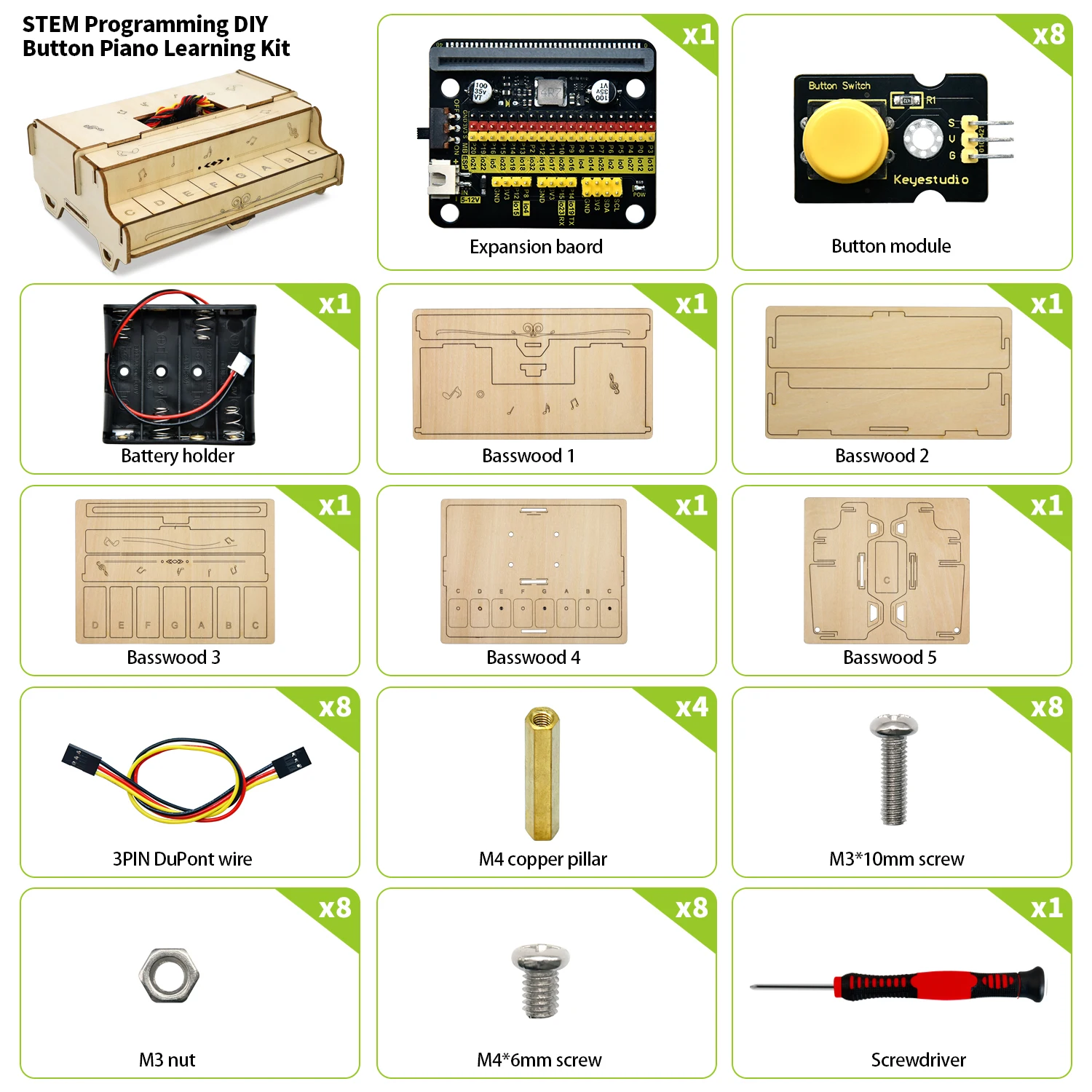
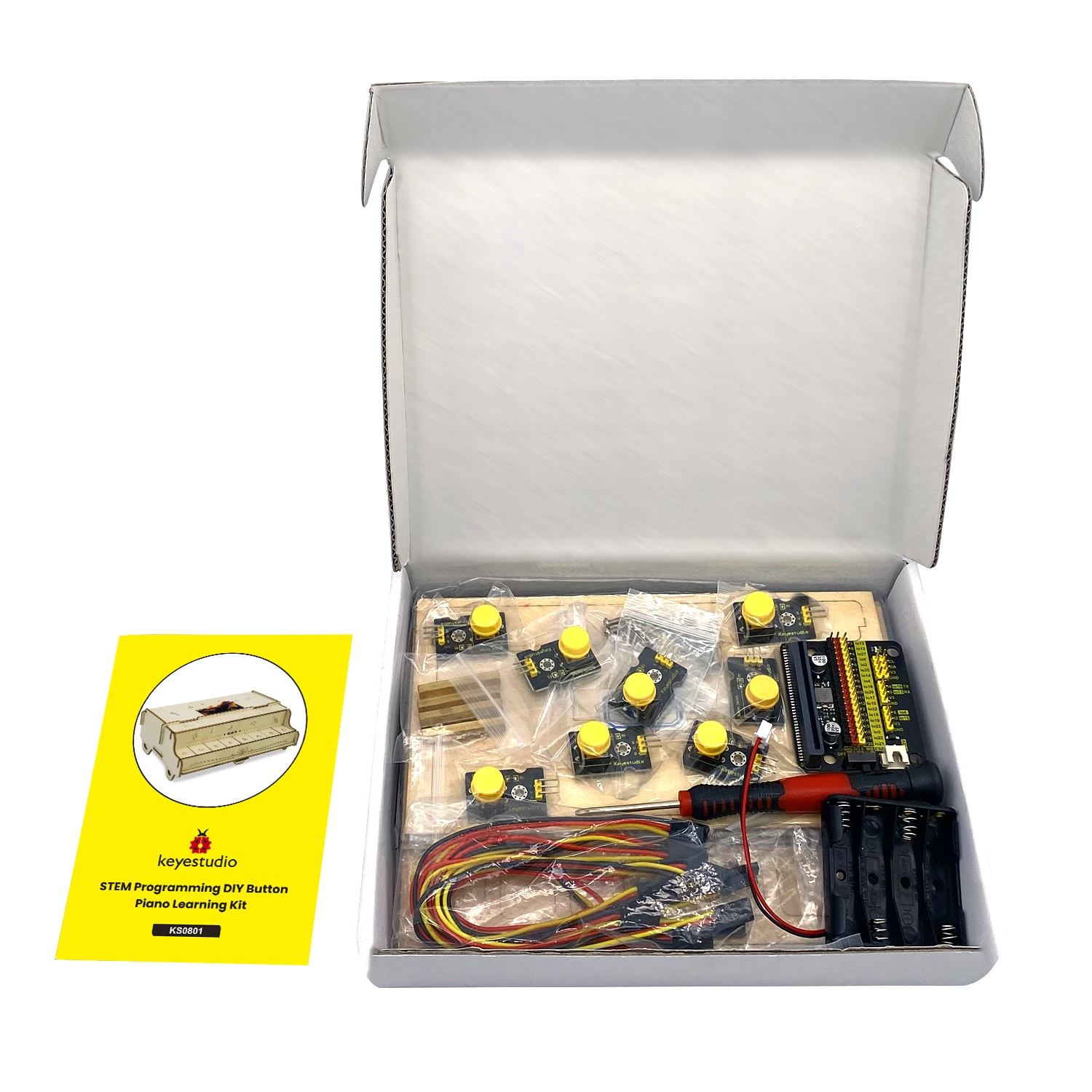
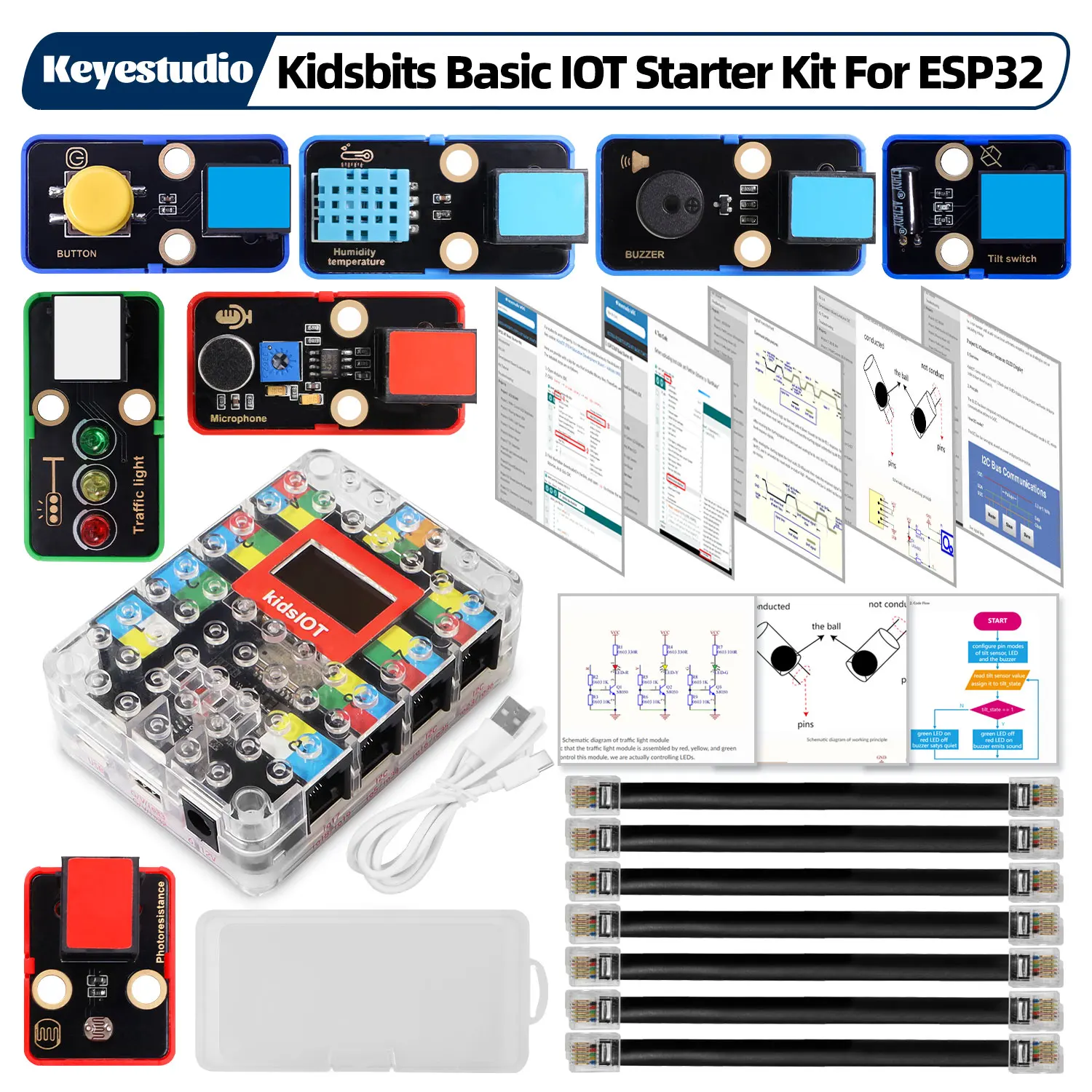
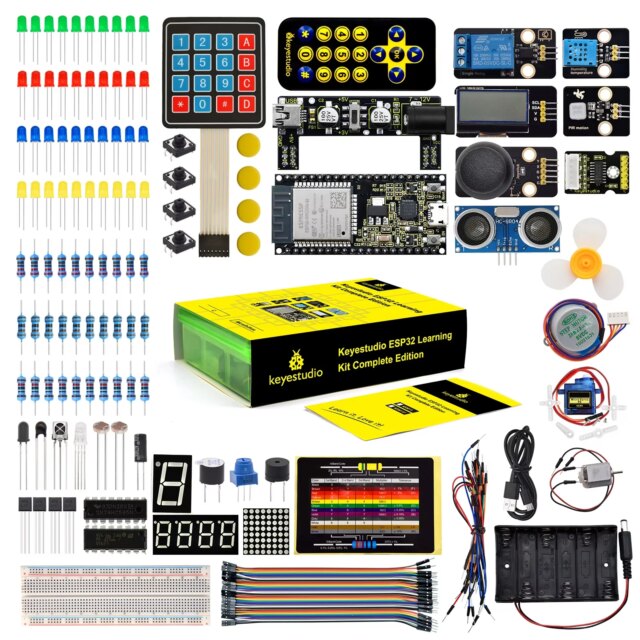
- Components Included:
- Push buttons (piano keys)
- Buzzer or sound module
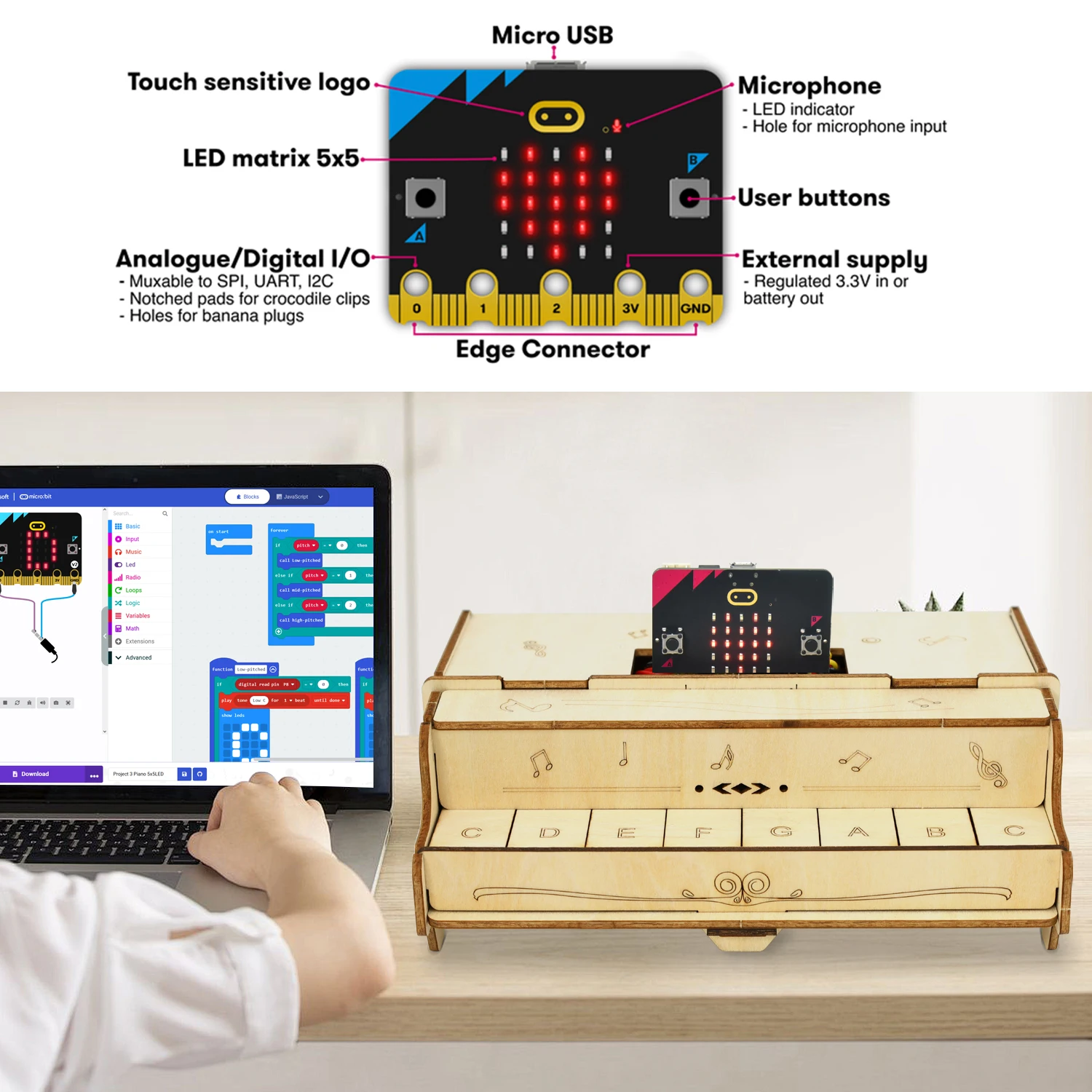
- Control board
- Display module (LED matrix)
- Connecting wires
- Learning Level: Beginner to Intermediate
- Use Case: STEM education, music technology learning, coding projects
👉 Similar ESP32-based piano kits include structured lessons and assembly guides, helping learners build and program electronic instruments step by step
📚 3. Subjects Covered (Detailed)
🎵 Music Technology & Digital Sound
Learners explore how electronic signals generate musical notes. Additionally, they understand how digital systems create and control sound.
🧠 Programming & Computational Thinking
Students learn coding using Arduino and graphical tools. As a result, they develop logic skills such as loops, conditions, and event-based programming.
🔌 Electronics & Circuit Design
The kit introduces how buttons, buzzers, and displays interact. Moreover, learners understand how circuits produce sound and visual feedback.
⚙️ Embedded Systems
Students explore how microcontrollers process inputs and generate outputs in real time. Therefore, they gain insight into modern embedded systems.
🎮 Interactive System Design
Learners design systems that respond to user input. For example, pressing a key triggers sound and visual output simultaneously.
🎓 STEM & Creative Engineering
Through hands-on building, students combine creativity with engineering skills. In addition, they learn how to design and improve functional systems.
🔧 4. Activities Performed (Detailed)
🎹 Piano Assembly & Construction
Students build a wooden electronic piano model. As a result, they understand system structure and component placement.
🔊 Sound Generation Projects
Users program the piano to produce musical notes. Additionally, they explore how frequency and signals affect sound output.
💡 LED & Display Interaction
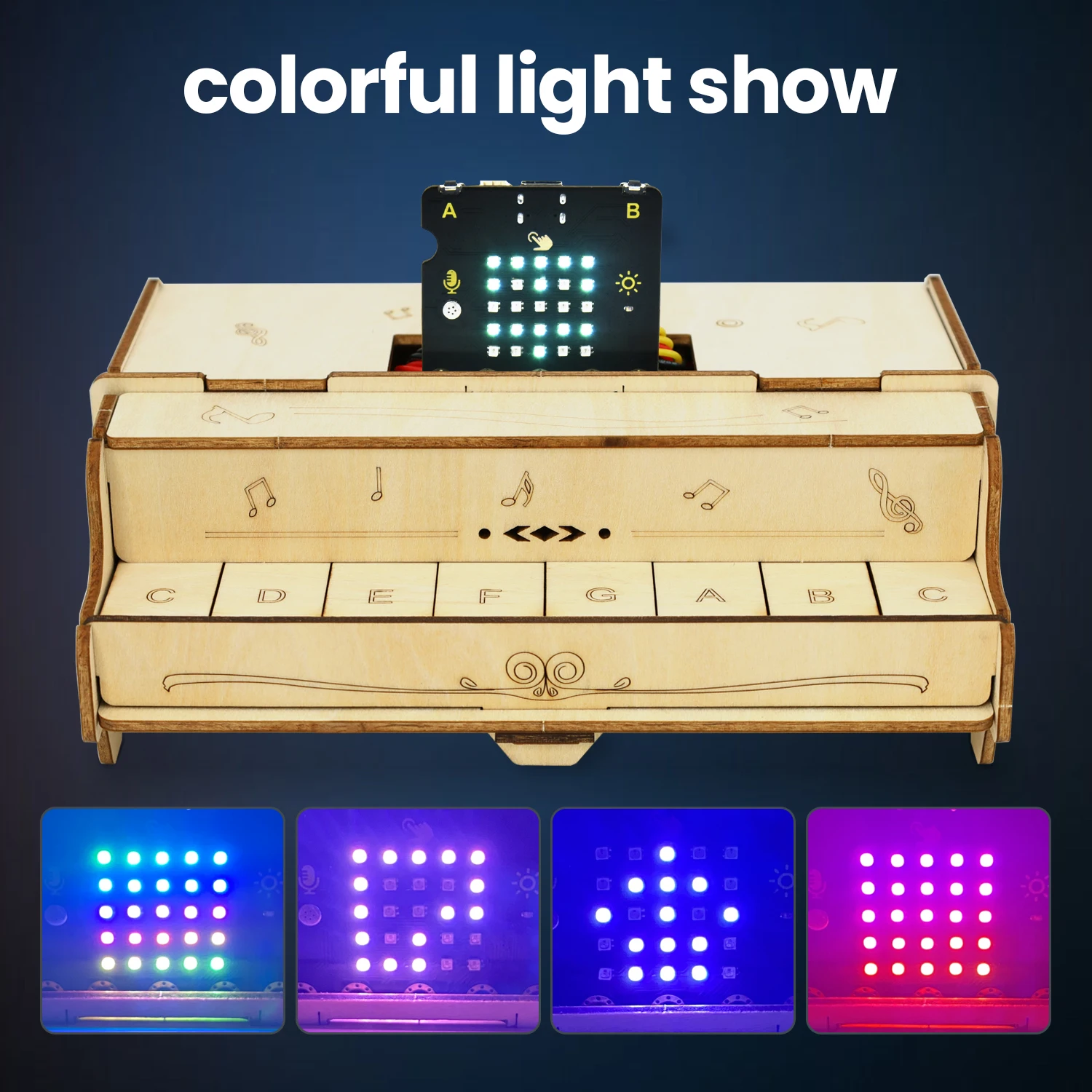
Learners create visual feedback using LED displays. Moreover, they design systems that combine sound and light.
🎮 Button-Based Interaction
Students use buttons as piano keys to control sound. Consequently, they understand how input devices trigger system responses.
⚙️ Coding & Music Programming
Users write programs to control tones, sequences, and rhythms. Therefore, they experience how software controls hardware.
🎼 Creative Music Projects
Learners compose simple melodies using code. In addition, they can customize sounds and create interactive music systems.
🧪 Experimentation & Optimization
Students modify code and hardware setup. As a result, they improve system performance and explore new features.
🎓 5. Benefits for Students & Teachers
👨🎓 For Students
Students learn coding and electronics through music, making learning more engaging and enjoyable. As a result, they better understand how technology creates real-world applications.
Moreover, the kit enhances creativity, logical thinking, and problem-solving skills.
In addition, building and programming a working piano boosts confidence and motivation.
👩🏫 For Teachers
Teachers can use this kit to introduce coding and electronics in a creative way. Therefore, lessons become more interactive and memorable.
Additionally, it supports project-based learning, increasing student engagement.
Furthermore, it connects STEM education with art and music, creating a more inclusive learning experience.