Micro:bit Smart Colorful Lamp Kit
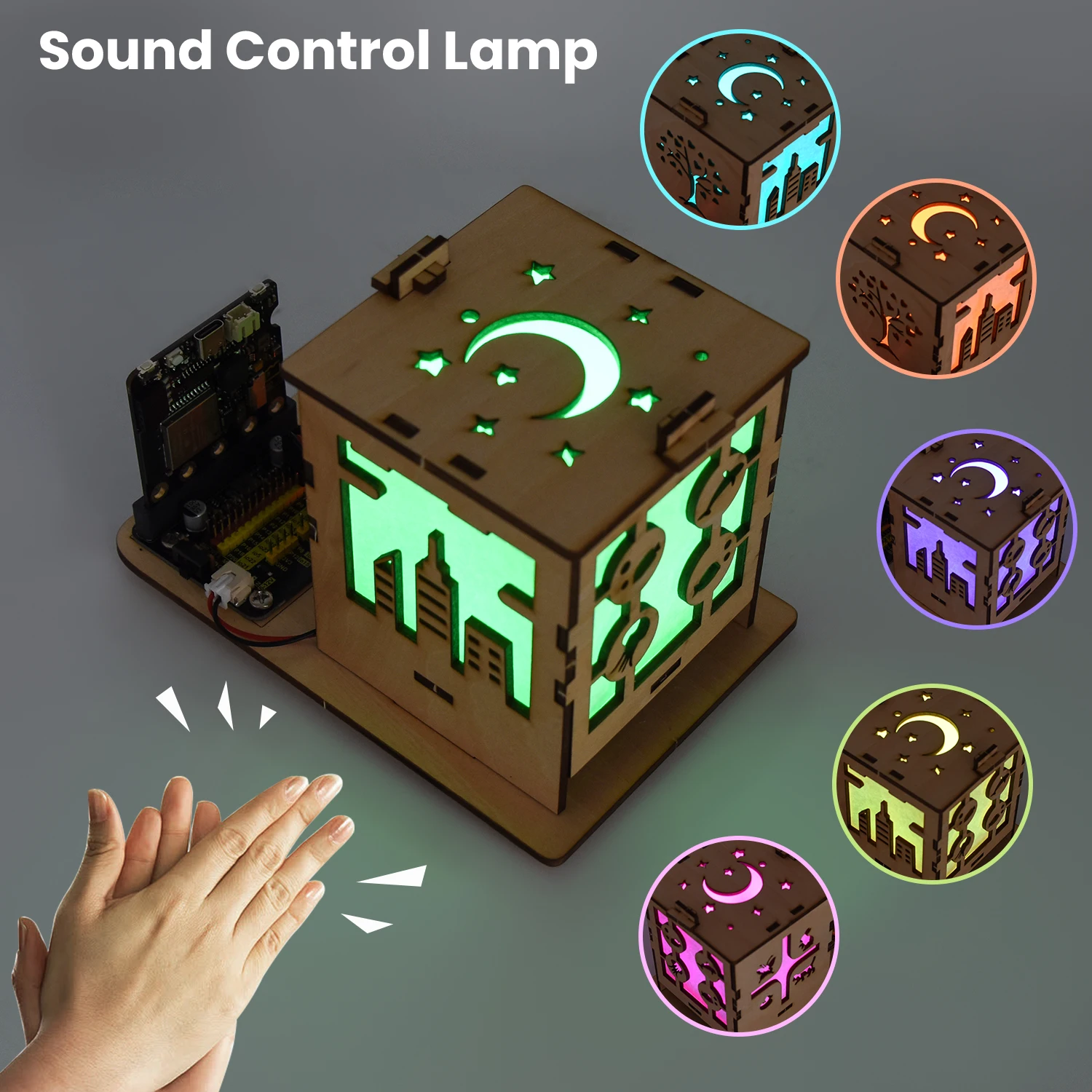
Micro:bit Smart Colorful Lamp Kit, an engaging STEM learning tool designed to turn programming into a visual and interactive experience.
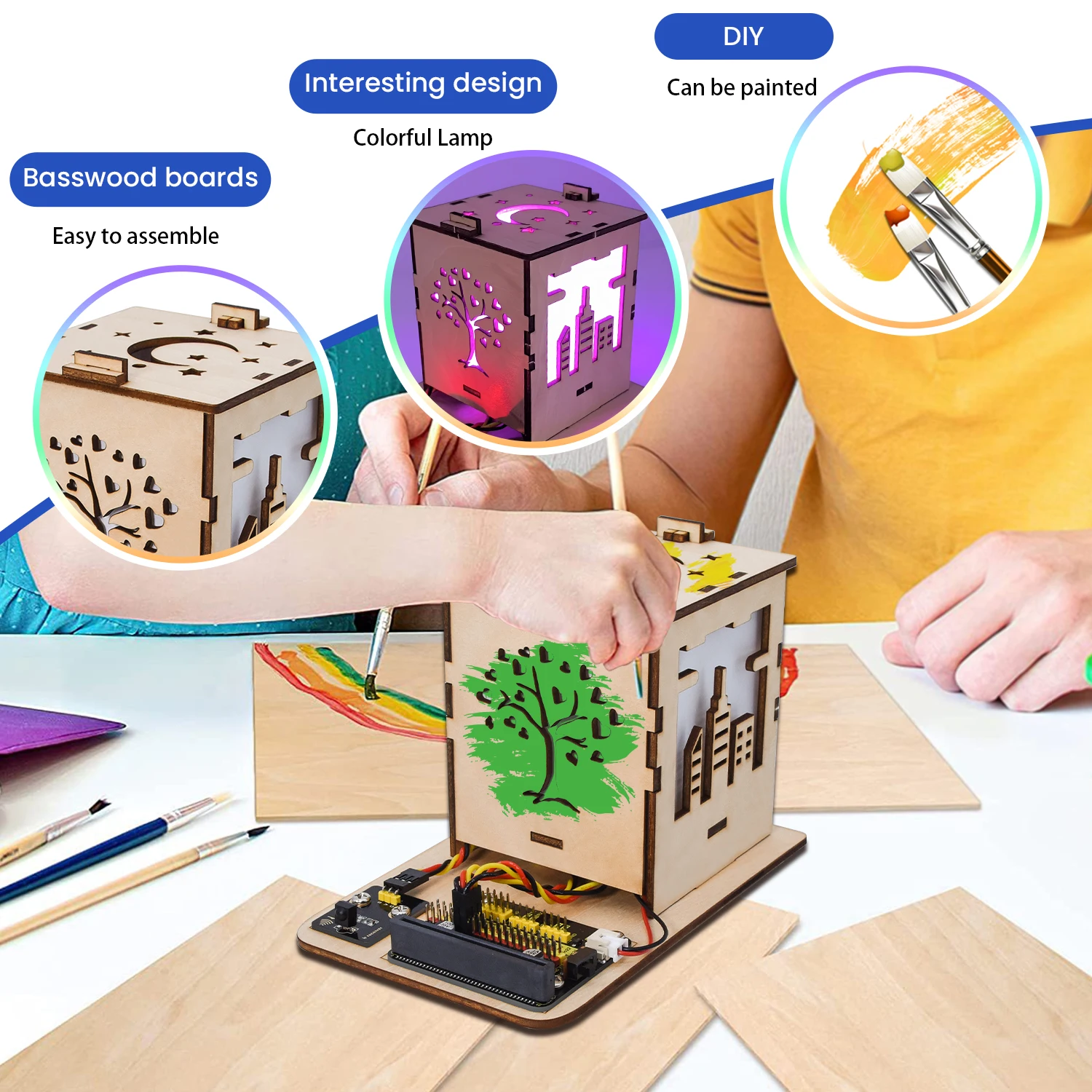
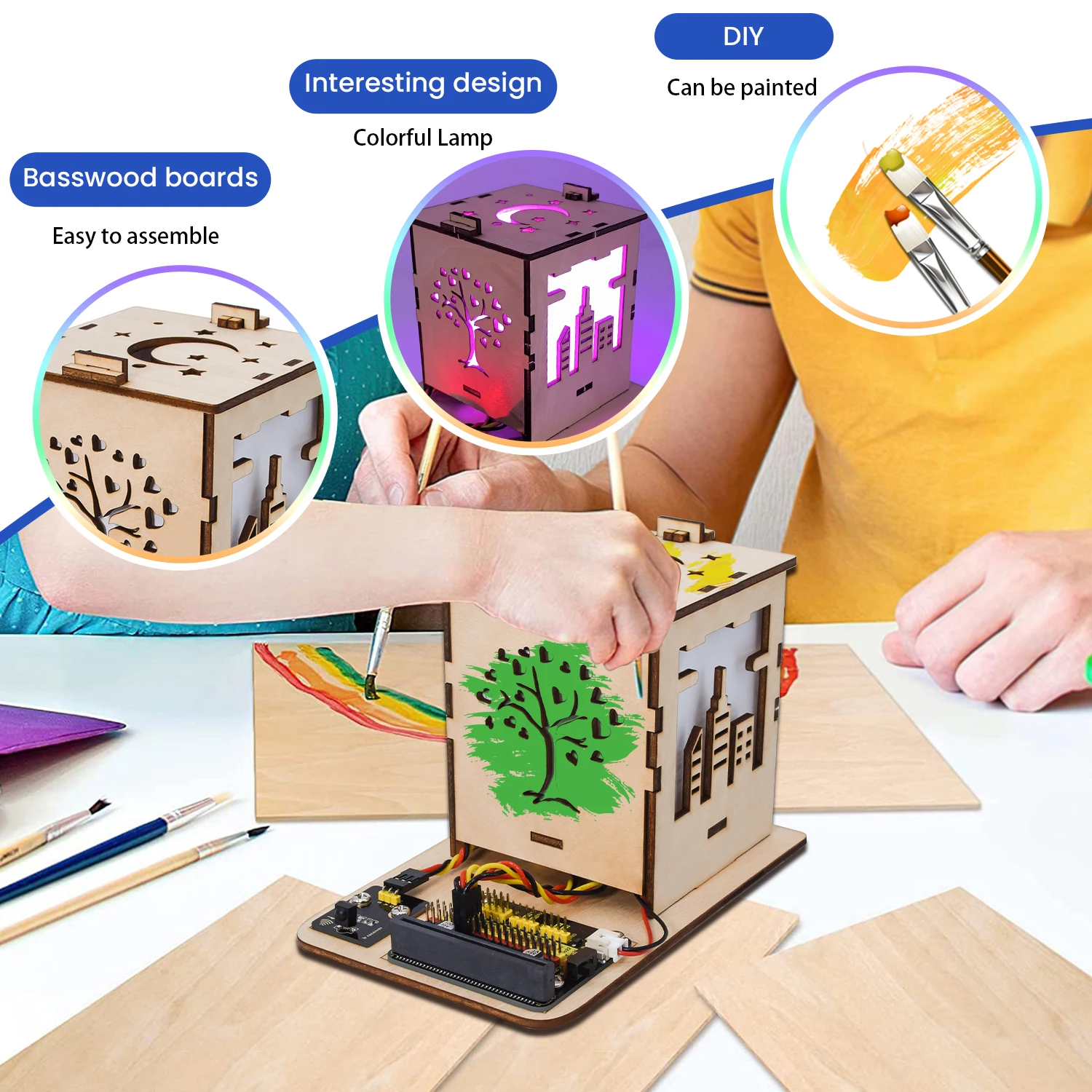
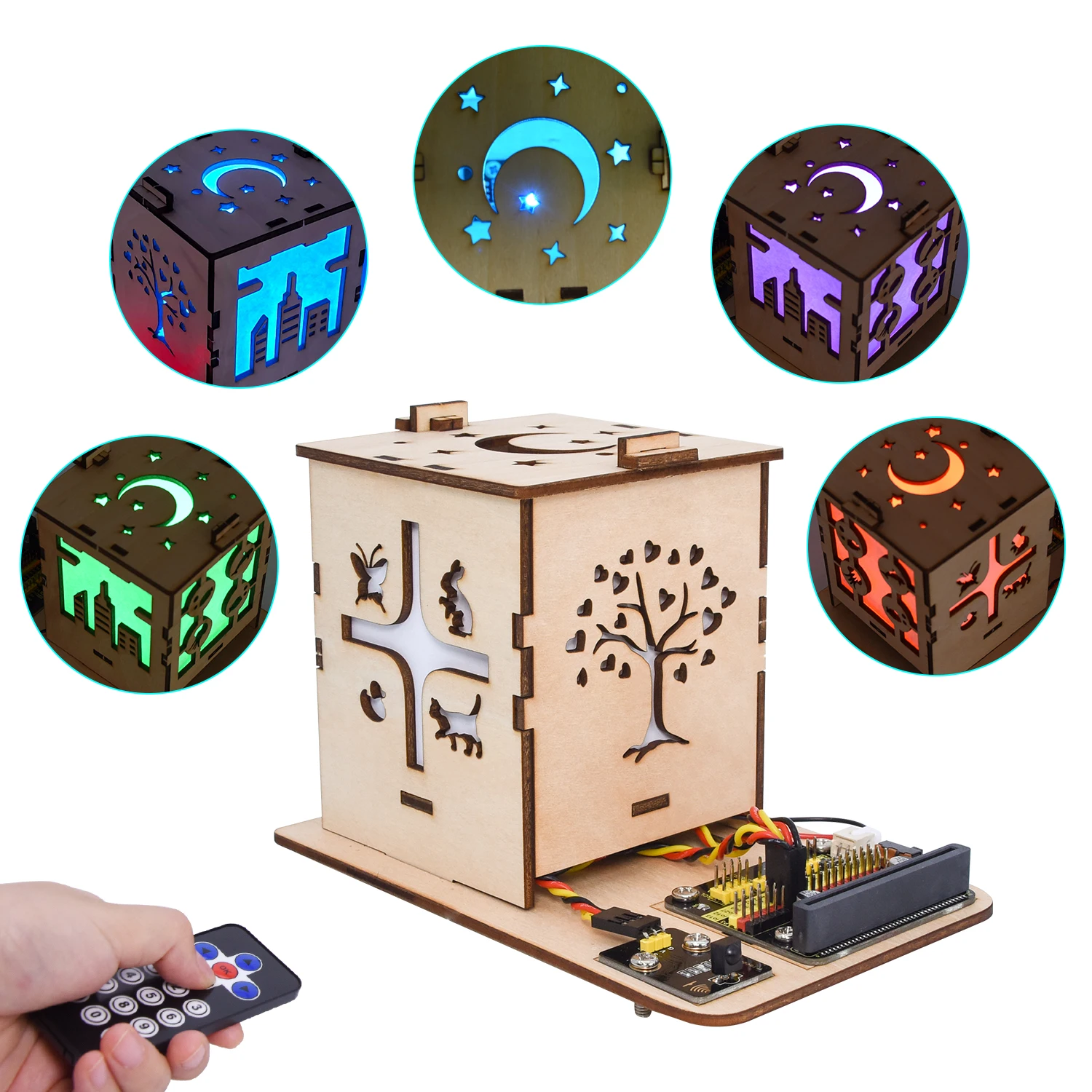
This DIY kit allows learners to build a customizable colorful lamp that reacts to code, producing dynamic lighting effects and patterns. As a result, users can immediately see how programming commands translate into real-world outputs.
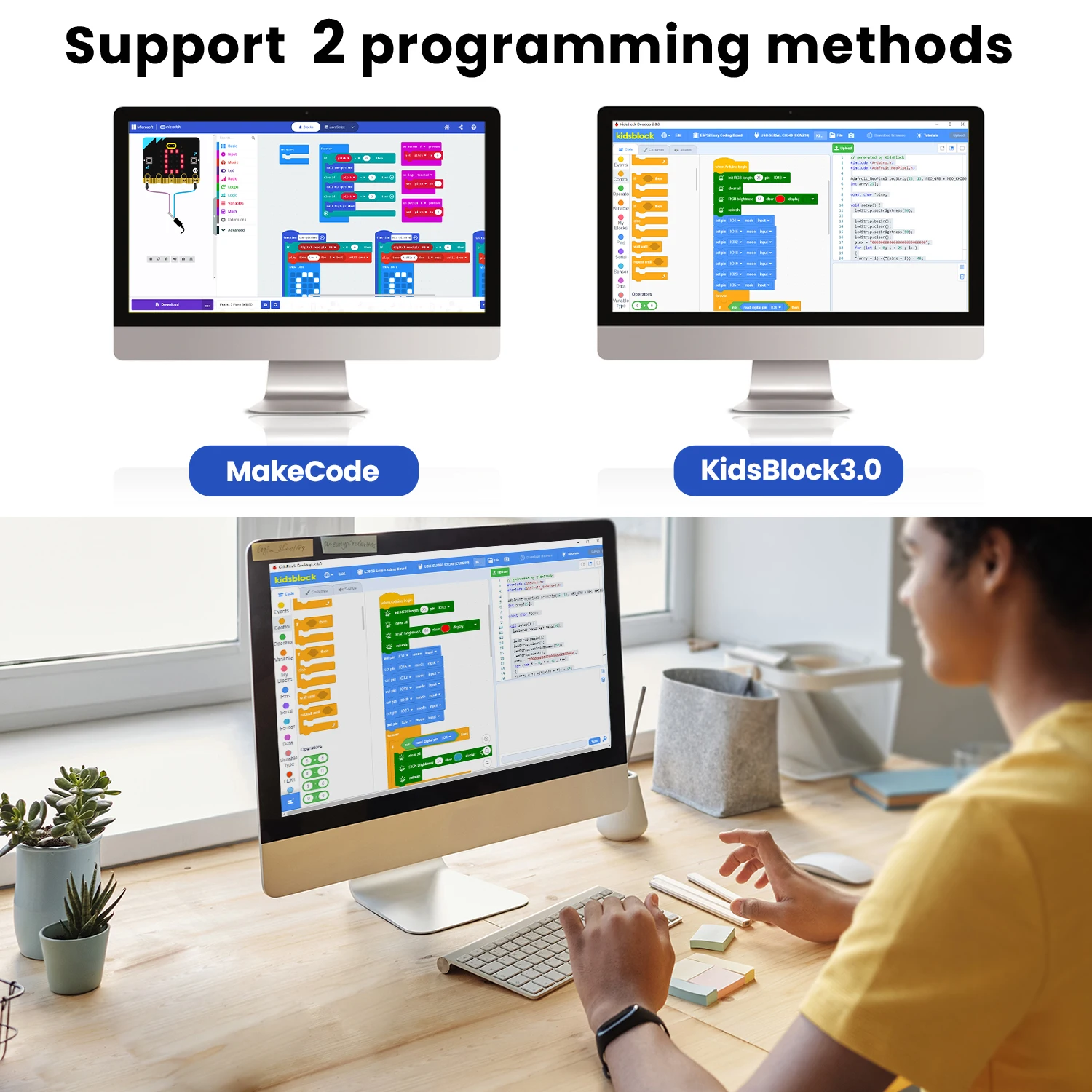
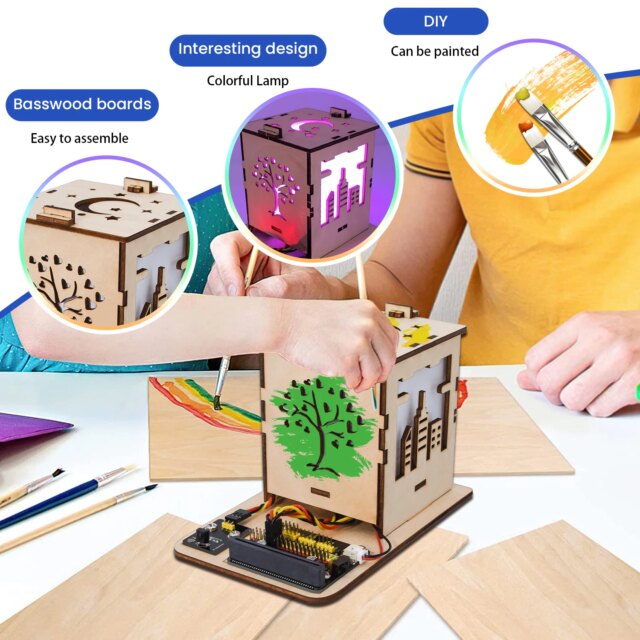
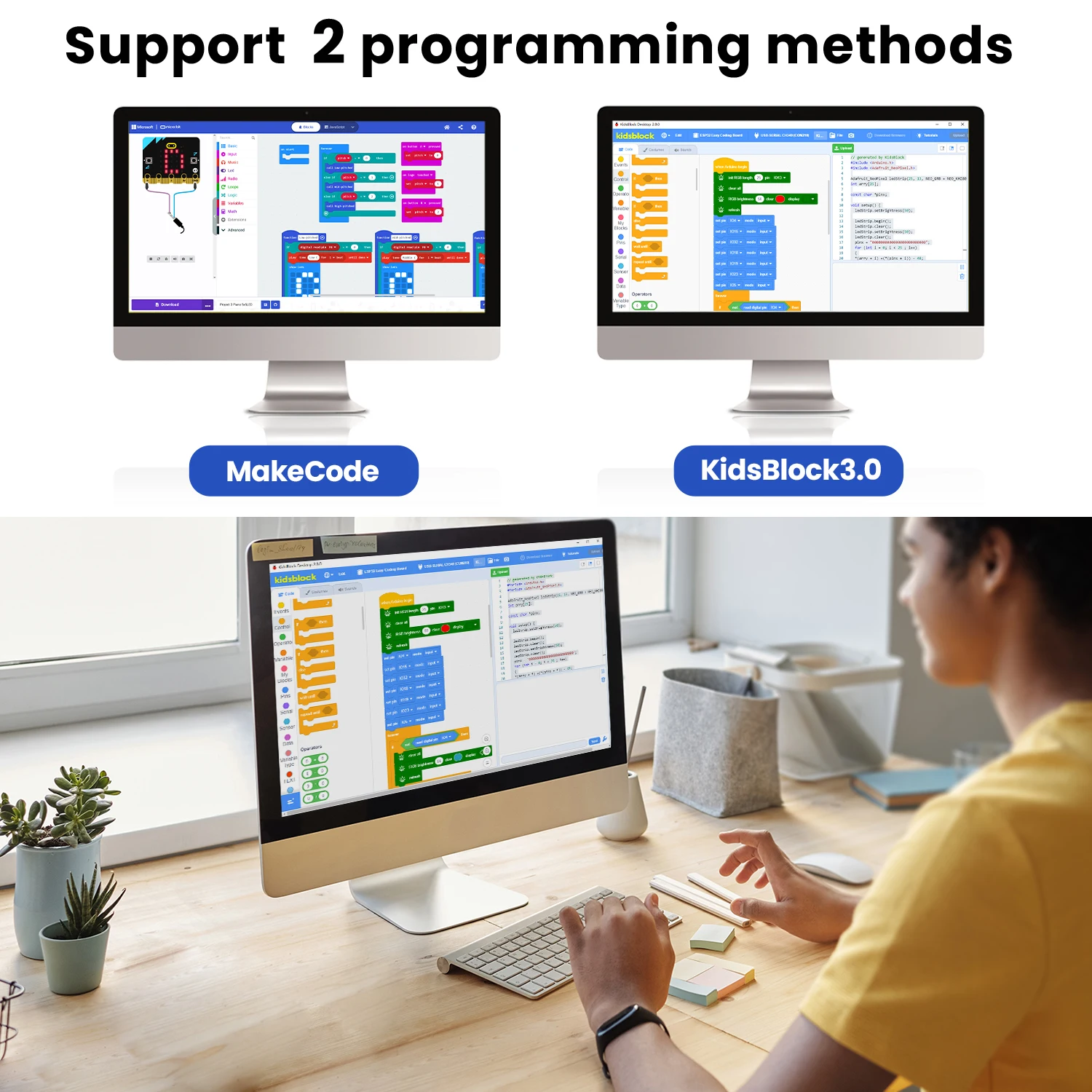
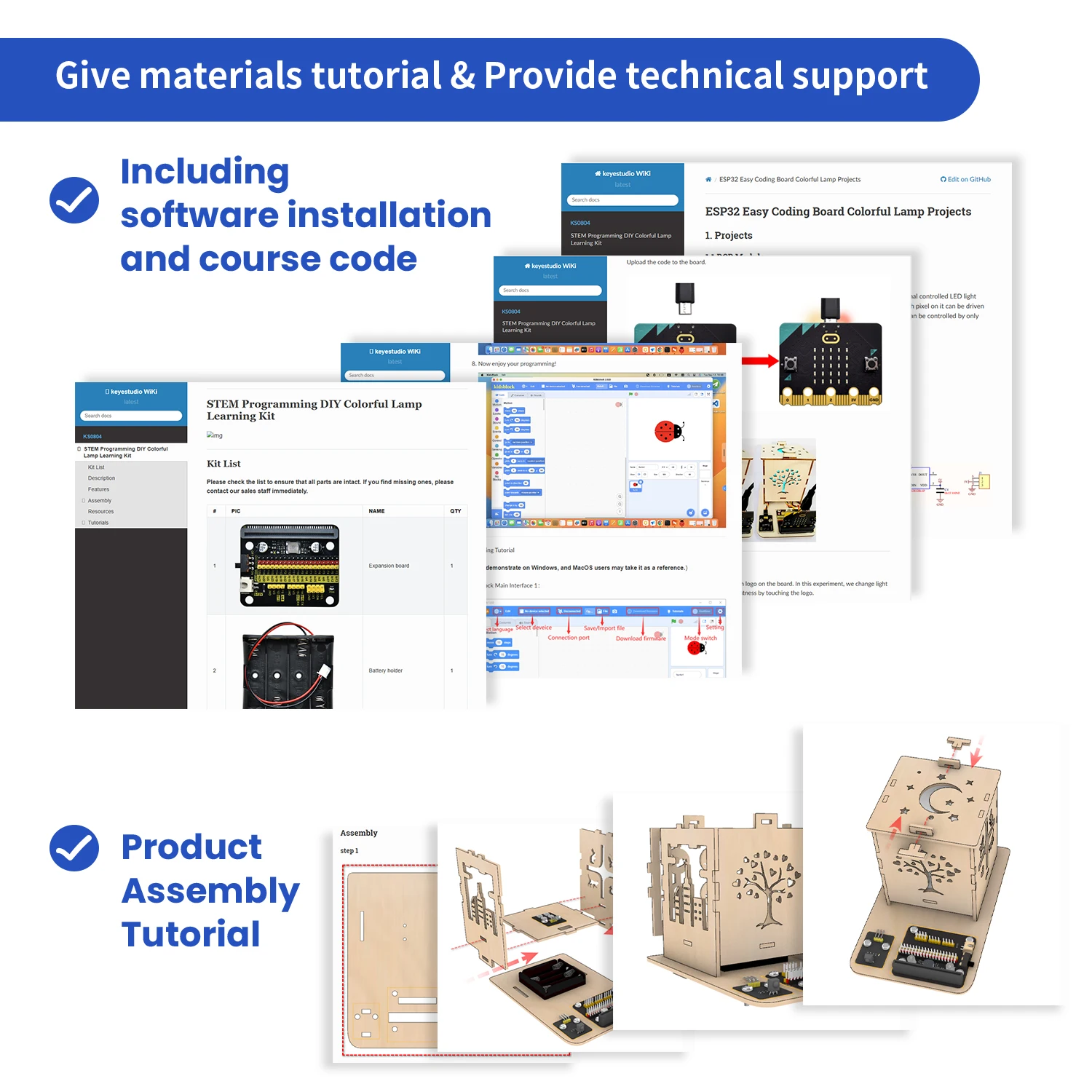
Moreover, the kit supports MakeCode, KidsBlock, and Arduino-based programming, making it ideal for beginners while still offering advanced customization. In addition, the wooden structure can be painted and personalized, encouraging creativity alongside technical learning.
Because it integrates light effects with coding, this kit provides a unique way to explore programming concepts through visual feedback and hands-on experimentation.
Specifications
- Brand: Keyestudio
- Product Type: DIY Smart Lamp STEM Kit
- Controller: Micro:bit V2 compatible (optional inclusion)
- Programming: MakeCode, KidsBlock, Arduino
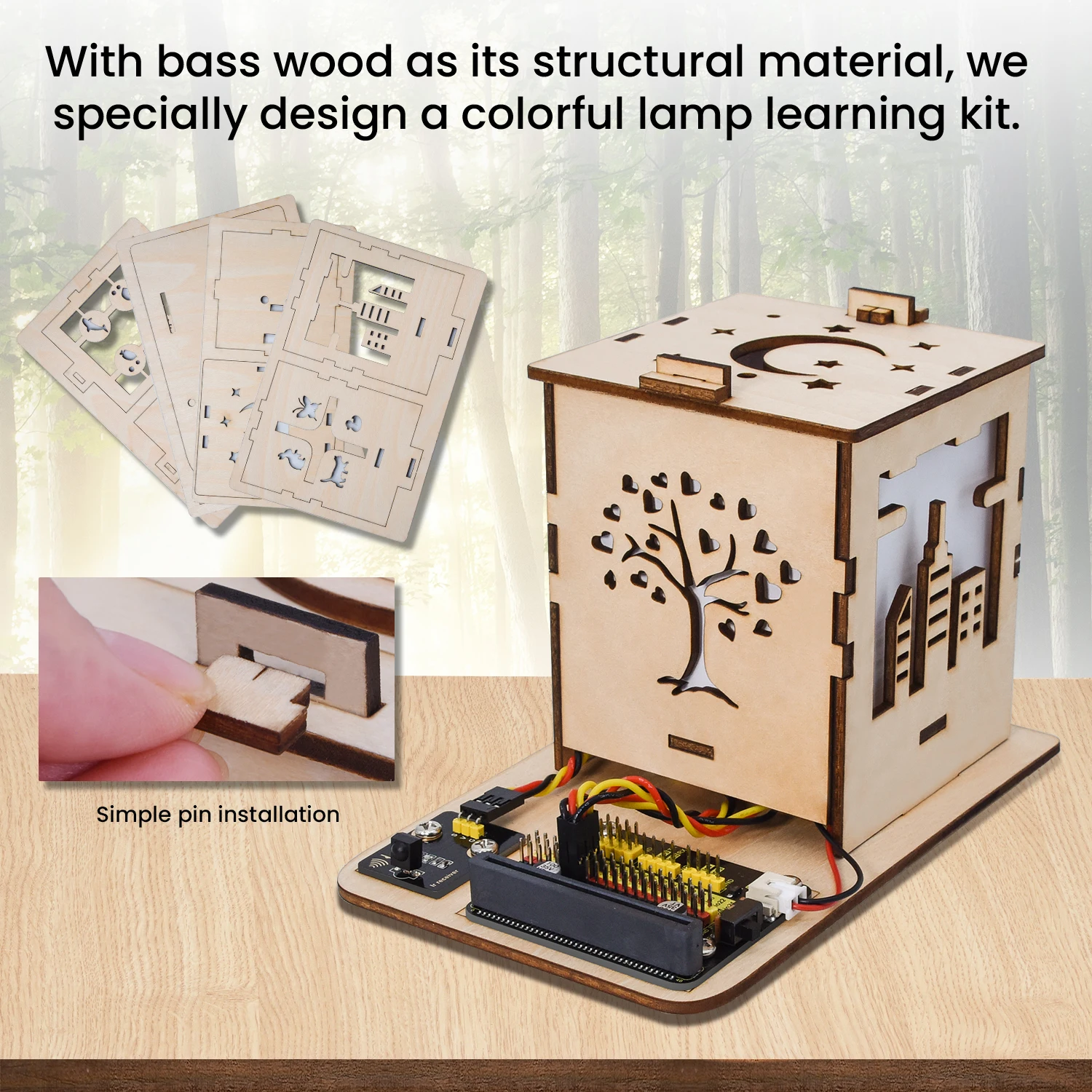
- Design: Wooden DIY lamp structure (paintable)
- Main Features:
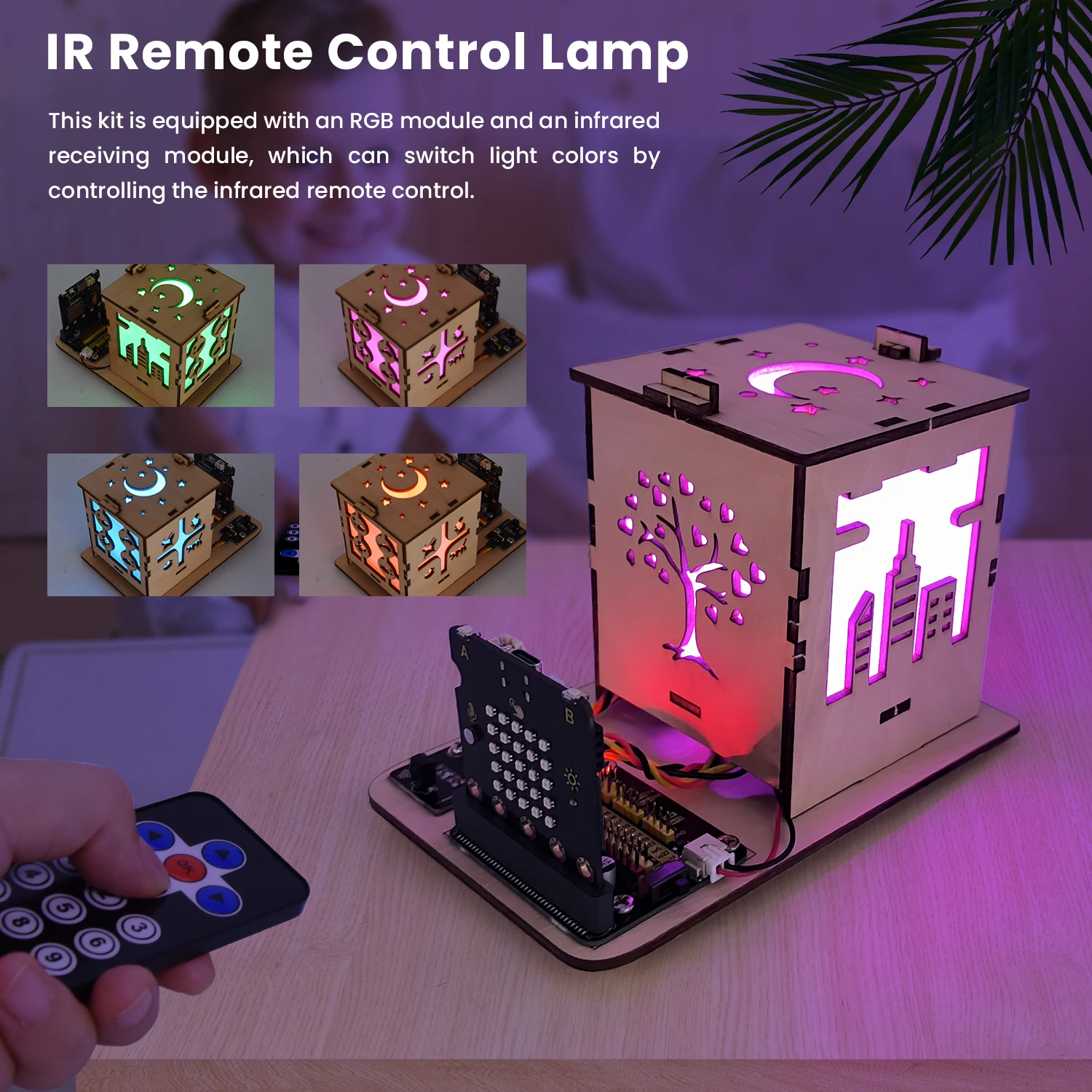
- Color-changing LED lighting
- Programmable light effects
- Interactive control via coding
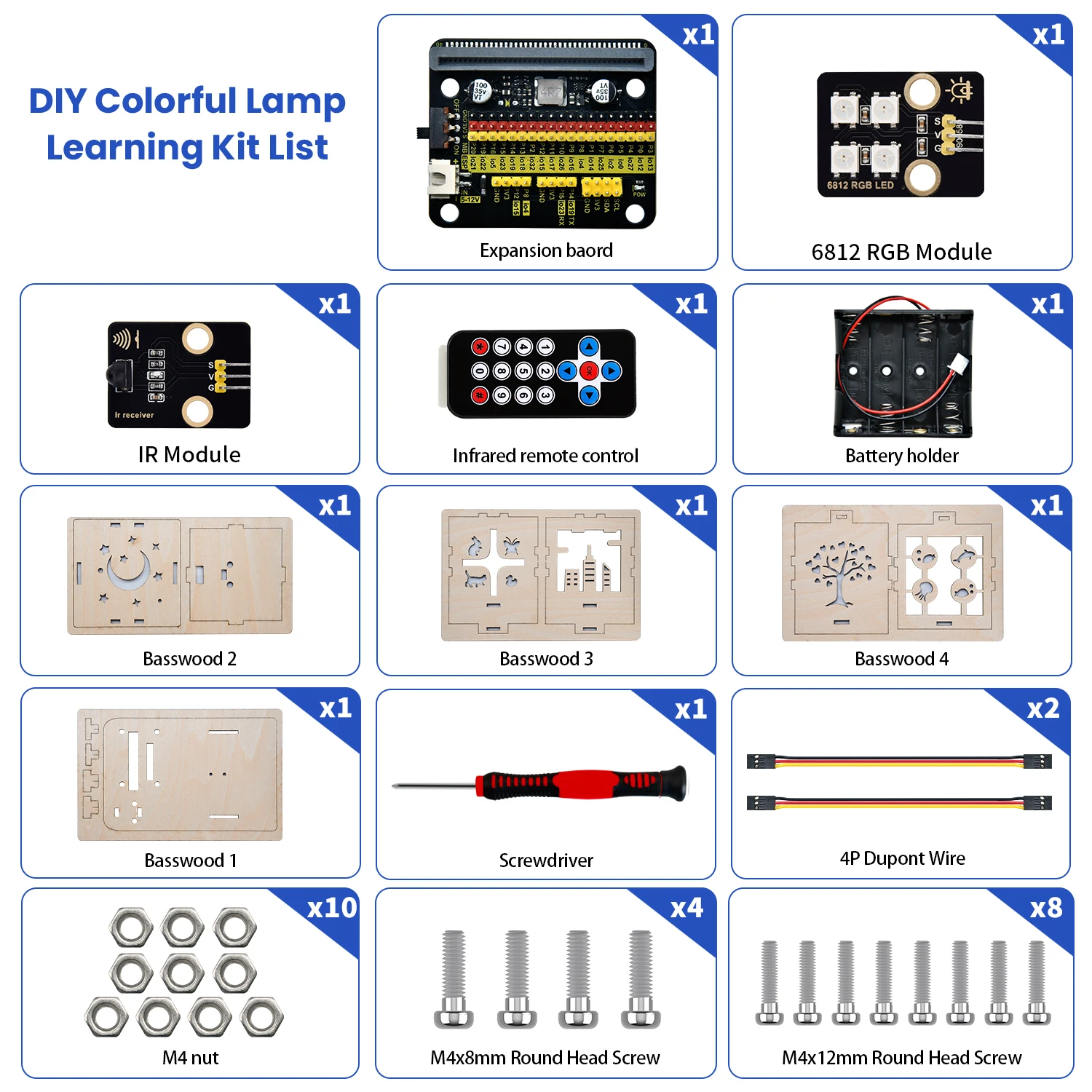
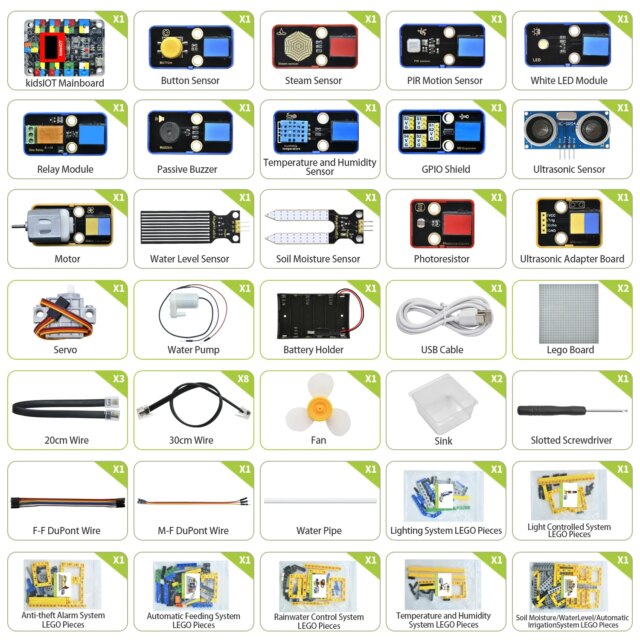
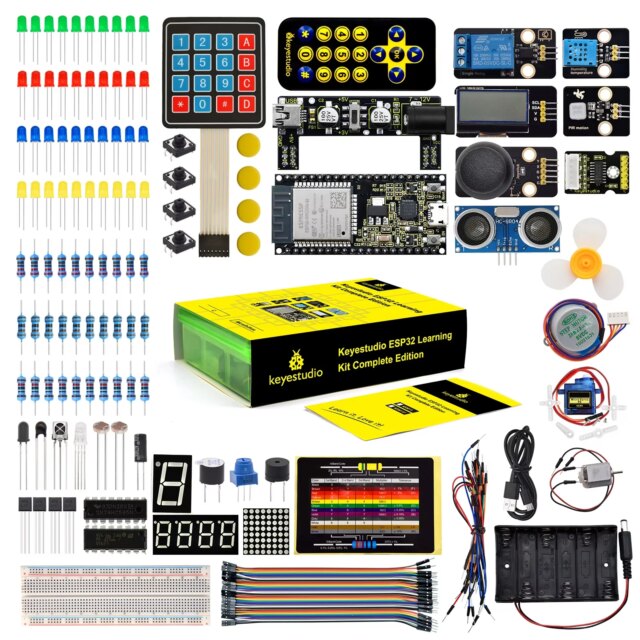
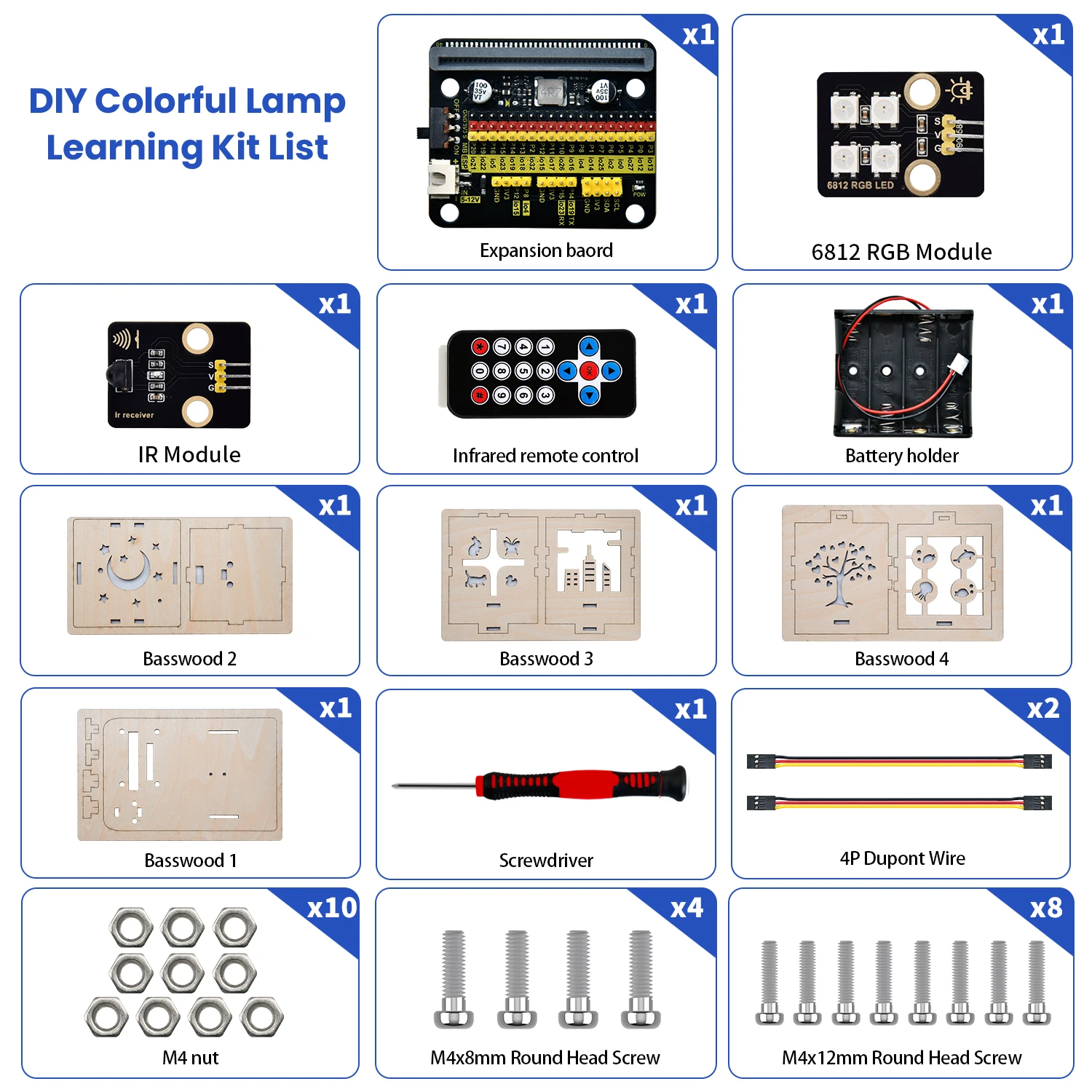
- Components Included:
- LED modules
- Control board
- Wooden lamp case
- Connection wires
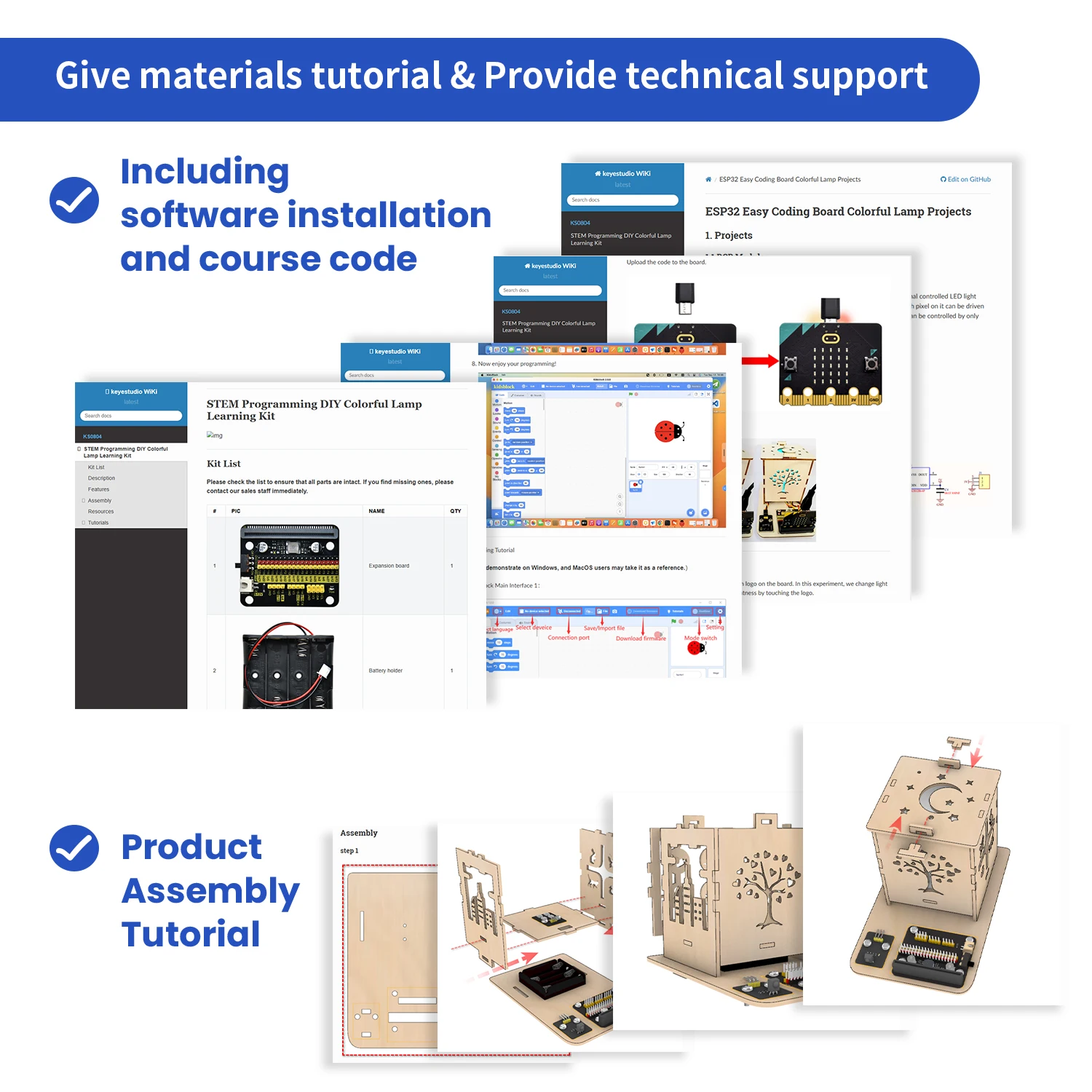
- Projects Included: ~14 guided projects
- Learning Level: Beginner to Intermediate (ages 8+)
- Use Case: STEM education, creative coding, electronics learning
👉 The kit integrates programmable lighting with coding, allowing users to create interactive light effects and learn programming concepts visually.
📚 3. Subjects Covered (Detailed)
💡 Digital Lighting & Visual Programming
Learners explore how light is controlled through code. Additionally, they understand how colors, brightness, and patterns are generated digitally.
🧠 Programming & Computational Thinking
Students learn coding through MakeCode and Arduino platforms. As a result, they develop logic skills such as loops, conditions, and event-based programming.
🔌 Electronics & Circuit Design
The kit introduces how LEDs and control boards interact. Moreover, learners understand how electrical signals produce visual outputs.
🎨 Creative Design & Customization
Users personalize the lamp by painting and designing its structure. Therefore, creativity is combined with technical learning.
⚙️ Embedded Systems
Students learn how microcontrollers process commands and control outputs in real time. In addition, they understand how hardware and software interact.
🎓 STEM & Interactive Learning
Through hands-on building, learners develop problem-solving skills and creativity. Furthermore, they gain confidence by creating functional projects.
🔧 4. Activities Performed (Detailed)
🏗️ Lamp Assembly & Construction
Students build a wooden lamp structure. As a result, they understand system design and component integration.
🌈 LED Light Programming
Users create color-changing effects using code. Additionally, they experiment with brightness, timing, and patterns.
🎮 Interactive Light Control
Learners program the lamp to respond to inputs. For example, lights can change based on button presses or programmed conditions.
🎨 Custom Design Projects
Students paint and decorate the lamp. Moreover, they personalize the project, making it more engaging.
⚙️ Coding Experiments
Users modify and test different programs. Consequently, they improve their coding skills and system understanding.
🧪 Creative Innovation
Learners combine lighting effects with new ideas. In addition, they explore advanced features and custom behaviors.
🎓 5. Benefits for Students & Teachers
👨🎓 For Students
Students learn coding in a visual and interactive way. As a result, abstract programming concepts become easier to understand.
Moreover, the kit enhances creativity, problem-solving, and technical skills.
In addition, building and customizing the lamp increases engagement and motivation.
👩🏫 For Teachers
Teachers can introduce programming through creative projects. Therefore, lessons become more engaging and enjoyable.
Additionally, it supports project-based learning, improving student participation.
Furthermore, it combines art and STEM, creating a more inclusive learning environment.