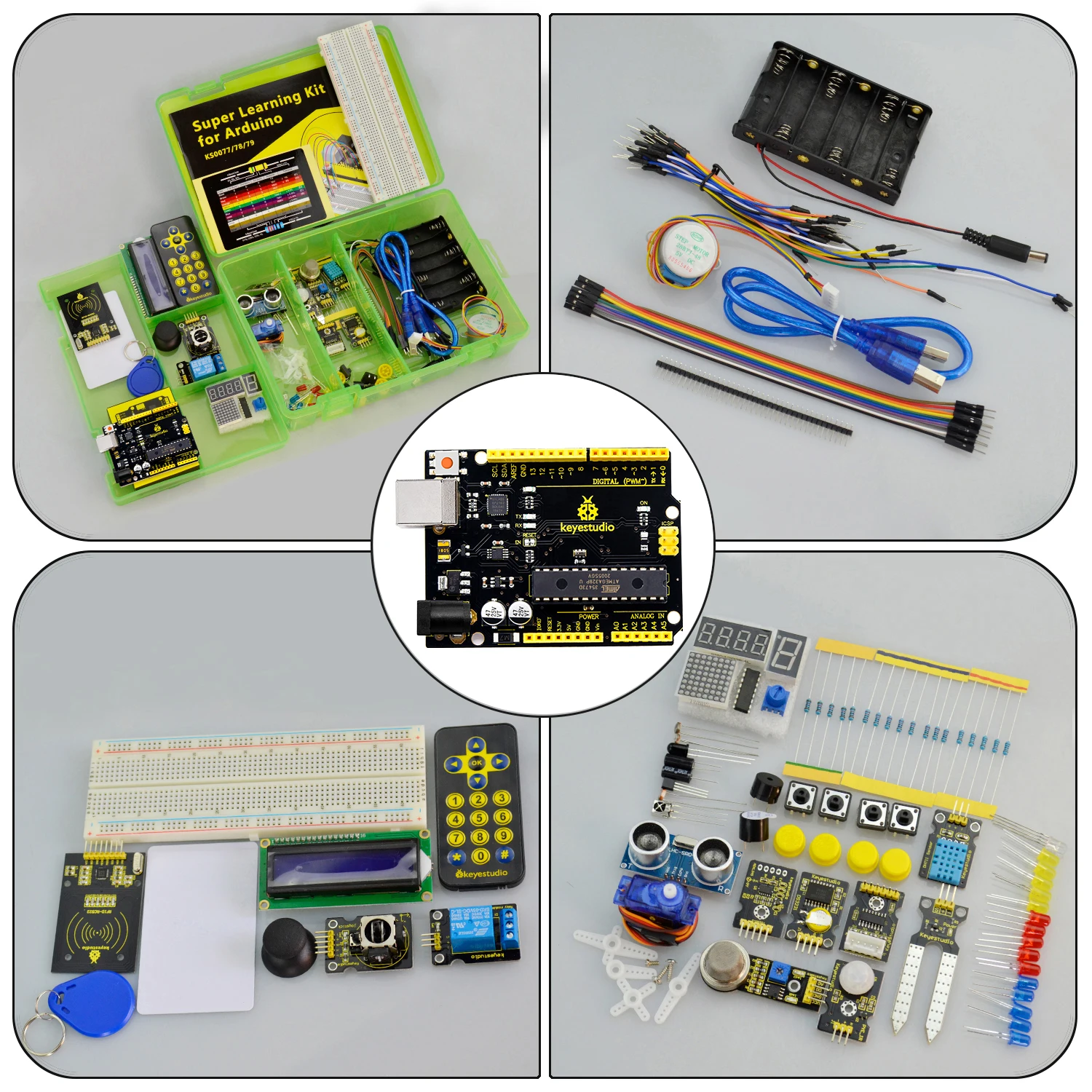
Arduino UNO Starter Kit
Arduino UNO Starter Kit
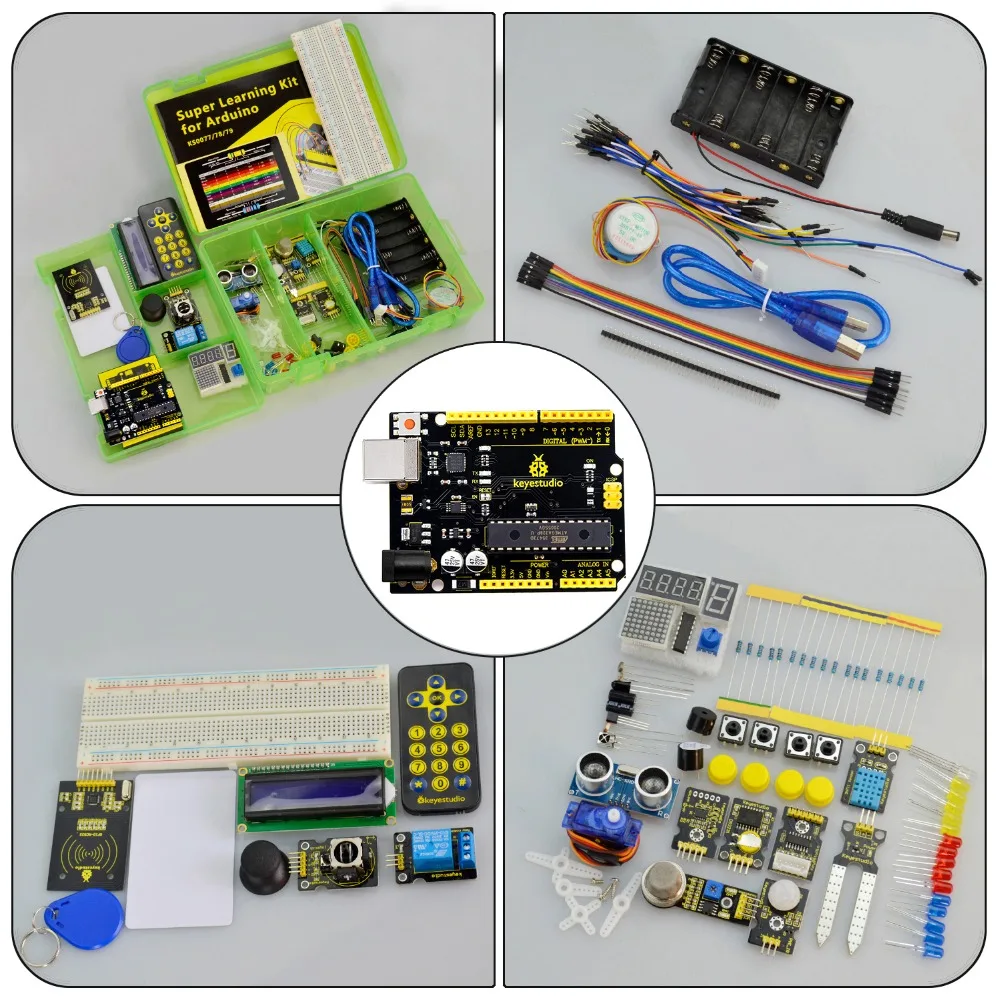
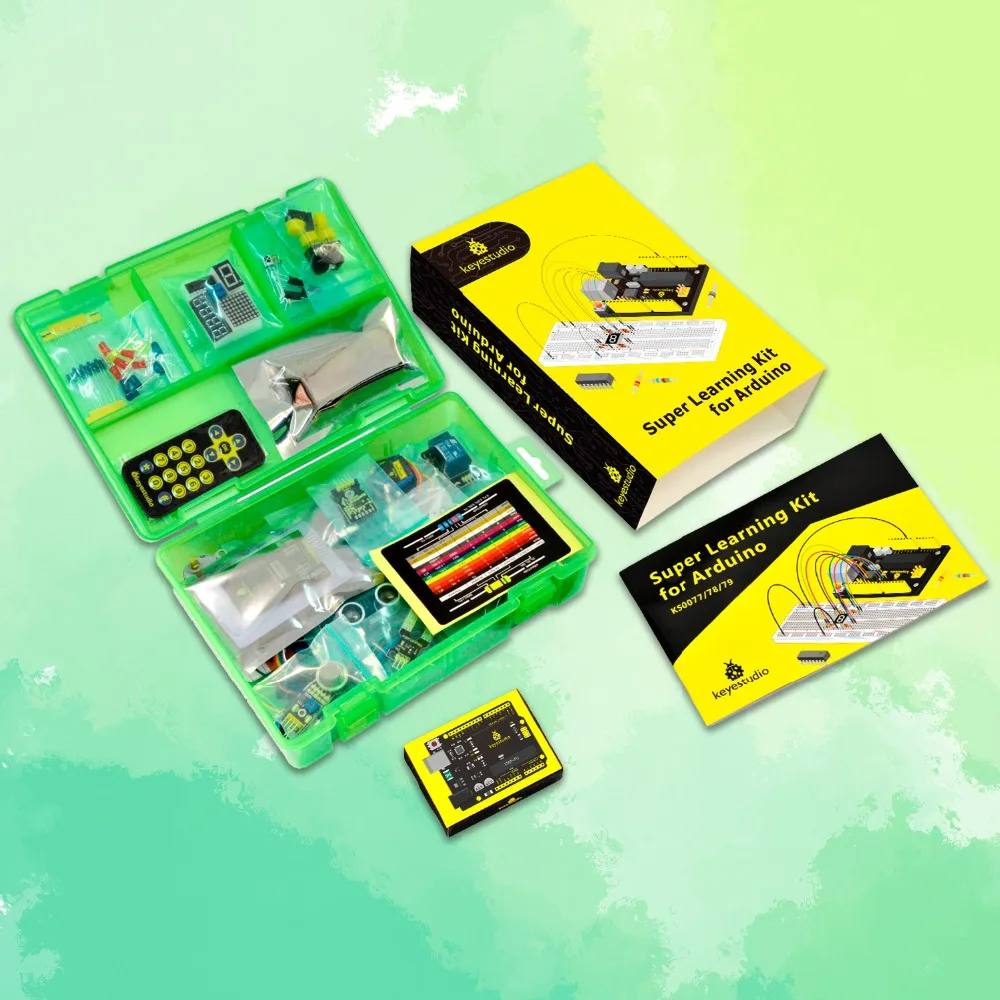
is a comprehensive STEM learning solution designed to help beginners and students master electronics, programming, and embedded systems through hands-on projects.
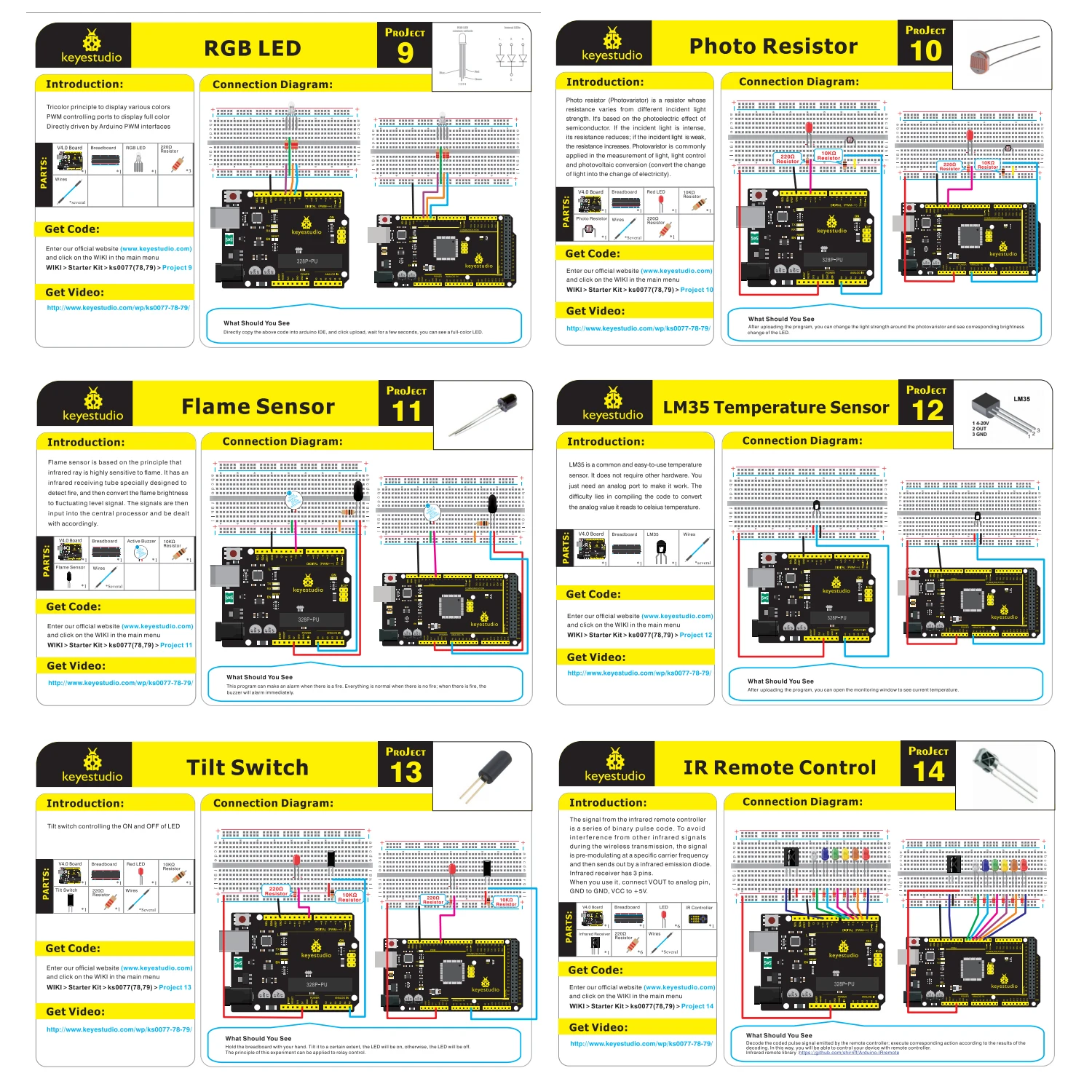
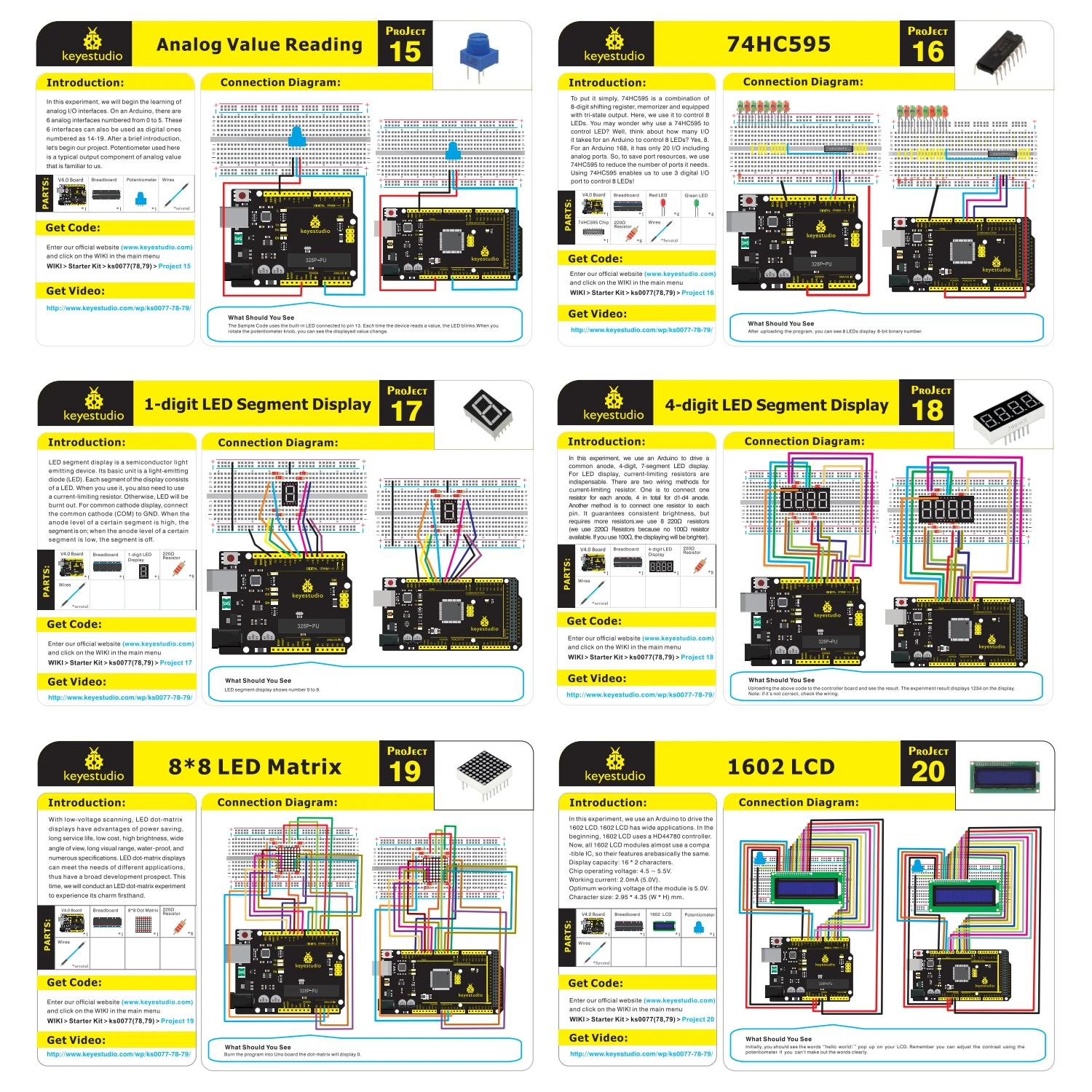
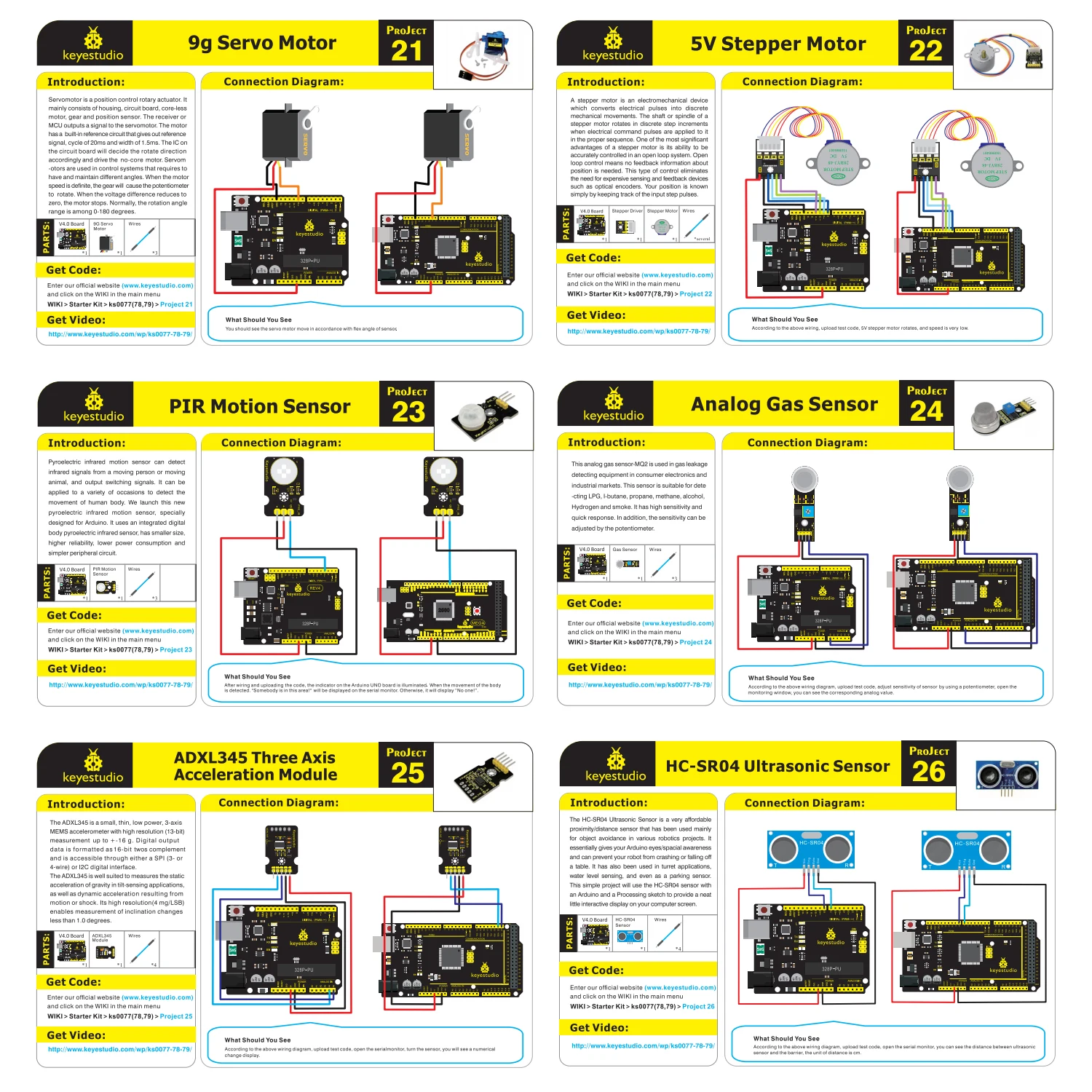
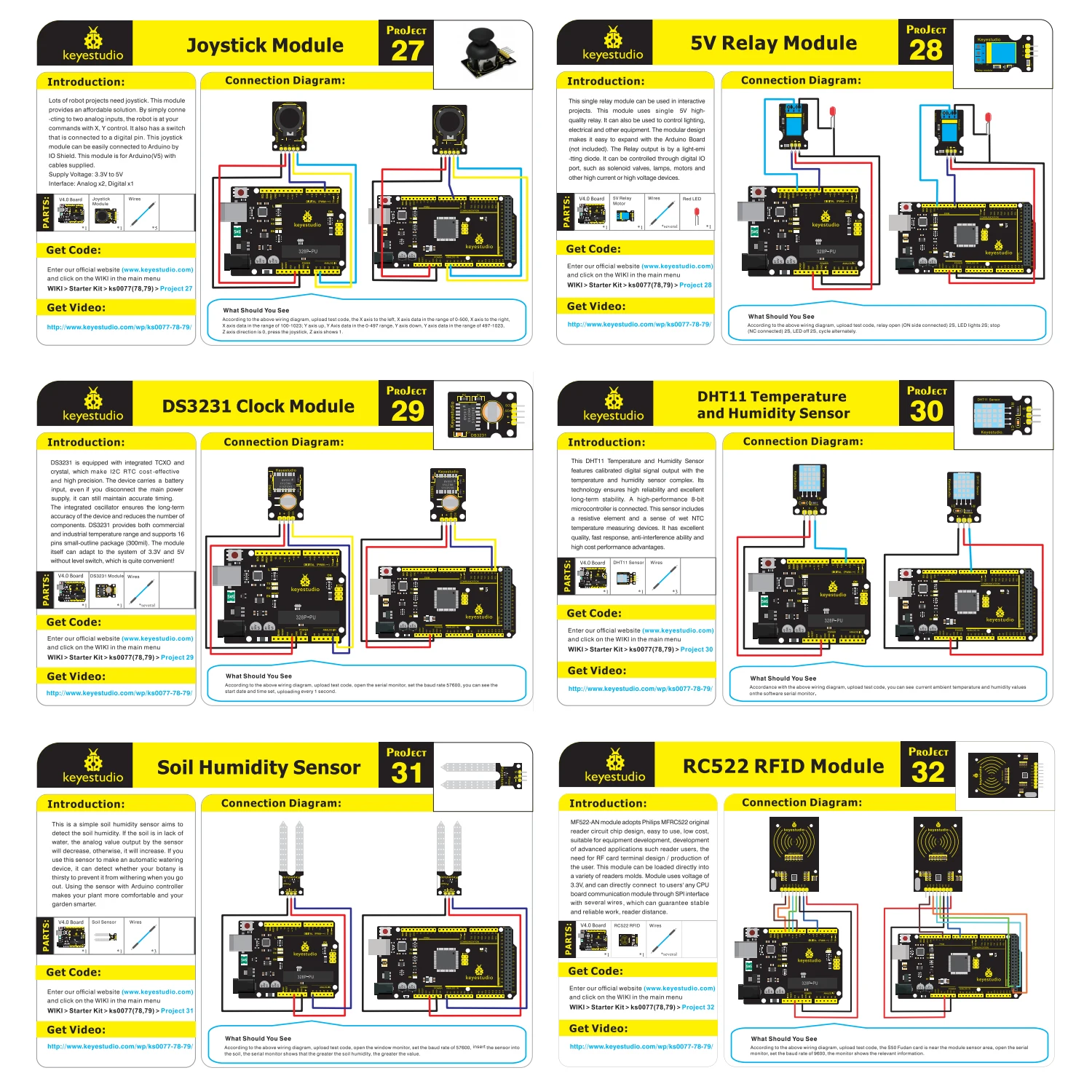
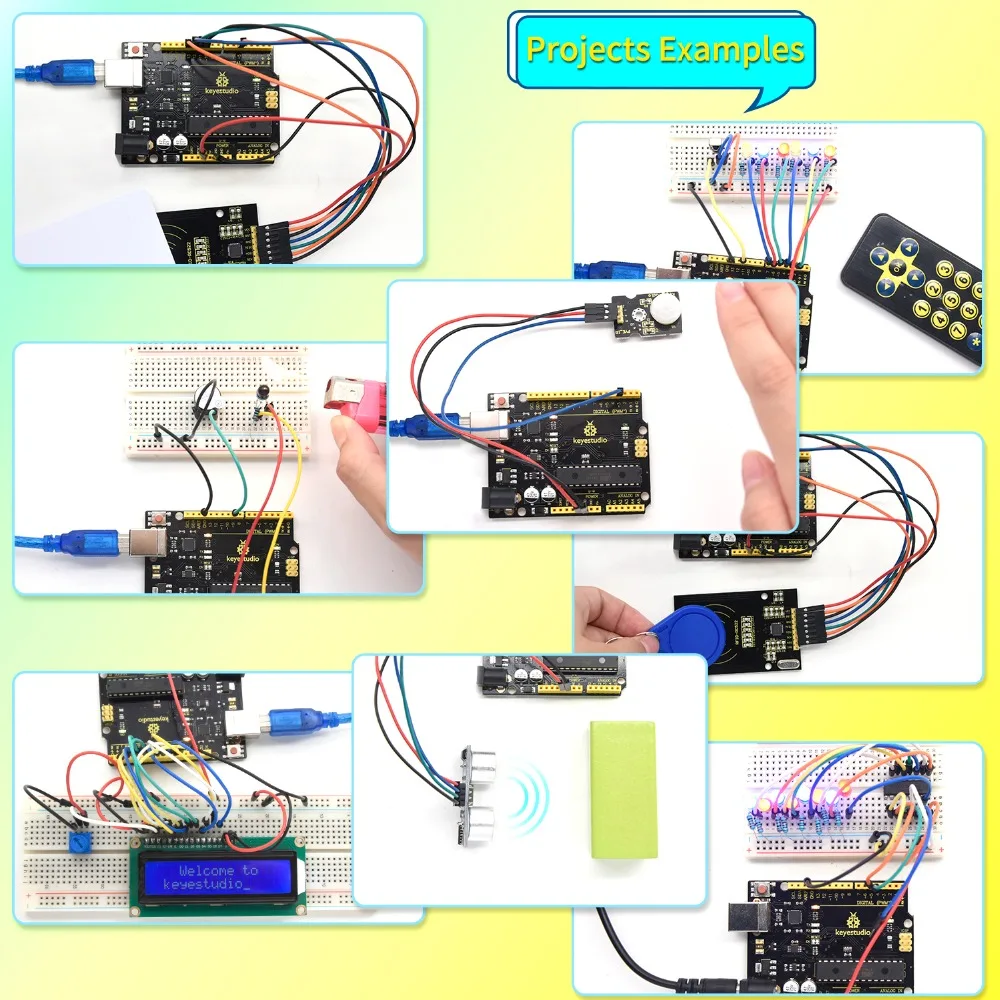
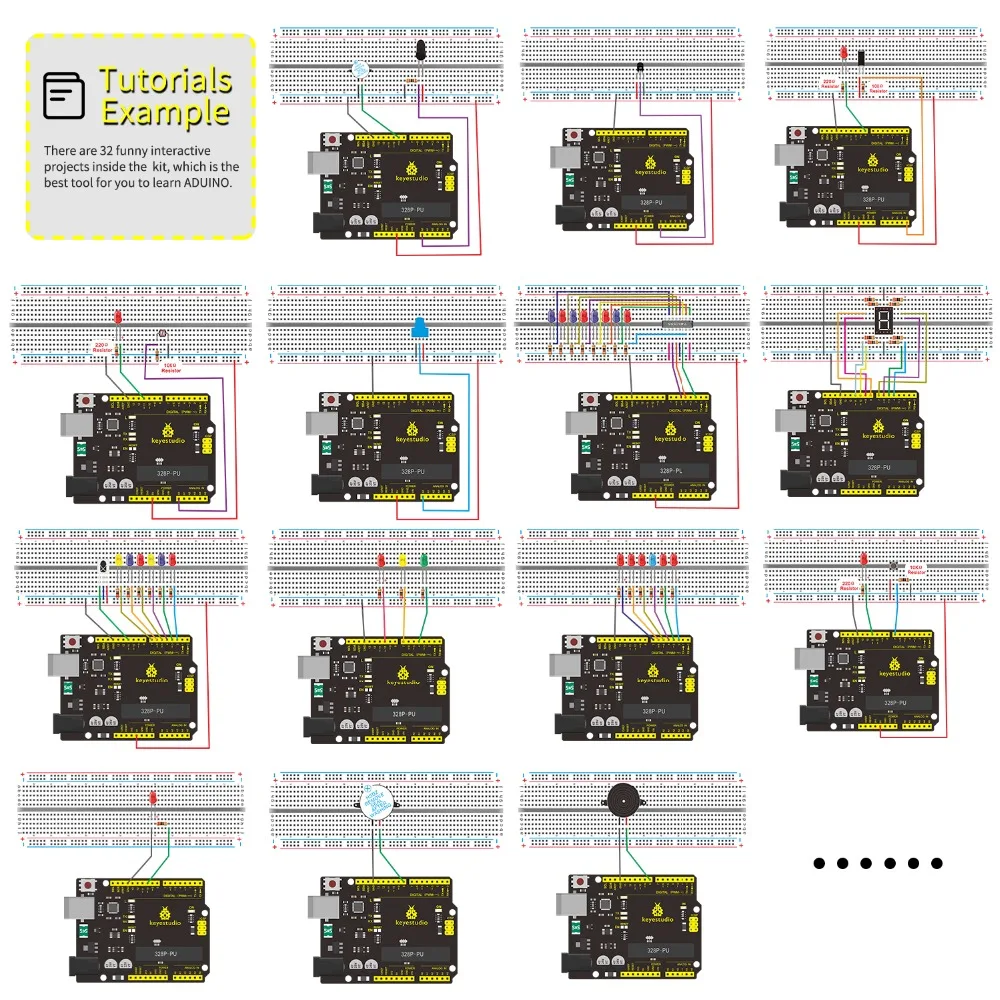
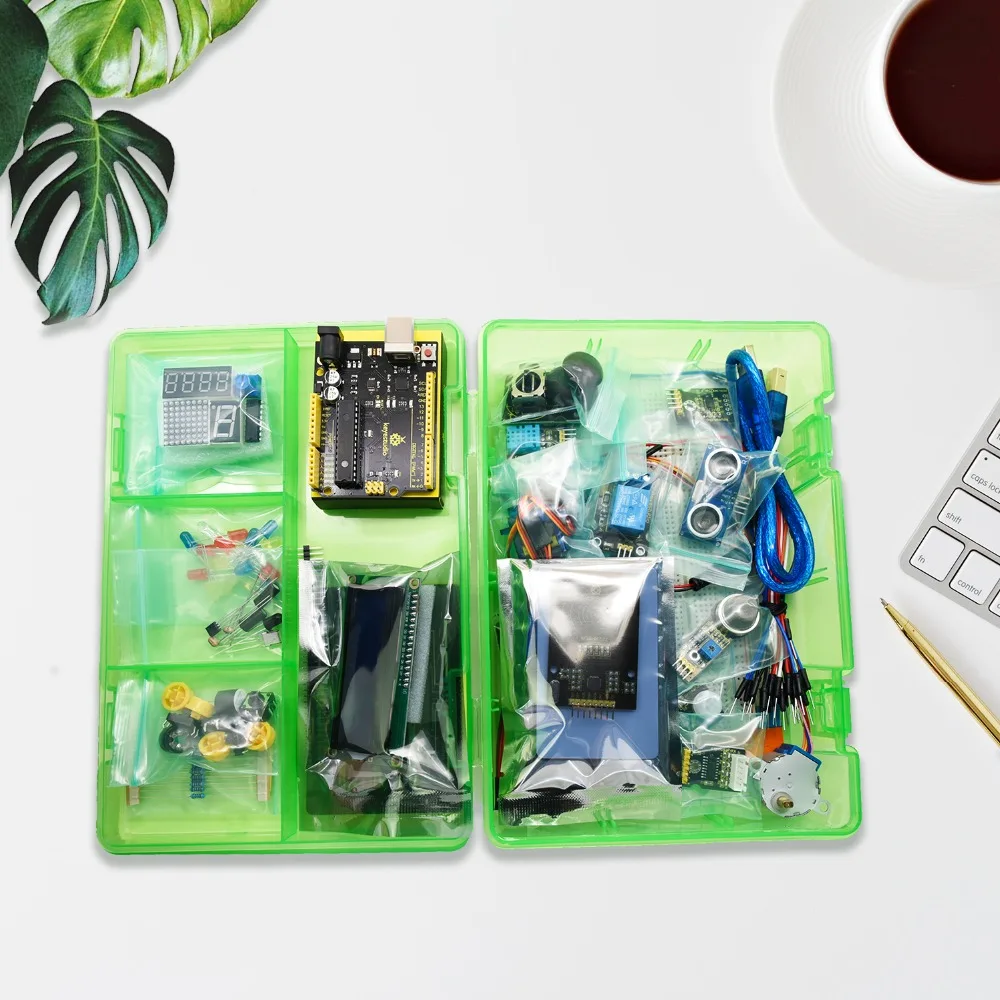
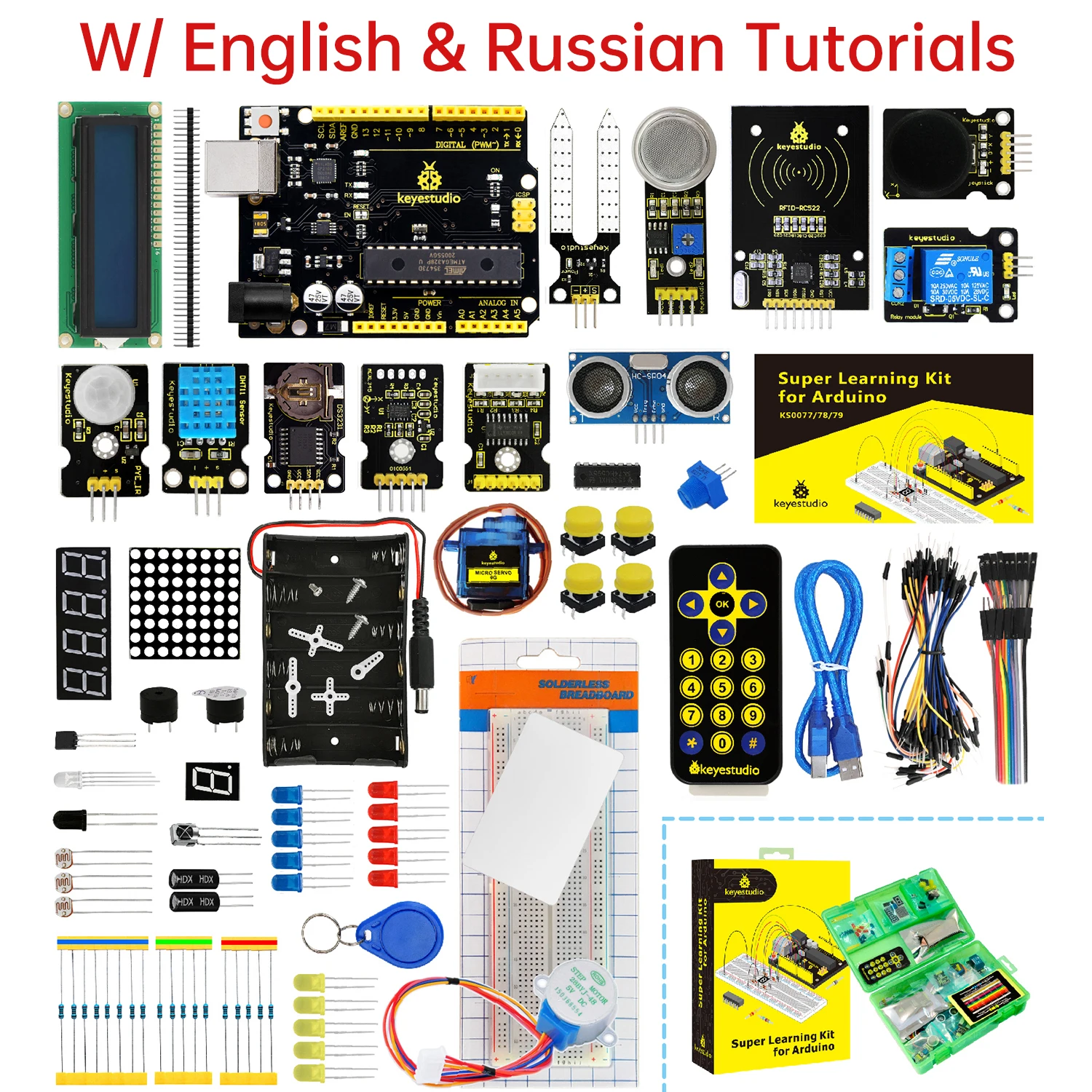
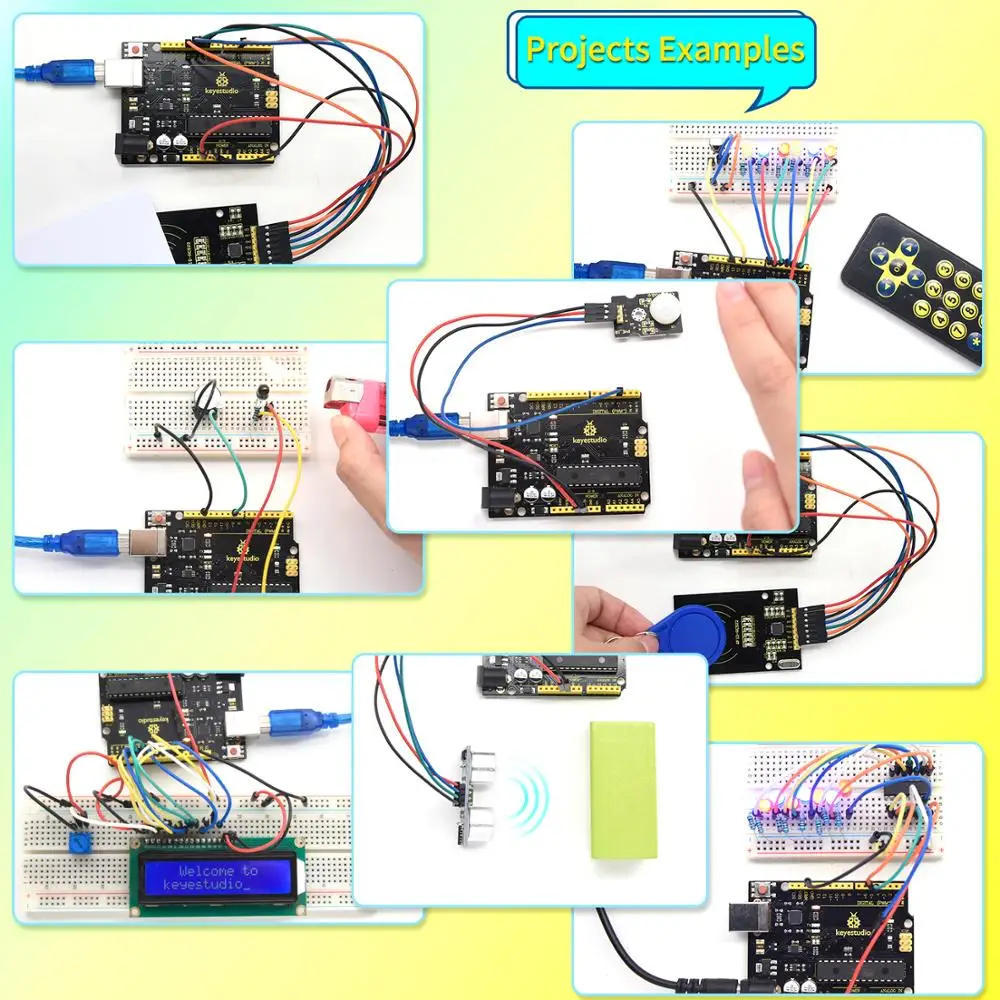
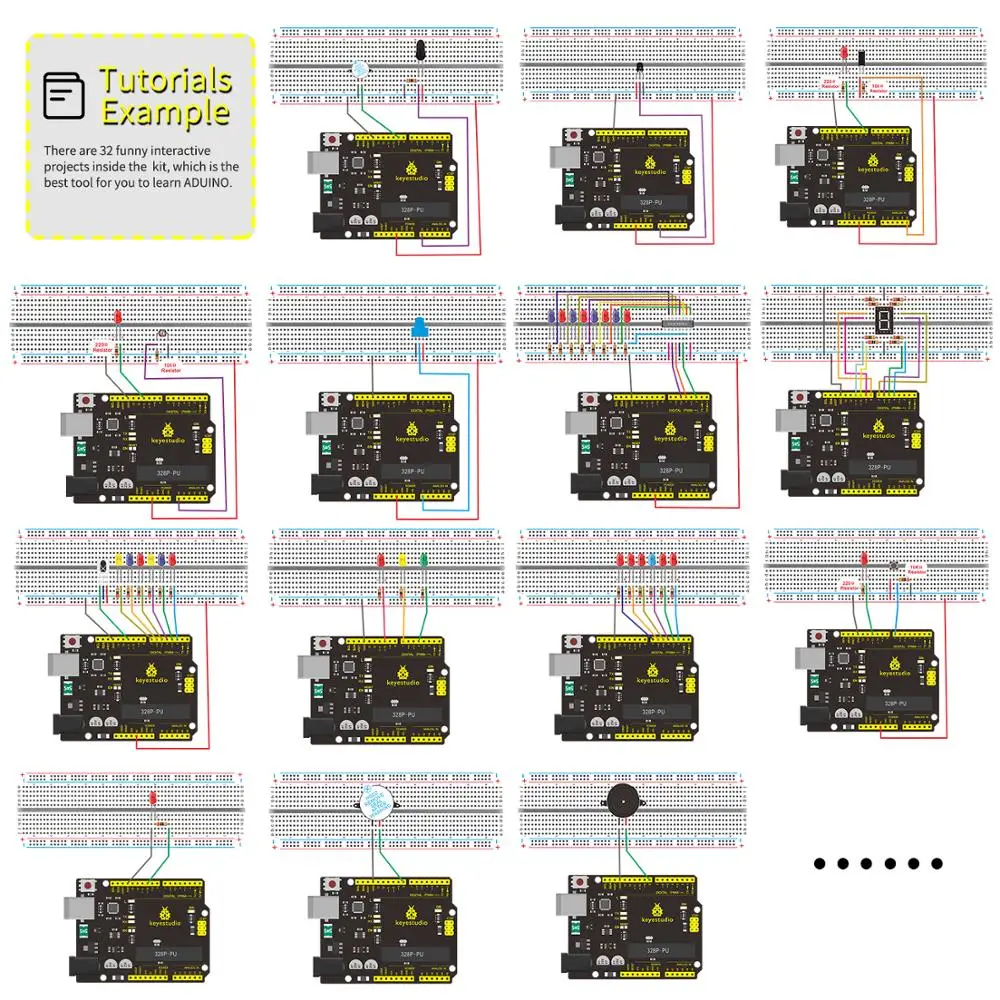
This upgraded kit includes a wide range of components such as sensors, displays, input modules, motors, and RFID, allowing users to build over 32 practical projects — from simple LED circuits to advanced automation systems.
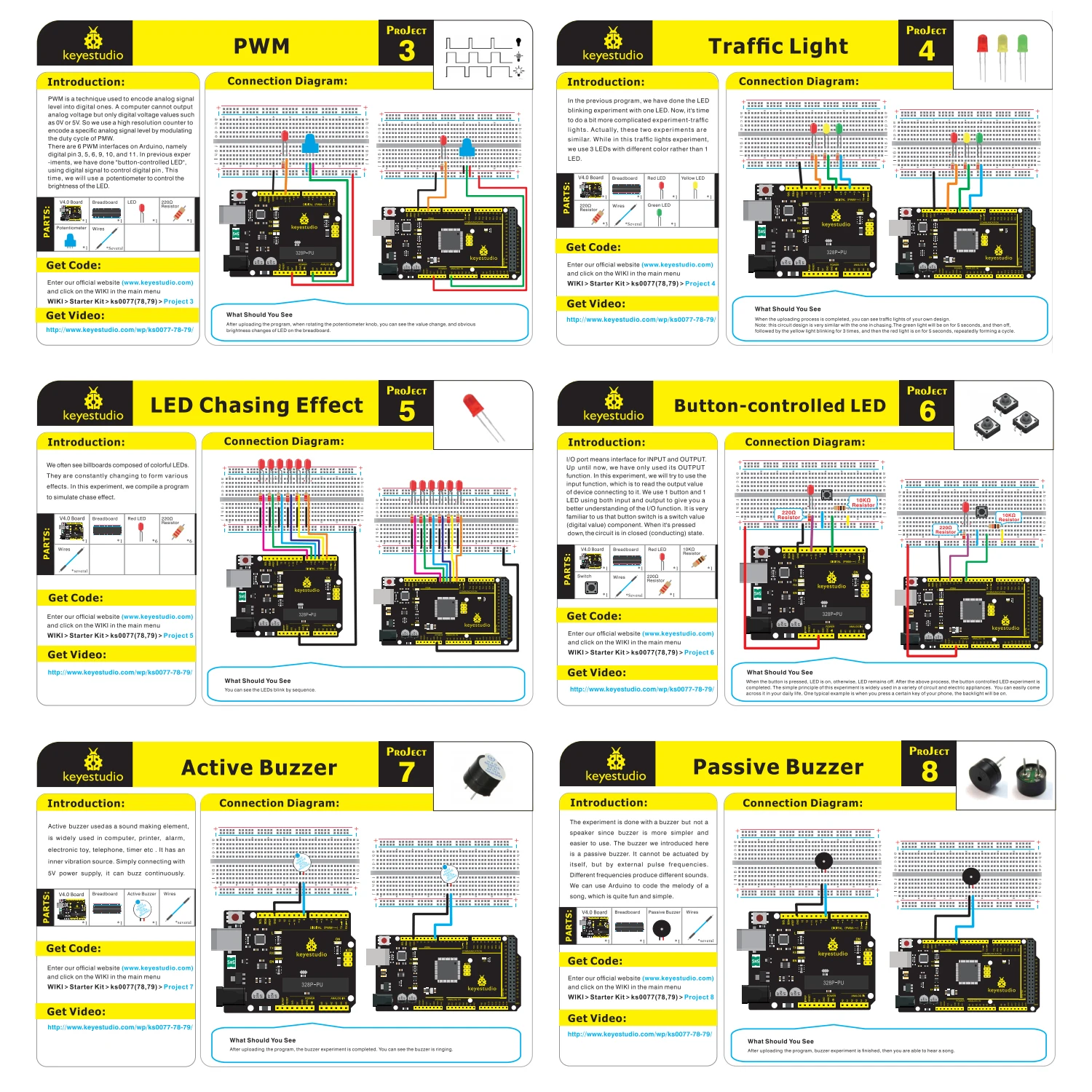
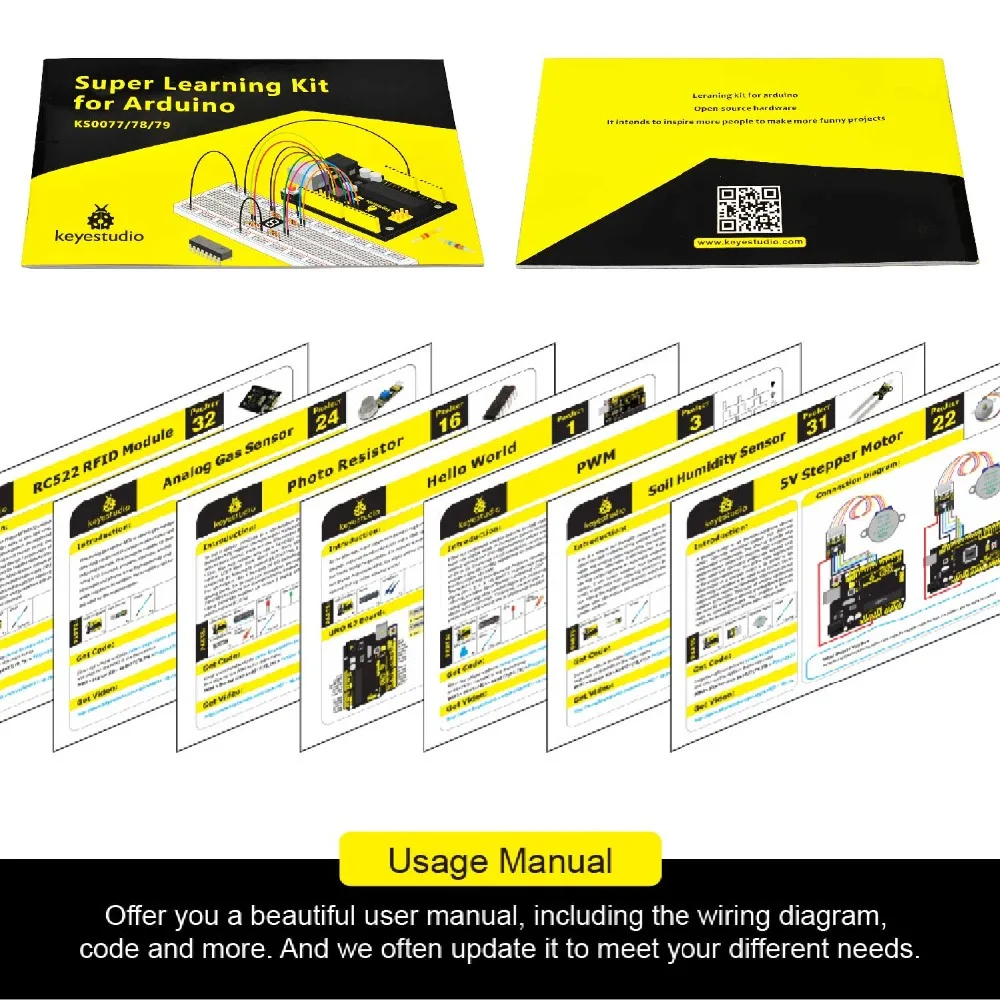
With included tutorials (English & Russian), learners can follow step-by-step instructions to understand both hardware and software integration.
🚀 Key Features
- 32+ guided projects for progressive learning
- Complete electronics component set
- Arduino UNO compatible development board
- Includes sensors, displays, motors, and RFID module
- Breadboard-based (no soldering required)
- Beginner-friendly with structured tutorials
👉 Ideal for students, teachers, makers, and STEM beginners.
🟢 Product Specifications
- Main Board: Arduino UNO R3 compatible
- Programming: Arduino IDE (C/C++)
- Connectivity: USB (basic), expandable modules
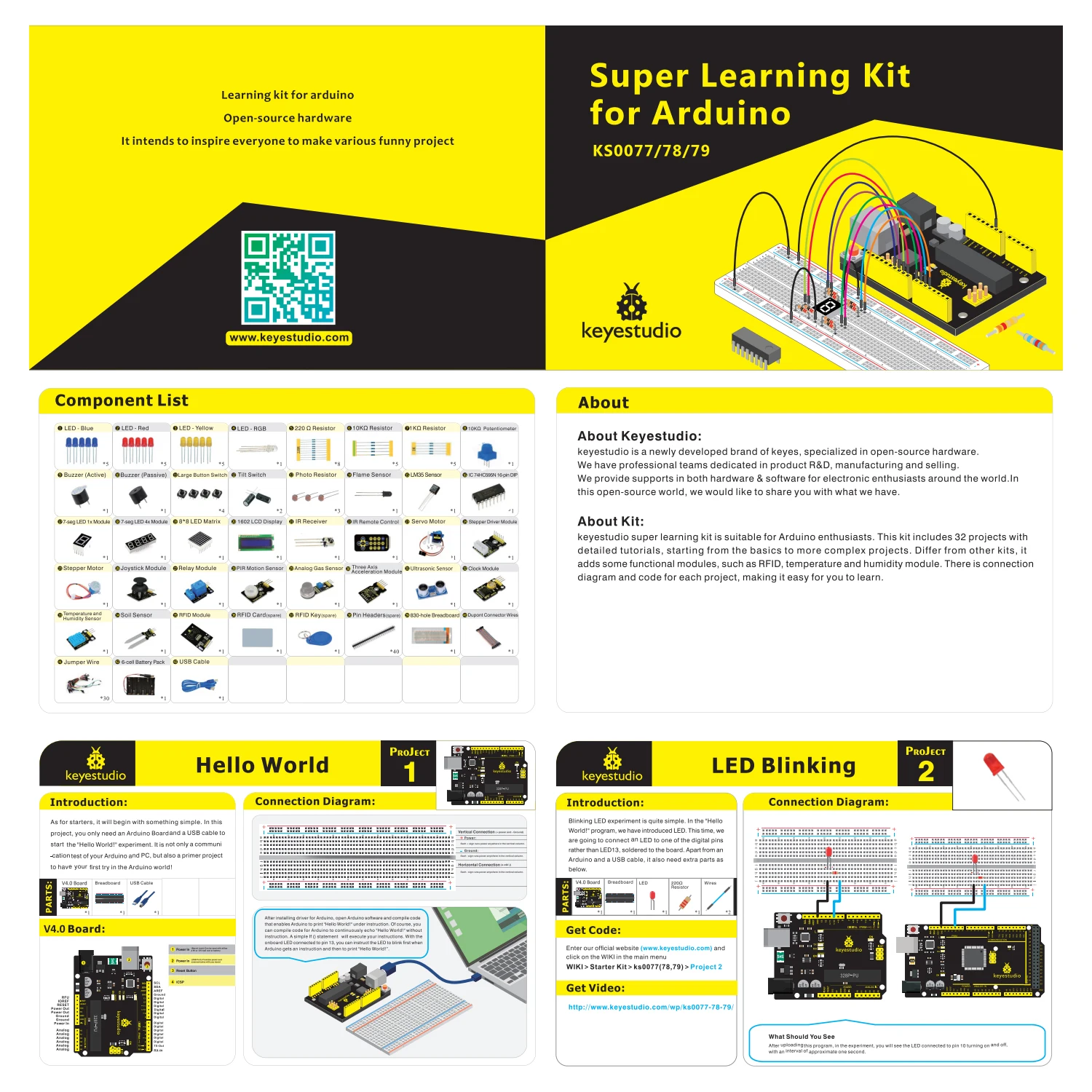
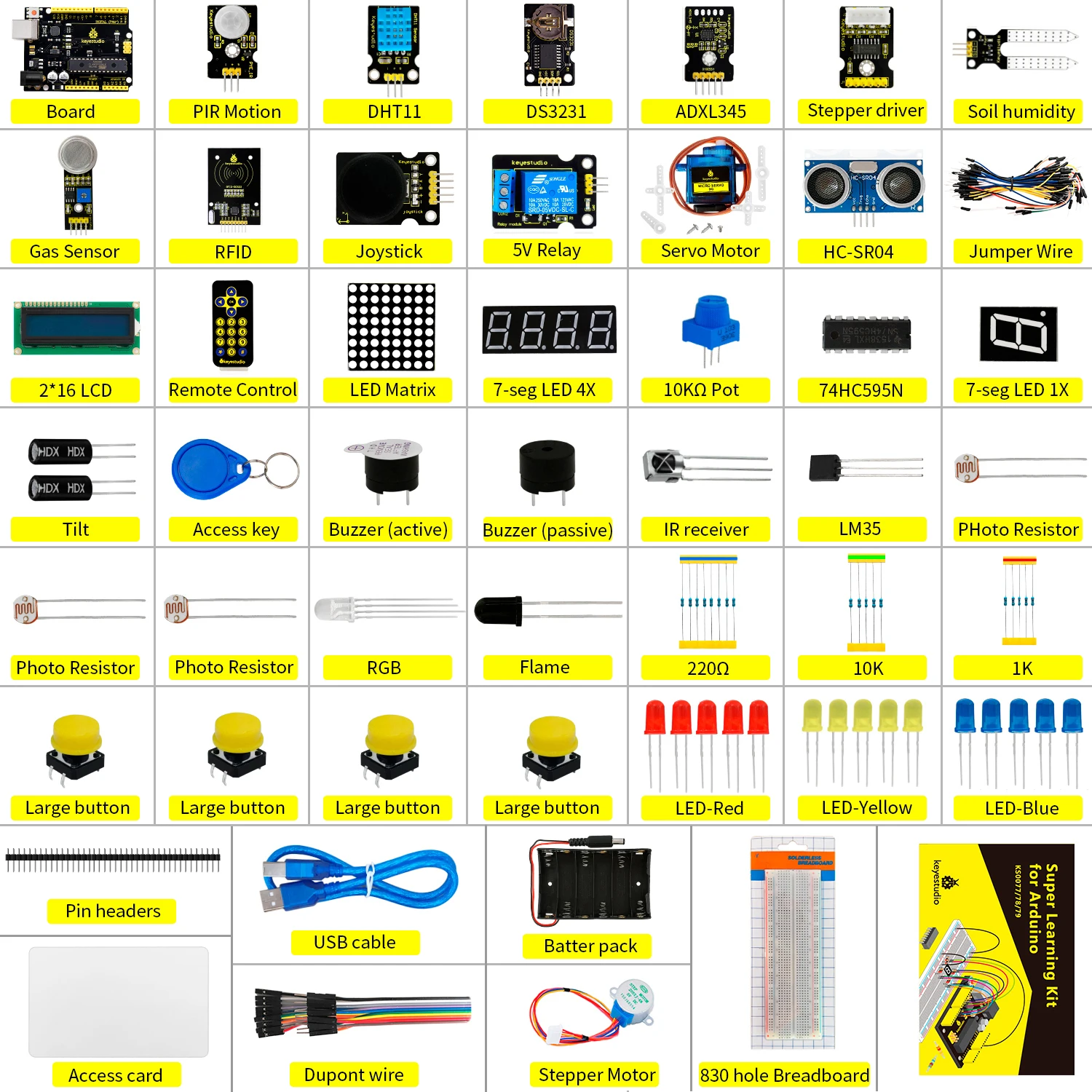
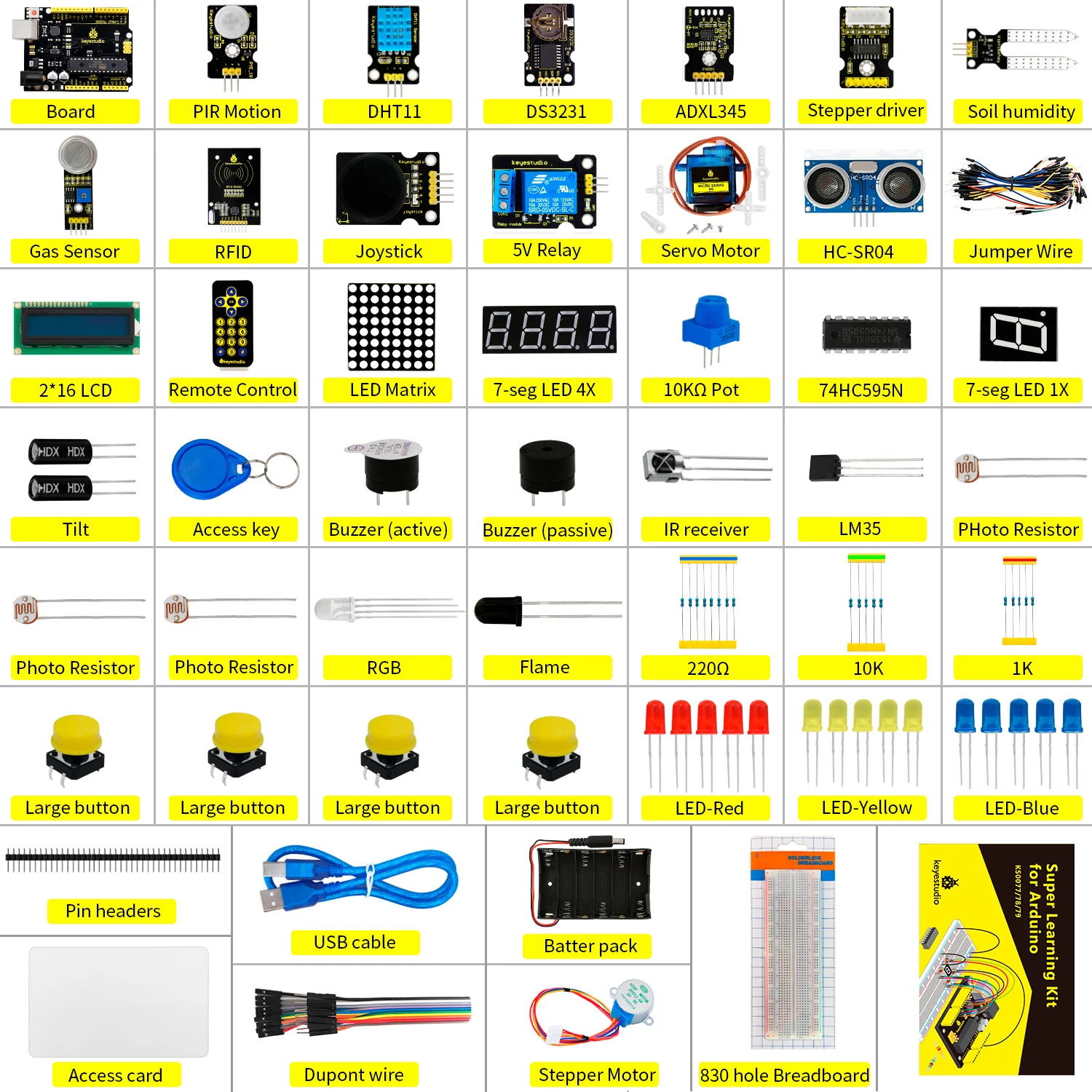
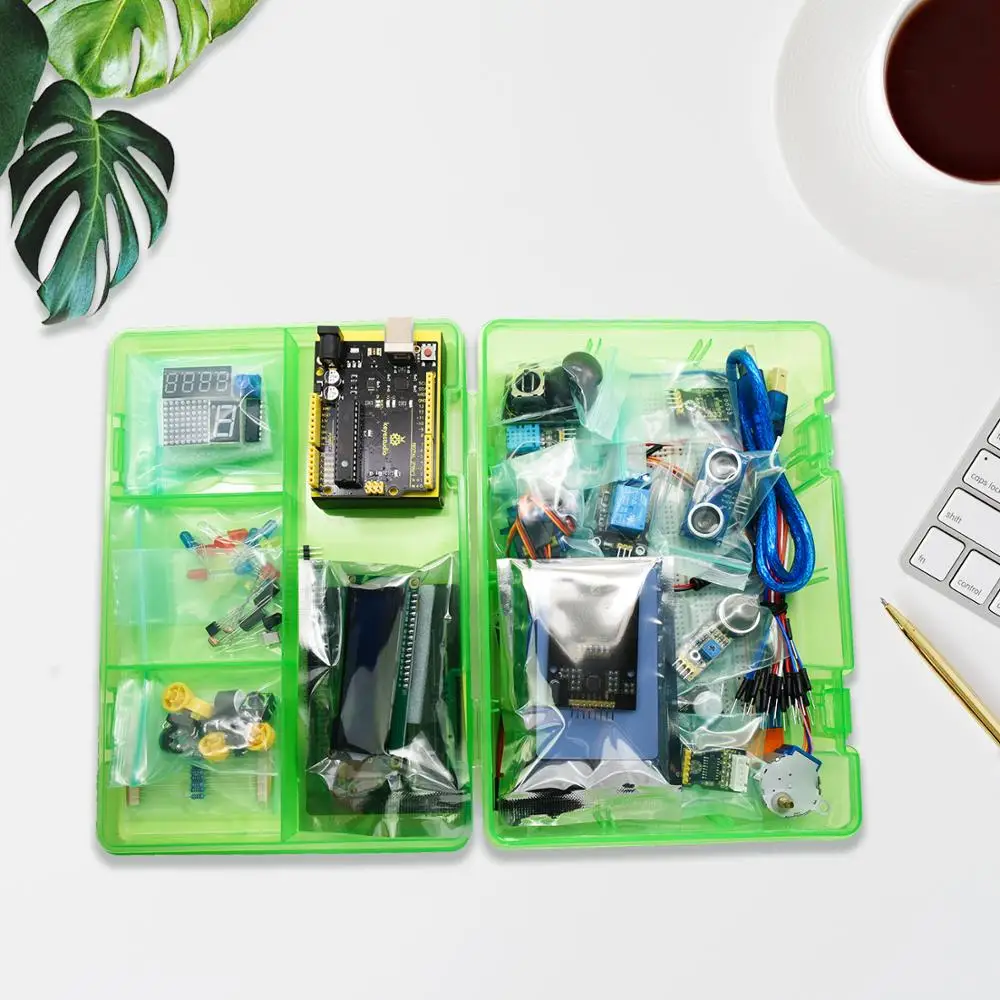
- Included Components:
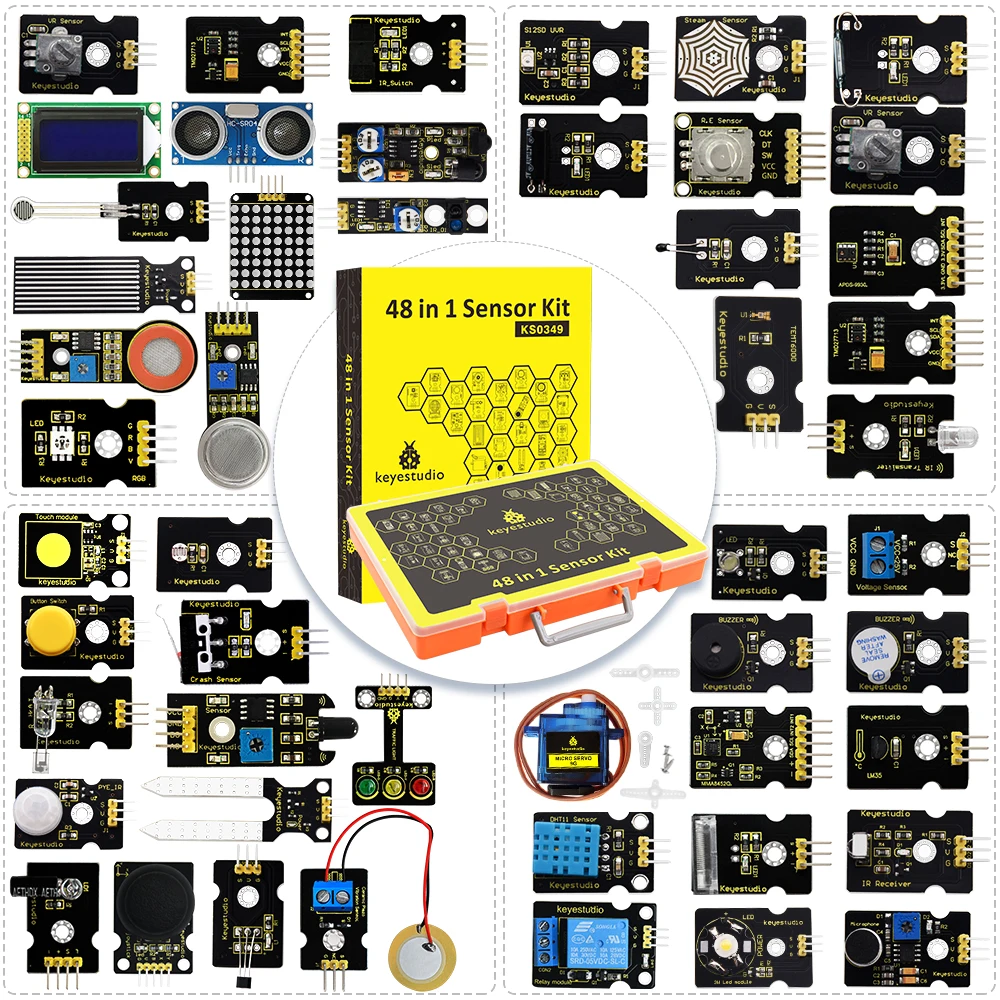
- LEDs (multi-color)
- Resistors and capacitors
- Breadboard
- LCD display (16×2)
- 7-segment display
- RFID module + cards
- Keypad module
- Servo motor
- Sensors (temperature, sound, light, motion)
- Remote control module
- Jumper wires & accessories
- Projects Included: 32 guided experiments
- Assembly: DIY modular system
- Tutorial Support: English & Russian
🟢 3. Subjects Covered (Detailed)
⚡ Electronics & Circuit Design
- Understanding electronic components and their functions
- Building circuits using breadboards
- Learning voltage, current, and resistance
💻 Programming & Embedded Systems
- Writing code using Arduino IDE
- Learning:
- Variables and functions
- Conditional logic (if/else)
- Loops and automation
- Controlling hardware through software
🔐 RFID & Smart Systems
- Understanding RFID technology
- Building access control systems
- Learning authentication and identification systems
🌐 Automation & Control Systems
- Creating automated responses based on sensor input
- Designing smart devices (alarms, displays, controls)
- Learning event-driven programming
🔍 Sensor Technology
- Using sensors to detect:
- Temperature
- Light
- Sound
- Motion
- Converting physical signals into digital data
🟢 4. Activities Performed (Detailed)
🔧 Circuit Building
- Creating basic and advanced circuits
- Connecting components correctly
- Understanding system design
💡 LED & Lighting Projects
- Blinking LEDs
- Creating traffic light systems
- Designing lighting patterns
📟 Display Projects
- Showing data on LCD screens
- Using 7-segment displays
- Creating digital output systems
🔐 RFID Security Projects
- Building smart access systems
- Using RFID cards for control
- Simulating real security applications
🎮 Interactive Control Projects
- Using keypads and remote control
- Designing user input systems
- Creating interactive devices
⚙️ Motor & Movement Projects
- Controlling servo motors
- Creating motion-based systems
- Learning PWM control
🌡️ Sensor-Based Monitoring
- Measuring environmental data
- Displaying real-time readings
- Creating alert systems
🧪 Experimentation & Customization
- Combining modules
- Testing new configurations
- Developing custom projects
🛠️ Debugging & Problem Solving
- Identifying wiring issues
- Fixing coding errors
- Improving performance
🟢 5. Benefits for Students & Teachers
👨🎓 For Students:
- Strong foundation in electronics and coding
- Develops critical thinking and problem-solving skills
- Hands-on experience with real systems
- Prepares for robotics and IoT learning
👩🏫 For Teachers:
- Complete STEM teaching solution
- Supports project-based learning (PBL)
- Covers multiple subjects in one kit
- Easy to structure lessons and classroom activities