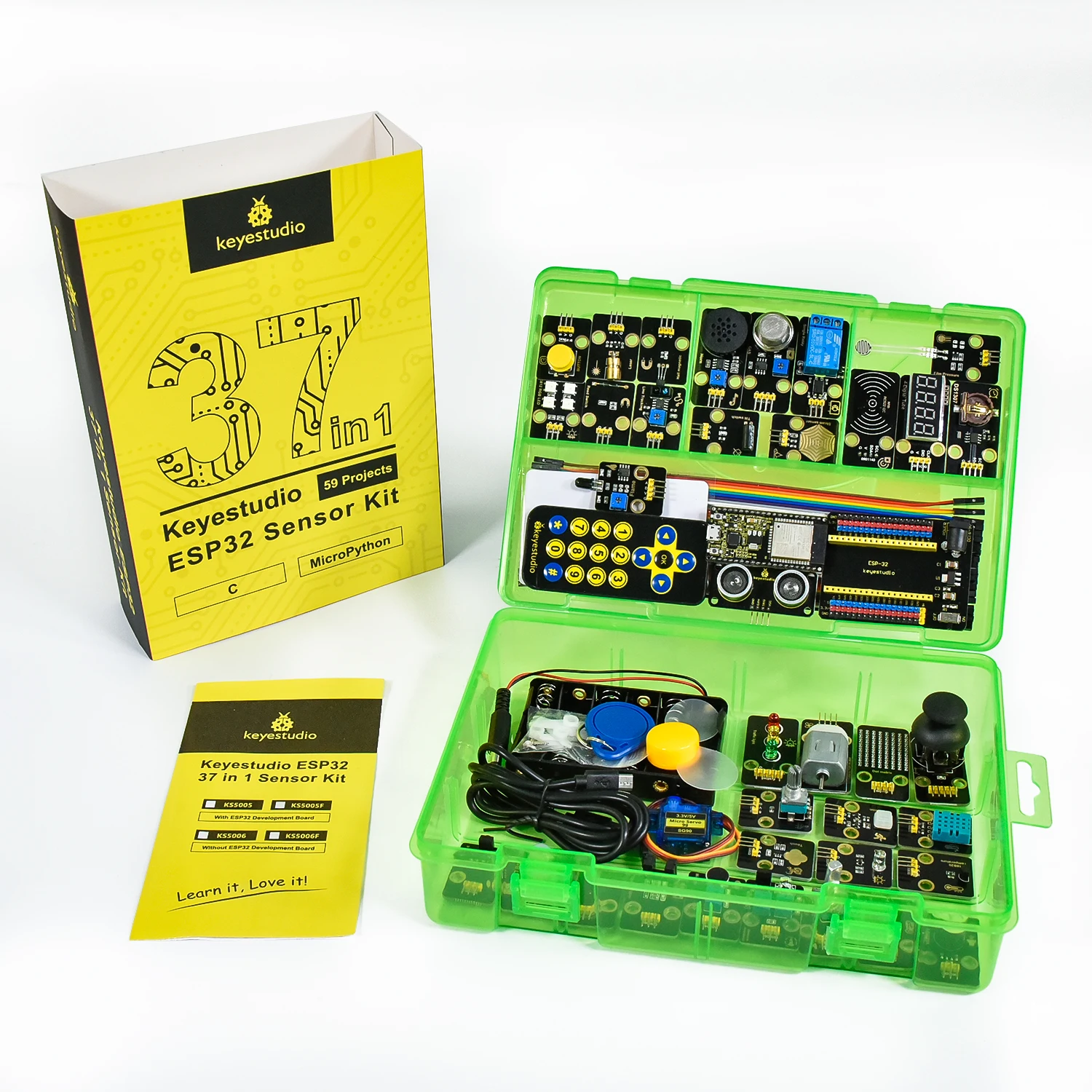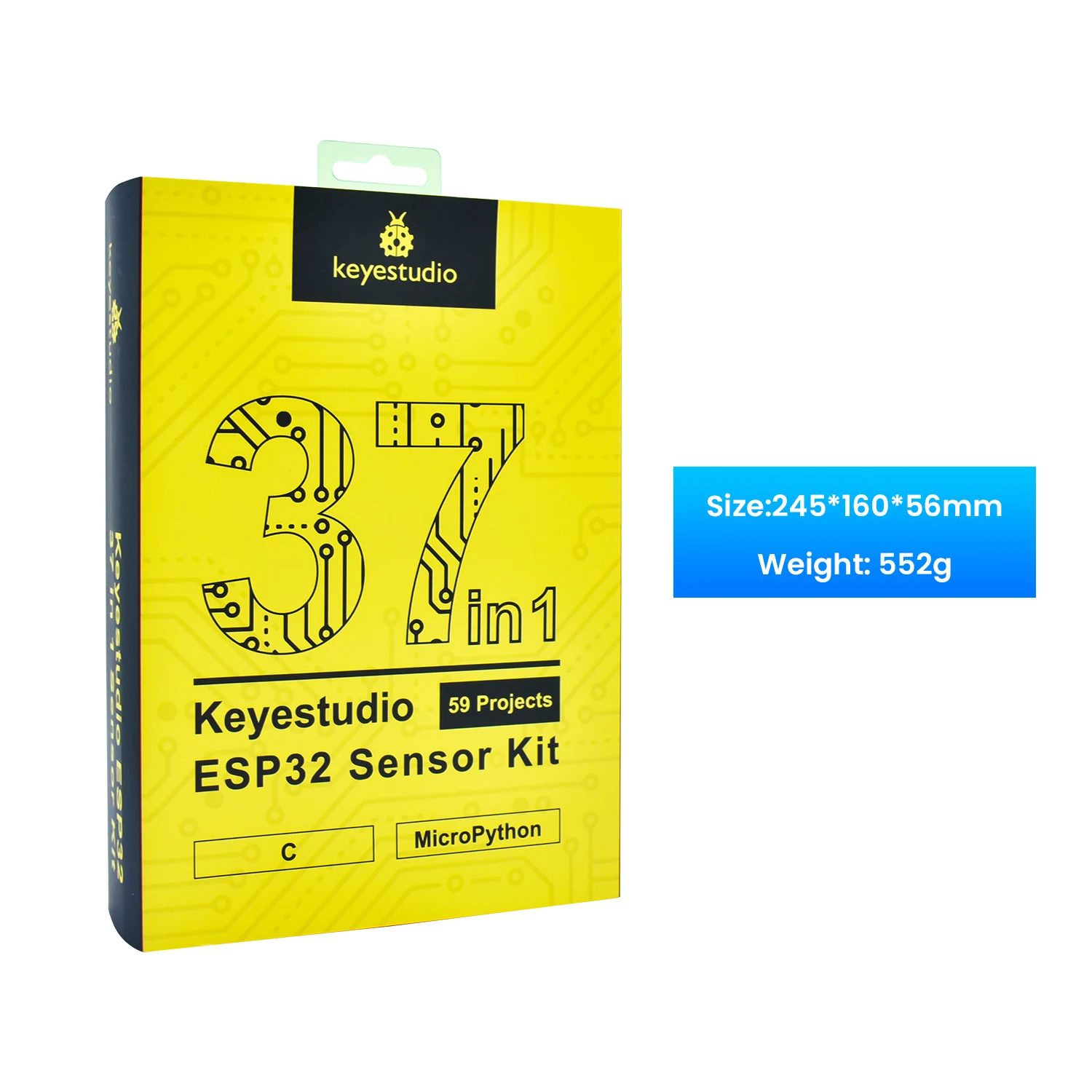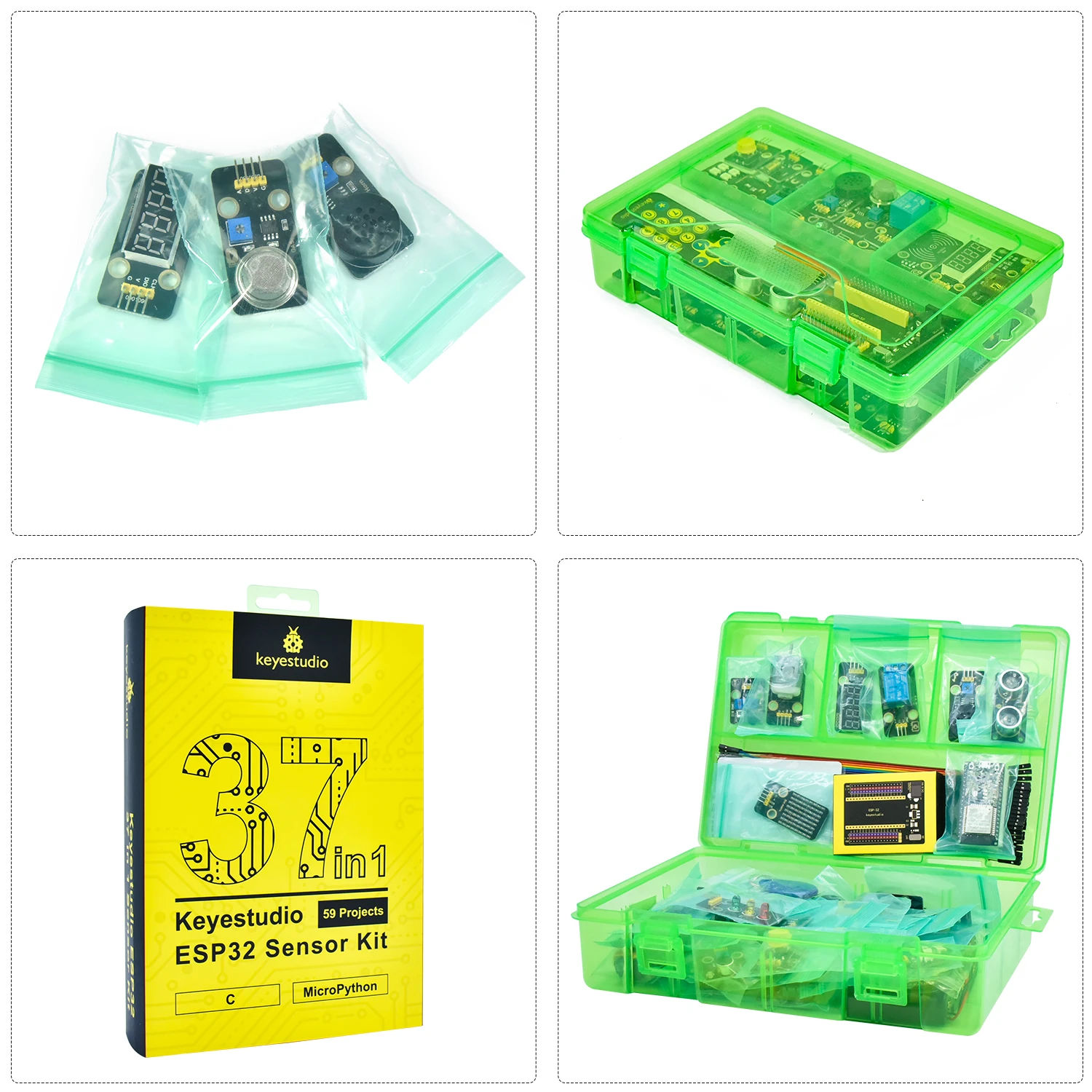
ESP32 RFID 37 in 1 Sensor Kit Arduino
ESP32 RFID 37 in 1 Sensor Kit Arduino,
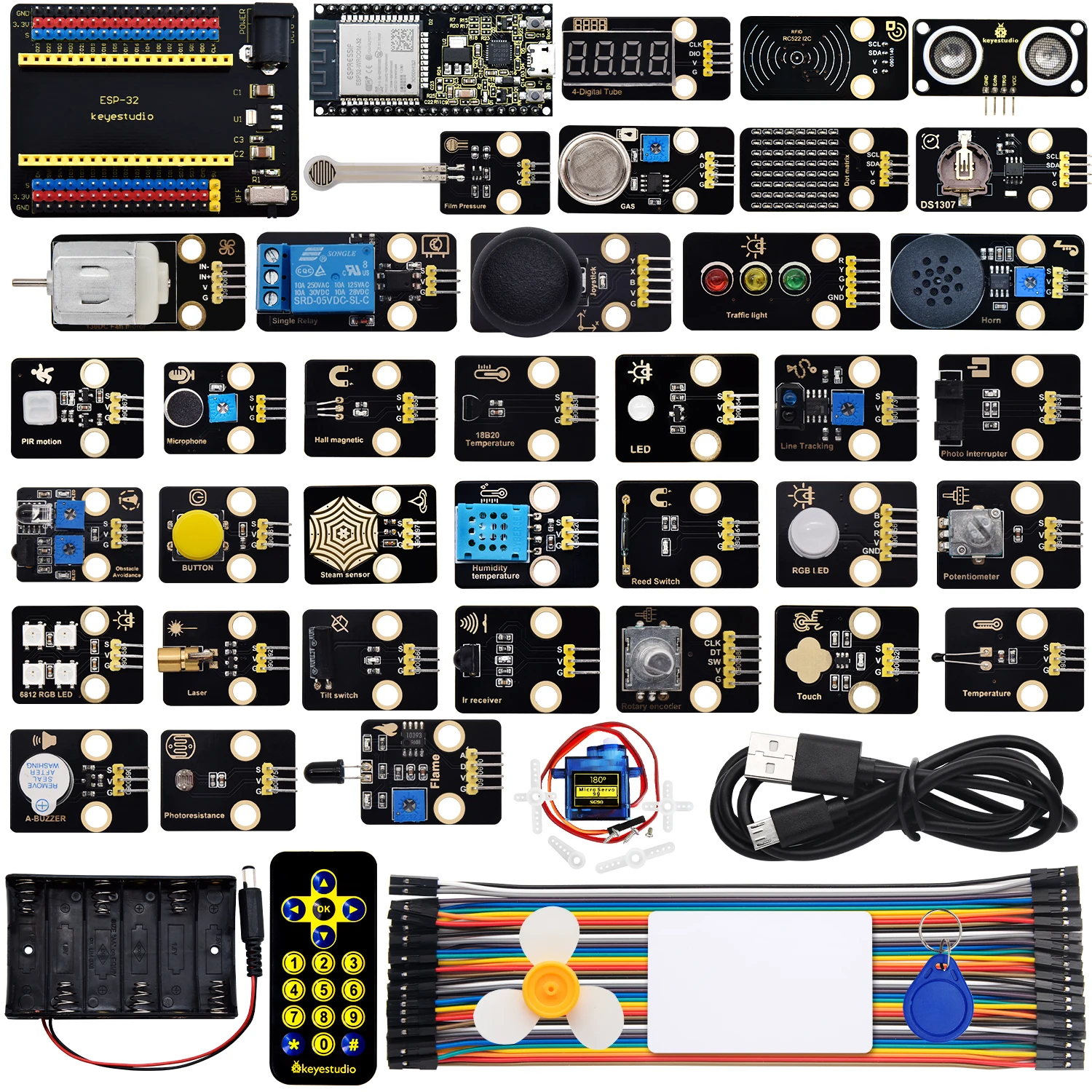
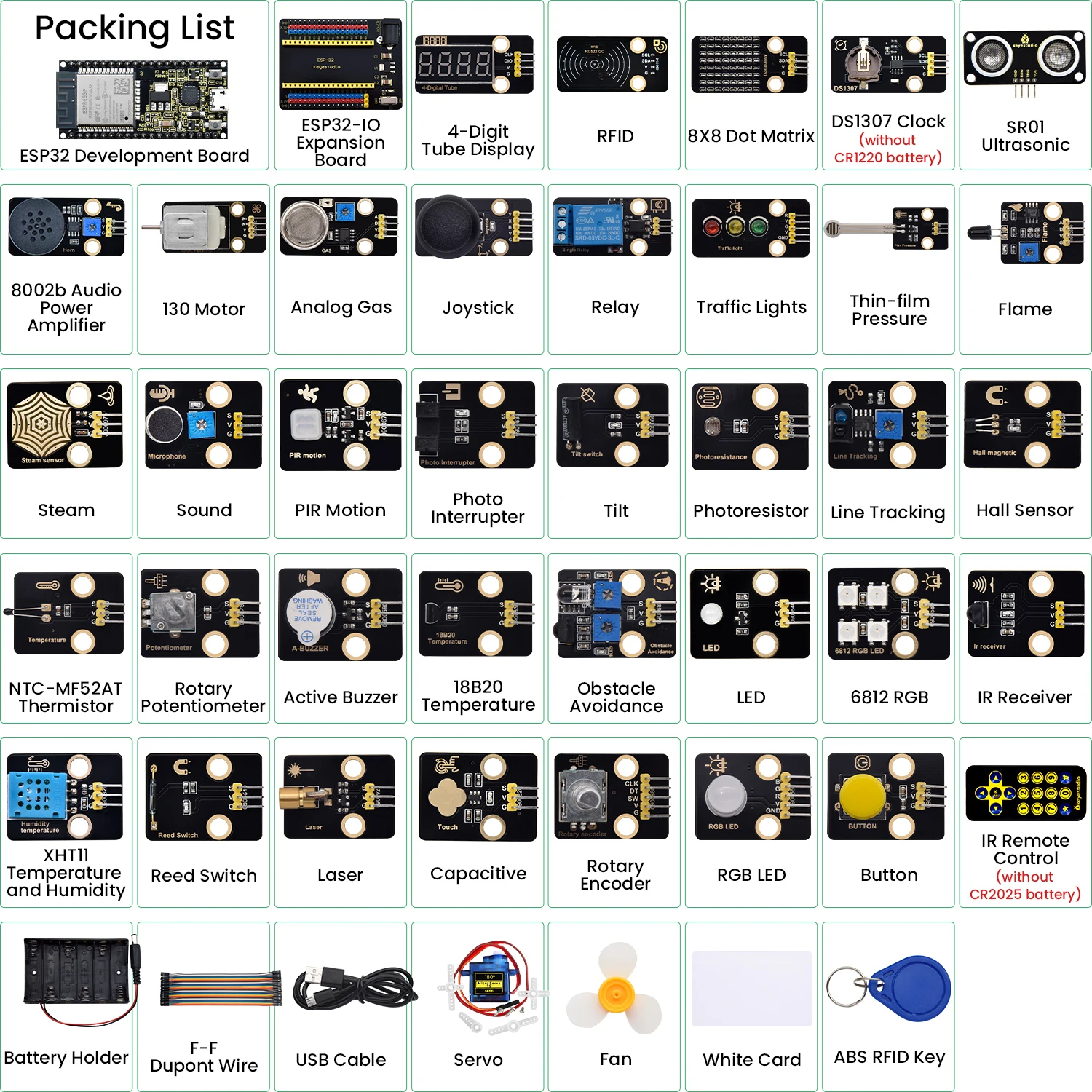
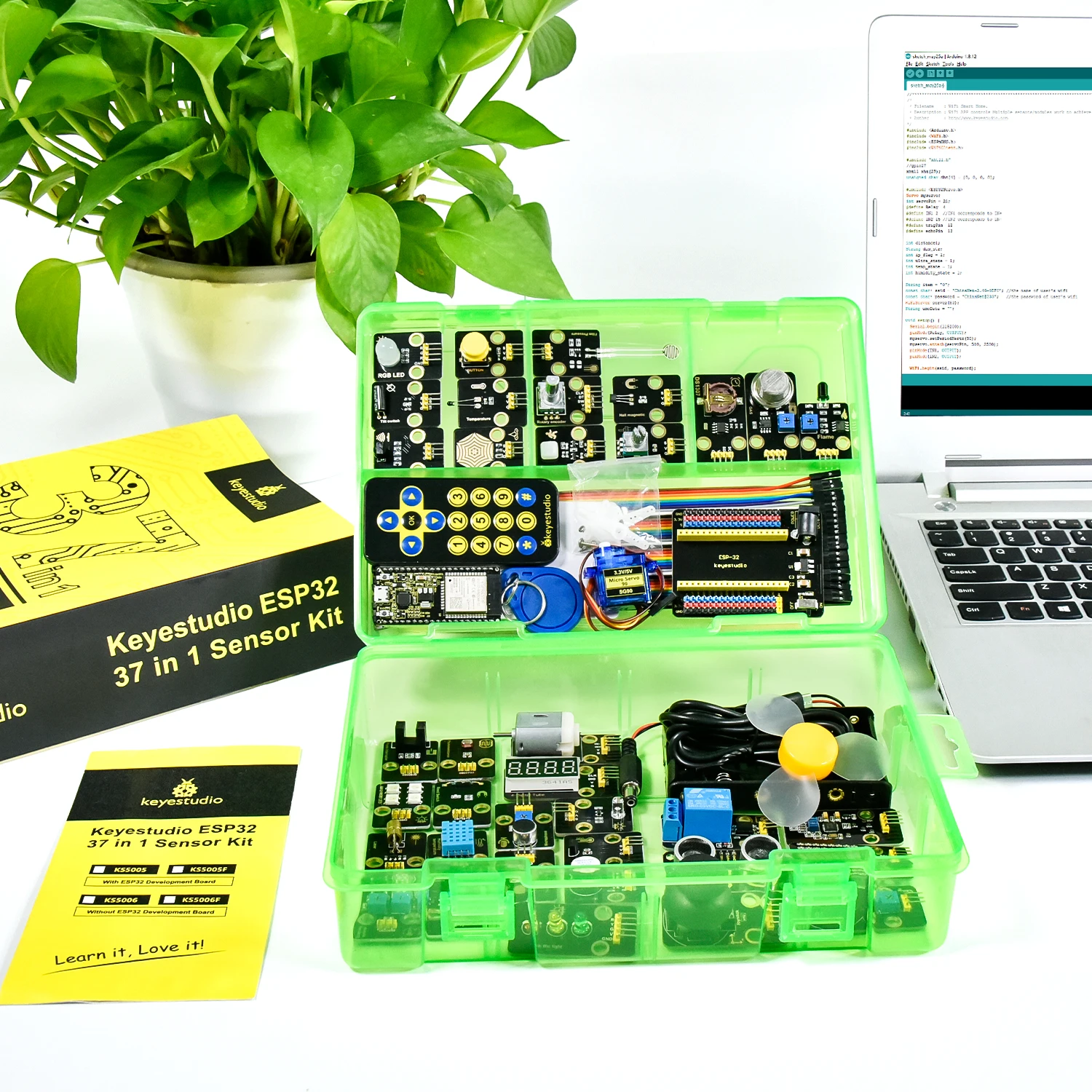
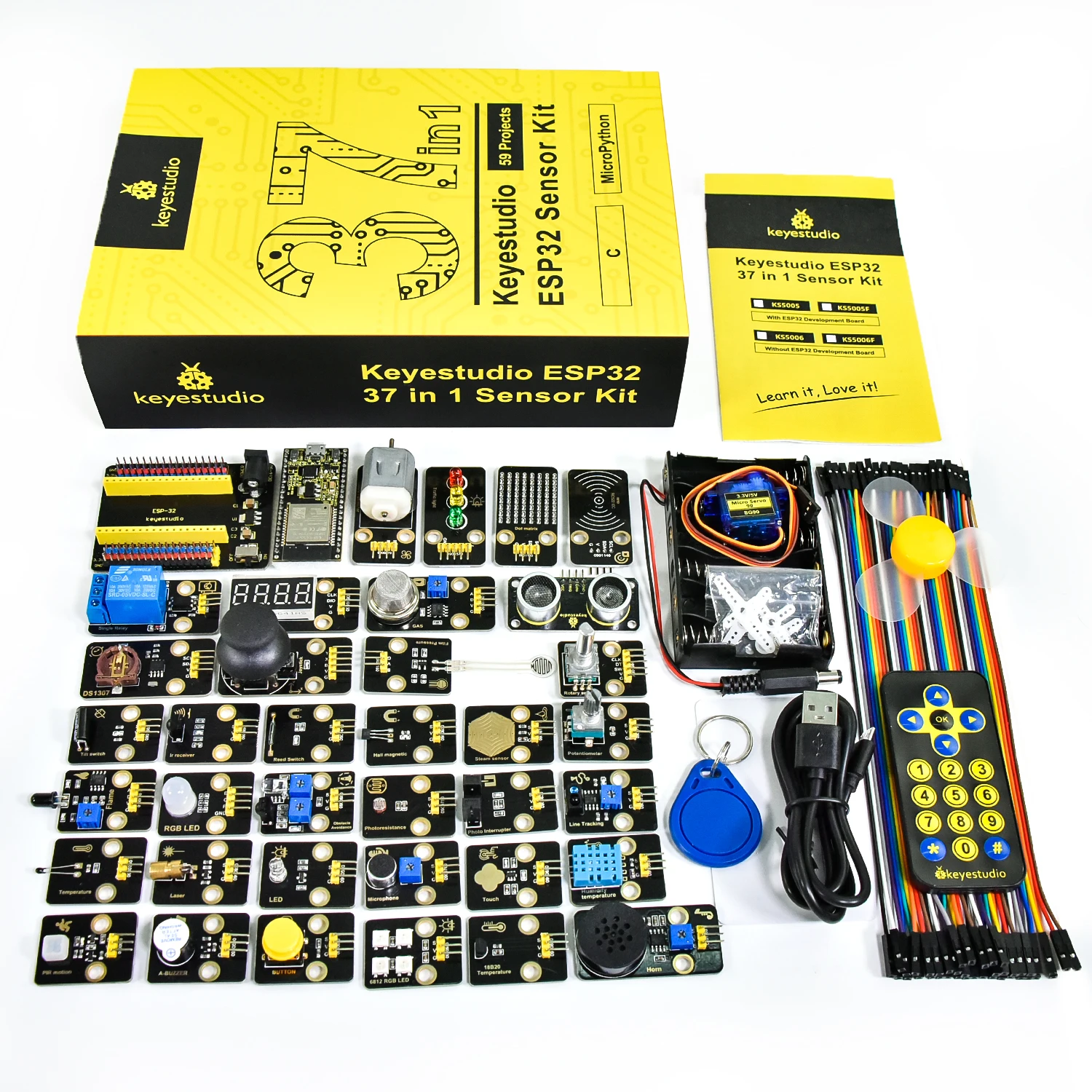
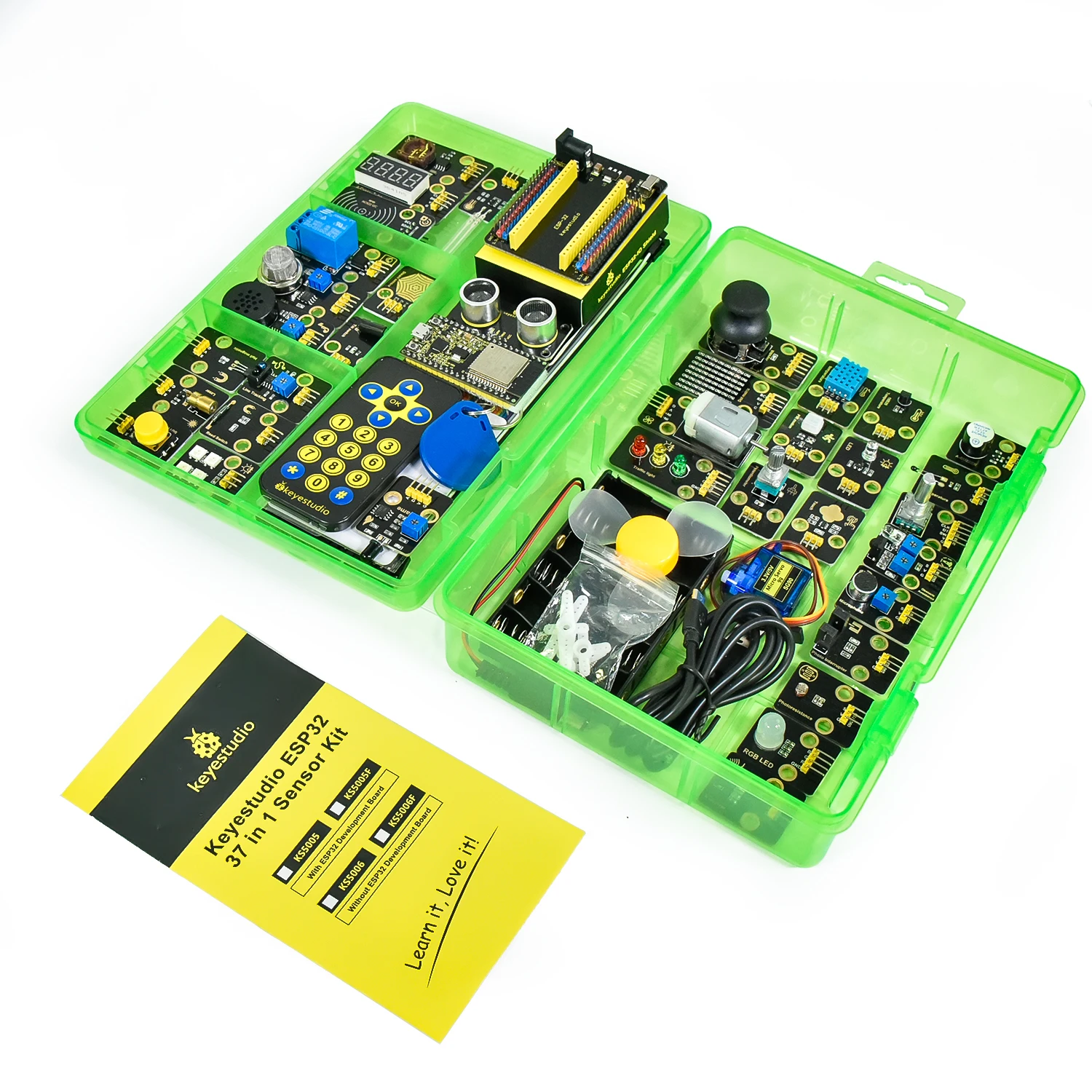
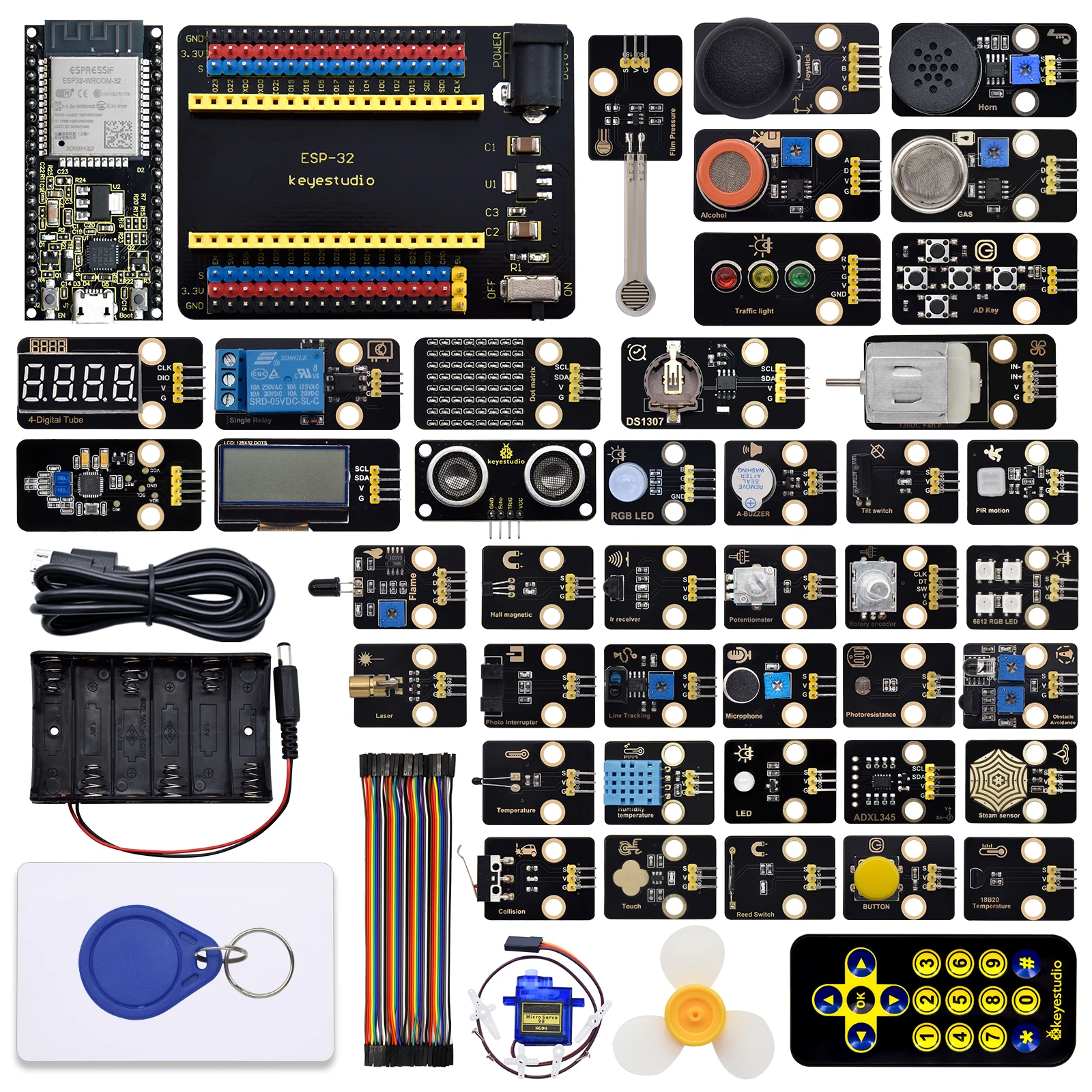
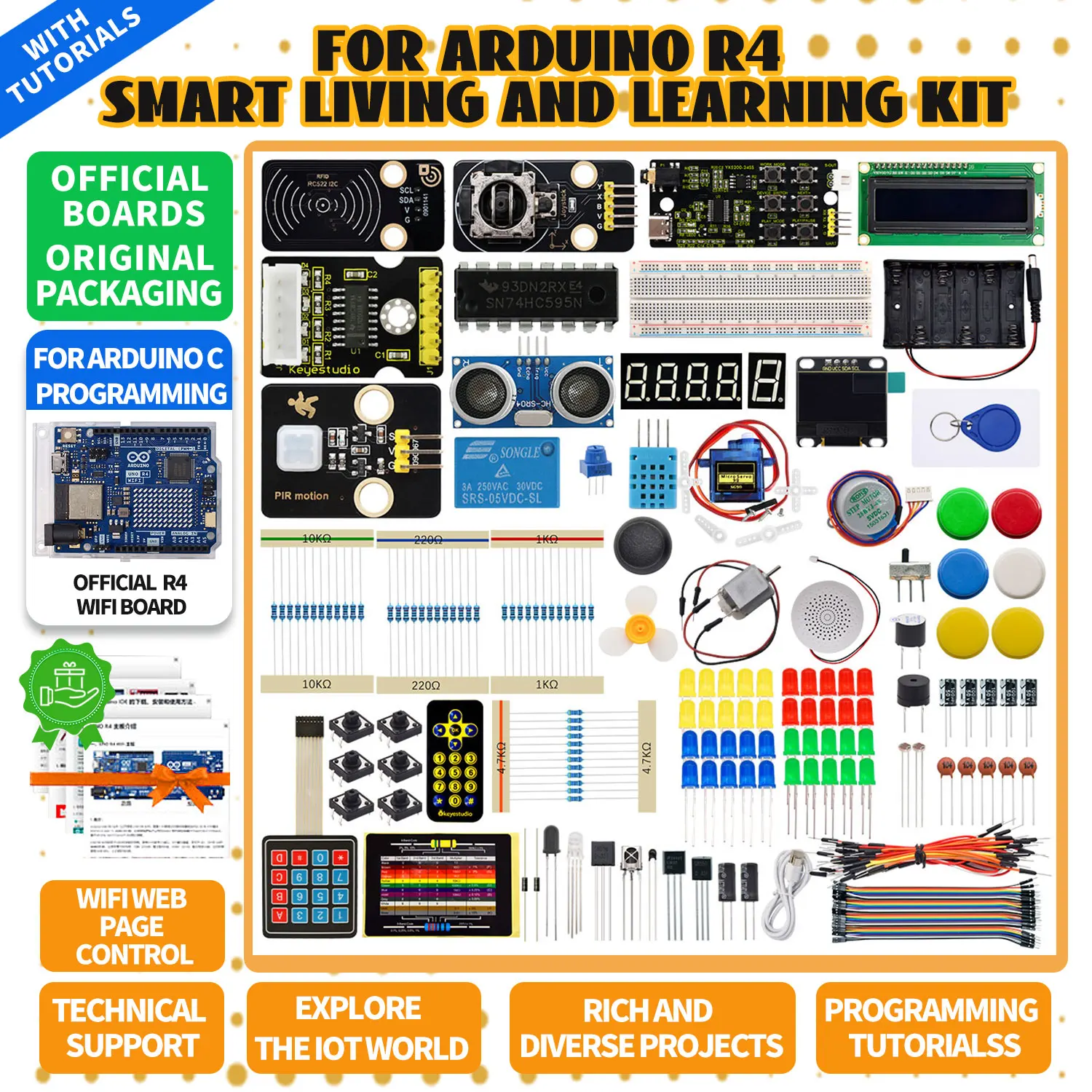
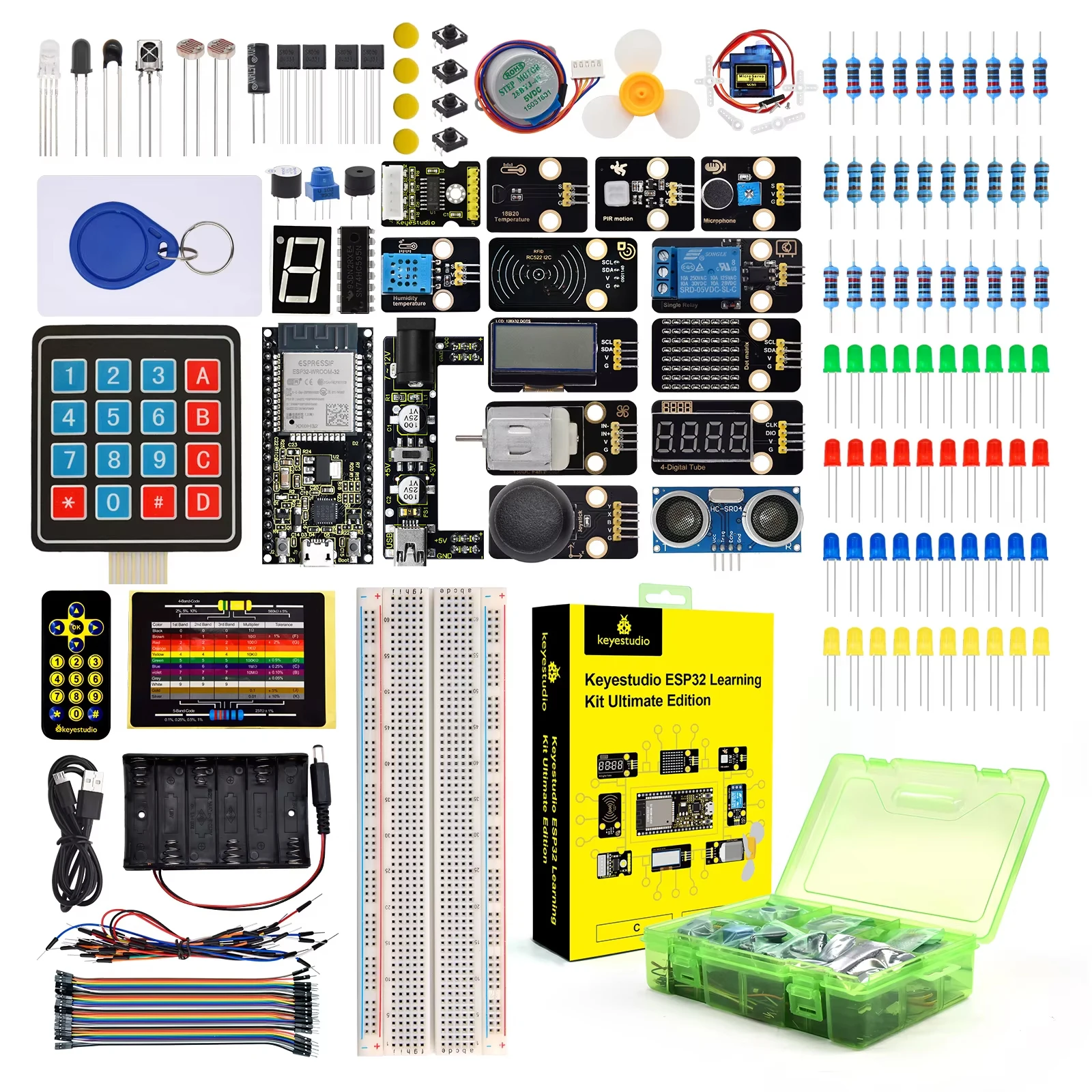
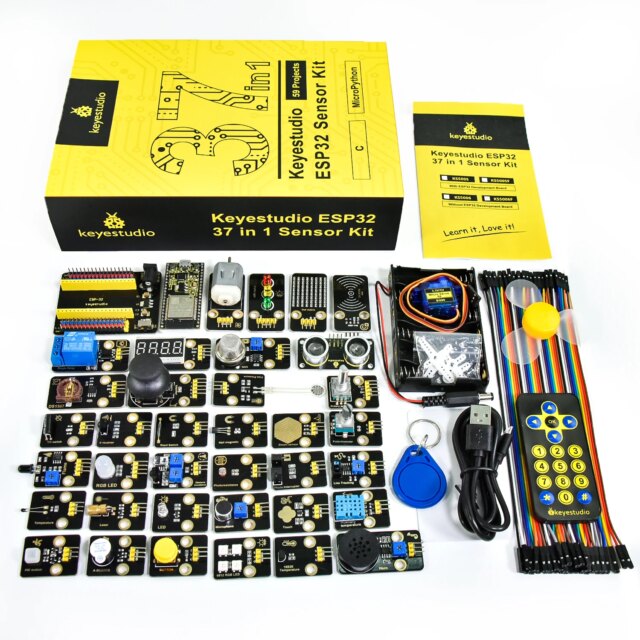
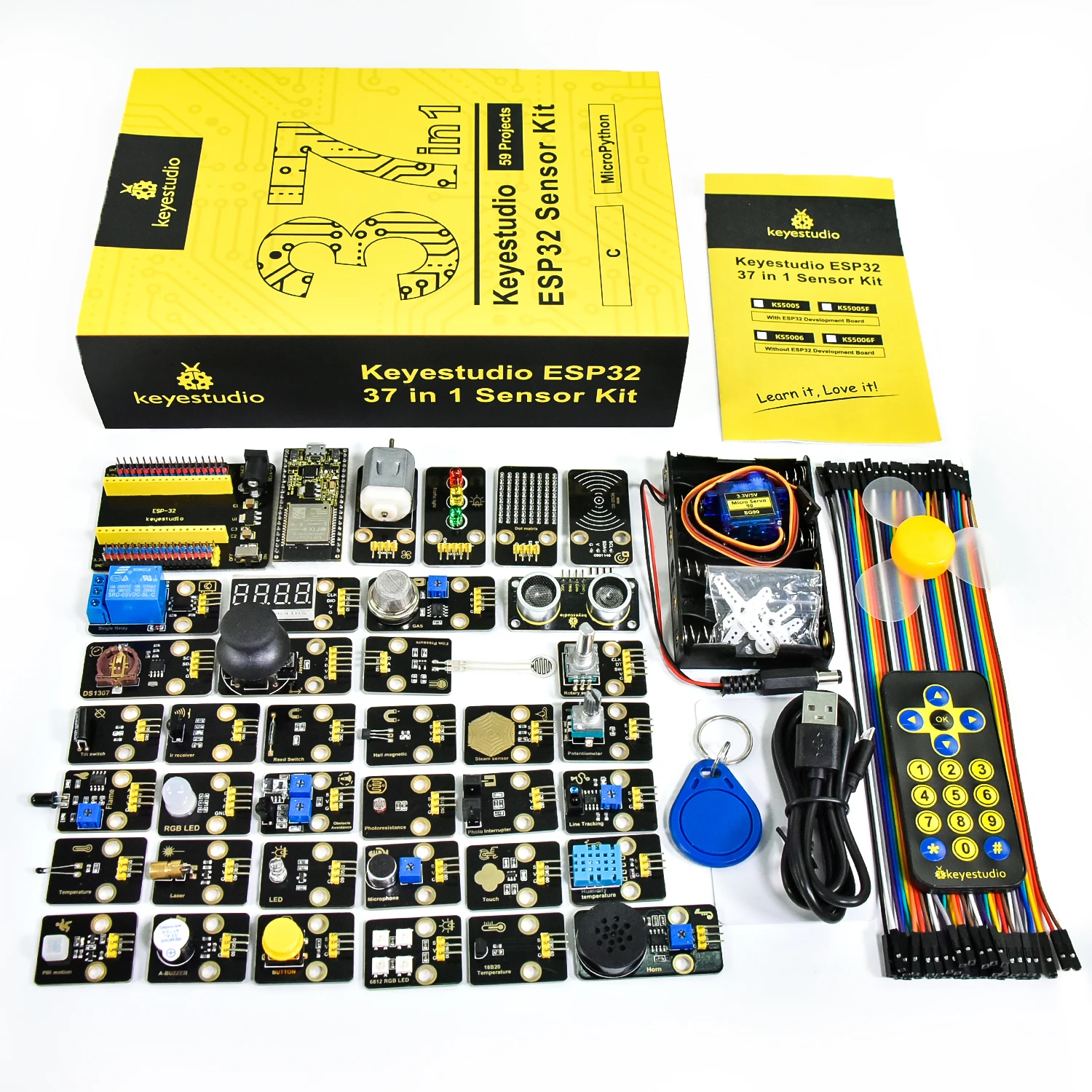
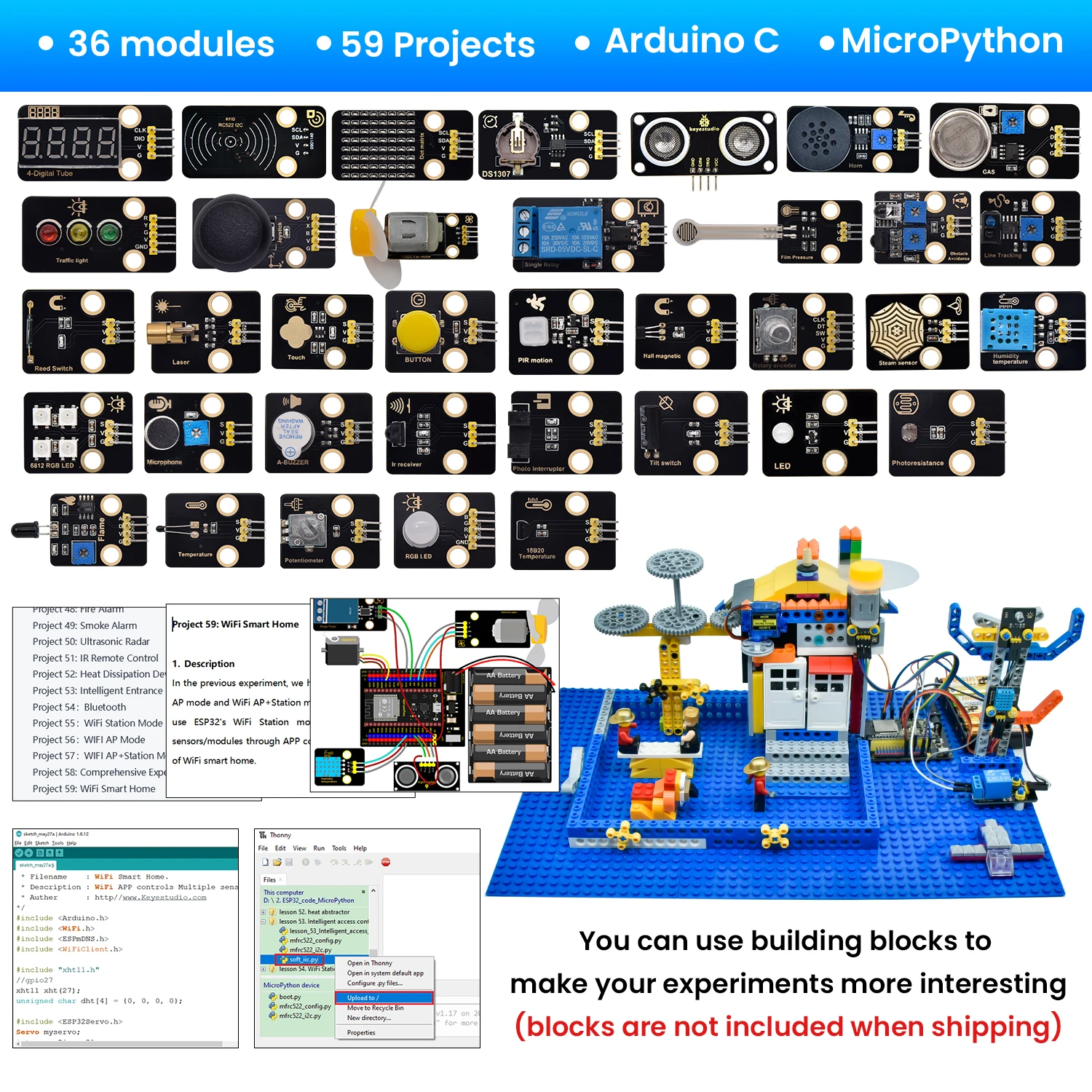
a complete STEM learning solution designed for hands-on electronics, coding, and IoT innovation. This all-in-one kit combines 37 versatile sensors and modules, including RFID technology, to help learners build real-world interactive systems.
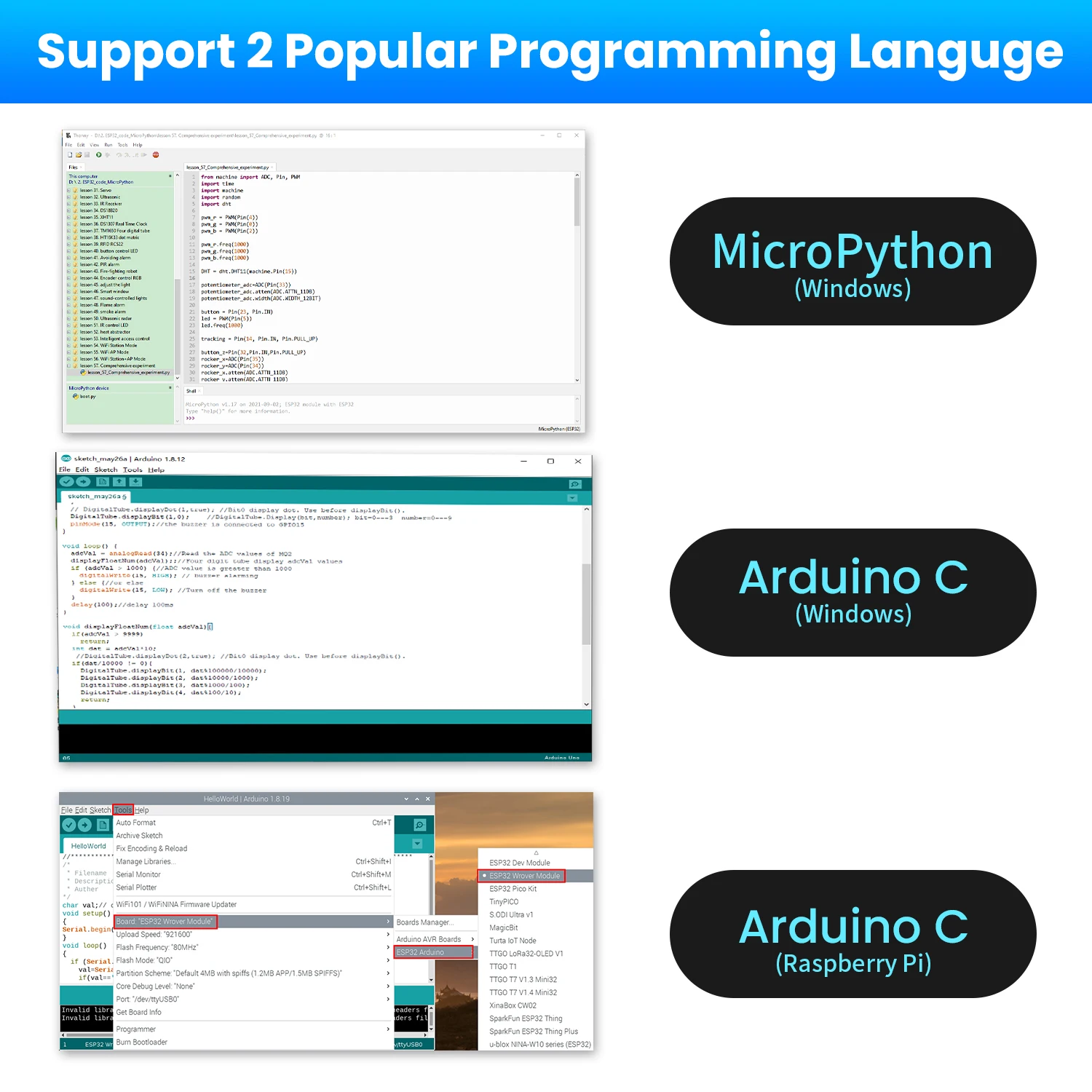
Moreover, the included ESP32 development board and expansion module allow seamless connectivity and fast prototyping. With support for both Arduino IDE and MicroPython, users can easily transition from beginner-level experiments to advanced automation projects.
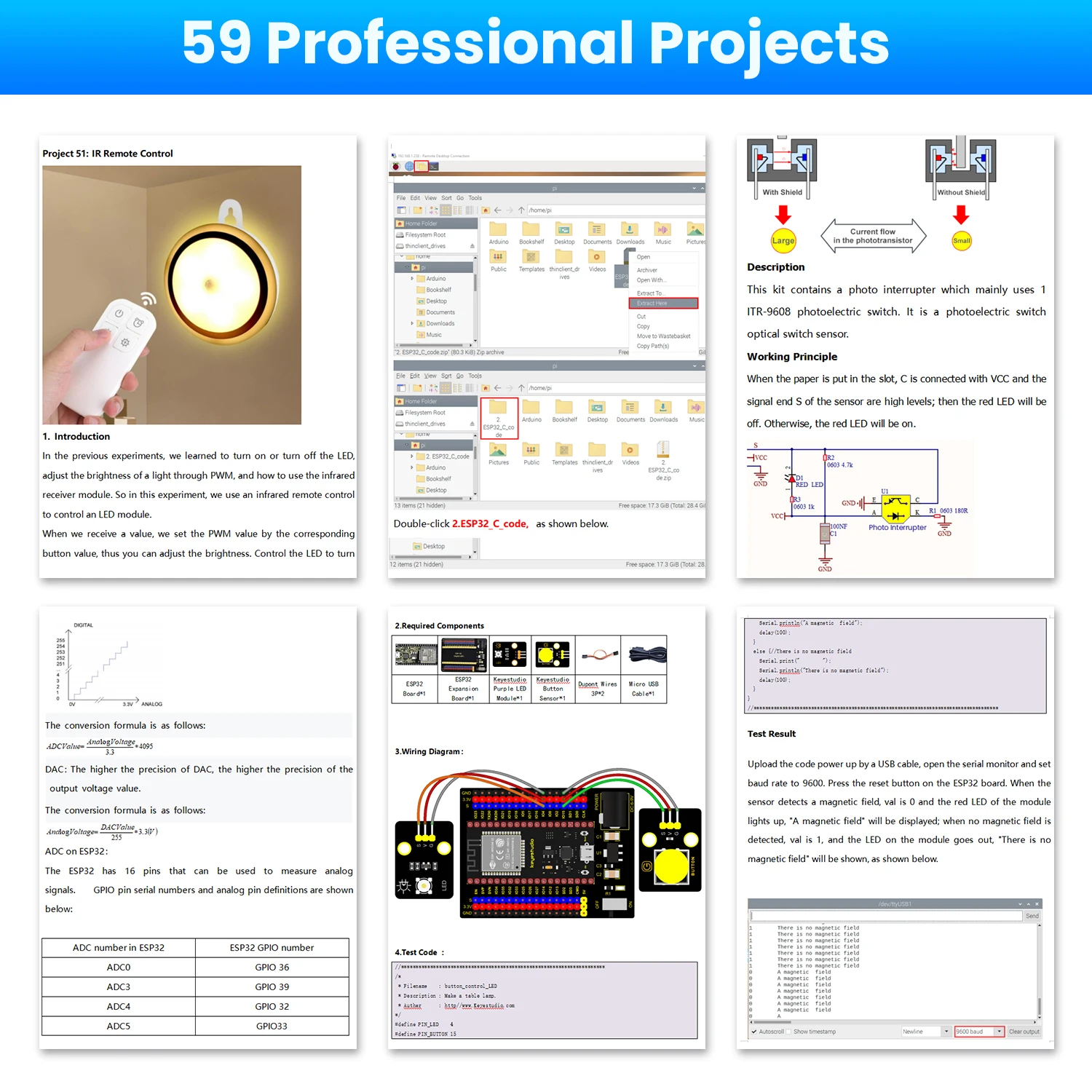
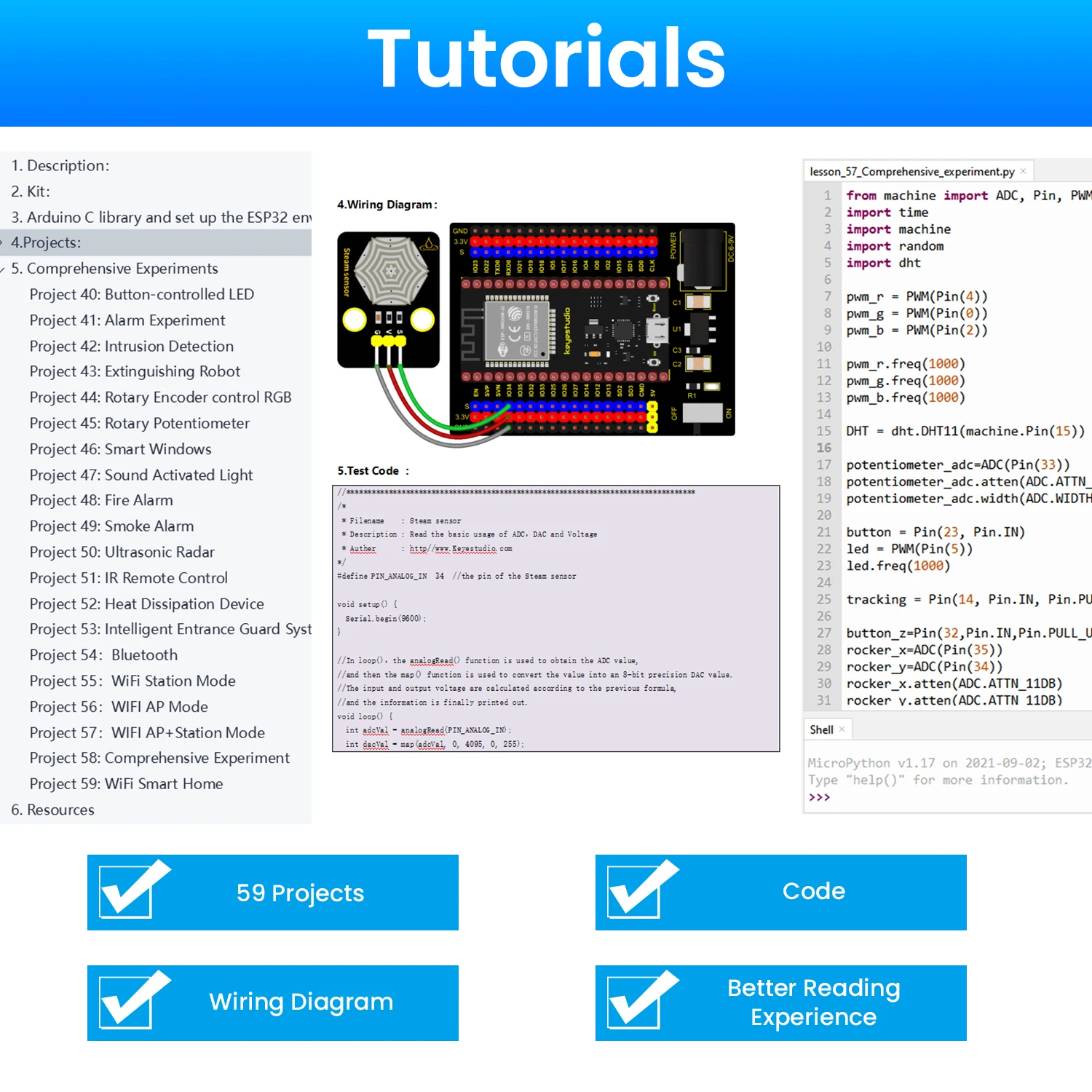
In addition, the kit comes with detailed tutorials, wiring diagrams, and sample codes, ensuring a smooth learning experience. As a result, learners can quickly understand how sensors interact with microcontrollers and how smart systems are built.
Whether used in classrooms, labs, or home environments, this kit provides a powerful foundation in electronics, programming, and IoT applications.
⚙️ Specifications
- Product Type: ESP32 RFID Sensor Starter Kit
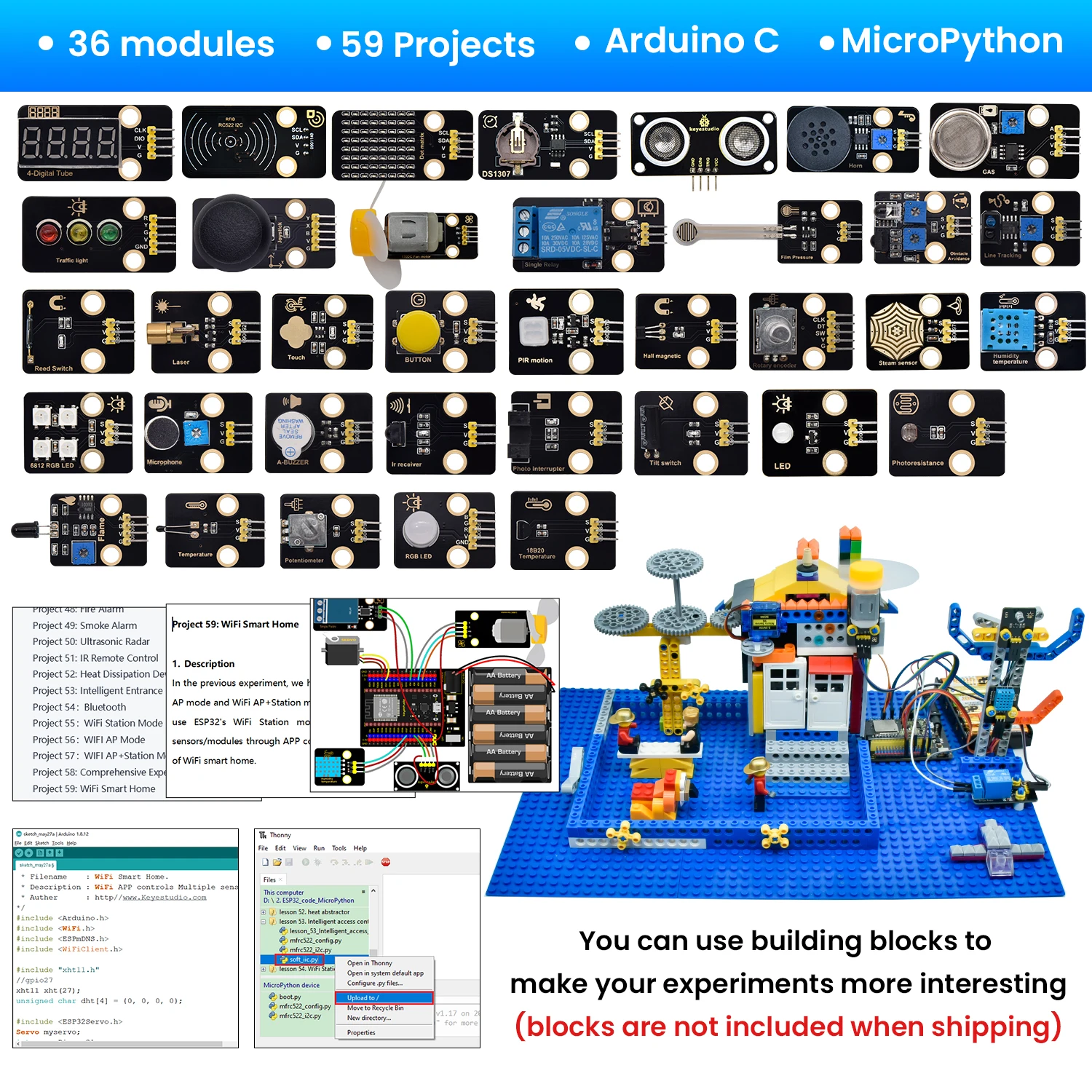
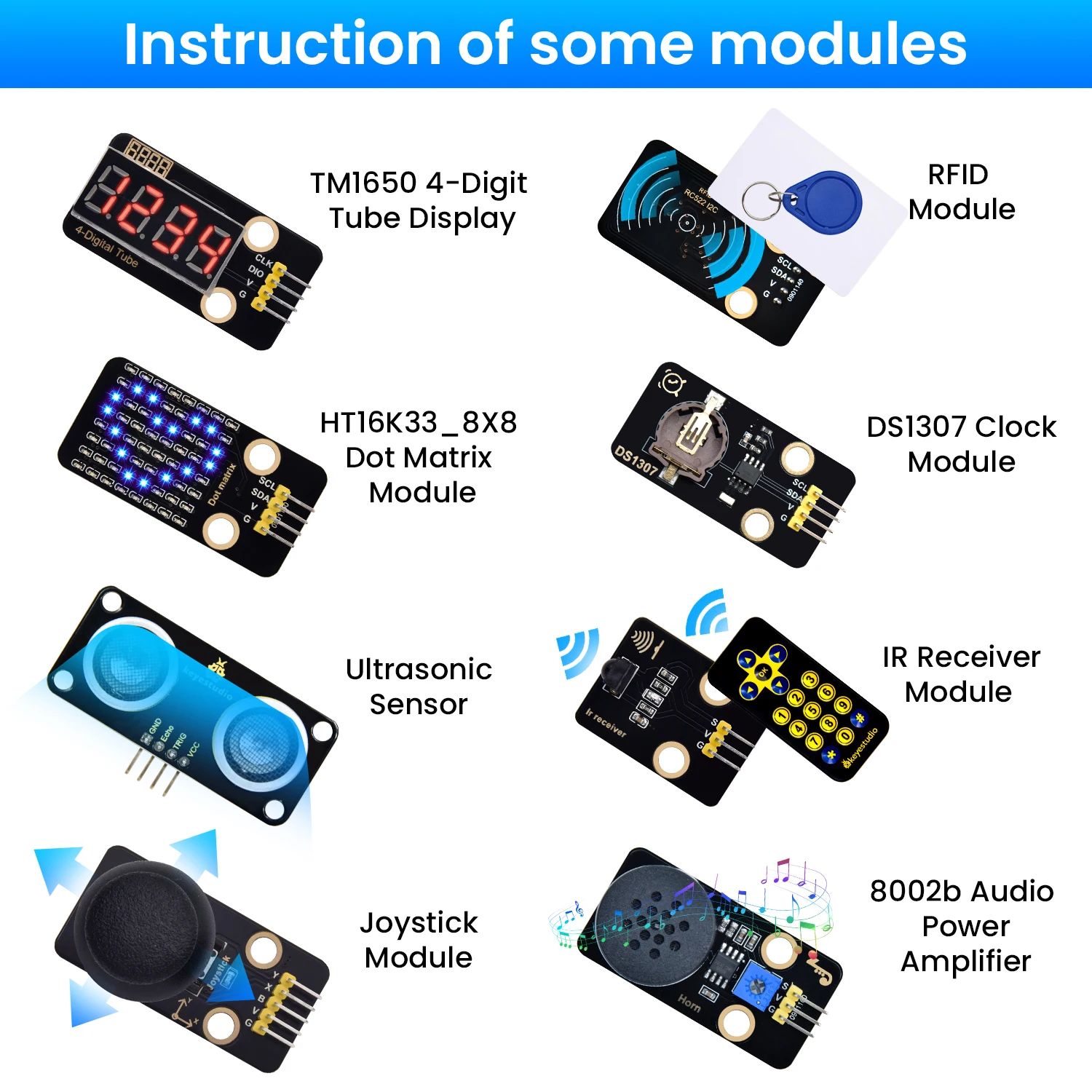
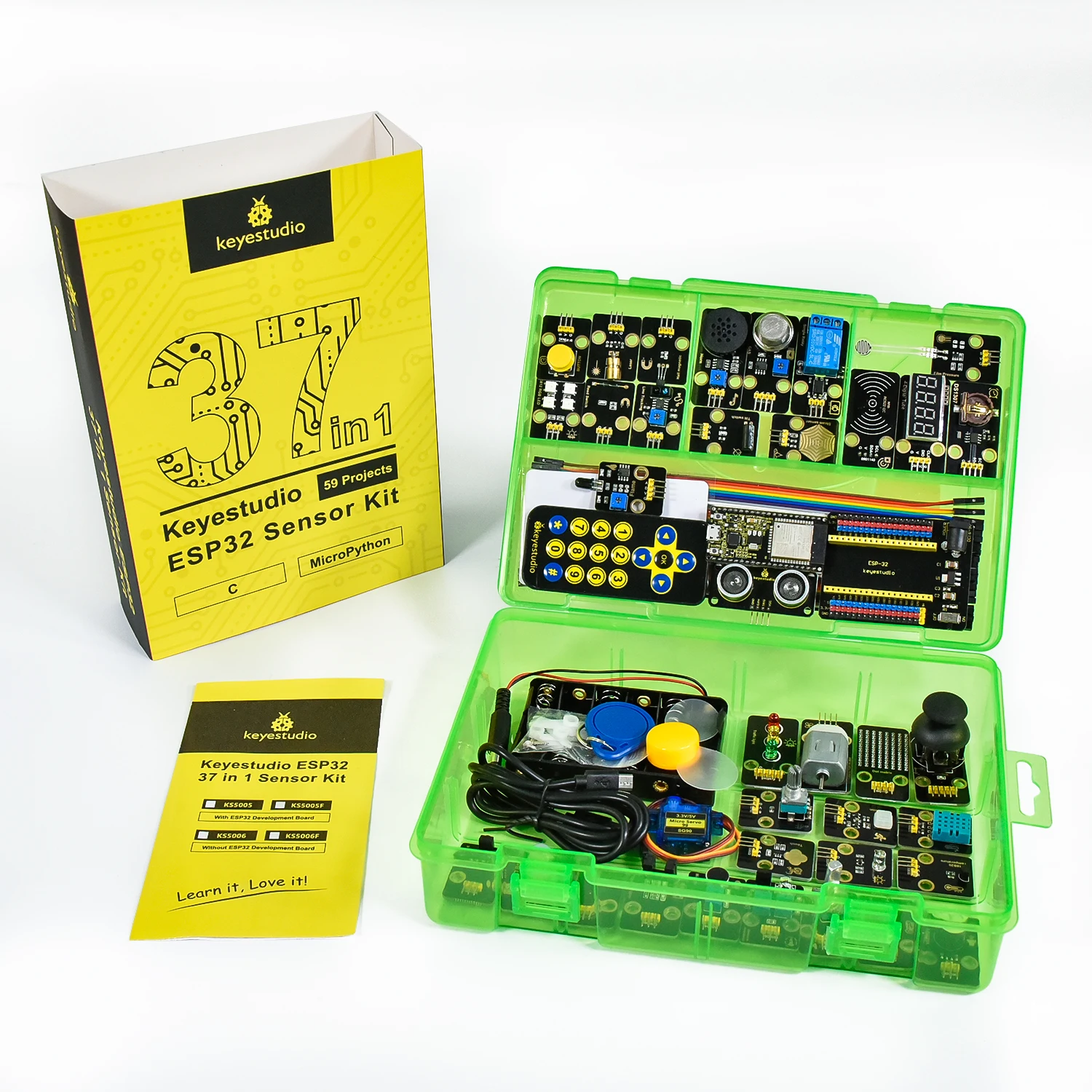
- Modules Included: 37 sensors & modules
- Mainboard: ESP32 (included in some versions)
- Programming Support: Arduino C, MicroPython
- Projects Included: Up to 59 guided projects
- Key Feature: RFID module for access control & identification
- Connectivity: WiFi + Bluetooth (ESP32 capability)
- Accessories: Expansion board, Dupont wires, tutorials
- Assembly: Plug-and-play modular design
📚 Subjects Covered (Detailed)
- Embedded Systems & ESP32 Microcontroller
Learners explore how microcontrollers process data, control hardware, and execute real-time instructions in smart systems. - Electronics & Circuit Design
Students build circuits using sensors, resistors, and modules, while understanding voltage, current flow, and signal behavior. - RFID & Smart Identification Systems
This kit introduces contactless technology, enabling projects like access control systems, ID verification, and smart security. - Sensor Technology & Data Processing
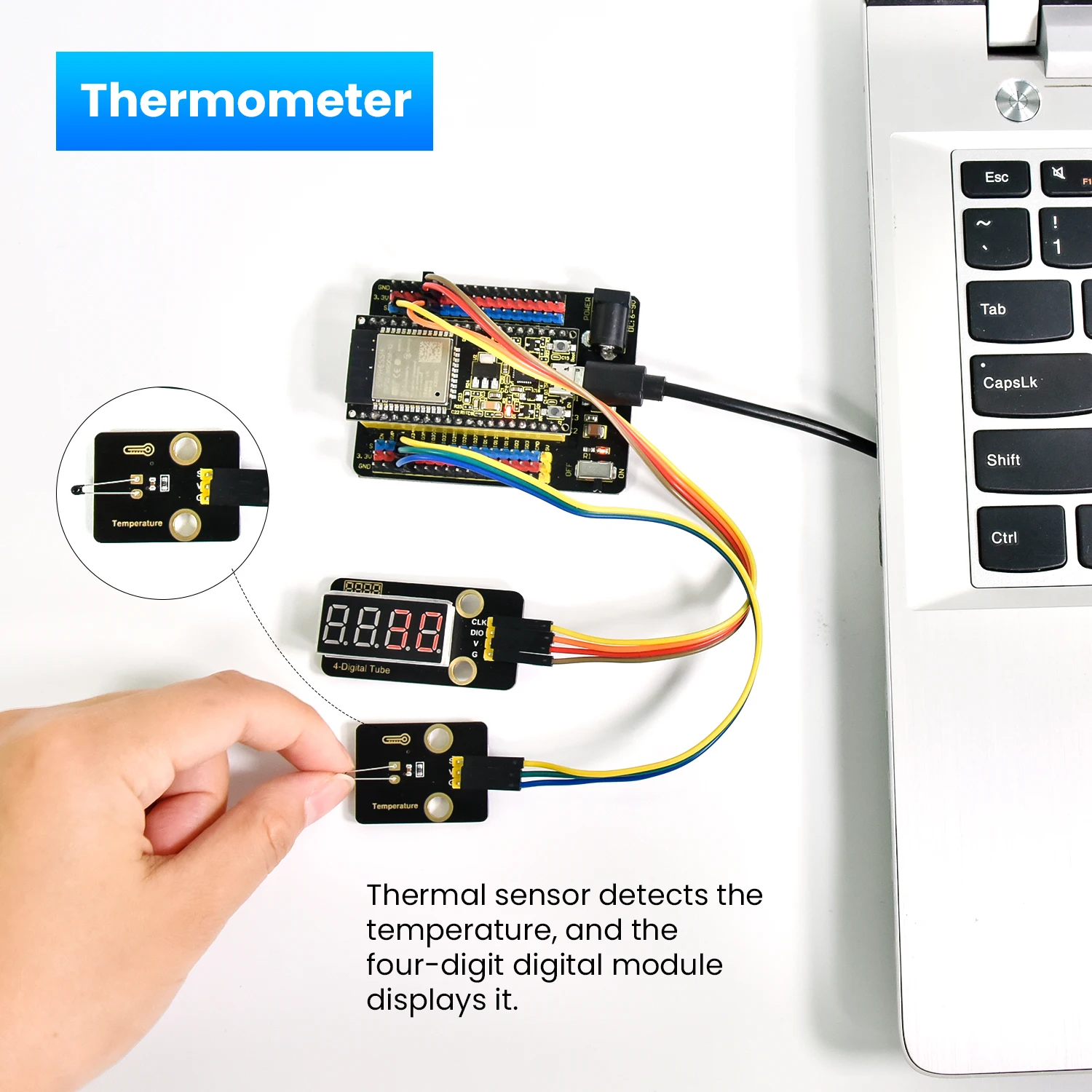
Users learn how different sensors detect environmental changes such as temperature, motion, light, and distance. - Programming (Arduino & MicroPython)
Coding skills are developed through writing programs that control sensors, automate responses, and process data. - Internet of Things (IoT) Applications
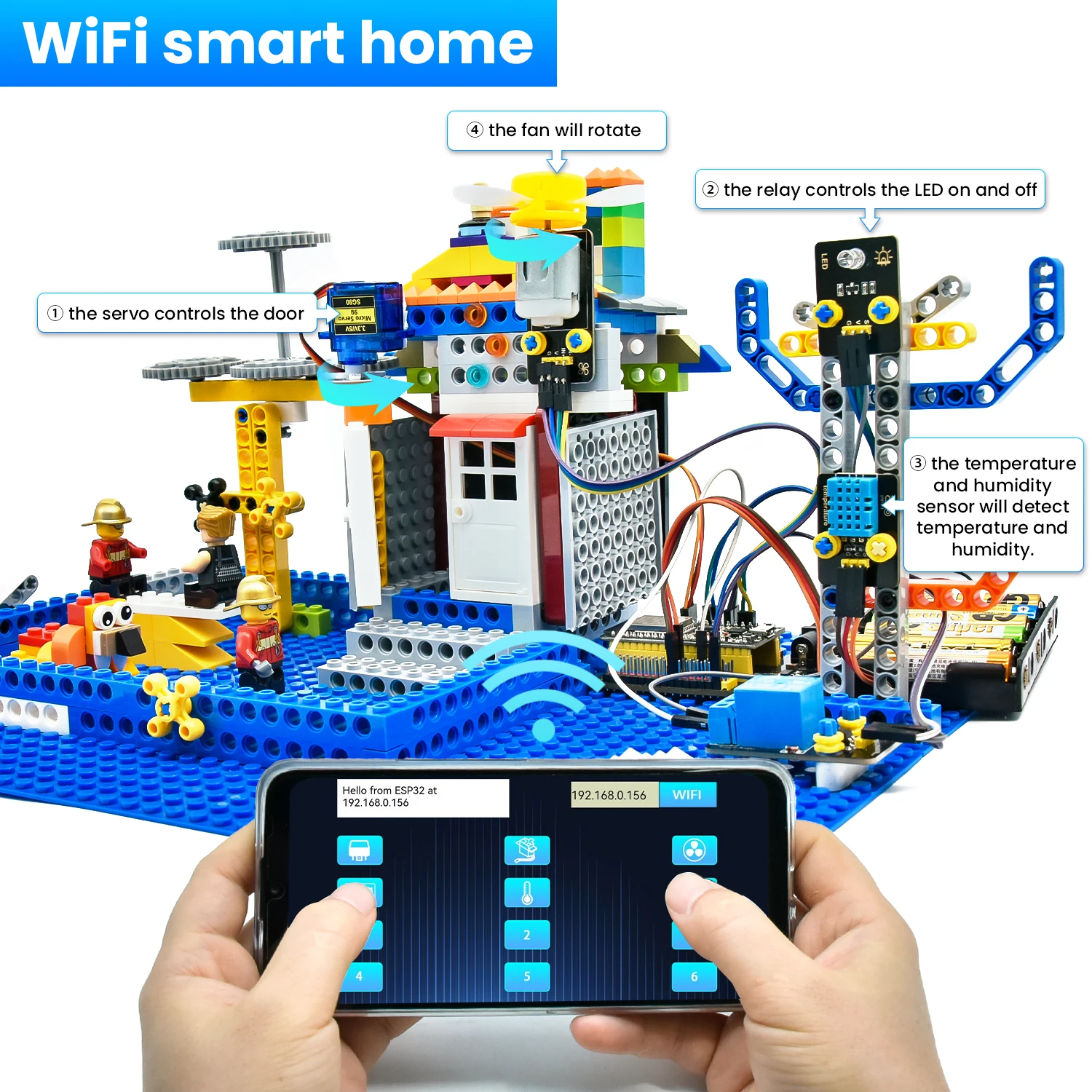
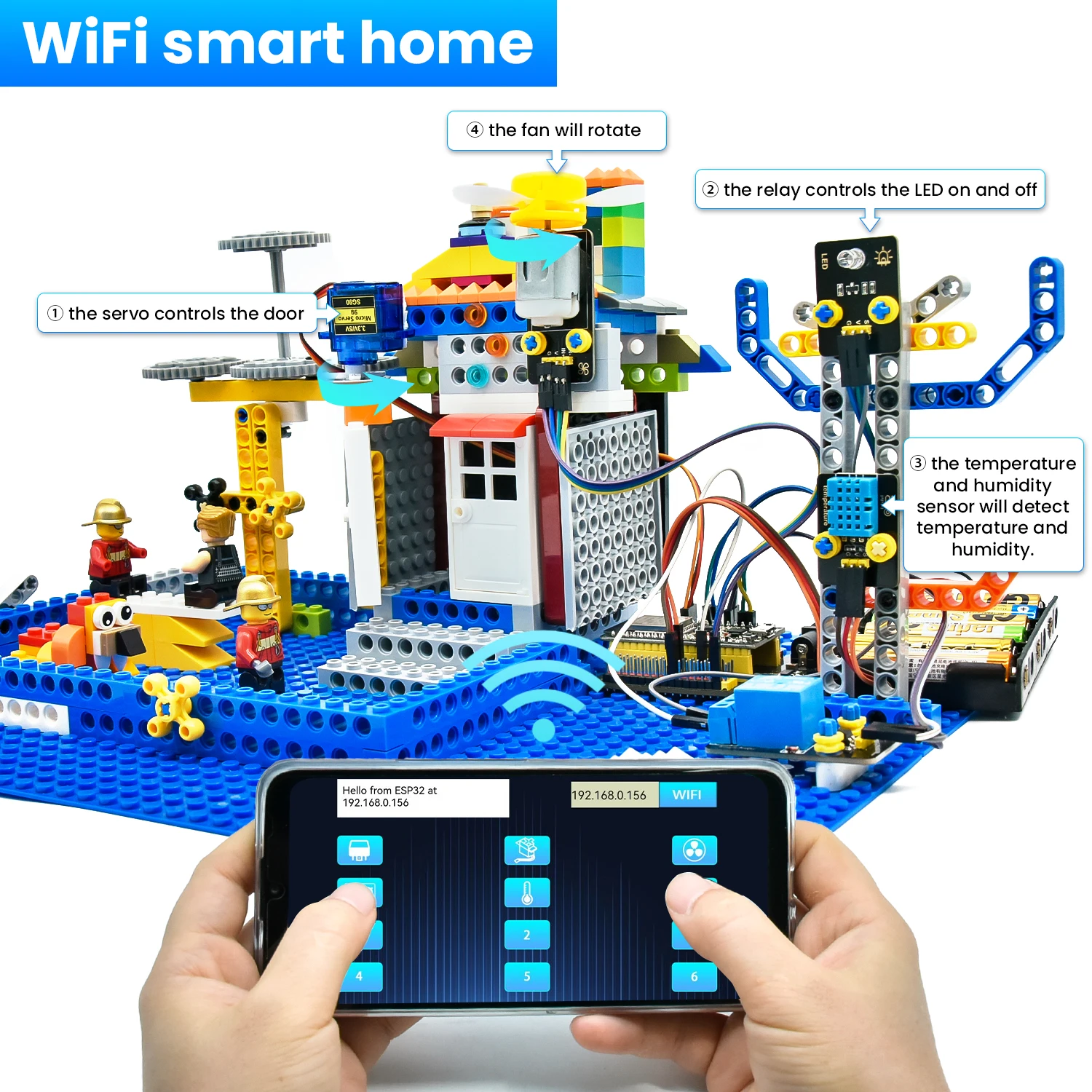
Learners understand how connected devices communicate, enabling smart home and automation solutions.
⚡ Activities Performed (Detailed)
- Building RFID Access Systems
Create smart door locks and authentication systems using RFID cards and readers. - Sensor-Based Monitoring Projects
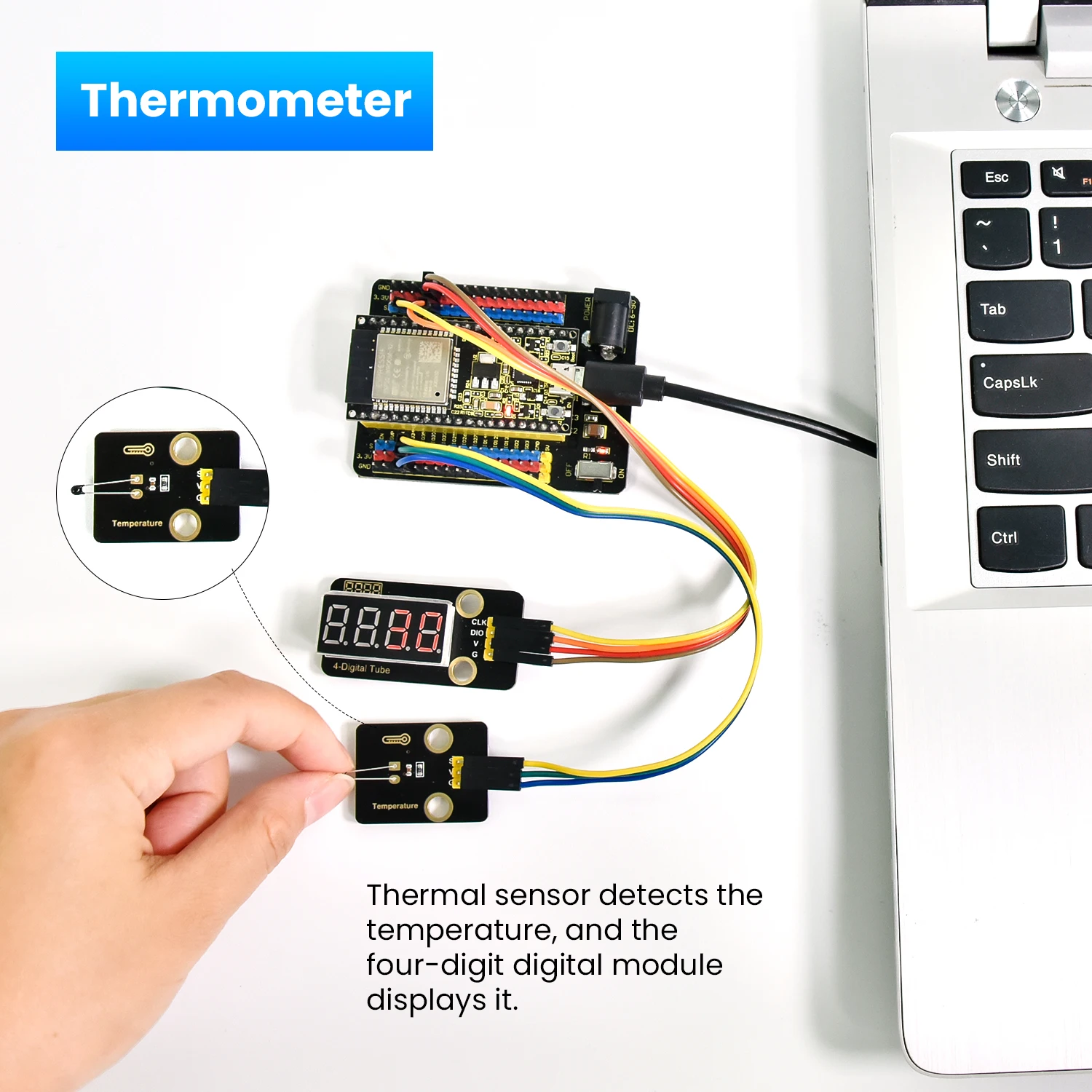
Measure environmental conditions like temperature, humidity, and motion in real time. - Automation System Development
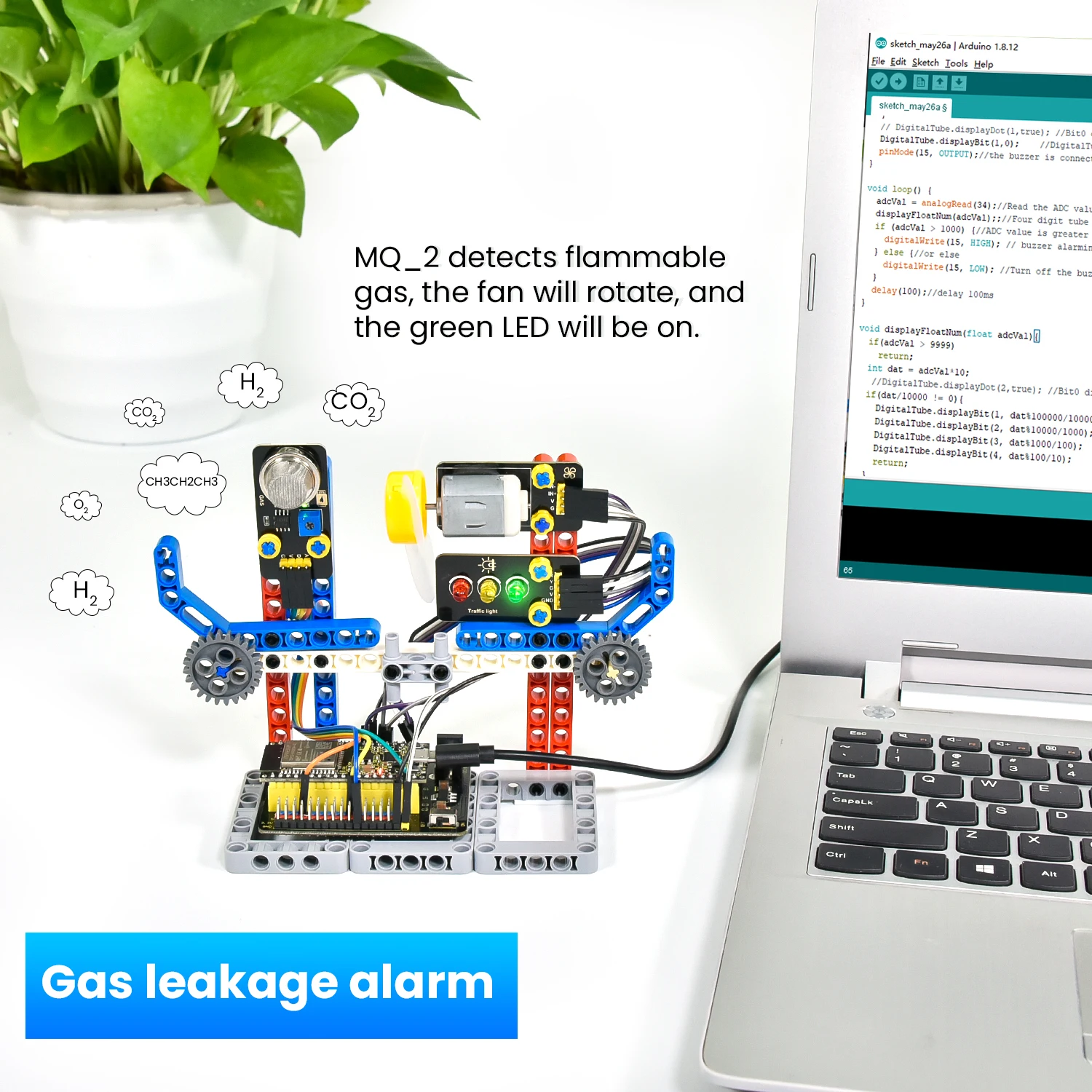
Design systems that automatically respond to inputs (e.g., alarms, lighting, or alerts). - Interactive Coding Projects
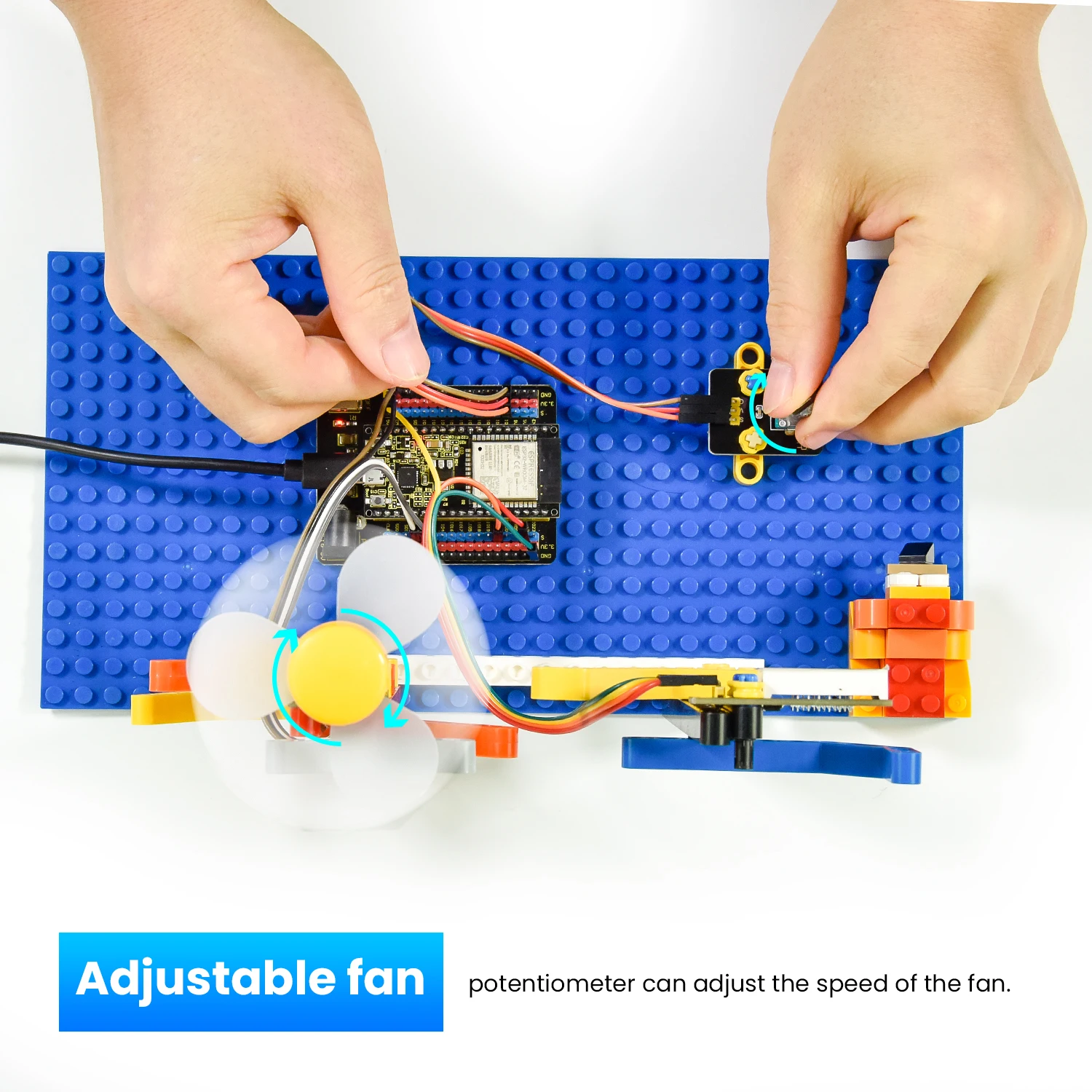
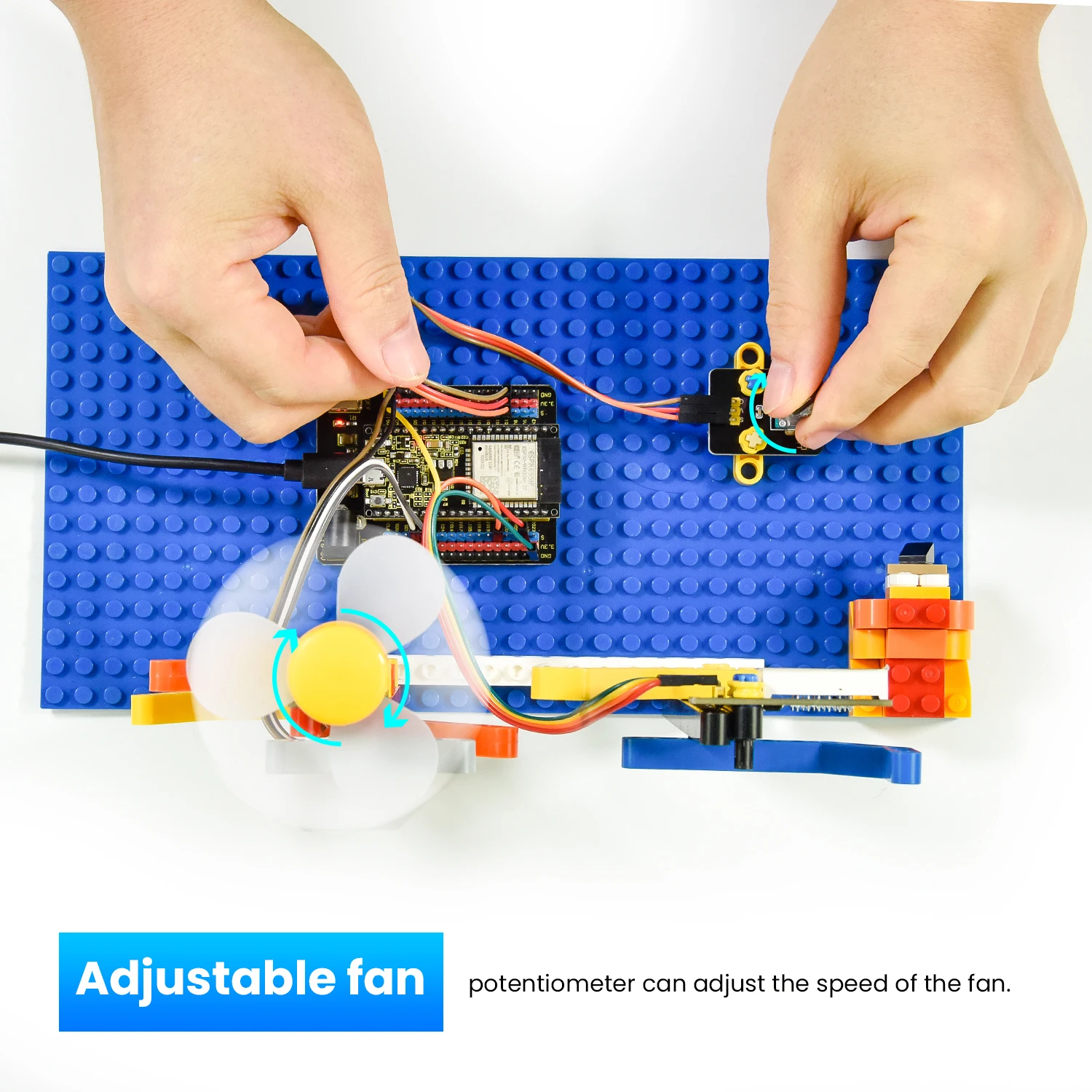
Program devices to react dynamically to user input and sensor data. - Circuit Assembly & Hardware Integration
Connect and test modules using breadboards and wires to build complete working systems. - IoT Experimentation & Prototyping
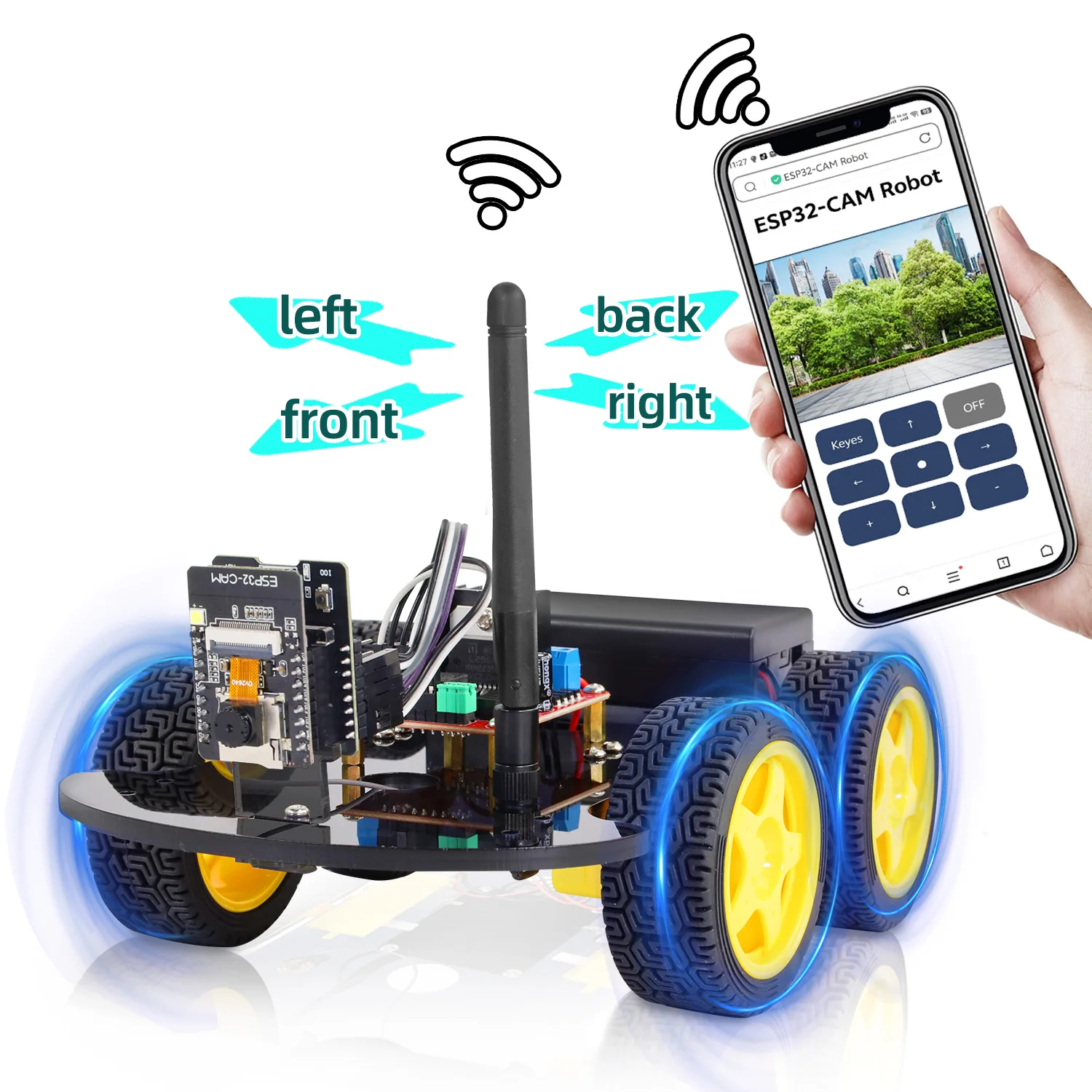
Develop smart solutions such as remote monitoring and connected devices using ESP32.
🎓 Benefits for Students & Teachers
👨🎓 For Students:
Students gain practical experience by working on real-world projects rather than just theory. Furthermore, they develop strong problem-solving and coding skills while exploring modern technologies like IoT and RFID. In addition, hands-on experimentation improves creativity, logical thinking, and confidence in building smart systems.
👩🏫 For Teachers:
Teachers benefit from a ready-to-use educational kit that simplifies complex concepts. Moreover, the included tutorials reduce preparation time while supporting structured lessons. As a result, educators can deliver engaging STEM classes that cater to different skill levels and encourage interactive learning.