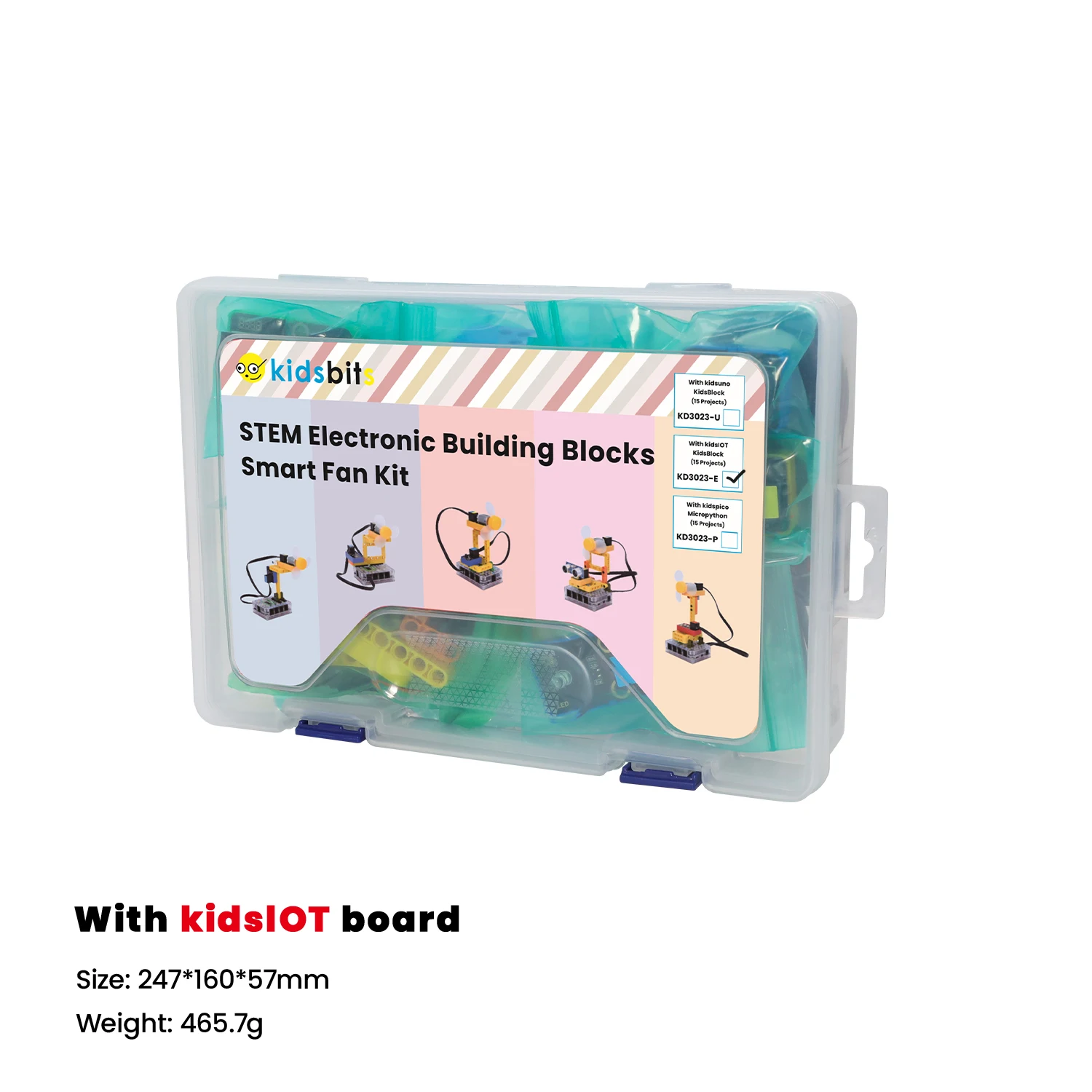
Kidsbits Smart Fan STEM Kit
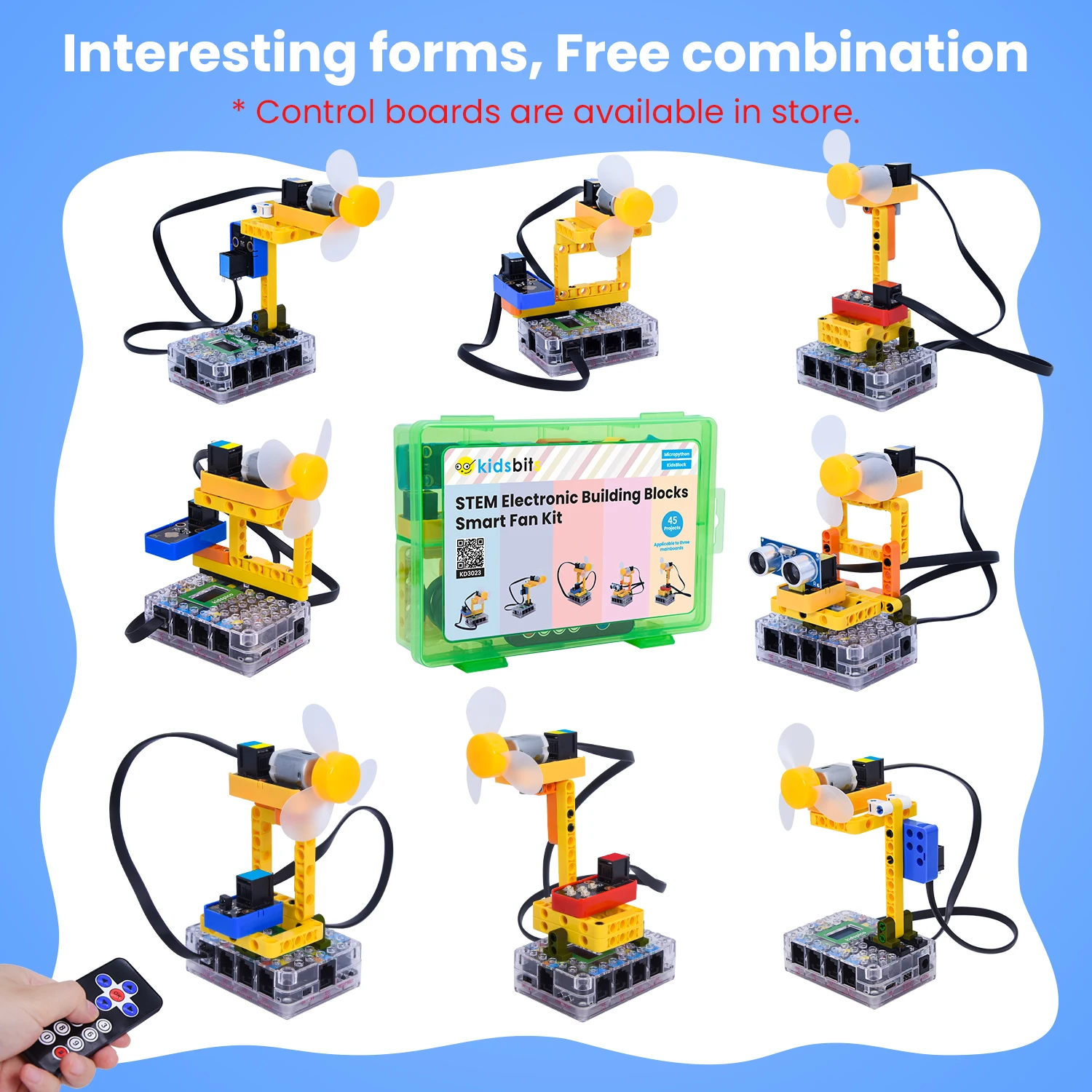
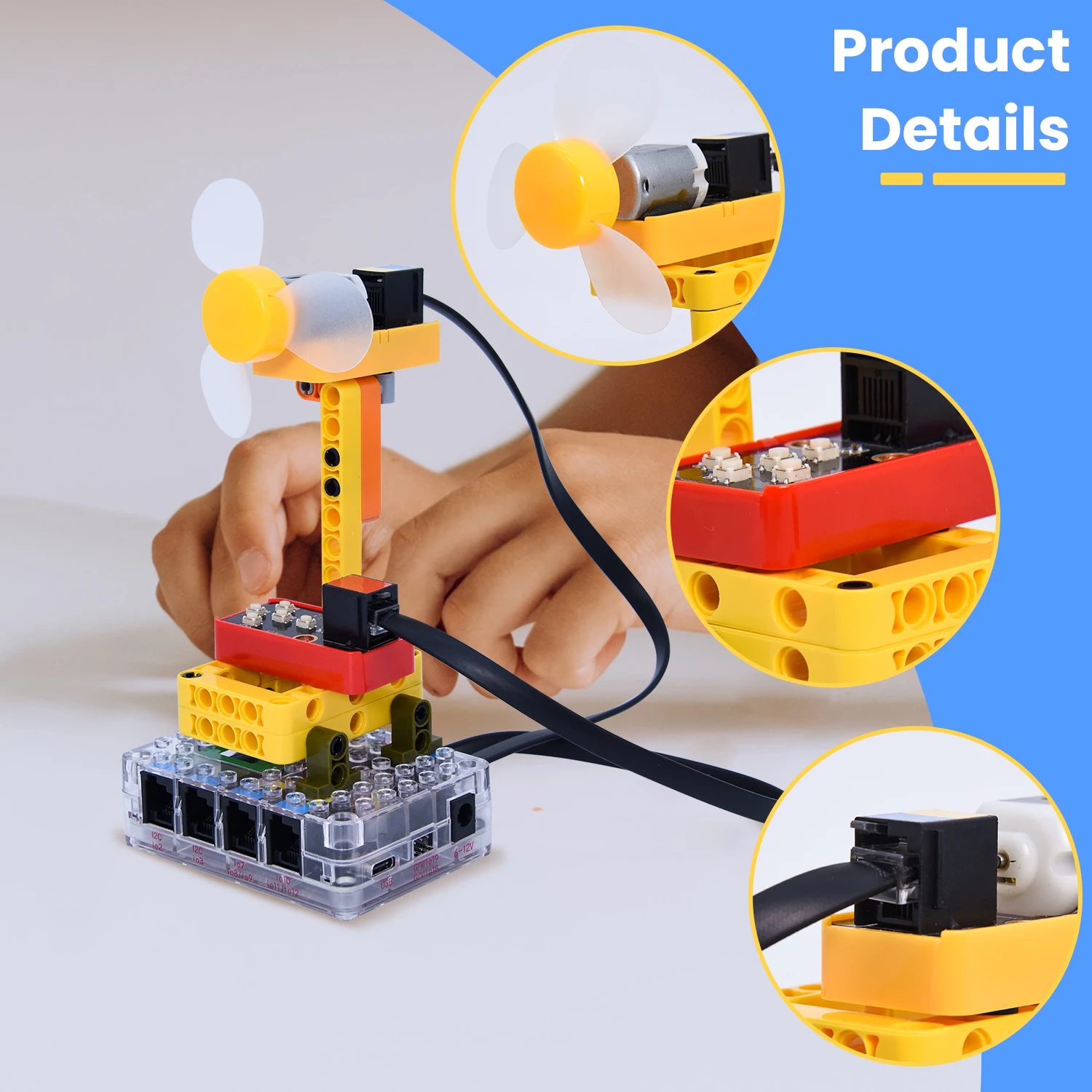
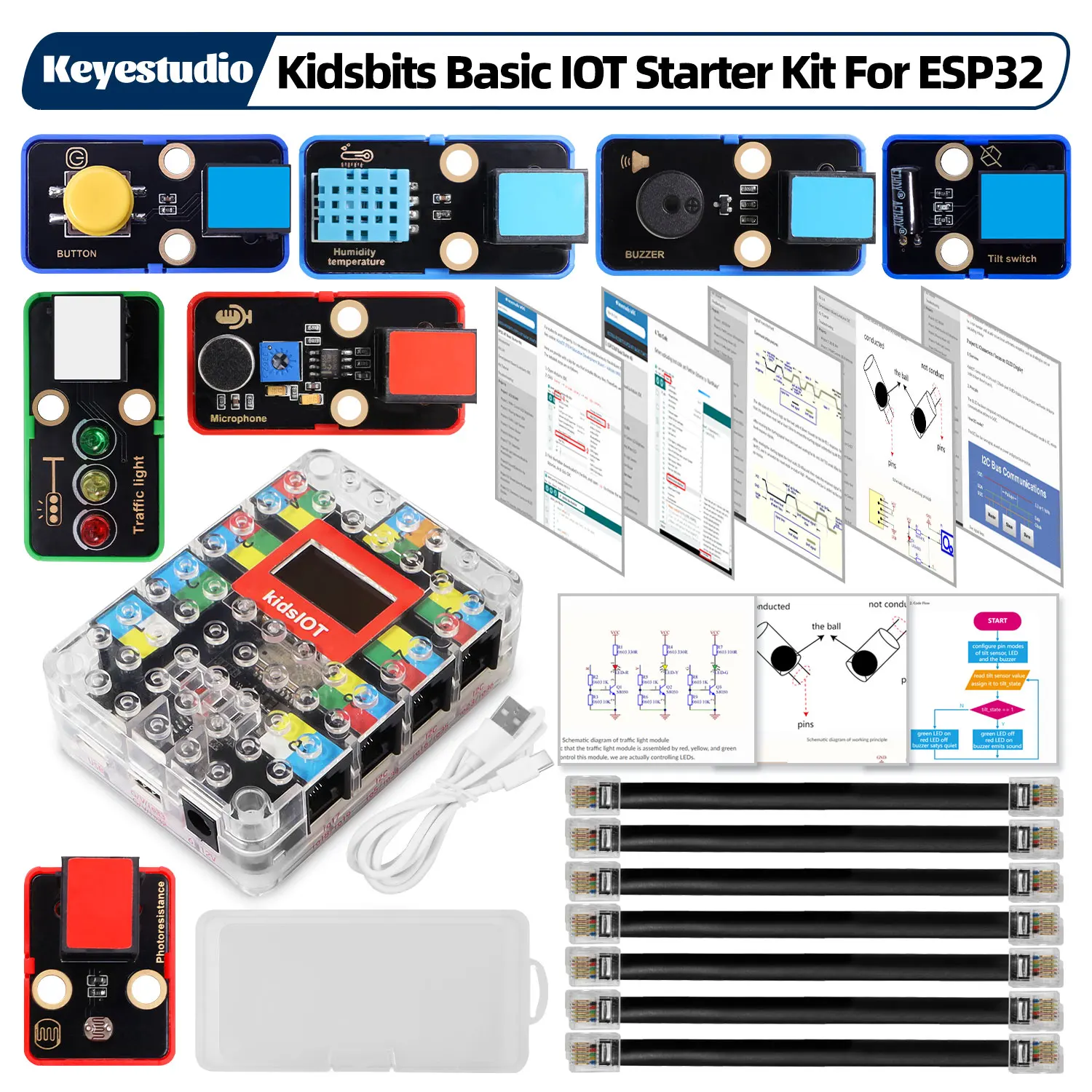
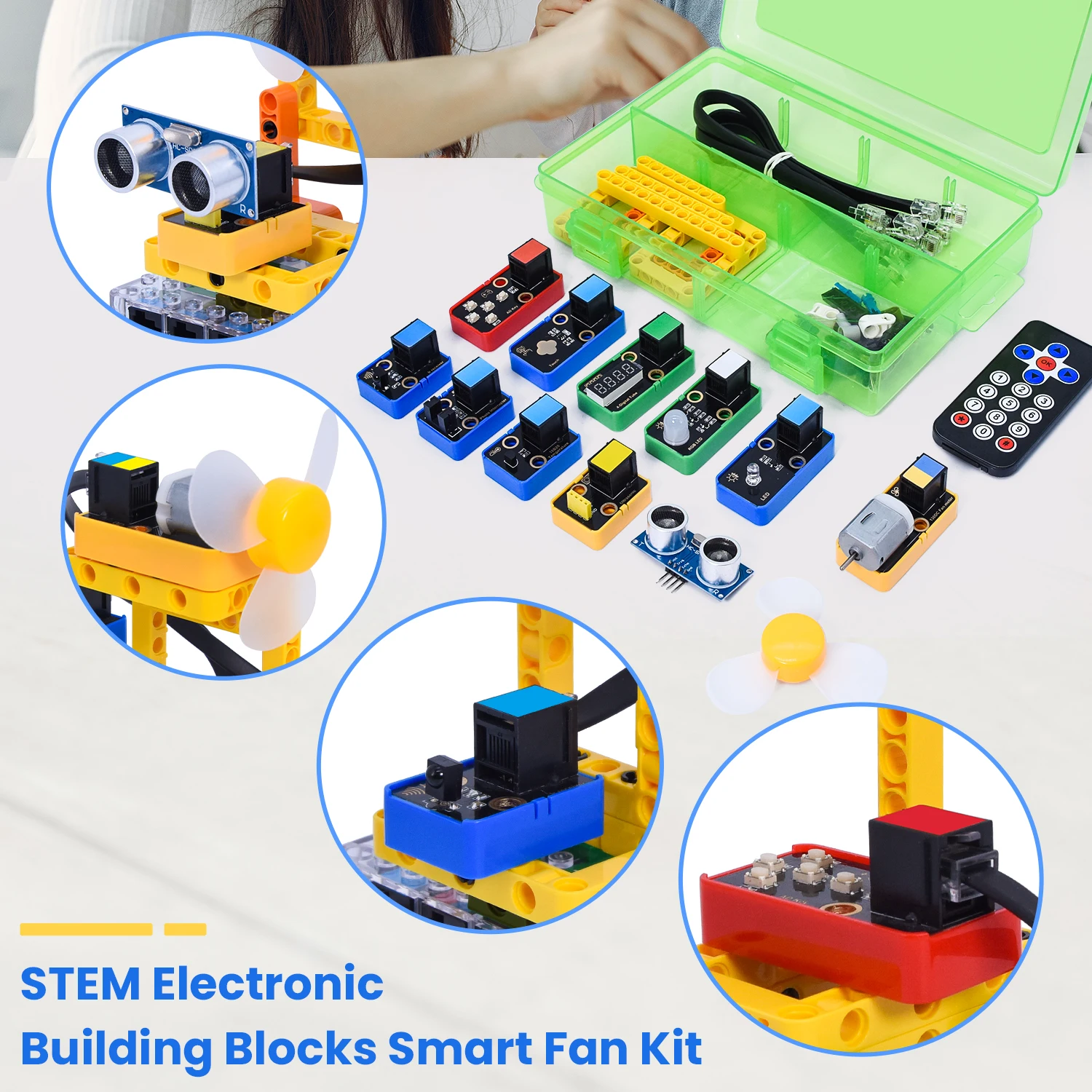
the Kidsbits Smart Fan STEM Kit — an interactive building block kit designed to make technology fun and easy to understand.
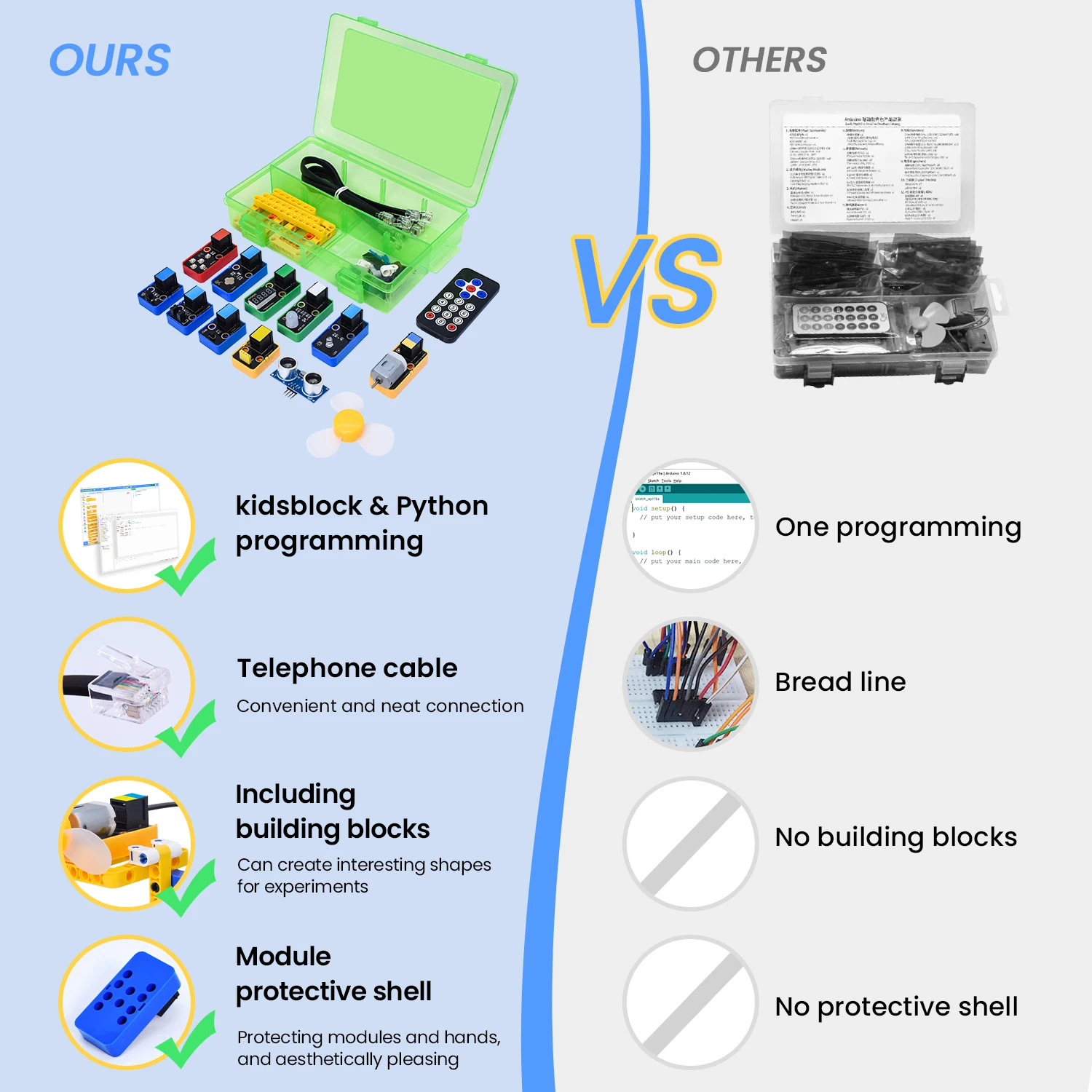
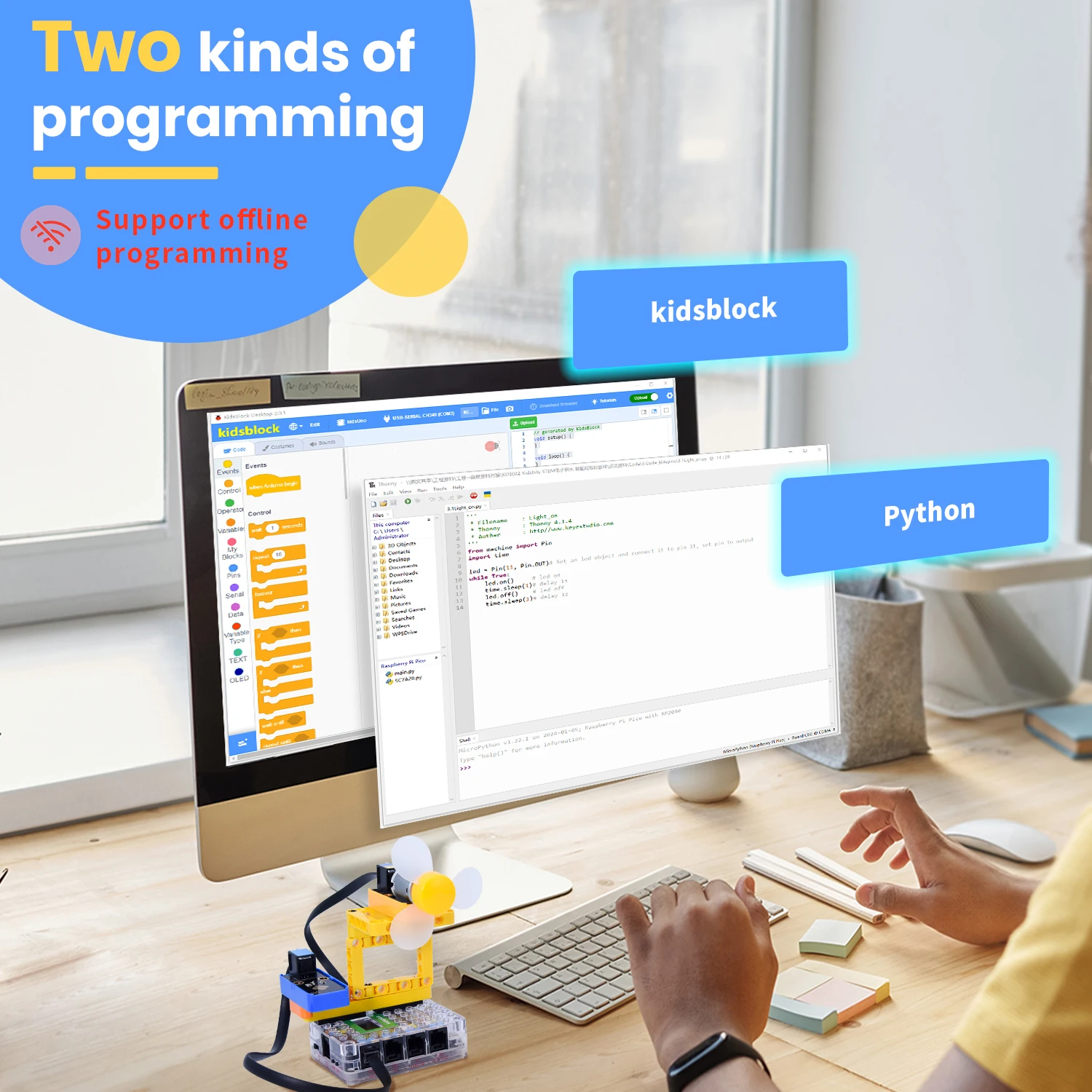
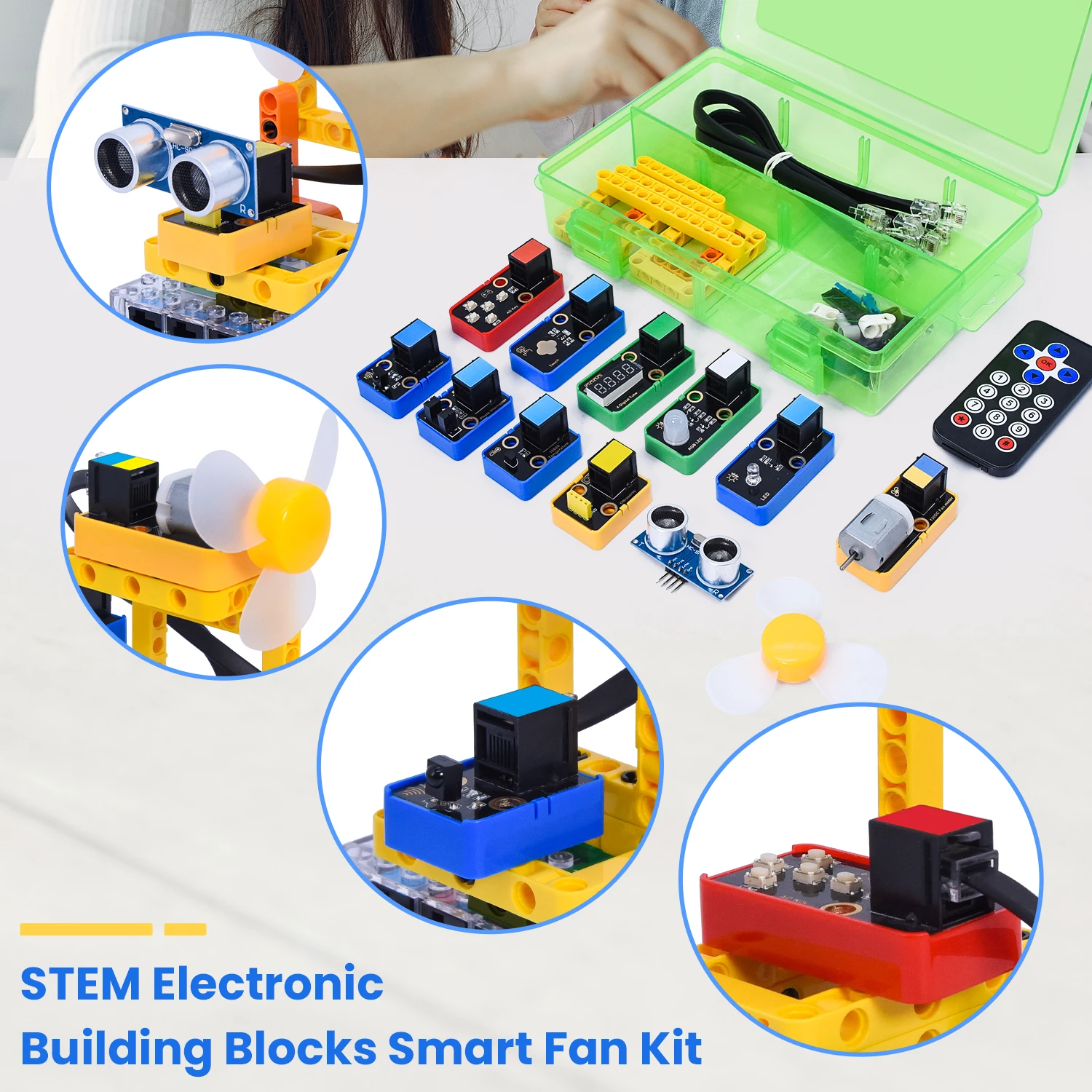
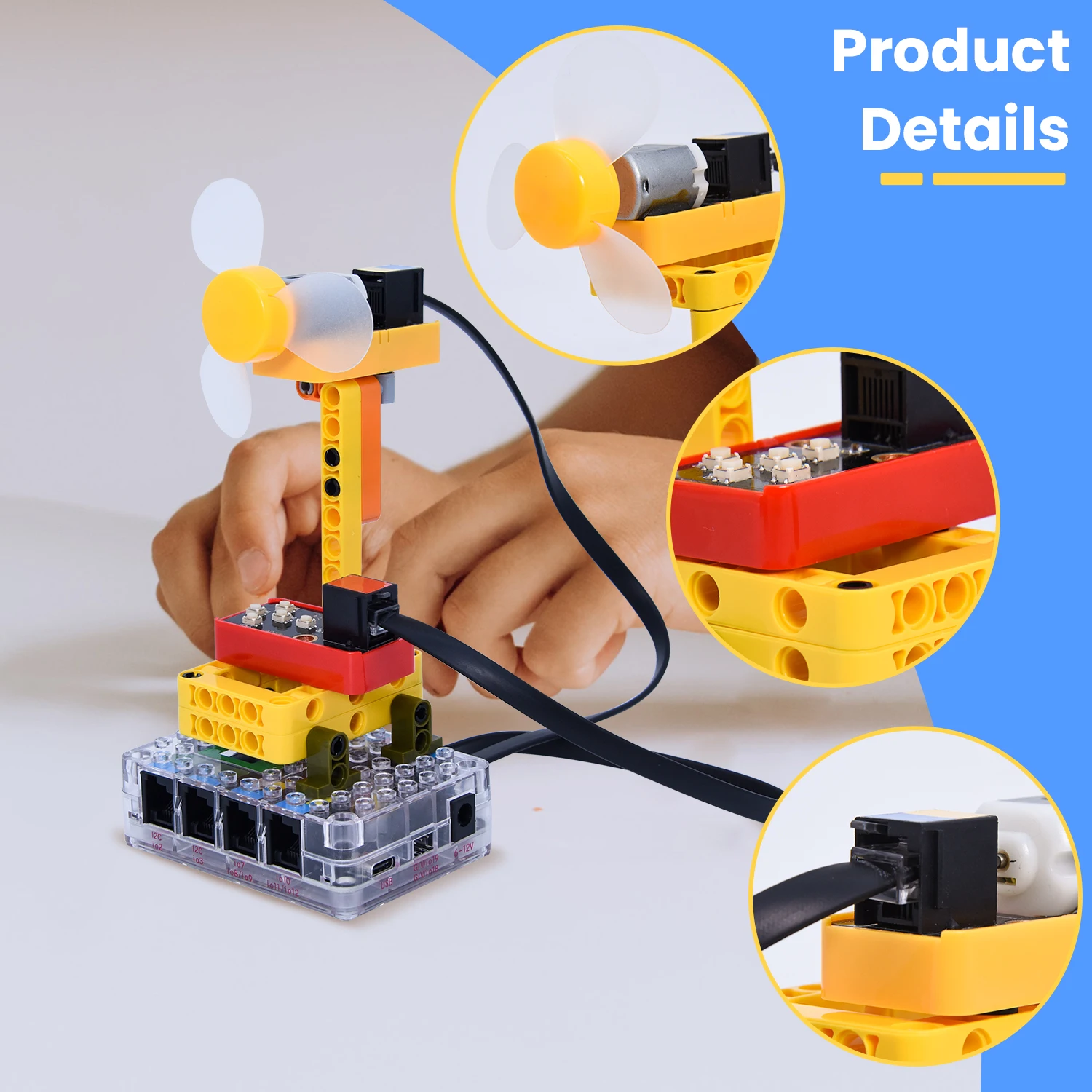
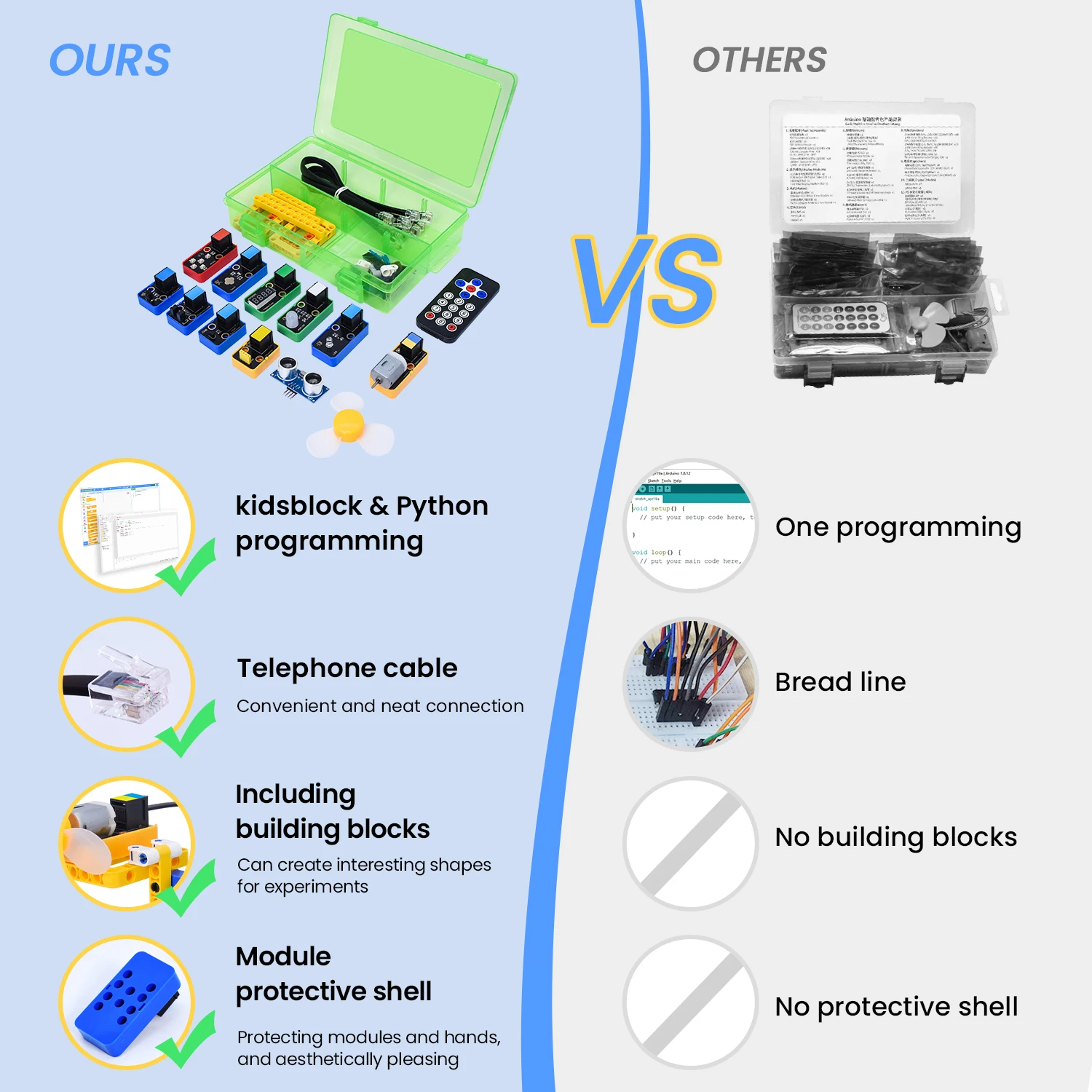
This kit allows users to build a programmable smart fan system using LEGO-compatible blocks, sensors, and a microcontroller board. With support for KidsBlock graphical programming and Arduino coding, beginners can quickly start creating projects without needing complex coding knowledge.
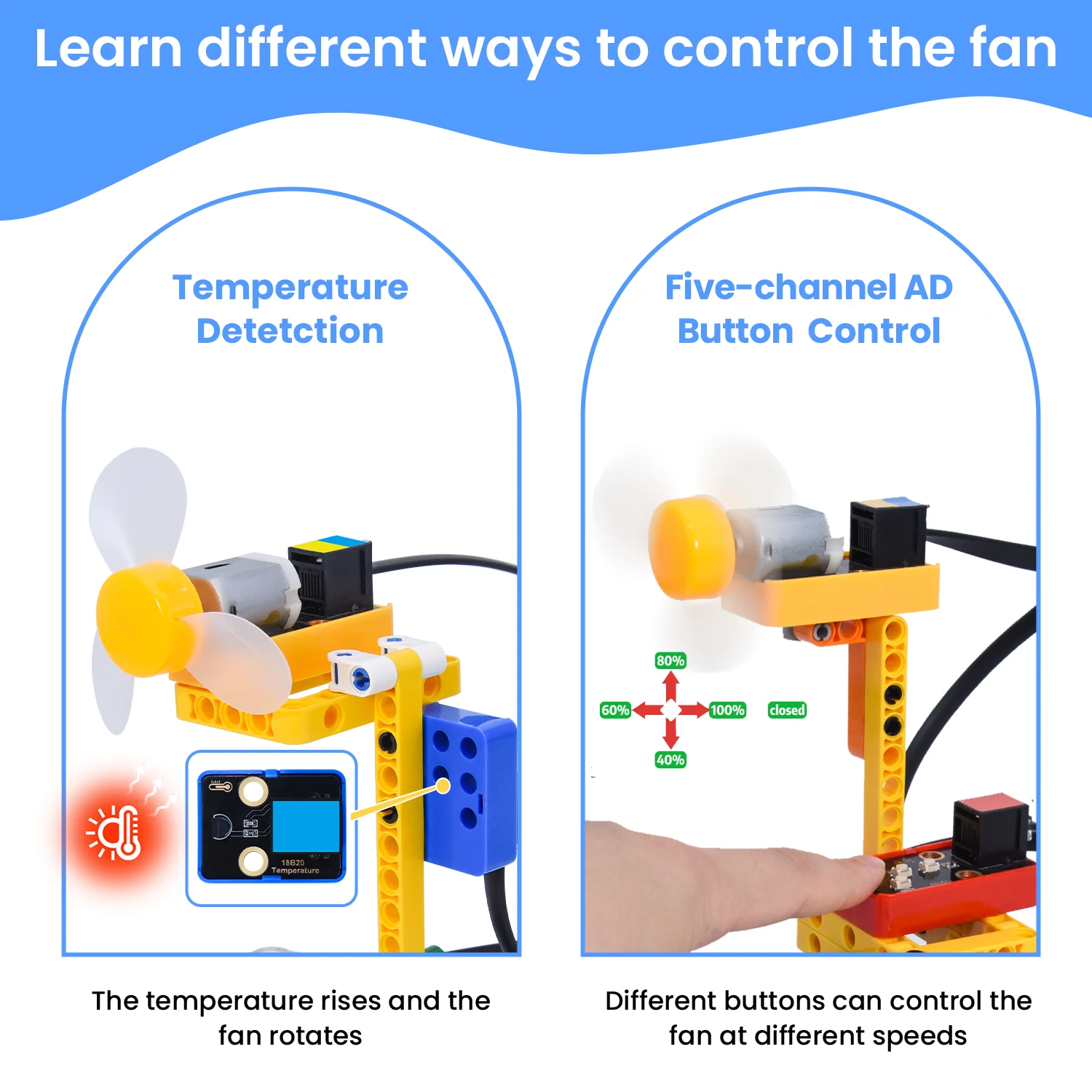
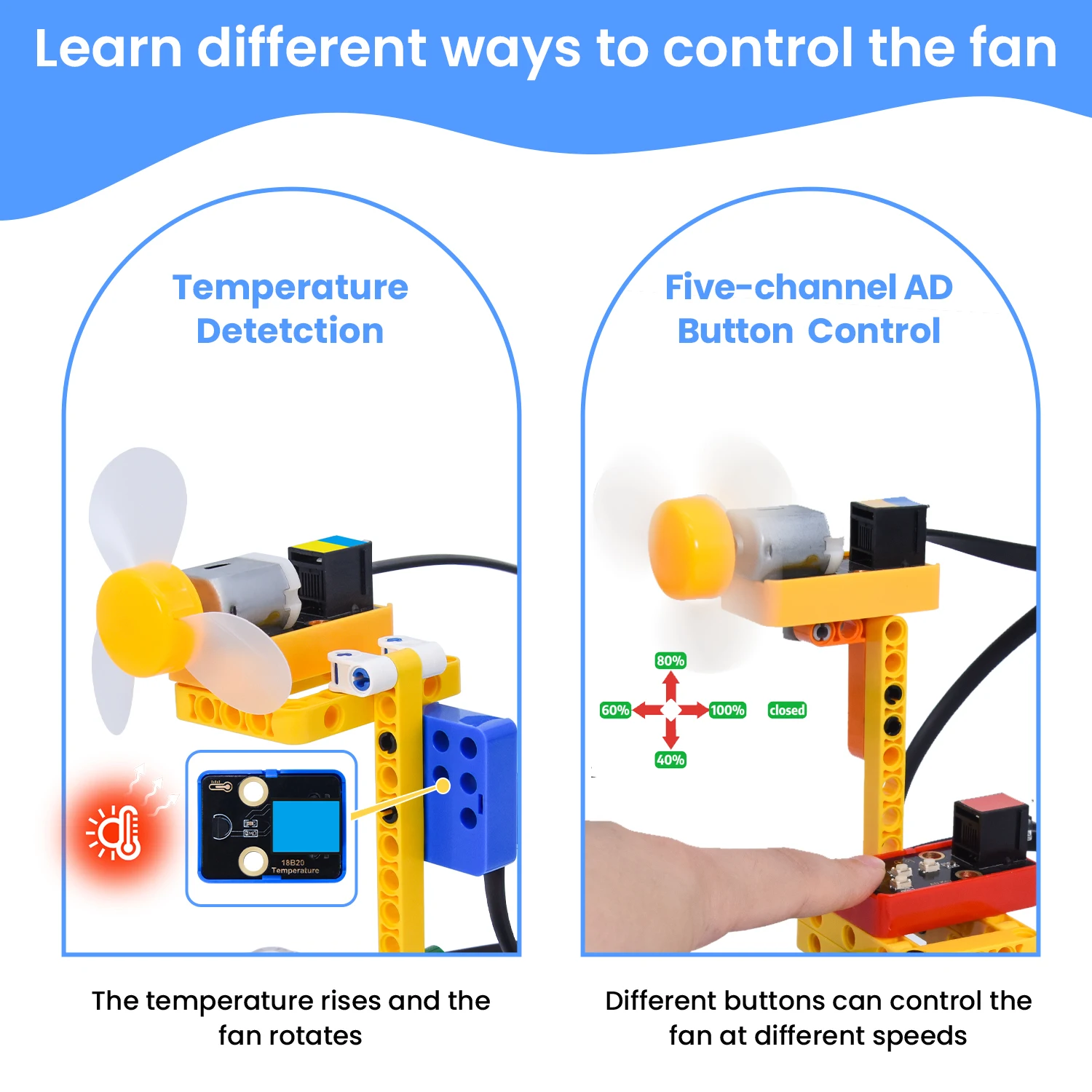
Equipped with multiple sensors and modules, the fan can automatically respond to environmental conditions such as temperature, light, or user input, helping learners understand how real smart systems work.
Perfect for classrooms, STEM labs, and home learning, this kit combines hands-on building, coding, and real-world application in one engaging experience.
👉 The kit uses block-based programming to simplify learning and improve creativity and problem-solving skills
Specifications
- Brand: Keyestudio
- Product Type: Smart Fan STEM Kit (LEGO-compatible)
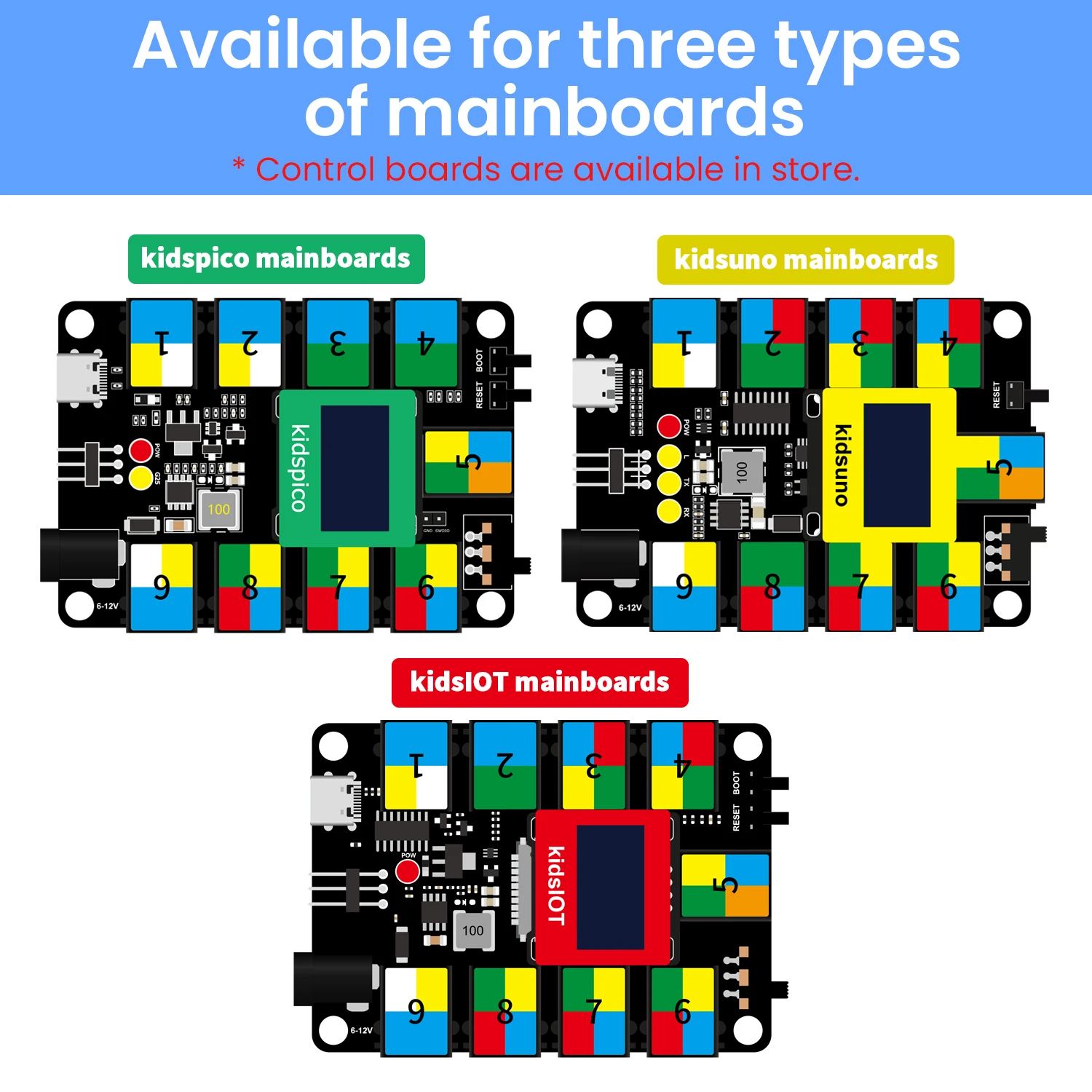
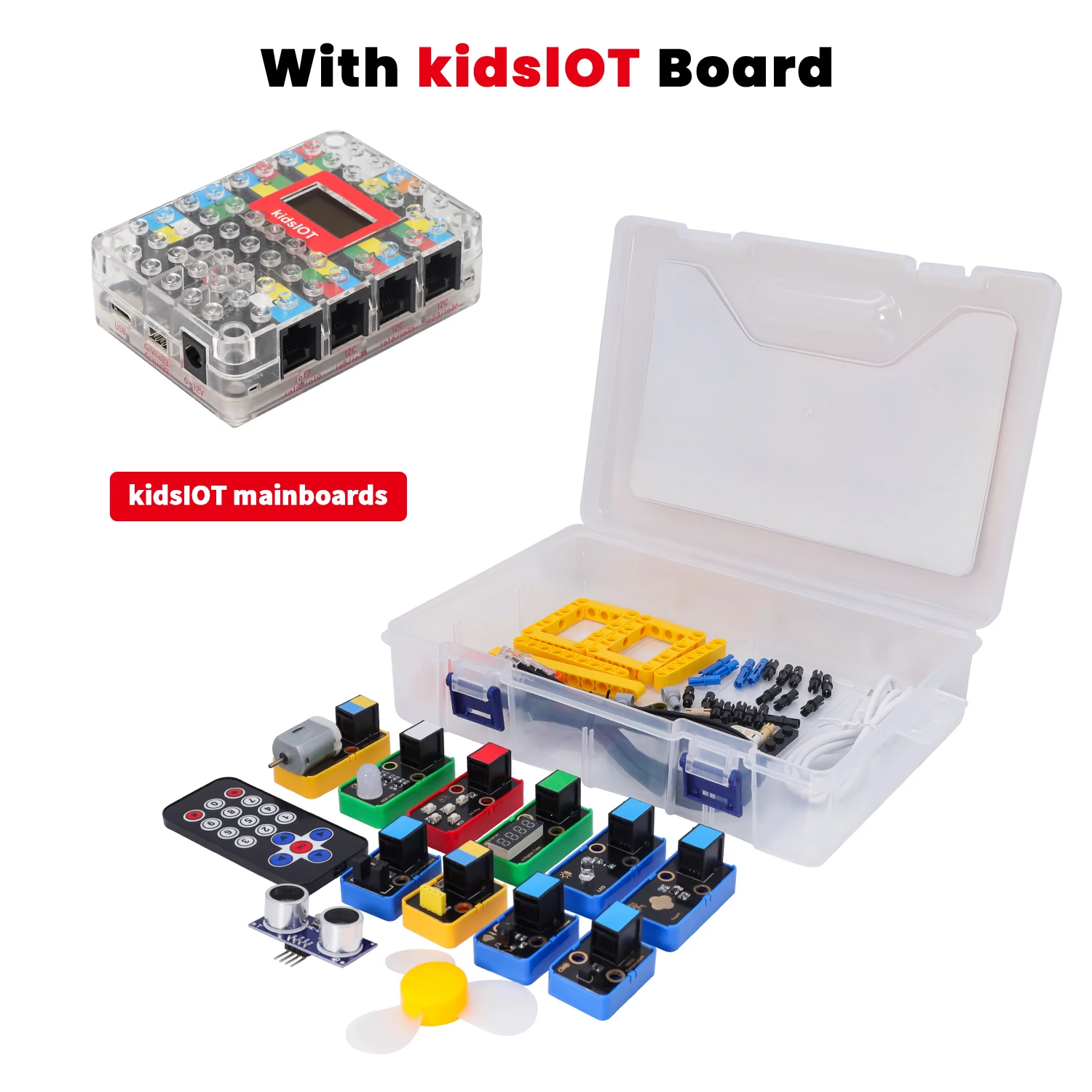
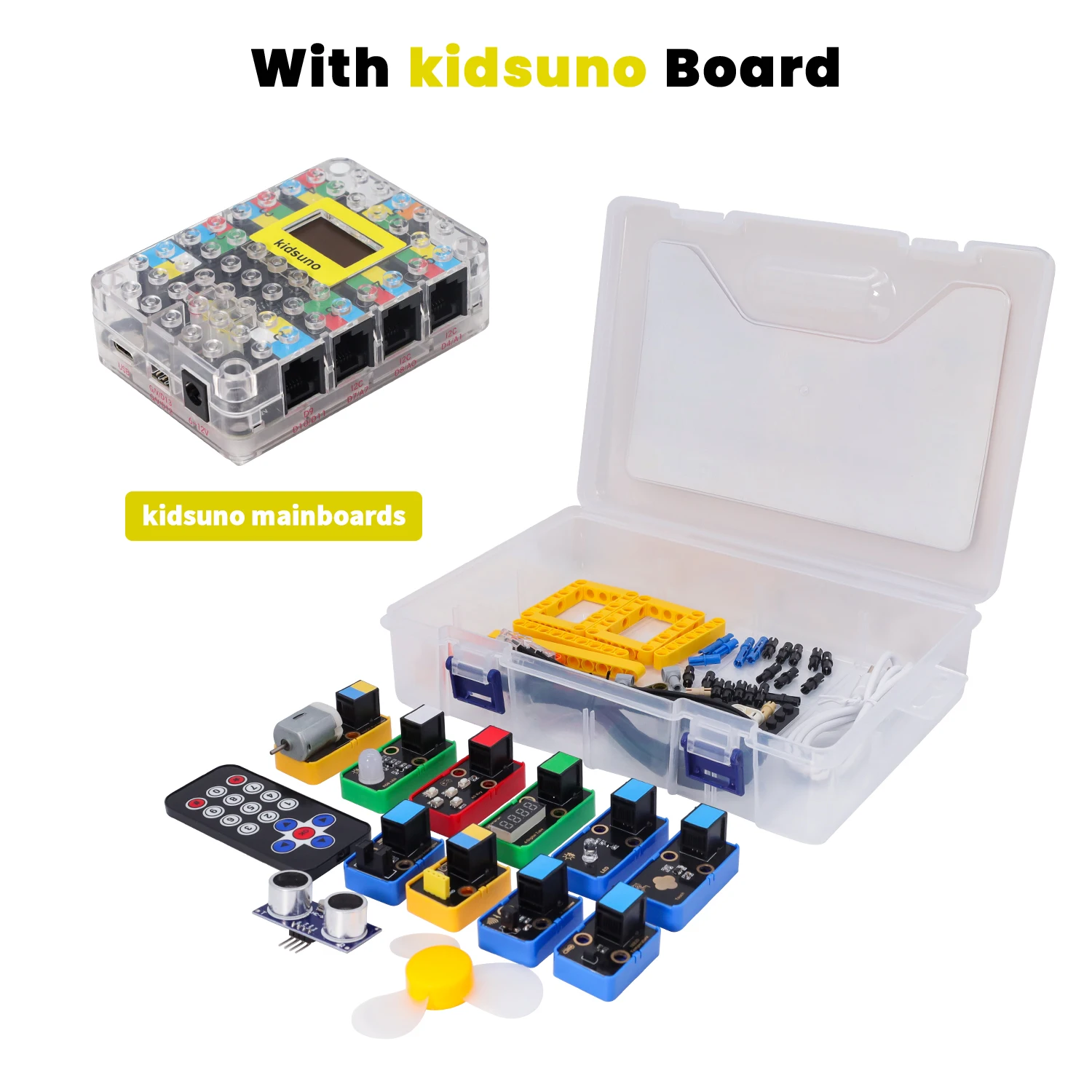
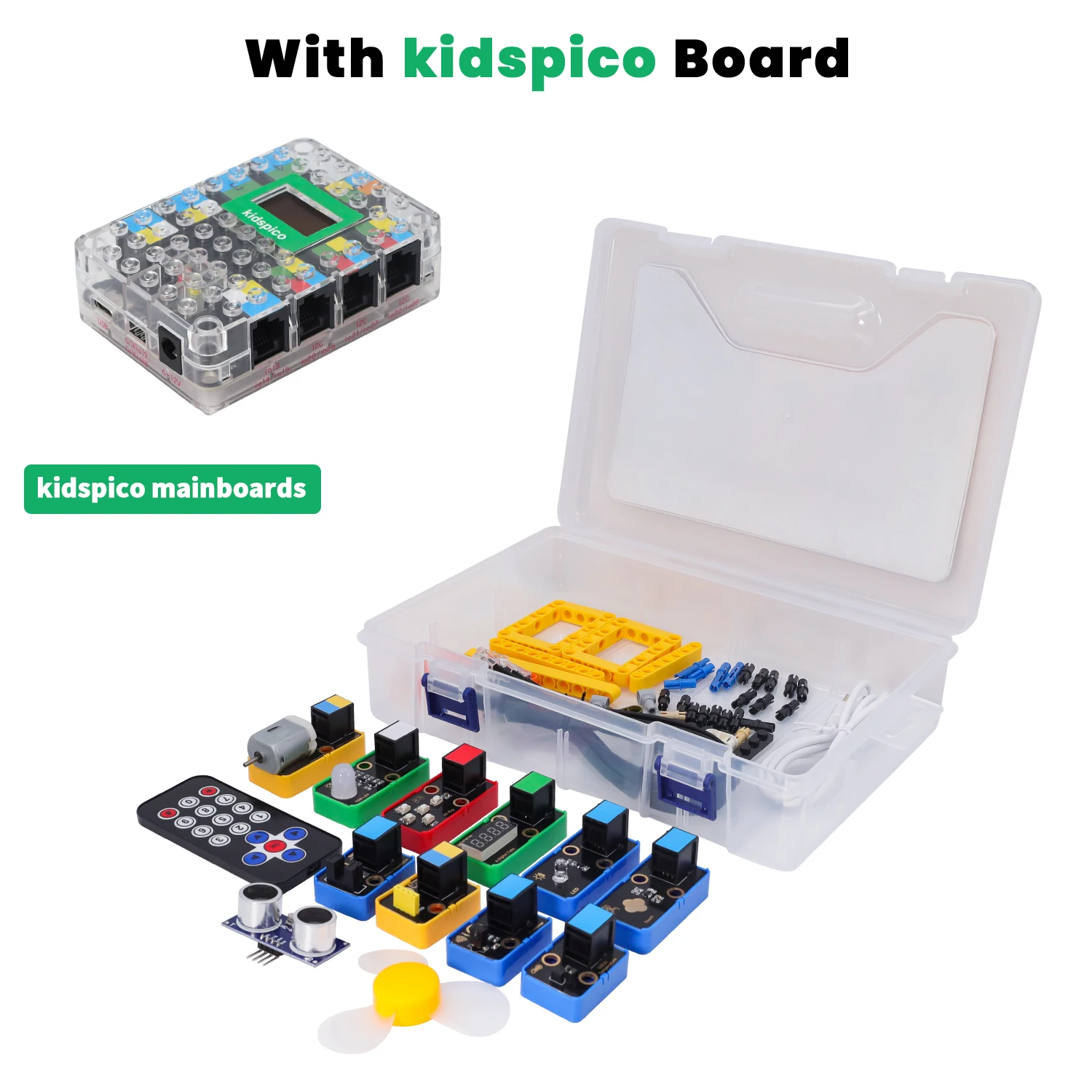
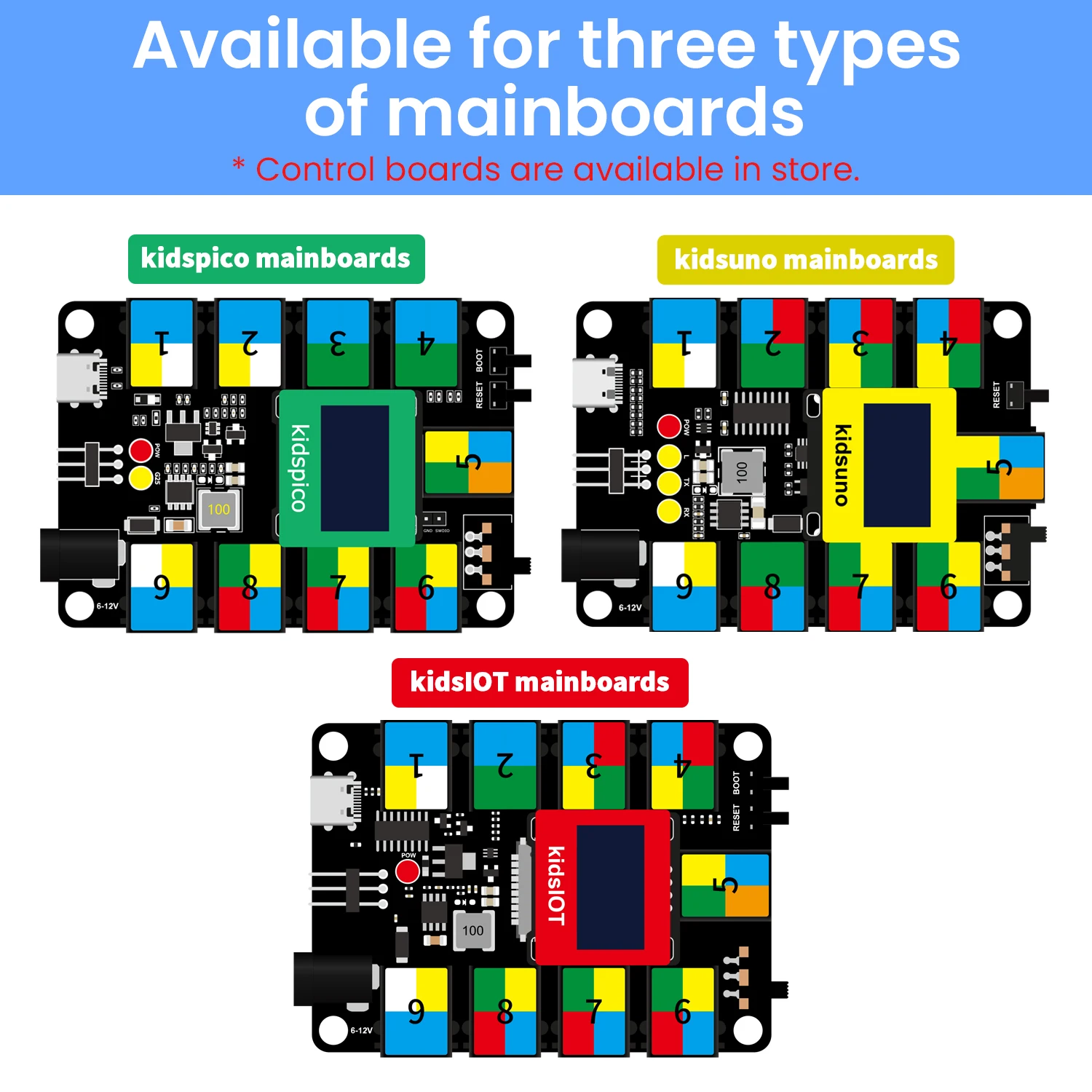
- Main Board: Compatible with Arduino UNO / ESP32 / Kidsbits boards
- Programming: KidsBlock (graphical), Arduino (C/C++), Python (in some versions)
- Learning Level: Beginner (Ages 9–12 recommended)
- Connectivity: Wired / programmable control
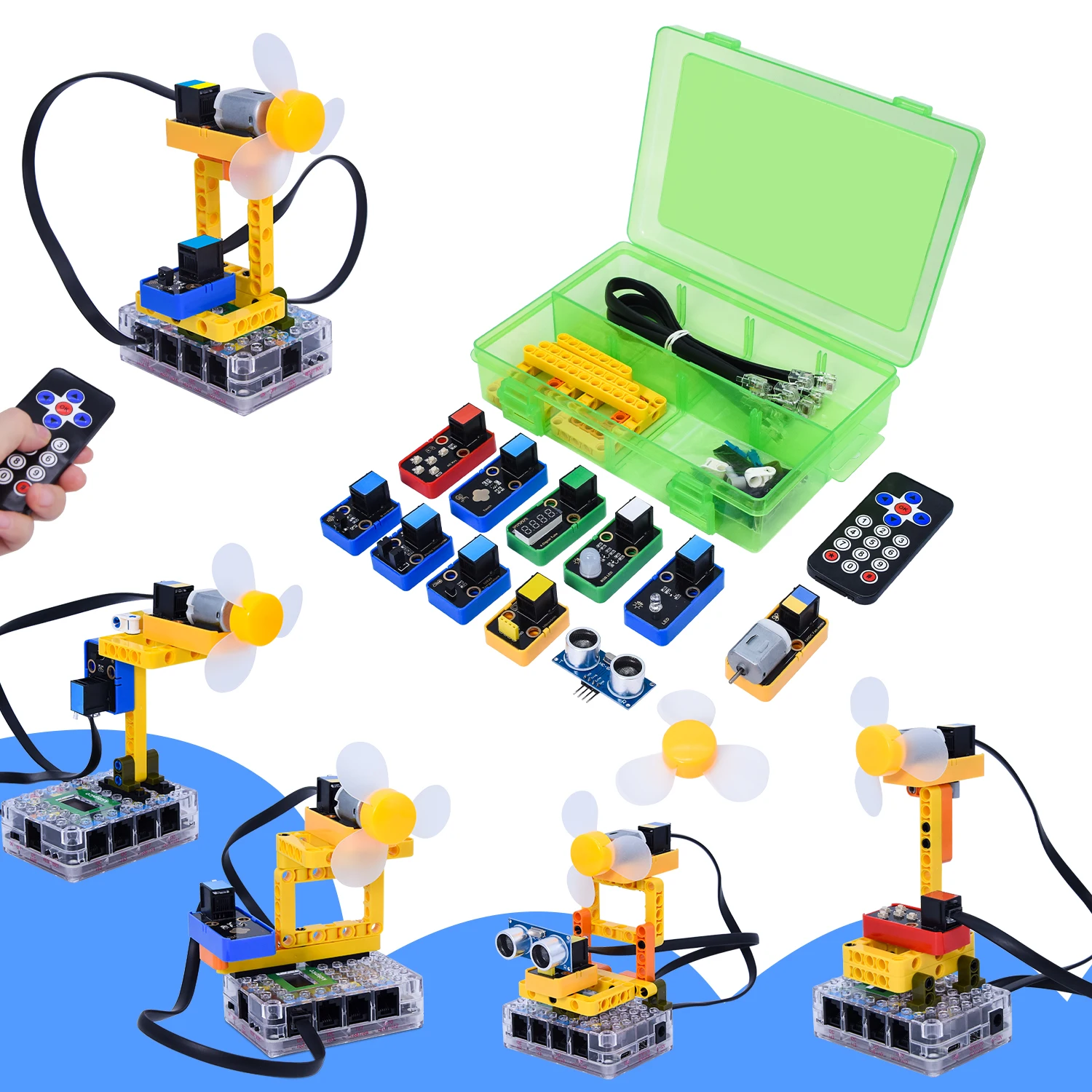
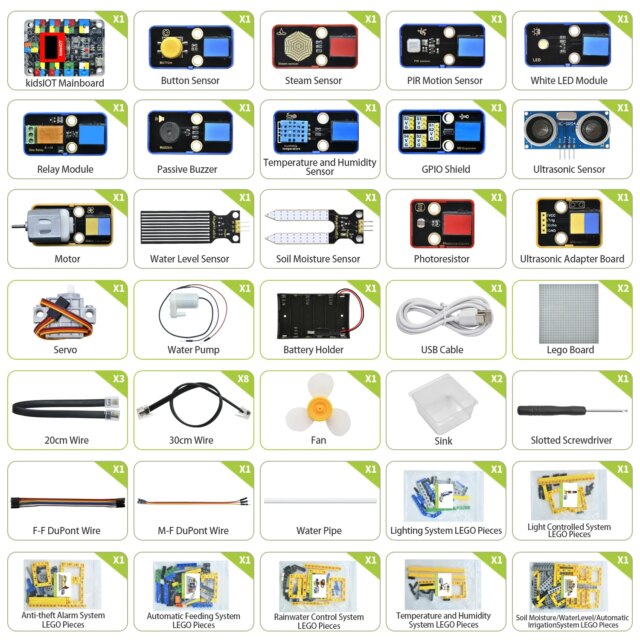
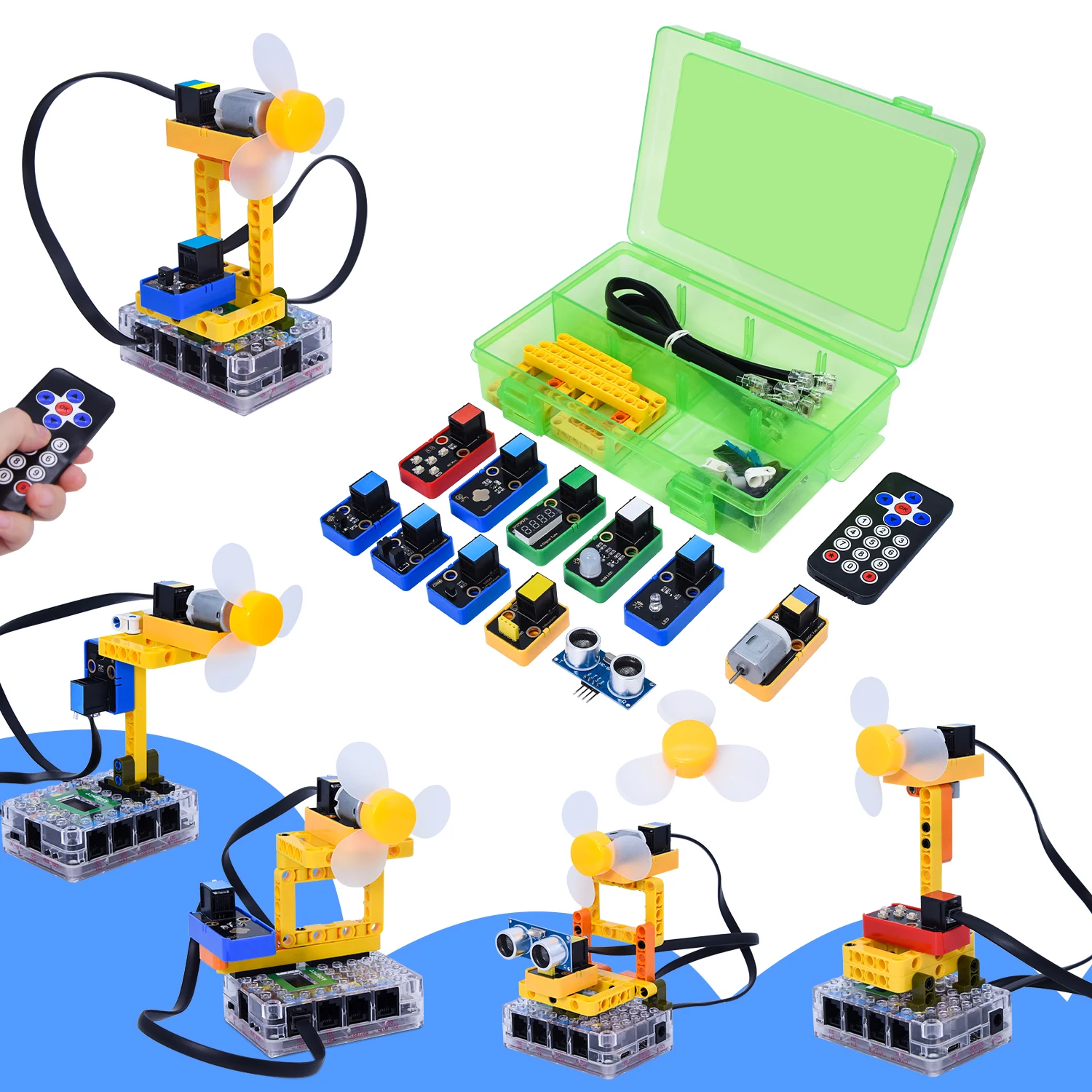
- Components Included:
- Fan motor and blades
- LED modules (RGB & white)
- Temperature sensor
- Ultrasonic sensor
- Touch sensor and buttons
- Display module (4-digit tube)
- Multiple electronic modules and building blocks
- Compatibility: LEGO-style building system
- Use Case: STEM education, coding learning, DIY projects
👉 The kit includes multiple sensors and modules to help users understand electronics and programming through practical projects
📚 3. Subjects Covered (Detailed)
This kit provides a comprehensive introduction to STEM education, combining coding, electronics, and engineering:
🧠 Programming & Computational Thinking
- Learning coding using block-based programming (KidsBlock) for beginners
- Transitioning to Arduino or Python programming
- Understanding logic structures (loops, conditions, variables)
- Writing programs that control physical devices in real time
🔌 Electronics & Circuit Fundamentals
- Understanding how electronic components (LEDs, sensors, motors) work
- Learning input/output systems and signal flow
- Exploring circuit behavior and connections
- Understanding voltage, current, and digital signals
🤖 Embedded Systems & Microcontrollers
- Learning how microcontrollers (Arduino / ESP32) control devices
- Programming hardware to perform automated tasks
- Understanding the interaction between software and hardware
🌬️ Mechanical Systems & Engineering Concepts
- Understanding how motors generate motion (fan system)
- Learning airflow and basic mechanical principles
- Exploring system design and mechanical integration
⚙️ Automation & Smart Systems
- Designing systems that react automatically to environmental inputs
- Learning IF/THEN logic for automation
- Understanding feedback systems and control mechanisms
🎓 STEM & Creative Engineering Thinking
- Hands-on building and experimentation
- Problem-solving and logical reasoning
- Encouraging creativity and innovation through projects
🔧 4. Activities Performed (Detailed)
This kit enables users to perform interactive and real-world STEM projects:
🌬️ Smart Fan System Projects
- Building a programmable fan system
- Controlling fan speed and operation through code
- Creating automatic fan systems based on temperature or input
📊 Sensor-Based Automation Projects
- Using temperature sensors to control fan behavior
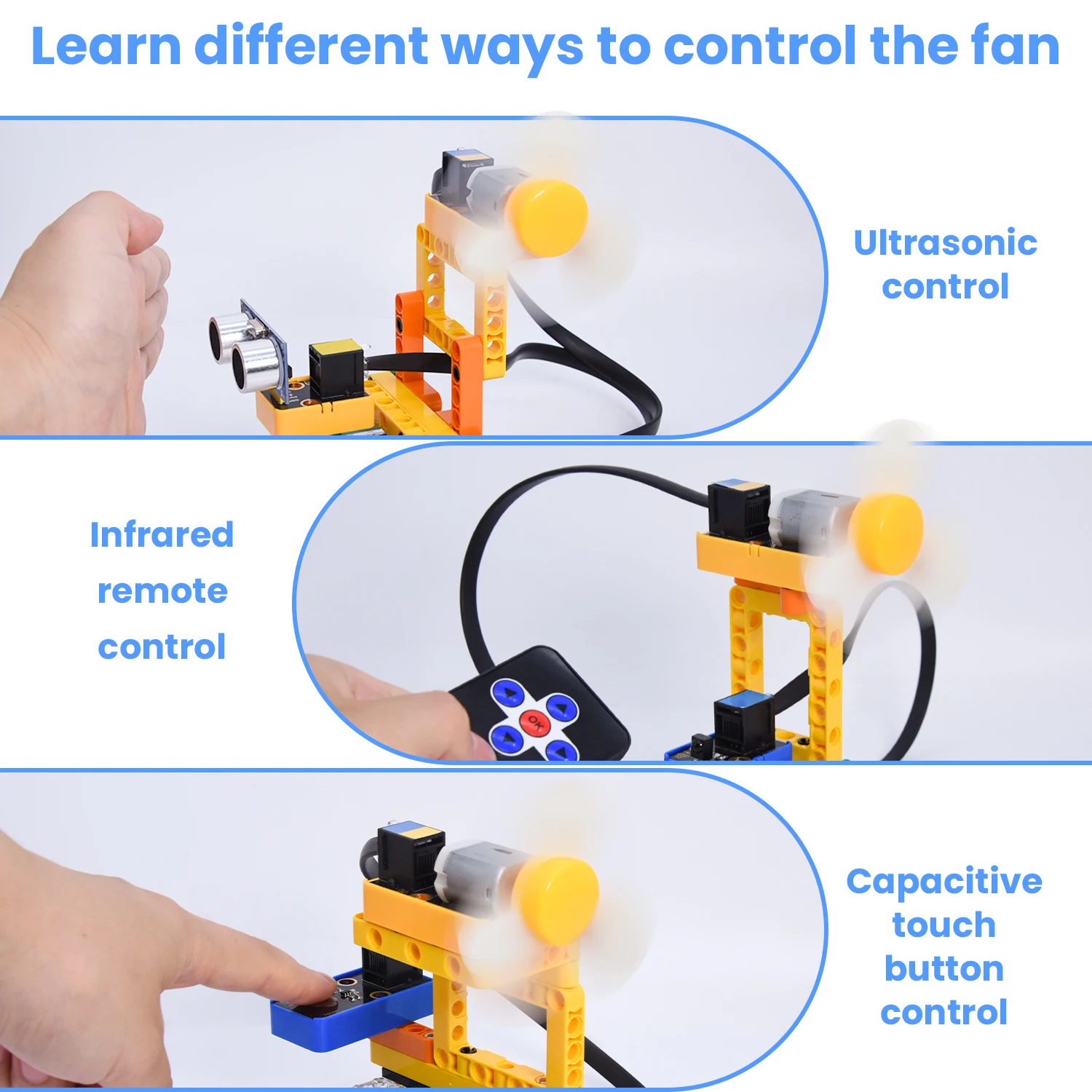
- Detecting distance using ultrasonic sensors
- Creating systems that respond to environmental changes
💡 Interactive LED & Display Projects
- Programming LEDs (color, brightness, patterns)
- Displaying data using a digital display module
- Creating visual feedback systems
🎮 User Interaction Projects
- Using touch sensors and buttons for control
- Creating interactive systems with user input
- Designing simple control interfaces
⚙️ Automation & Smart Logic Systems
- Building condition-based automation (IF/THEN logic)
- Creating systems that respond automatically to sensors
- Developing intelligent behavior in projects
🧪 Experimentation & Custom Projects
- Combining modules to build new designs
- Modifying and improving system performance
- Testing and debugging circuits and code
🏗️ Building & Engineering Activities
- Constructing structures using LEGO-compatible blocks
- Designing custom mechanical layouts
- Understanding structural and system integration
🎓 5. Benefits for Students & Teachers
👨🎓 For Students:
- Learn coding and electronics through fun, hands-on building
- Understand how real smart devices and systems work
- Develop creativity, problem-solving, and engineering skills
- Gain confidence by building and controlling real projects
- Transition easily from beginner coding to advanced concepts
👩🏫 For Teachers:
- Complete STEM teaching solution combining coding and engineering
- Supports project-based and interactive learning
- Simplifies complex concepts through visual and practical activities
- Saves preparation time with ready-to-use projects
- Engages students with creative and real-world applications