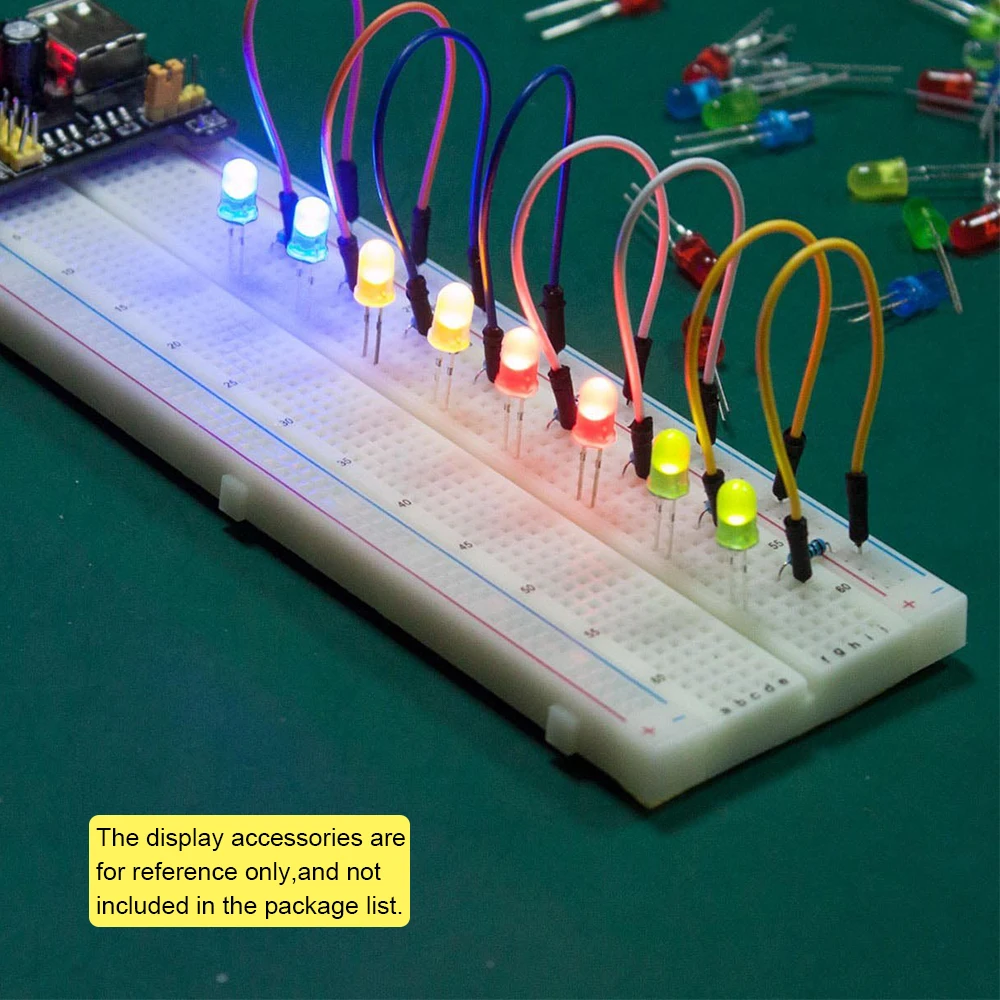
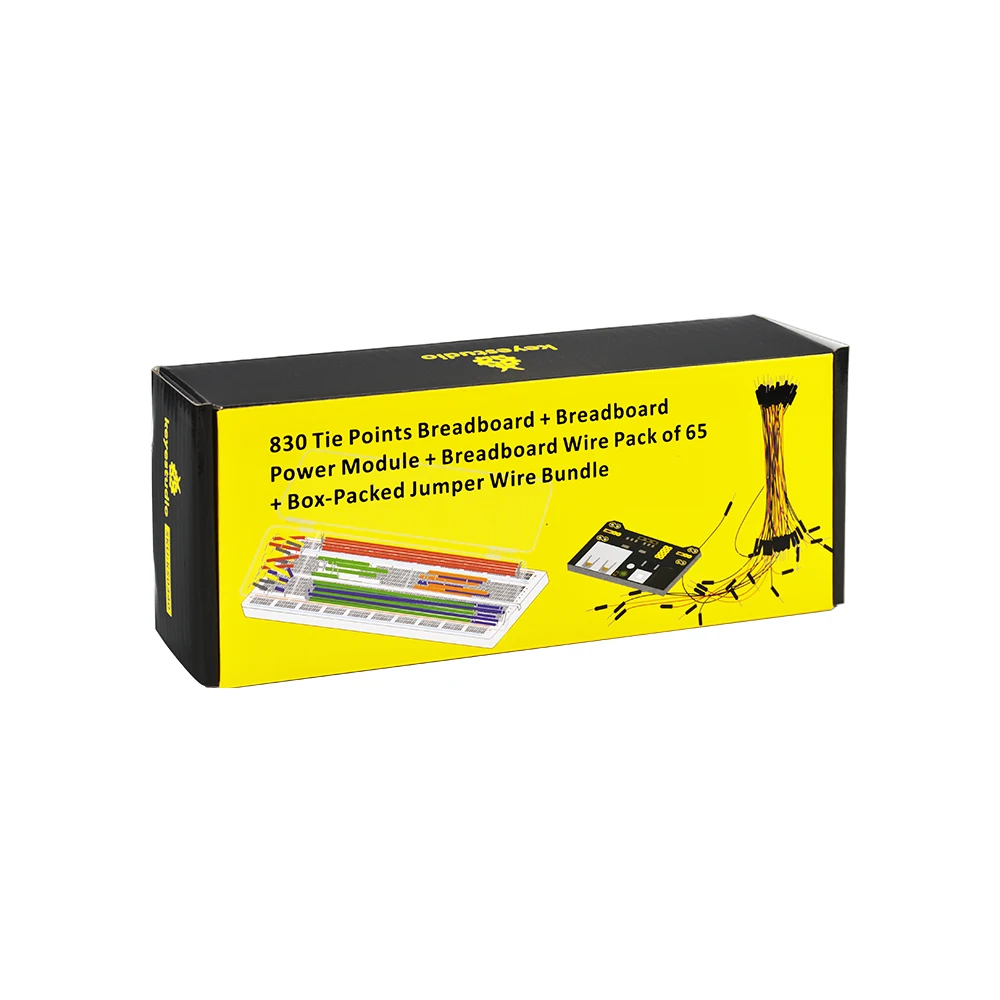
MB102 Breadboard Kit Arduino
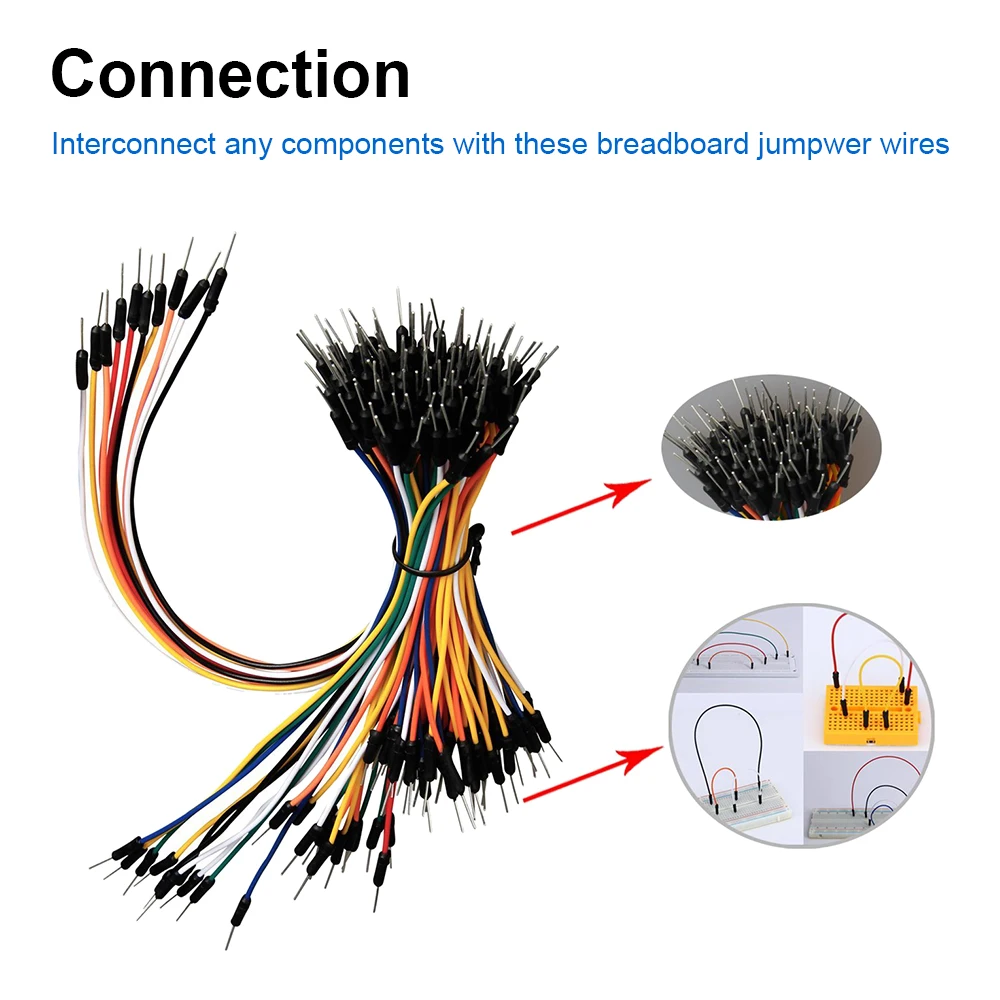
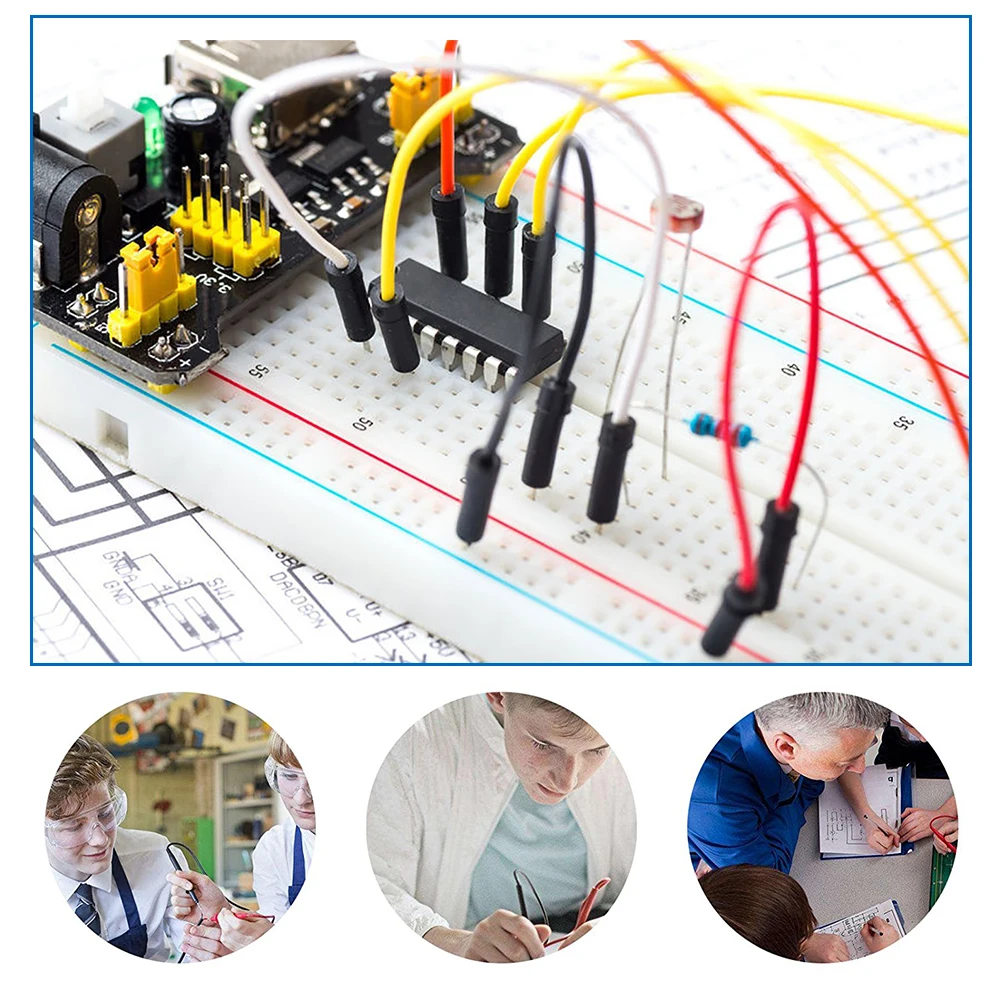
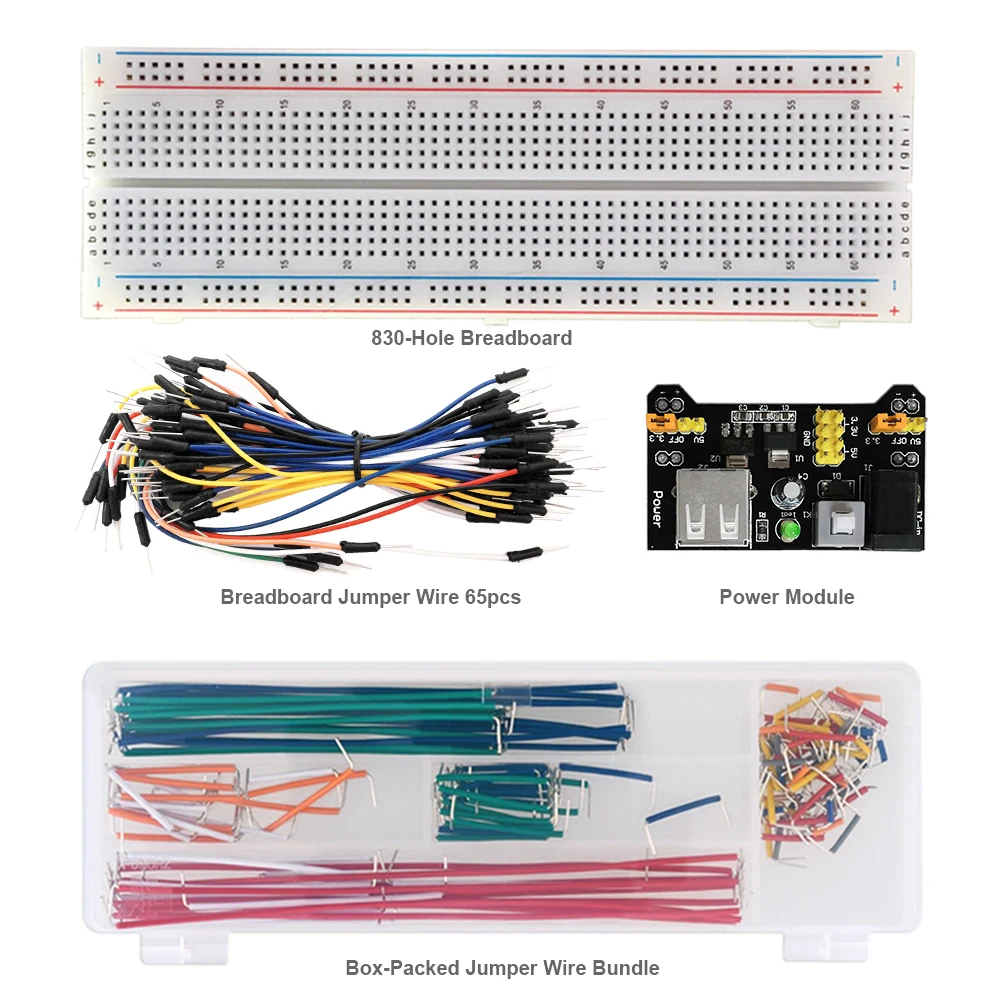
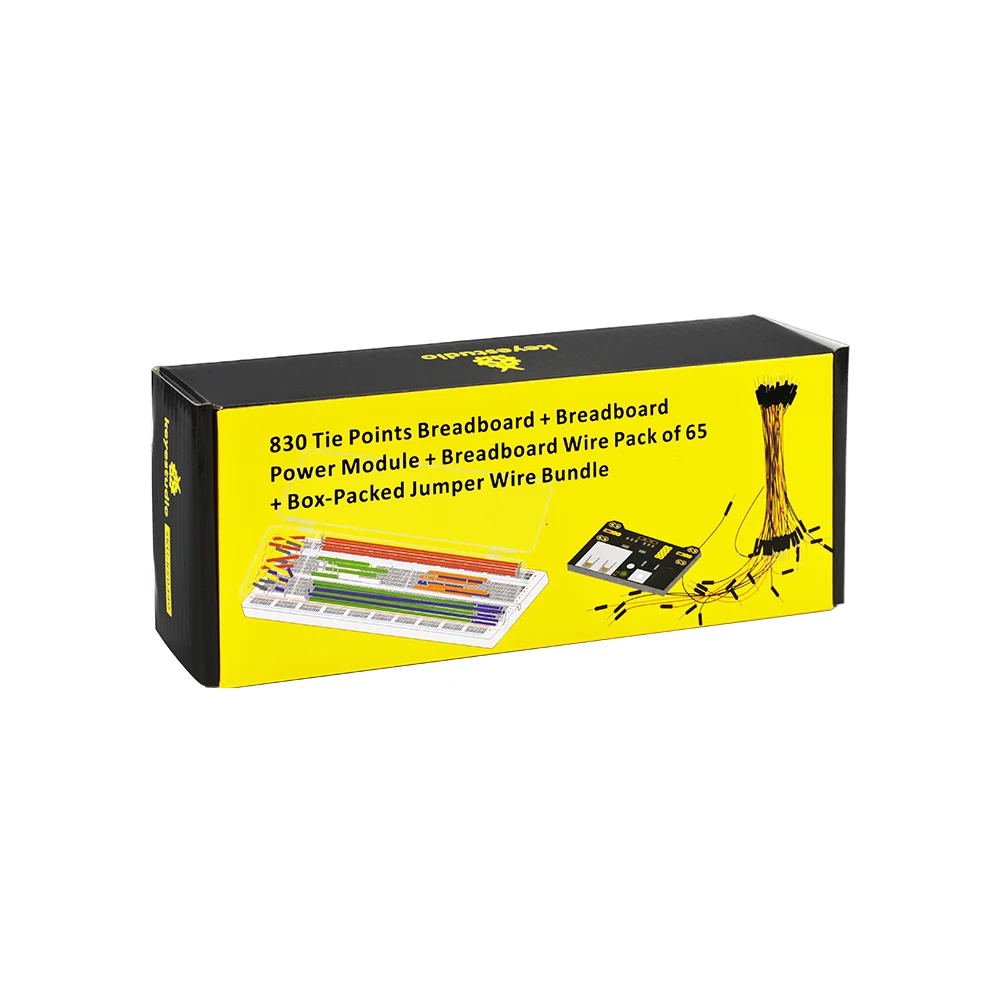
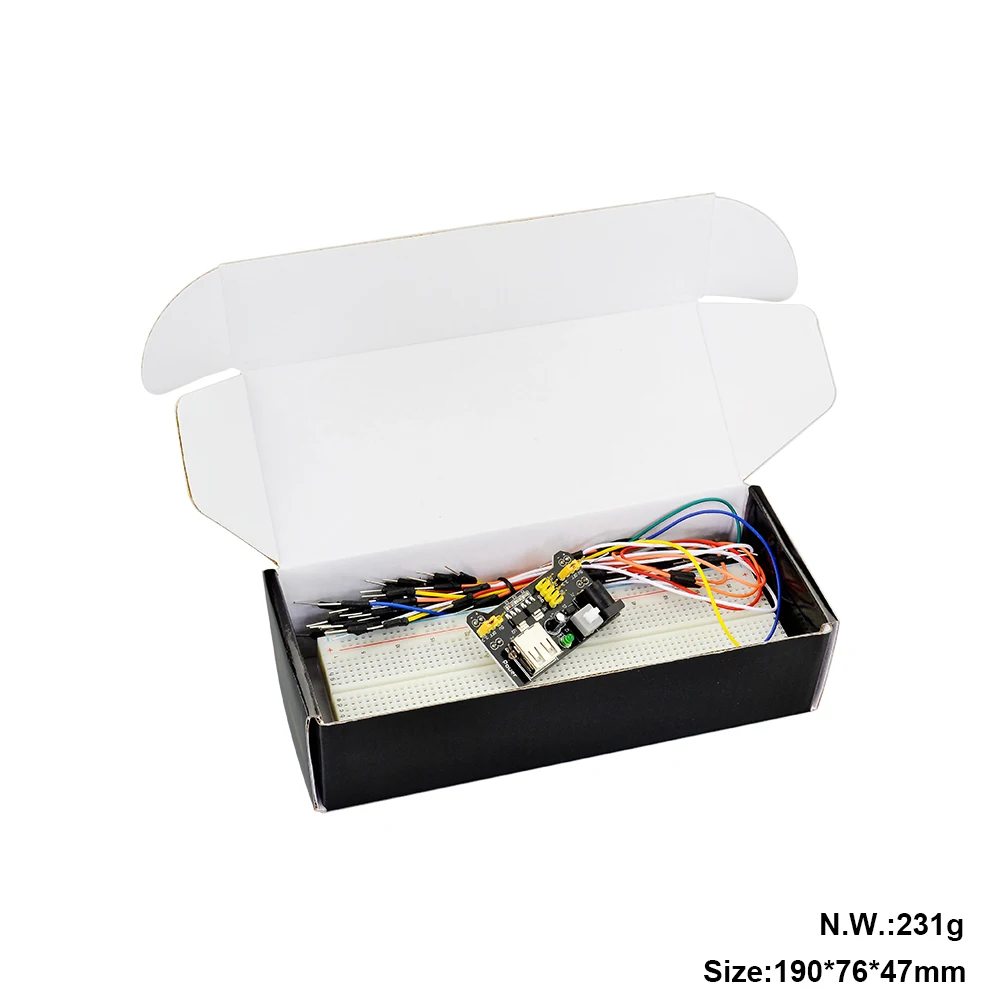
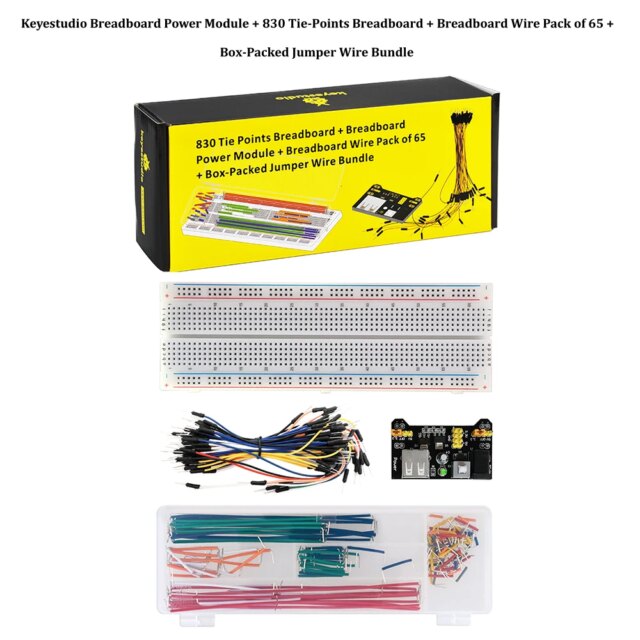
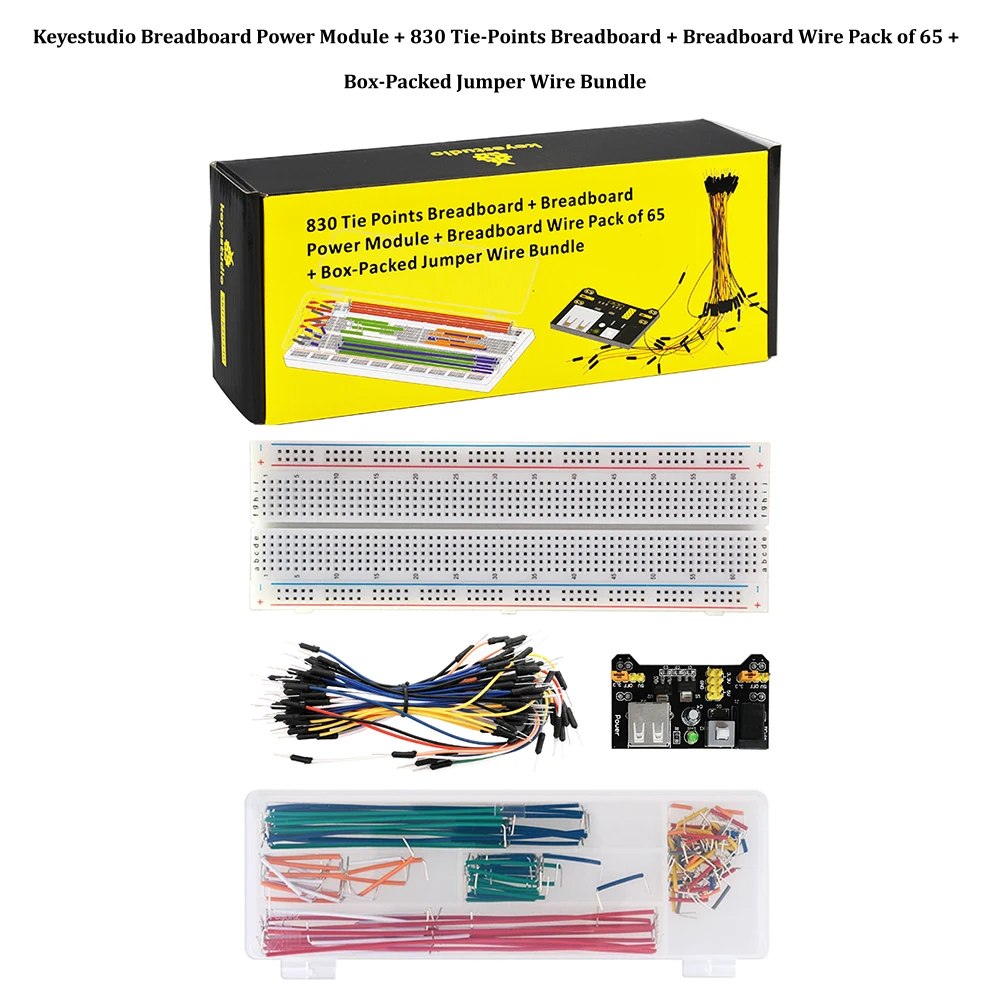
MB102 Breadboard Kit Arduino is a must-have toolkit for anyone starting in electronics, Arduino, or STEM education. It combines an 830 tie-point solderless breadboard, a dual-voltage power supply module, and a complete set of jumper wires—everything needed to build, test, and prototype circuits quickly.
Designed for beginners and professionals alike, this kit eliminates the need for soldering, allowing users to create and modify circuits easily. Whether you’re learning the basics or developing advanced projects, this kit provides a flexible and reliable platform for experimentation.
🌟 Key Features
- 830 tie-point solderless breadboard (reusable & flexible)
- MB102 power module with 3.3V / 5V output
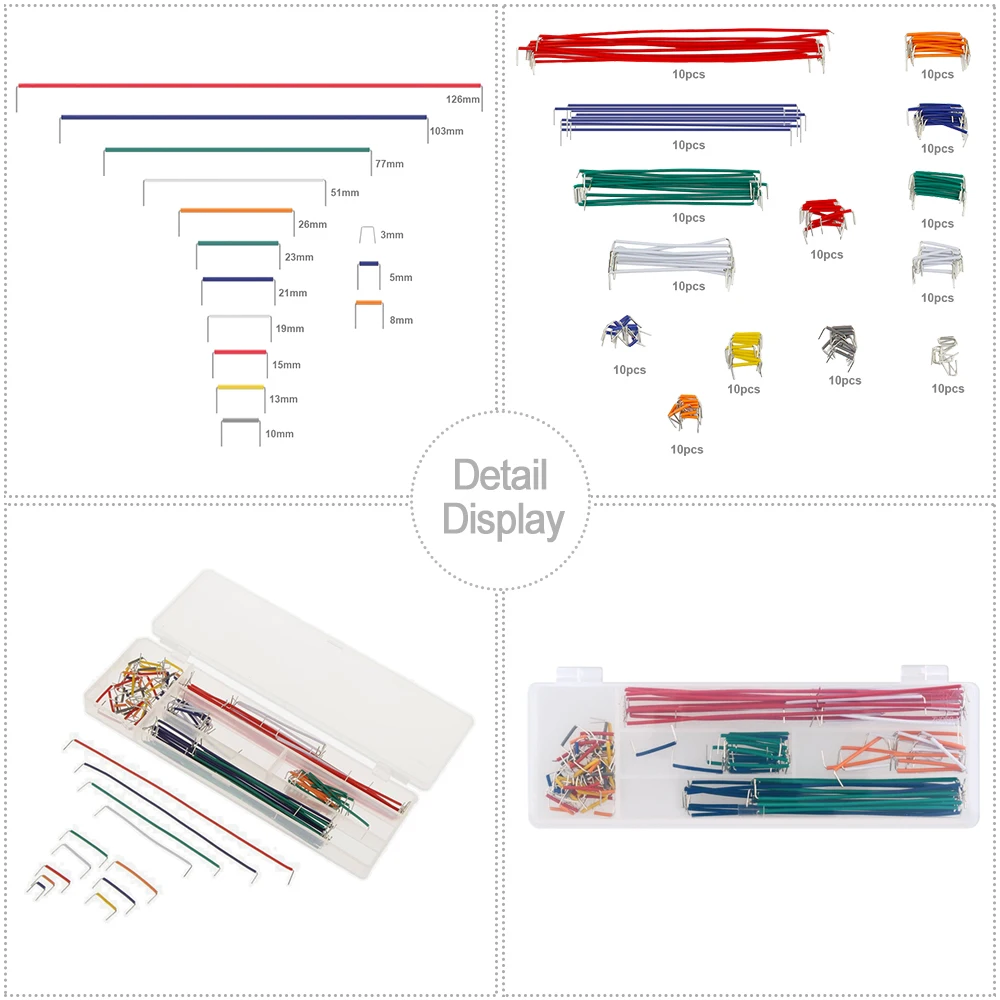
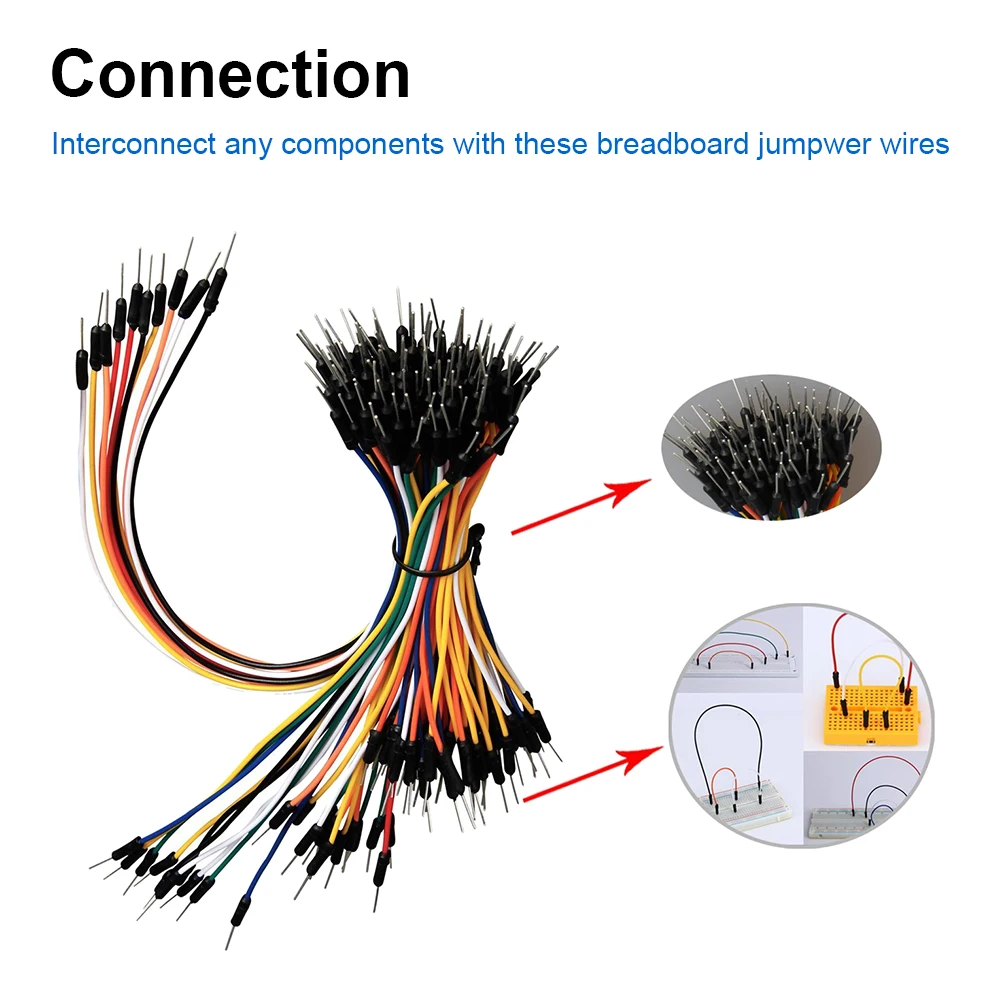
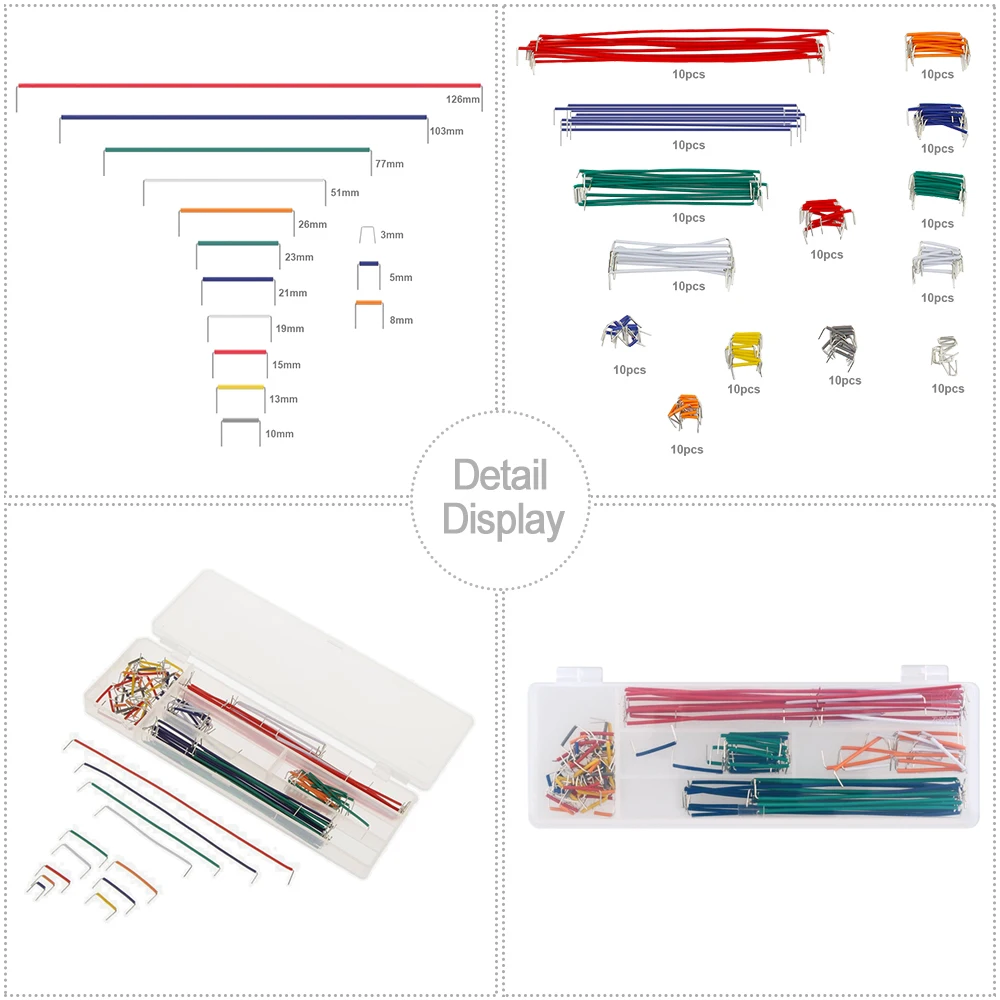
- Includes 65 jumper wires + 140 assorted wires
- Plug-and-play design (no soldering required)
- Ideal for Arduino, Raspberry Pi, and electronics projects
- Perfect for prototyping and testing circuits
🟢 Product Specifications
- Breadboard Type: MB102 solderless breadboard
- Tie Points: 830 points (large prototyping area)
- Power Supply Module:
- Input: 6.5V–12V DC / USB
- Output: 3.3V / 5V selectable
- Max current: ~700mA
- Included Components:
- 1 × MB102 breadboard
- 1 × power supply module
- 65 × flexible jumper wires
- 140 × assorted jumper wires
- Compatibility:
- Arduino UNO / Mega / Nano
- Raspberry Pi
- STM32 / Microcontrollers
- Usage Type: Prototyping & circuit testing
- Assembly: No soldering required
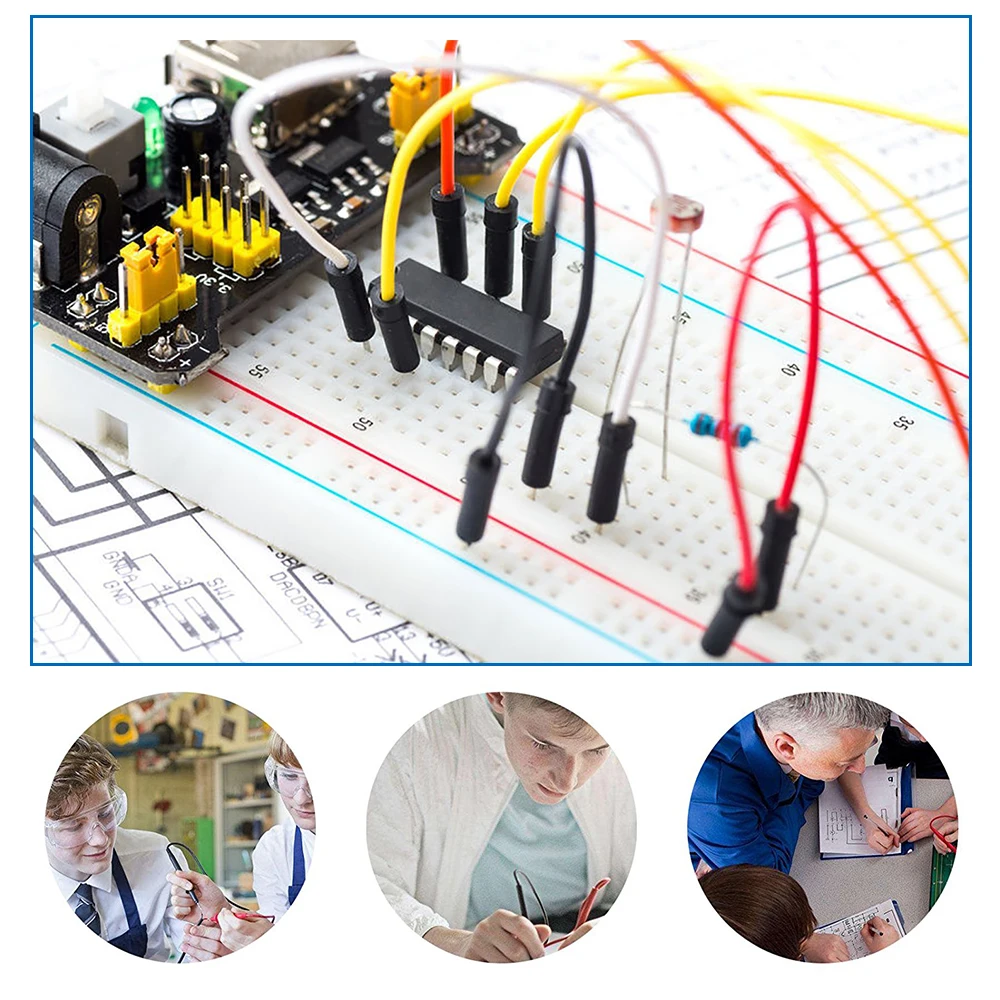
The breadboard allows quick circuit building and modification, making it ideal for testing ideas without permanent connections
🟢 3. Subjects Covered
⚡ Electronics Fundamentals
- Circuit building and design
- Voltage, current, and resistance
- Component connections and signal flow
💻 Embedded Systems & Arduino
- Microcontroller interfacing
- Input/output signal control
- Sensor and actuator integration
🔌 Electrical Prototyping
- Breadboard usage and layout
- Rapid circuit testing
- Hardware debugging
🧠 Engineering Design Thinking
- Problem-solving through iteration
- Testing and optimizing circuits
- Building functional prototypes
📡 Power Systems Basics
- Voltage regulation (3.3V / 5V)
- Power distribution in circuits
- Safe circuit powering
🟢 4. Activities Performed
🔧 Circuit Prototyping
- Build temporary circuits without soldering
- Test different configurations quickly
💡 LED & Component Experiments
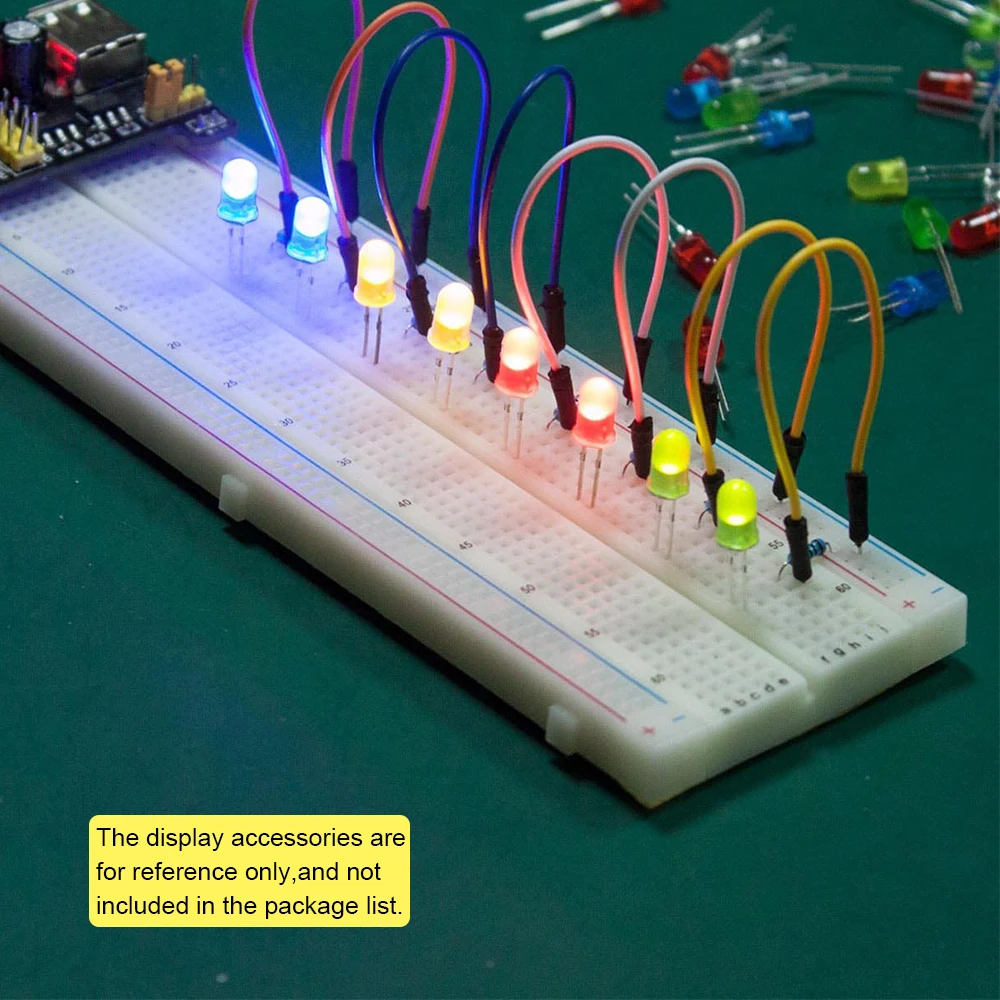
- Create LED circuits
- Test resistors, capacitors, sensors
⚙️ Arduino Integration
- Connect Arduino boards to breadboard
- Control components via programming
🔌 Power Management Practice
- Supply circuits with stable voltage
- Switch between 3.3V and 5V outputs
🧪 Testing & Debugging
- Identify circuit errors
- Modify connections instantly
🚀 DIY Project Development
- Build beginner to advanced electronics projects
- Prototype smart systems before final design
🟢 5. Benefits for Students & Teachers
👨🎓 Students:
- Learn electronics without soldering barriers
- Quickly test ideas and understand circuits
- Build confidence in Arduino projects
- Develop hands-on STEM skills
👩🏫 Teachers:
- Ideal for classroom demonstrations
- Supports safe and reusable experiments
- Enables project-based learning
- Reduces setup time and complexity