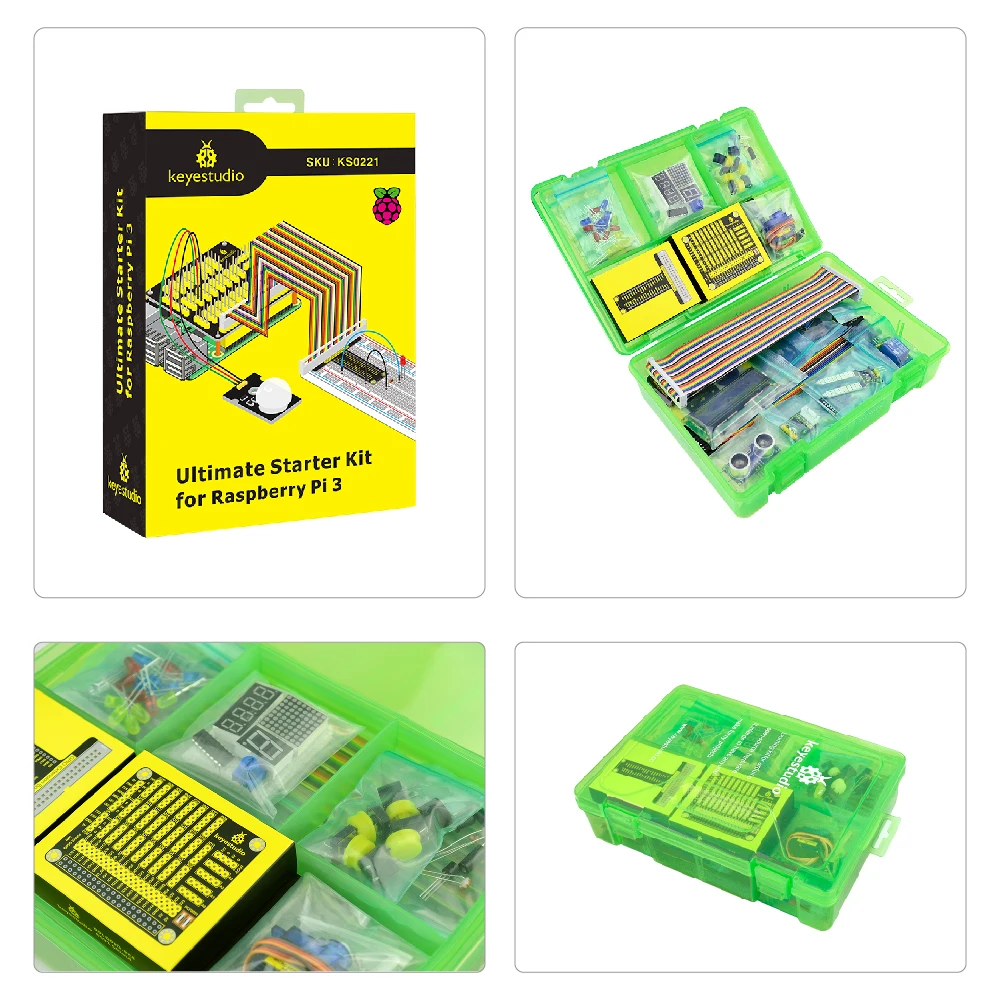
Raspberry Pi starter kit for beginners
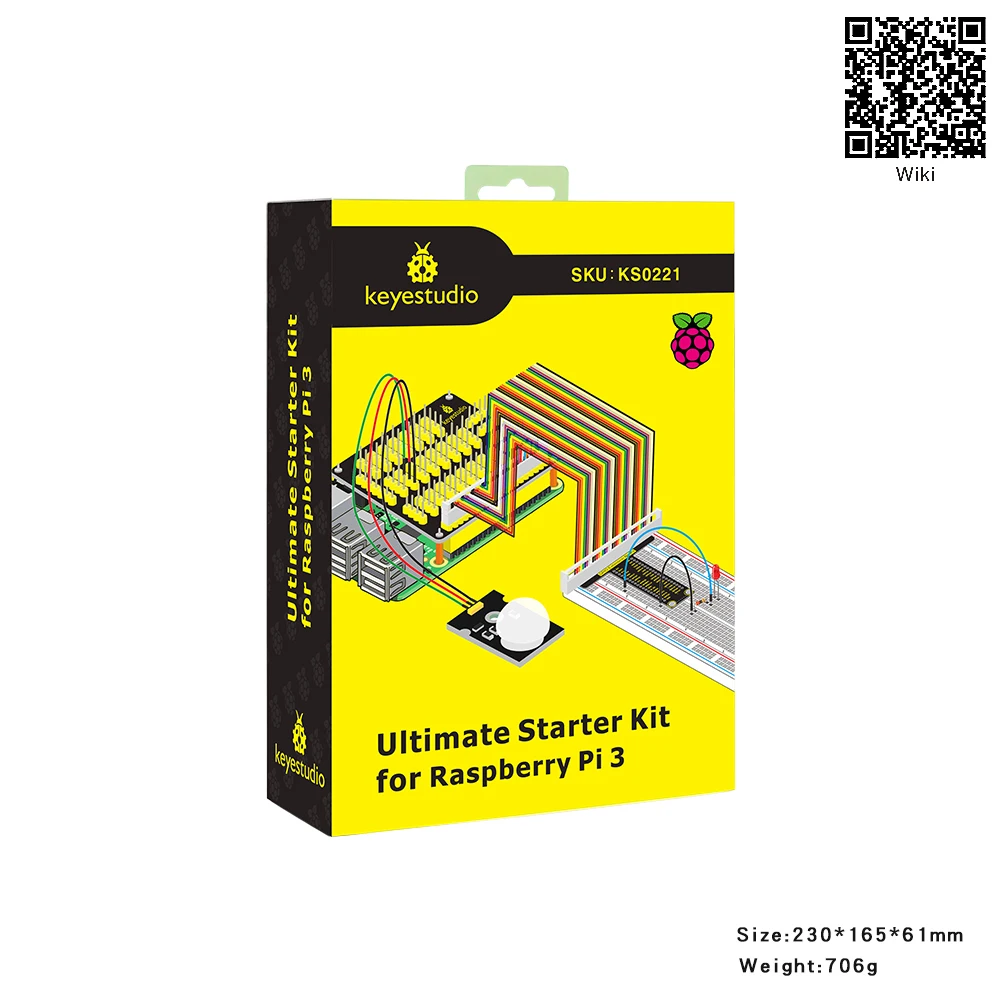
Raspberry Pi starter kit for beginners is a complete electronics learning solution designed to introduce users to programming, circuit design, and hardware interaction through hands-on projects.
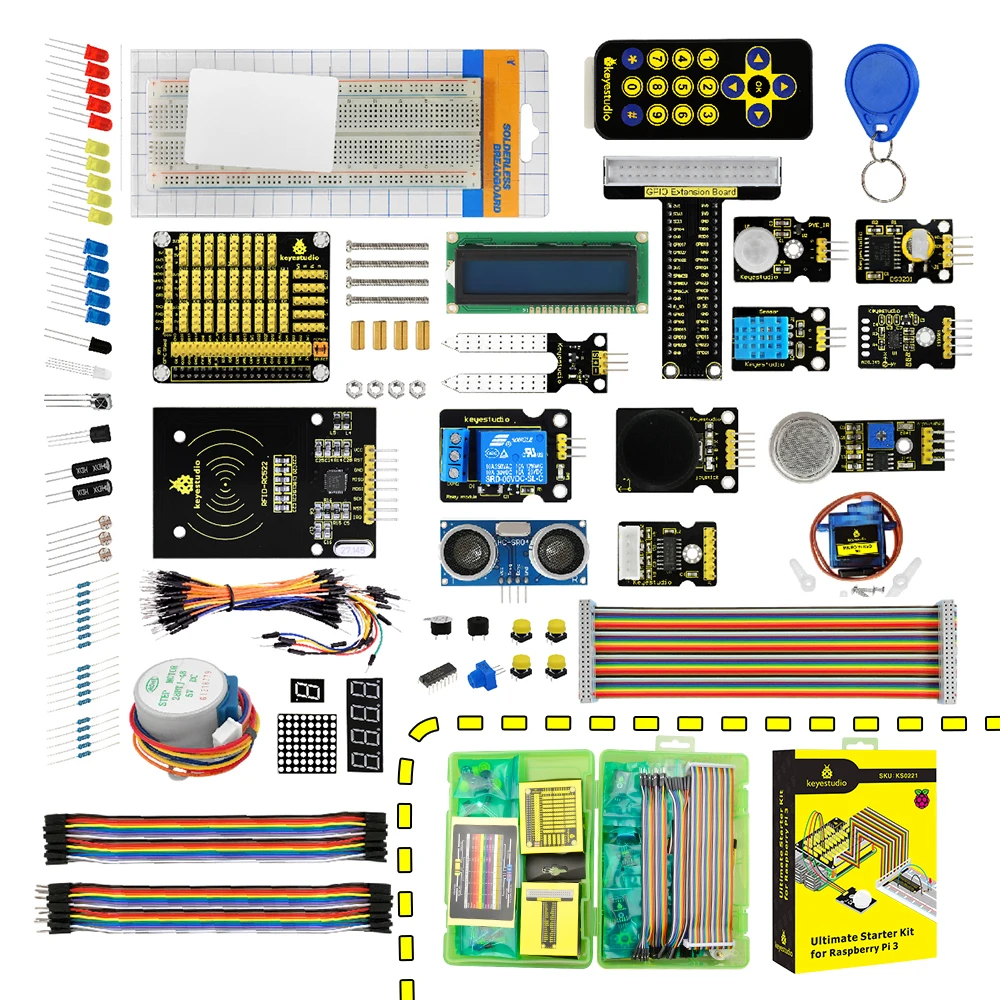
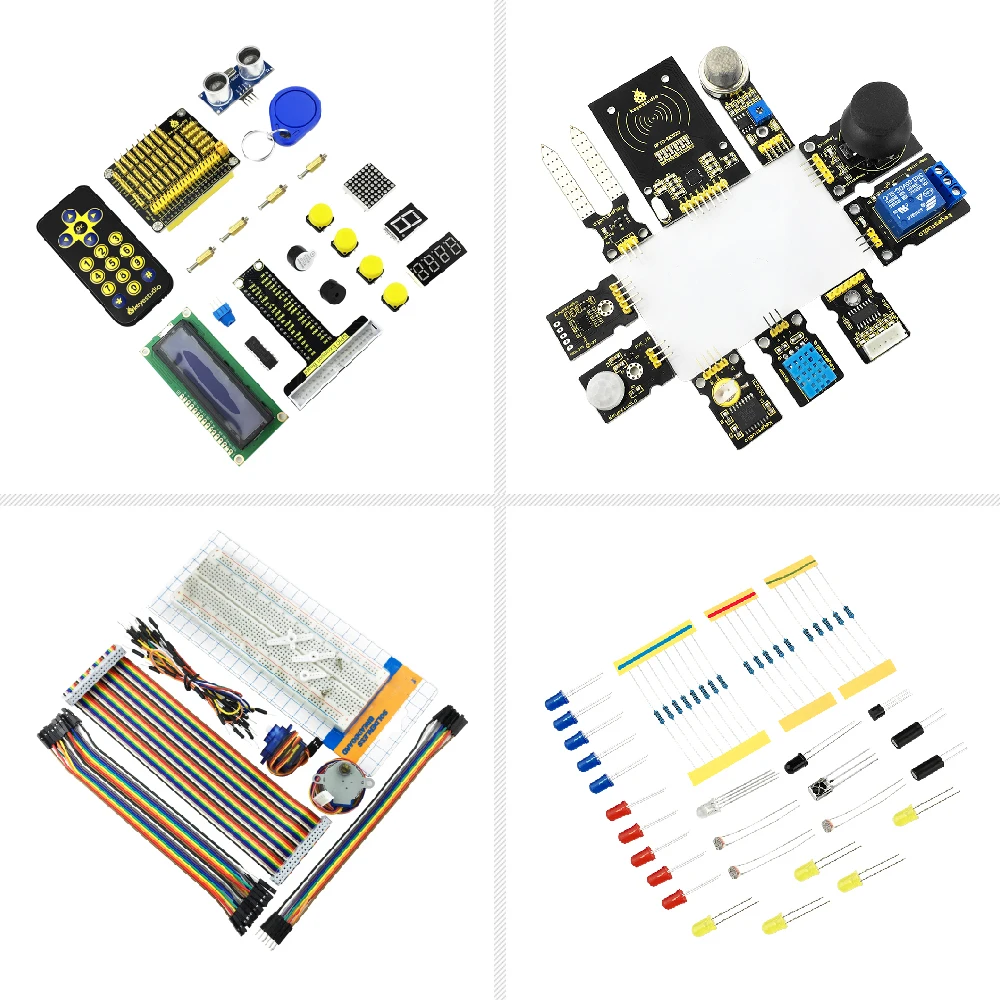
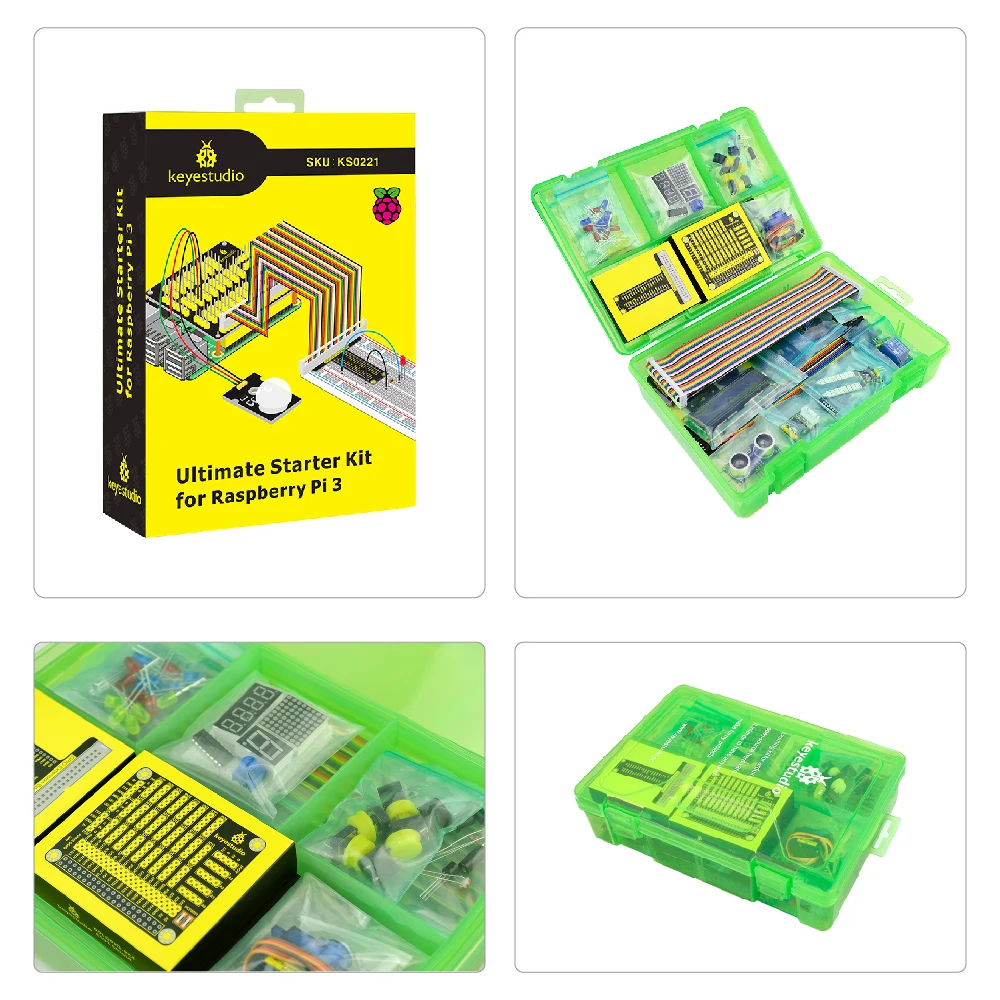
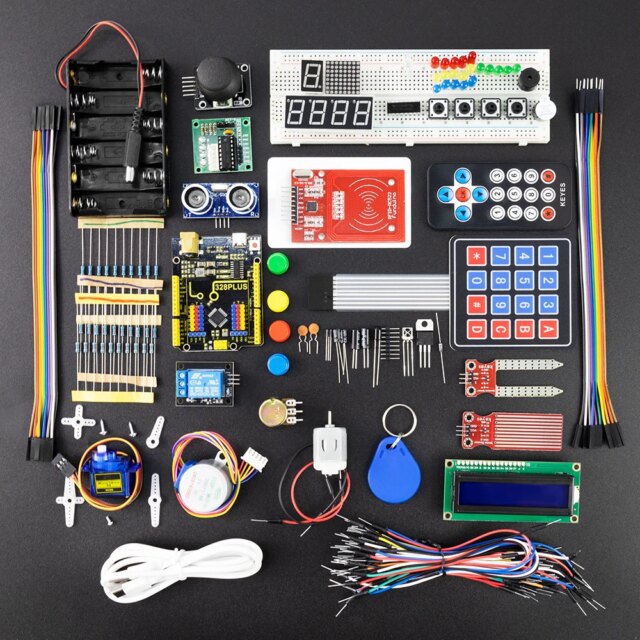
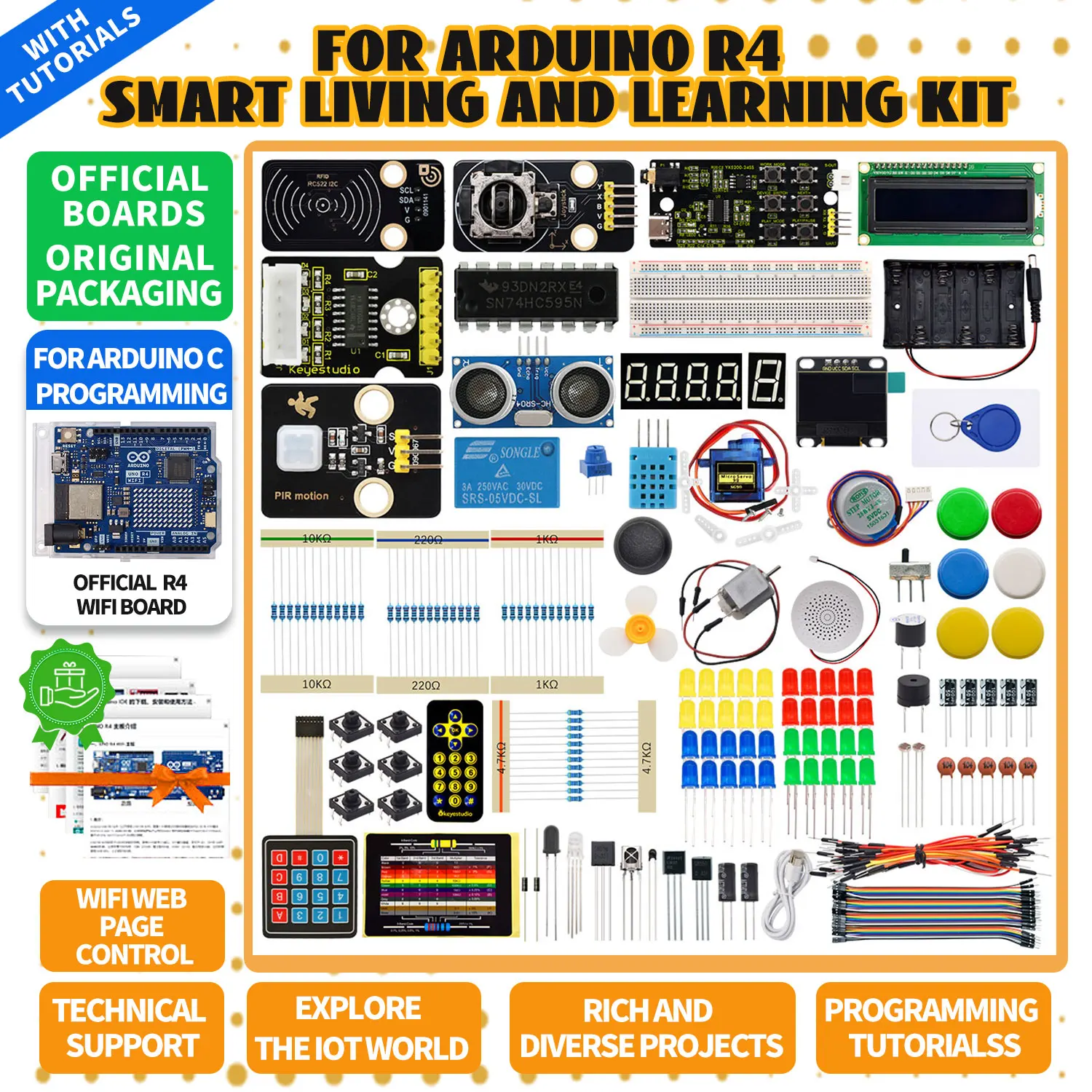
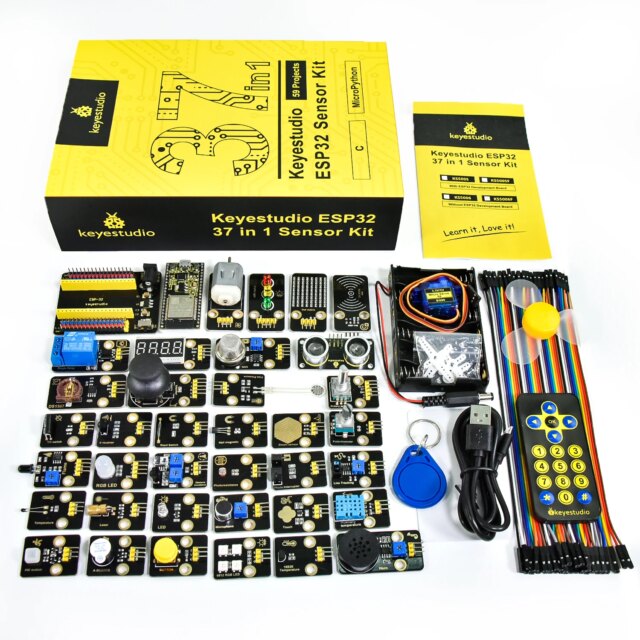
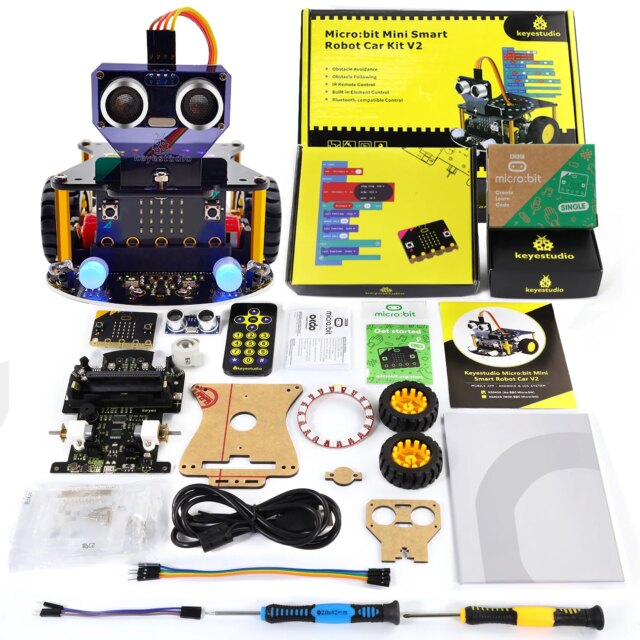
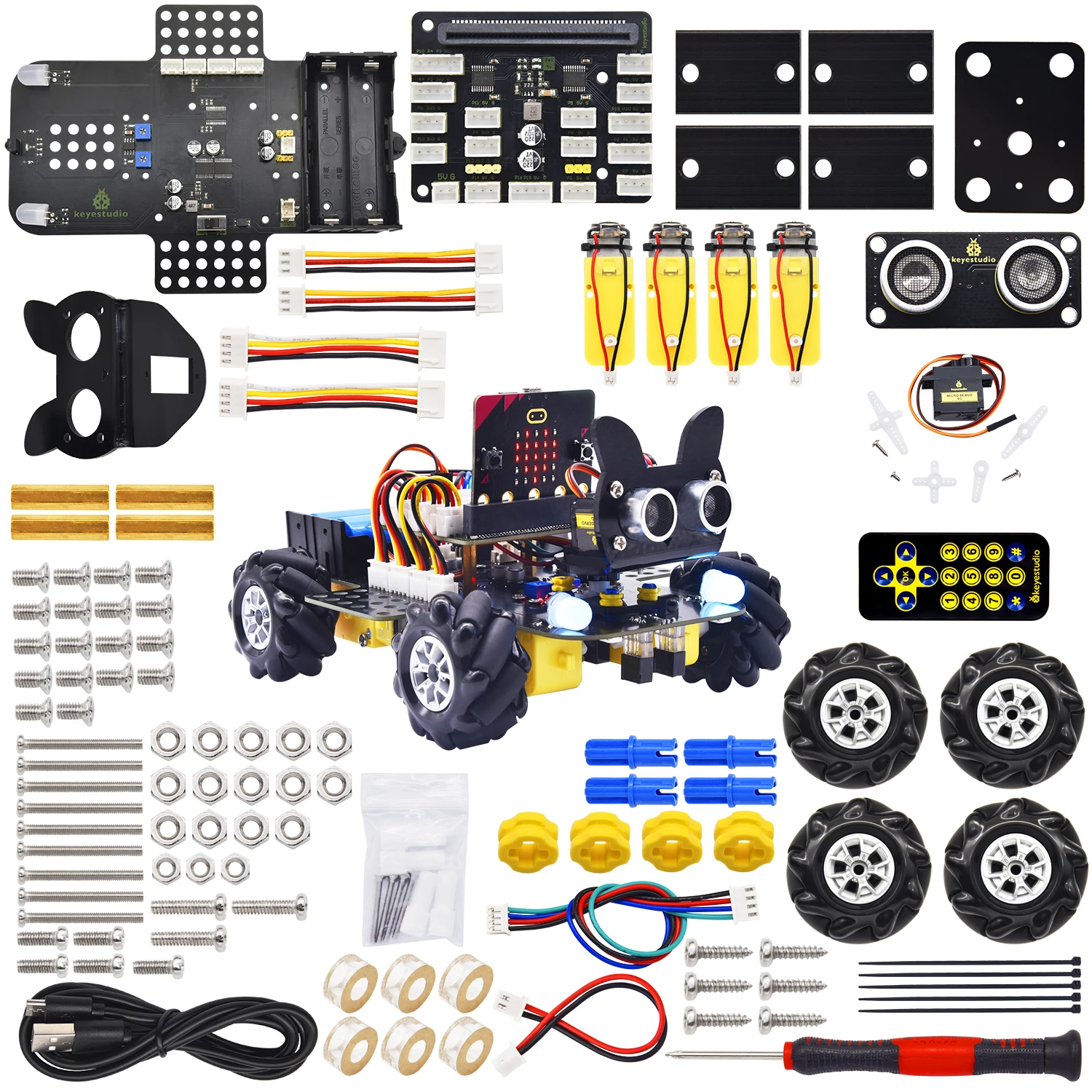
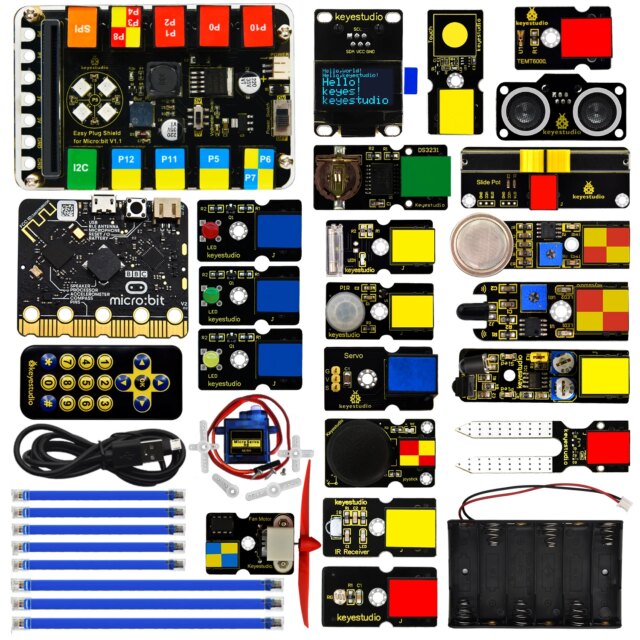
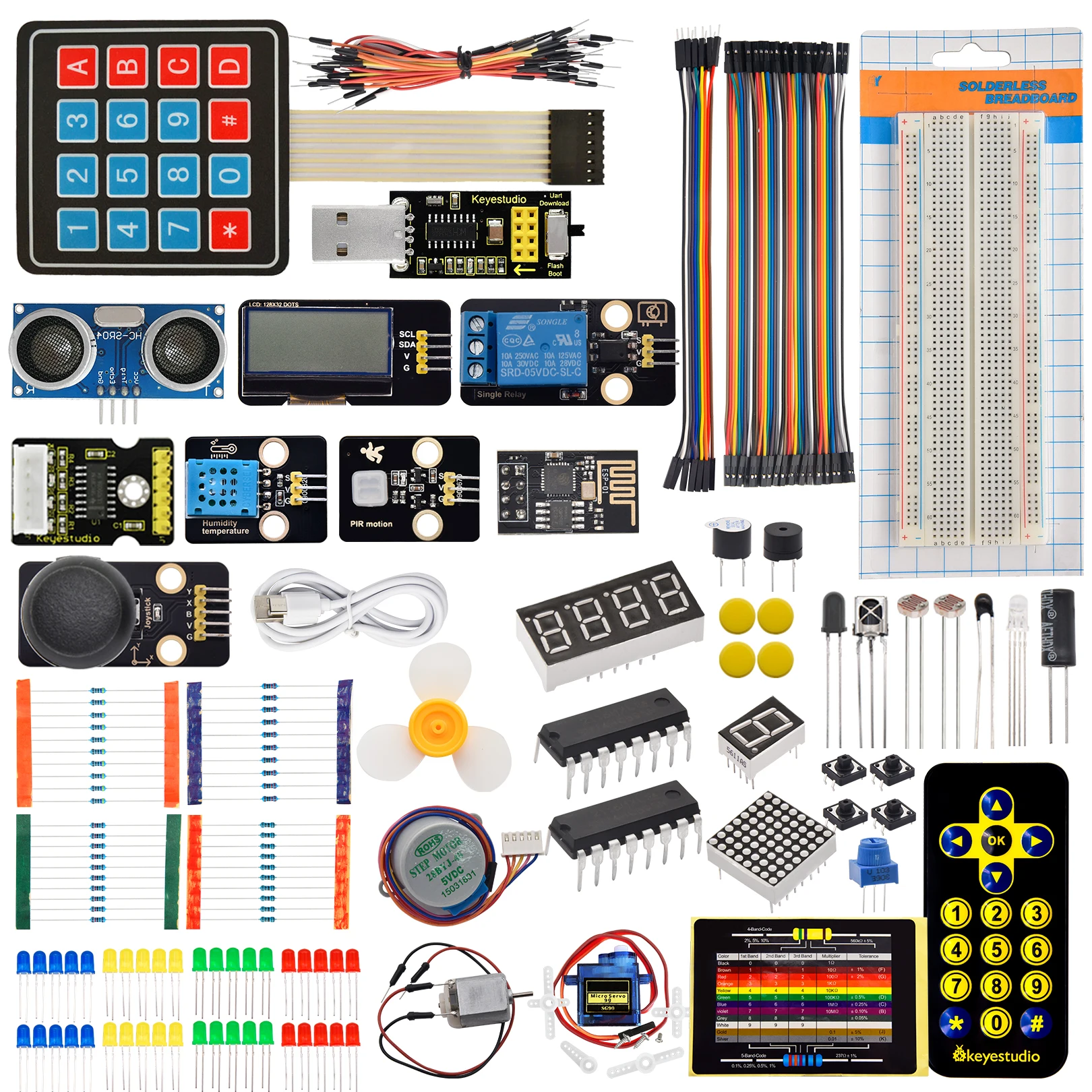
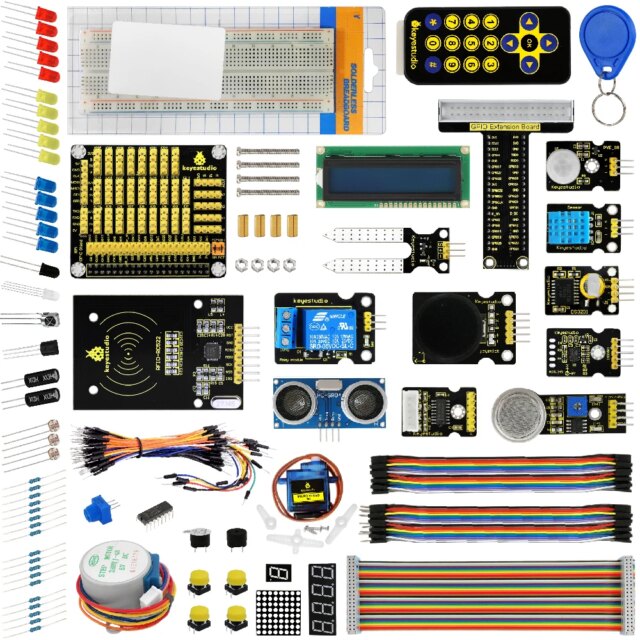
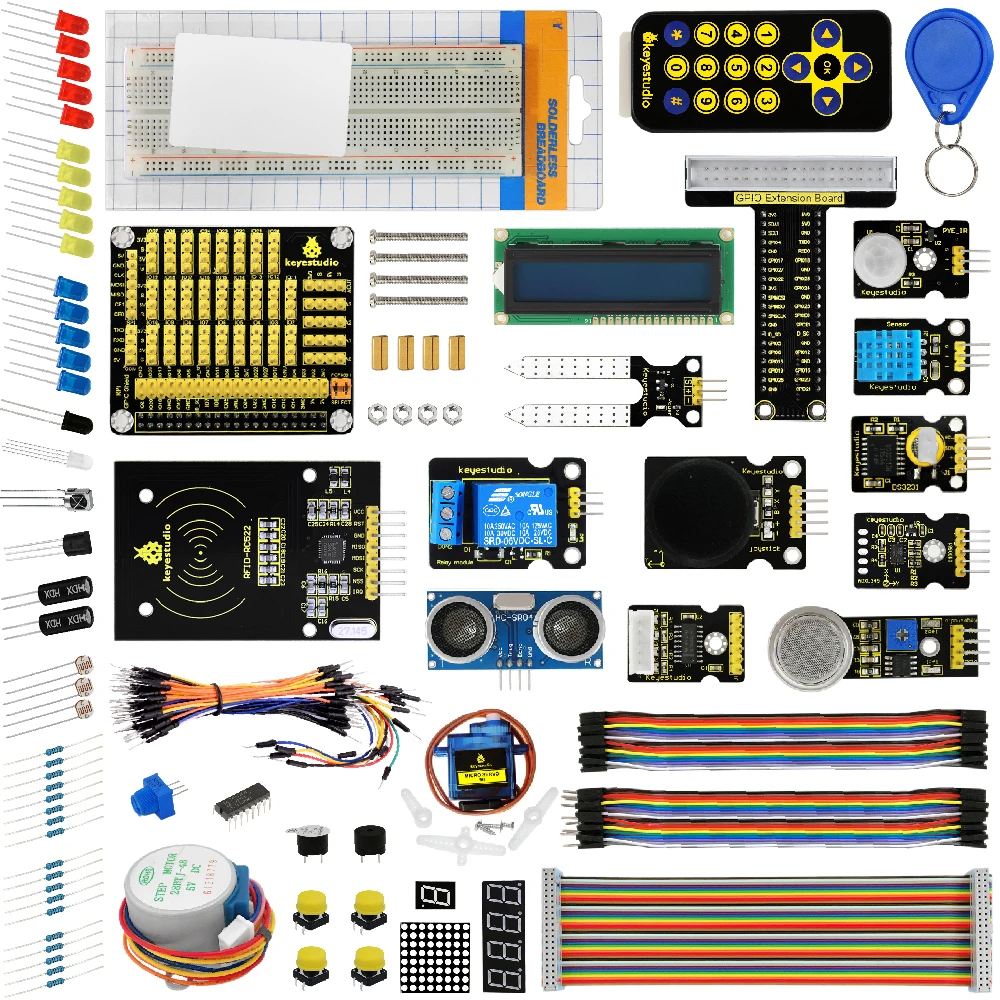
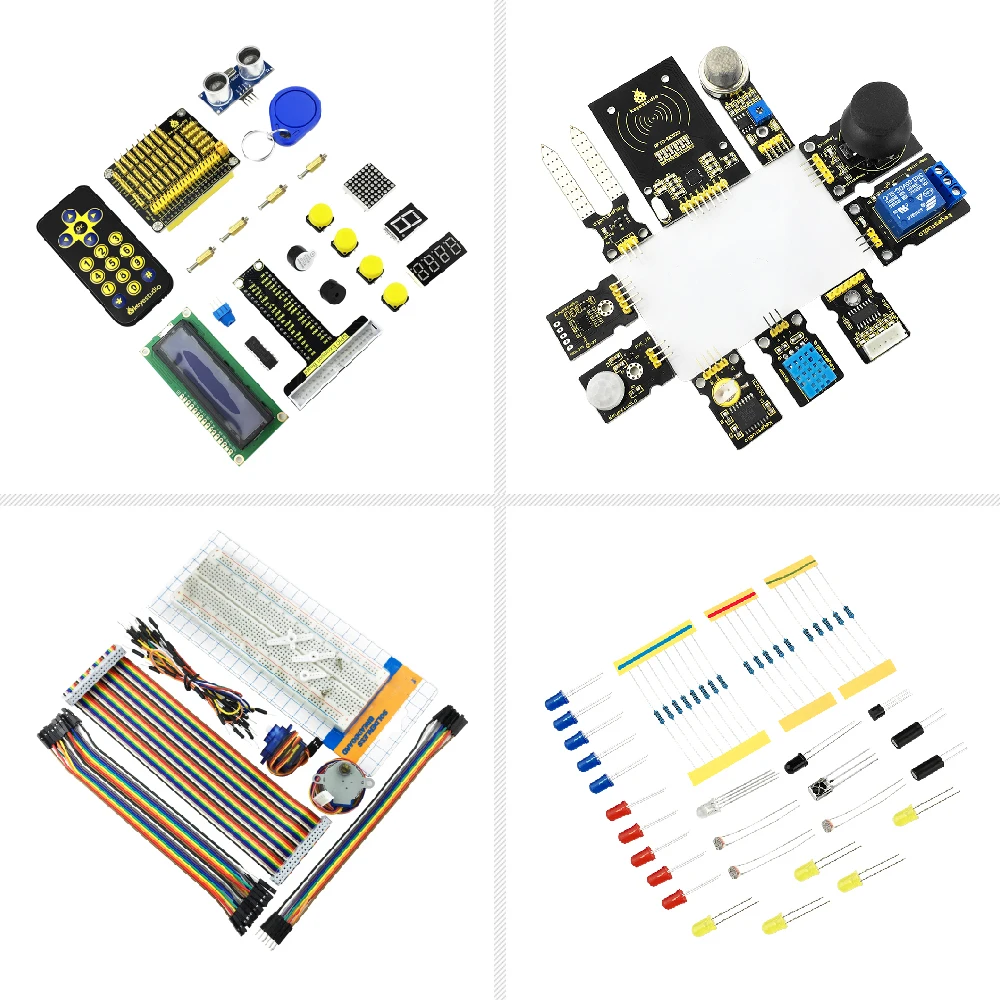
This all-in-one kit includes a wide range of electronic components such as sensors, modules, displays, and jumper wires, allowing users to build multiple real-world projects. Powered by Raspberry Pi (not included), it enables learners to write code and control physical devices—bridging the gap between software and hardware.
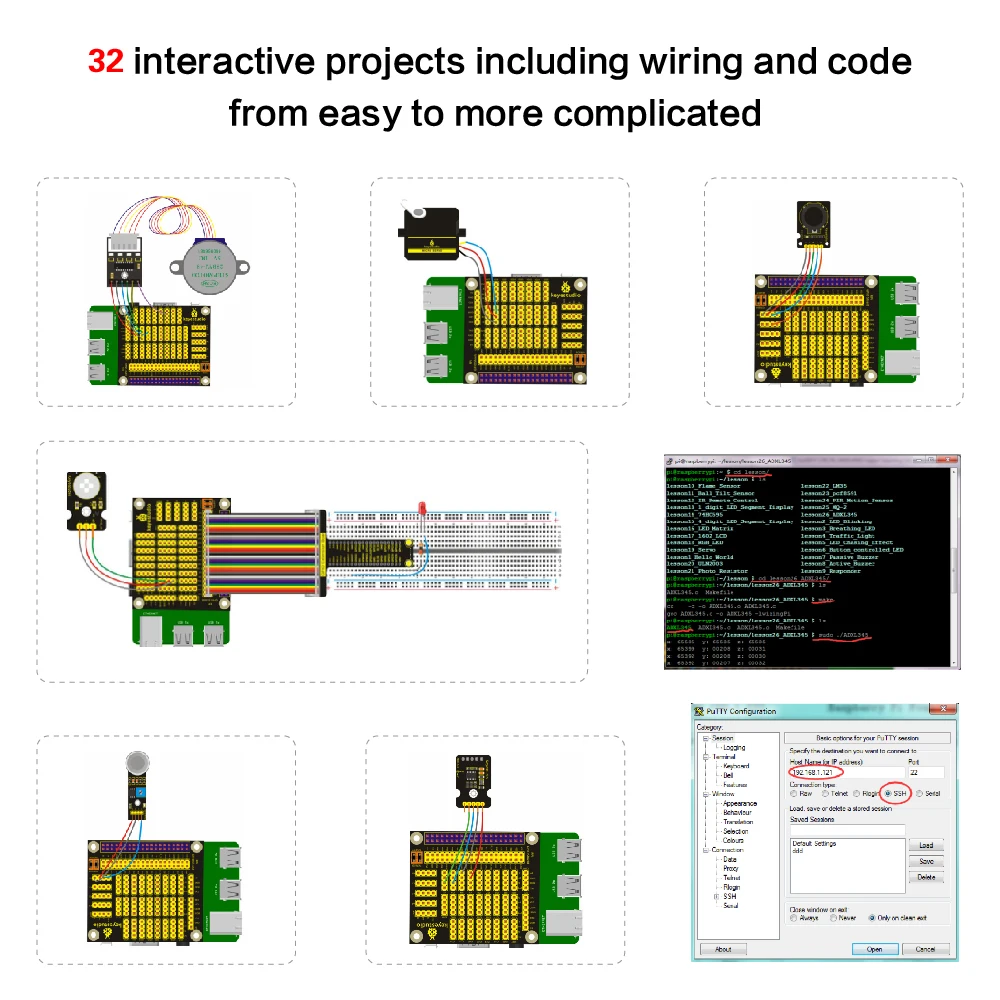
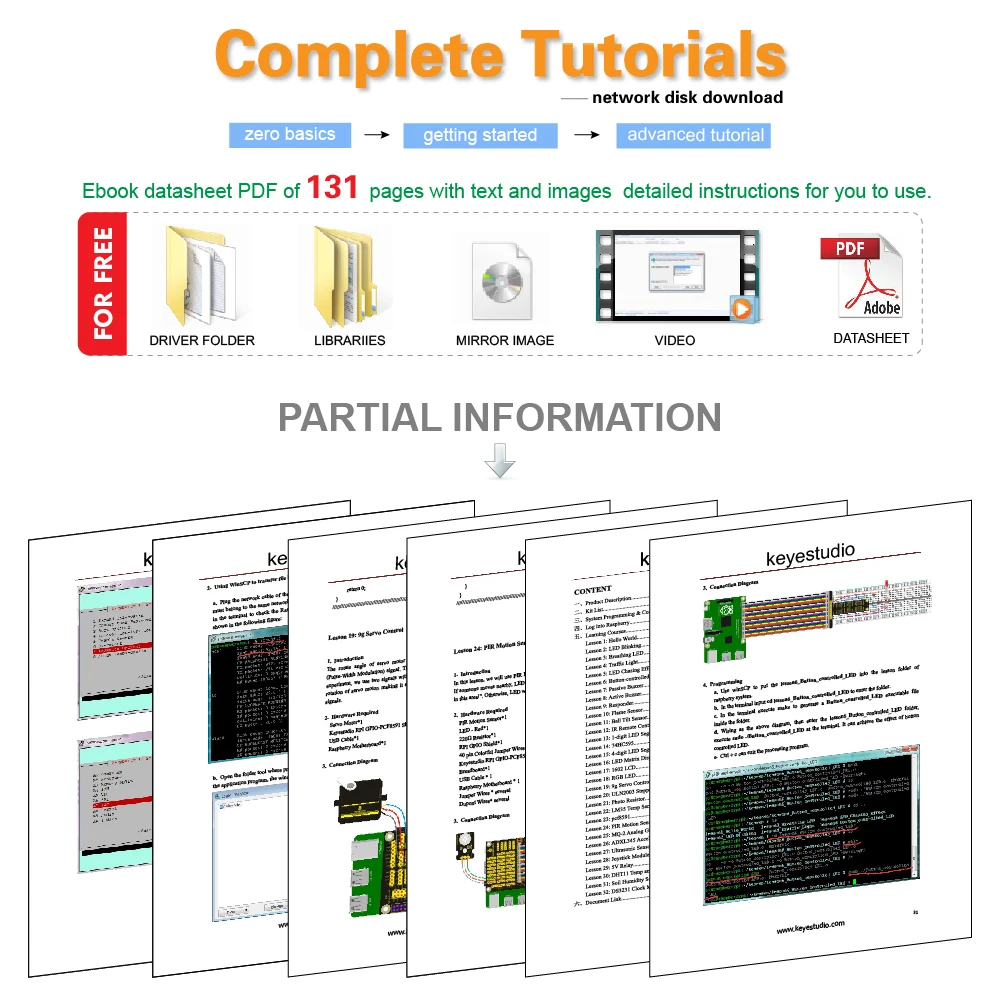
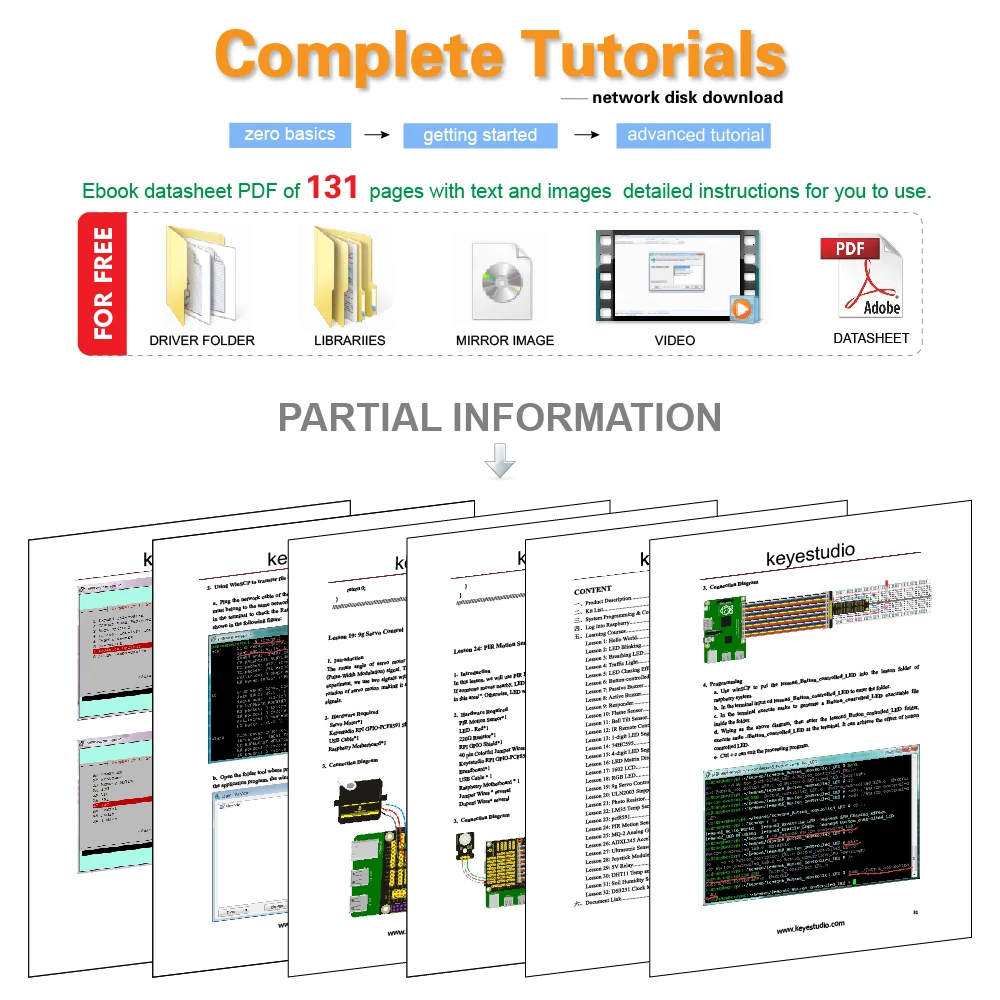
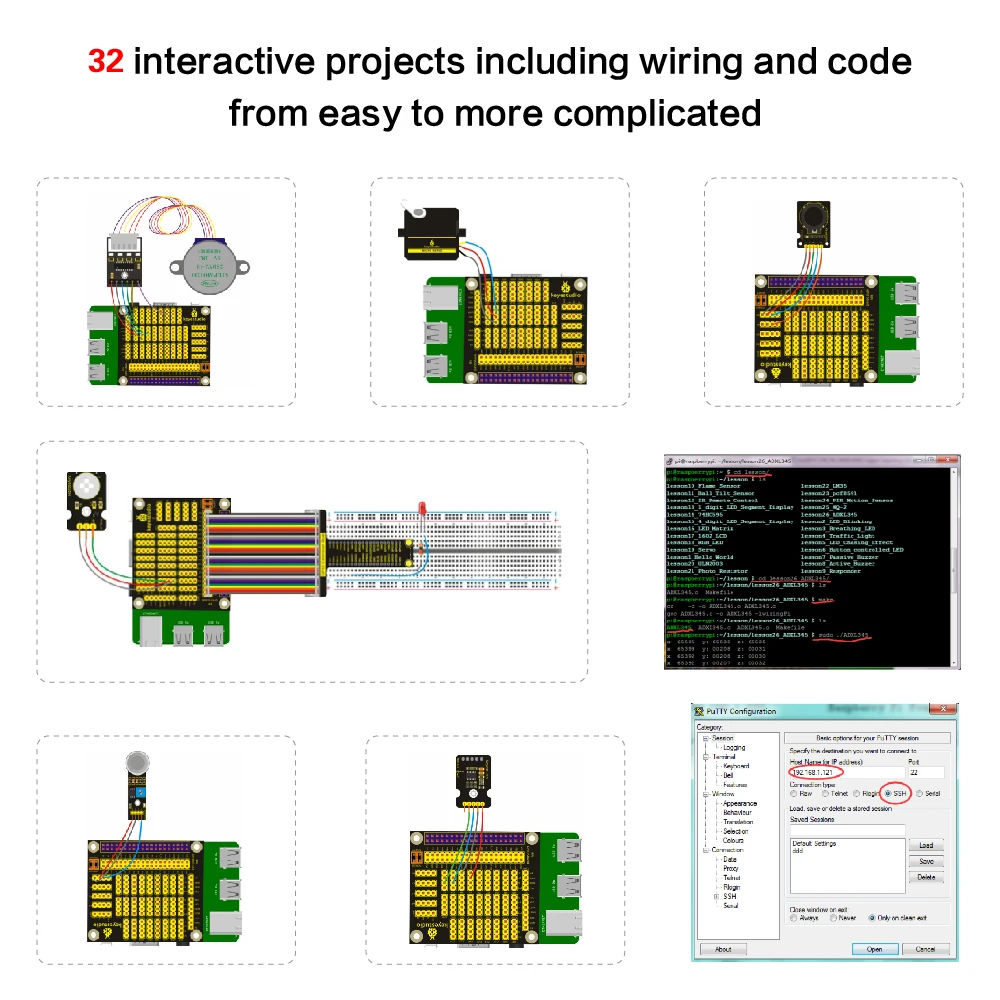
Unlike basic kits, this package supports progressive learning, starting from simple circuits to more advanced automation systems. It is ideal for beginners who want to explore Python programming, electronics, and IoT concepts in a structured way.
The Raspberry Pi starter kit for beginners transforms learning into an interactive experience, making complex concepts easier to understand through experimentation and project-based learning.
🟢 Product Specifications
- Product Type: Raspberry Pi Starter Kit
- Compatibility: Raspberry Pi boards (not included)
- Programming Language: Python
- Included Components:
- Breadboard
- Sensors (temperature, ultrasonic, sound, etc.)
- LCD display modules
- LEDs and resistors
- Jumper wires and connectors
- Remote control module
- Learning Type: DIY electronics & coding
- Assembly Level: Beginner-friendly
- Usage: STEM education, prototyping, IoT basics
👉 Robotics and electronics kits typically include sensors, controllers, and components to help users build and program real systems
🟢 Subjects Covered by This Product
1. Electronics Fundamentals
- Circuit building
- Voltage, current, and resistance
- Sensor integration
2. Programming & Coding
- Python basics
- Hardware control via code
- Logic and automation
3. Internet of Things (IoT)
- Device communication
- Data collection from sensors
- Smart system concepts
4. Embedded Systems
- Raspberry Pi interaction
- Input/output control
- Real-world automation
🟢 Activities Performed by the Product
🔹 1. Building Electronic Circuits
Create working circuits using breadboards and components.
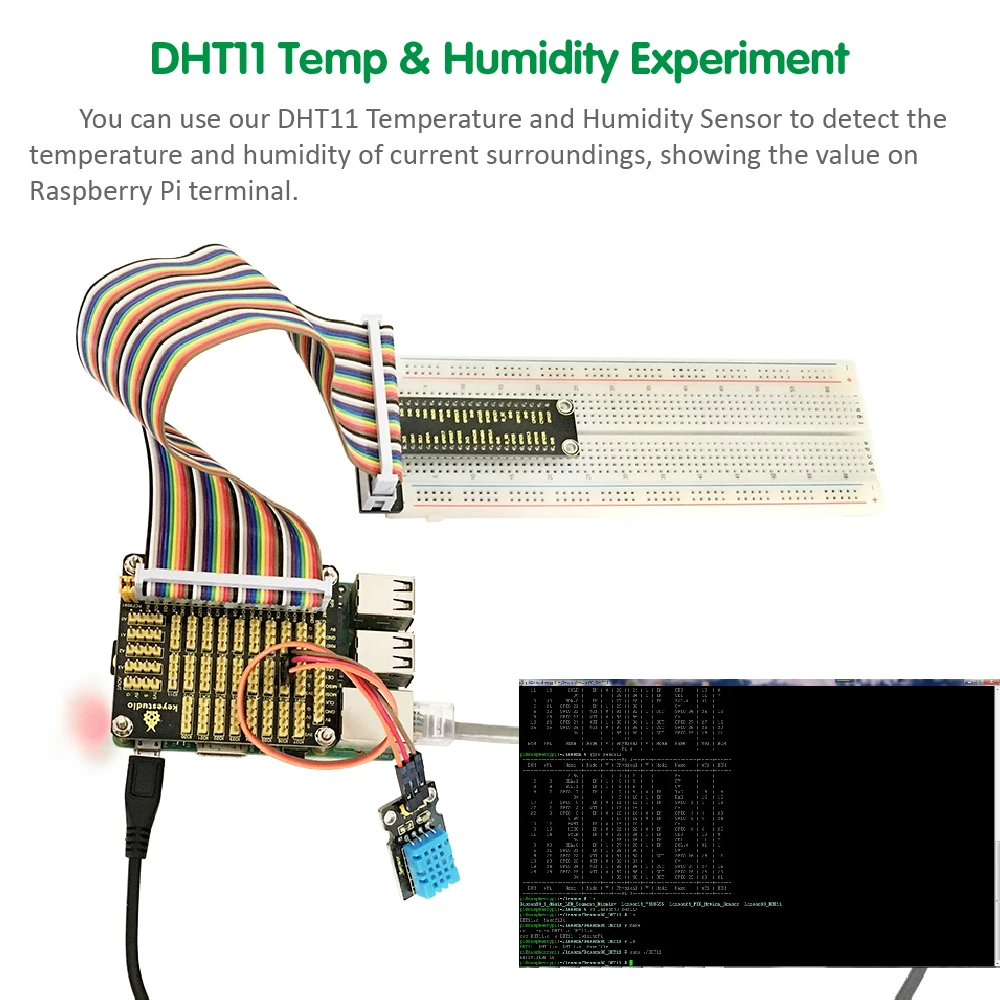
🔹 2. Sensor Data Collection
Measure temperature, distance, and environmental inputs.
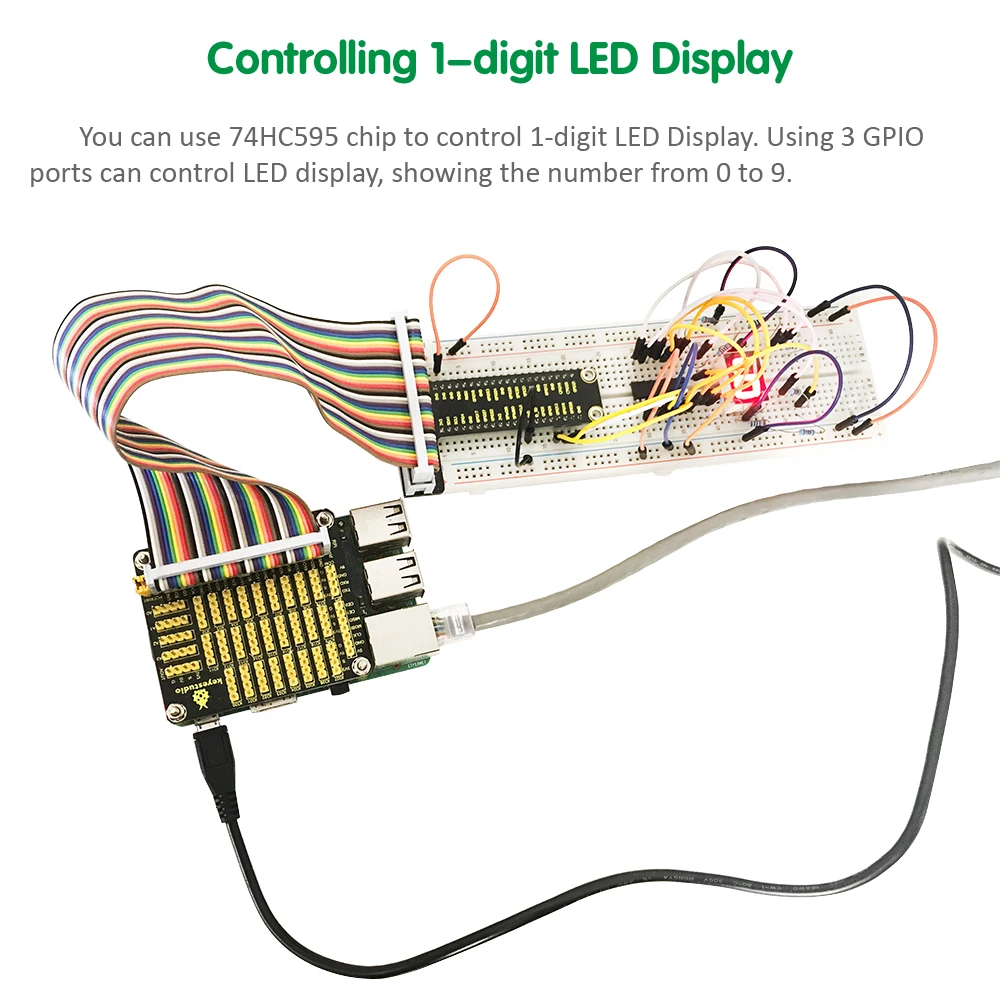
🔹 3. LED & Display Control
Program visual outputs such as lights and LCD screens.
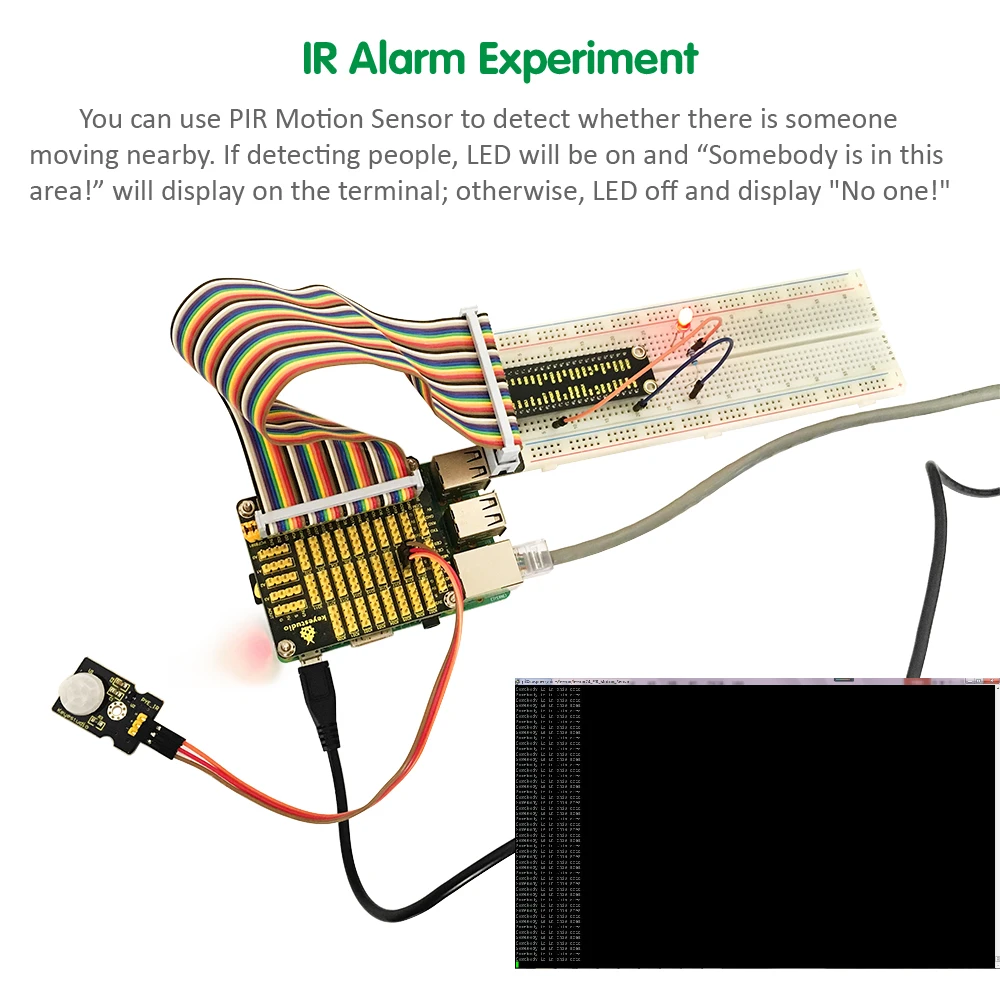
🔹 4. Automation Projects
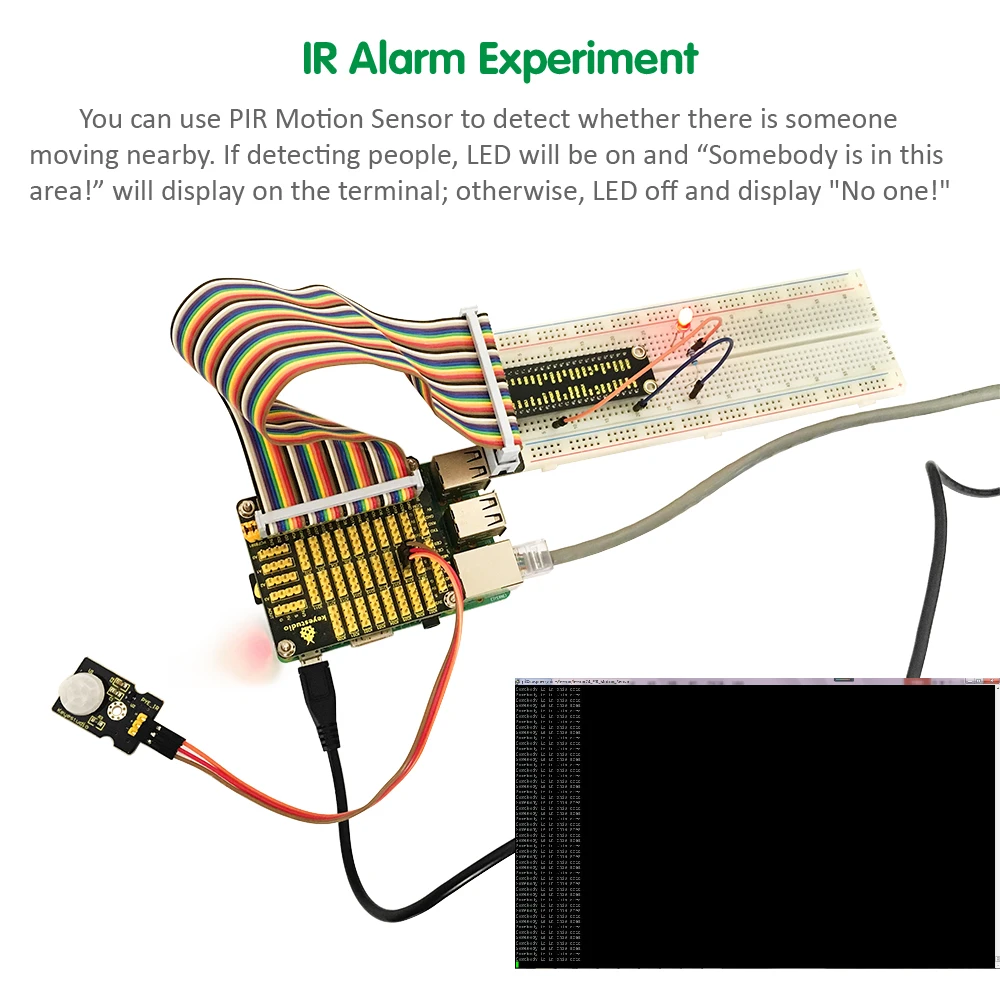
Design systems that respond to real-world inputs.
🔹 5. Remote Control Experiments
Control devices using IR or wireless modules.
🔹 6. Programming Practice
Write and test Python scripts for hardware control.
🟢 Benefits for Students
- Learn electronics + programming simultaneously
- Build strong STEM foundations
- Improve logical thinking and creativity
- Hands-on experience with real components
🟢 Benefits for Teachers
- Perfect for introductory STEM courses
- Enables project-based learning environments
- Supports step-by-step curriculum development
- Easy to integrate into classroom labs