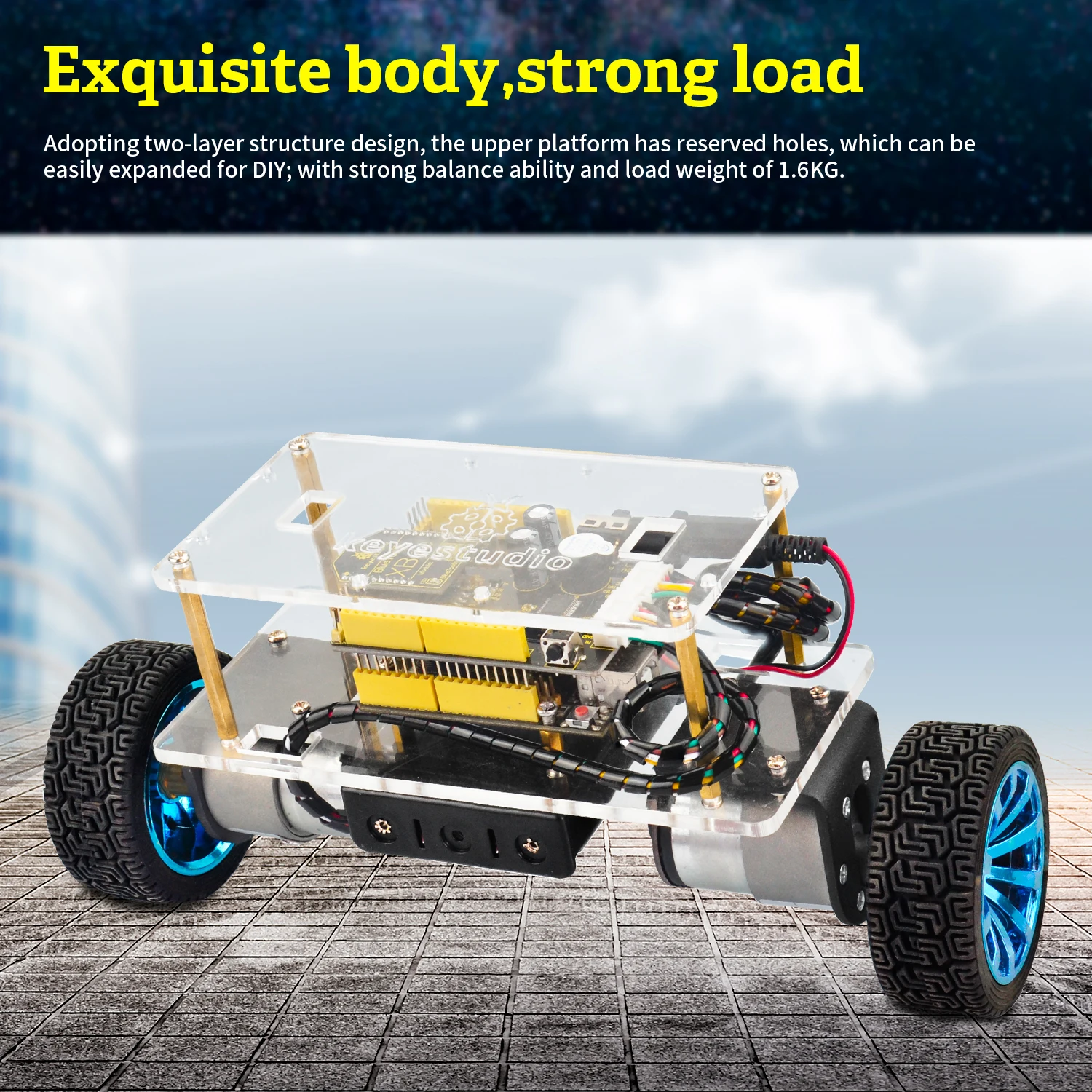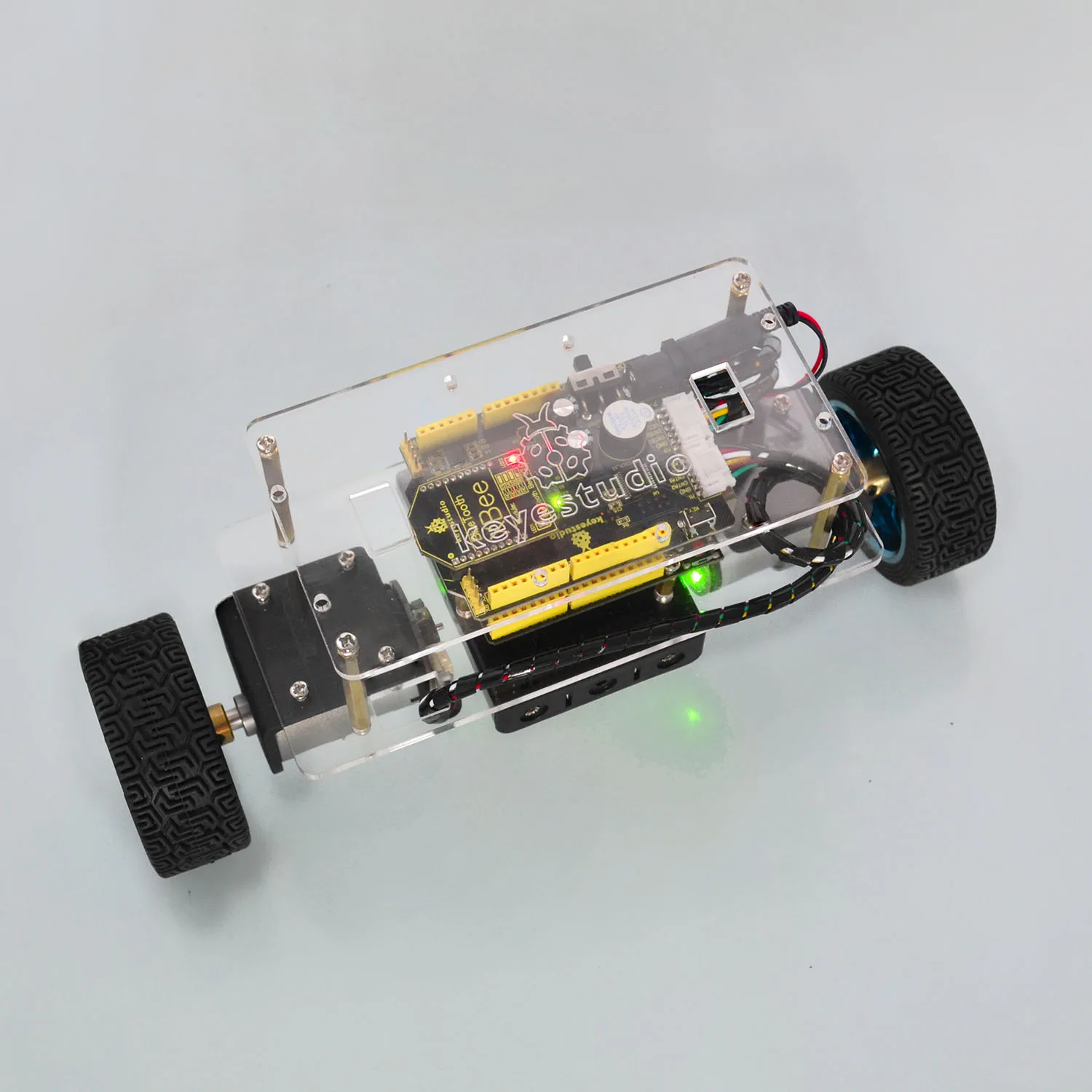
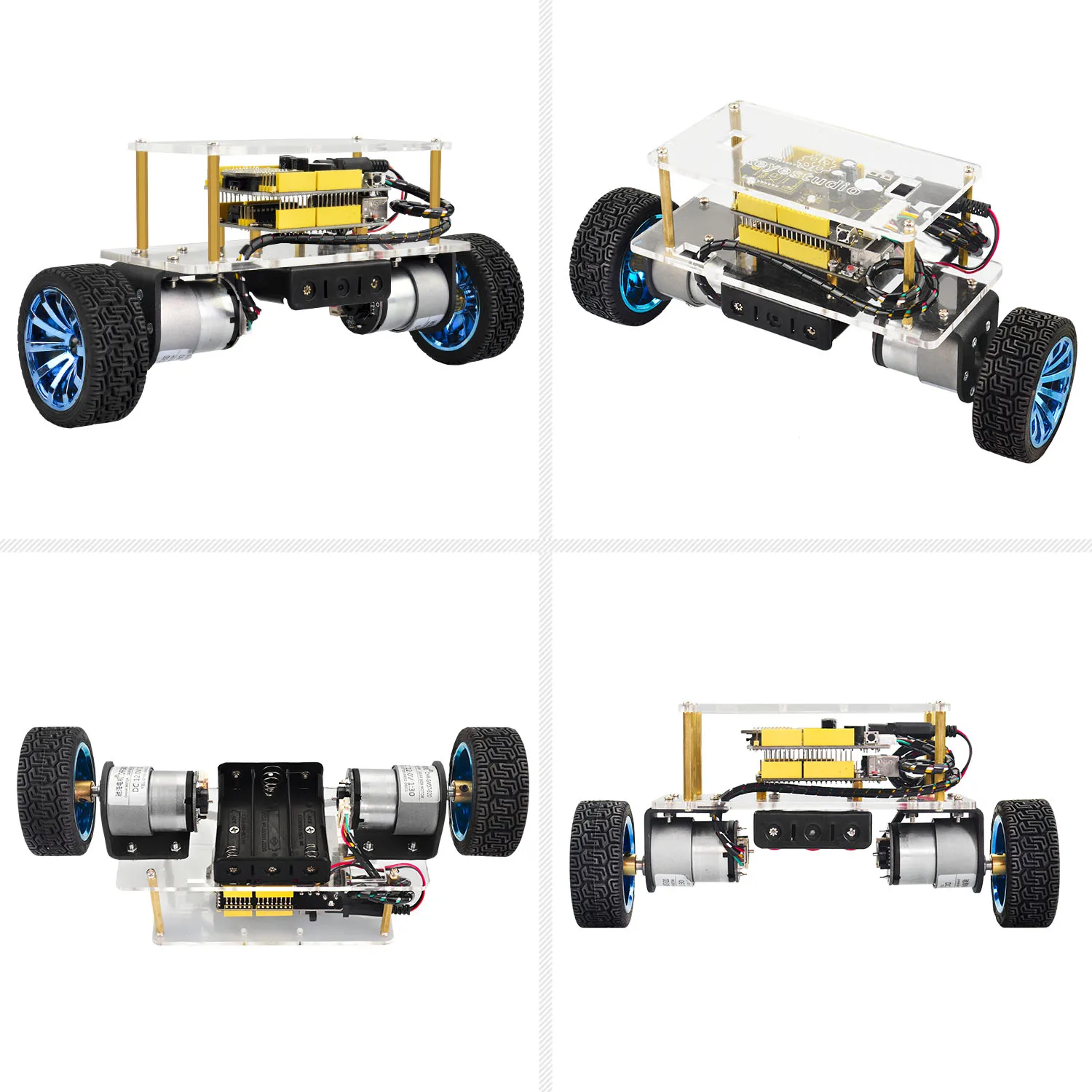
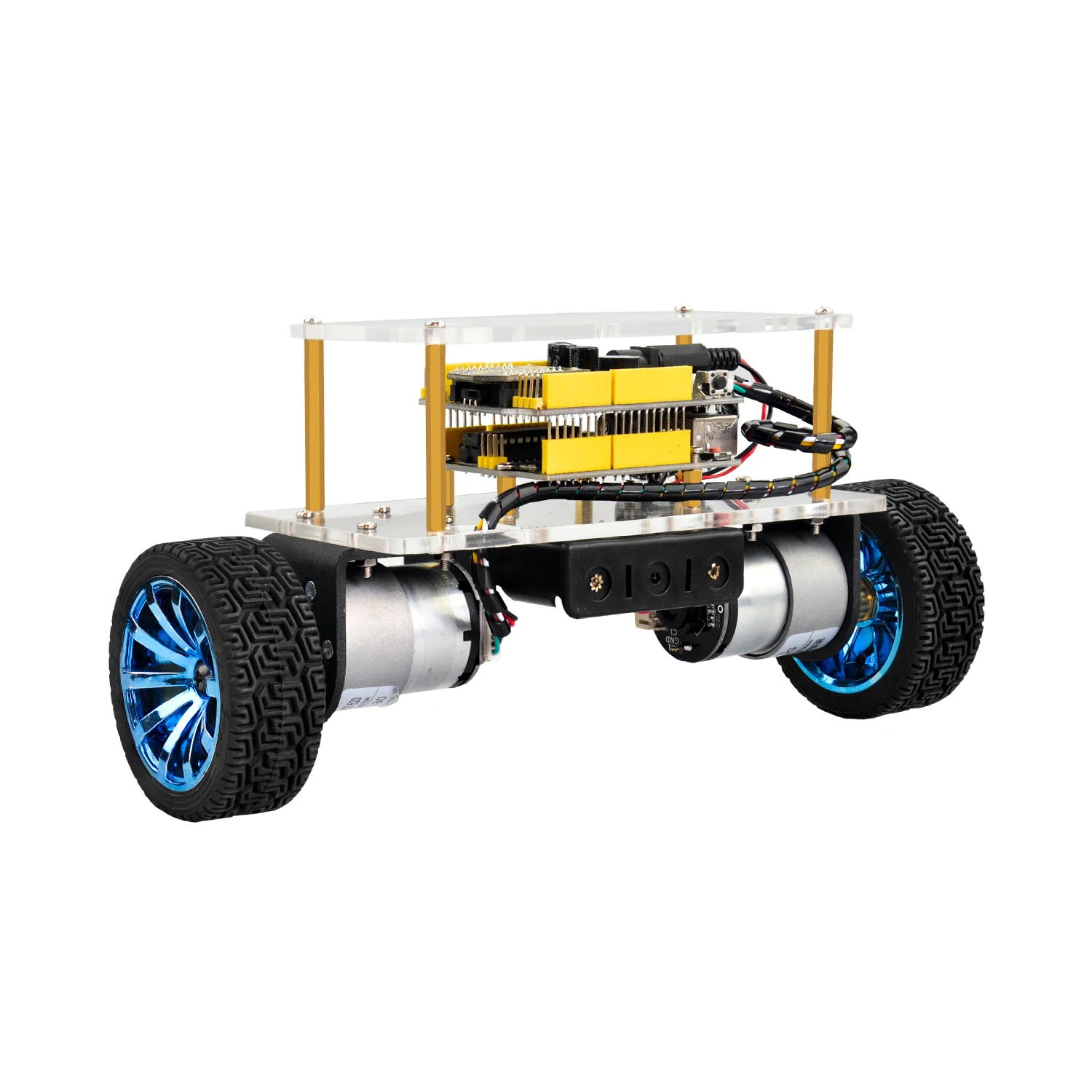
self balancing robot car kit for Arduino beginners
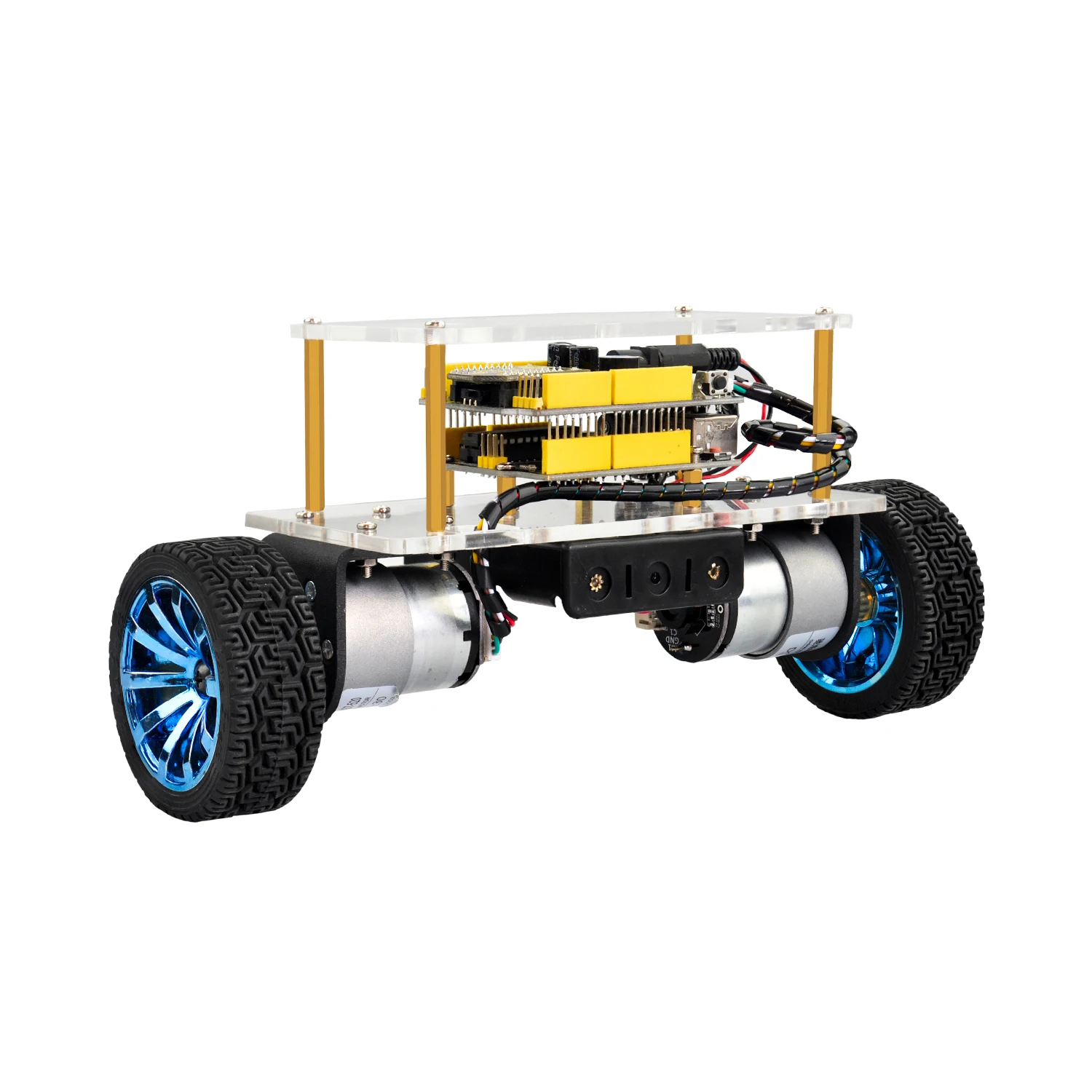
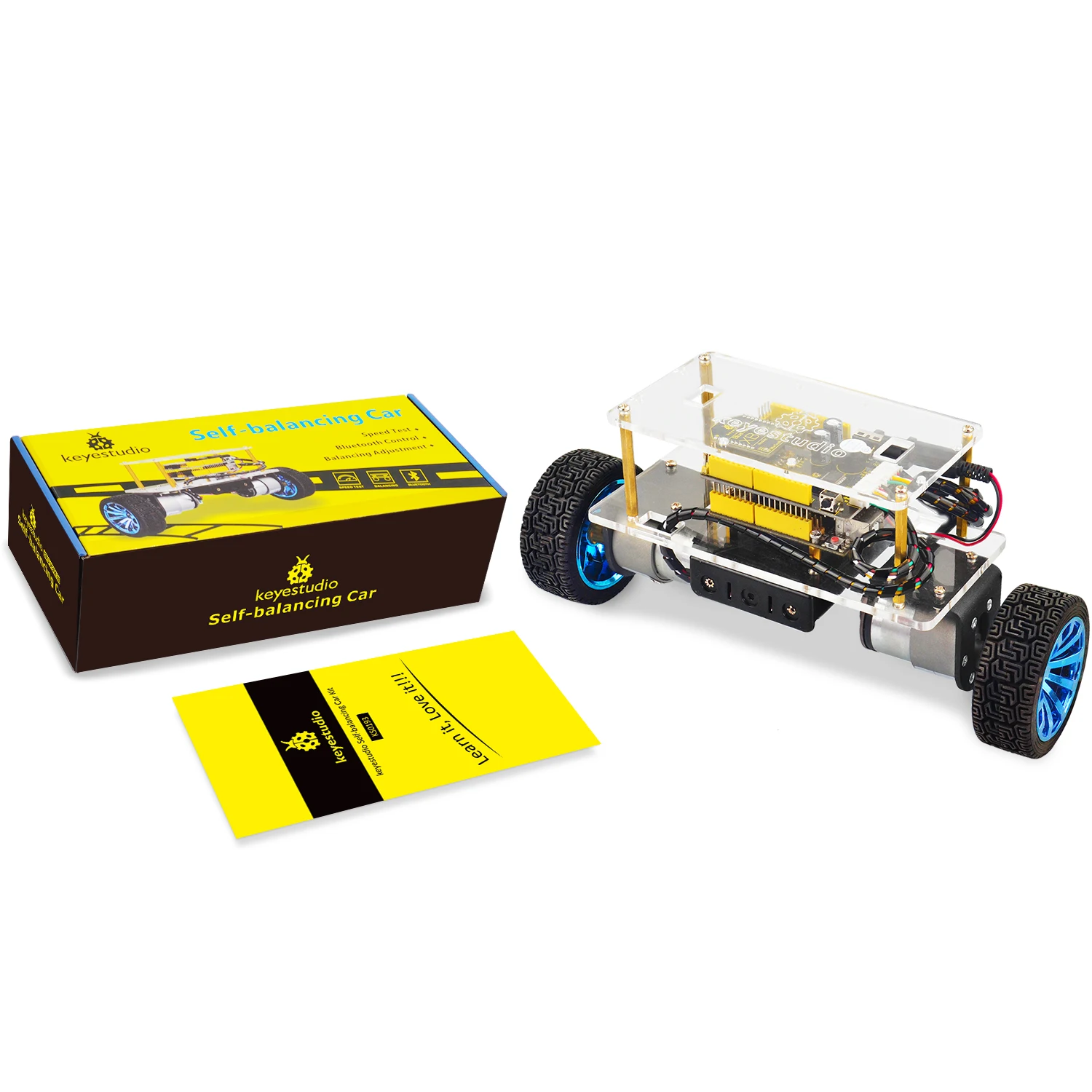
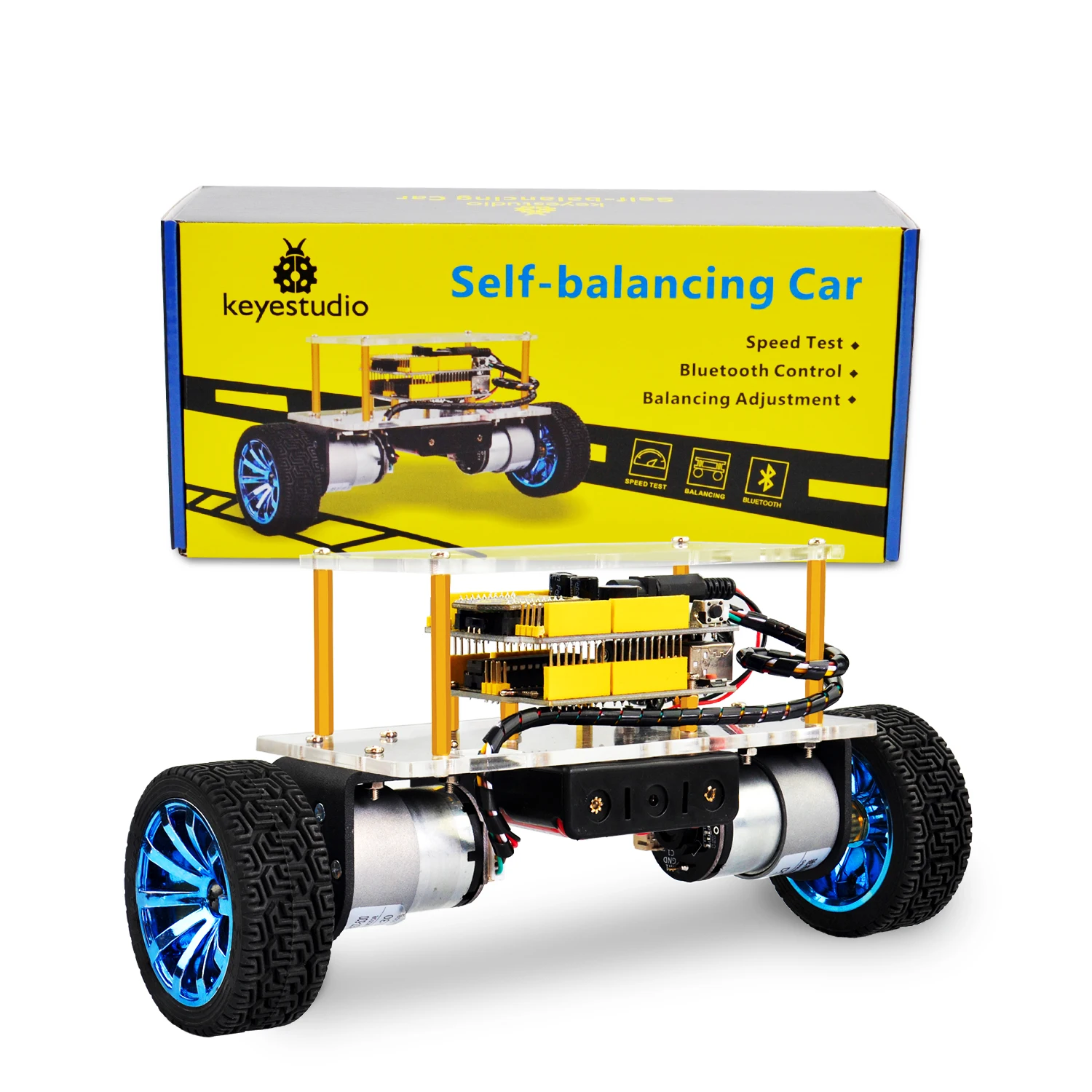
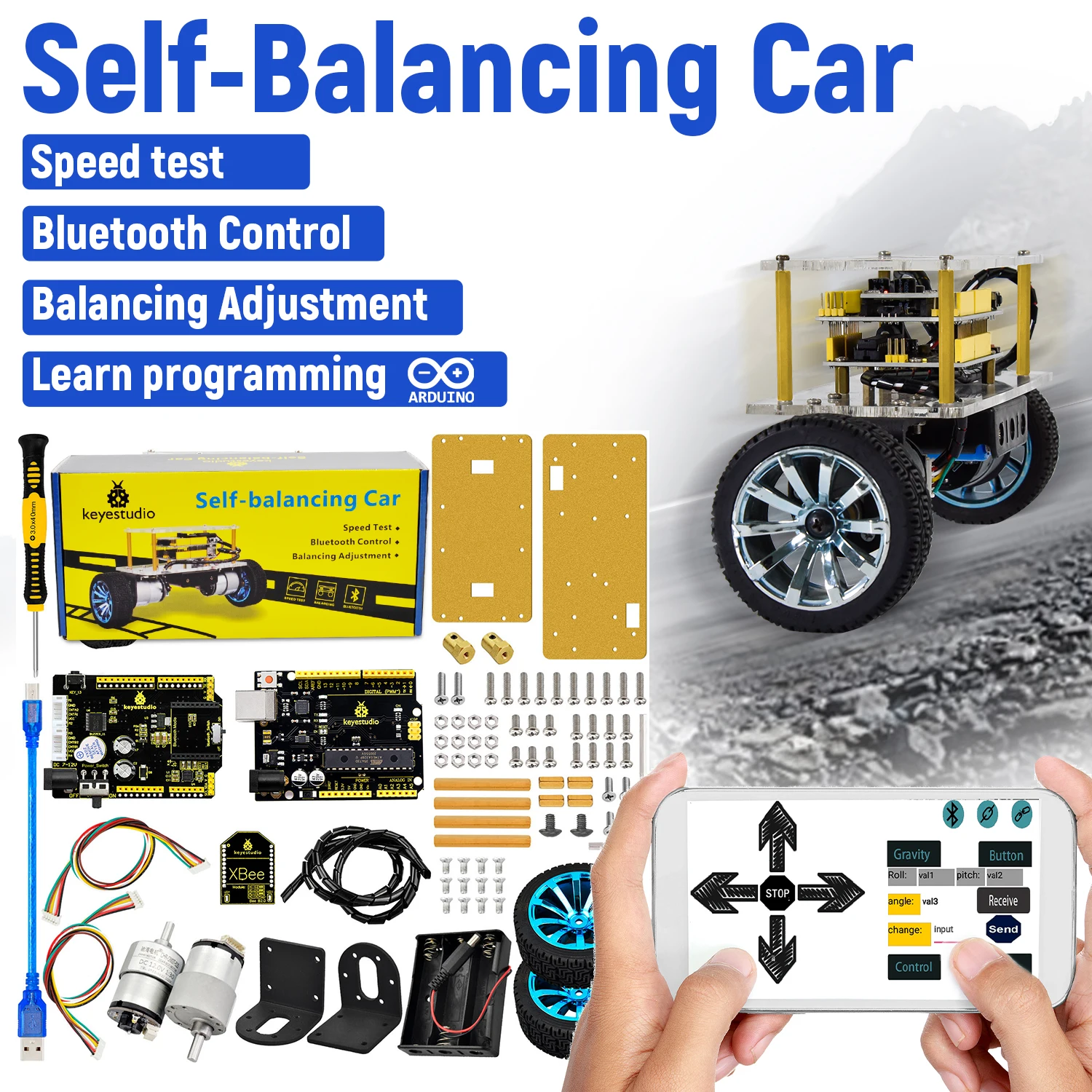
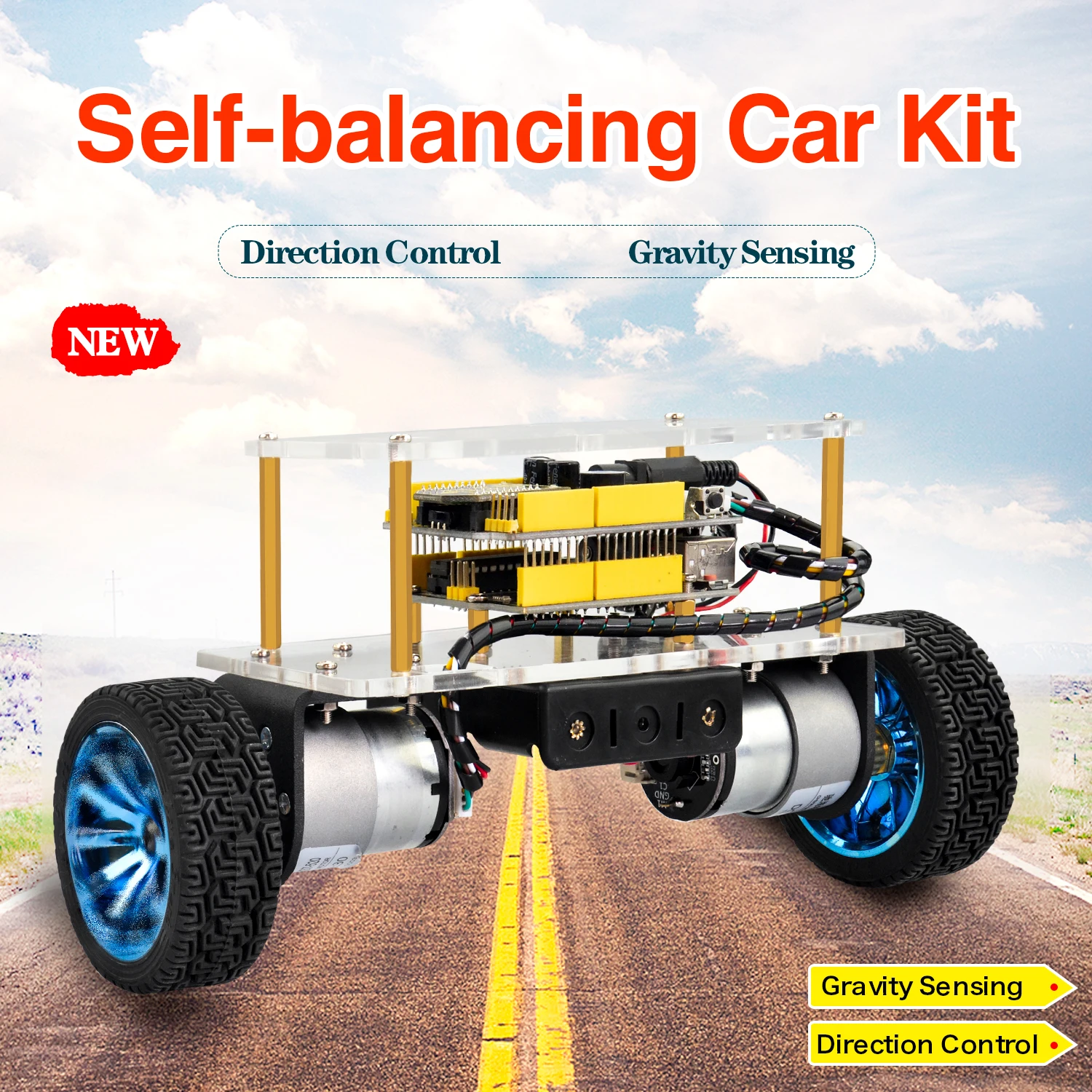
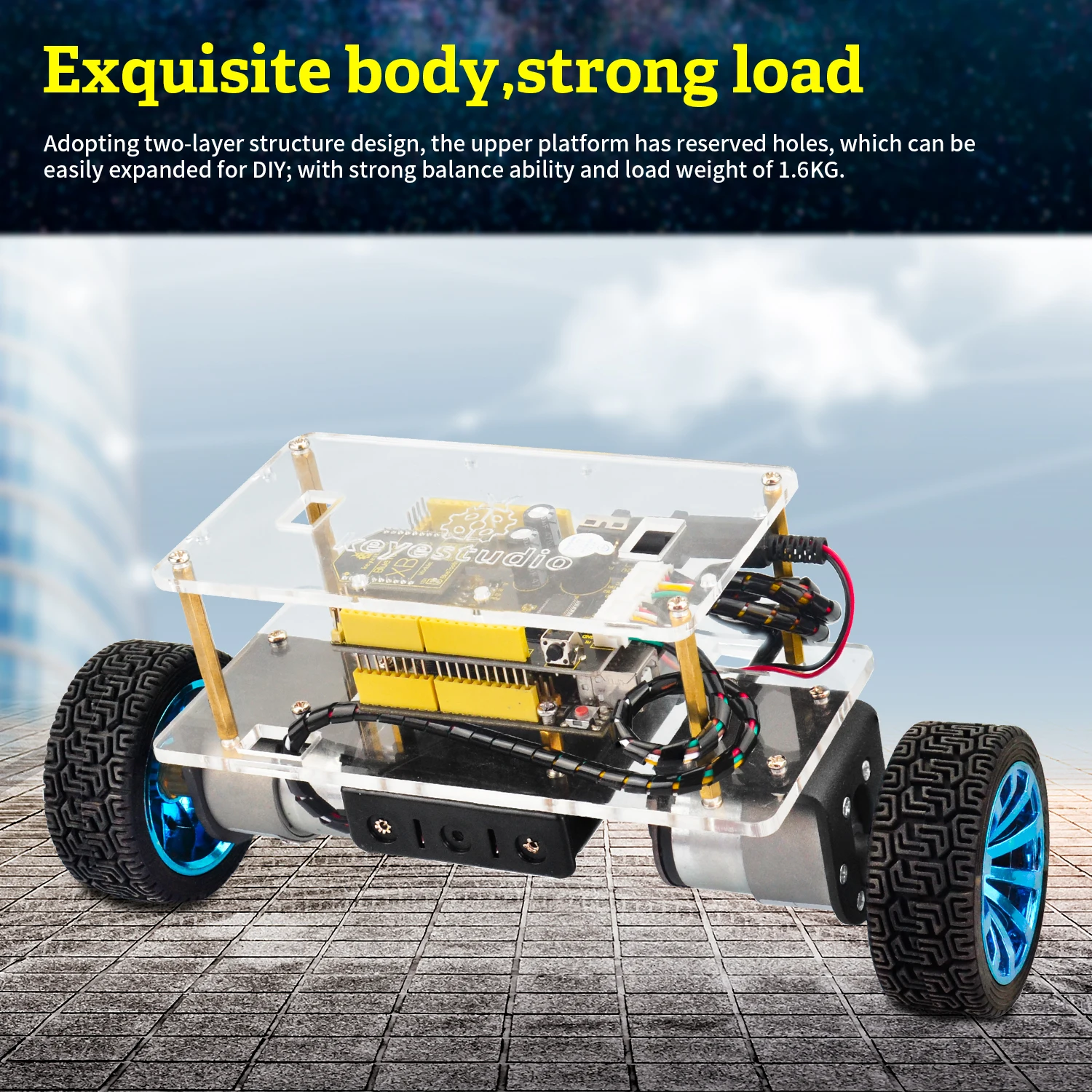
self balancing robot car kit for Arduino beginners is an advanced STEM learning solution designed to teach robotics, control systems, and programming through real-world engineering concepts. This DIY kit allows users to build a two-wheel robot that can automatically balance itself using intelligent motion control algorithms.
Powered by an Arduino-compatible controller and equipped with a high-precision MPU6050 gyroscope and accelerometer, the robot continuously adjusts its position to stay upright. This creates an engaging learning experience that introduces users to control theory, sensor integration, and real-time system feedback.
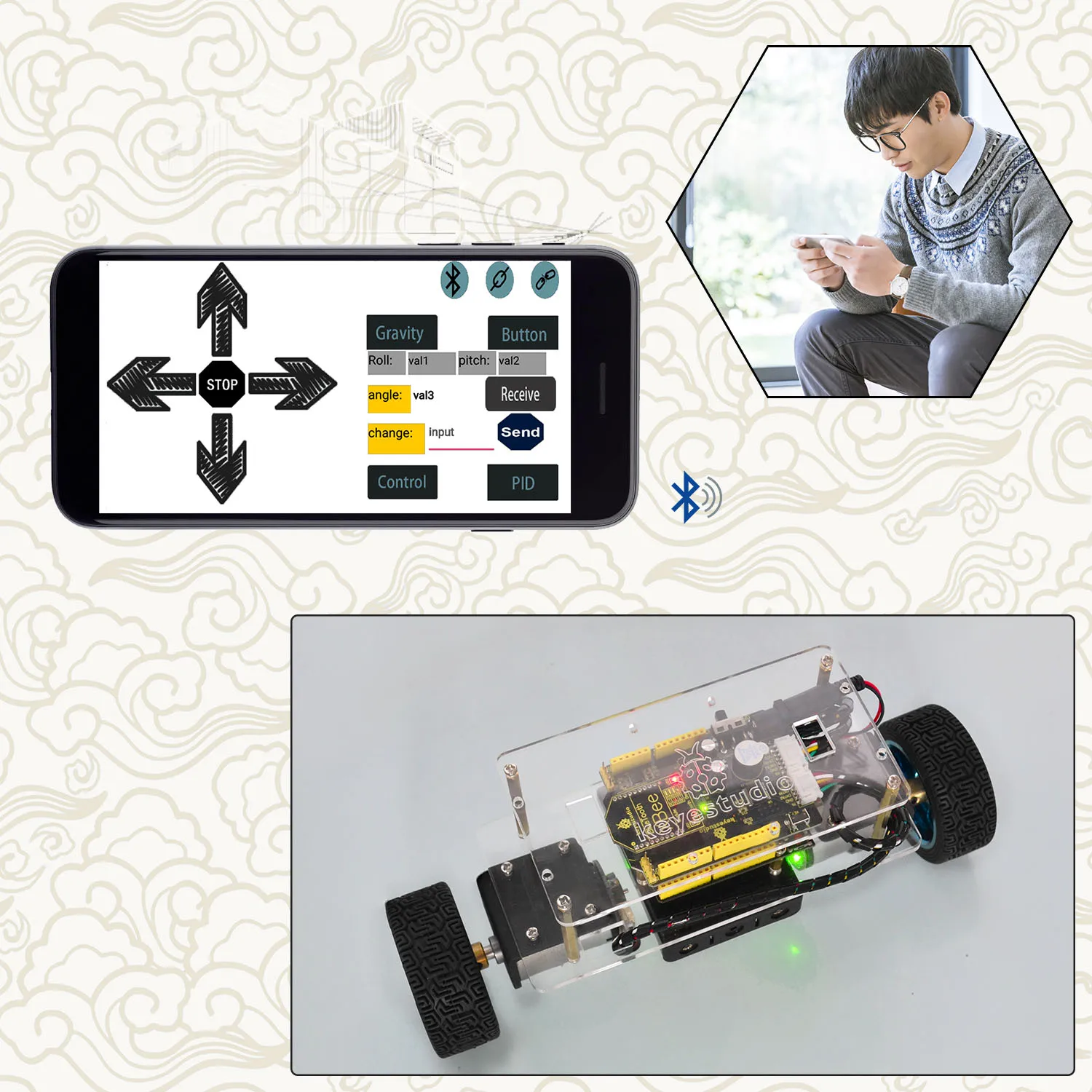
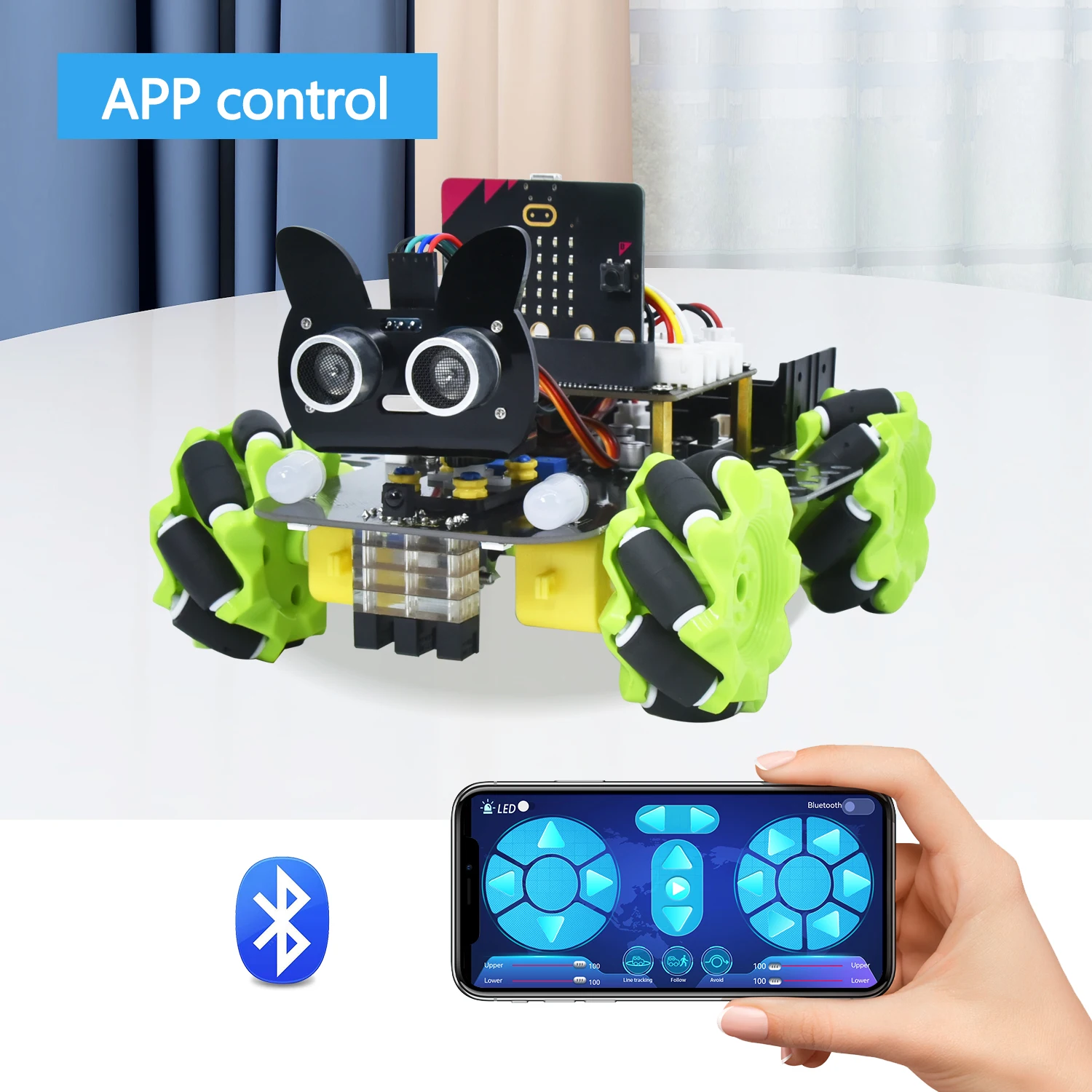
The self balancing robot car kit for Arduino beginners supports Bluetooth app control and programmable behavior, allowing users to experiment with movement, balance tuning, and autonomous functions. It transforms complex robotics concepts into hands-on learning, making it ideal for both education and innovation.
Self-balancing robots rely on continuous feedback from sensors and motor adjustments to maintain stability, demonstrating real-world engineering principles used in modern robotics.
🟢 Product Specifications
- Product Type: Self-Balancing Robot Car Kit
- Controller: Arduino-compatible (ATmega328P-based)
- Core Sensor: MPU6050 gyroscope + accelerometer
- Programming Support: Arduino IDE (C/C++)
- Control Methods:
- Bluetooth app control
- Manual direction control
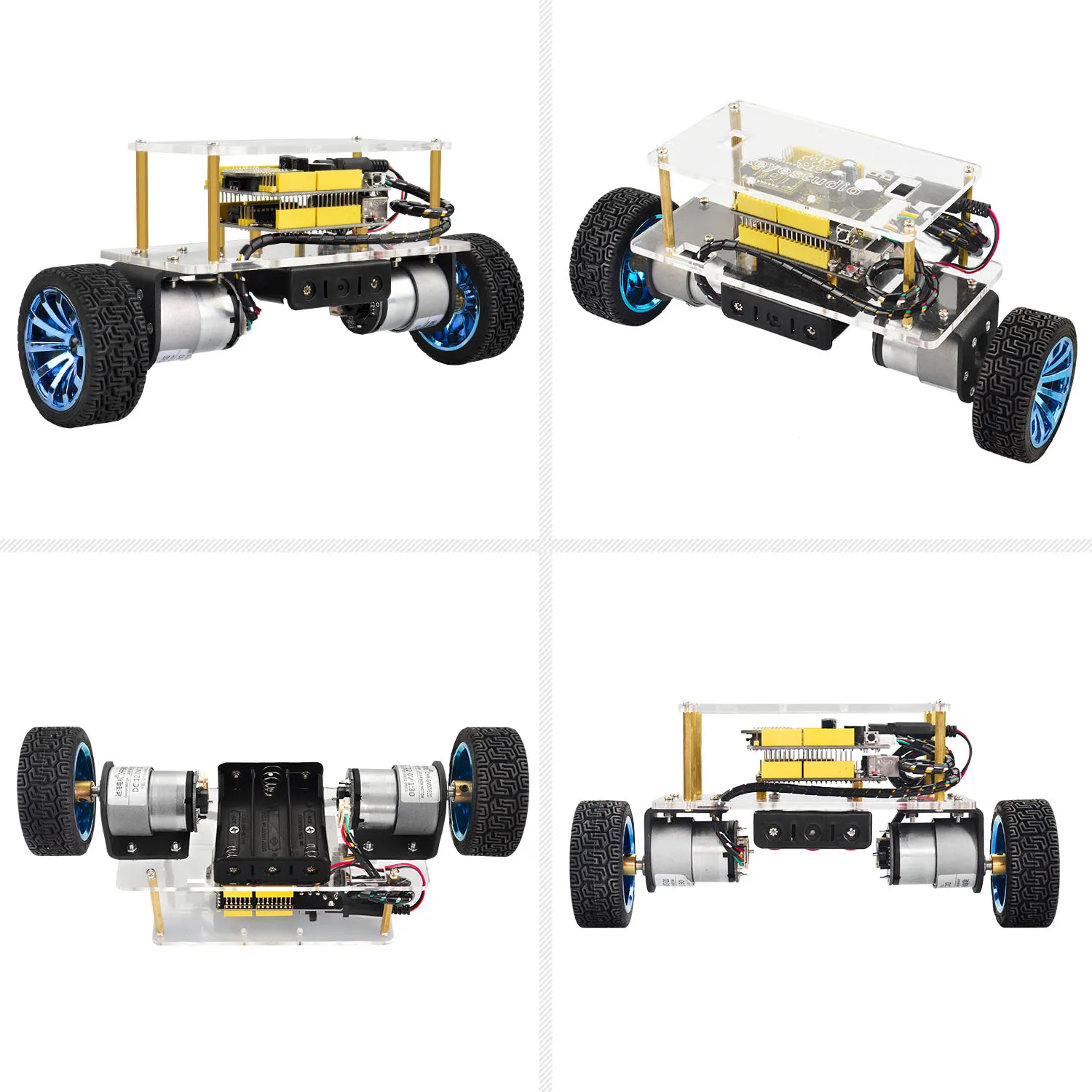
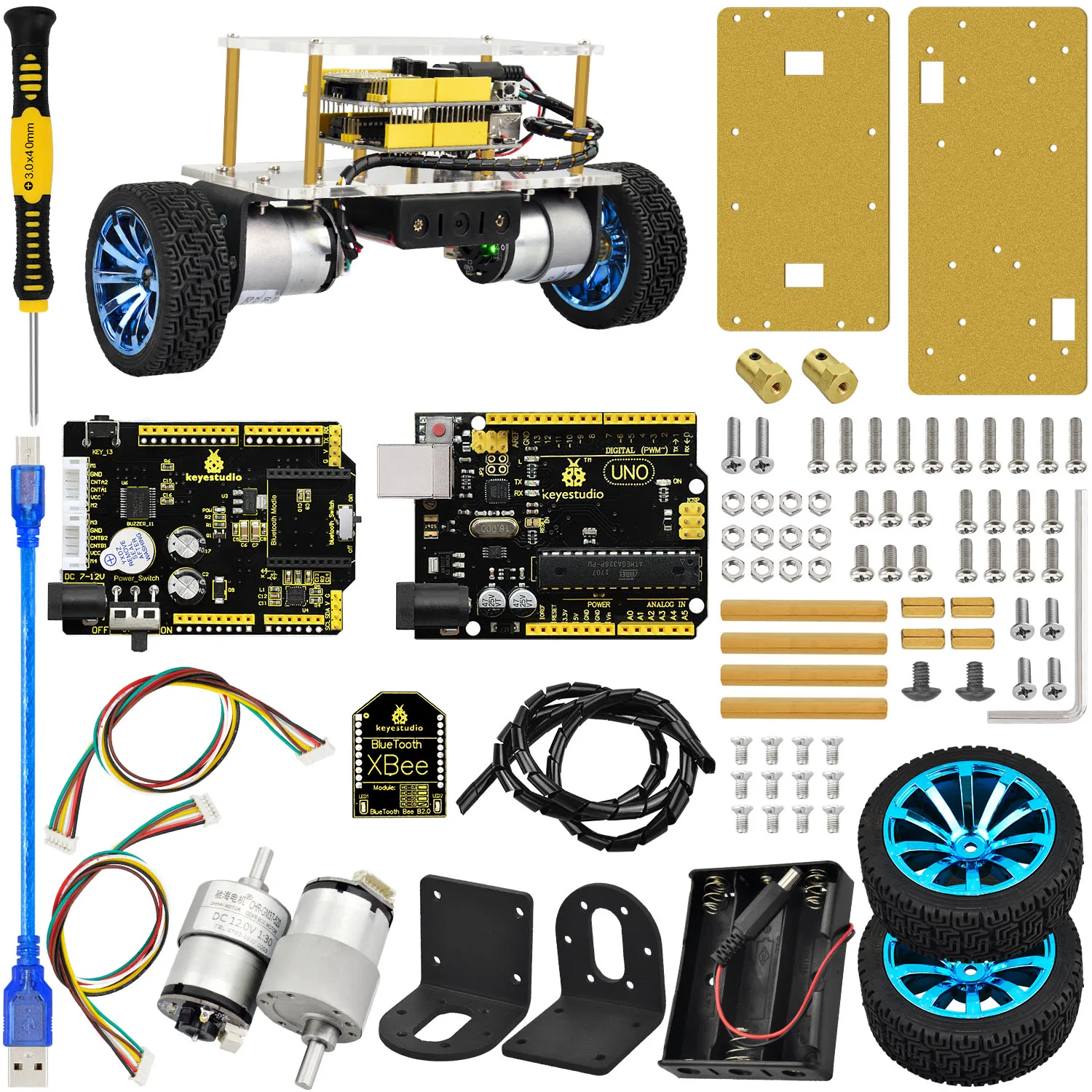
- Main Components:
- Balance shield control board
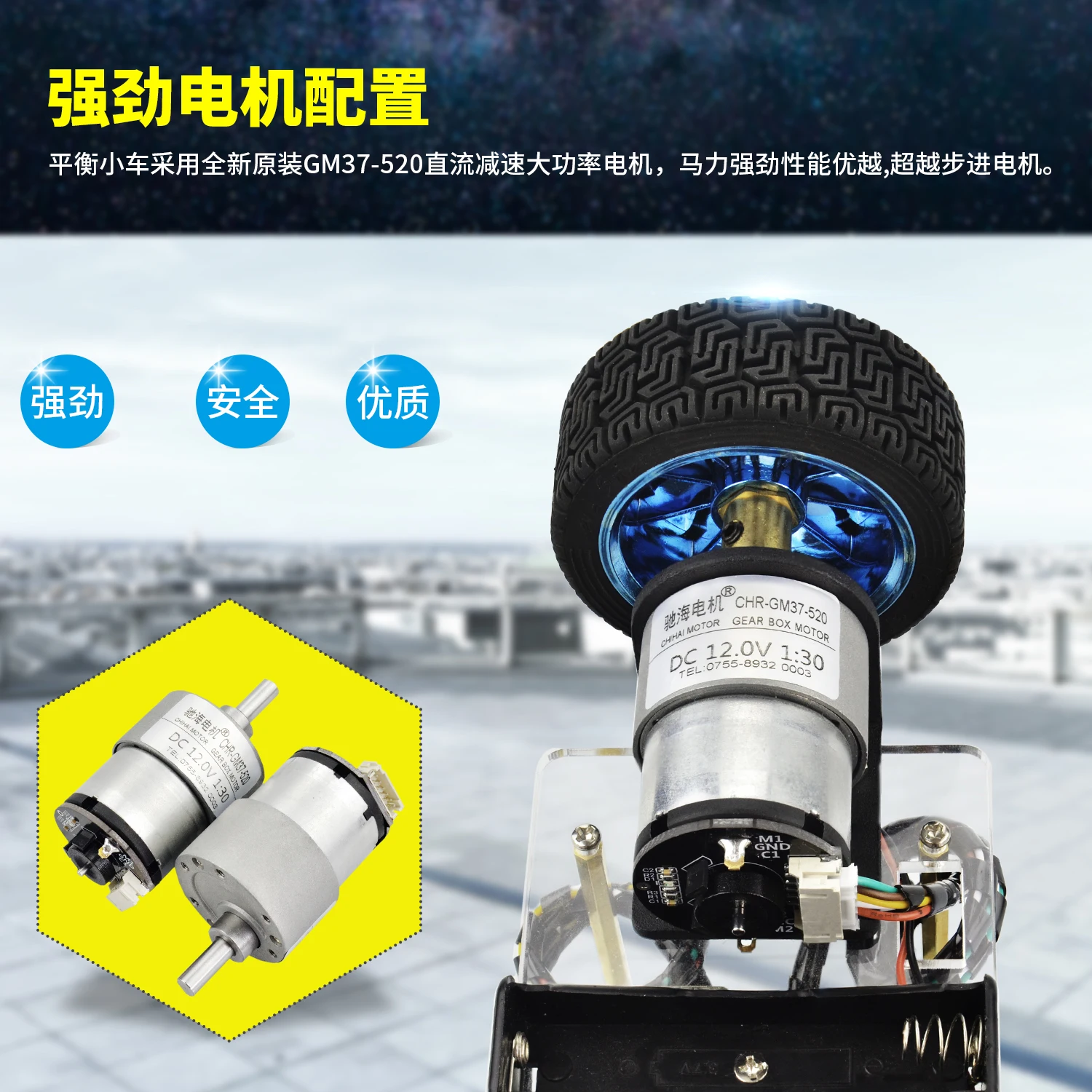
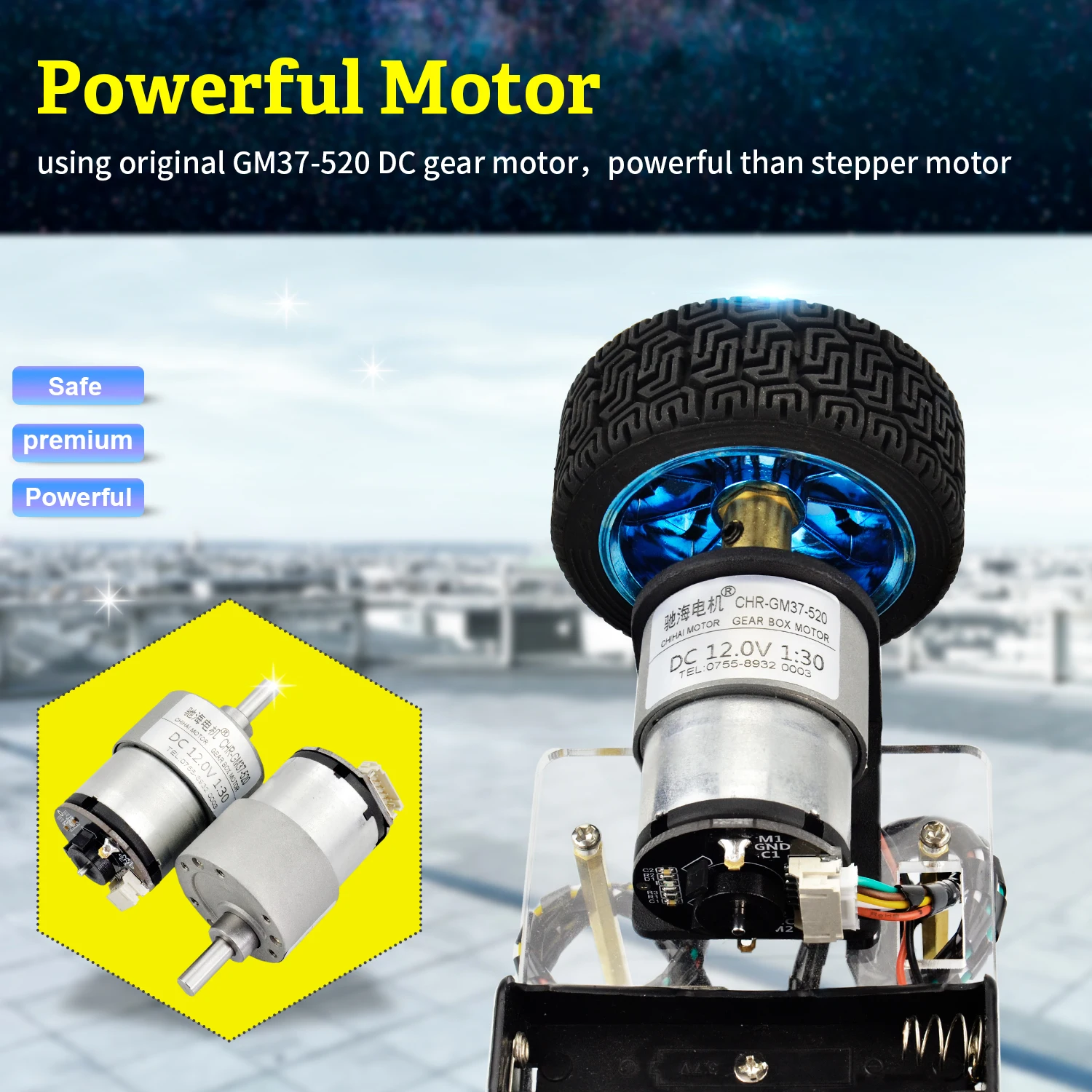
- Dual DC motors with wheels
- Motor driver module
- Battery holder and power system
- Functions:
- Self-balancing (dynamic stabilization)
- Direction control
- Motion adjustment based on tilt
- Working Principle: Inverted pendulum system (balance control)
- Assembly: DIY with tutorials and coding examples
🟢 Subjects Covered by This Product
1. Robotics Engineering
- Two-wheel balancing robot design
- Dynamic motion control systems
- Mechanical stability and structure
2. Programming & Control Systems
- Arduino programming (C/C++)
- PID control algorithms (balance tuning)
- Real-time feedback systems
3. Electronics & Sensors
- Gyroscope and accelerometer integration
- Motor driver systems
- Signal processing and calibration
4. Physics & Control Theory
- Inverted pendulum principle
- Center of mass and stability
- Motion dynamics and feedback loops
5. STEM Integrated Learning
- Engineering: system design and tuning
- Technology: microcontroller programming
- Science: motion and balance physics
- Math: algorithms and calculations
🟢 Activities Performed by the Product
🔹 1. Self-Balancing Operation
Maintains upright position automatically using sensor feedback and motor adjustments.
🔹 2. Direction Control & Movement
Move forward, backward, and turn while maintaining balance.
🔹 3. Balance Calibration
Adjust control parameters (PID tuning) to optimize stability.
🔹 4. Bluetooth Remote Control
Control robot movement via mobile application.
🔹 5. Coding & Algorithm Development
Program custom behaviors and balance control systems.
🔹 6. DIY Assembly & Engineering Practice
Build the robot step-by-step and understand hardware integration.
🟢 Benefits for Students
- Learn advanced robotics and control systems
- Understand real-world physics and balance principles
- Develop coding and engineering skills
- Enhance problem-solving and analytical thinking
- Experience hands-on STEM learning
🟢 Benefits for Teachers
- Excellent tool for teaching control systems and robotics
- Supports project-based STEM education
- Demonstrates complex concepts like PID control visually
- Encourages student engagement and experimentation
- Ideal for labs, workshops, and advanced classes