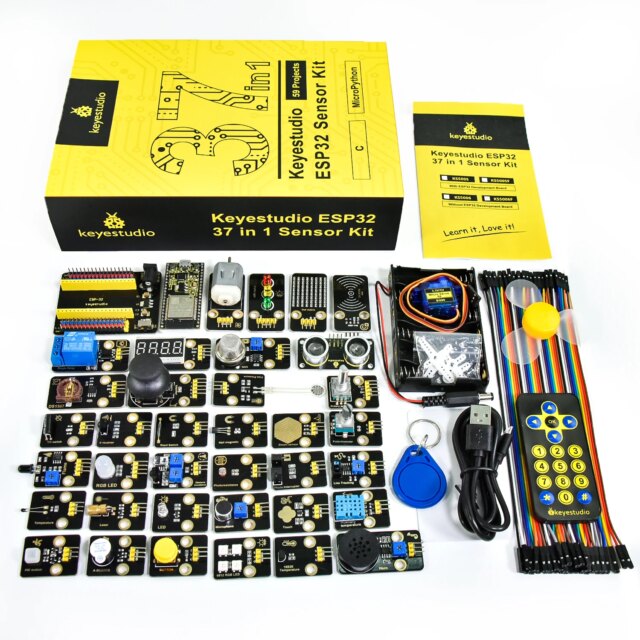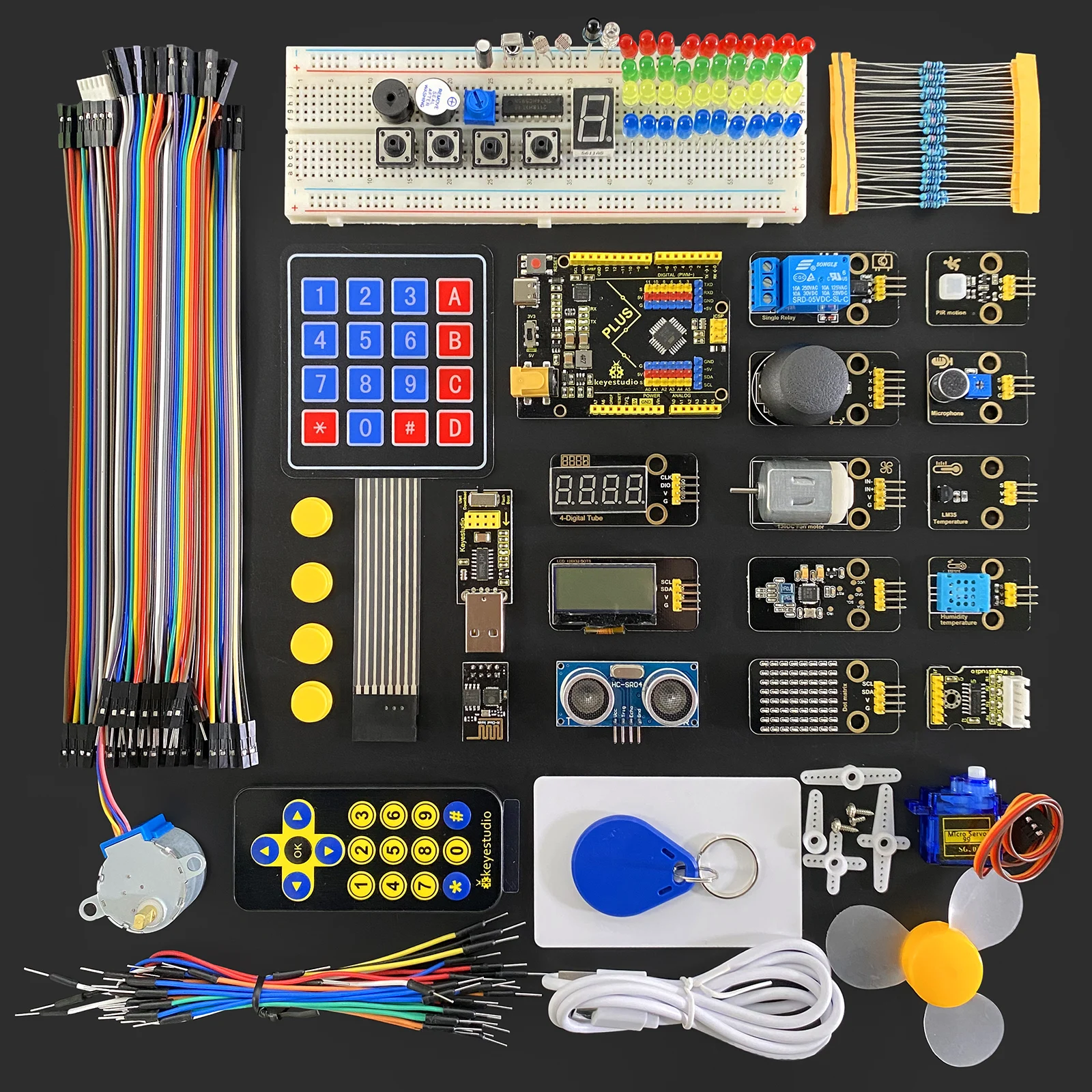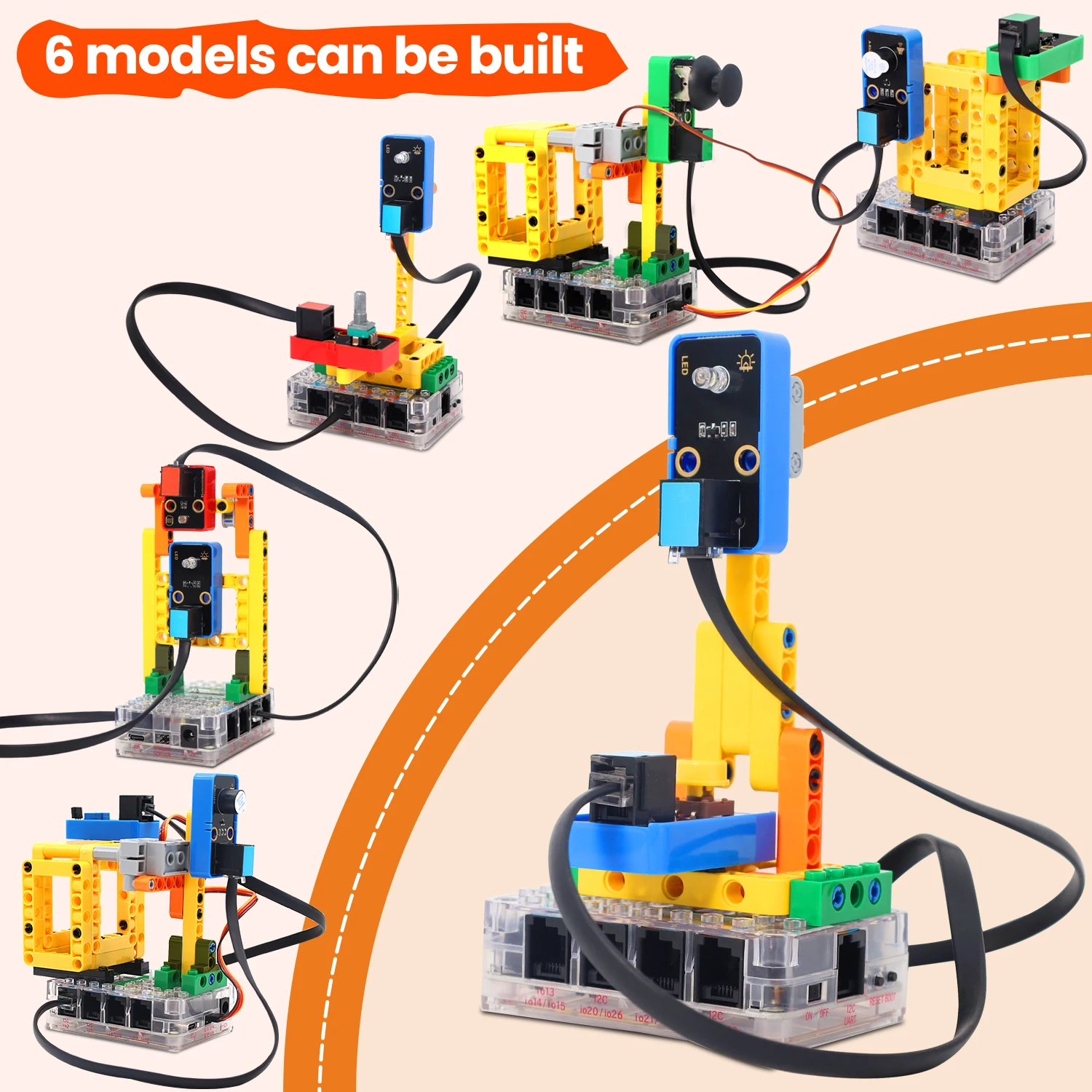
Arduino STEM kit
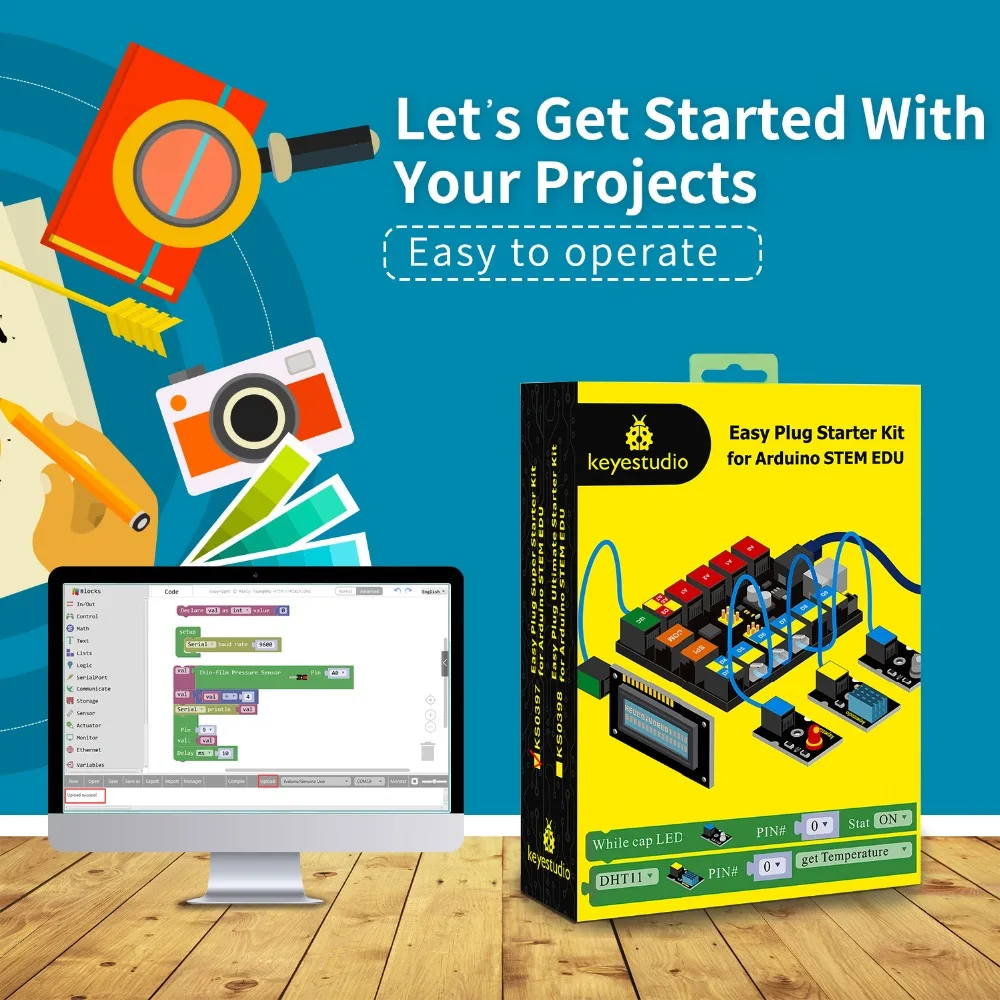
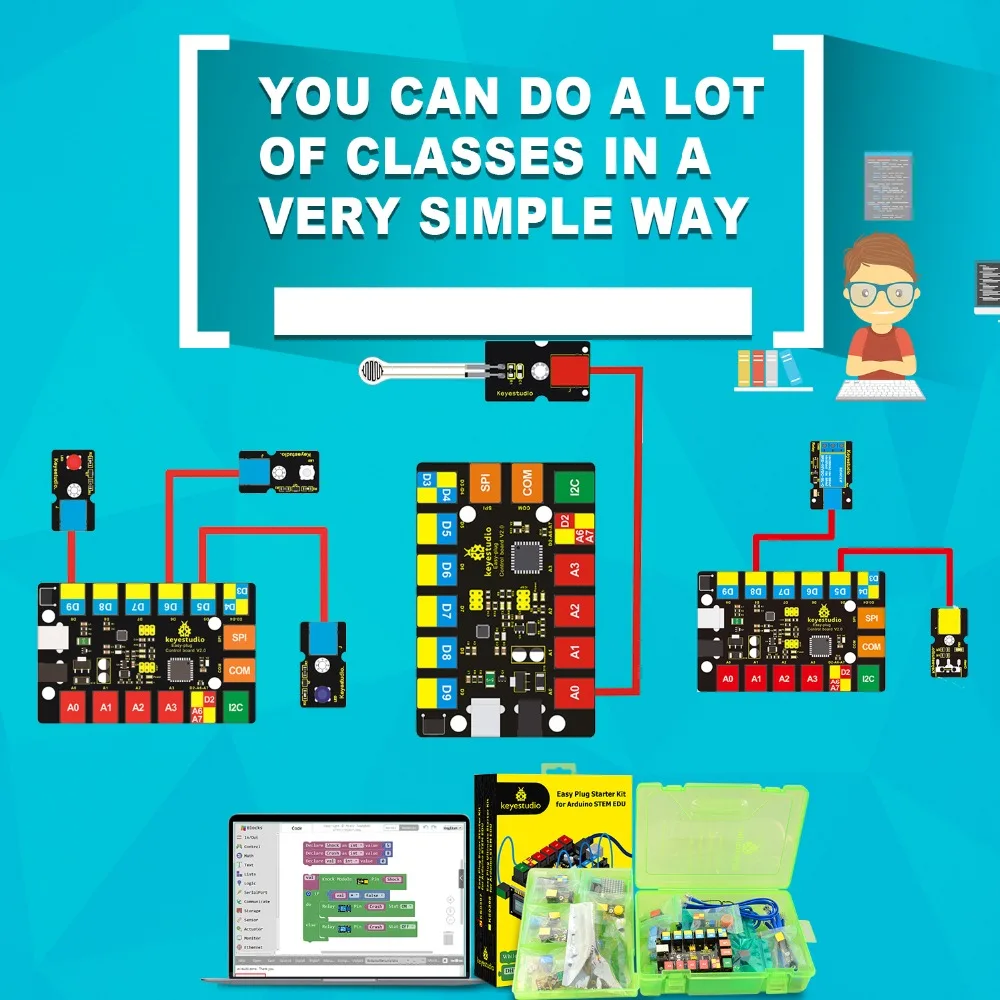
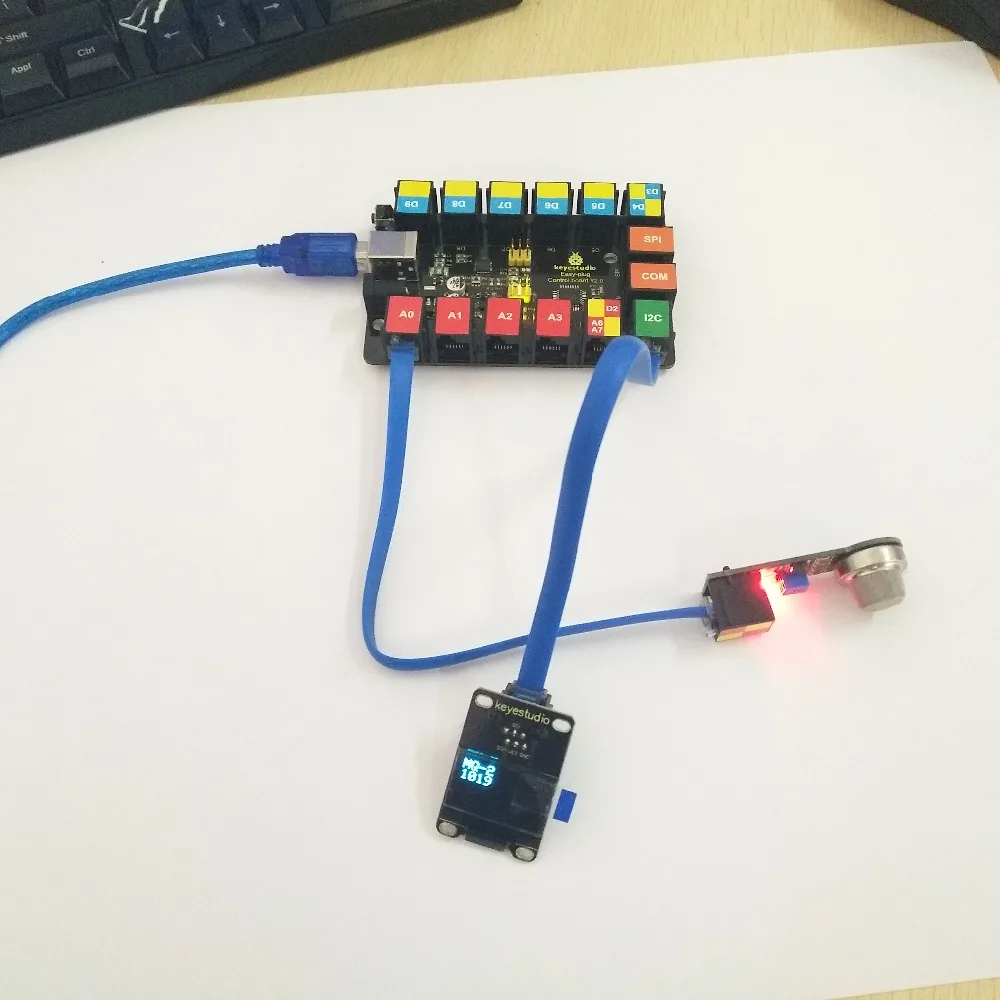
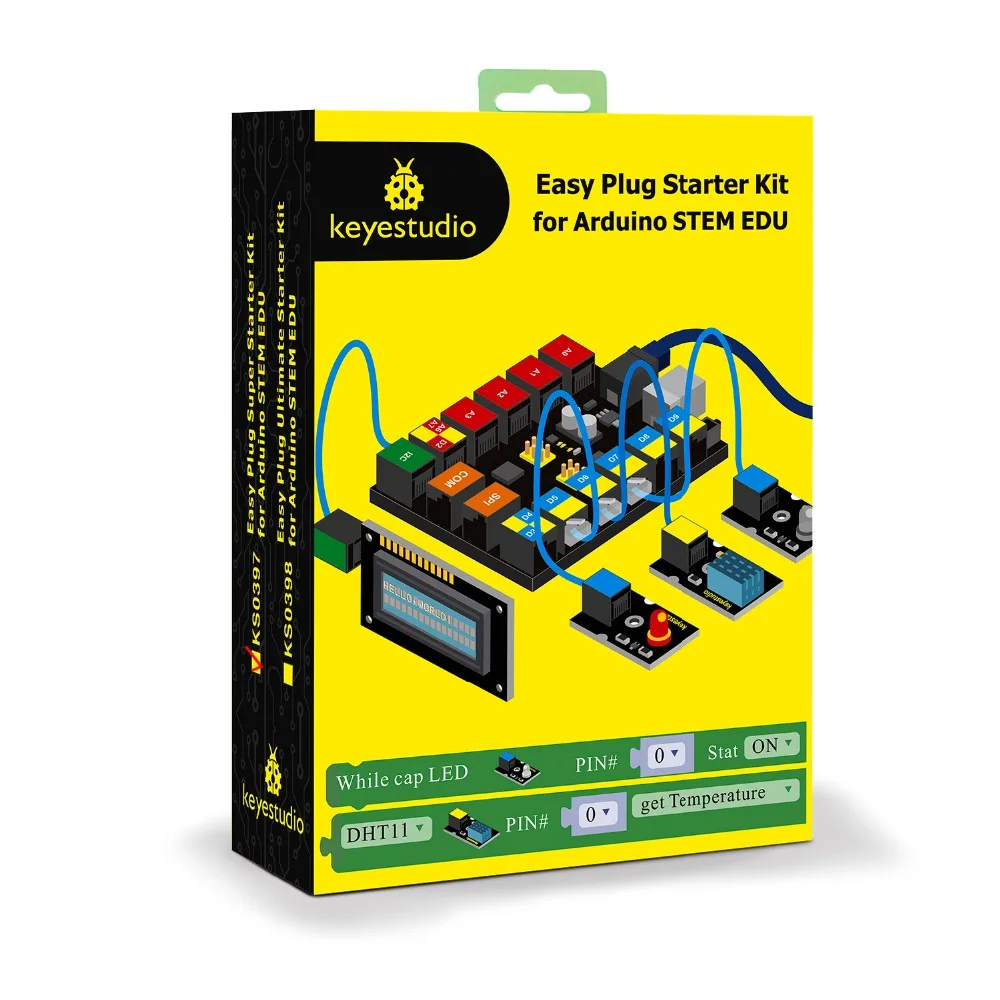
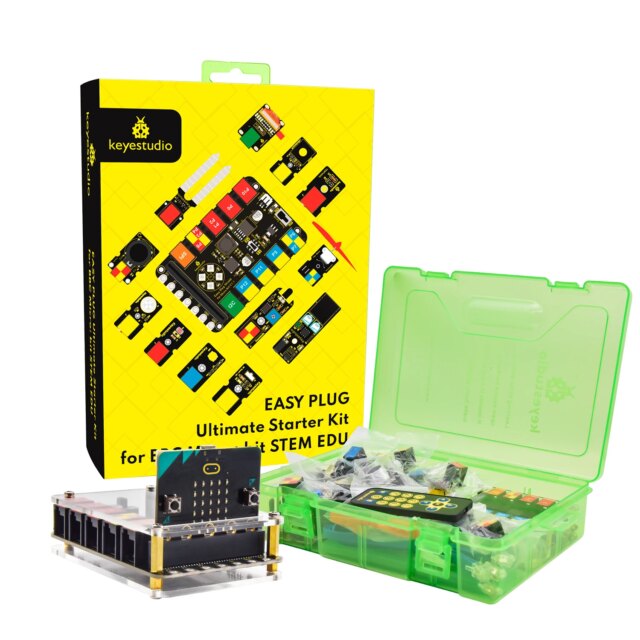
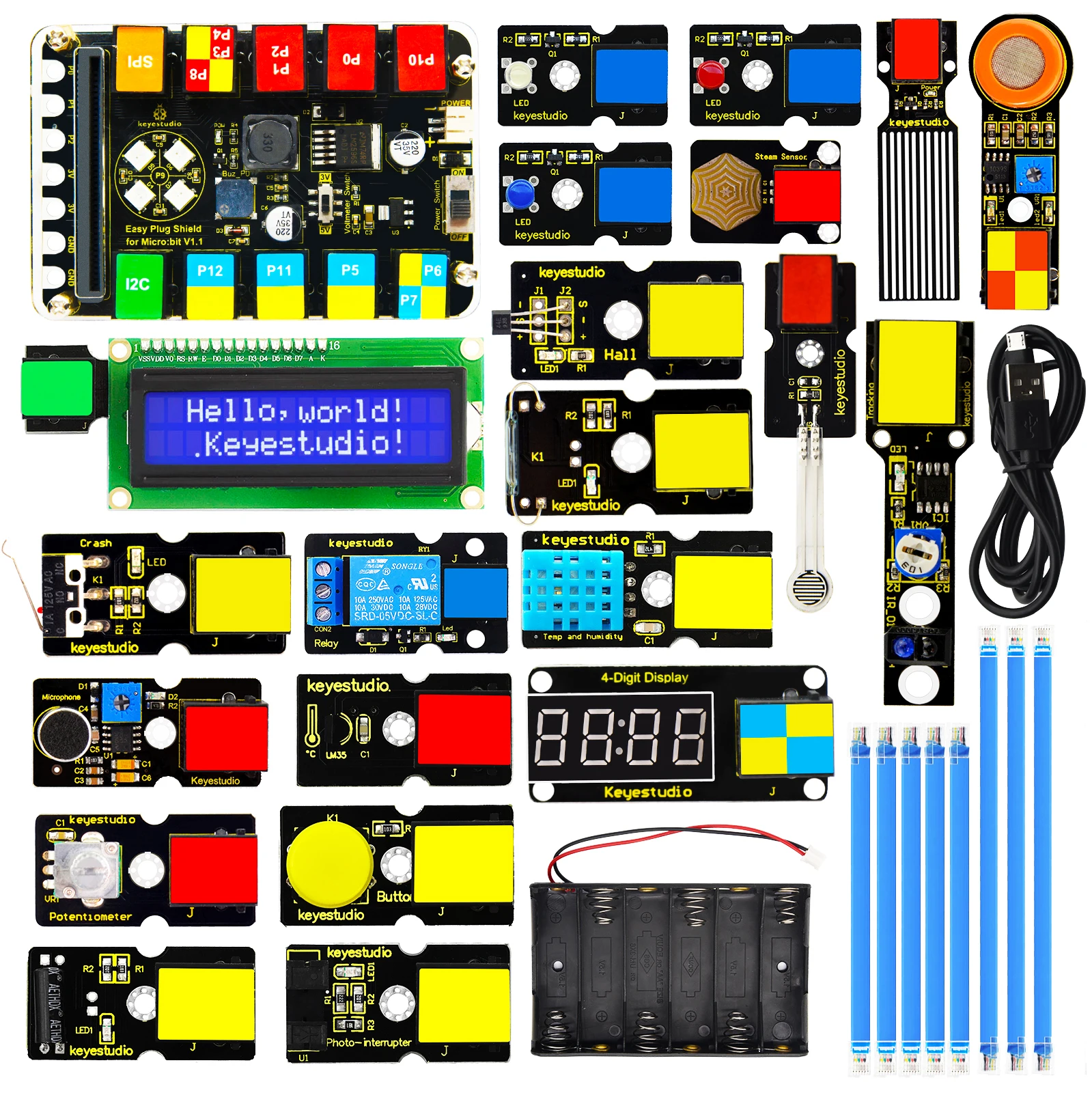
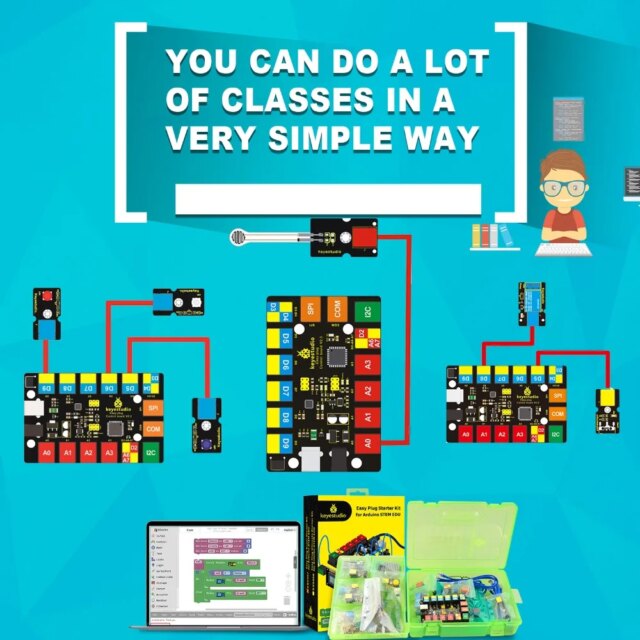
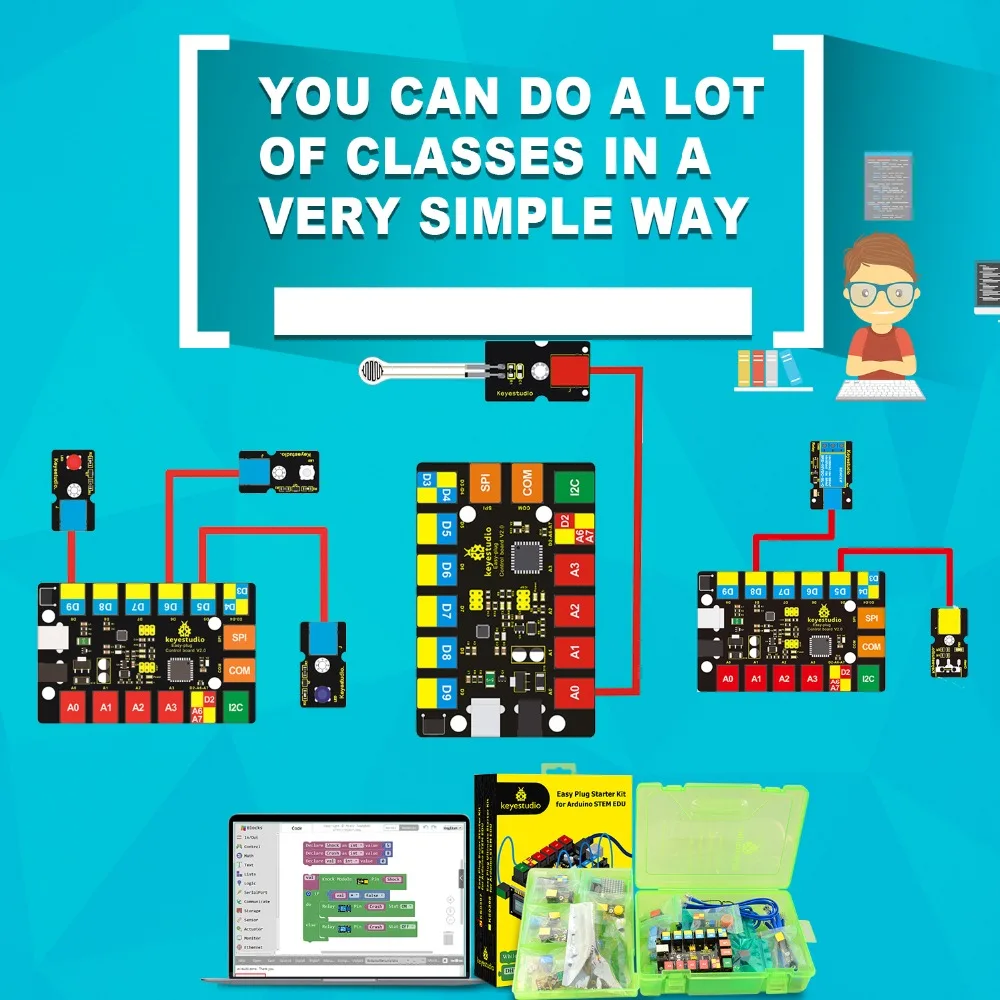
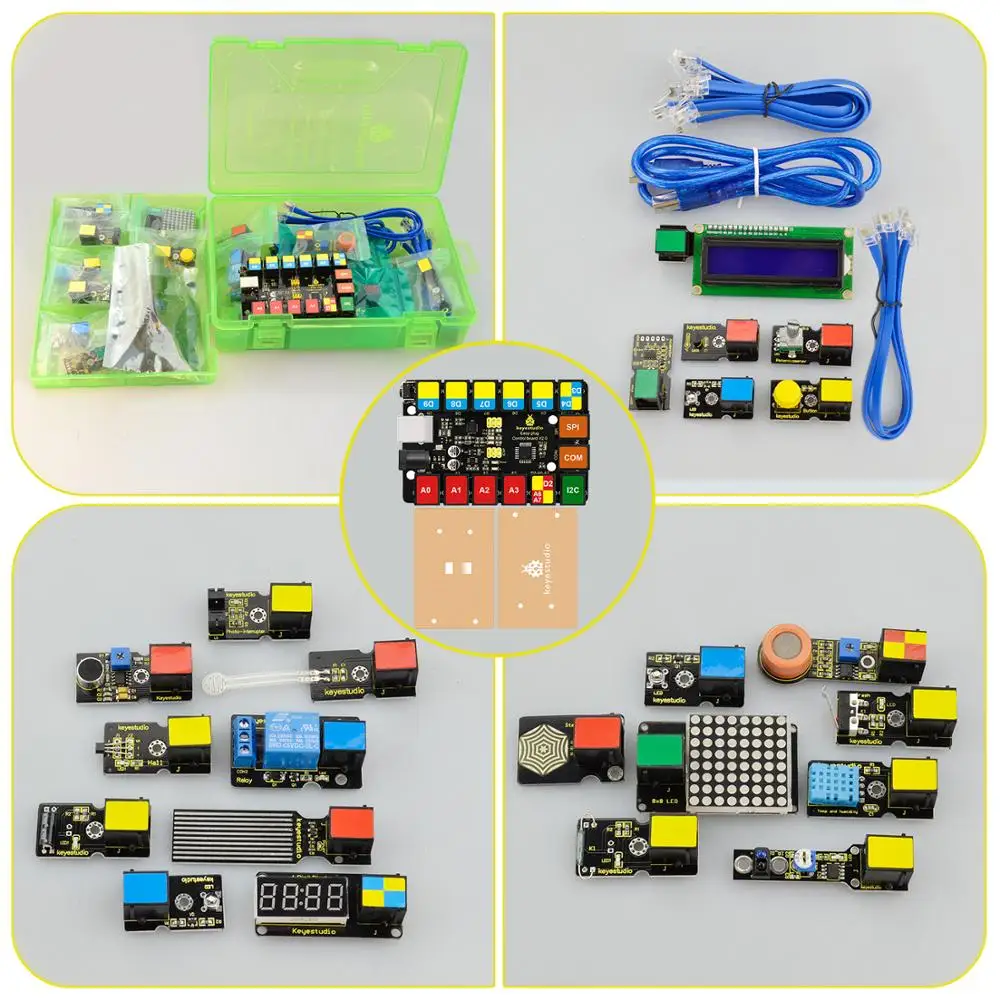
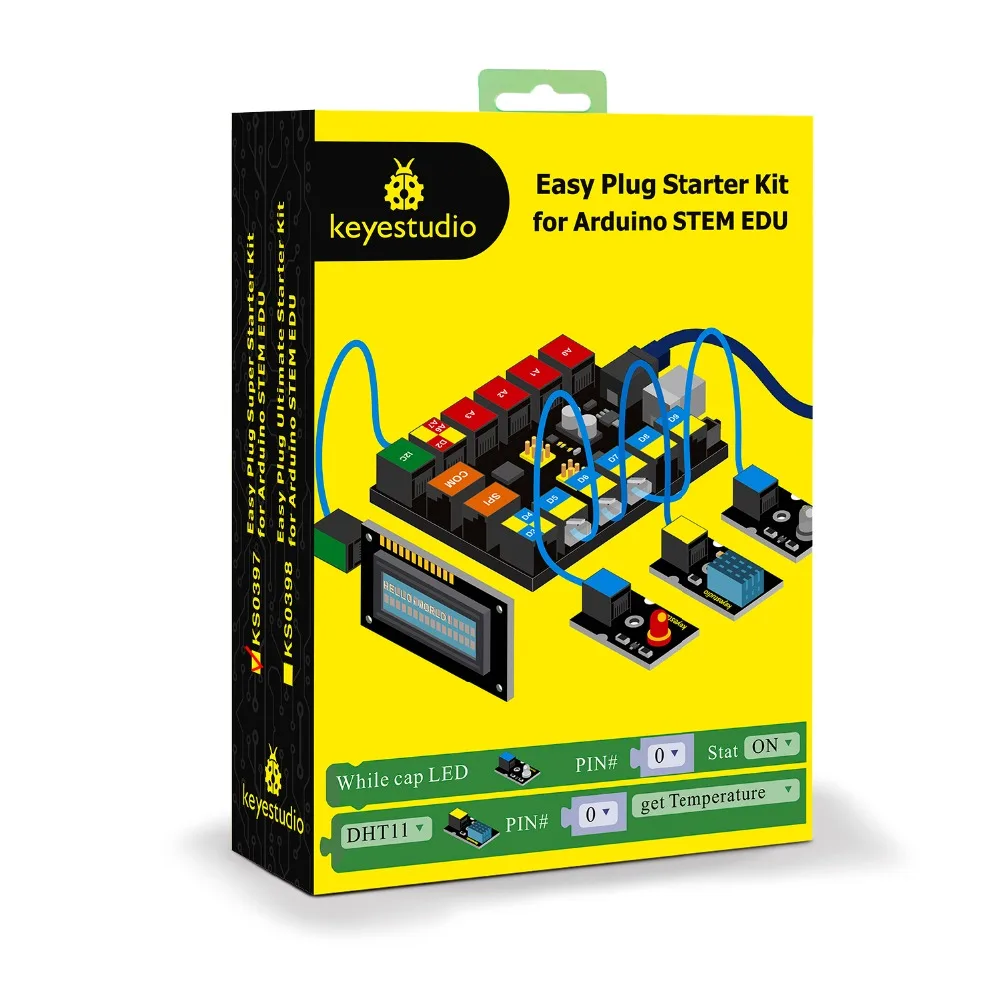
Designed for practical learning, this Arduino STEM kit helps students explore electronics, coding, and sensor-based projects through an easy RJ11 plug connection system. Moreover, the EASY PLUG design reduces wiring confusion because learners connect modules with simple cables instead of complex jumper-wire circuits.
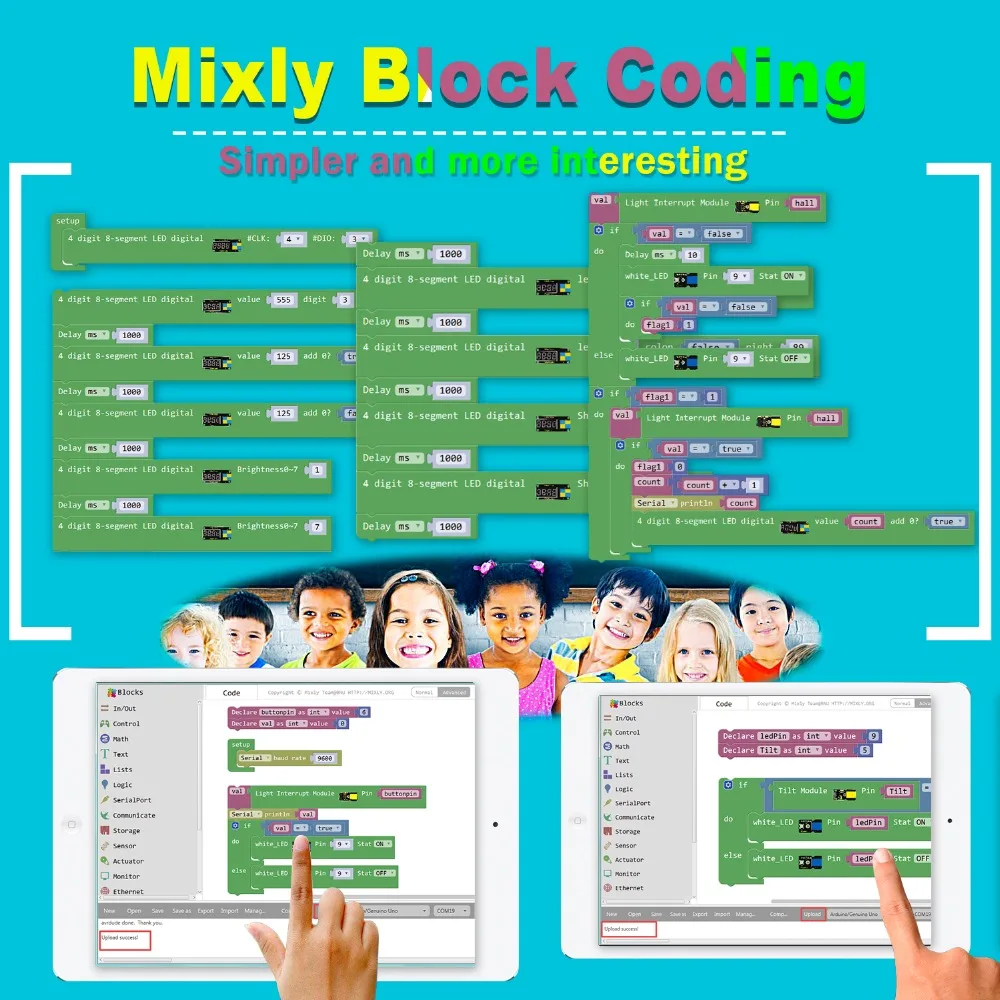
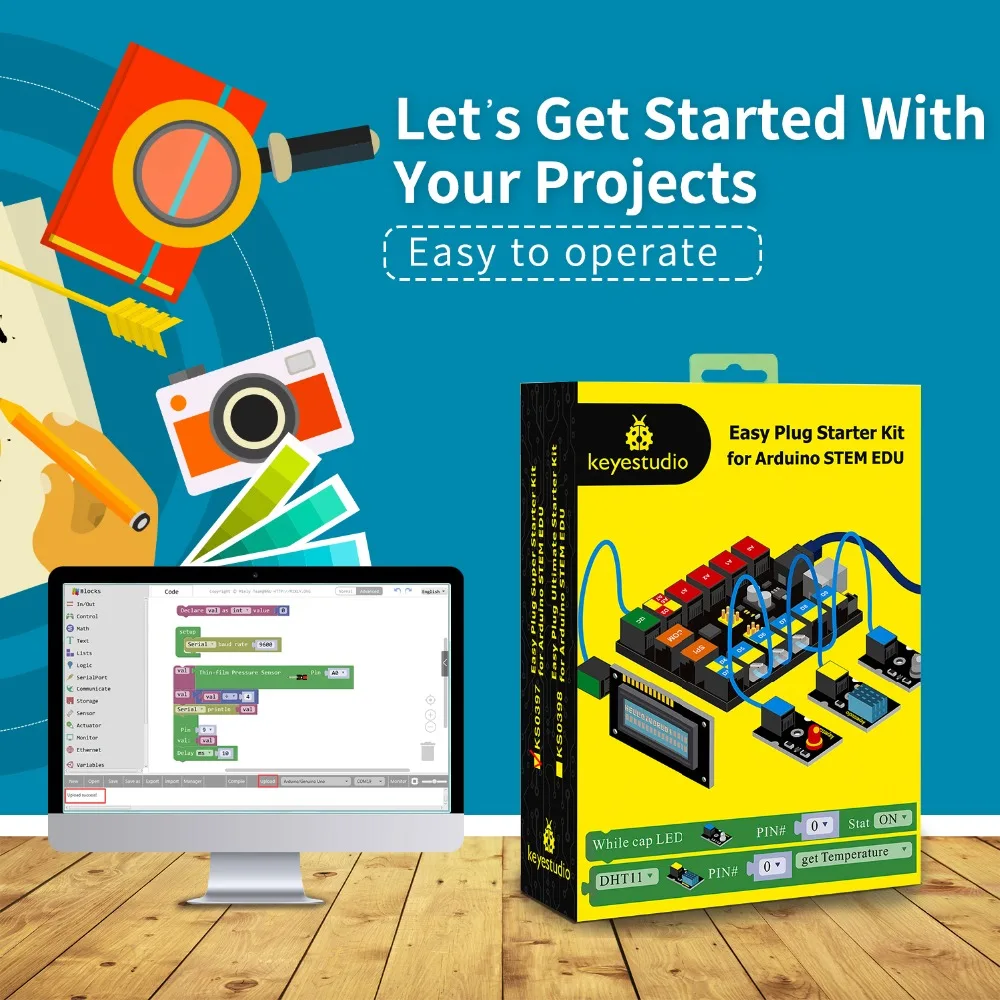
Built for Arduino education, the kit supports both Mixly block coding and Arduino C programming. Therefore, beginners can start with visual drag-and-drop logic, while advanced learners can gradually move toward text-based programming.
Through hands-on experiments, students can control LEDs, displays, relays, sensors, and input modules. Additionally, each project helps learners understand how software commands can create real physical actions.
Because the kit includes guided learning activities, teachers can use it for coding lessons, STEM labs, robotics introductions, and electronics practice. As a result, the product works well for classrooms, coding clubs, homeschool programs, and beginner maker projects.
Scientific-Style Specifications
| Specification | Details |
|---|---|
| Product type | Educational Arduino electronics learning kit |
| Main system | Keyestudio EASY PLUG RJ11 starter platform |
| Programming methods | Mixly graphical block coding and Arduino C programming |
| Connection method | RJ11 EASY PLUG cable connection |
| Learning category | STEM, coding, electronics, sensors, and automation |
| Main control compatibility | Arduino-compatible development learning board |
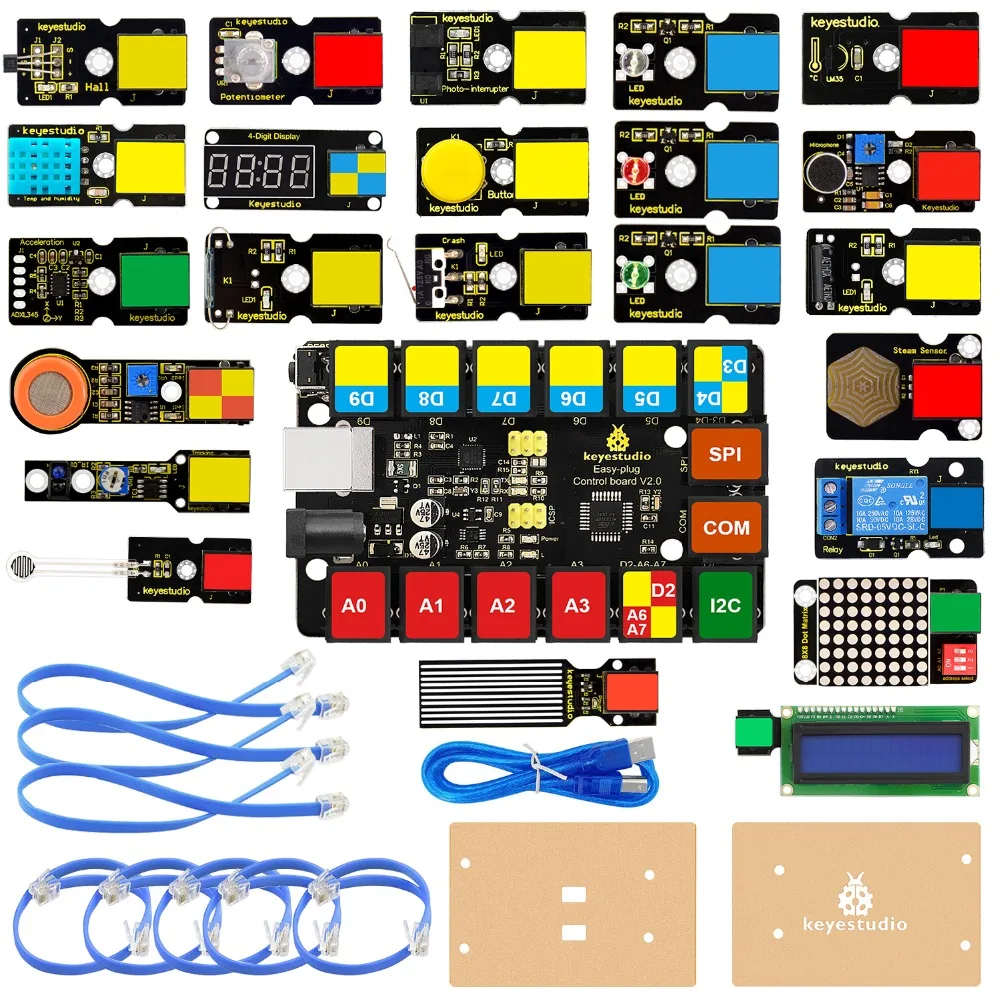
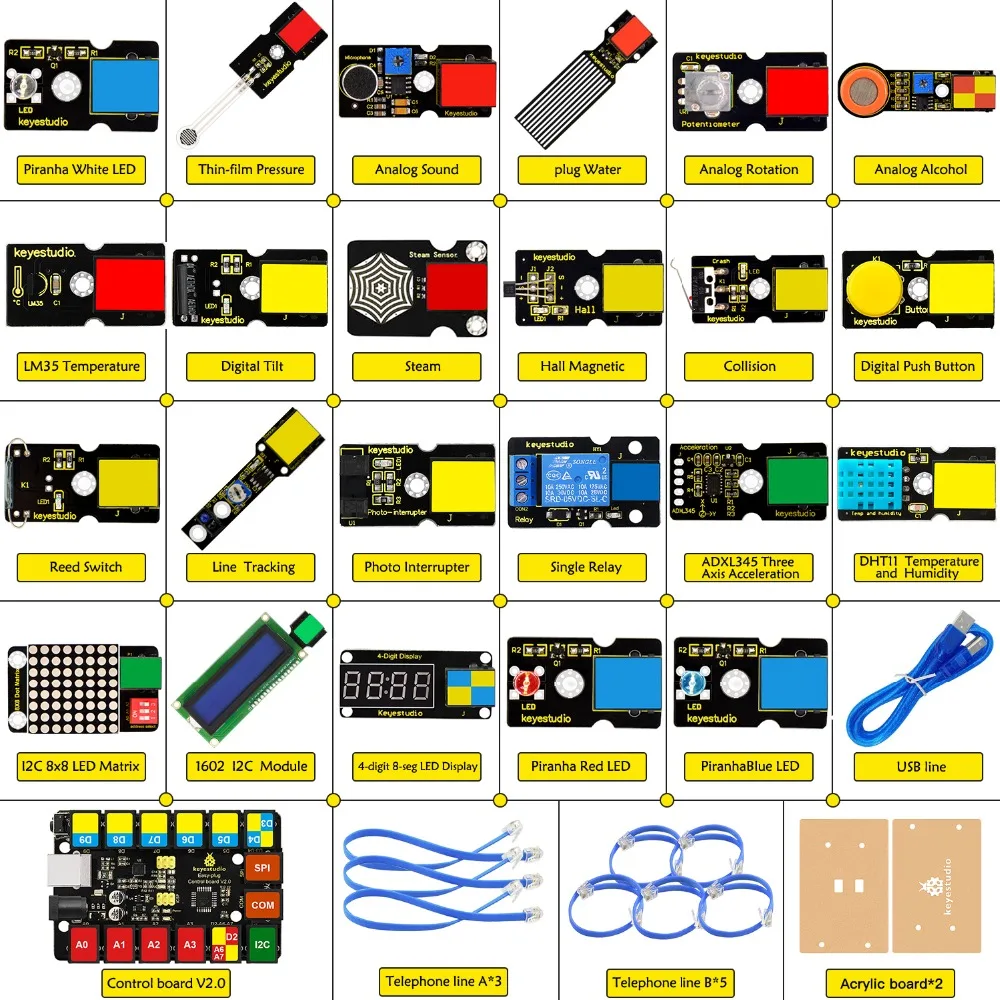
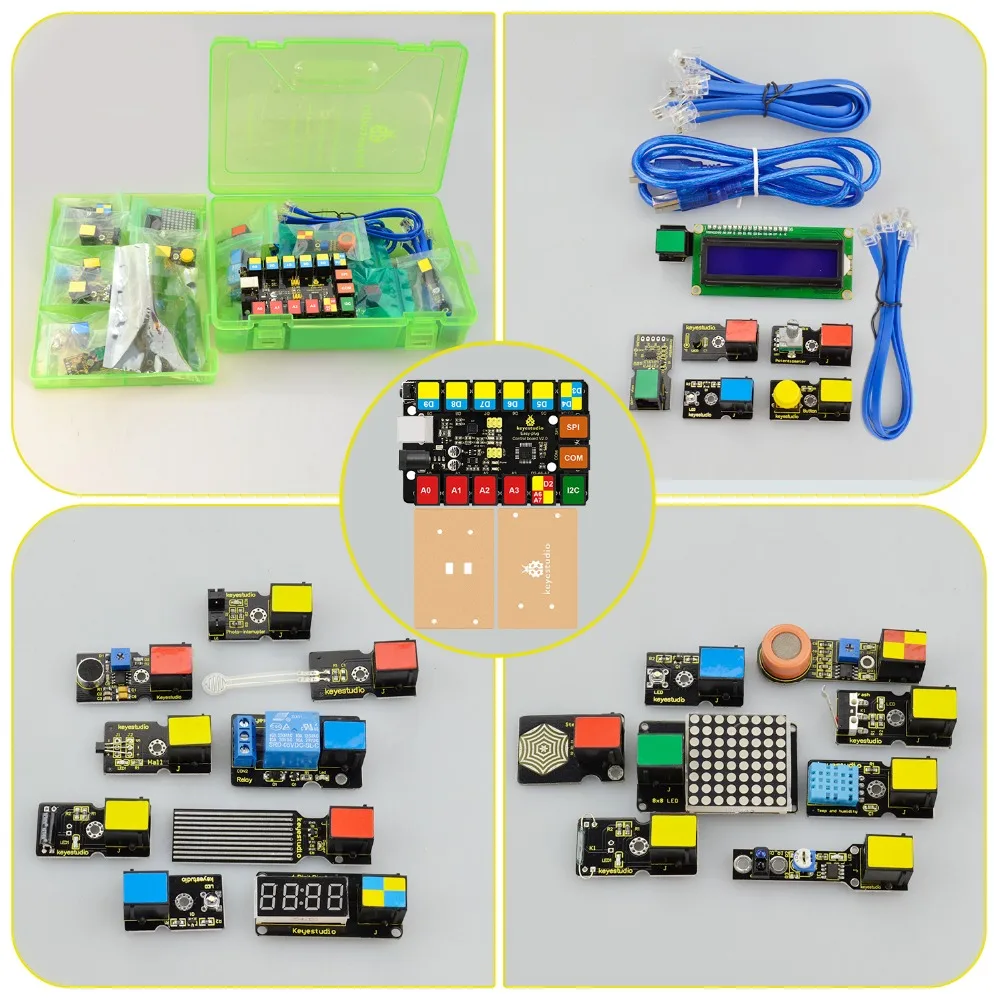
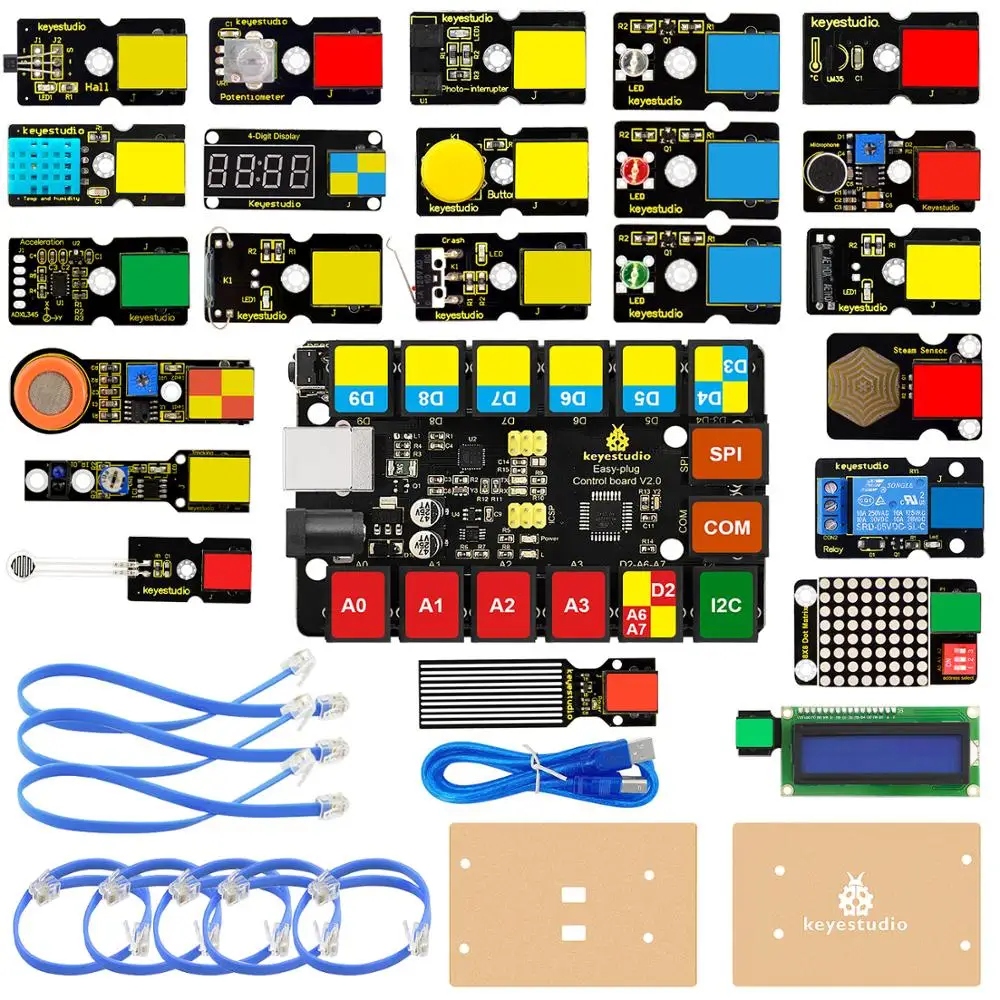
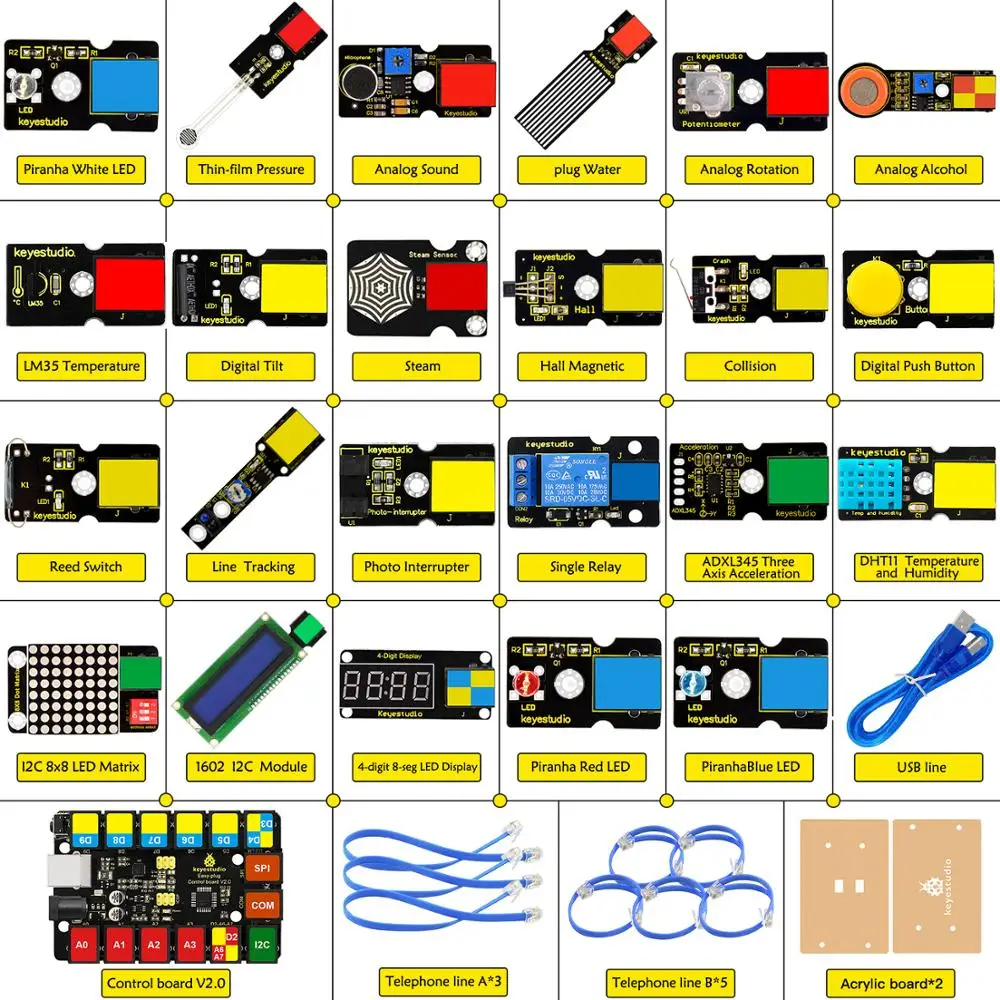
| Input modules | Sensors and switches for sound, pressure, water level, temperature, humidity, tilt, crash, magnetic field, and user input |
| Output modules | LED lights, relay, LCD display, 4-digit display, and matrix display projects |
| Project style | Step-by-step experiments using sensor input and programmed output |
| Recommended users | Students, teachers, beginners, coding clubs, and STEM classrooms |
| Skill level | Beginner to intermediate |
| Educational method | Observation, coding, testing, debugging, and project-based learning |
Subjects Covered by This Product
Arduino Programming: Learners practice sequences, loops, conditions, variables, and input-output logic. Furthermore, Mixly block coding helps beginners understand programming structure before using Arduino C.
Electronics Fundamentals: Students explore circuits, modules, signal behavior, sensors, displays, and output control. Therefore, the kit supports clear electronics learning without requiring complicated breadboard wiring.
STEM Education: The product connects science, technology, engineering, and mathematics through practical experiments. Additionally, learners apply logic, measurement, and design thinking in every project.
Sensor Technology: Activities introduce sound detection, pressure sensing, magnetic field detection, temperature reading, humidity monitoring, water level detection, and motion response. Consequently, students learn how electronic systems collect real-world data.
Display and Data Output: Learners use LCD, 4-digit LED, and matrix display projects to show numbers, messages, and results. As a result, projects become easier to observe, measure, and explain.
Robotics and Automation Basics: Modules such as line tracking, crash detection, relay control, and photo interruption support beginner automation lessons. Moreover, students can understand how smart systems respond to changing conditions.
Environmental Monitoring: Temperature, humidity, rain, water level, and air-related experiments support science-based observation. Similarly, teachers can connect these projects to weather, safety, and environmental awareness lessons.
Exact Activities Performed by This Product
Mixly Block Coding Practice: Students build programs using visual blocks, then upload them to control modules. Therefore, beginners can learn coding logic without feeling overwhelmed by syntax.
Arduino C Programming Practice: Advanced learners can write and test Arduino C code. Additionally, this activity supports a smooth transition from visual coding to real programming language structure.
LED Lighting Experiments: Learners turn LEDs on and off, create blinking patterns, and adjust light behavior. As a result, students understand digital output and timing control.
Line Tracking Projects: The line tracking activity helps students detect black and white surfaces. Moreover, this task introduces robotics navigation and sensor-based movement logic.
Relay Control Activities: Learners use programmed signals to switch an output module. However, supervised classroom use is recommended when discussing relay-based control.
Crash Sensor Experiments: Students detect collision or contact events and program a response. Consequently, this activity supports robotics safety and obstacle-detection lessons.
Pressure Sensor Projects: The pressure activity helps learners observe how force changes sensor readings. In addition, students can compare input values and create threshold-based responses.
Magnetic Field Detection: Learners test magnetic objects using hall magnetic or reed switch concepts. Likewise, this supports physics lessons about magnets and electronic sensing.
4-Digit Display Tasks: Students show numbers, scores, timers, or sensor values on the display. Therefore, the activity supports math, measurement, and real-time feedback projects.
Photo Interrupter Experiments: Learners detect when an object blocks a light path. Additionally, this project introduces counting, object detection, and simple automation.
Temperature and Humidity Monitoring: Students collect environmental readings and display results. As a result, the activity supports weather studies, science reporting, and data comparison.
LCD Display Projects: Learners show words, values, and project messages on the LCD. Moreover, this helps students understand user feedback and information display design.
Sound Detection Activities: Students program a response when the sound sensor detects noise. For example, a project can activate a light when sound passes a selected level.
Water Level and Rain Detection: Learners monitor liquid level or rain-related input. Consequently, the activity supports safety alarms, weather models, and environmental monitoring projects.
Matrix Display Projects: Students create icons, patterns, or simple animations. In addition, this activity strengthens creativity, sequencing, and visual output control.
How This Product Helps Students
Students gain confidence because they can see their code produce real actions. Moreover, the plug-and-play RJ11 system makes experiments easier, cleaner, and less frustrating.
Hands-on projects support different learning styles. For example, visual learners can observe display results, while active learners can build, test, and improve working circuits.
Problem-solving skills also improve through testing and debugging. Consequently, learners develop stronger logic, patience, creativity, and STEM confidence.
How This Product Helps Teachers
Teachers can use this Arduino STEM kit to create structured lessons for coding, electronics, robotics, and science experiments. Additionally, the included project types make it easier to design beginner-friendly classroom activities.
Lesson preparation becomes simpler because EASY PLUG cables reduce wiring mistakes. Therefore, educators can focus more on concepts, discussion, and student progress.
Assessment becomes more practical since students can demonstrate learning through visible outputs. As a result, teachers can evaluate code accuracy, sensor understanding, teamwork, and project performance.