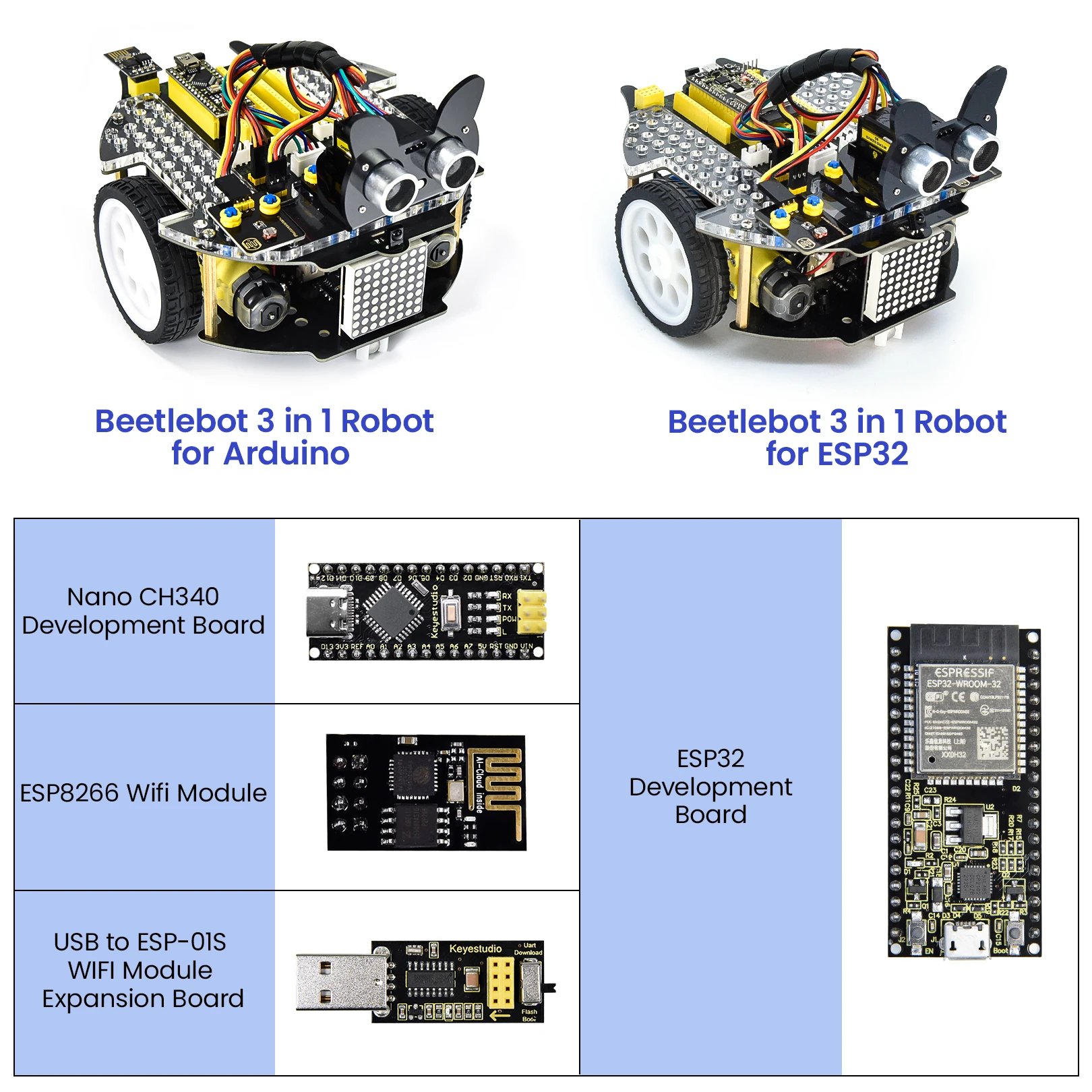
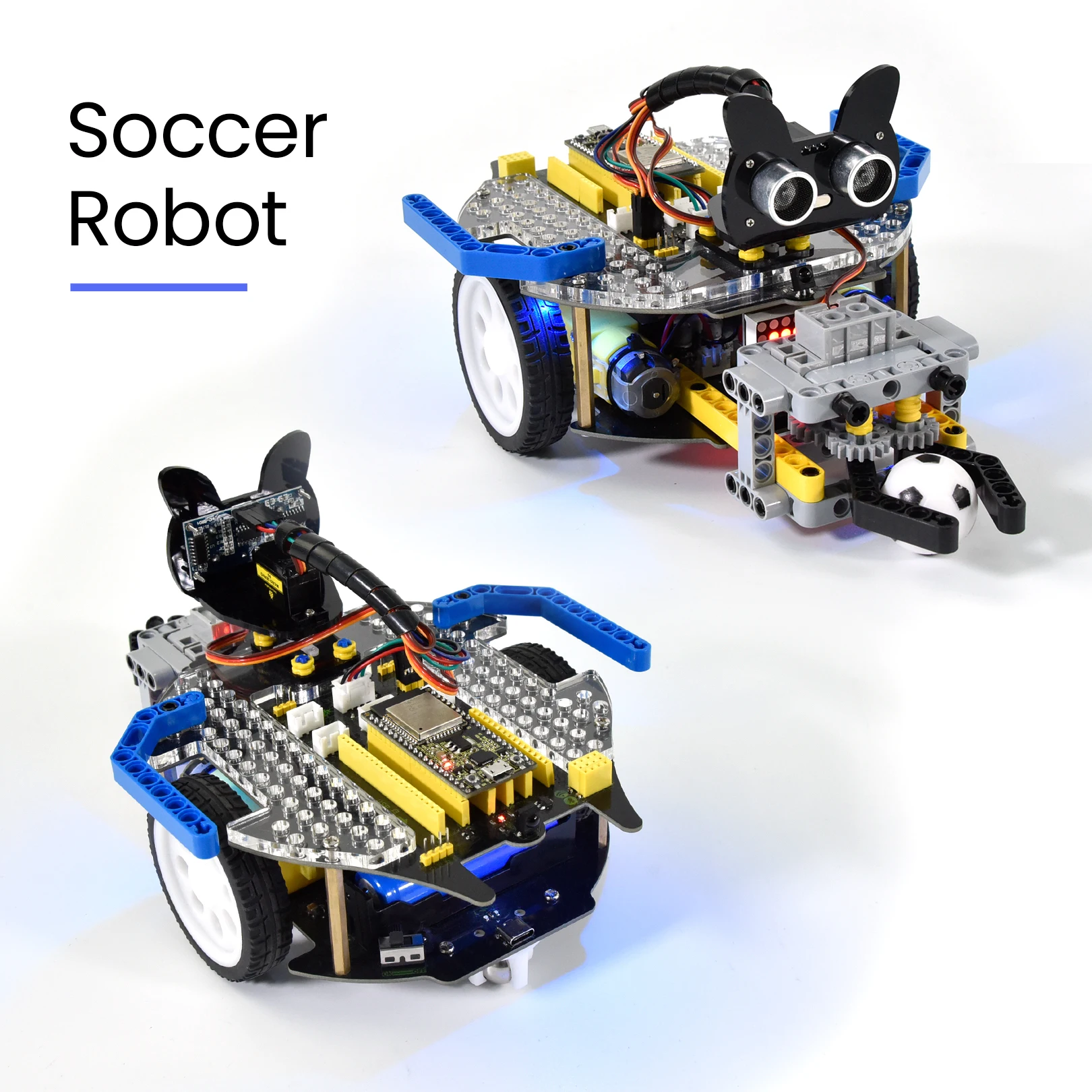
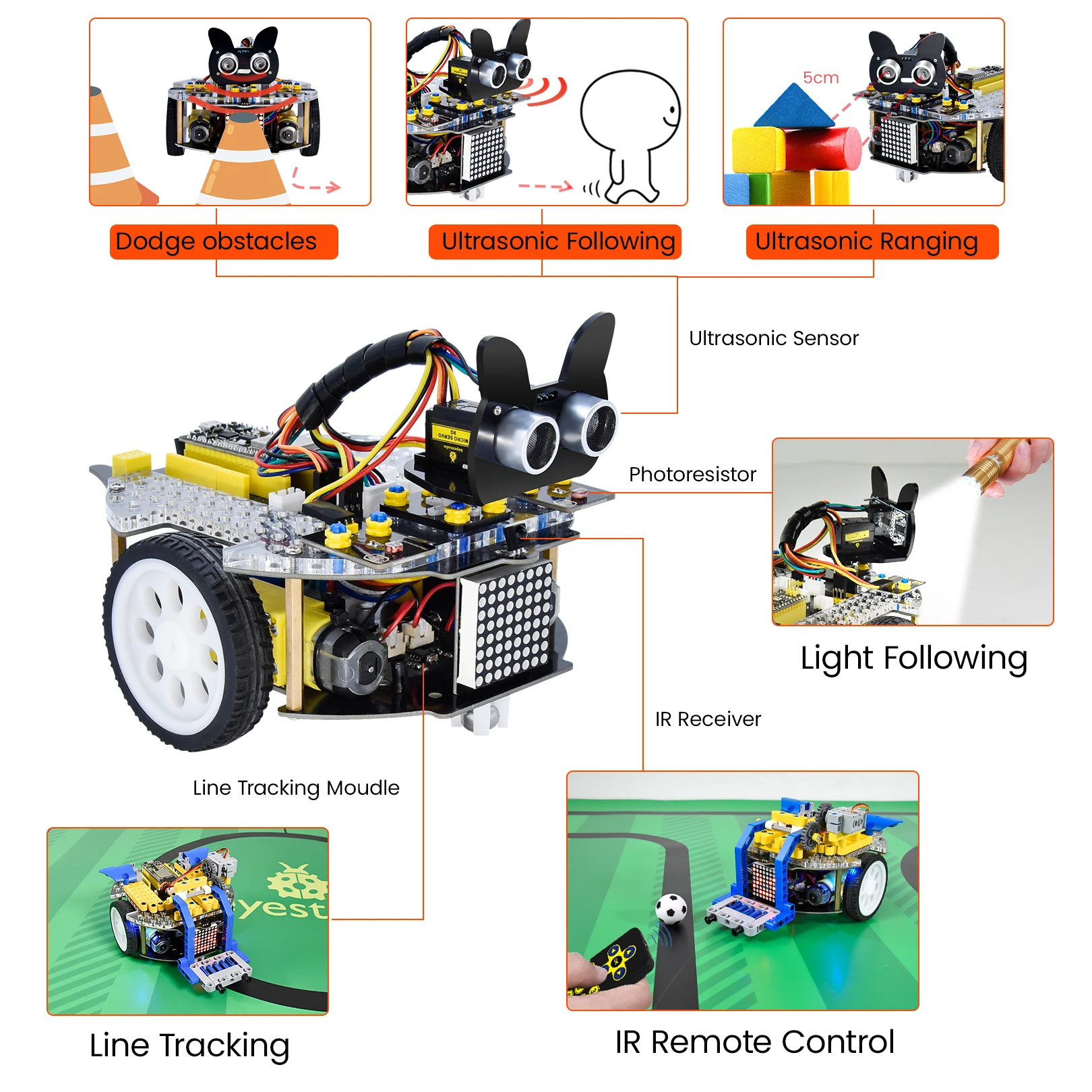
ESP32 Robot Car Kit
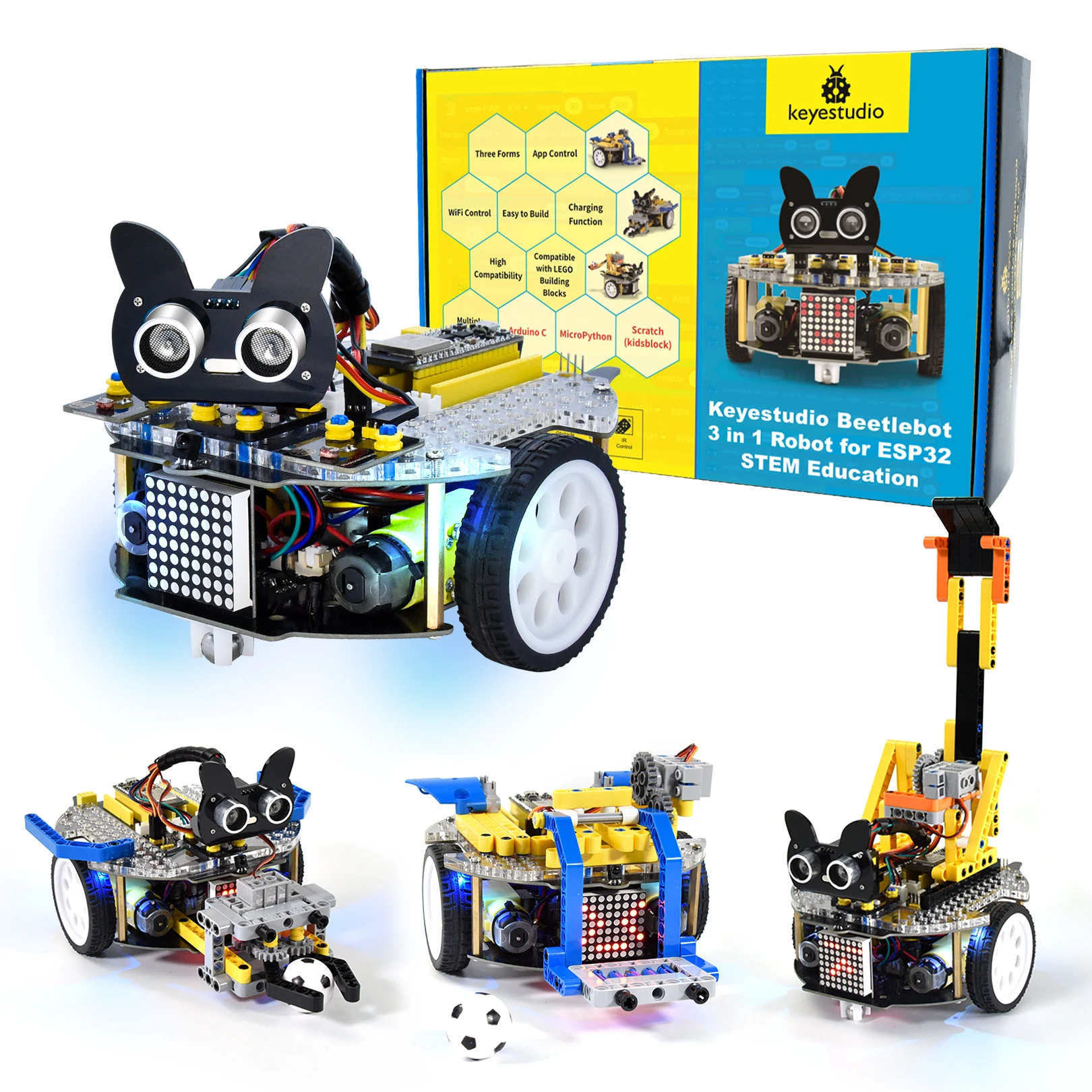
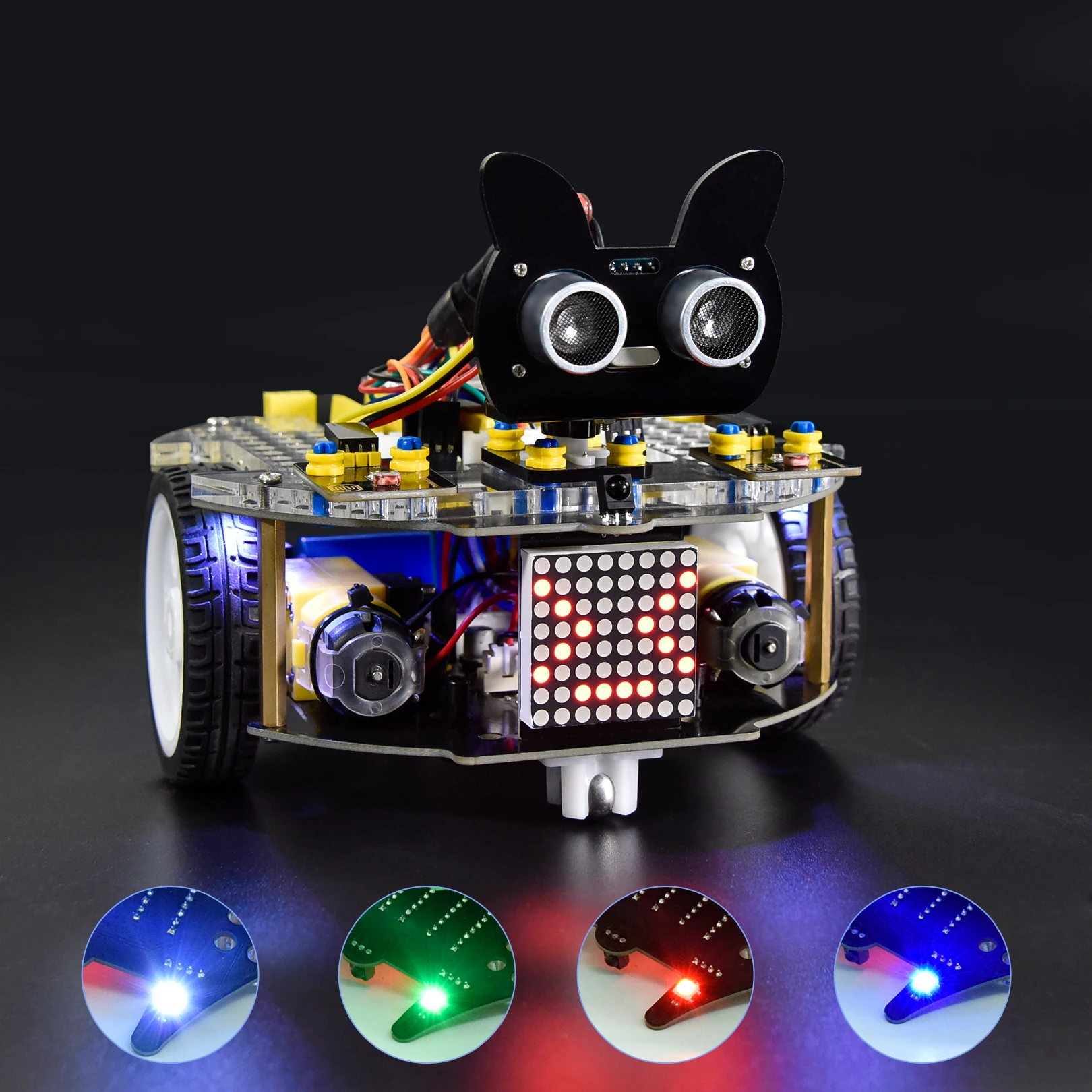
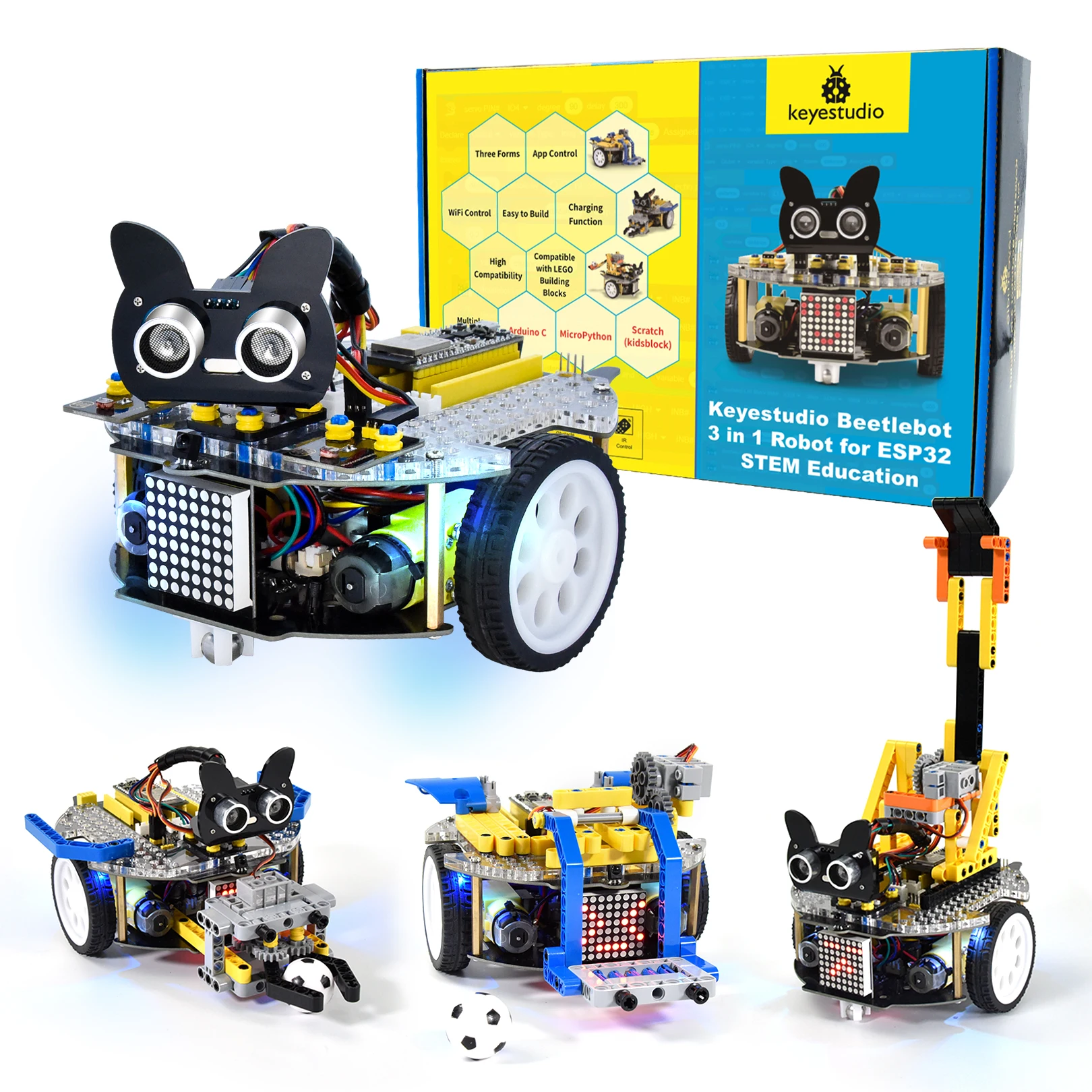
ESP32 Robot Car Kit, a powerful STEM learning platform that combines robotics, coding, and IoT technology in one hands-on experience.
This DIY kit allows learners to build a fully functional robot car capable of autonomous navigation, obstacle avoidance, and remote control. Designed for beginners and advanced users alike, it transforms complex robotics concepts into engaging real-world projects.
With 11 structured projects, students can progressively develop their skills while building smart robotic systems from scratch.
🚀 Key Features & Benefits
- 11 Guided Robotics Projects – Step-by-step learning from beginner to advanced
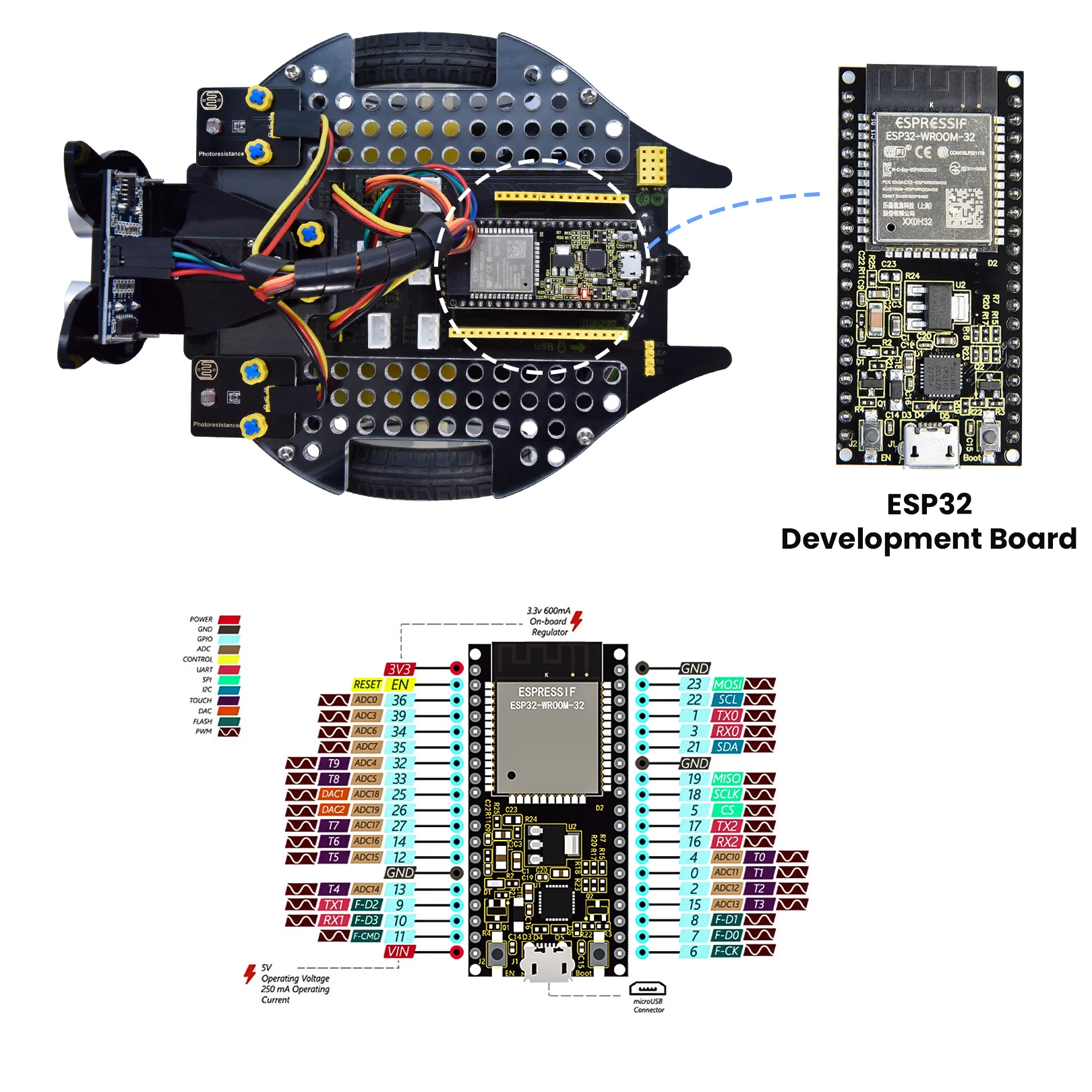
- ESP32 Smart Controller – Supports WiFi, Bluetooth, and real-time control
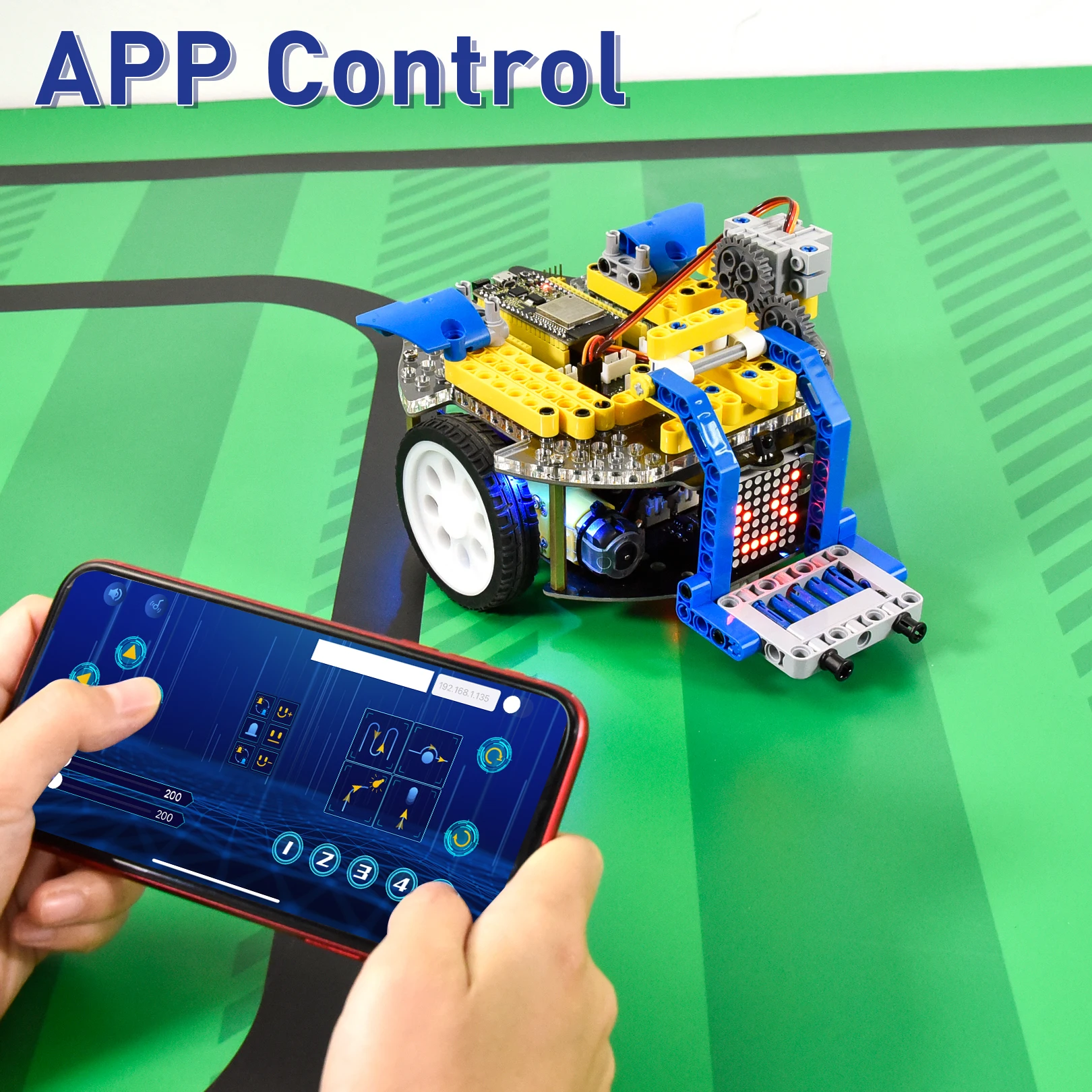
- Multiple Control Modes – App, remote, or programmed automation
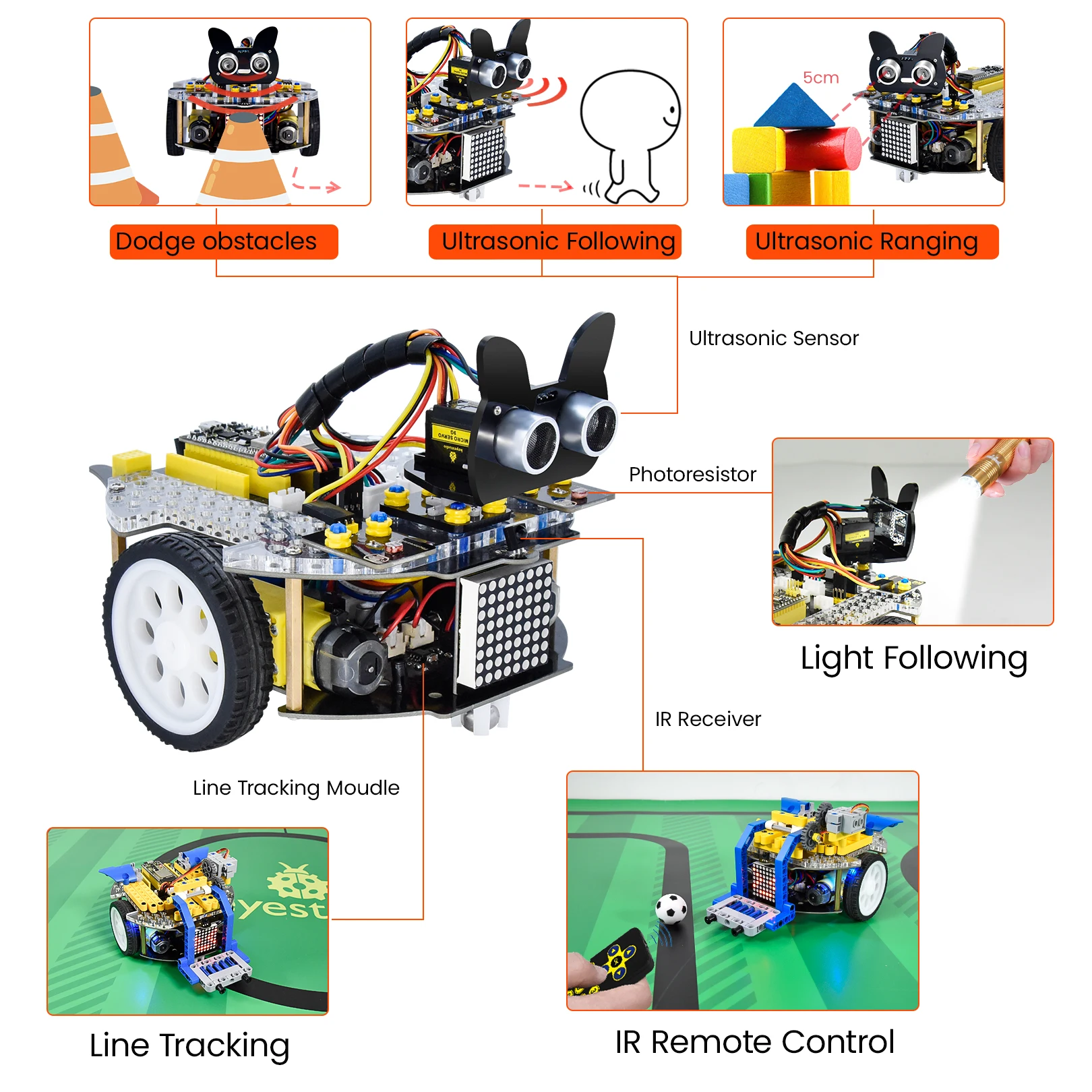
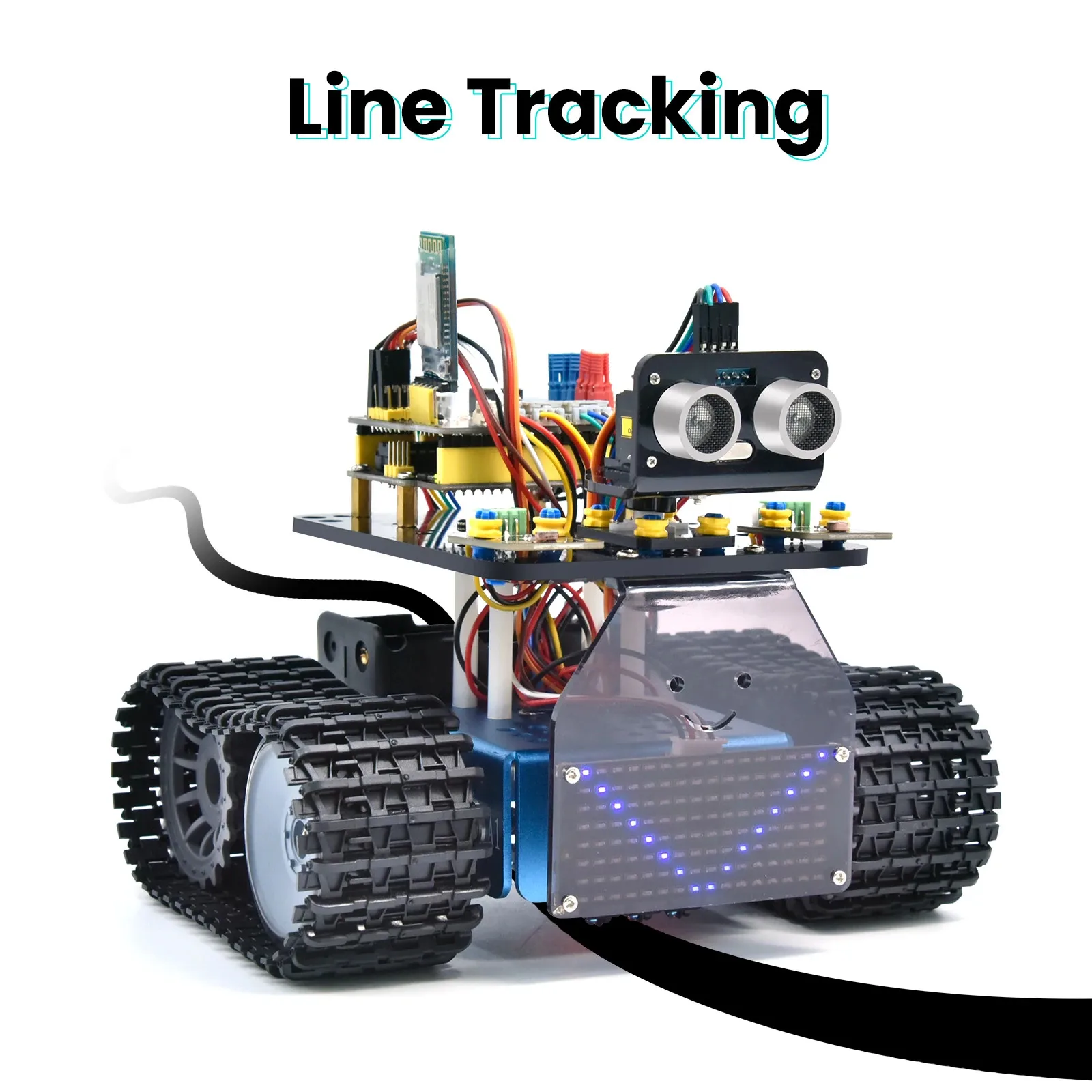
- Autonomous Functions – Obstacle avoidance & line tracking
- STEM Learning Platform – Combines coding, engineering, and electronics
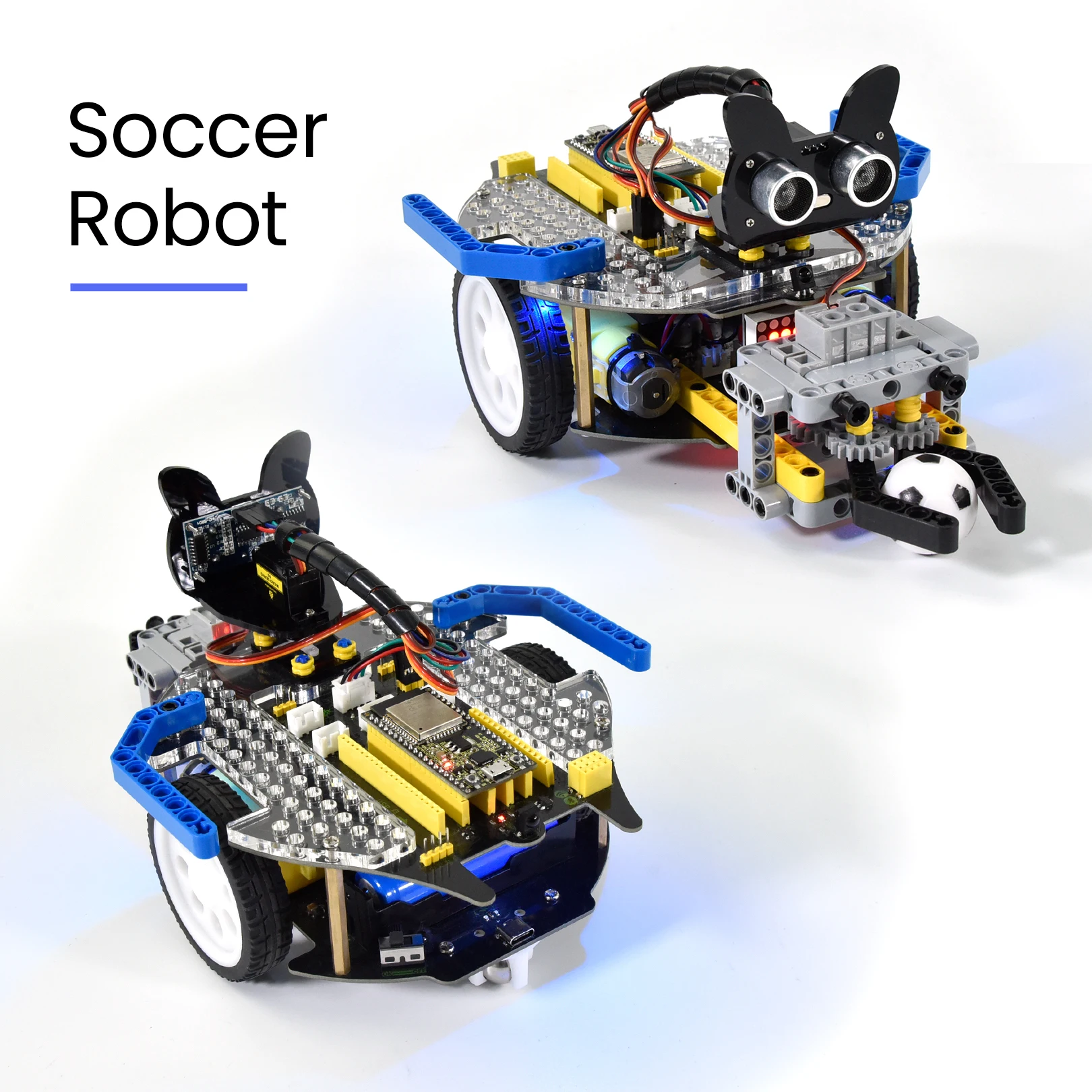
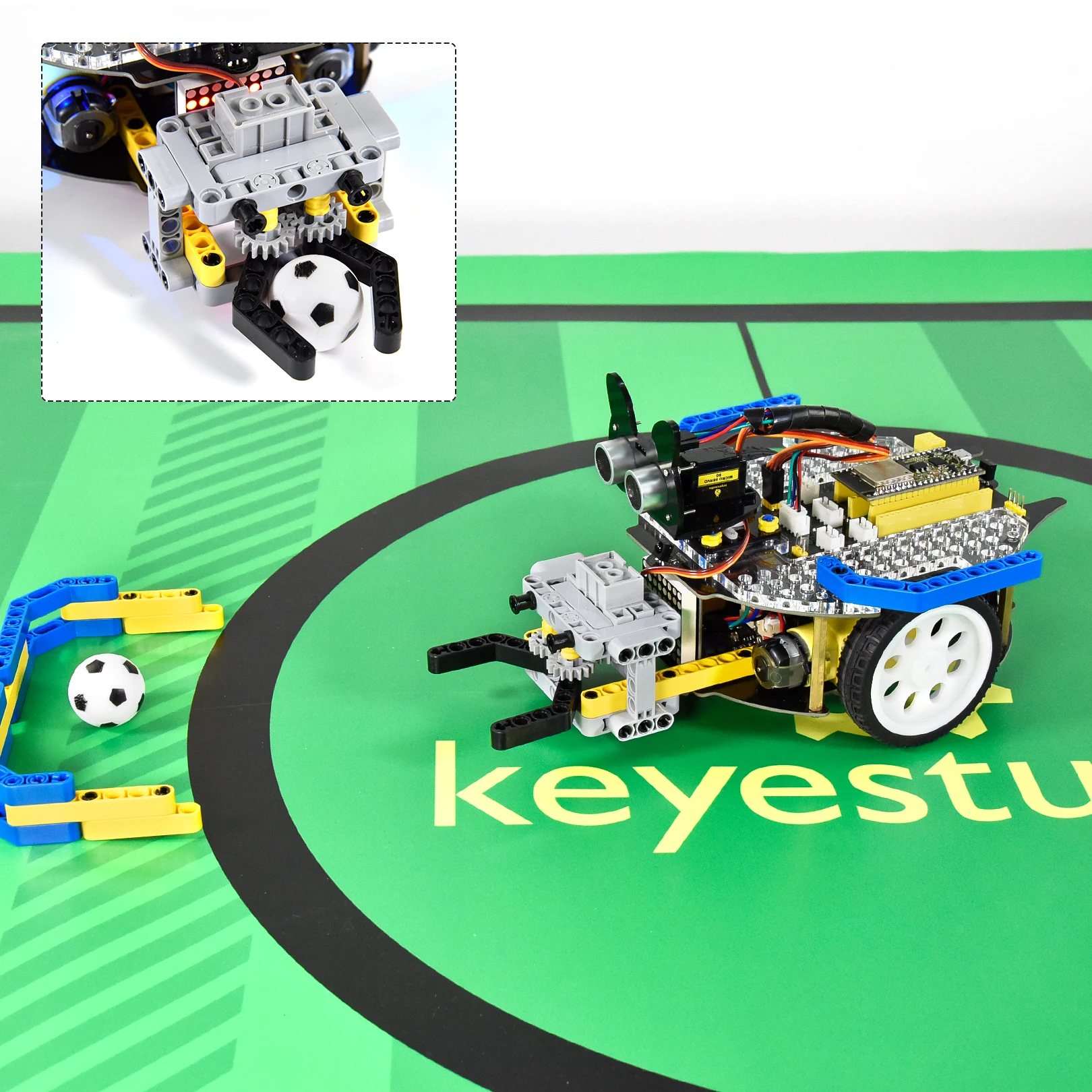
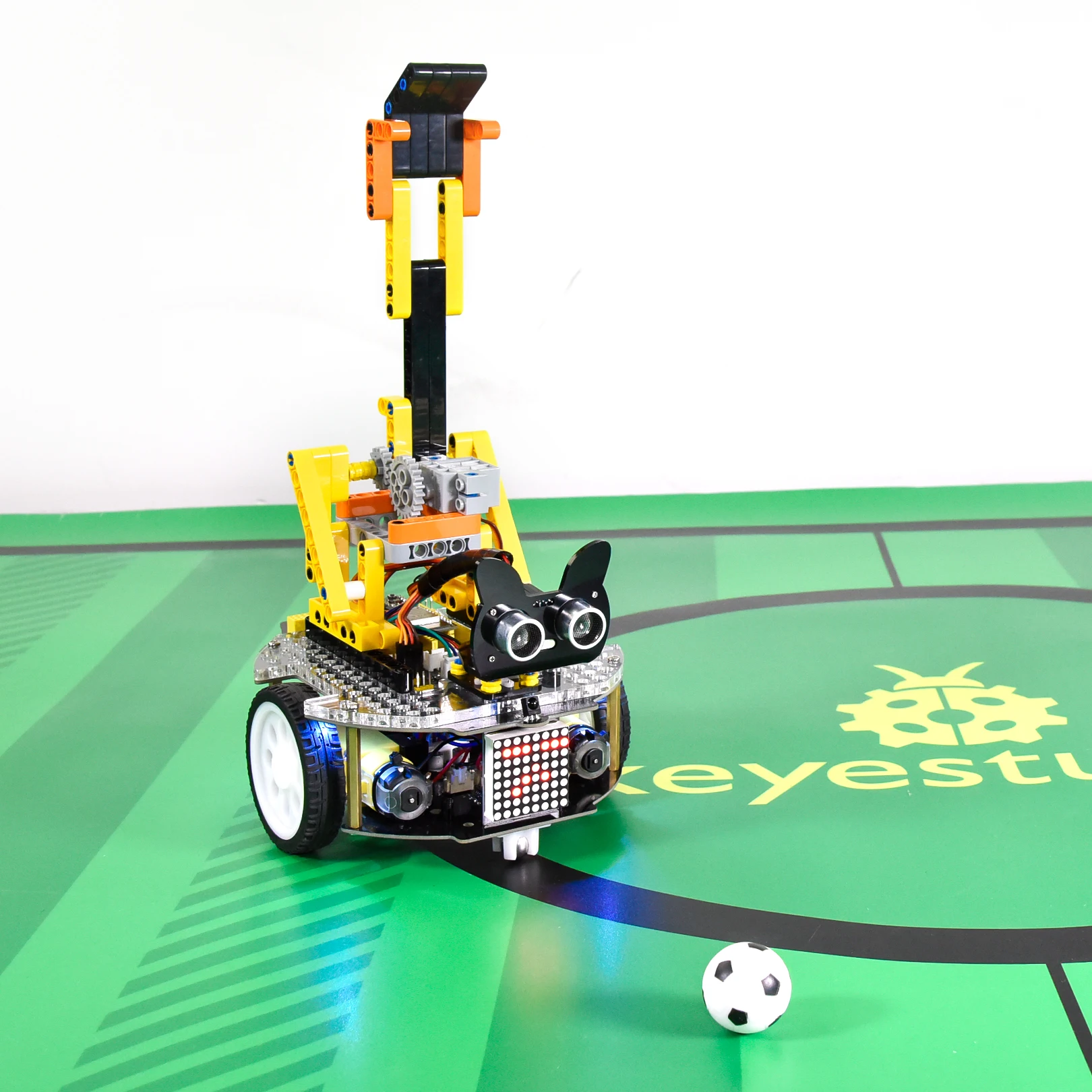
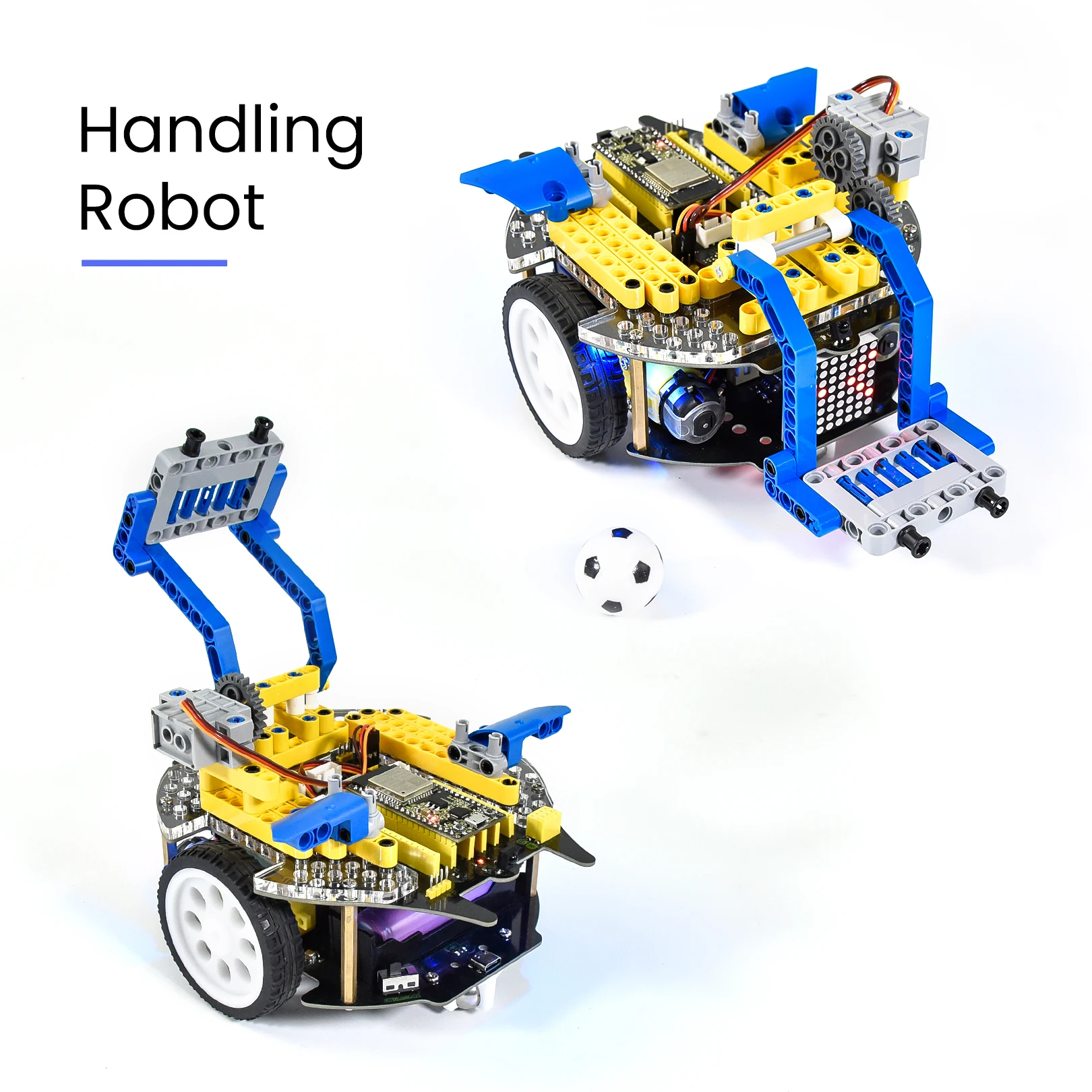
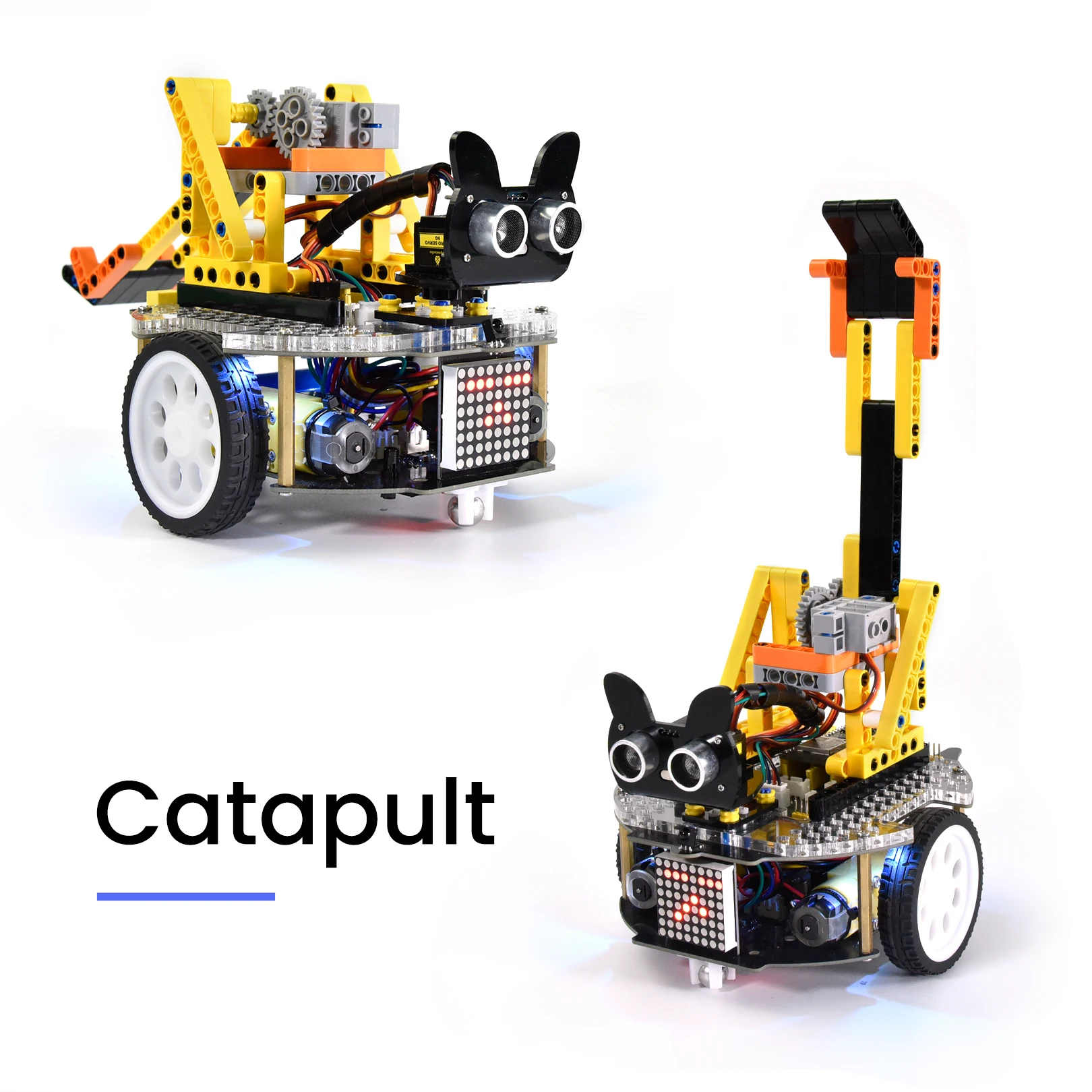
- Expandable Design – Add modules and customize your robot
👉 Perfect for classrooms, robotics clubs, STEM labs, and home learning.
🟢 Product Specifications
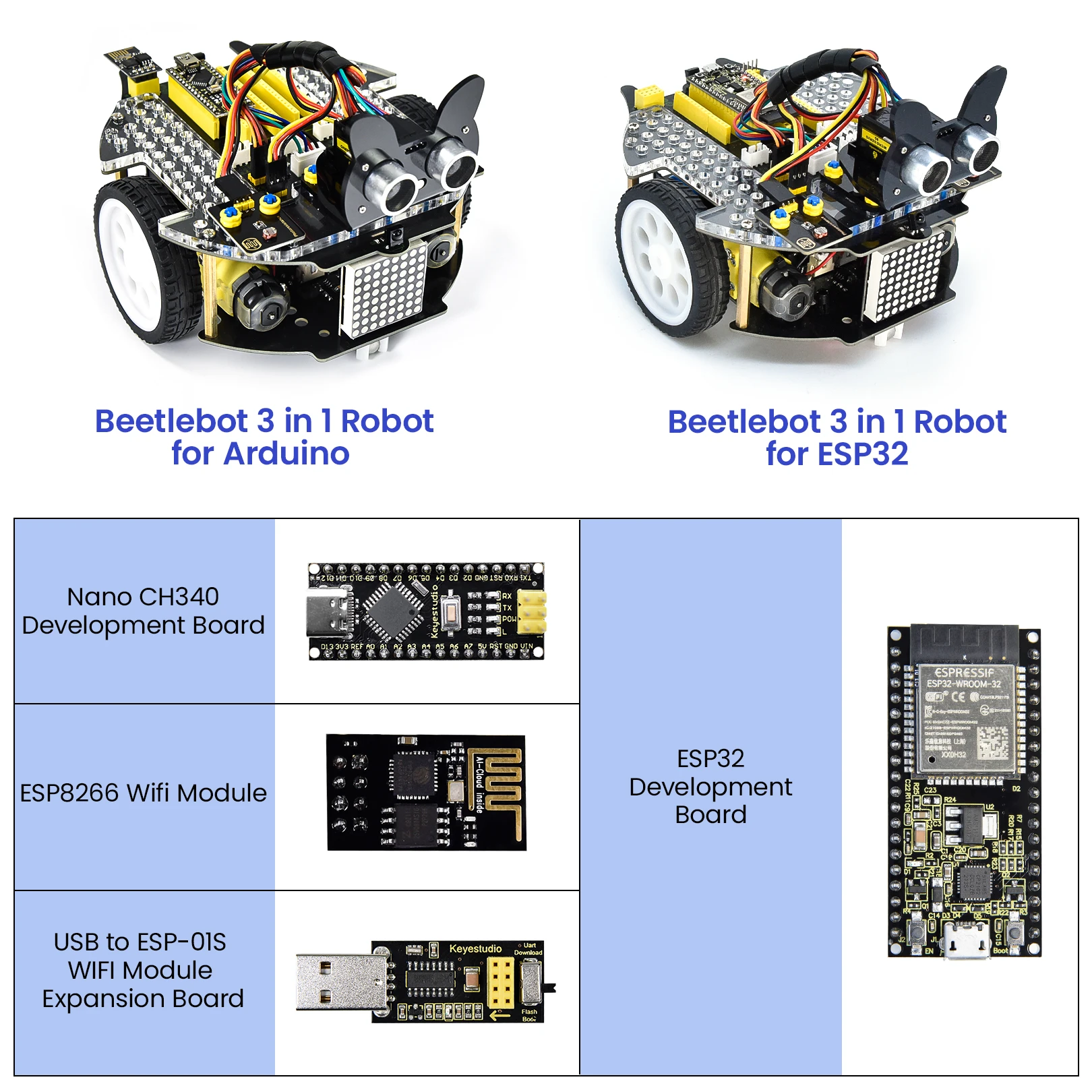
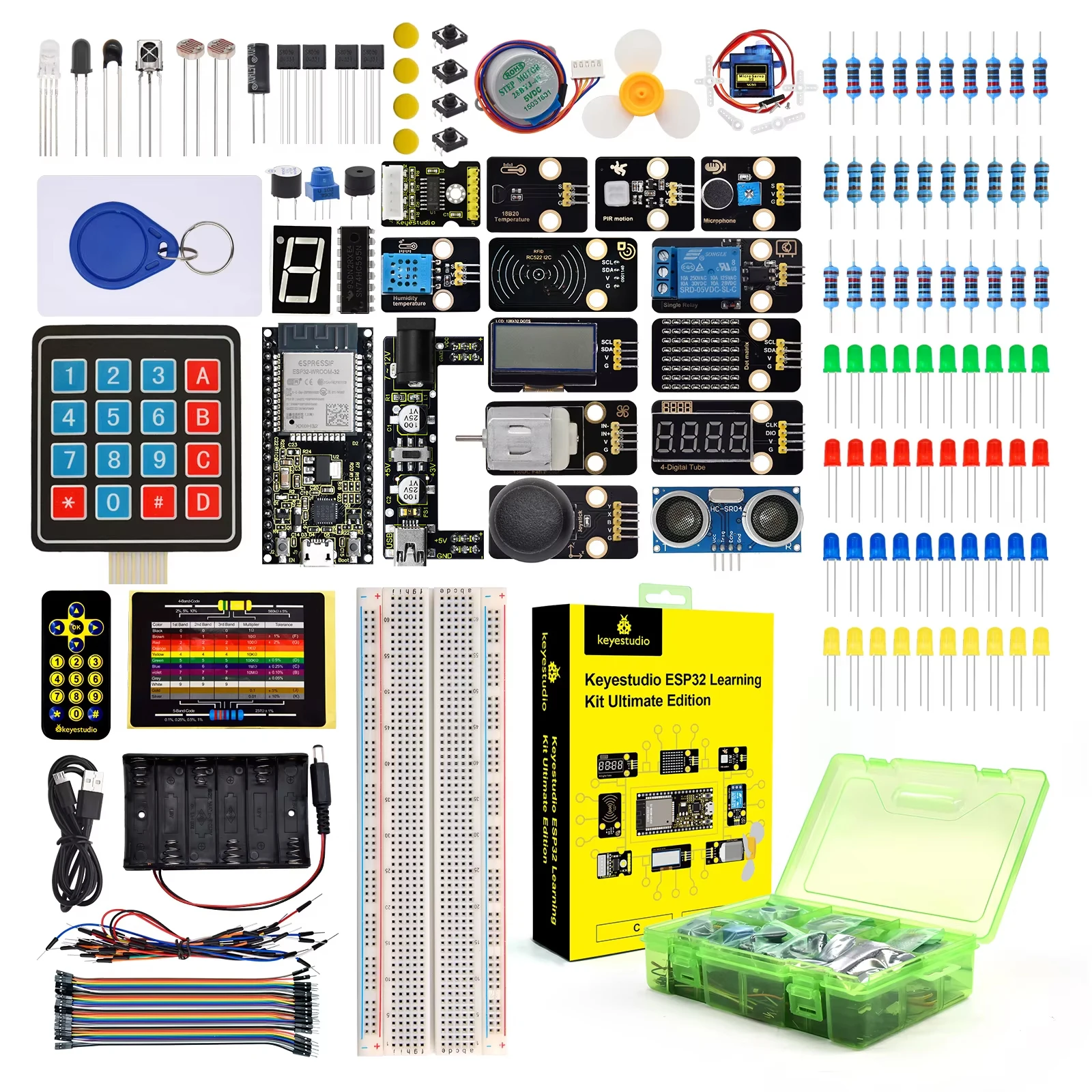
- Main Board: ESP32 microcontroller
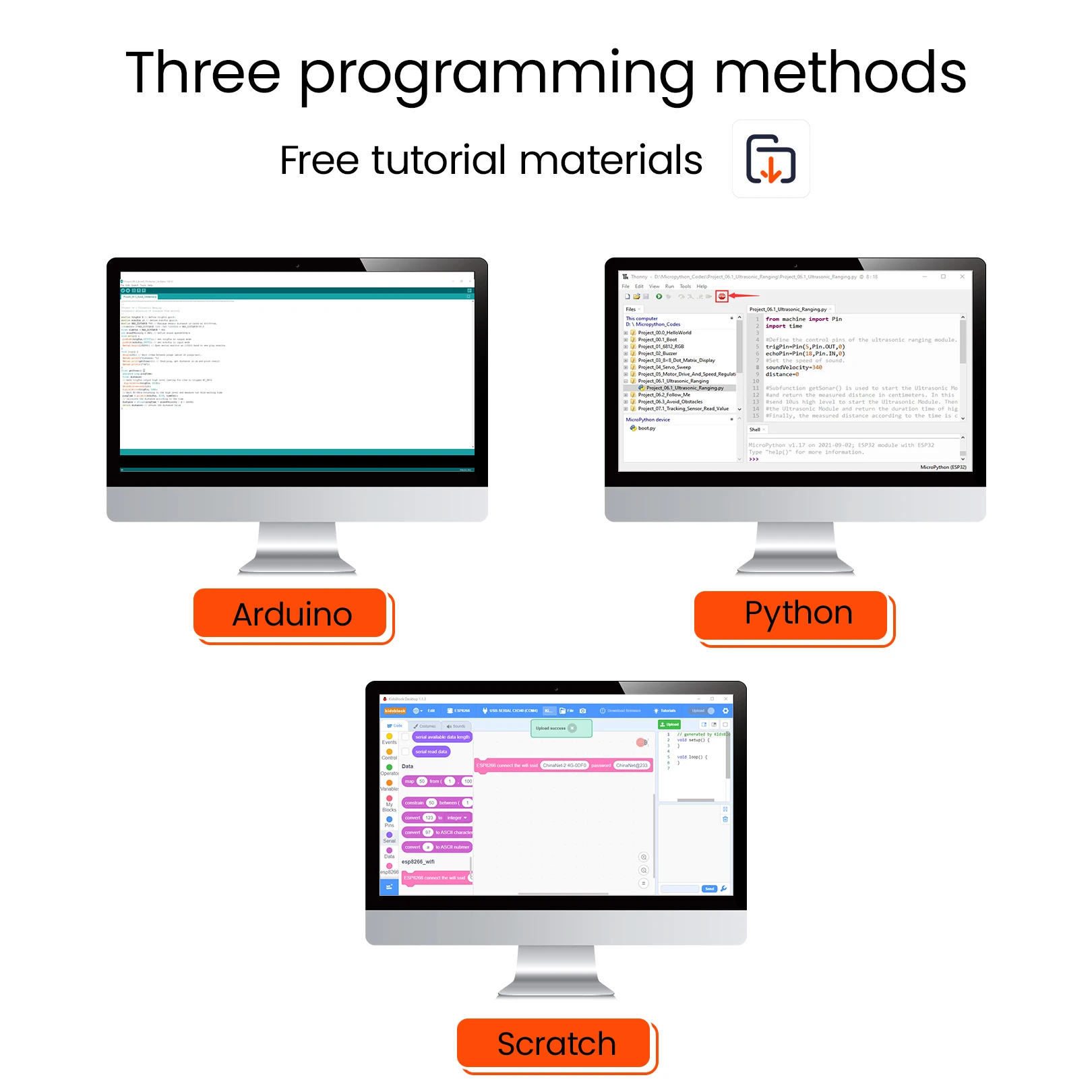
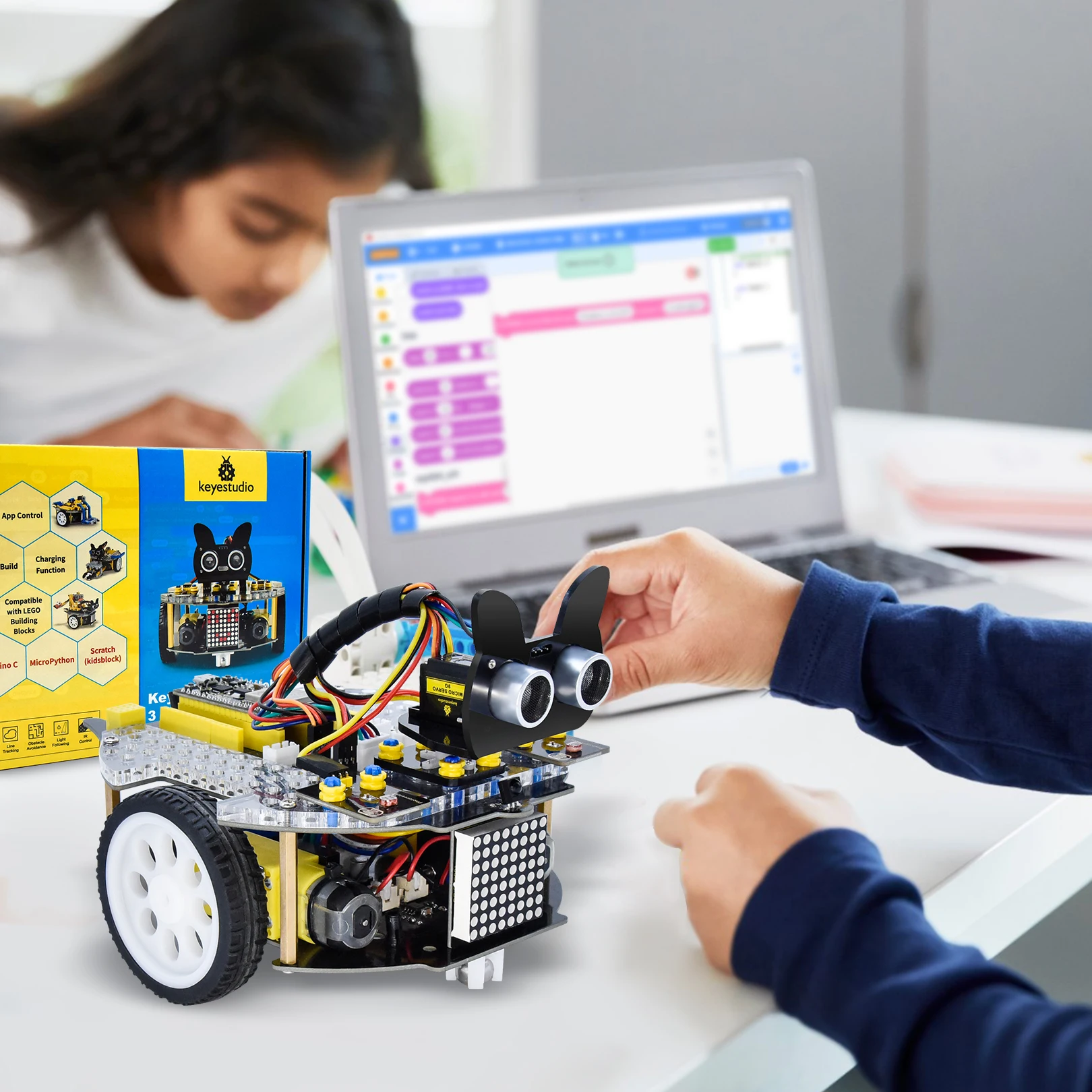
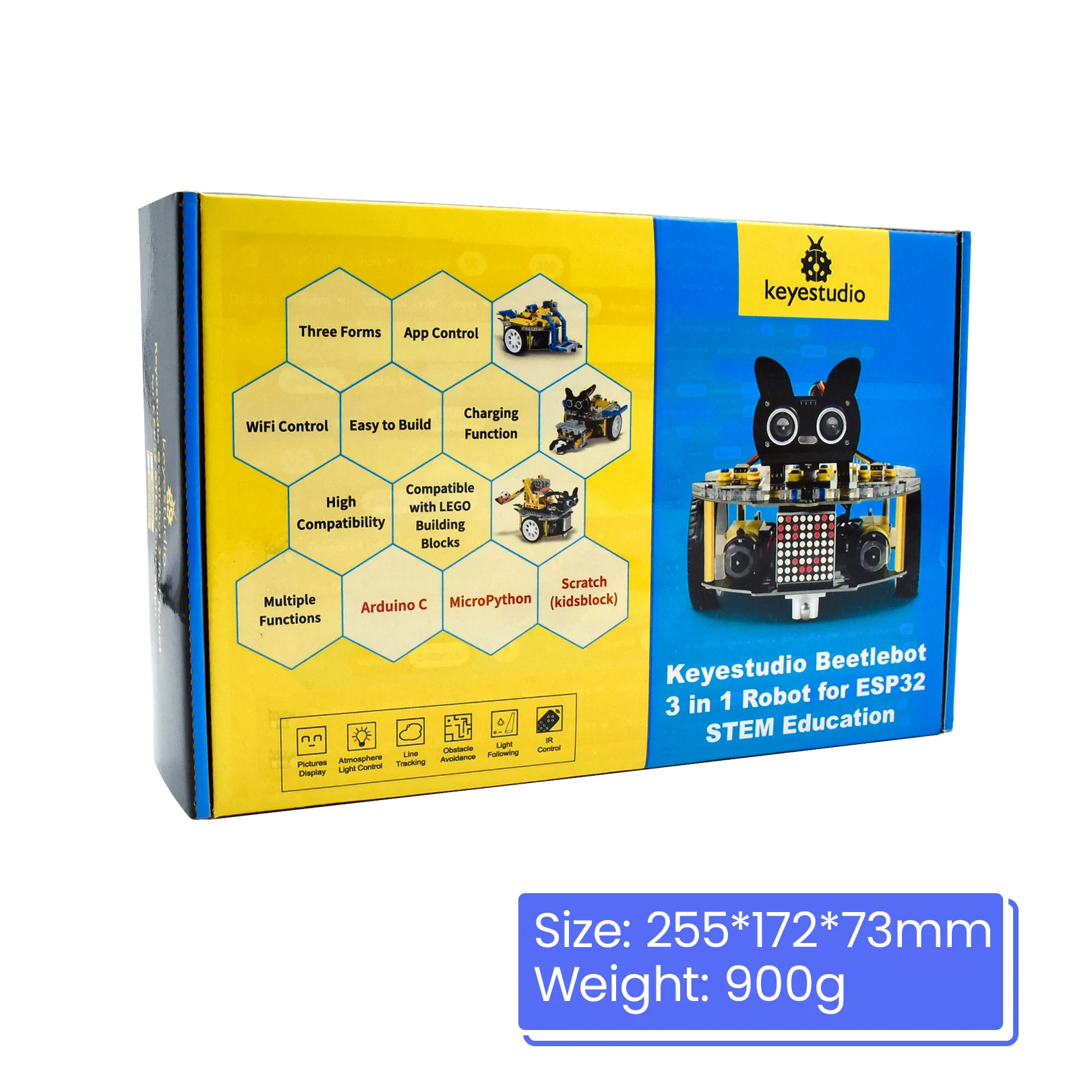
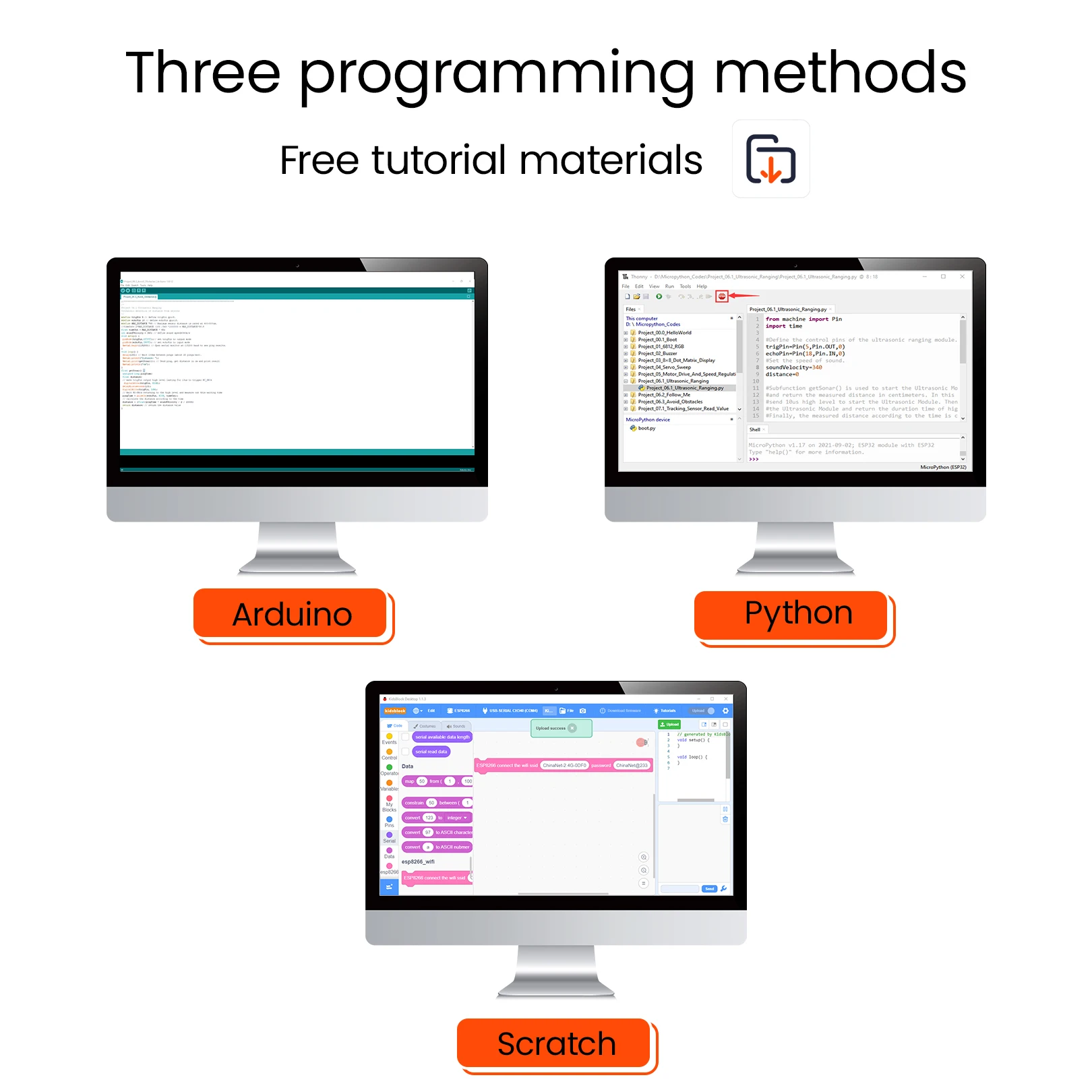
- Programming: Scratch, Arduino (C++), Python
- Connectivity: WiFi & Bluetooth
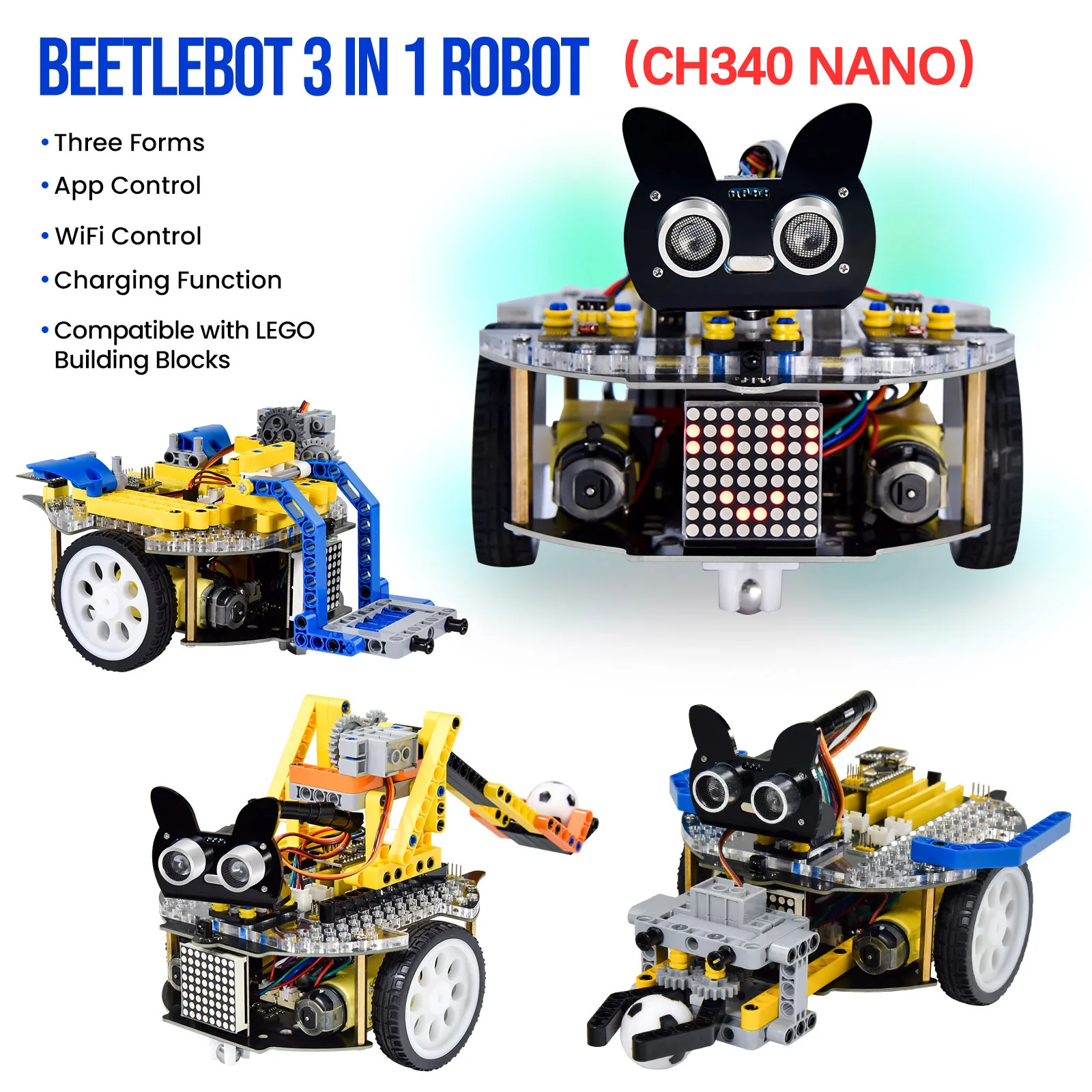
- Drive System: 2WD / 4WD robotic chassis
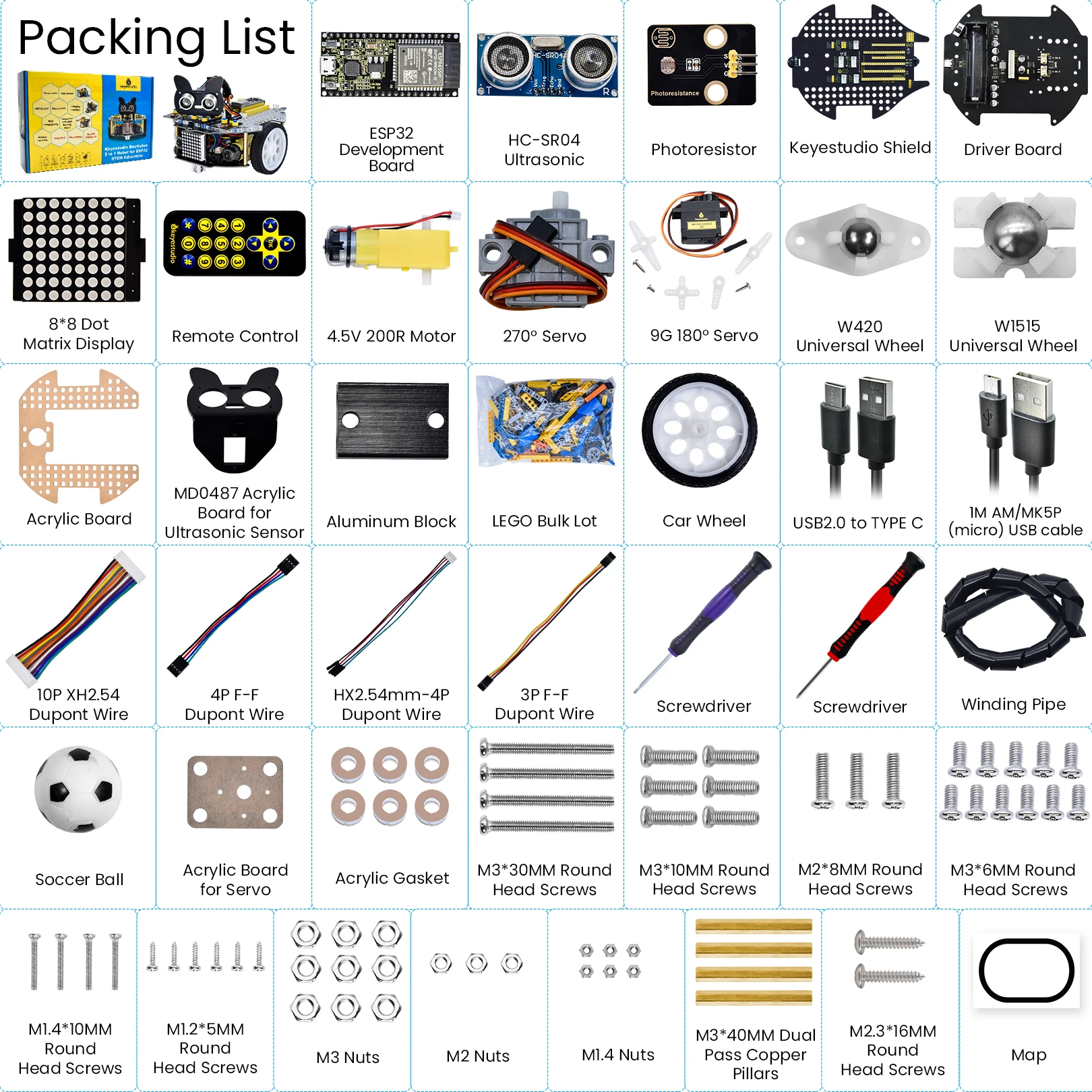
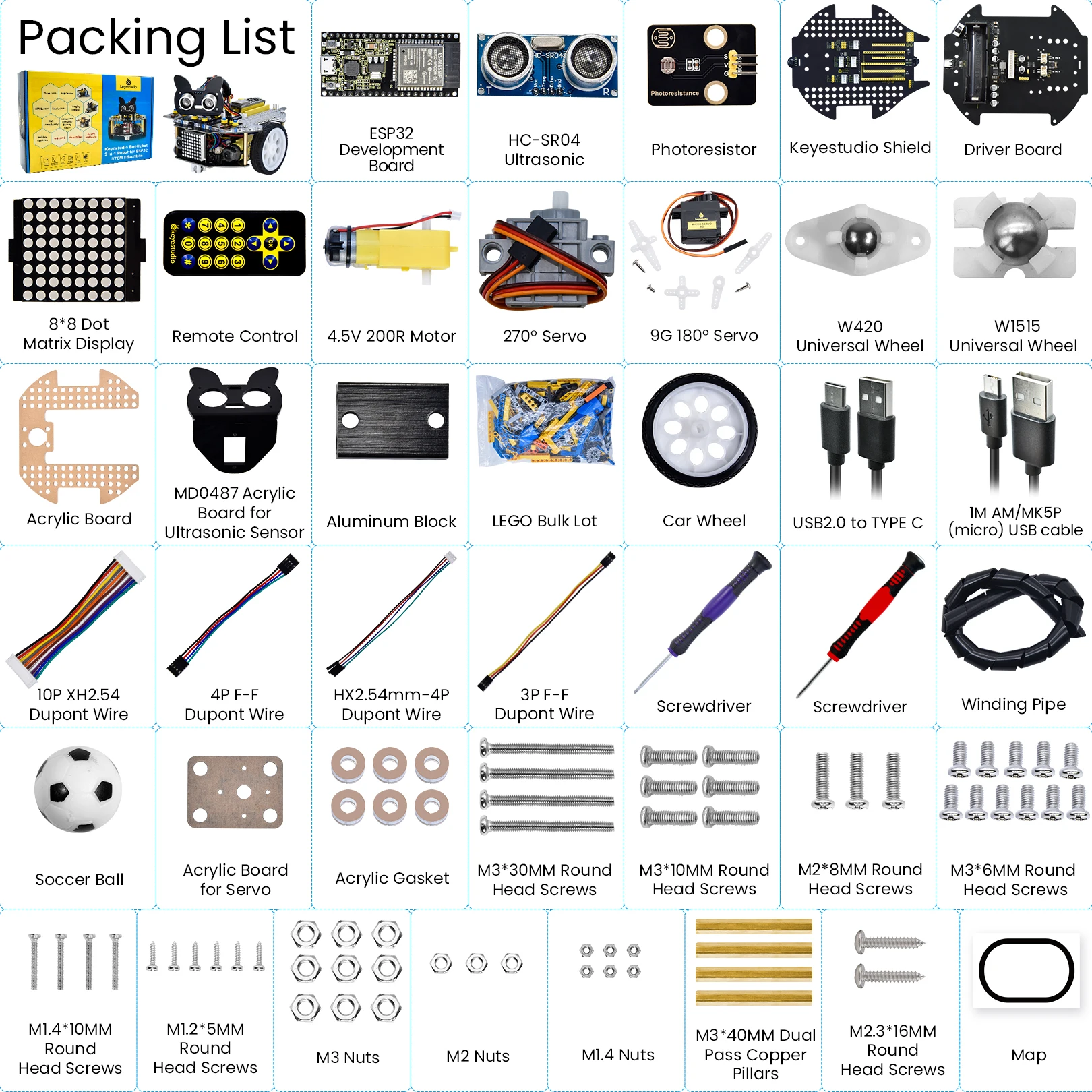
- Key Components:
- Motors & wheels
- Motor driver module
- Ultrasonic sensor (obstacle detection)
- Line tracking sensors
- LED display / modules
- Control Methods:
- Mobile app
- Remote control
- Autonomous programming
- Projects Included: 11+ guided builds
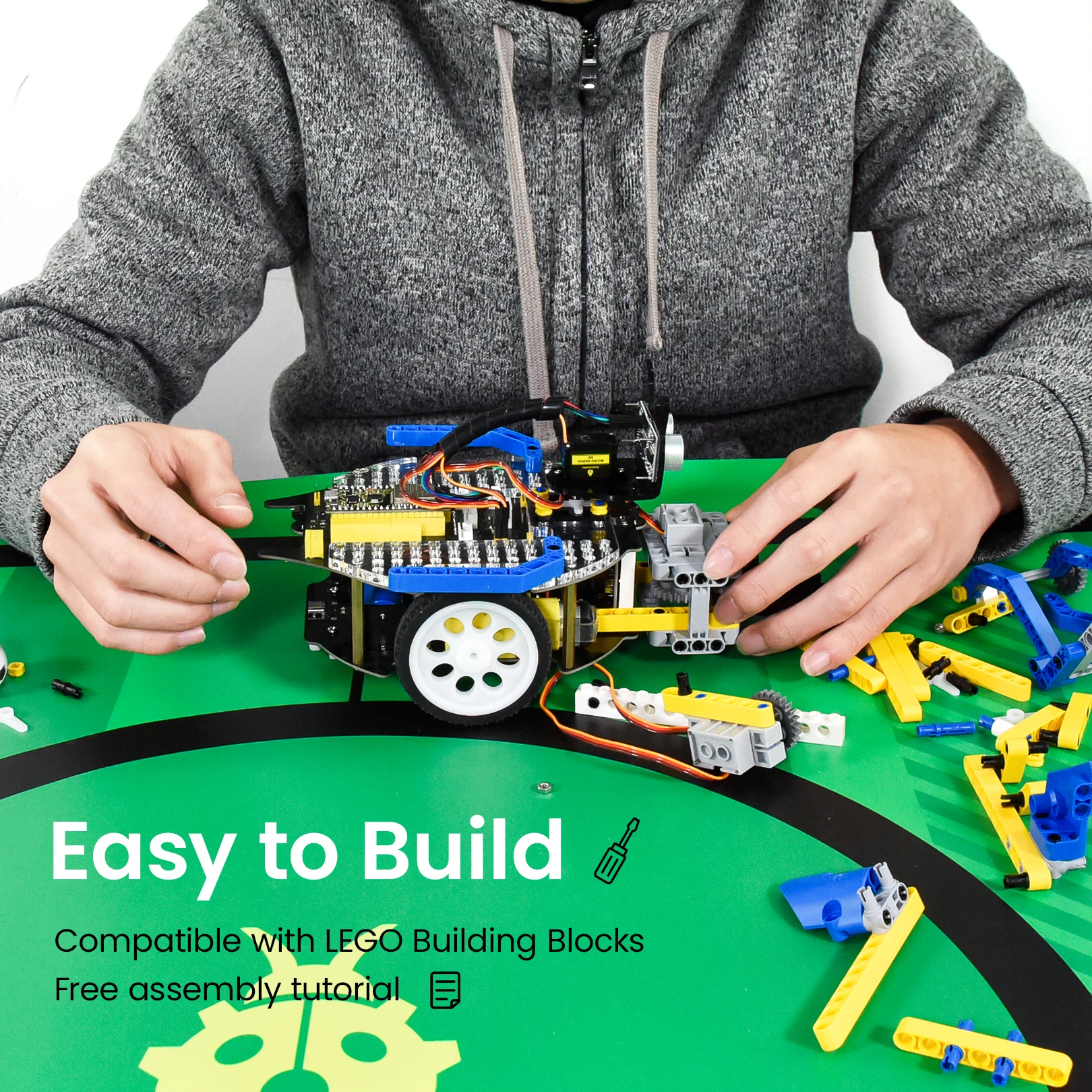
- Assembly: DIY kit (step-by-step)
- Recommended Age: 12+
📌 Robot cars can move in all directions and be controlled wirelessly via WiFi or apps
🟢 3. Subjects Covered (Detailed)
🤖 Robotics Engineering
- Understanding robot structure (chassis, motors, sensors)
- Learning how robots move and interact with environments
- Studying motion systems (2WD/4WD drive mechanisms)
💻 Programming & Coding
- Writing code to control robot movement
- Learning:
- Logic (if/else conditions)
- Loops and automation
- Functions and modular coding
- Using Scratch (beginner) and Arduino/Python (advanced)
🌐 Internet of Things (IoT)
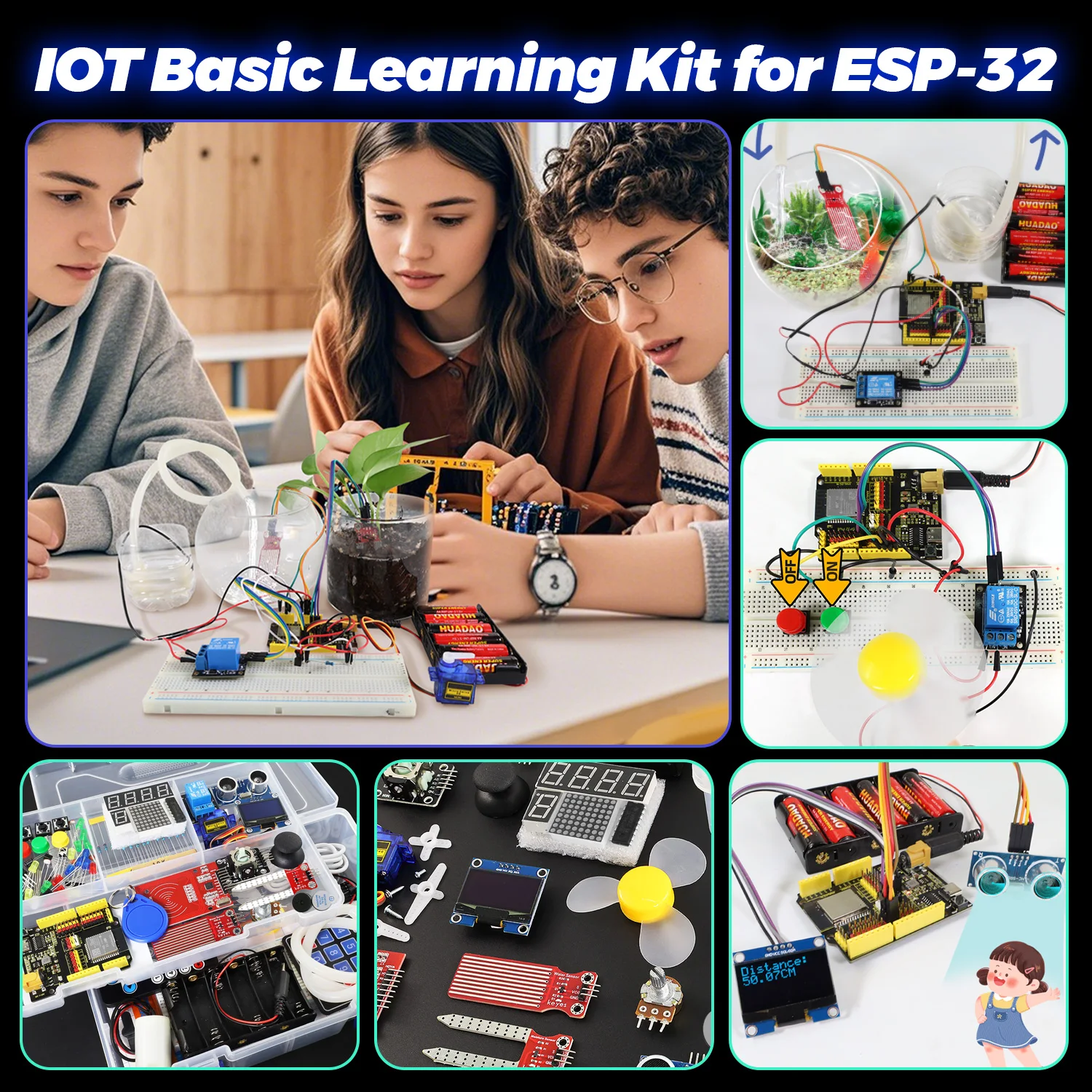
- Connecting the robot via WiFi
- Remote control through mobile apps
- Real-time communication between devices
⚡ Electronics & Embedded Systems
- Understanding sensors and actuators
- Learning how microcontrollers process inputs and outputs
- Building circuits and connecting modules
🚧 Automation & Control Systems
- Programming autonomous navigation
- Creating obstacle avoidance systems
- Designing smart decision-making logic
📡 Sensor Technology
- Using ultrasonic sensors for distance measurement
- Using line tracking sensors for navigation
- Interpreting environmental data
🧠 STEM Integration
- Science → motion, sensors, environment
- Technology → coding & IoT
- Engineering → building robot systems
- Mathematics → logic, speed, distance
🟢 4. Activities Performed (Detailed)
🔧 1. Building the Robot Car
- Assembling chassis, motors, and wheels
- Connecting sensors and control board
- Understanding mechanical and electronic integration
💻 2. Programming Robot Movement
- Coding movement commands:
- Forward / backward
- Left / right turns
- Speed control
- Testing and refining motion behavior
🚨 3. Obstacle Avoidance Projects
- Detecting objects using ultrasonic sensors
- Programming the robot to avoid collisions
- Simulating autonomous driving systems
🛣️ 4. Line Tracking Navigation
- Following predefined paths using sensors
- Creating autonomous navigation routes
- Testing precision and control
📱 5. Remote Control Operation
- Controlling robot via smartphone or remote
- Using Bluetooth/WiFi communication
- Real-time driving and monitoring
🌐 6. IoT-Based Robot Control
- Connecting robot to network
- Sending commands remotely
- Monitoring robot behavior in real time
🧪 7. Experimentation & Customization
- Modifying code for new behaviors
- Adding new sensors/modules
- Creating unique robotics projects
🛠️ 8. Debugging & Problem Solving
- Fixing wiring and connection issues
- Troubleshooting programming errors
- Improving performance and efficiency
🎯 9. Real-World Simulation
- Simulating:
- Self-driving cars
- Delivery robots
- Smart automation systems
- Understanding real robotics applications
🟢 5. Benefits for Students & Teachers
👨🎓 For Students:
- Develops coding, robotics, and engineering skills
- Encourages creativity and innovation
- Builds problem-solving and logical thinking
- Provides real-world STEM experience
👩🏫 For Teachers:
- Complete project-based STEM curriculum tool
- Covers multiple subjects in one kit
- Easy to integrate into lessons
- Engages students through hands-on learning