Arduino IoT Starter Kit
Arduino IoT Starter Kit is a powerful STEM learning solution designed to help beginners and learners build real-world electronic and IoT projects.
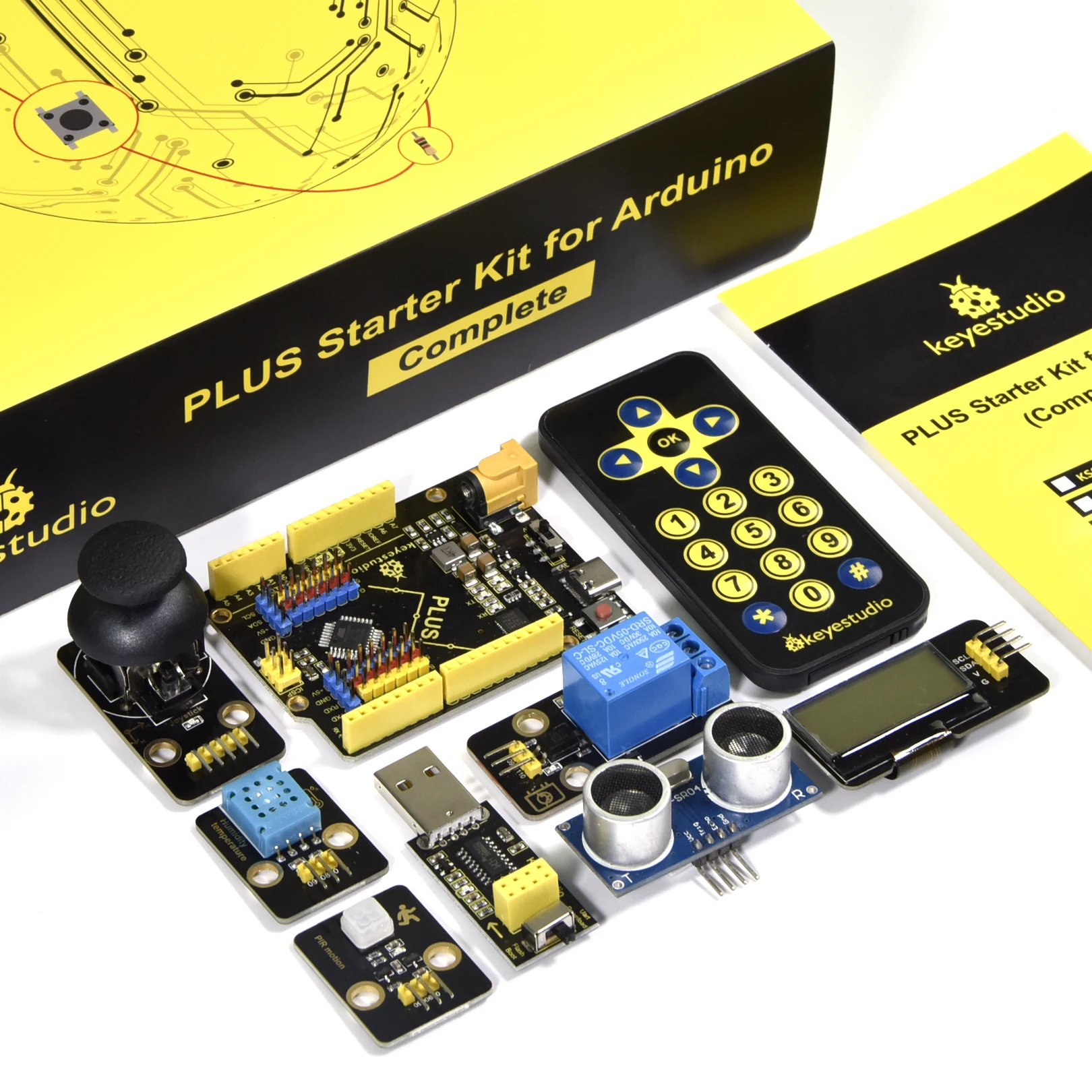
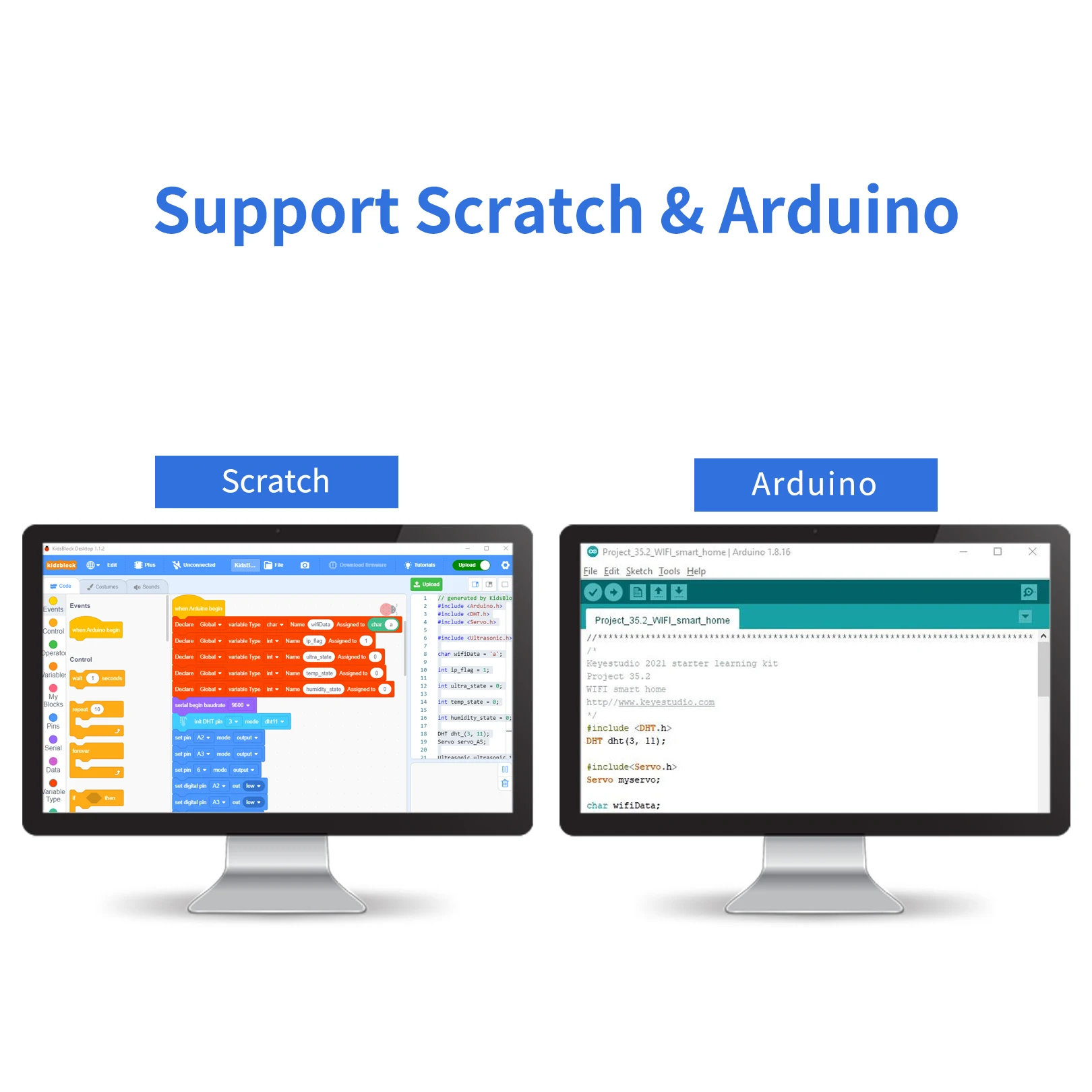
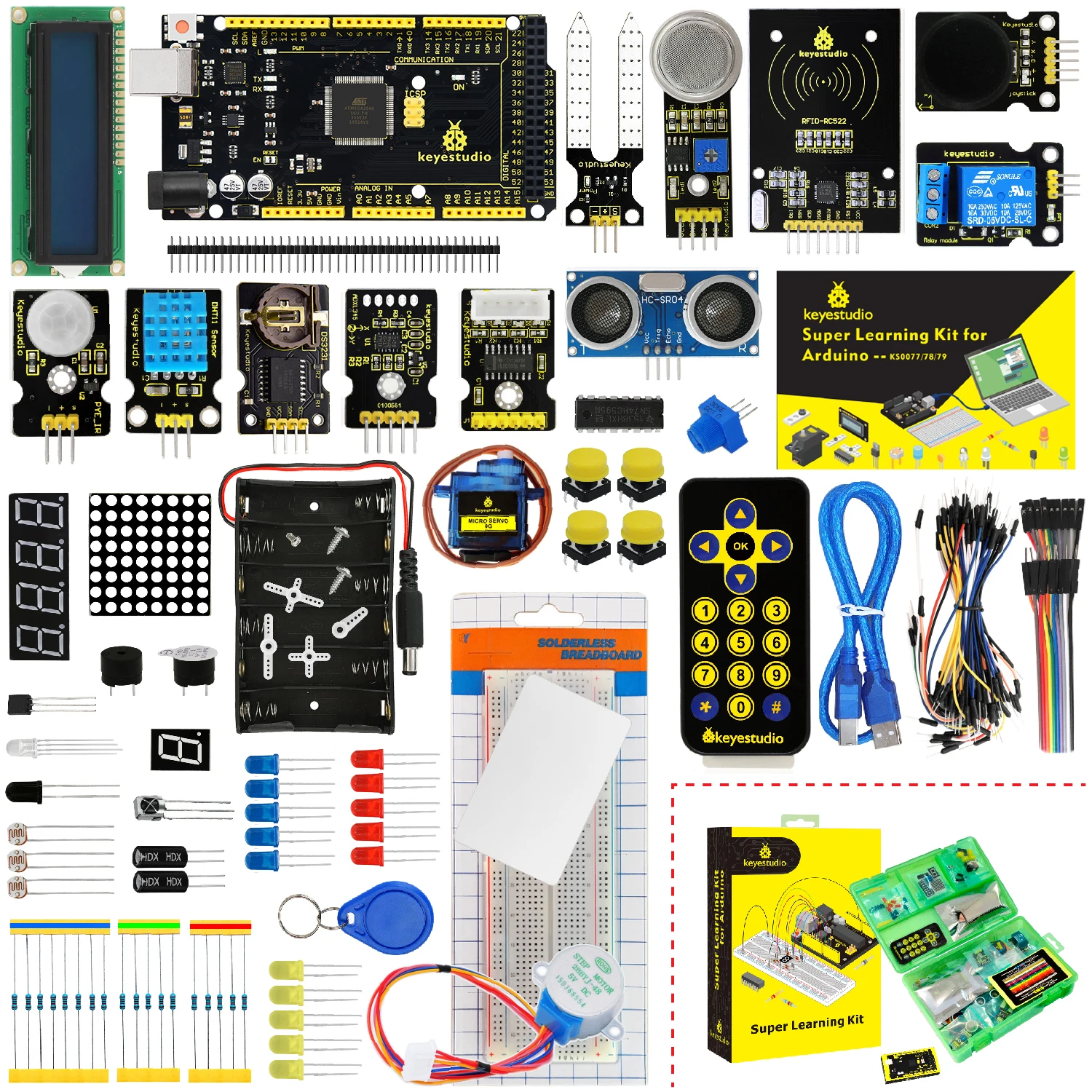
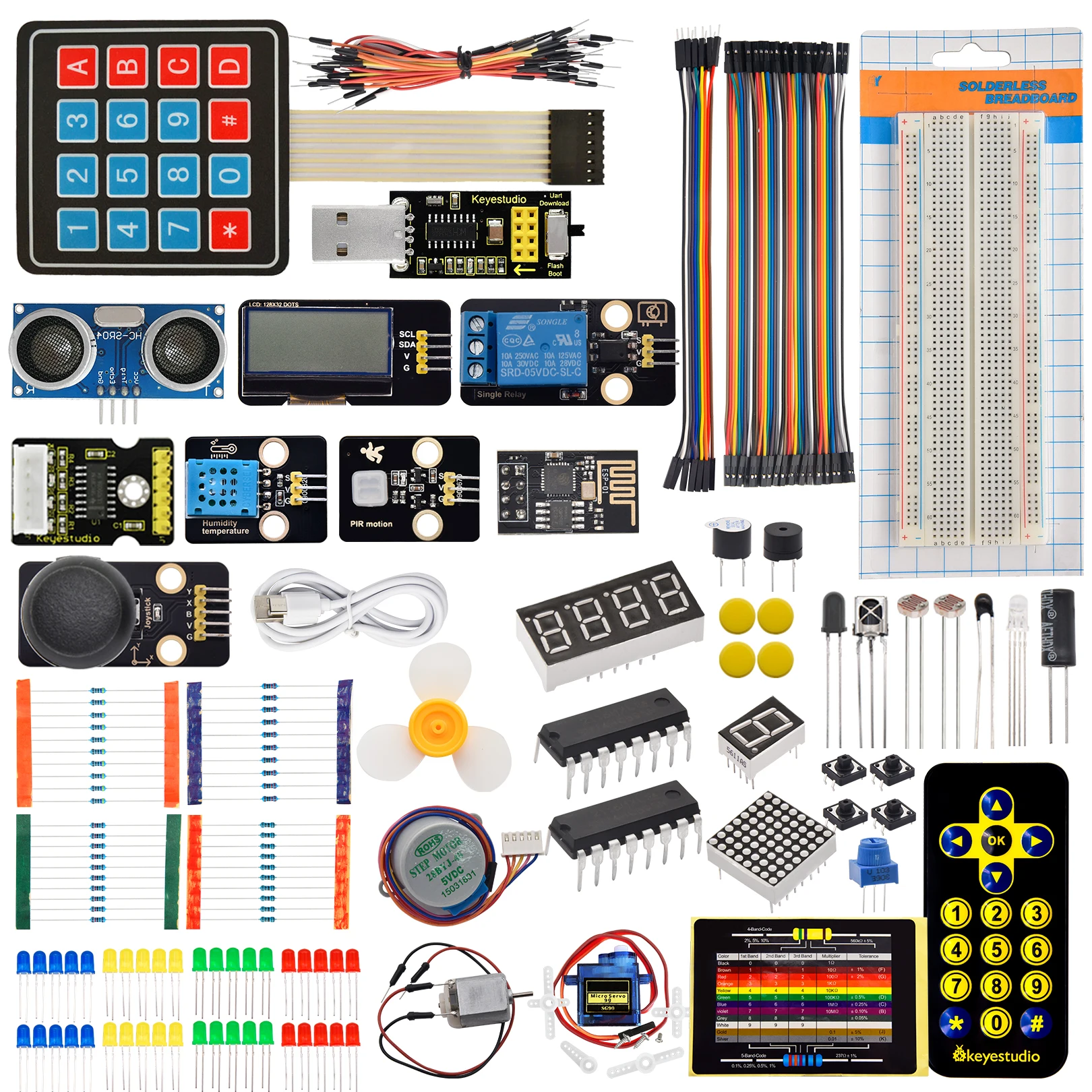
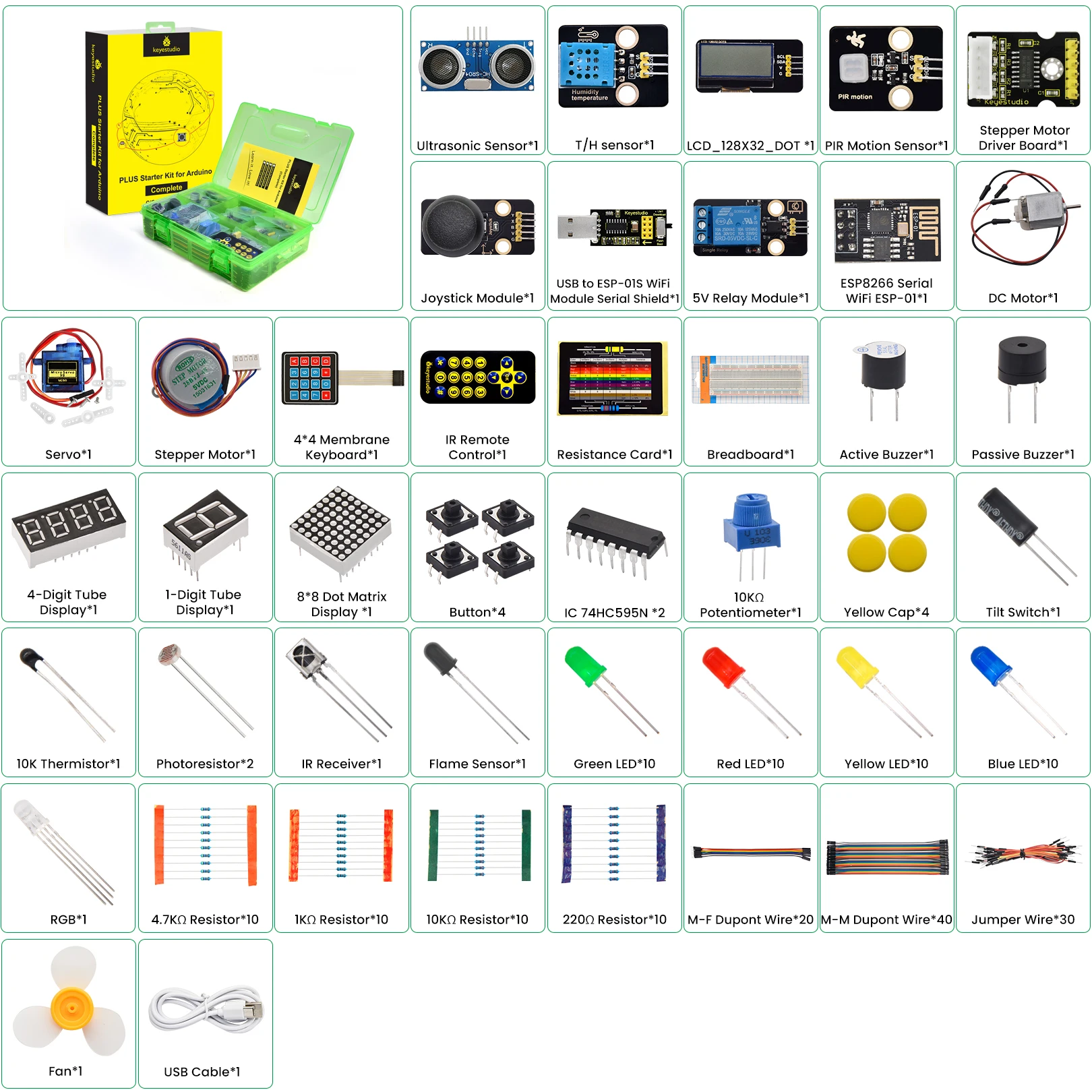
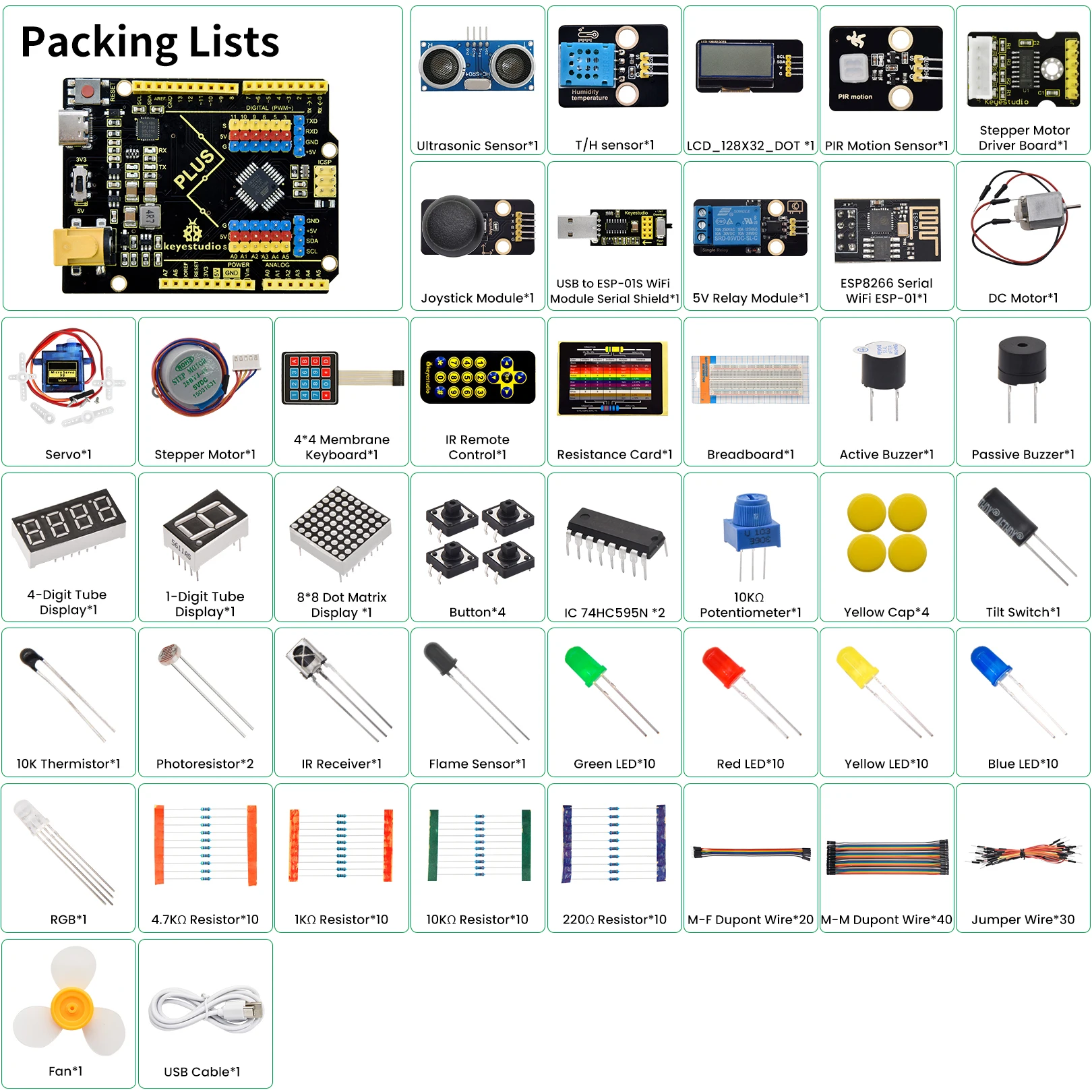
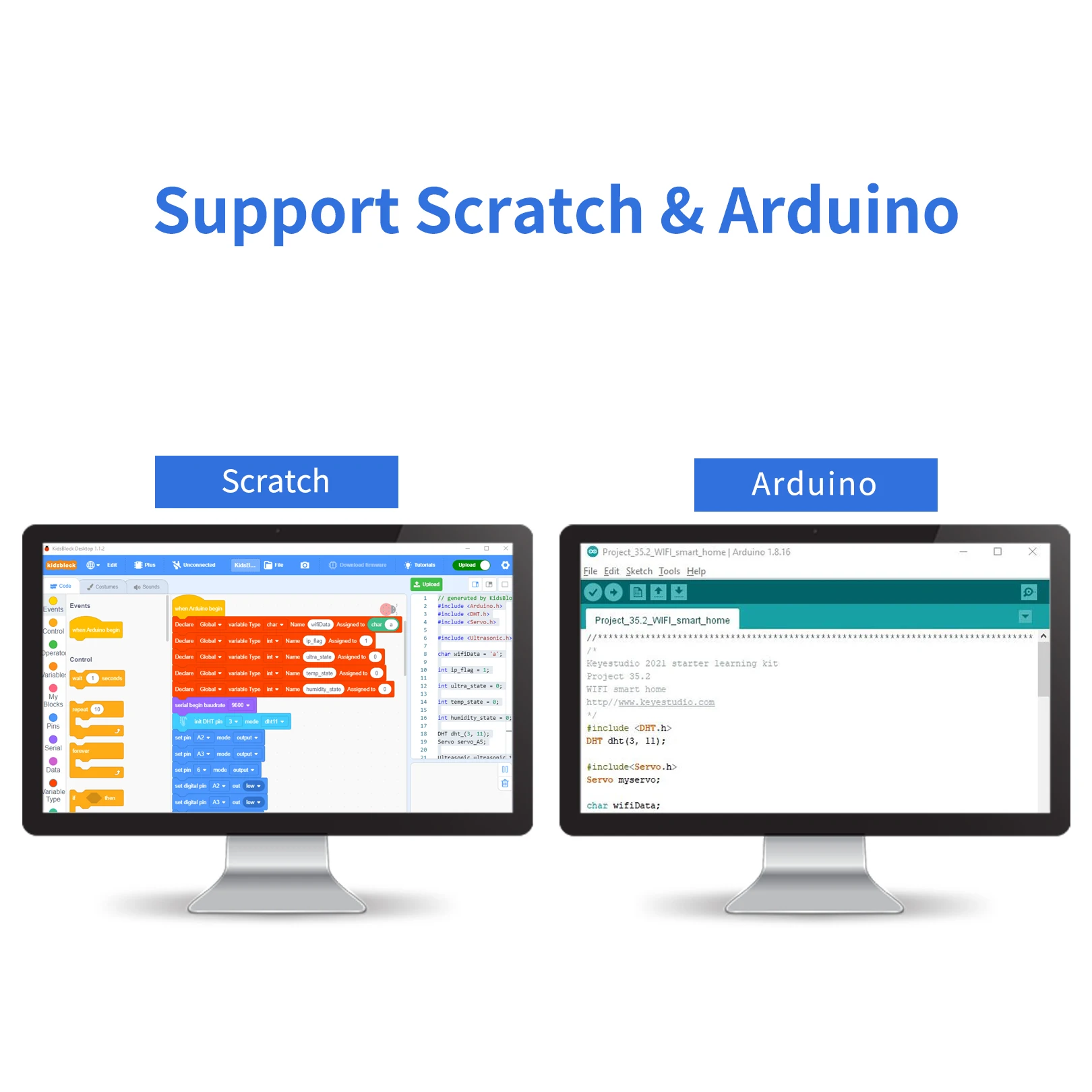
This all-in-one kit includes essential components such as sensors, displays, input modules, and control devices, allowing users to complete 32 hands-on projects. It supports both Scratch graphical programming and Arduino C/C++, making it accessible for beginners while still offering advanced learning potential.
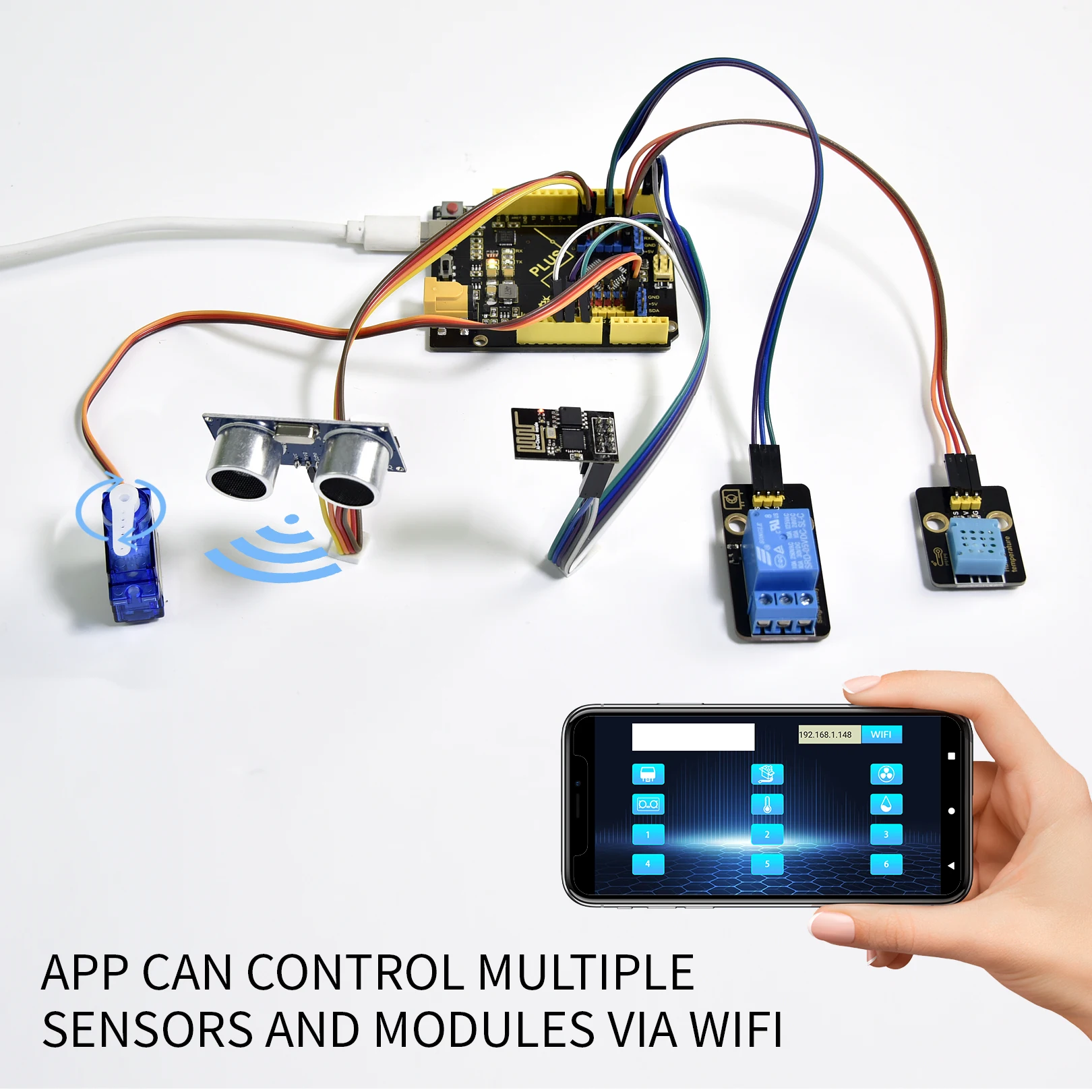
With structured tutorials and progressive experiments, learners can move from basic circuits to smart systems like automation, remote control, and environmental monitoring.
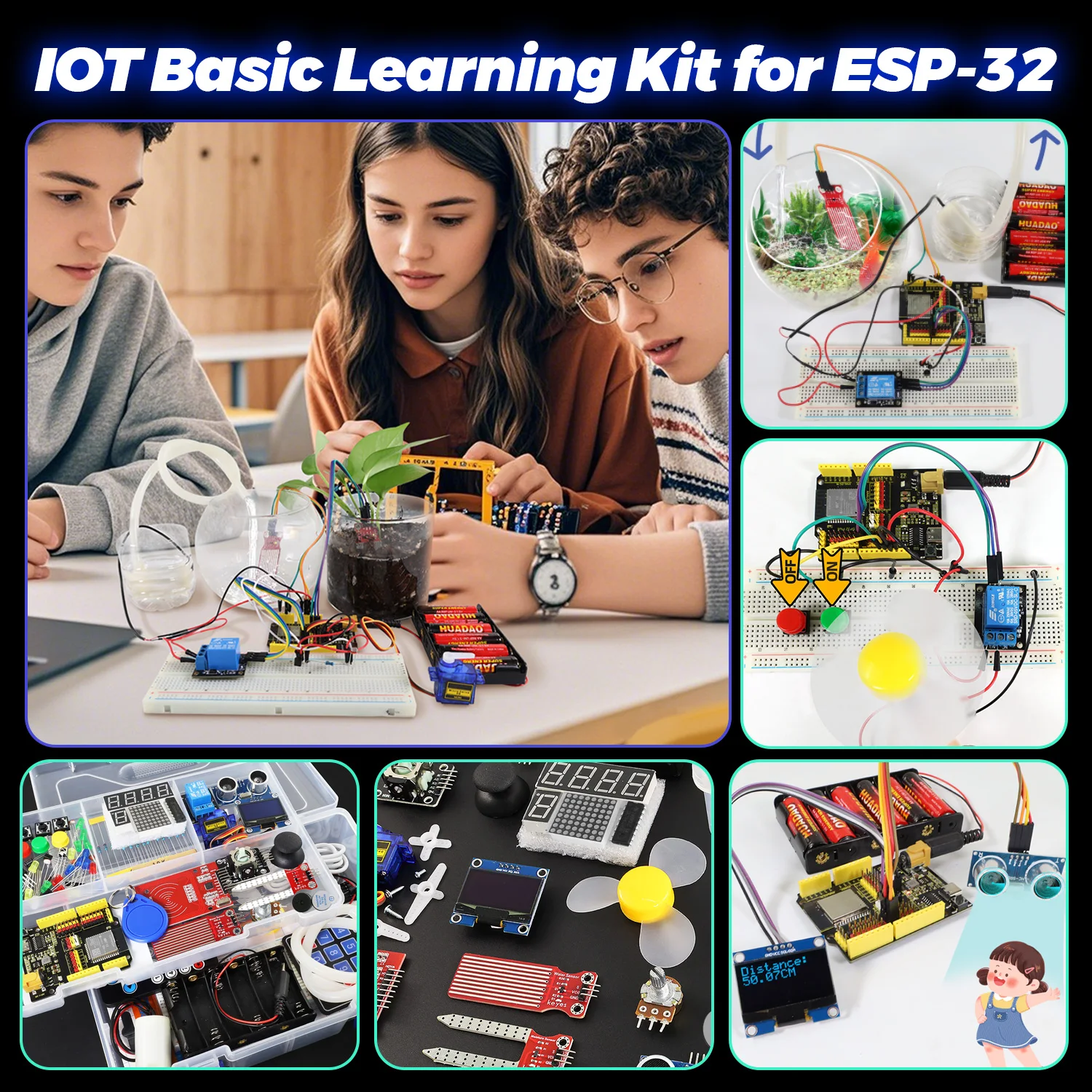
This type of kit typically includes multiple projects such as smart home systems, remote control devices, and sensor-based automation, helping users understand real IoT applications
🚀 Key Features
- 32 guided STEM projects
- Dual programming: Scratch + Arduino
- Complete electronics learning system
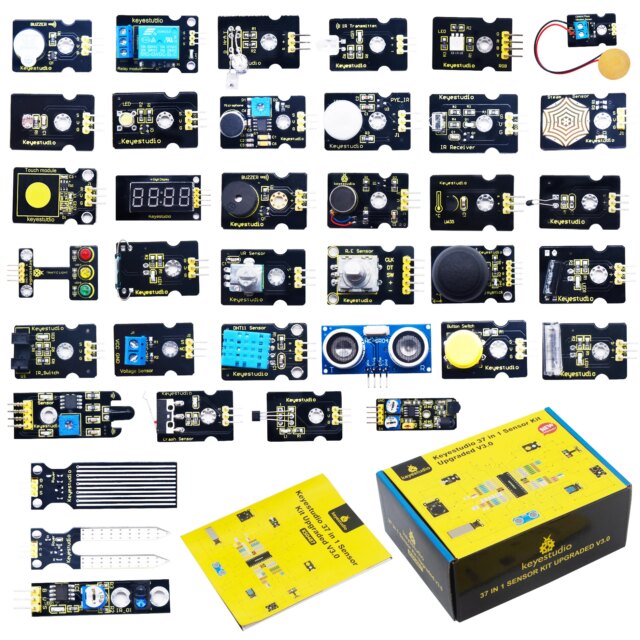
- Includes sensors, displays, and modules
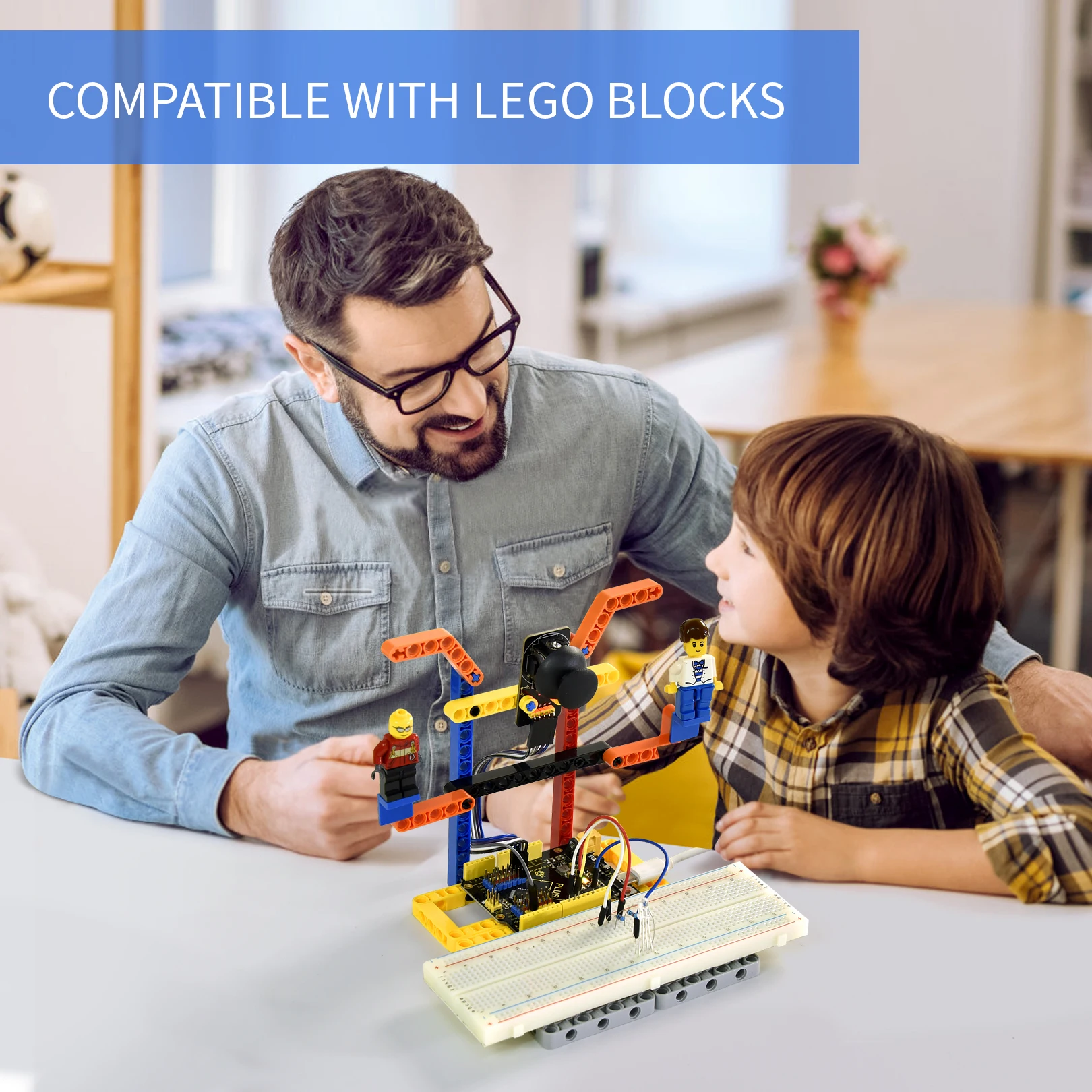
- Modular design (no soldering required)
- Step-by-step tutorials included
👉 Ideal for beginners, students, and classroom environments.
🟢 Product Specifications
- Main Board: Arduino-compatible (UNO optional depending on version)
- Programming Support:
- Scratch (graphical programming)
- Arduino IDE (C/C++)
- Projects Included: 32 tutorials
- Core Components:
- LEDs and resistors
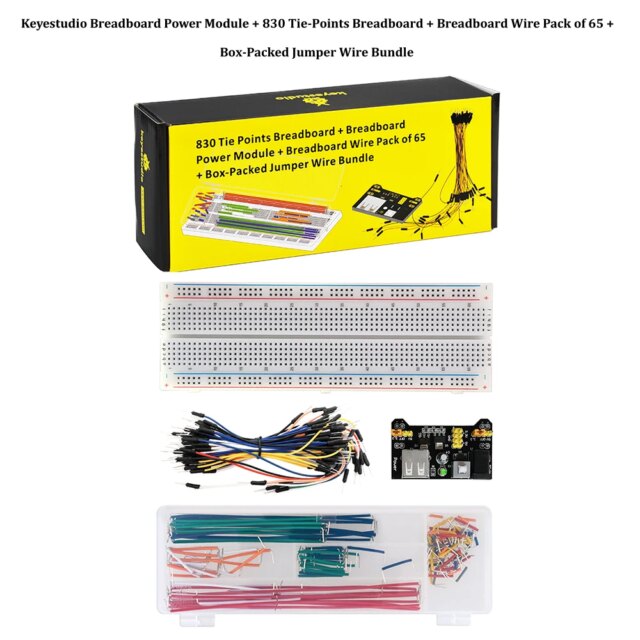
- Breadboard and jumper wires
- LCD display module
- 7-segment display
- Ultrasonic sensor
- Temperature & humidity sensor
- Sound sensor
- IR remote and receiver
- Buttons and keypad module
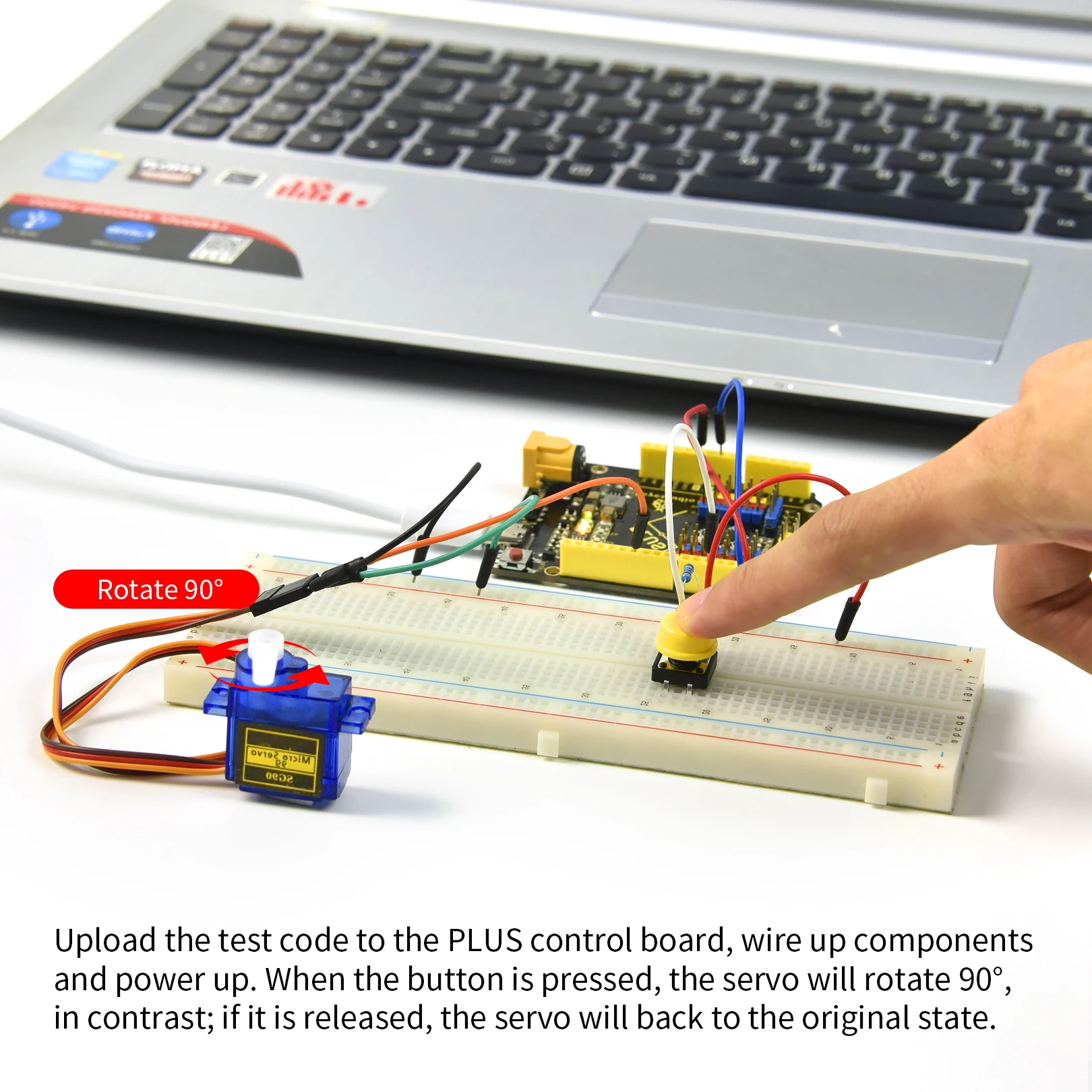
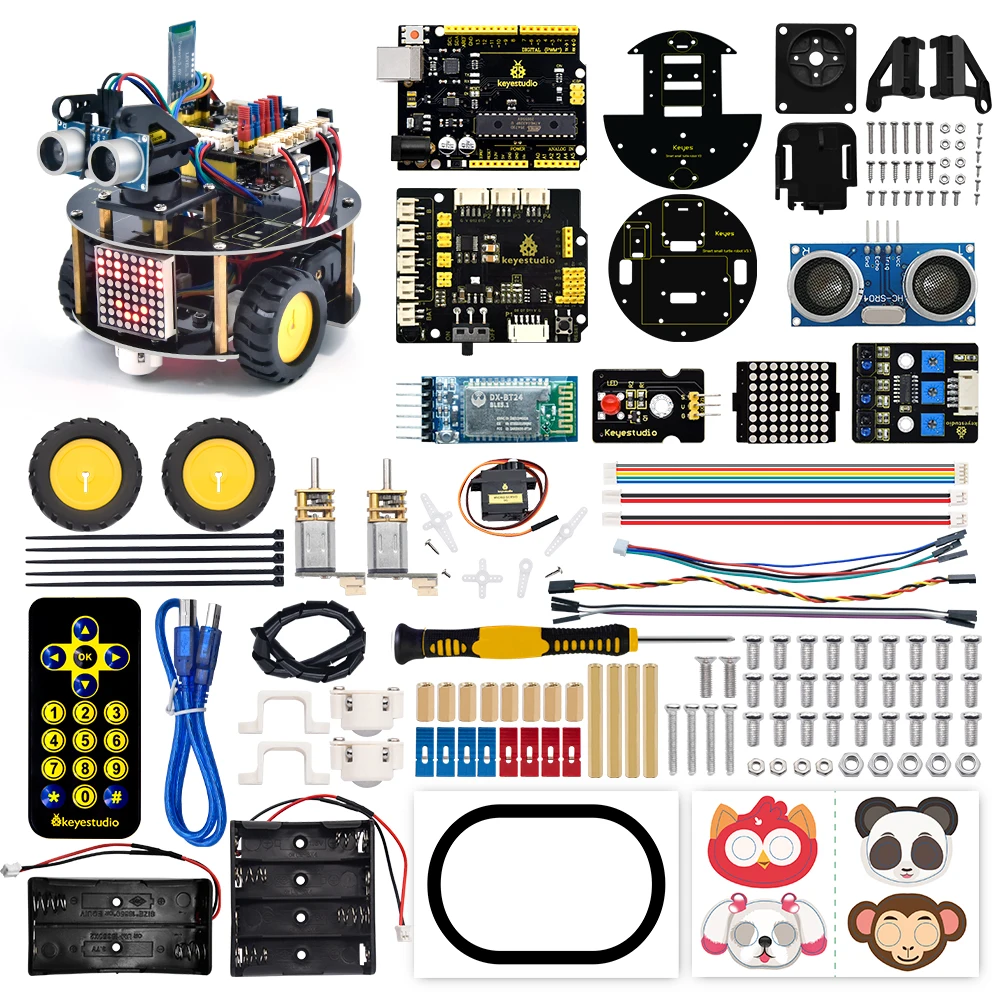
- Servo motor
- Connectivity: Expandable for IoT applications
- Assembly: DIY modular system
🟢 3. Subjects Covered (Detailed)
⚡ Electronics & Circuit Design
- Understanding components and circuit connections
- Learning voltage, current, and resistance
- Building functional electronic systems
💻 Programming (Scratch + Arduino)
- Visual programming with Scratch for beginners
- Text-based programming using Arduino C/C++
- Learning:
- Logic (if/else)
- Loops
- Functions
🌐 Internet of Things (IoT)
- Introduction to connected devices
- Understanding smart systems
- Building automation projects
🔍 Sensor Technology
- Measuring distance, temperature, sound, and light
- Learning how sensors collect data
- Converting physical input into digital signals
🤖 Automation & Embedded Systems
- Creating automatic responses
- Designing smart devices
- Integrating sensors and outputs
🟢 4. Activities Performed (Detailed)
🔧 Circuit Building
- Connecting electronic components
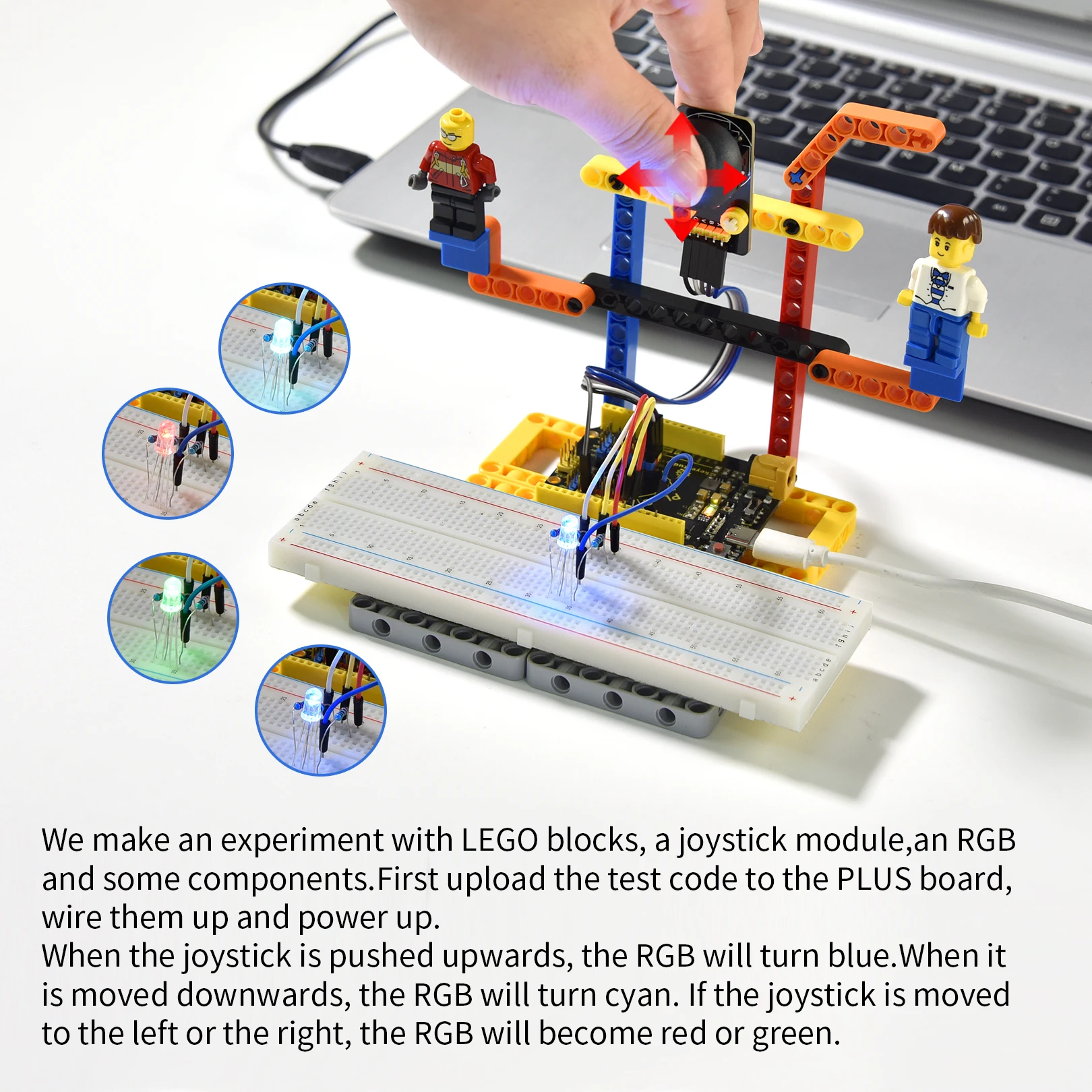
- Building working circuits
- Understanding system architecture
💡 LED & Output Projects
- LED blinking and patterns
- Display-based systems
- Visual output creation
📟 Display & Interface Projects
- Showing data on LCD screens
- Using 7-segment displays
- Creating user interfaces
🌡️ Sensor-Based Projects
- Measuring environmental data
- Detecting motion, sound, and distance
- Real-time monitoring
🎮 Interactive Systems
- Using buttons and remote control
- Creating input/output interactions
- Designing interactive devices
⚙️ Motor Control Projects
- Controlling servo motors
- Creating movement-based systems
- Learning PWM control
🧪 Experimentation & Custom Projects
- Combining modules
- Creating new designs
- Testing configurations
🛠️ Debugging & Optimization
- Fixing wiring issues
- Debugging code
- Improving system performance
🟢 5. Benefits for Students & Teachers
👨🎓 Students:
- Learn electronics and coding through hands-on projects
- Build real-world systems and applications
- Improve problem-solving and logical thinking
- Smooth learning path from beginner to intermediate
👩🏫 Teachers:
- Complete STEM teaching solution
- Supports project-based learning (PBL)
- Covers multiple subjects in one kit
- Easy to integrate into classroom activities