Arduino Sensor Kit
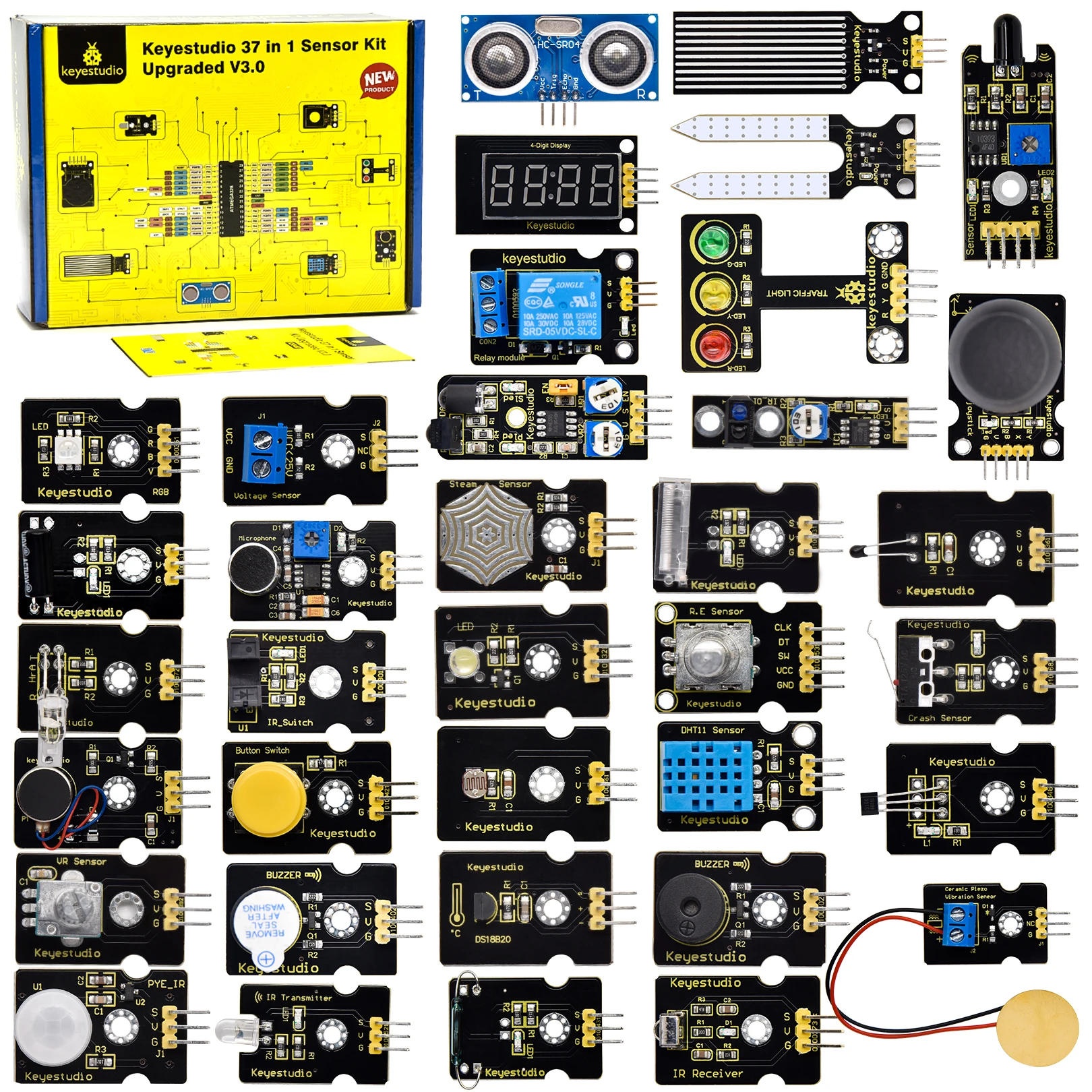
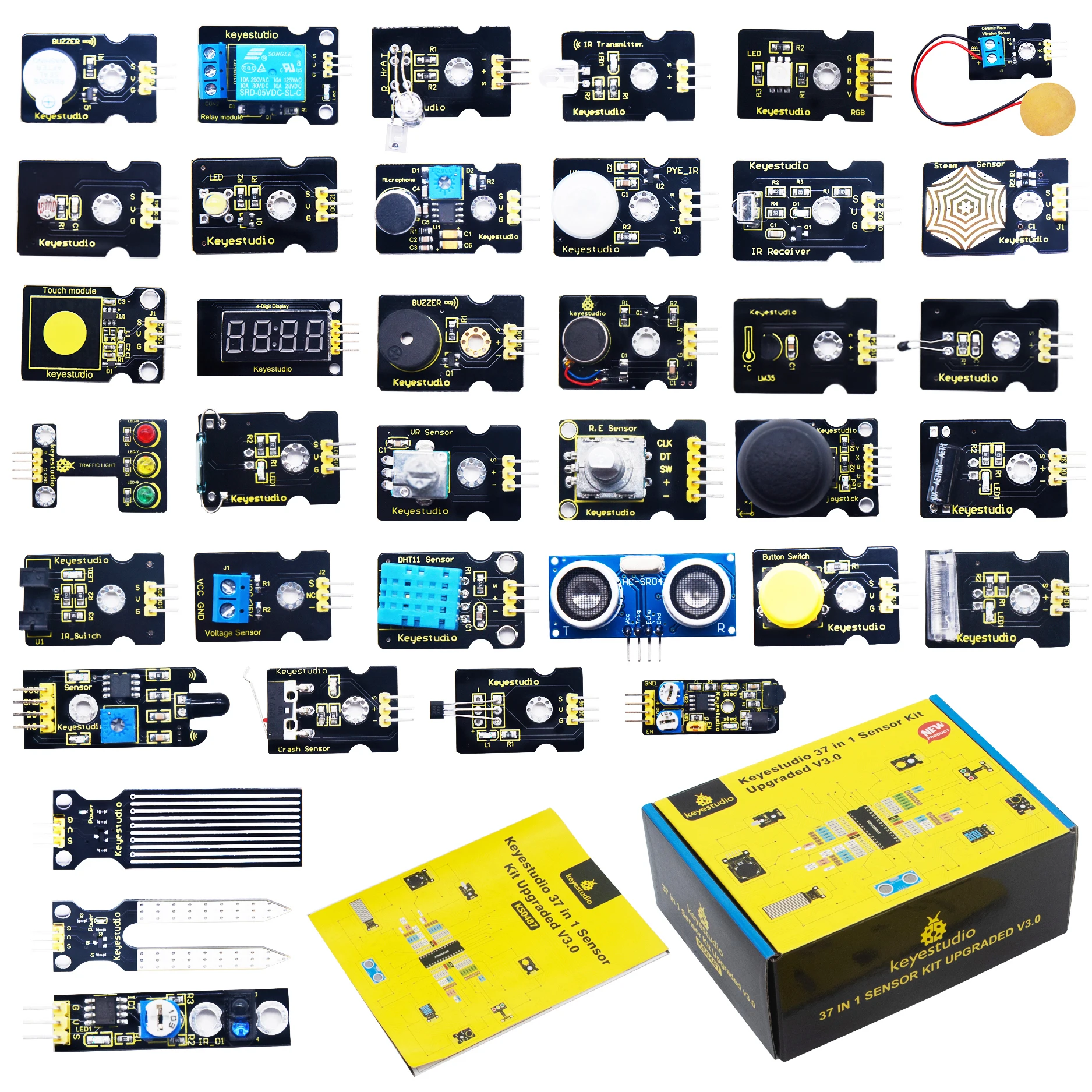
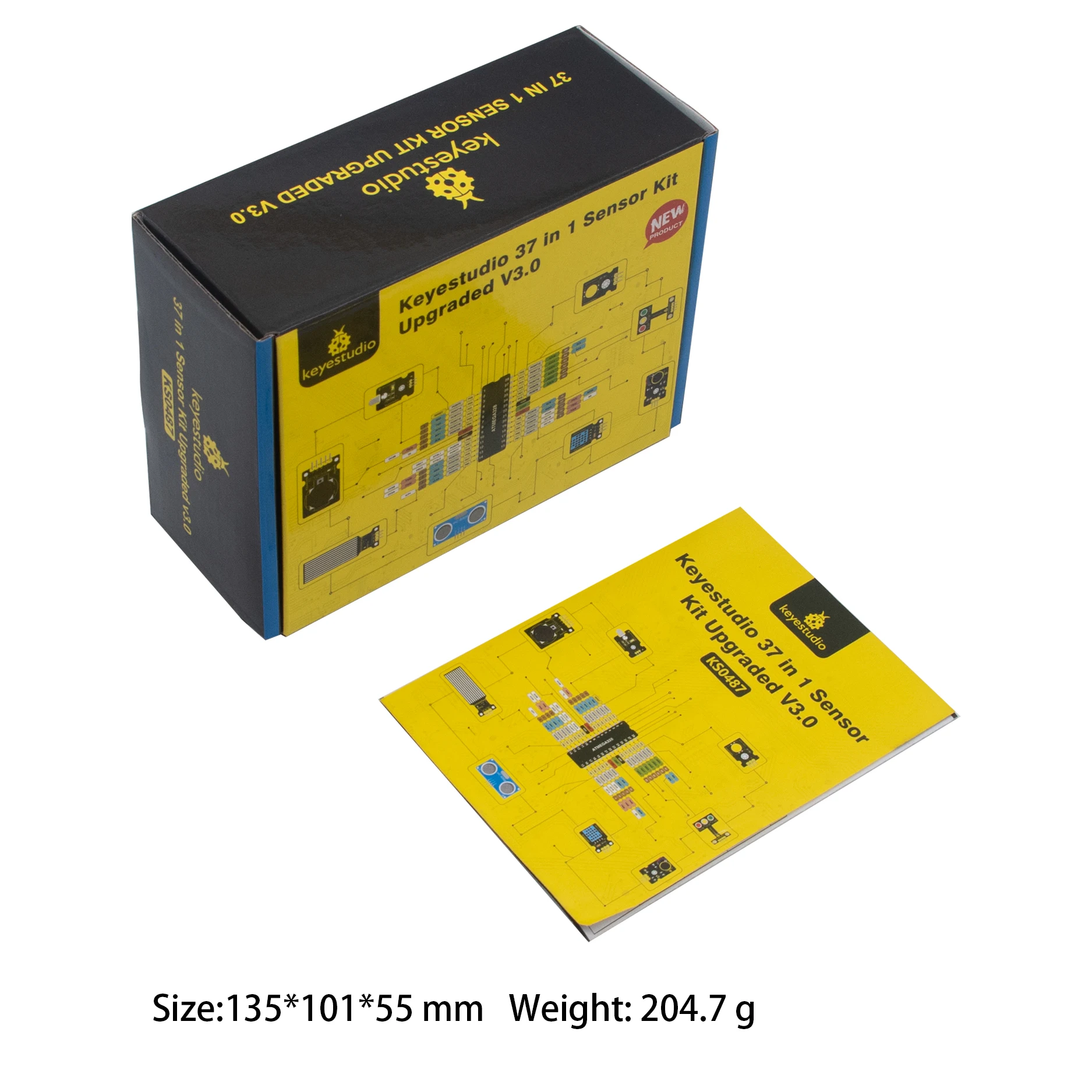
is a comprehensive STEM learning toolkit designed to help learners explore electronics, programming, and sensor technology through hands-on experimentation.
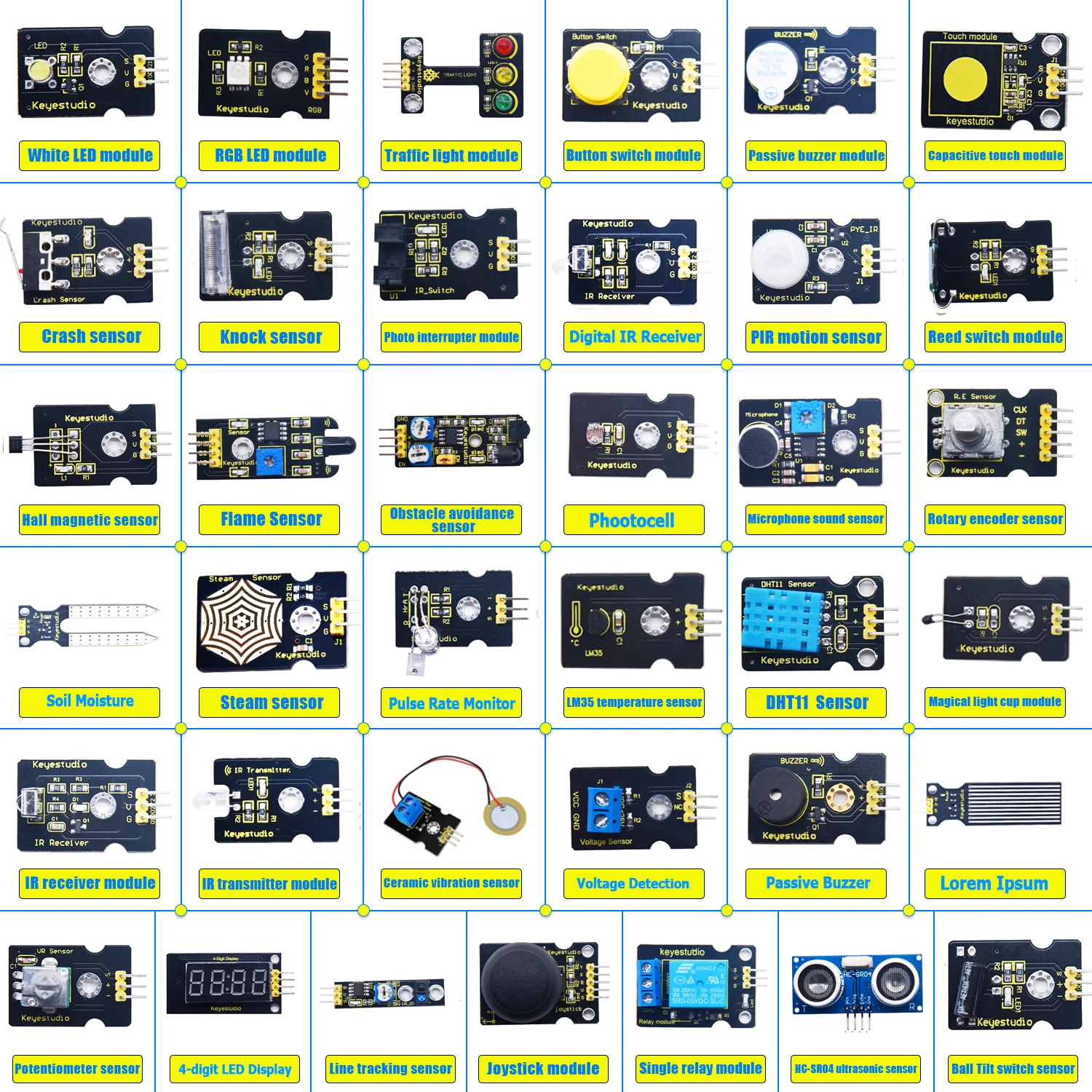
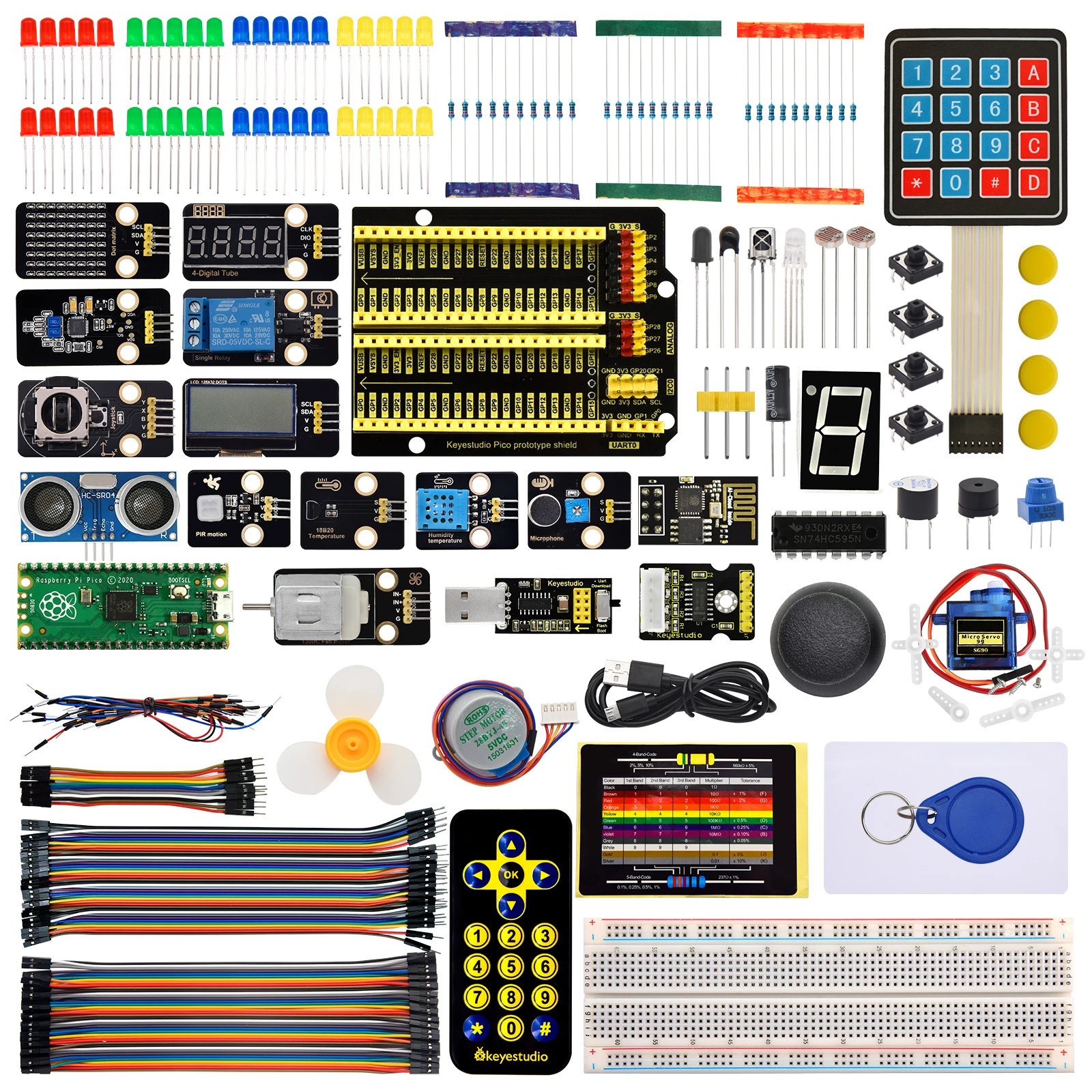
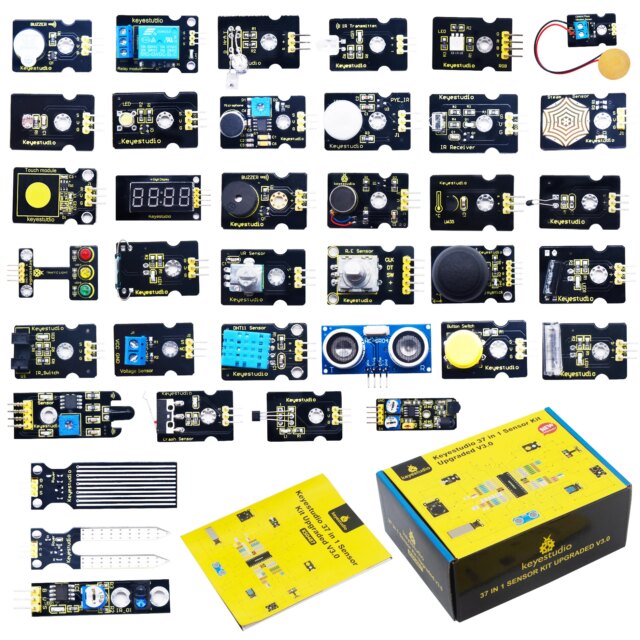
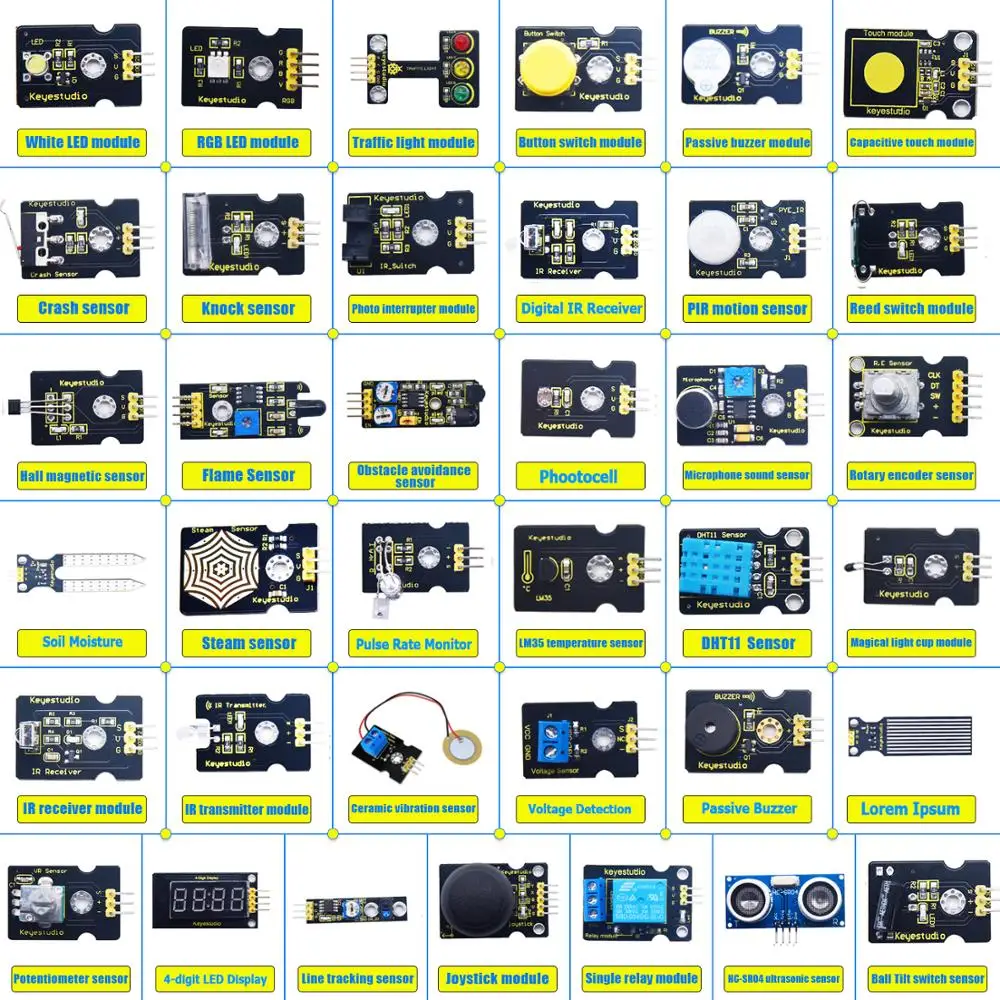
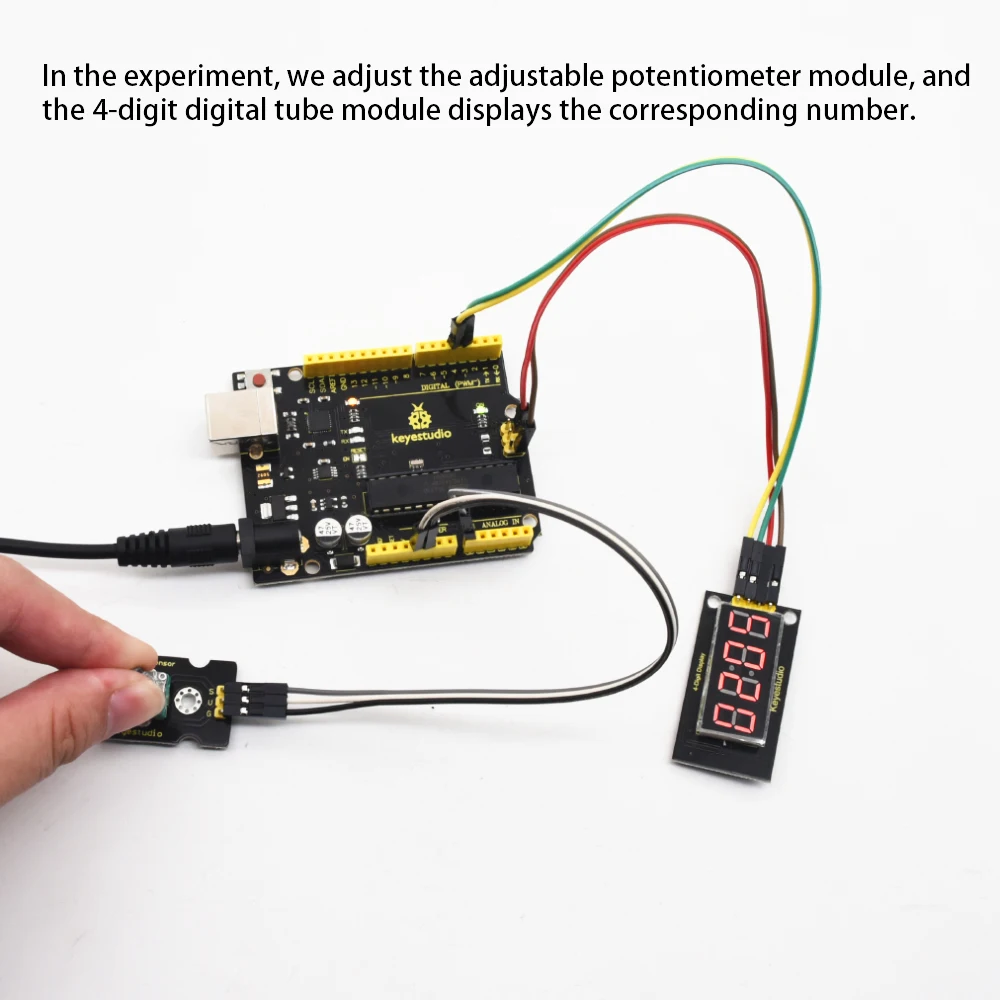
This kit includes 37 different sensor modules, ranging from basic components like LEDs and buttons to advanced modules such as ultrasonic sensors, motion detectors, and temperature systems. It allows users to build interactive projects and understand how real-world electronic systems operate.
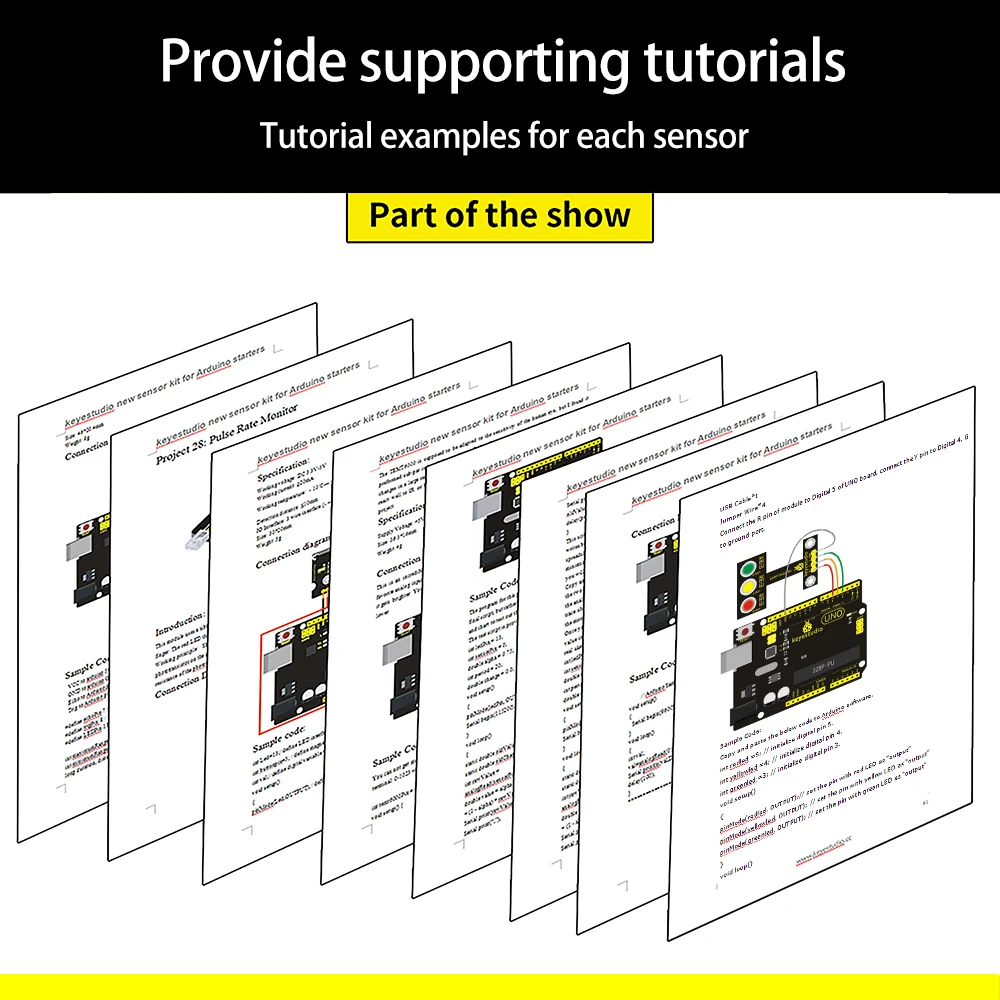
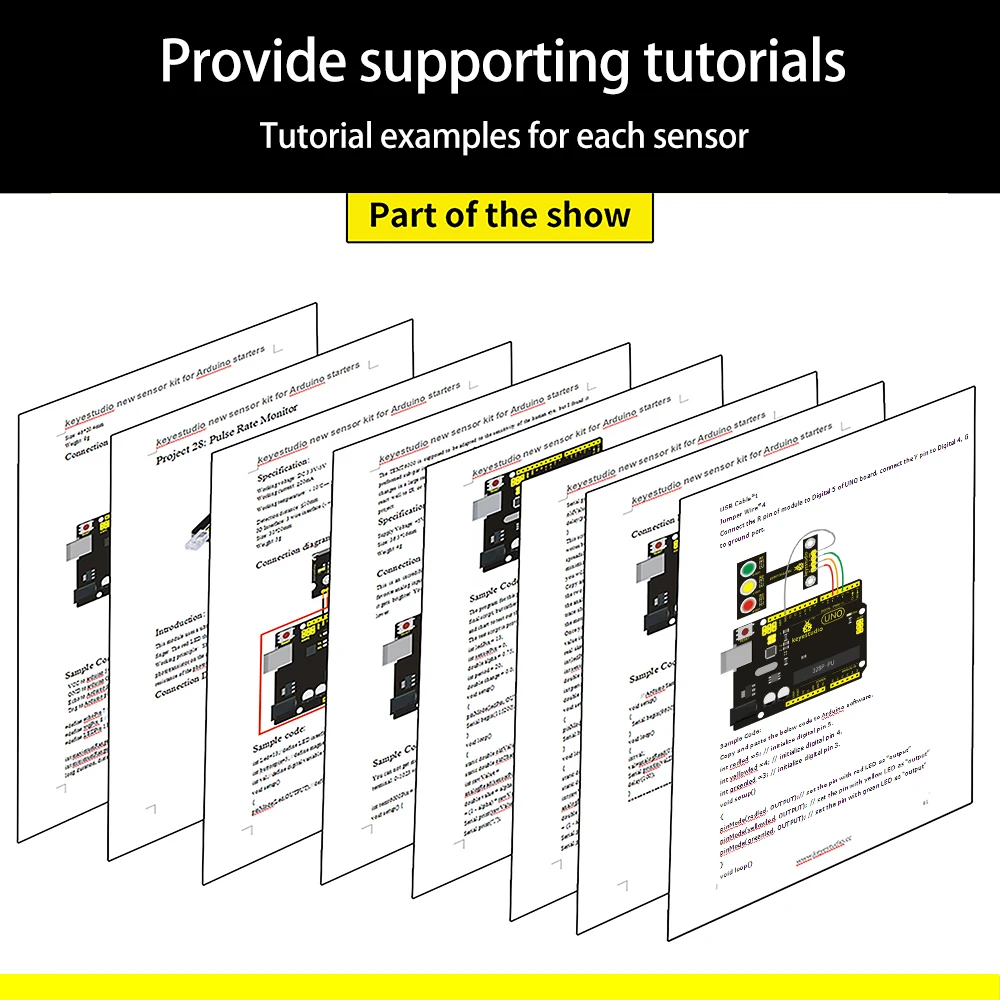
With plug-and-play modules and sample codes, learners can quickly start building projects without soldering, making it ideal for beginners and advanced users alike.
🚀 Key Features
- 37 different sensor modules in one kit
- Compatible with Arduino, Raspberry Pi, and other platforms
- Plug-and-play design (no soldering required)
- Includes digital & analog sensors
- Ideal for experimentation and project-based learning
- Supports multiple STEM applications
👉 Perfect for students, educators, makers, and electronics enthusiasts.
🟢 Product Specifications
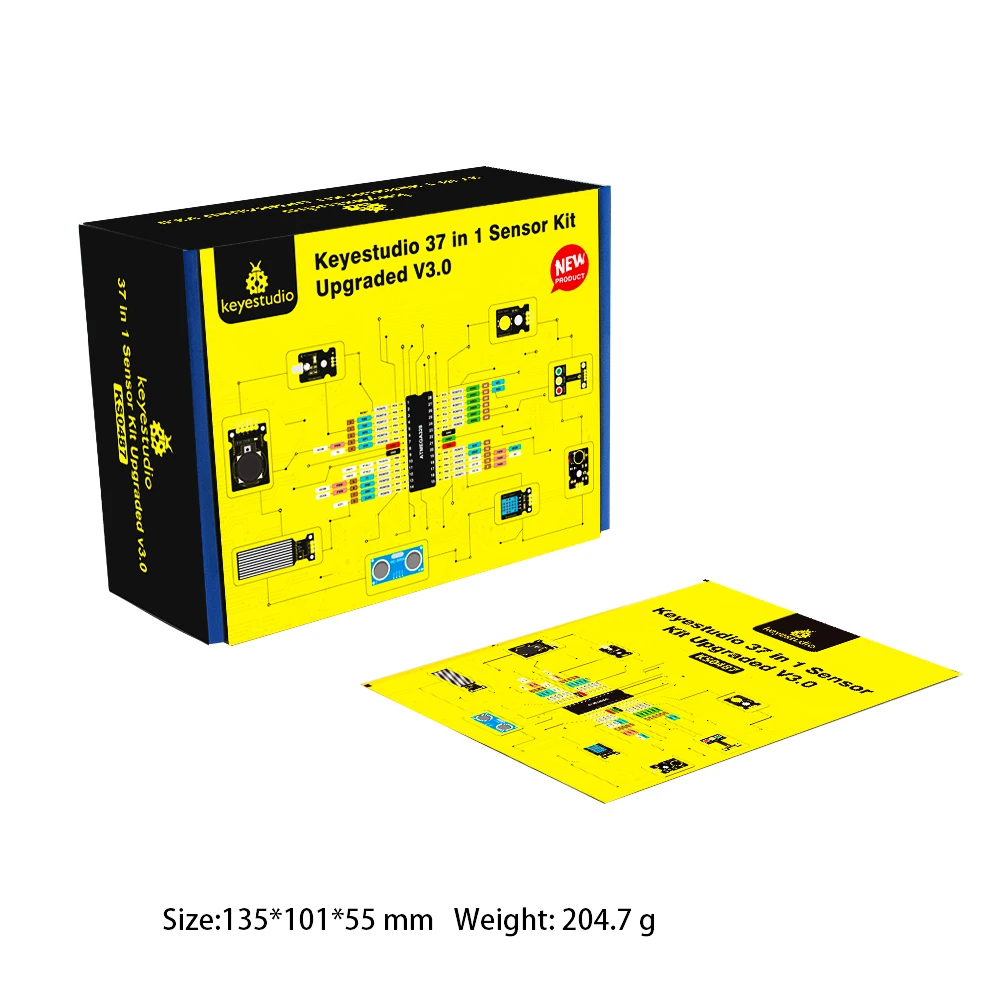
- Kit Type: 37-in-1 Sensor Module Kit
- Compatibility: Arduino UNO, MEGA, Nano, Raspberry Pi
- Programming: Arduino IDE (C/C++), Python
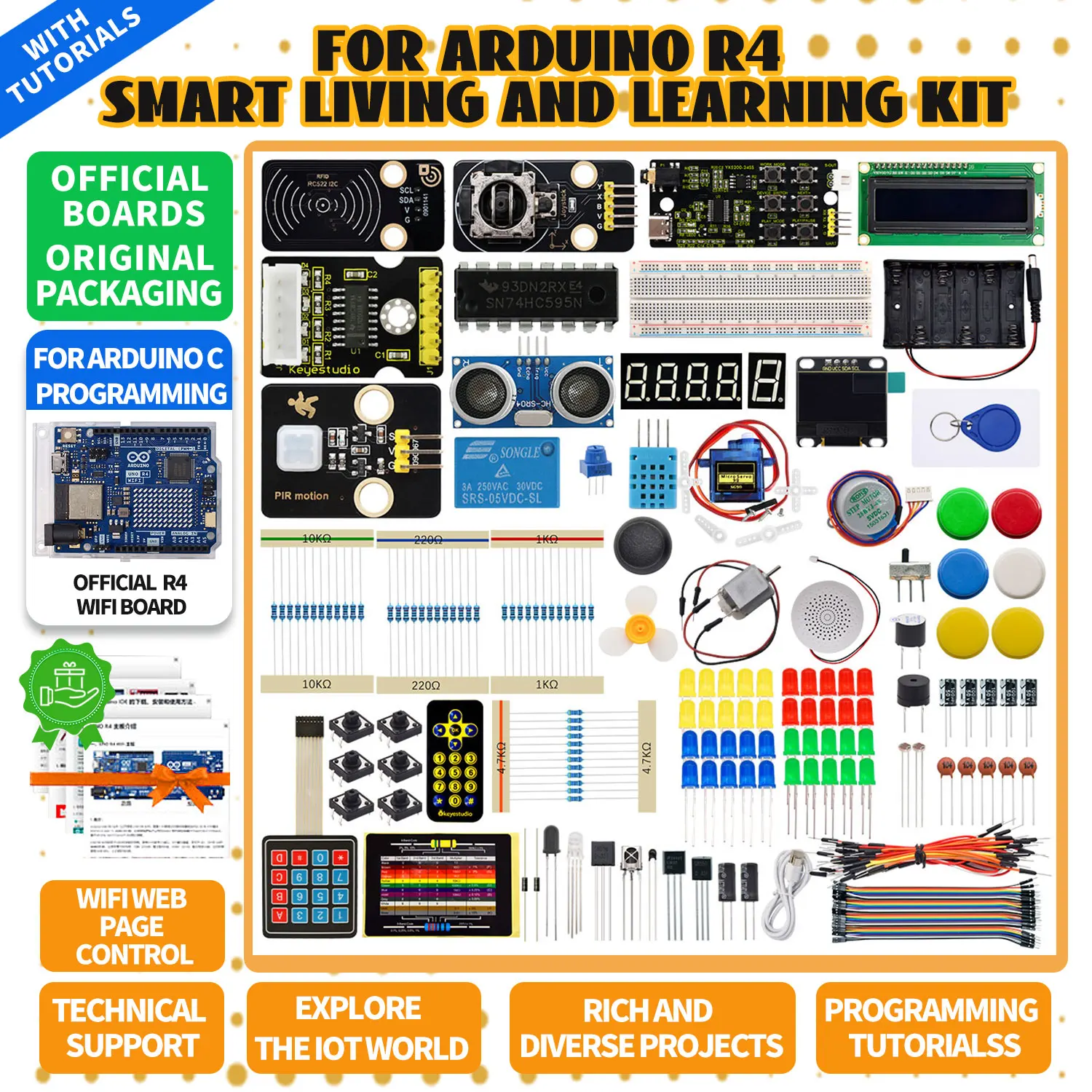
- Included Modules:
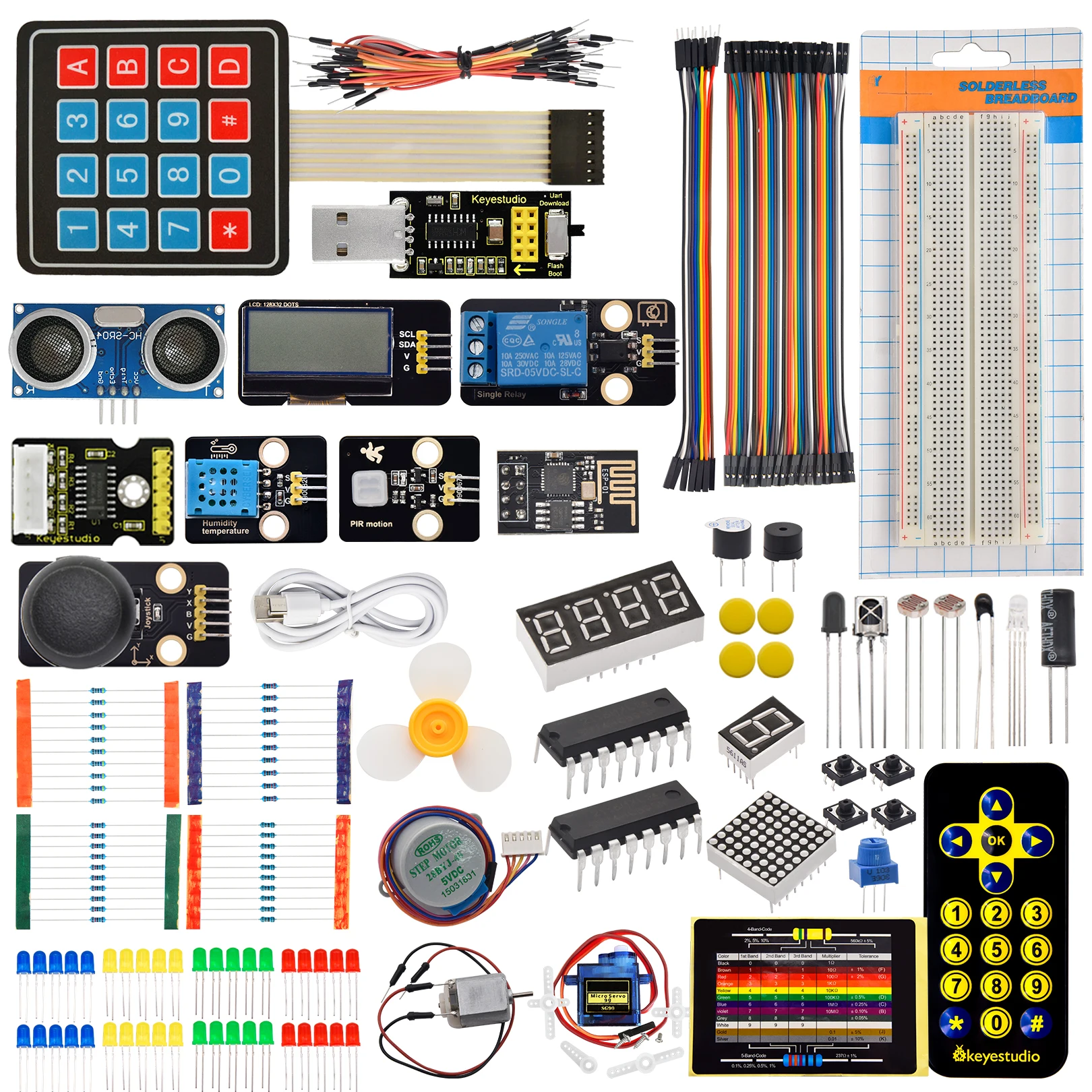
- Ultrasonic sensor
- Temperature & humidity sensor
- Light sensor (photoresistor)
- Sound sensor
- Motion sensor (PIR)
- Relay module
- Joystick module
- LED modules (various types)
- Buzzer modules
- Rotary encoder
- Infrared transmitter/receiver
- Signal Type: Digital & Analog
- Assembly: Plug-and-play modules
- Controller Board: ❌ Not included
📌 This kit includes 37 commonly used sensor modules and supports multiple platforms for development
🟢 3. Subjects Covered (Detailed)
⚡ Electronics & Sensor Systems
- Understanding how sensors detect environmental changes
- Learning analog vs digital signals
- Studying circuit connections and modules
💻 Programming & Embedded Systems
- Writing code to read sensor data
- Controlling outputs based on conditions
- Learning logic:
- If/Else
- Loops
- Functions
🌐 Internet of Things (IoT)
- Using sensors for real-time data collection
- Integrating sensors into smart systems
- Understanding connected devices
🤖 Robotics & Automation
- Using sensors to trigger actions
- Designing automated systems
- Building smart responses
📊 Data Collection & Analysis
- Gathering environmental data
- Interpreting sensor outputs
- Learning calibration and thresholds
🟢 4. Activities Performed (Detailed)
🔧 Circuit Building & Sensor Integration
- Connecting sensors to microcontrollers
- Building functional circuits
- Understanding system architecture
🌡️ Environmental Monitoring Projects
- Measuring temperature, humidity, and light
- Detecting sound and motion
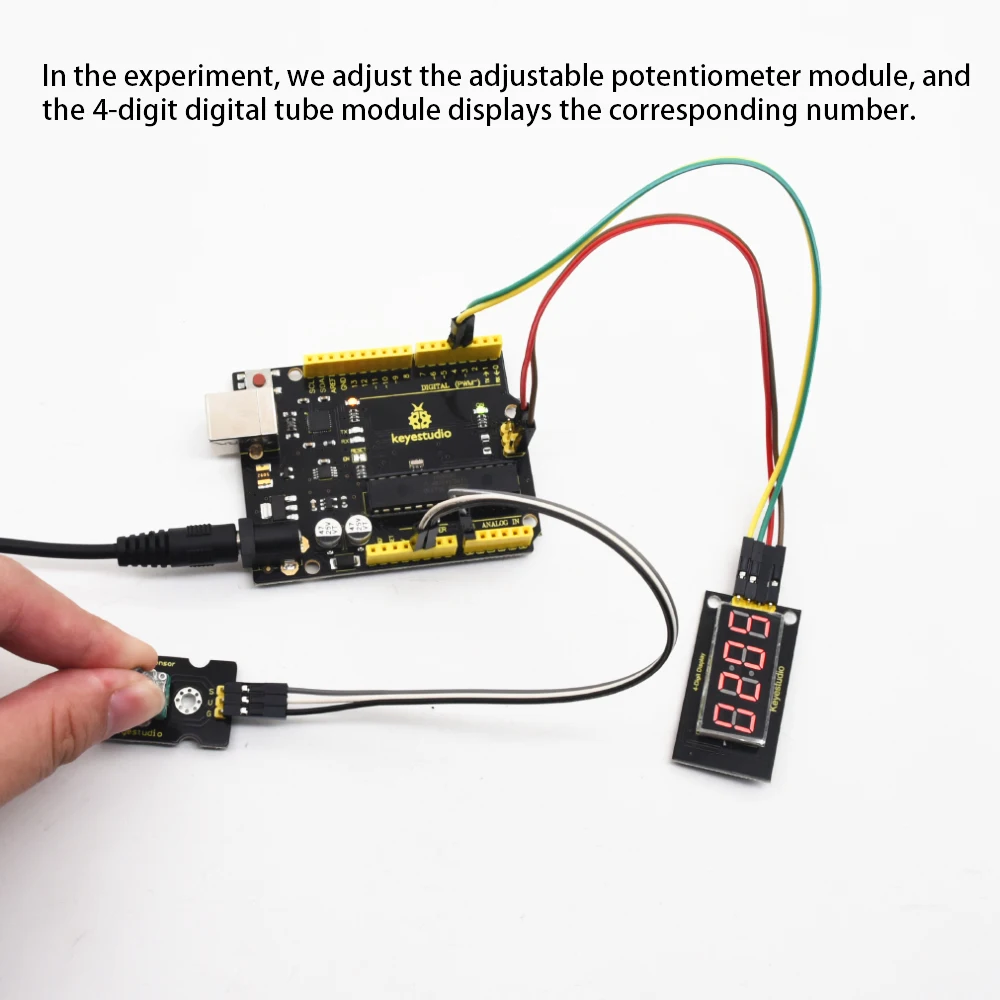
- Displaying real-time data
🚨 Smart Detection & Alarm Systems
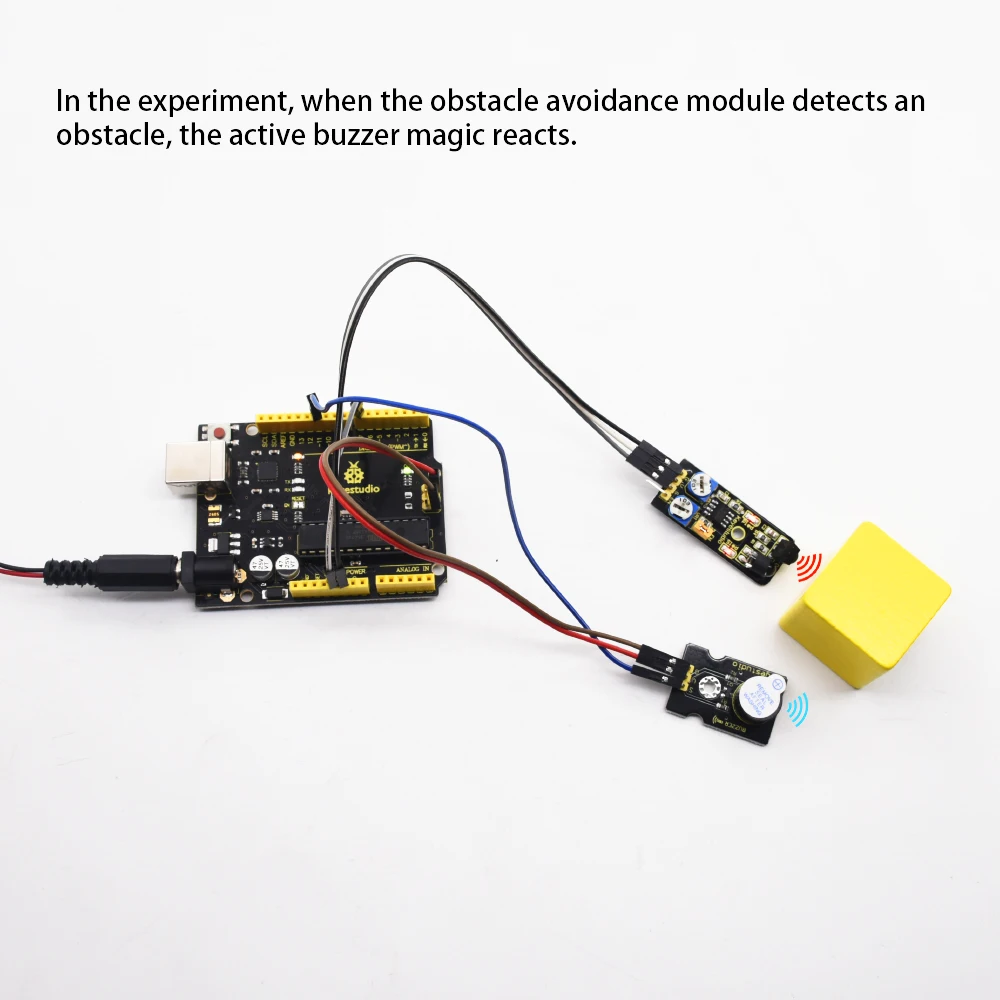
- Motion detection alarms
- Sound-triggered systems
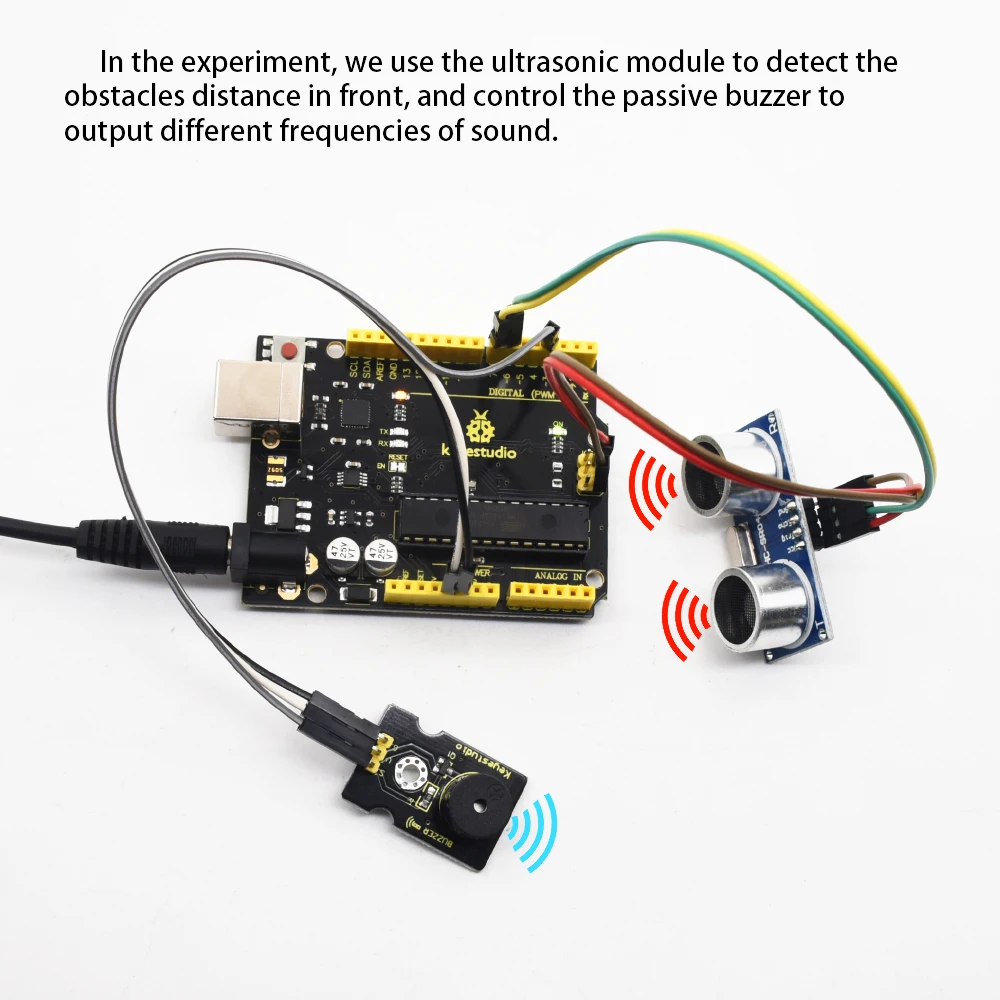
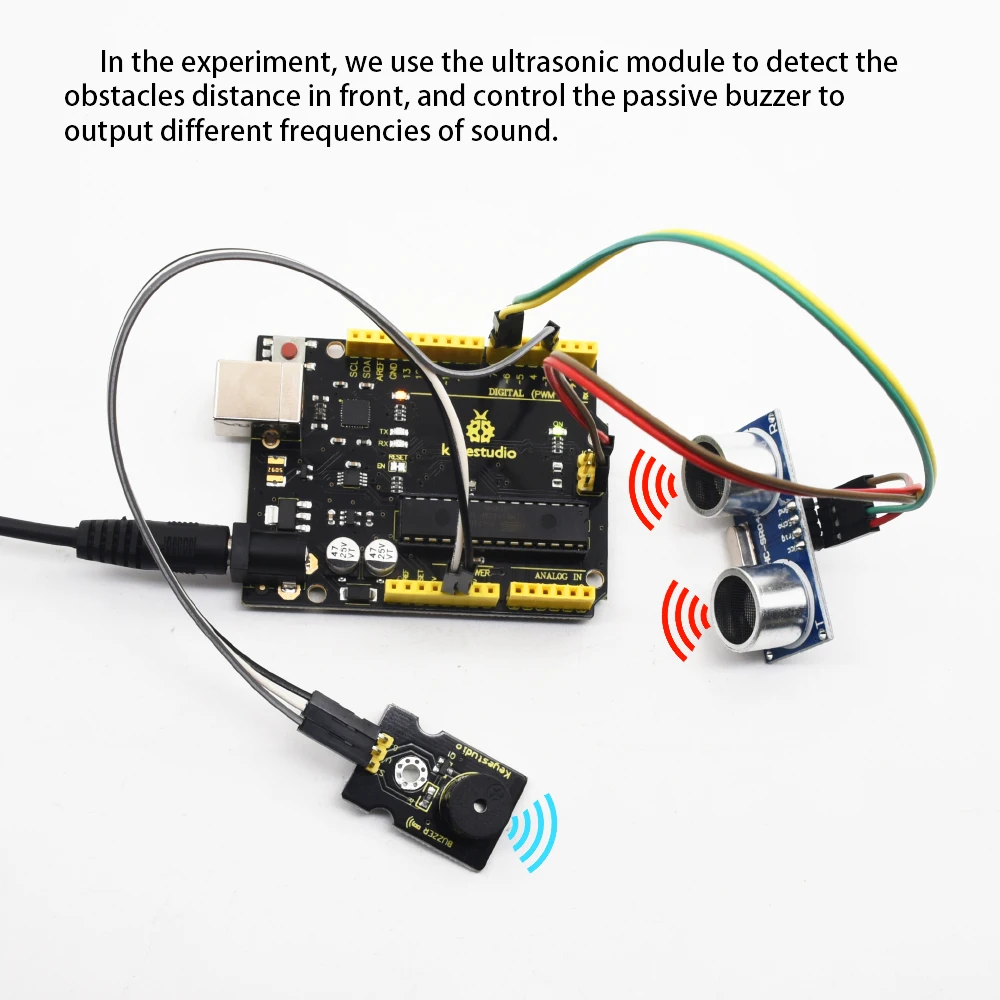
- Obstacle detection using ultrasonic sensors
💡 Automation Projects
- Automatic lighting systems
- Relay-controlled devices
- Smart switching systems
🎮 Interactive Control Systems
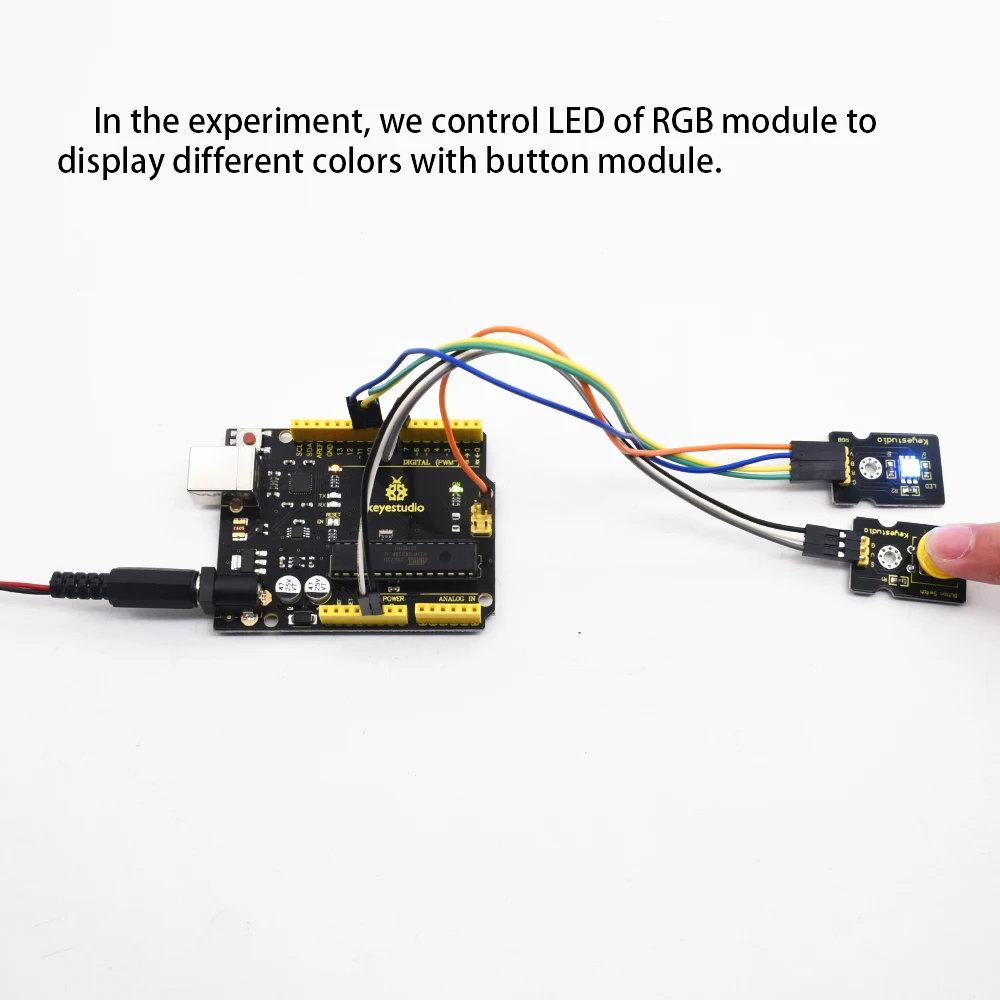
- Using joystick and buttons
- Creating user-controlled devices
- Designing interactive electronics
📡 IoT & Smart Device Prototyping
- Sending sensor data to systems
- Creating connected smart applications
- Simulating real IoT solutions
🧪 Experimentation & Exploration
- Testing different sensors
- Comparing outputs
- Building custom projects
🛠️ Debugging & Optimization
- Fixing wiring issues
- Troubleshooting code
- Improving system performance
🟢 5. Benefits for Students & Teachers
👨🎓 Students:
- Learn electronics through hands-on experimentation
- Develop coding and problem-solving skills
- Understand how real sensors work in modern technology
- Build foundation for robotics and IoT
👩🏫 Teachers:
- Excellent STEM teaching resource
- Supports project-based learning (PBL)
- Covers multiple subjects in one kit
- Easy to create experiments and lessons