Microbit basic starter kit for STEM learning
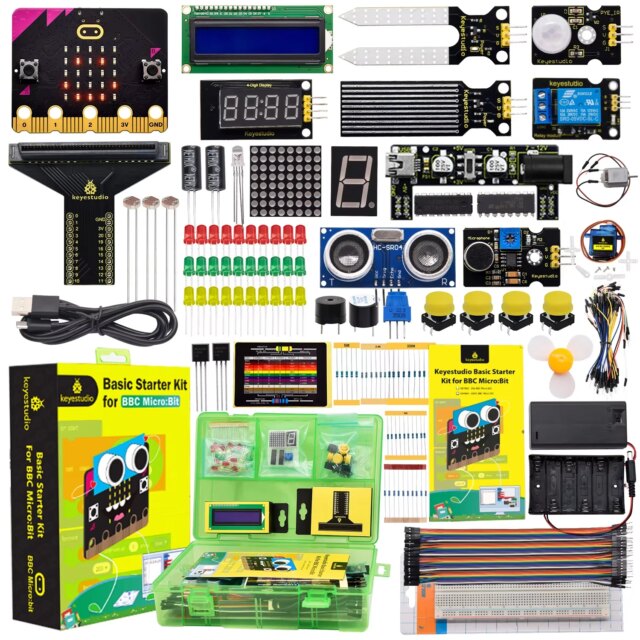
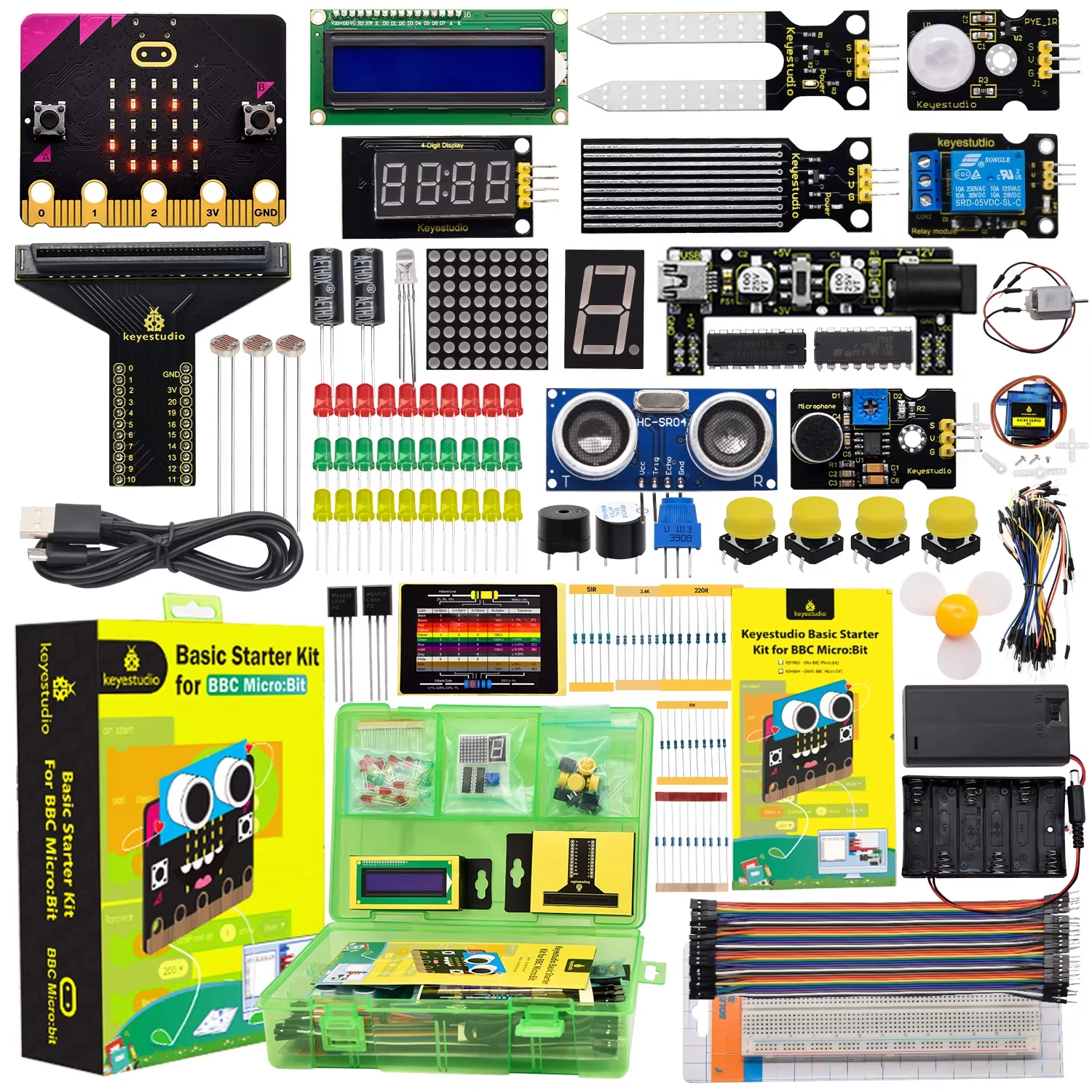
This Microbit V2 Basic Starter Kit offers a complete and beginner-friendly introduction to coding, electronics, and STEM learning. Designed for students and educators, the kit combines essential components with practical projects to build strong technical foundations.
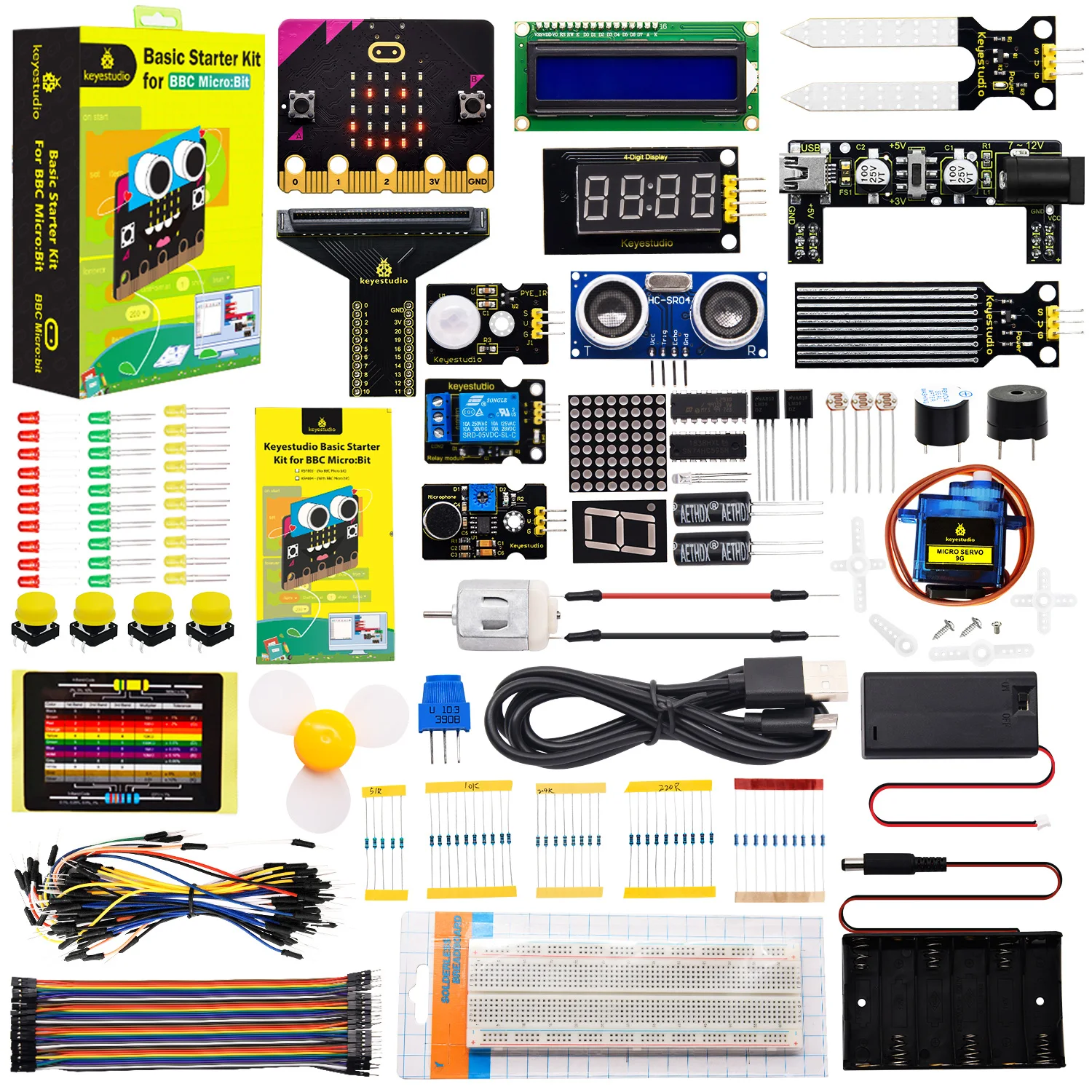
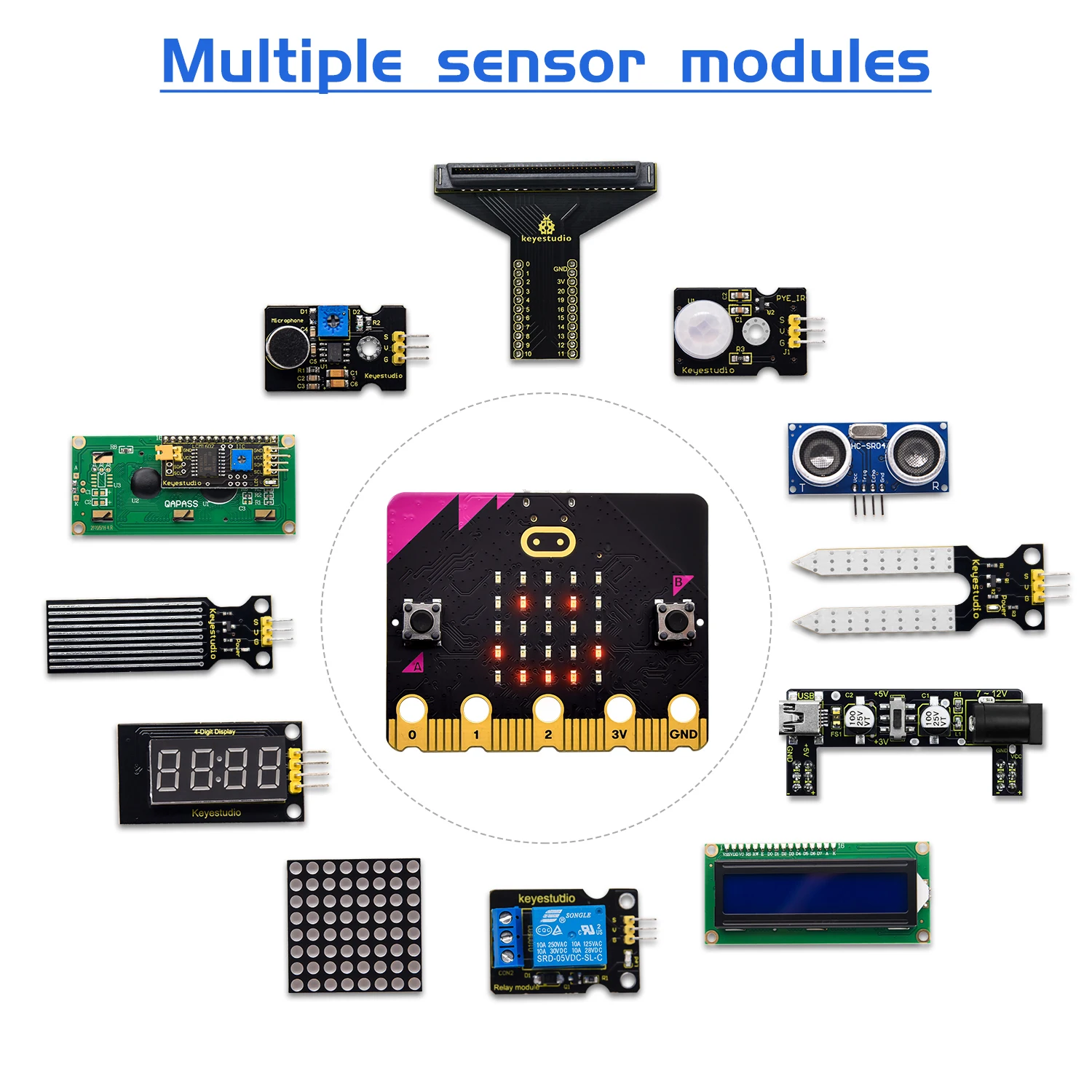
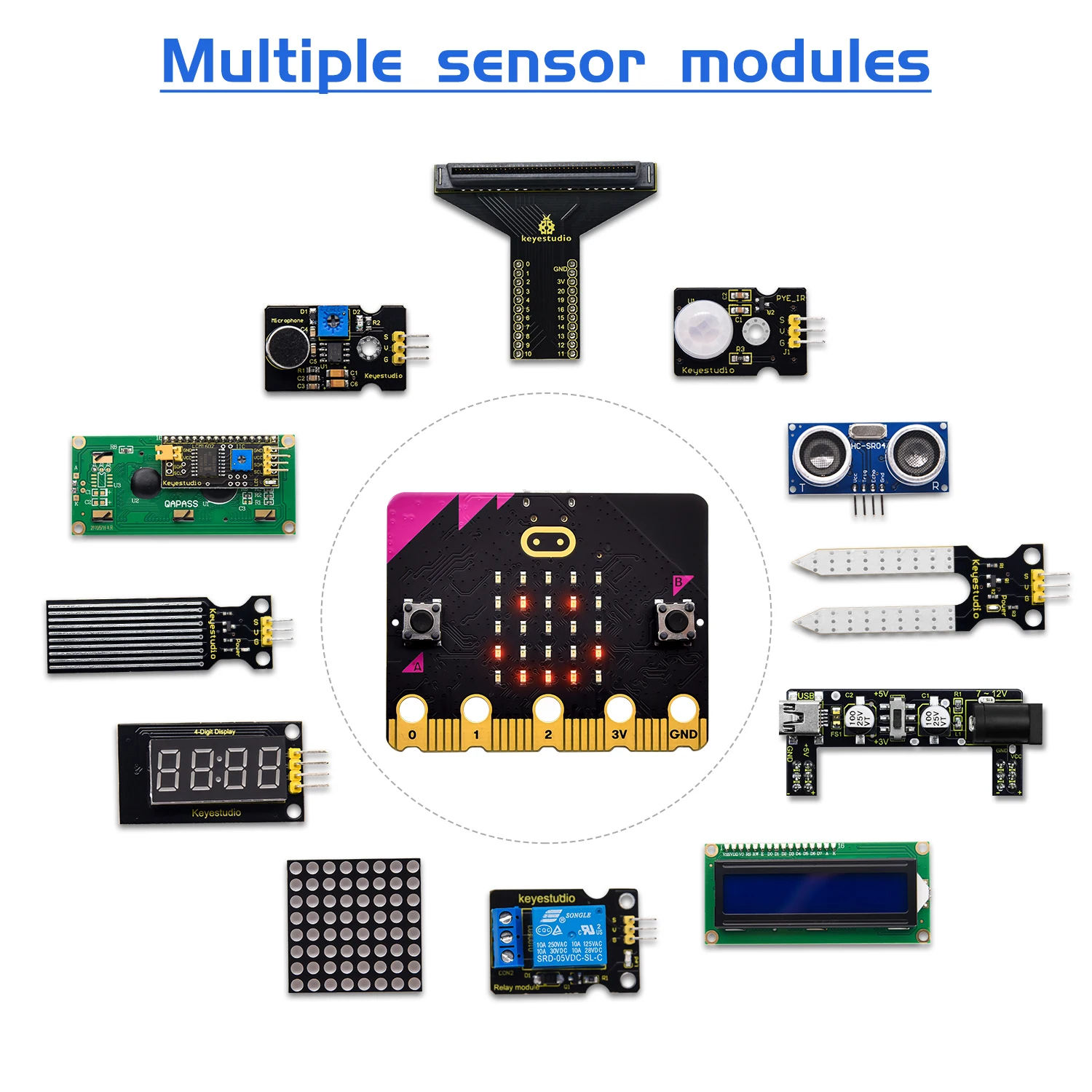
Moreover, the kit includes sensors, LEDs, and modules that allow users to explore real-world electronics applications. As a result, learners quickly understand how hardware interacts with software in a simple and engaging way.
In addition, the Microbit board provides built-in features such as Bluetooth connectivity, LED matrix display, compass, and accelerometer. Consequently, users can create interactive projects without needing additional complex hardware.
Furthermore, the kit supports MakeCode and MicroPython programming, enabling a smooth transition from visual coding to advanced programming. Therefore, it becomes an ideal solution for STEM classrooms, home learning, and beginner electronics projects.
✅ 3. Product Specifications
- Compatibility: BBC Microbit V2 (included in some versions)
- Programming: MakeCode, MicroPython, JavaScript
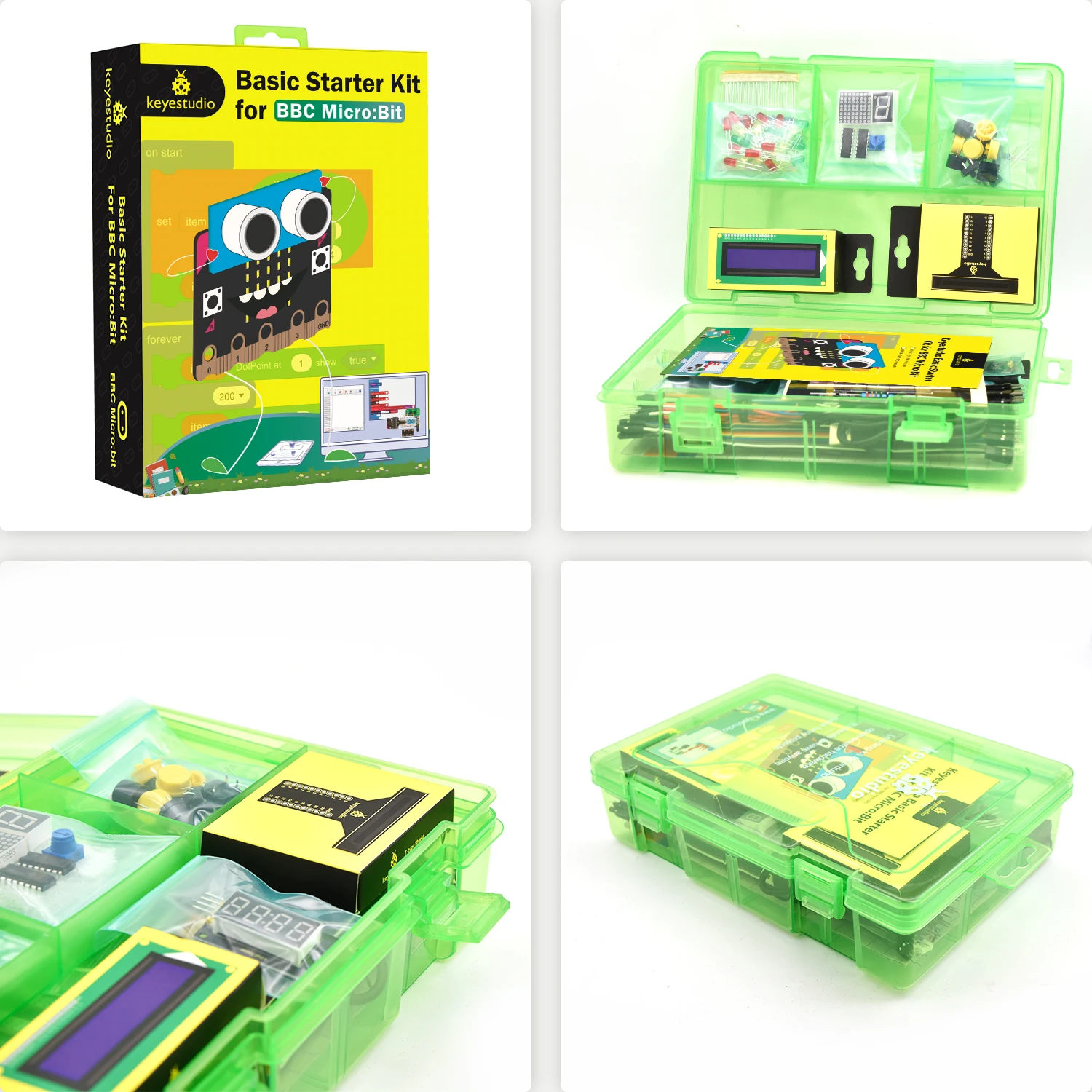
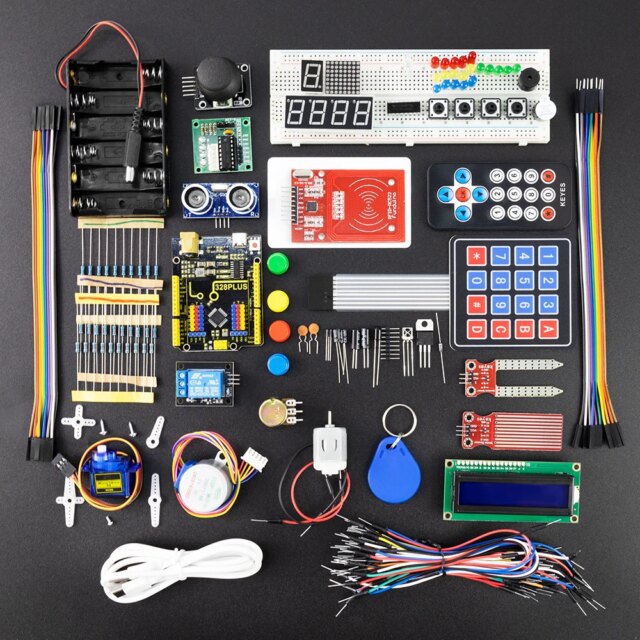
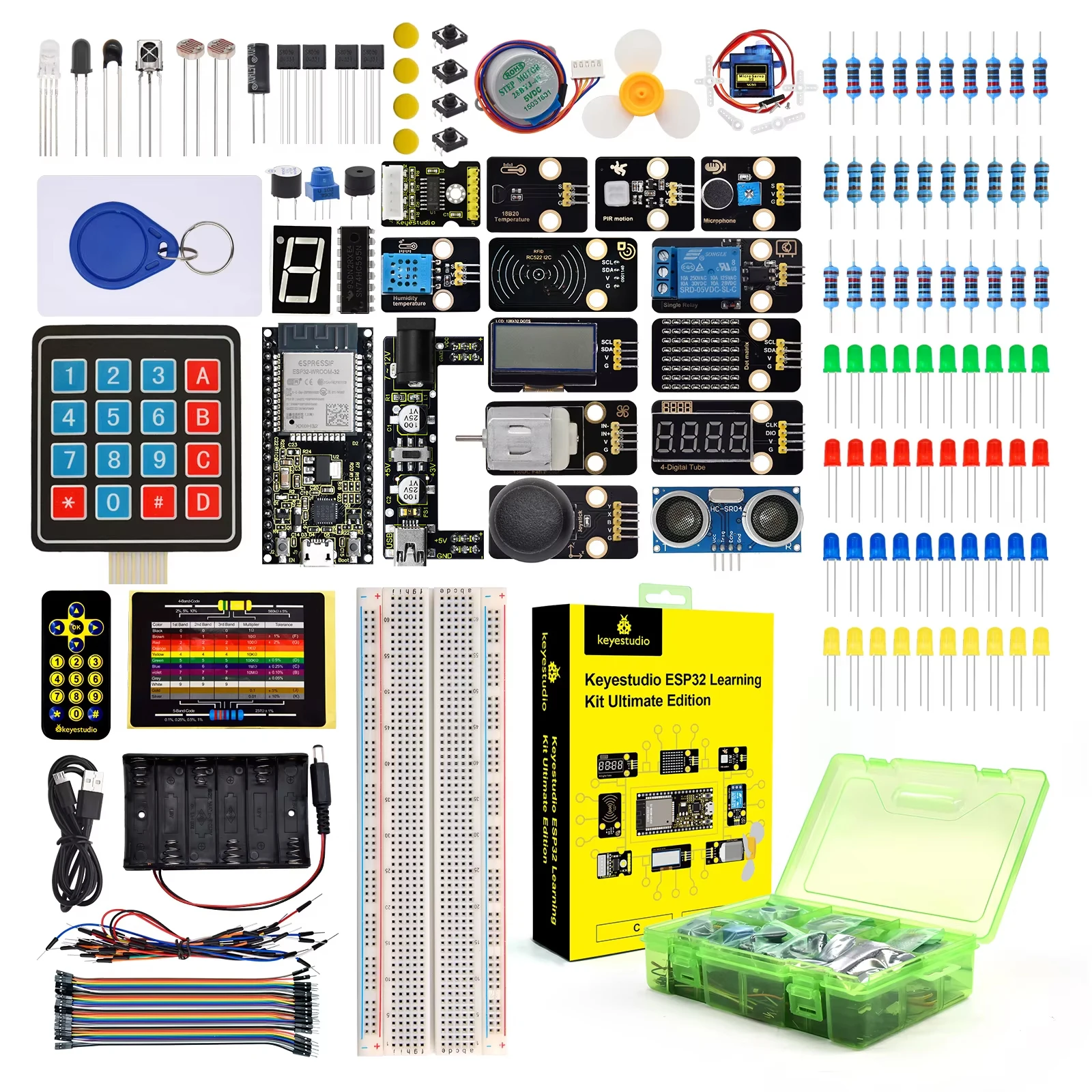
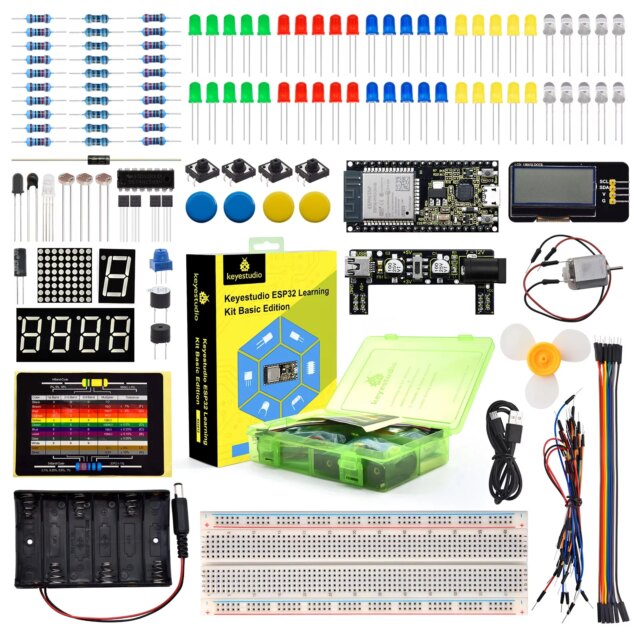
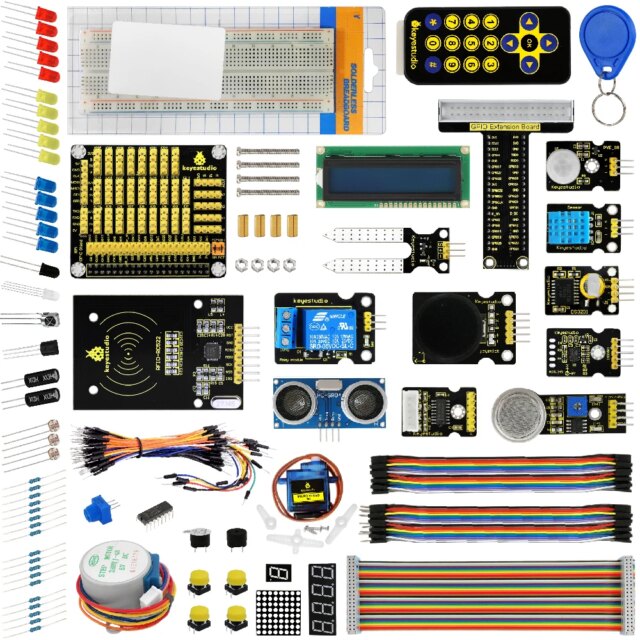
- Included Components:
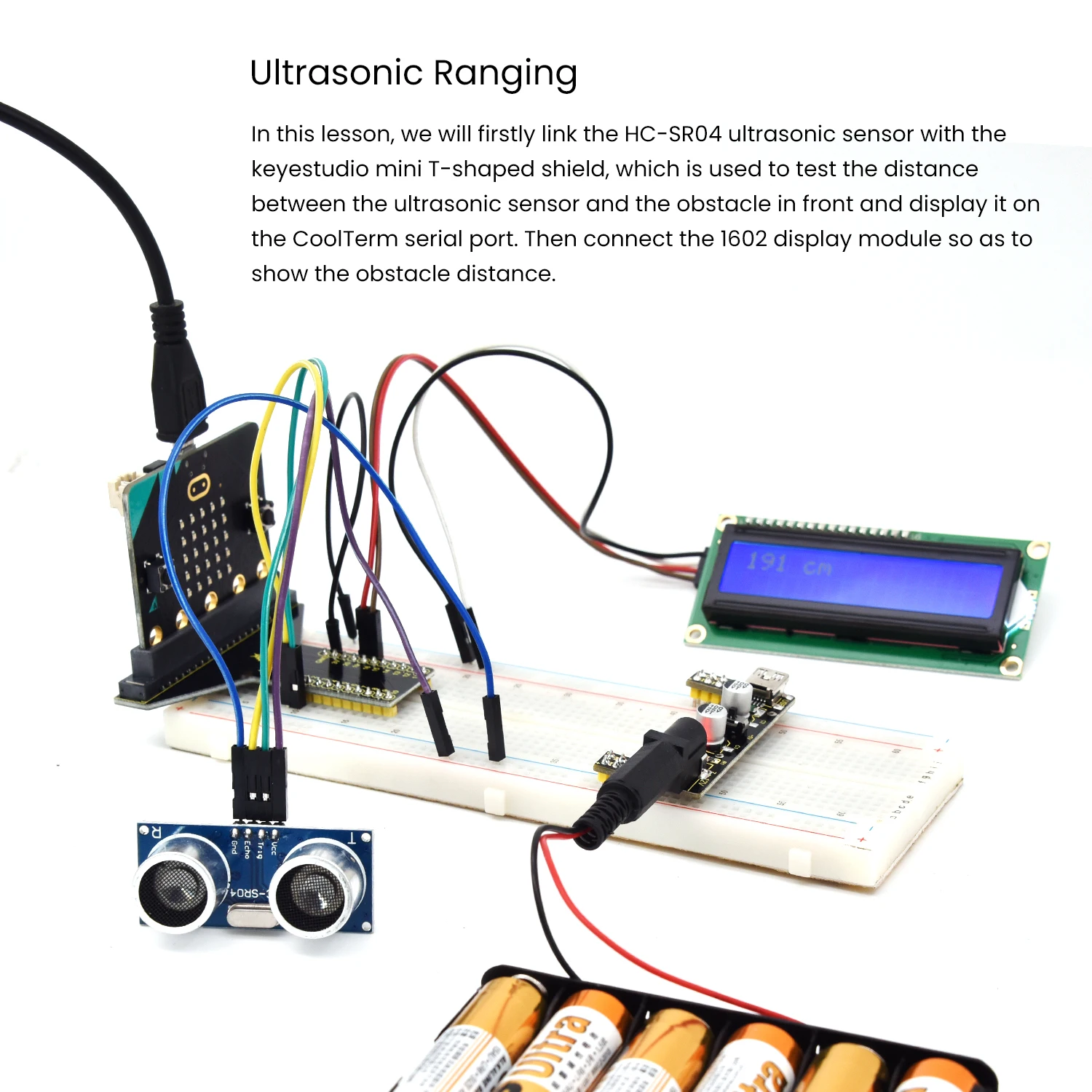
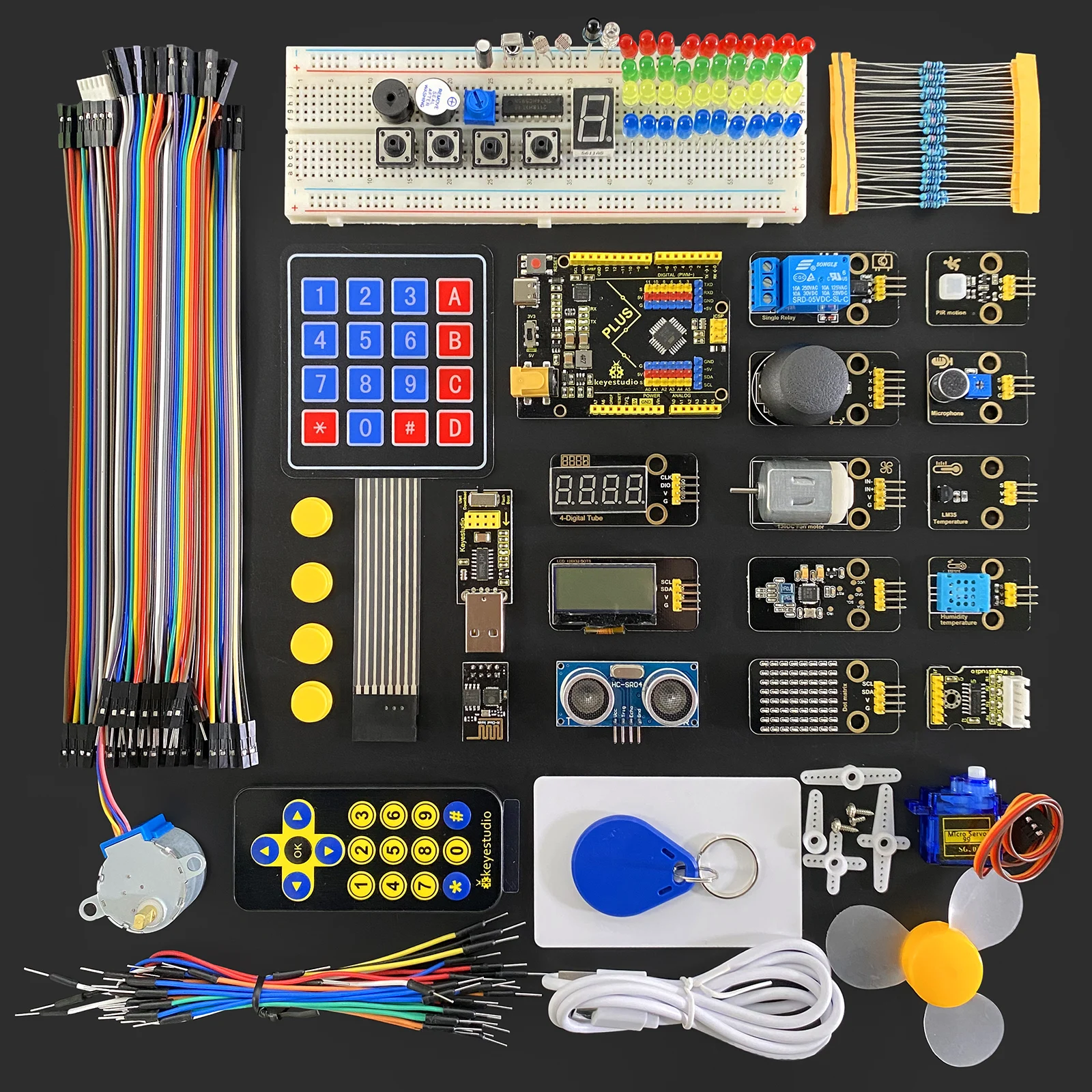
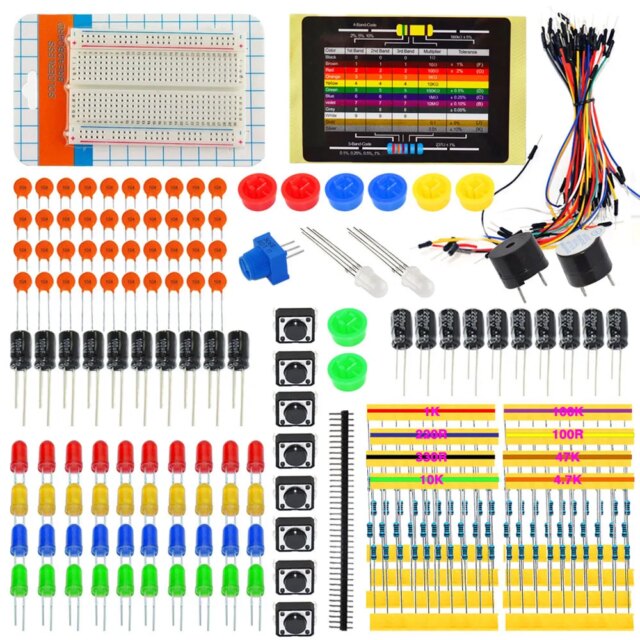
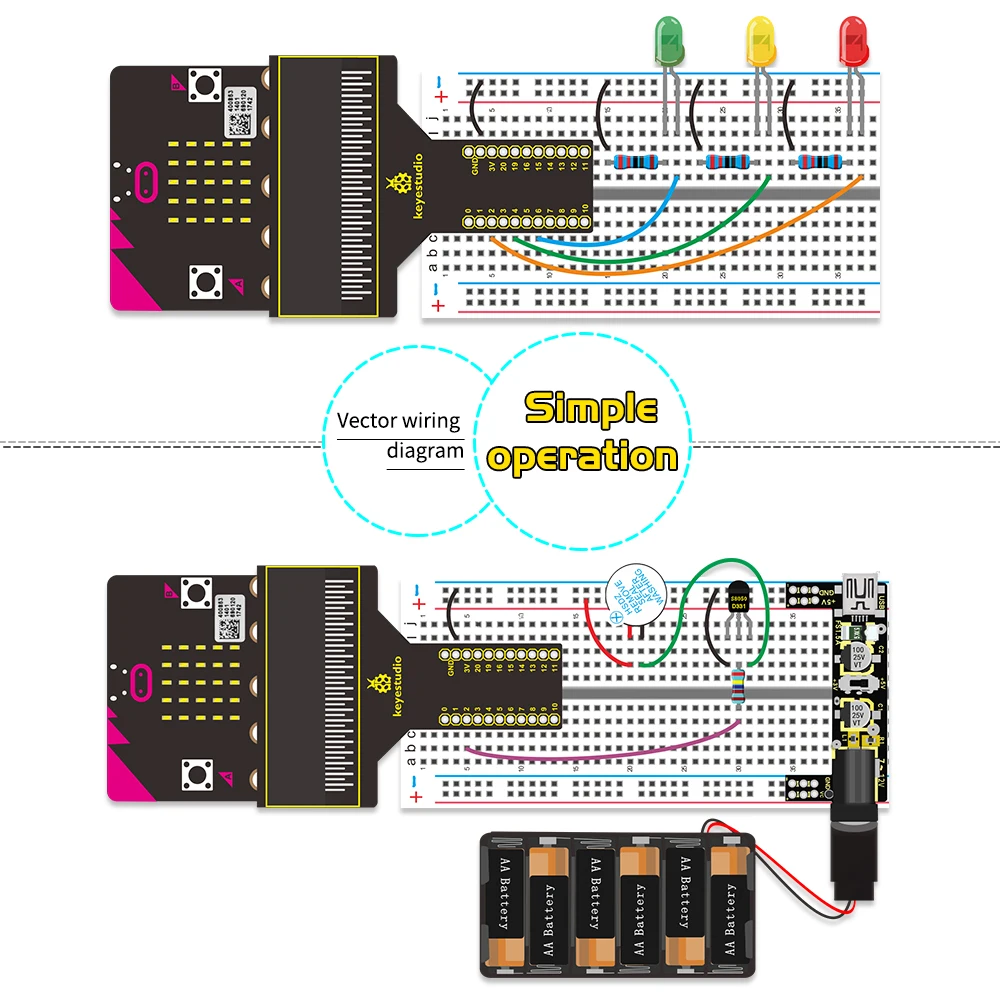
- Breadboard and jumper wires
- LED modules and resistors
- Sensors (light, temperature, motion)
- Buzzer and buttons
- Built-in Microbit Features:
- 5×5 LED matrix display
- Accelerometer and compass
- Bluetooth connectivity
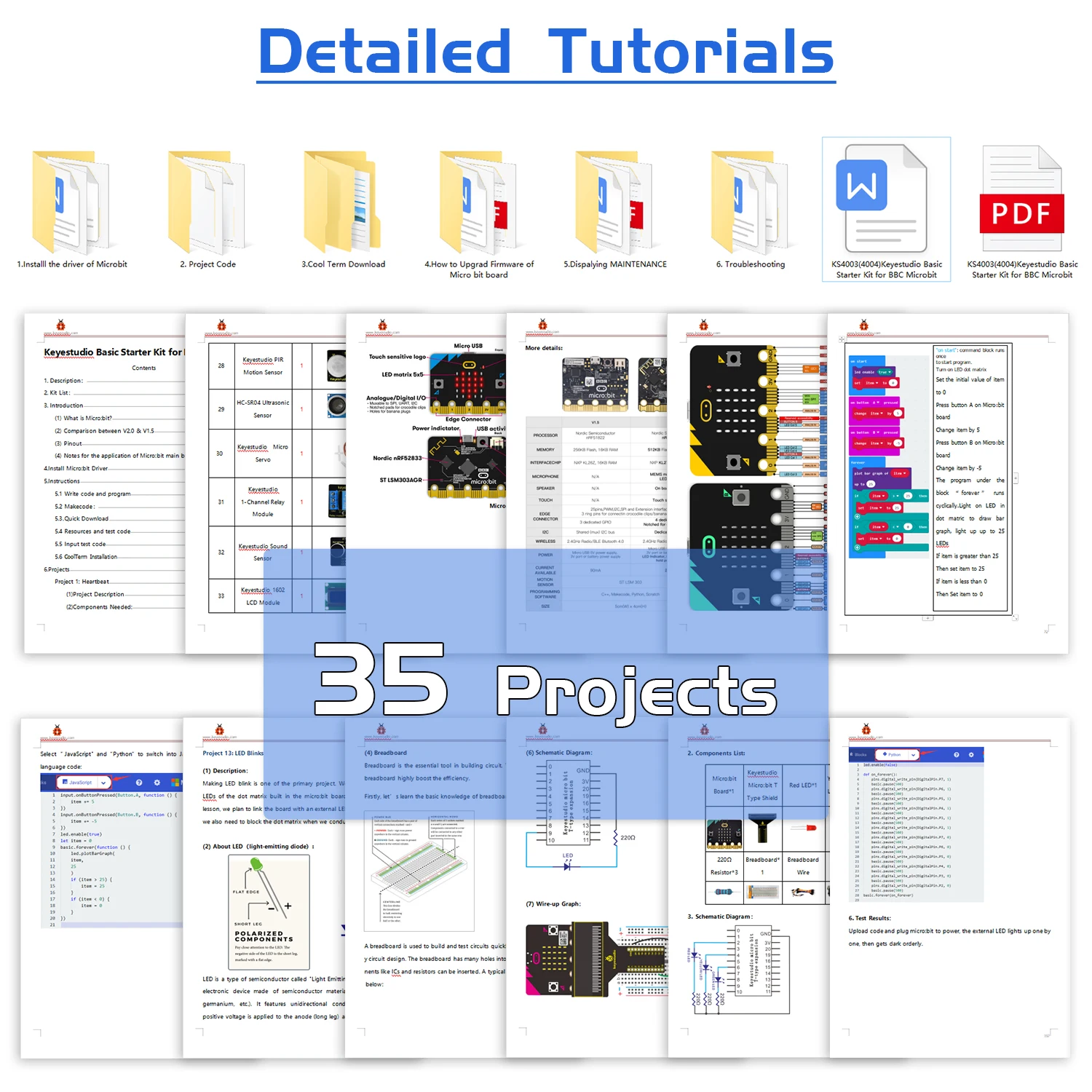
- Projects: 15–20+ guided STEM projects
- Assembly: DIY kit with simple plug-and-play setup
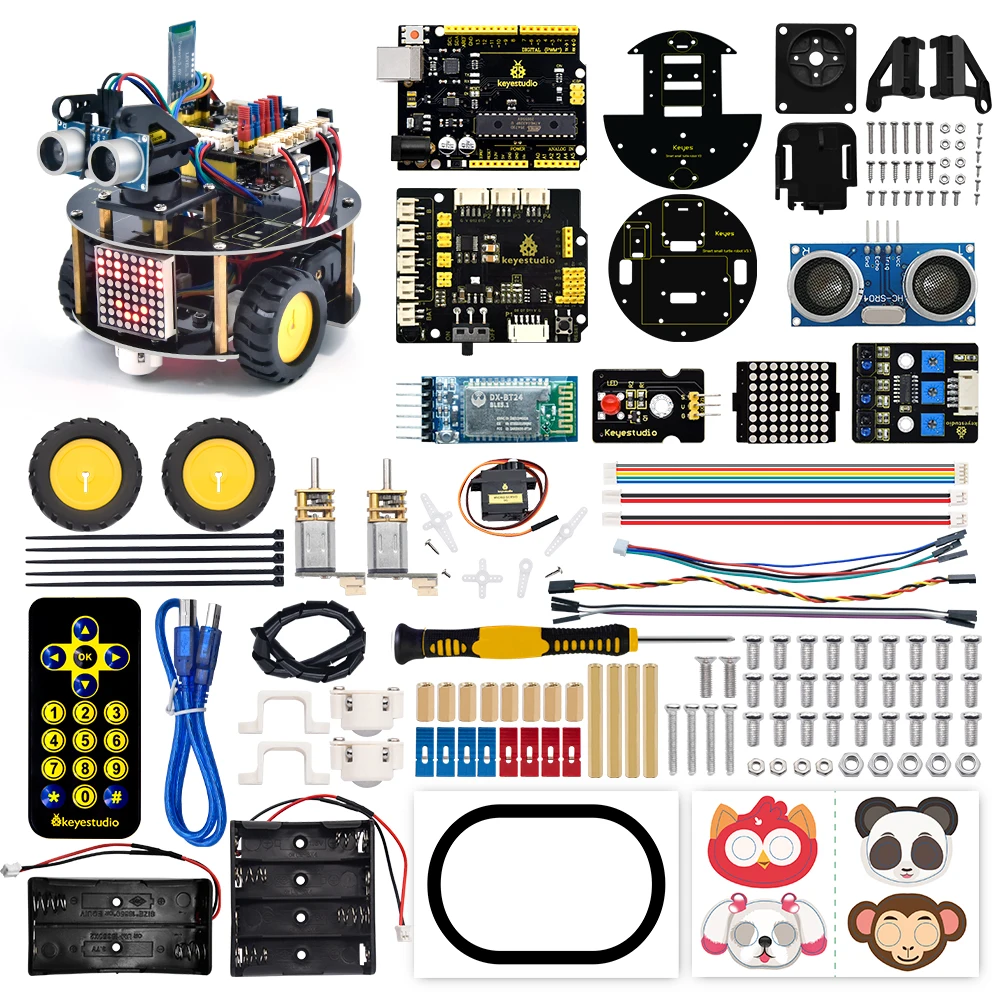
- Power: Battery holder + USB cable included
- Level: Beginner to intermediate
✅ 4. Subjects Covered
Electronics Fundamentals
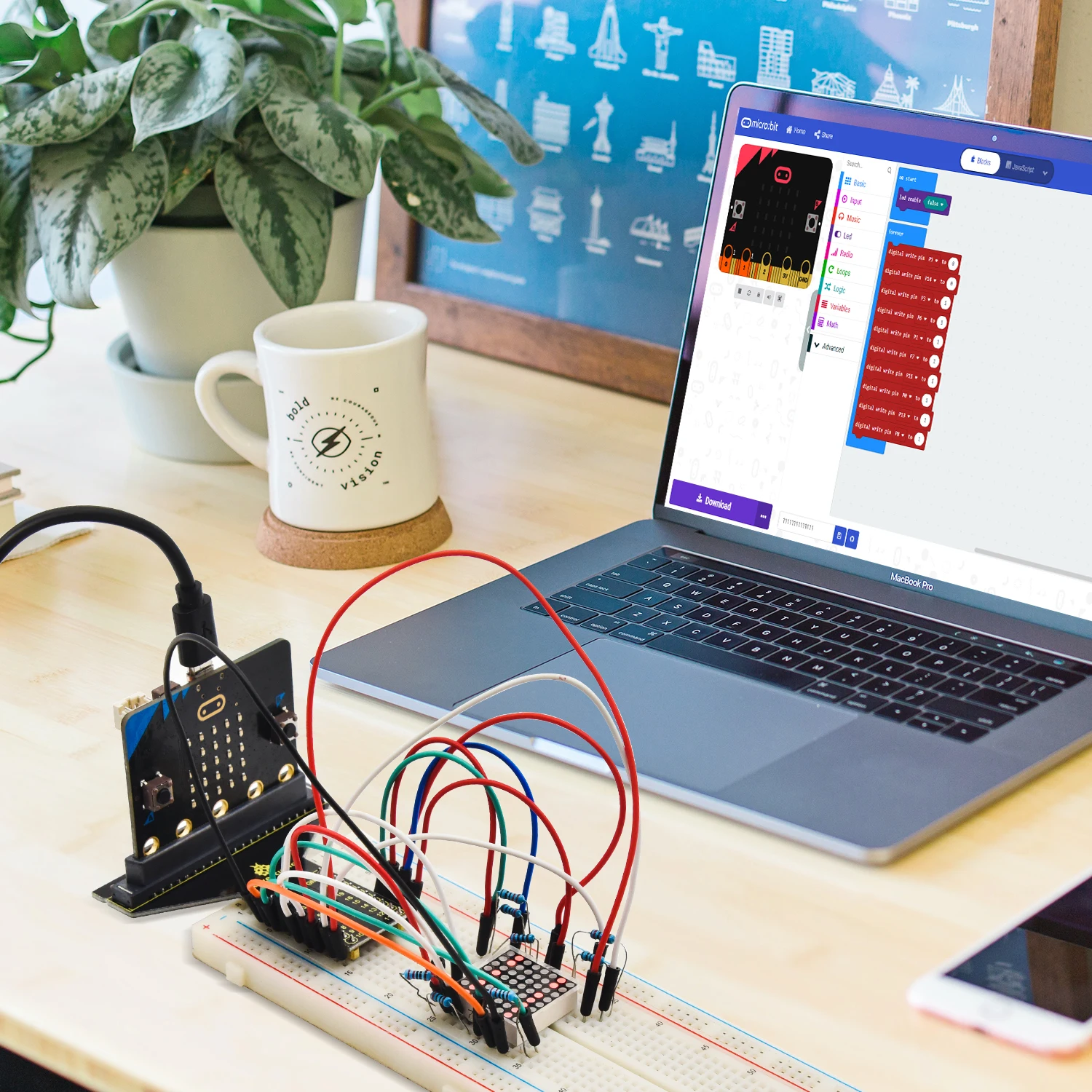
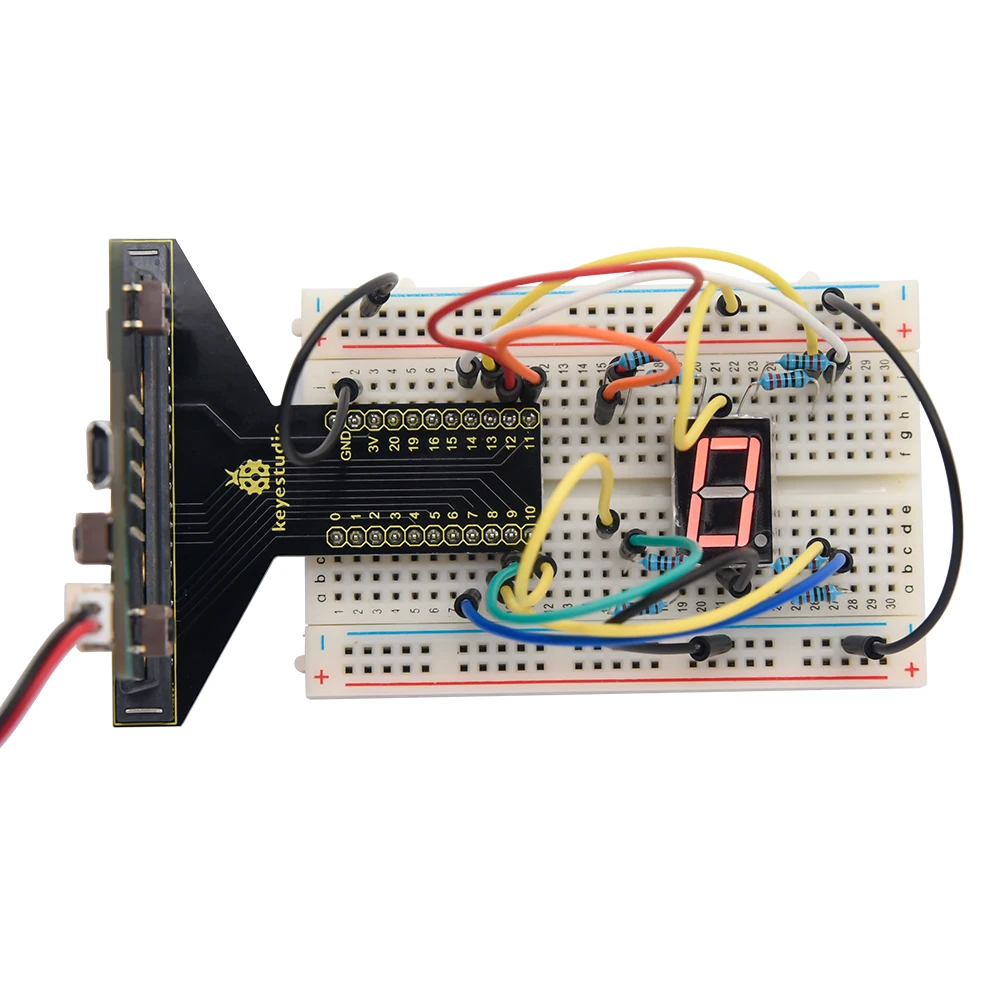
- Circuit building with breadboard
- Voltage, resistance, and signal basics
- Input/output device control
Coding & Programming
- Block-based coding (MakeCode)
- MicroPython programming
- Algorithm development and logic
Sensor Technology
- Temperature and light sensing
- Motion and button inputs
- Real-time data processing
STEM Education Skills
- Engineering design thinking
- Problem-solving strategies
- Hands-on experimentation
✅ 5. Activities Covered
Assembly Activities
- Build basic electronic circuits
- Connect sensors and modules
- Configure breadboard setups
Programming Activities
- Create LED lighting programs
- Develop sensor-triggered responses
- Build interactive button-controlled systems
Practical Experiments
- Measure environmental data
- Build simple alarm systems
- Test motion and light detection
Advanced Projects
- Design smart automation systems
- Combine multiple sensors
- Simulate real-world applications
✅ 6. Benefits for Students and Teachers
For Students
Learners develop essential coding and electronics skills through hands-on projects. Additionally, they improve logical thinking and creativity while exploring real-world applications.
For Teachers
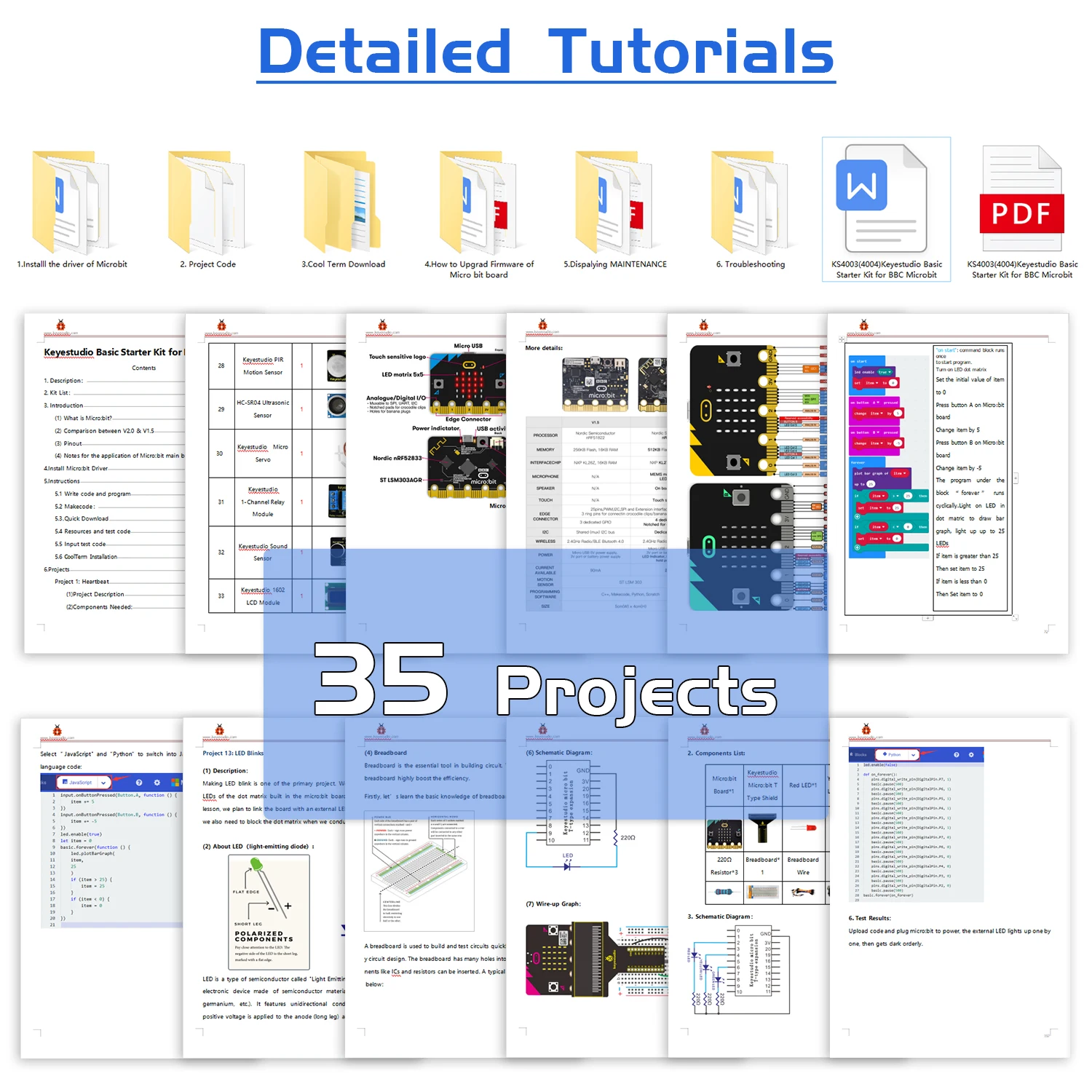
Educators can easily integrate this kit into STEM curricula because it includes structured tutorials and ready-to-use experiments. Furthermore, it enhances engagement through interactive learning.