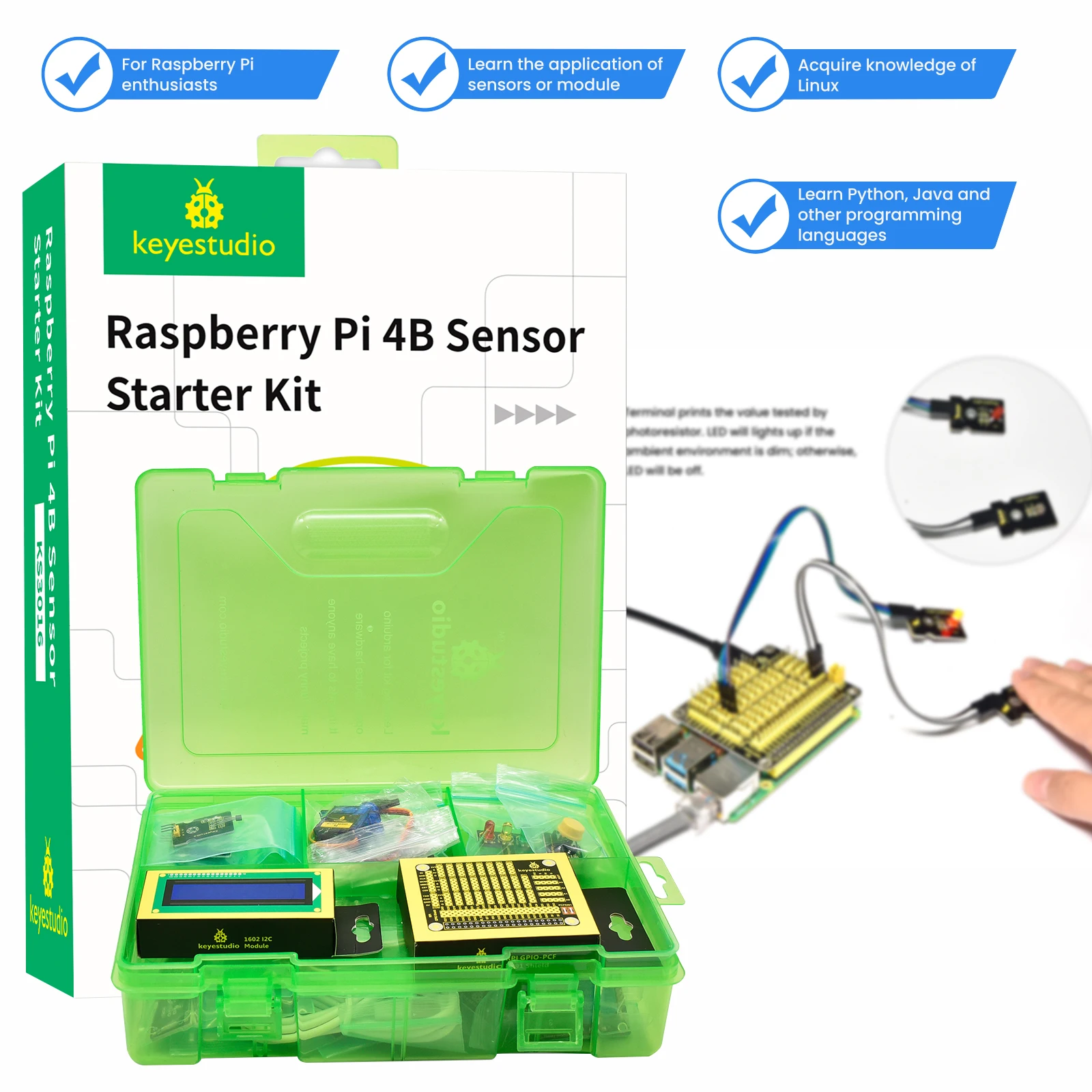
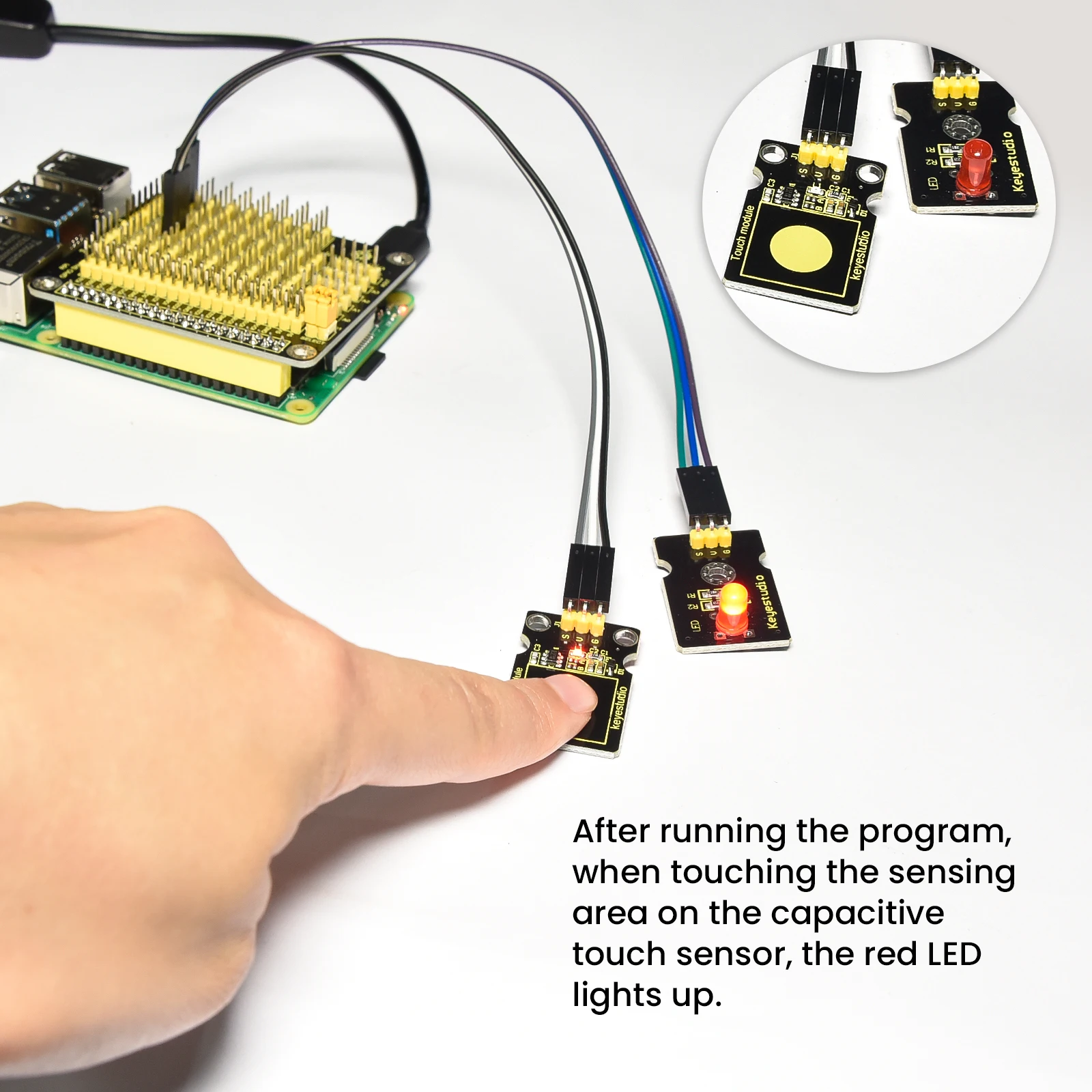
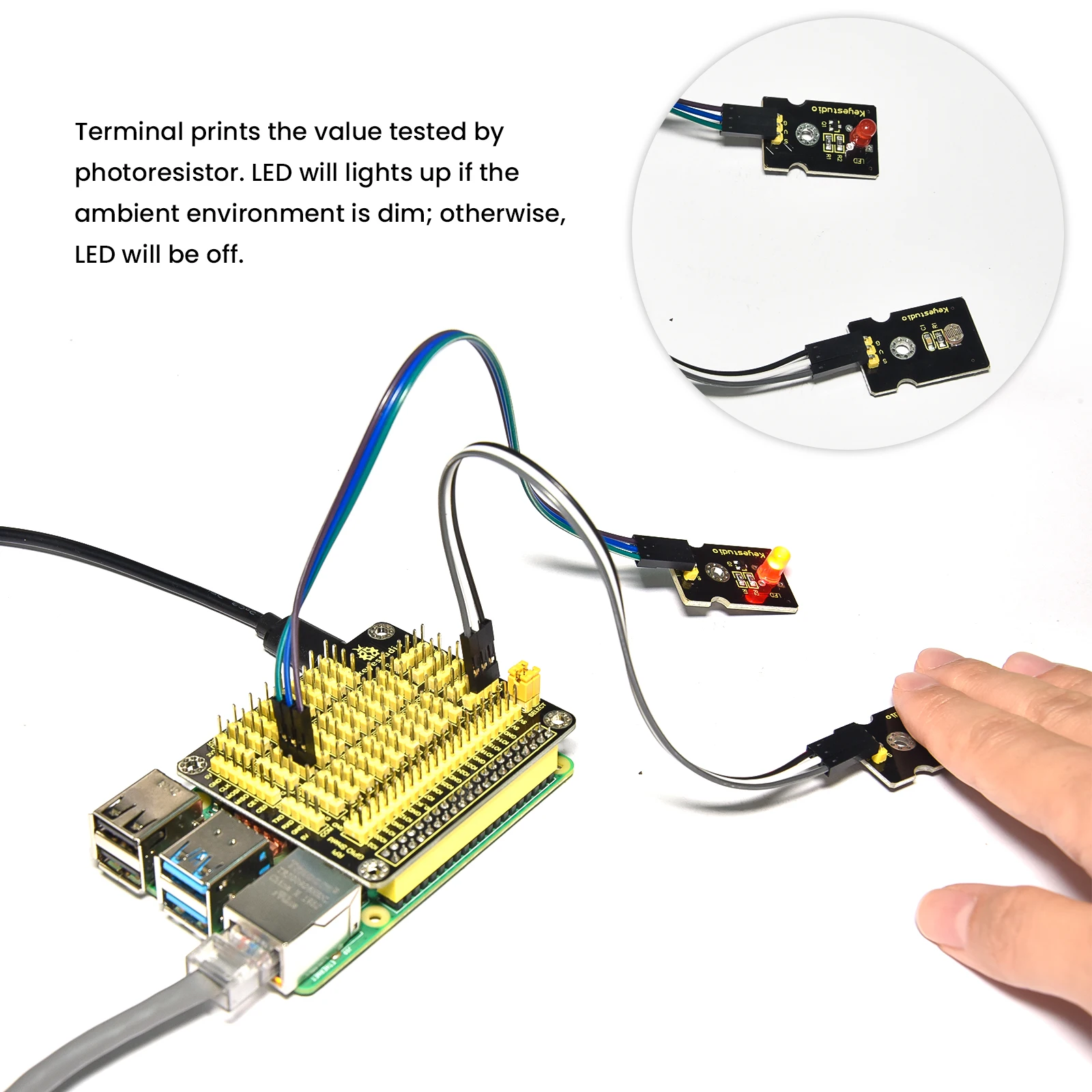
Raspberry Pi 4B Sensor Starter Kit
the Raspberry Pi 4B Sensor Starter Kit — the ultimate hands-on learning solution for beginners, students, and educators.
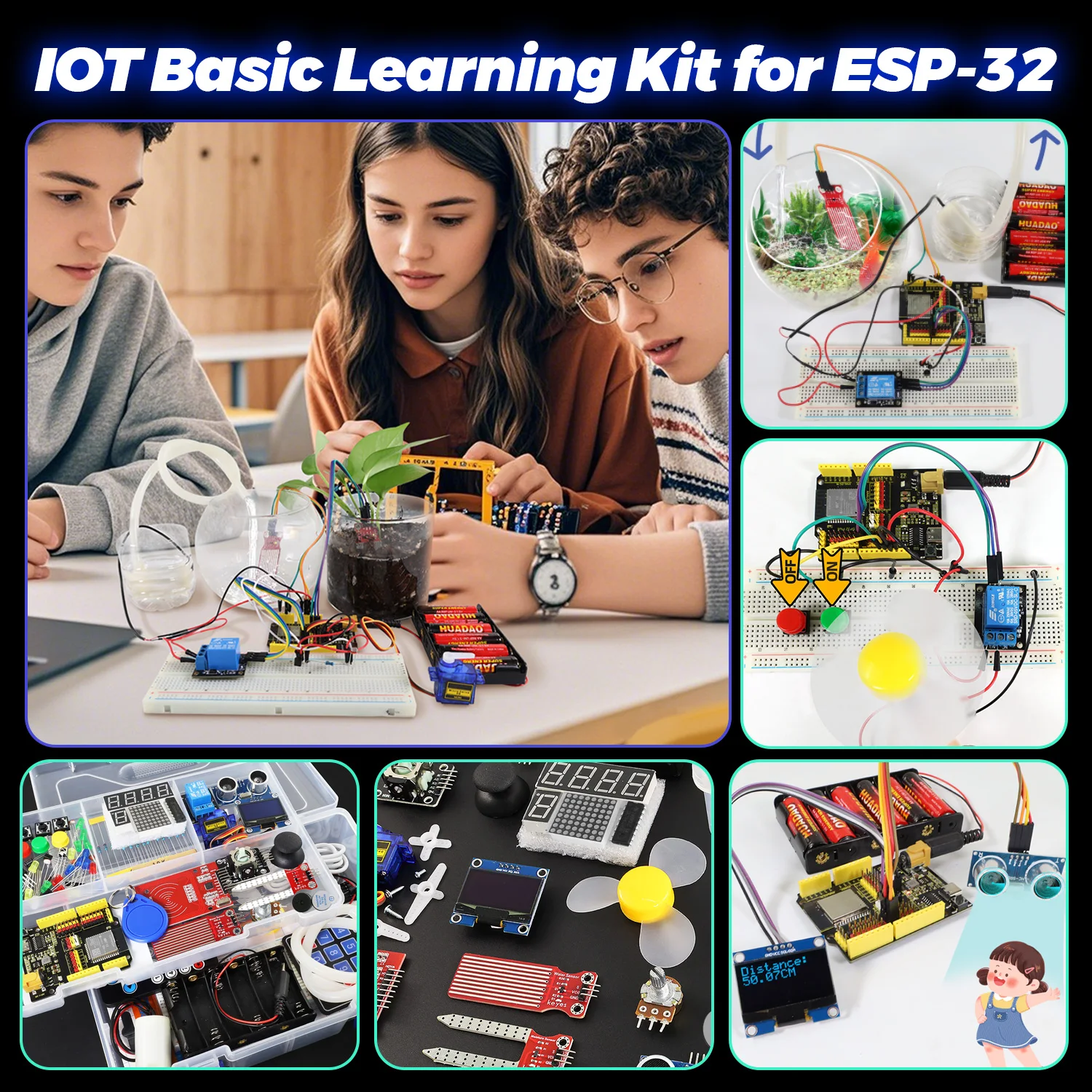
Designed for STEM education, this all-in-one kit allows users to explore programming, hardware interaction, and real-world automation projects using Raspberry Pi. With a wide range of sensors and modules, learners can build interactive systems such as motion detectors, temperature monitors, smart alarms, and more.
Whether you’re starting your coding journey or teaching advanced concepts, this kit provides step-by-step tutorials and practical experiments to make learning engaging and effective.
⚠️ Note: Raspberry Pi board is NOT included.
⚙️ 2. Product Specifications
- Brand: Keyestudio
- Compatibility: Raspberry Pi 4B (also supports other Pi versions)
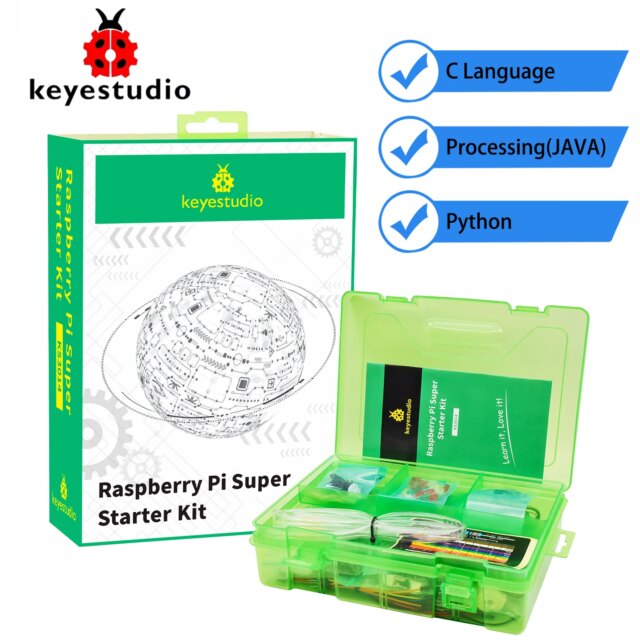
- Programming Languages: Python, Java, C
- Learning Level: Beginner to Intermediate
- Kit Type: STEM Education / Sensor Starter Kit
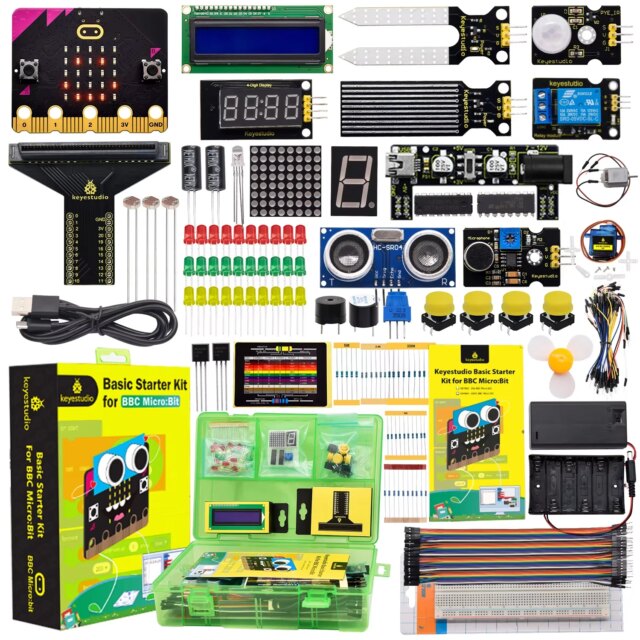
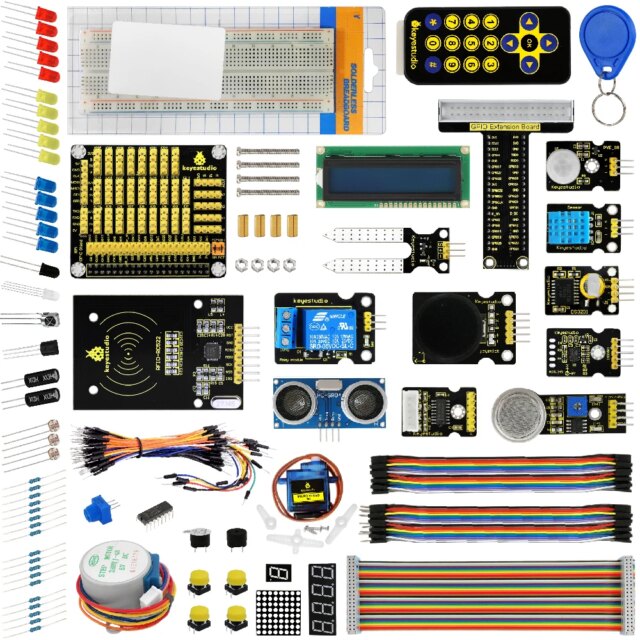
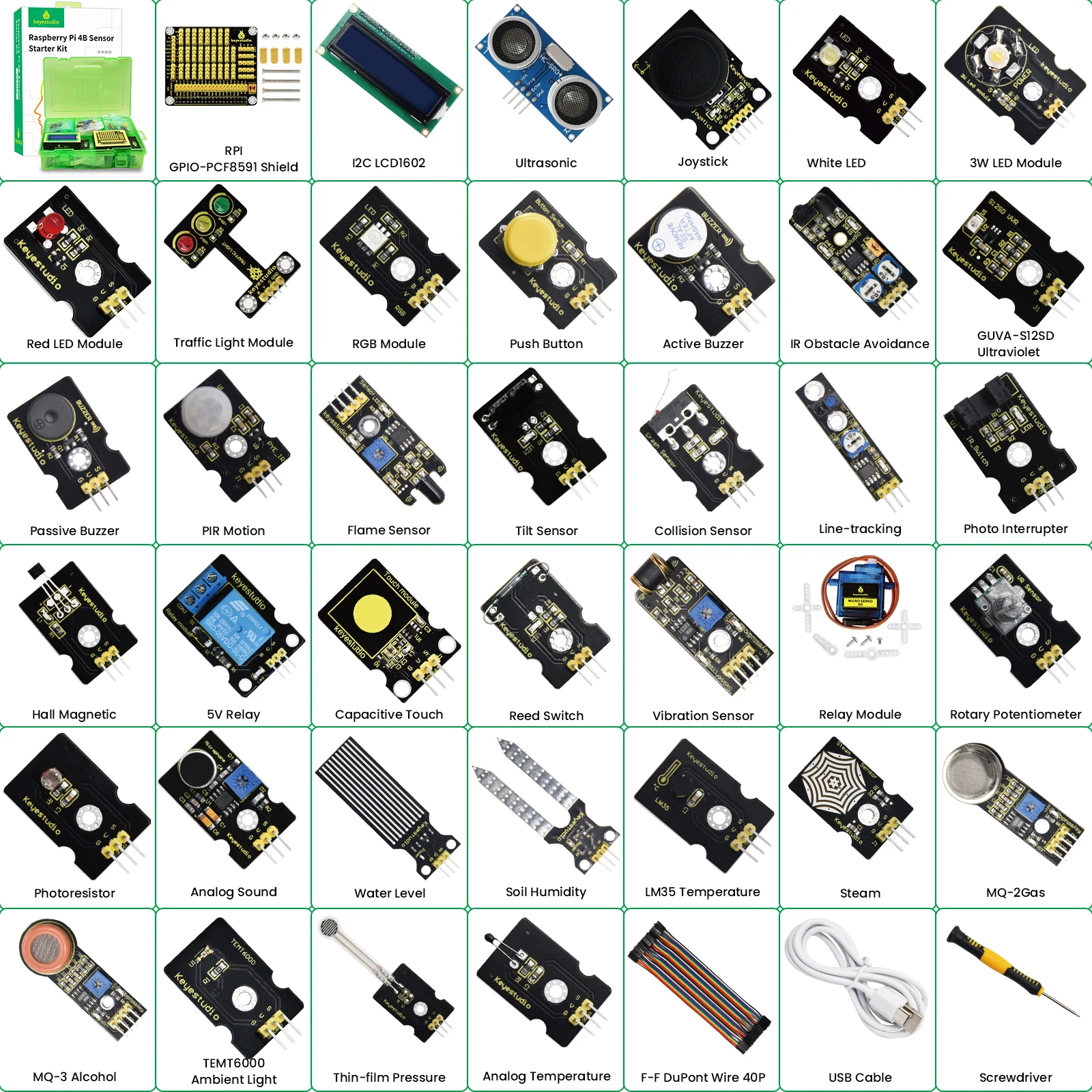
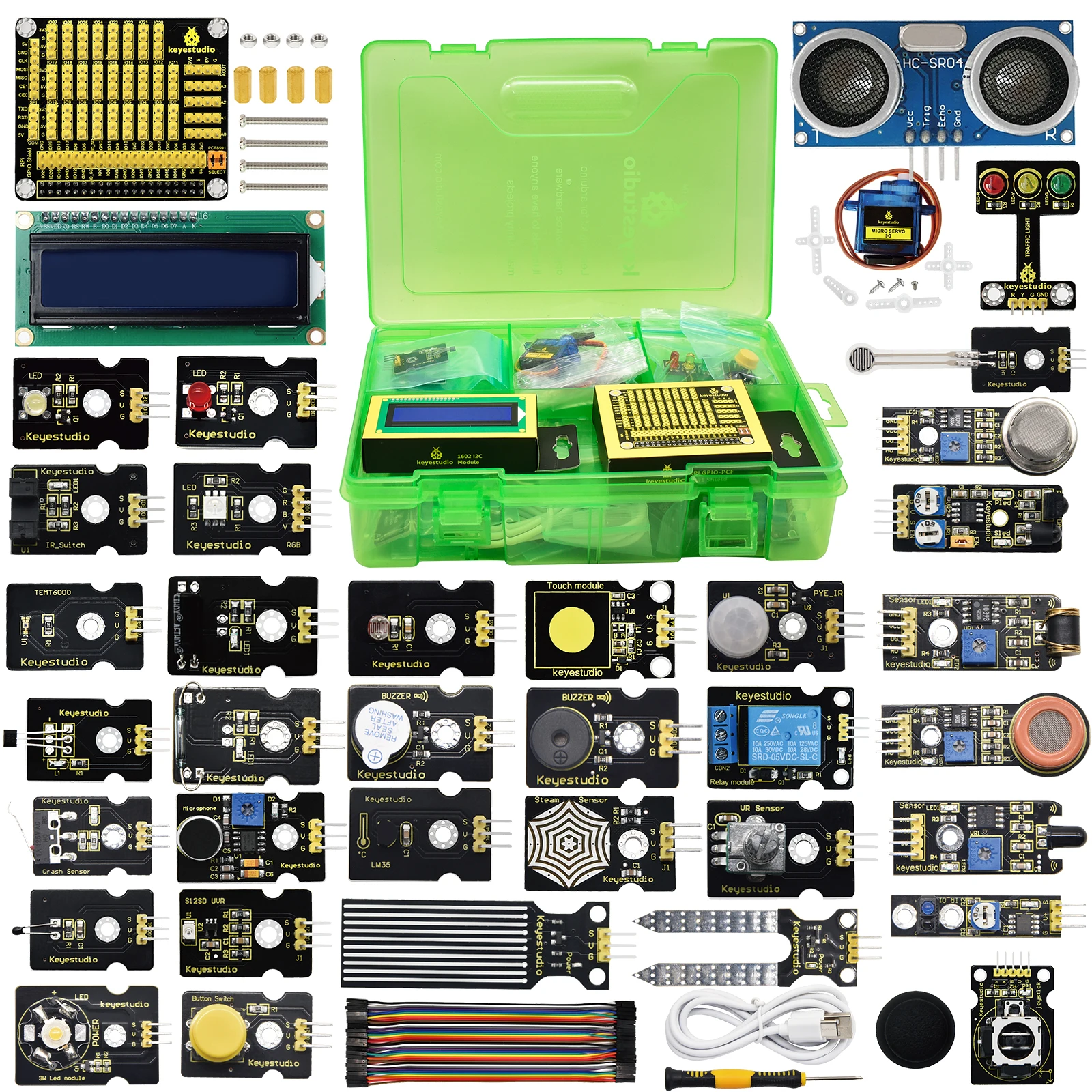
- Included Components:
- Multiple sensors (temperature, motion, light, gas, etc.)
- LCD display module
- Breadboard & jumper wires
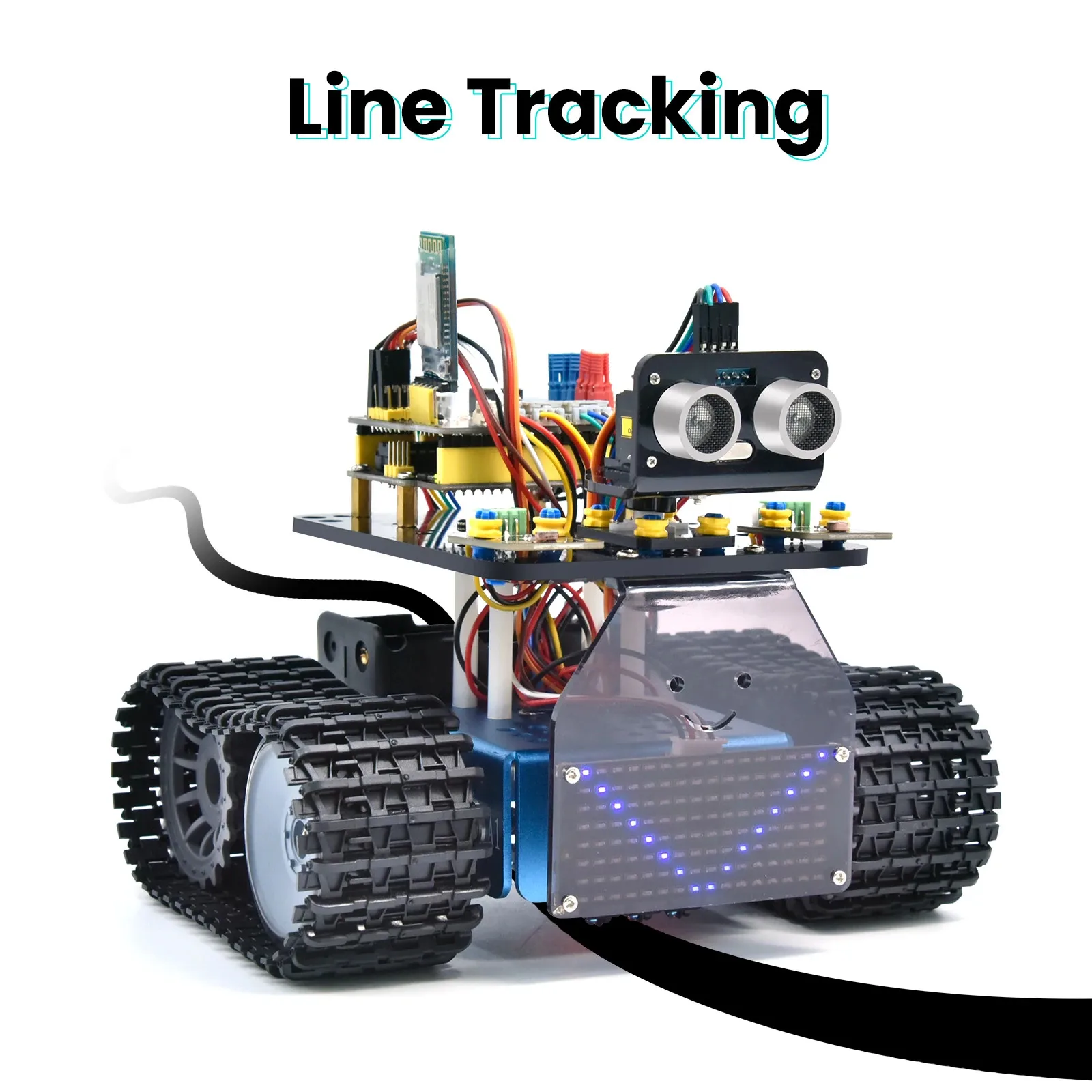
- Motor & control modules
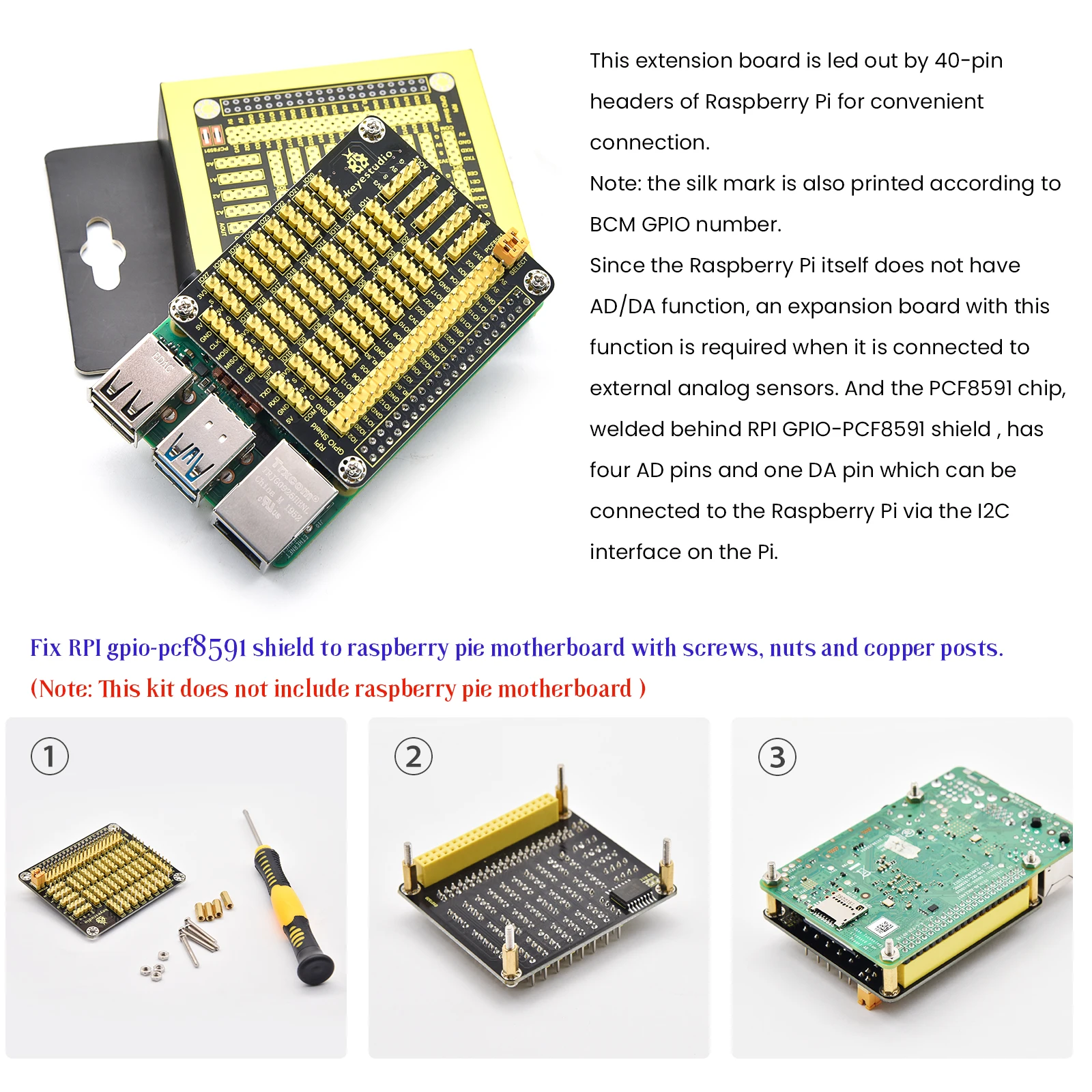
- GPIO expansion board
- Projects Included: 30–40+ practical experiments
- Tutorials: Online documentation + code examples
- Storage: Portable organized case
- Board Included: ❌ No Raspberry Pi board
3. Subjects Covered (Detailed)
This STEM kit provides a multi-disciplinary learning experience, covering both theoretical knowledge and practical application across several key subjects:
🧠 Computer Science & Programming
- Python programming fundamentals (variables, loops, conditions)
- Introduction to Java and C for embedded systems
- Writing scripts to control hardware components
- Understanding how software interacts with physical devices
🔌 Electronics & Electrical Engineering
- Basic circuit design and prototyping
- Understanding voltage, current, and resistance
- Working with breadboards and GPIO pins
- Sensor integration and signal processing
🤖 Robotics & Automation
- Controlling motors (servo & stepper motors)
- Building automated systems (e.g., smart alarms, motion-triggered devices)
- Introduction to control systems and logic-based automation
🌐 Internet of Things (IoT)
- Connecting sensors to create smart systems
- Data collection from the environment (temperature, light, motion)
- Foundations of smart home and automation technologies
🔬 Physics & Applied Science
- Real-world applications of sensors (light, heat, motion, gas)
- Understanding environmental data measurement
- Energy flow and system response in electronic circuits
🎓 STEM & Project-Based Learning
- Hands-on experimentation and prototyping
- Engineering design thinking
- Problem-solving through real-world projects
🔧 4. Activities Performed with This Product (Detailed)
This kit enables users to perform dozens of practical, real-world projects that simulate modern technology systems:
💡 Basic Electronics & Programming Activities
- Programming LEDs (on/off, blinking patterns, RGB mixing)
- Creating traffic light simulation systems
- Learning GPIO pin control and signal output
🌡️ Sensor-Based Monitoring Projects
- Building temperature and humidity monitoring systems
- Light detection and automatic brightness control
- Motion detection using PIR sensors
- Gas and safety detection systems (alarm triggers)
📟 Display & Interface Projects
- Displaying real-time data on LCD screens
- Creating user feedback systems (messages, alerts)
- Building simple dashboards using sensors + display
⚙️ Motor Control & Robotics
- Controlling servo motors for movement simulation
- Running stepper motors for precise positioning
- Creating mini robotic mechanisms or automated devices
🚨 Smart Systems & Automation
- Designing smart alarm systems (motion, gas, or light-triggered)
- Building automatic lighting systems
- Creating condition-based automation (IF/THEN logic)
🌐 IoT-Style Projects
- Collecting environmental data for analysis
- Simulating smart home systems
- Integrating multiple sensors into one intelligent system
🧪 Experimentation & Custom Projects
- Combining multiple modules to build unique inventions
- Testing and debugging circuits
- Developing creative prototypes and engineering solutions
👨🎓 Benefits for Students
🚀 Hands-On Learning Experience
Instead of passive learning, students actively build and experiment with real electronic components. This helps them understand concepts faster and retain knowledge longer.
💻 Learn Coding Through Real Applications
Students don’t just write code — they see it come to life by controlling sensors, lights, and motors. This bridges the gap between theory and real-world application.
🧠 Develop Critical Thinking & Problem-Solving Skills
By building projects and troubleshooting circuits, students learn how to:
- Analyze problems
- Test solutions
- Debug errors
- Think logically and creatively
🔧 Build Future-Ready Technical Skills
Students gain early exposure to:
- Programming (Python, Java basics)
- Electronics & hardware interaction
- IoT and automation concepts
These are in-demand skills for careers in technology, engineering, and robotics.
🎯 Boost Confidence Through Project Completion
Completing real projects (like alarms, sensors, and displays) gives students a strong sense of achievement, increasing confidence and motivation to learn more.
🌍 Encourage Innovation & Creativity
Students can go beyond tutorials and create their own projects, encouraging innovation, experimentation, and independent thinking.
👩🏫 Benefits for Teachers
📦 All-in-One Ready Teaching Solution
No need to gather separate components — this kit includes everything required to run complete STEM lessons and workshops.
📘 Structured Curriculum Support
Comes with tutorials and guided projects, making it easier to:
- Plan lessons
- Assign practical exercises
- Track student progress
Perfect for both beginners and structured classroom environments.
🧑🏫 Supports Project-Based Learning (PBL)
Encourages active learning where students:
- Build real projects
- Work in teams
- Apply concepts practically
This aligns with modern STEM and 21st-century teaching methodologies.
⏱️ Saves Preparation Time
Teachers don’t need to design experiments from scratch — the kit provides ready-to-use activities, reducing workload and preparation time.
🎯 Engages Students More Effectively
Interactive experiments keep students more engaged compared to traditional lectures, leading to:
- Better participation
- Higher retention rates
- More enthusiasm for STEM subjects
🏫 Ideal for Multiple Teaching Environments
- Classrooms
- STEM labs
- Coding clubs
- Workshops & training programs
📊 Easy Assessment & Evaluation
Teachers can evaluate students based on:
- Project completion
- Code functionality
- Creativity and problem-solving approach